
Reviewed · NIKKO DAY TRIPS
Nikko: Day Tour from Tokyo in Spanish – Spanish
Nikko feels like a storybook day from Tokyo. This Spanish tour strings it together fast: express train both ways, key UNESCO sights, and a guide who helps you notice details you’d miss on your own.
I especially like two things. First, the guides—Nerea, Laura, Ori, and Isma are named by past groups—and they keep the walk moving with friendly, clear explanations. Second, you get practical structure: you’re not just dropped at temples; you’re guided through legends, layout, and what to look for at each stop.
One thing to consider: this is a walking day and it’s not set up for wheelchair users or hearing-impaired guests. Also, you’ll want to pack light because large bags/luggage aren’t allowed.
In This Review
- Key highlights worth planning around
- Why Nikko makes a great day trip from Tokyo
- Getting to Nikko: express trains, reserved seats, and how not to waste time
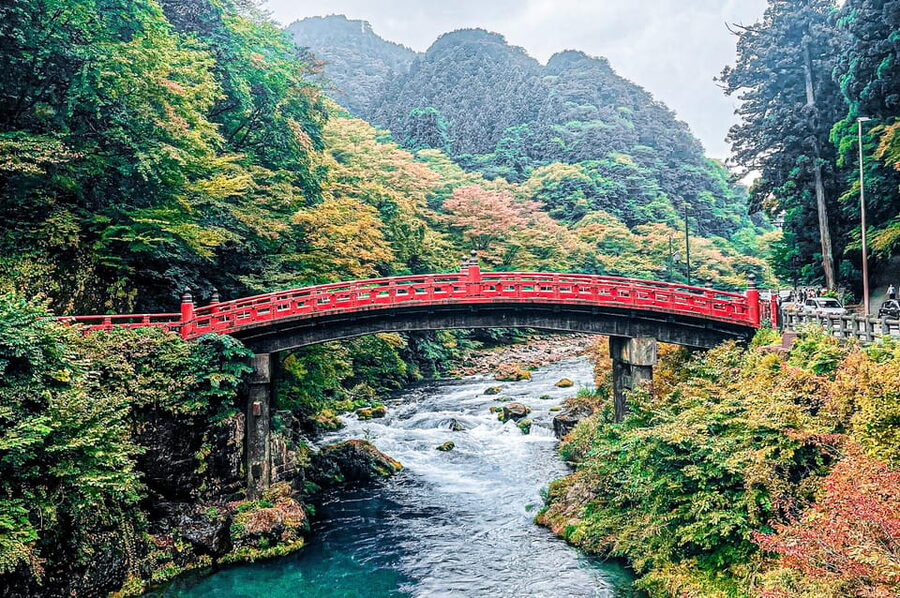
- Walking the main street to Shinkyo Bridge (Bridge of the Gods)
- Futarasan complex: legends and temple-shrine atmosphere
- Rinnoji Temple: the stop that sets the tone
- Toshogu Shrine: ornate aesthetics you’ll actually understand
- Lunch and the afternoon return: plan your energy, not just your photos
- Spanish guidance: small groups, big clarity
- Who this tour fits best (and who should look elsewhere)
- Price and value: is $254 a fair deal?
- The small details that can make or break your day
- Should you book this Nikko day tour in Spanish?
- FAQ
- What language is the tour guide?
- How long is the Nikko day tour?
- Do I need to buy temple tickets?
- Is lunch included?
- Where do I meet the guide in Tokyo?
- Is it wheelchair accessible or suitable for hearing-impaired guests?
Key highlights worth planning around
- Spanish-speaking guide that keeps the day understandable and fun, not just scenic
- Reserved-seat express trains for a smoother Tokyo–Nikko–Tokyo rhythm
- Skip-the-line entry via a separate entrance so you spend time seeing, not waiting
- Shinkyo Bridge visit with context behind the famous Bridge of the Gods
- Toshogu Shrine guided visit focused on its standout aesthetics and symbolism
- Lunch + break time built in so you’re not sightseeing nonstop
Why Nikko makes a great day trip from Tokyo
Nikko is one of those places where the details matter. Even if you know Japan from photos, Nikko’s temple-and-shrine complex feels different once you’re walking the paths. This tour is built for that effect: it connects the UNESCO core to an easy train schedule, so you don’t waste your day on logistics.
The real value is that the timing is tight but not frantic. You’ll travel by express train with reserved seats, then spend the afternoon seeing the major sights in a guided flow. If you’d rather “get it right” the first time you visit, this kind of structure saves you from the usual day-trip chaos.
And yes, it’s Spanish-friendly. The whole experience is led in Spanish, which changes how much you actually absorb. When you’re hearing legends and meaning out loud, the place stops being just pretty architecture and starts becoming a story you can follow.
More runs north to Nikko, ranked by reviews
- Nikko Full-Day Private Tour with Government-Licensed Guide
★ 5.0 · 259 reviews - Nikko – Beautiful Full-Day Personal and Private Tour
★ 4.9 · 119 reviews - Nikko Heritage & Nature Day Trip from Tokyo
★ 4.8 · 94 reviews - Tokyo: Nikko Private Customize Tour English Driver & Guide
★ 5.0 · 70 reviews
Getting to Nikko: express trains, reserved seats, and how not to waste time
The tour starts in Tokyo and uses an express train to Nikko, with 105 minutes of train time in each direction. That matters because Nikko day trips can become a battle against schedule drift. Reserved seats help you keep your plans intact—especially on busier days.
You also have two practical options: a set meeting point in front of the Asakusa Tourist and Cultural Information Center (near Tōbu-Asakusa Station), or optional pickup at your hotel reception. The guide wears a name tag indicating NIPONEANDO, which makes it easier to spot them quickly when you’re moving through train-station crowds.
One note on value and price: the tour costs $254 per person, but what you pay can depend on when you book. If you booked before September 15, 2025, the trains weren’t included in the price. Bookings from September 15, 2025 onward include the express train as part of the tour rate. When you compare deals, check that detail so you’re comparing like with like.
Walking the main street to Shinkyo Bridge (Bridge of the Gods)
Once you arrive, the tour begins with a walk along the main street until you reach Shinkyo Bridge, famous as the Bridge of the Gods. The big win here isn’t the bridge alone—it’s how the guide frames what you’re seeing. Even a short stop feels more meaningful when you understand the legends tied to the site.
This is also where you get your pacing for the day. The walking segments are brief, with short guided chunks. That’s helpful if you want to see a lot but you still need moments to reset your focus and take photos without racing.
Realistic tip: bring a little water and keep your expectations simple. Shinkyo is iconic, but it’s also a popular spot, so being ready to move with the group makes the experience smoother.
Futarasan complex: legends and temple-shrine atmosphere
After Shinkyo, the tour shifts into the Futarasan complex—the core area where Nikko’s spiritual storylines connect. Here, the guide tells stories and legends connected to the place. That storytelling is what turns a “temple circuit” into something you’ll remember beyond the visuals.
You’ll also get guided visits in a way that helps you read the environment. Nikko isn’t one random shrine; it’s a cluster where symbolism shows up repeatedly. Having someone point out the meaning makes it easier to notice patterns instead of just collecting stamps from one gate to the next.
Rinnoji Temple: the stop that sets the tone
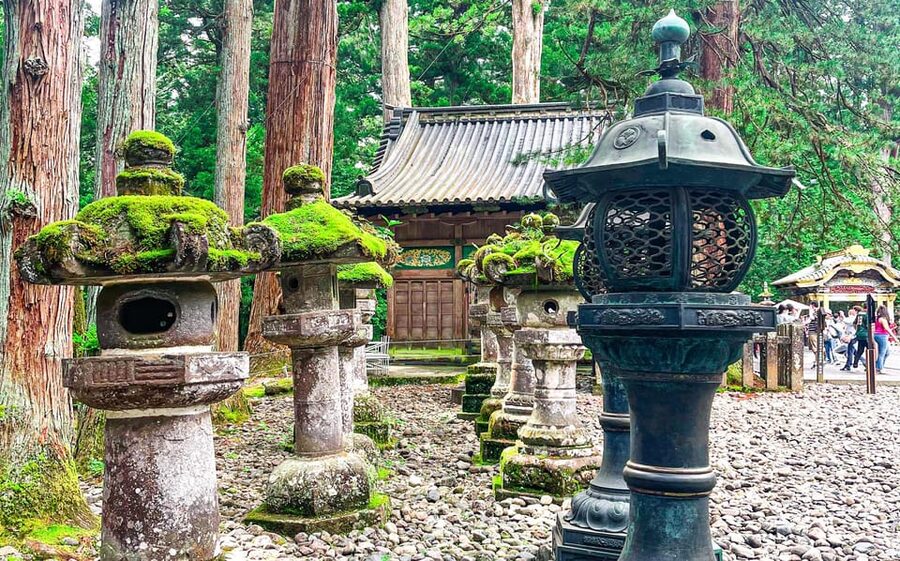
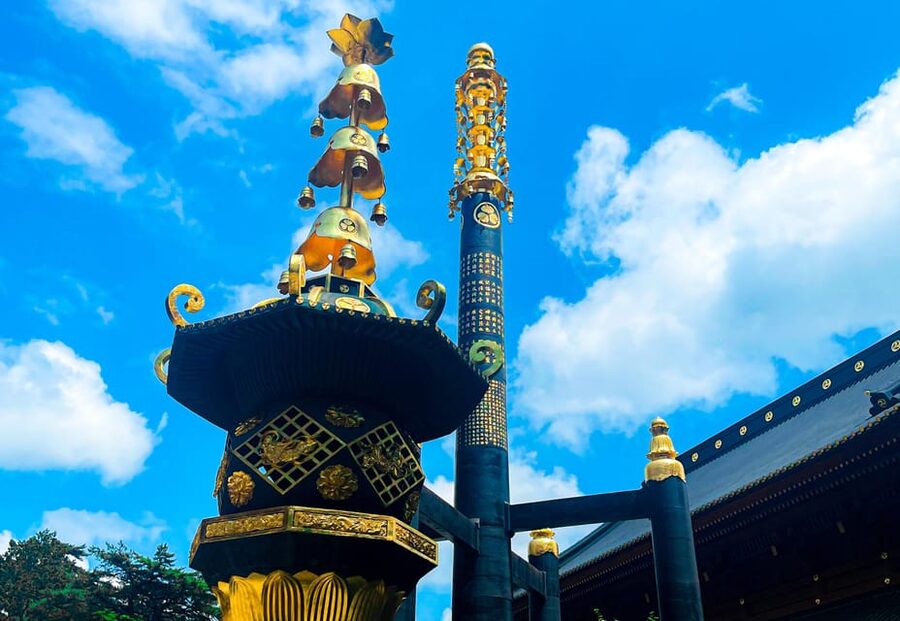
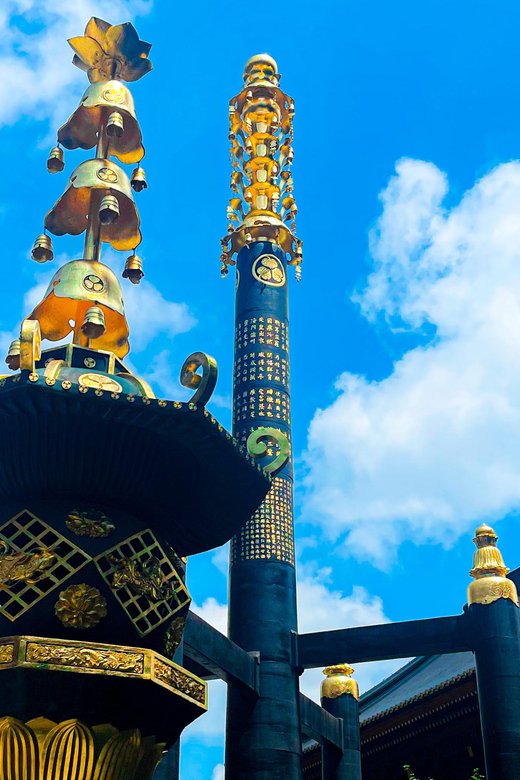
Next up is Nikkozan Rinnoji Temple. The guided visit takes about 25 minutes, which is long enough to see key features without draining you before the main highlight.
This is a good moment to take mental notes for later. When the guide explains how Rinnoji fits into the broader Nikko spiritual world, you’ll be better prepared for the visual intensity at Toshogu Shrine. If you skip the context here, Toshogu can feel like only ornament. With context, it feels intentional.
Possible drawback: if you’re the type who wants long, quiet temple time, you may feel the schedule is “guided-first.” It’s still a respectful visit, just not a slow, wandering day.
- Nikko: Private Walking Tour with Local Guide★ 4.8 · 35 reviews
- From Tokyo: Nikko Customised Private 1 Day Sightseeing Tour★ 4.8 · 32 reviews
- Nikko: Toshogu Shrine Ticket(Exchange at Tobu Nikko Station)★ 4.4 · 23 reviews
- Full Day Private tour & sightseeing to Nikko(Eng speaking Driver)★ 4.5 · 19 reviews
- Nikko Private Custom Tour with Local Guide★ 5.0 · 16 reviews
Toshogu Shrine: ornate aesthetics you’ll actually understand
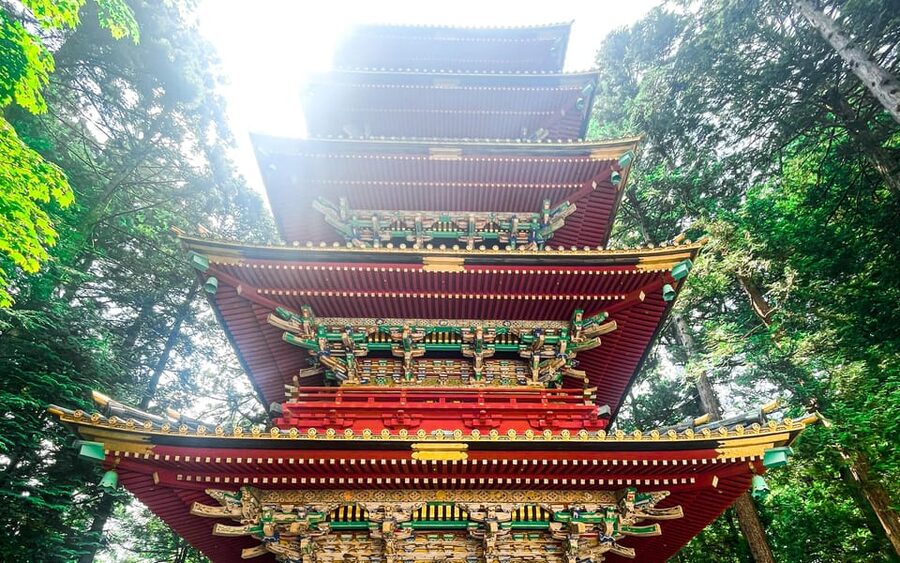
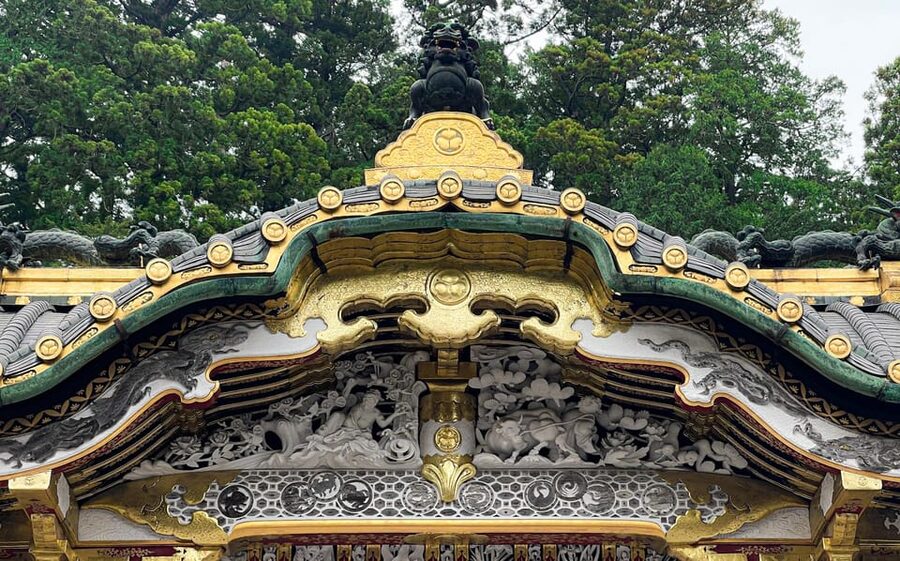
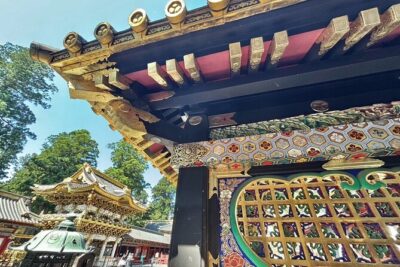
Then comes Nikko Toshogu Shrine, the star attraction. The guided visit is about 95 minutes, and it’s easy to see why: this is one of the most beautiful shrines in Japan, with aesthetics that feel strikingly different from simpler temple styles.
Two things make this stop work well on a guided day:
- You get help interpreting what you’re looking at, not only where to stand for photos.
- You get skip-the-line access through a separate entrance, so you spend more time inside the experience.
You’ll walk a bit between sections—so comfortable shoes matter. Also, expect your attention to be tested in a good way. Toshogu is visually busy, but when the guide breaks down meaning and design choices, the complexity becomes readable.
From the guide names shared in Spanish by past groups, the common thread is that strong guides help you not miss key details. If you’ve ever looked at a shrine and thought, I don’t know what I’m seeing, this is the part where the tour solves that.
Lunch and the afternoon return: plan your energy, not just your photos
You’ll have a lunch window with a break time of about 1 hour. This is where your day tripod matters: you’ll need food and a reset so the afternoon visit doesn’t turn into “survive mode.”
What’s not included is food and drink, so budget time and money for a meal option. The tour runs on a schedule that assumes you’ll handle lunch yourself (unless your guide’s recommendations lead you to a local spot).
After lunch there’s a short walk, then the tour heads back by train to Tokyo (again around 105 minutes). The earlier you accept that it’s a full day, the easier it is to enjoy it. You don’t have to sprint for every photo. A few well-timed ones plus the guided explanations will beat dozens of random angles.
Spanish guidance: small groups, big clarity
The highlights mention close and friendly tour guides, and the guide names shared in real bookings back that up. Past groups have praised guides like Nerea (noted for devotion to Japanese culture and history), Laura (sharing love for Japan and solving questions), Ori (explaining well and handling everyday Japan topics), and Isma (an attentive host with a strong history focus).
The best part for you: these guides don’t just recite dates. They adjust pacing for the group and handle questions as you go. That’s why some tours feel rigid while this one feels like you’re walking with a knowledgeable friend who can answer the practical stuff.
If you’re Spanish-speaking, the value jumps. You’ll hear the explanations clearly, and you can ask questions without language friction. That’s a real comfort advantage, especially when you’re surrounded by fast-moving sights.
Who this tour fits best (and who should look elsewhere)
This works best if you:
- Want a guided Nikko experience with Spanish interpretation
- Prefer organized timing and reserved-seat comfort over DIY planning
- Like temples and shrines, but want help understanding symbolism
- Are okay with steady walking during the day
It’s not suitable for wheelchair users or hearing-impaired people, and large bags/luggage aren’t allowed. Unaccompanied minors aren’t allowed either. If you fall outside these limits, you’ll need a different format.
Also consider your energy style. This is a “see the highlights” day, not a slow sit-and-stay-in-one-place day.
Price and value: is $254 a fair deal?
At $254 per person, this isn’t a budget tour. But it’s also not overpriced for what you get: reserved-seat express trains, a Spanish live guide, guided visits across the main Nikko sites, and skip-the-line entry to reduce wasted time.
Where the math gets personal is what you bring to the day:
- If you hate coordinating train schedules, the included express transport is a strong value.
- If you like understanding what you’re seeing, the guided narrative matters more than you might expect.
- If you’re hoping for food included, remember meals and drinks are not included, and temple tickets cost ¥1,900.
So think of it as paying for time saved and confusion avoided. If you’d rather not figure out which entrance, which stop, and which details matter, the price starts to feel more reasonable.
The small details that can make or break your day
A few practical notes will keep your day smooth:
- Pack light: large bags/luggage are not allowed.
- Wear comfortable shoes: you’ll be walking between stops and inside shrine areas.
- Bring basic cash/cards for temple tickets (¥1,900) and lunch (not included).
- Stay with the group: the day’s rhythm depends on guided timing.
One more item: the operator states they are environmentally friendly. You won’t see a magical feature here in your guide’s handout, but it’s a signal that they care about sensible group logistics. In practice, that usually means less wasted time and fewer chaotic detours.
Should you book this Nikko day tour in Spanish?
If you want an organized Nikko day with Spanish explanations and a plan that covers the main sights without you stressing over schedules, I’d book it. This is especially true if Toshogu Shrine is the reason you’re going. The skip-the-line access plus guided help at the busiest attraction is exactly where group value shows up.
If you’re the kind of traveler who wants maximum quiet time, or you need accessibility support, you should look for a different setup. And if you’re traveling with lots of luggage, this one will fight you.
My practical bottom line: book if you want to understand Nikko, not just look at it, and if your goal is to return to Tokyo with energy intact—not with a headache from logistics.
FAQ
What language is the tour guide?
The tour is guided in Spanish.
How long is the Nikko day tour?
The duration is 510 minutes, which is about 8.5 hours.
Do I need to buy temple tickets?
Yes. Temple tickets cost ¥1,900 and are not included.
Is lunch included?
No. Food and drink are not included.
Where do I meet the guide in Tokyo?
Meet the guide in front of the Asakusa Tourist and Cultural Information Center façade. The guide will be waiting with a name tag that says NIPONEANDO.
Is it wheelchair accessible or suitable for hearing-impaired guests?
No. It is not suitable for wheelchair users or hearing-impaired people.
More Tours in Nikko
- Nikko Full-Day Private Tour with Government-Licensed Guide
★ 5.0 · 259 reviews - Nikko – Beautiful Full-Day Personal and Private Tour
★ 4.9 · 119 reviews - Tokyo: Nikko Private Customize Tour English Driver & Guide
★ 5.0 · 70 reviews - Nikko: Private Walking Tour with Local Guide
★ 4.8 · 35 reviews - From Tokyo: Nikko Customised Private 1 Day Sightseeing Tour
★ 4.8 · 32 reviews
More Tour Reviews in Nikko
- Nikko Full-Day Private Tour with Government-Licensed Guide
★ 5.0 · 259 reviews - Nikko – Beautiful Full-Day Personal and Private Tour
★ 4.9 · 119 reviews - Nikko Heritage & Nature Day Trip from Tokyo
★ 4.8 · 94 reviews - Tokyo: Nikko Private Customize Tour English Driver & Guide
★ 5.0 · 70 reviews - Nikko: Private Walking Tour with Local Guide
★ 4.8 · 35 reviews
North to Nikko: More Trips Rated
- Nikko Full-Day Private Tour with Government-Licensed Guide
★ 5.0 · 259 reviews - Nikko – Beautiful Full-Day Personal and Private Tour
★ 4.9 · 119 reviews - Nikko Heritage & Nature Day Trip from Tokyo
★ 4.8 · 94 reviews - Tokyo: Nikko Private Customize Tour English Driver & Guide
★ 5.0 · 70 reviews - Nikko: Private Walking Tour with Local Guide
★ 4.8 · 35 reviews
Latest Nikko reviews off our desk
Nikko Day Trips, compared.
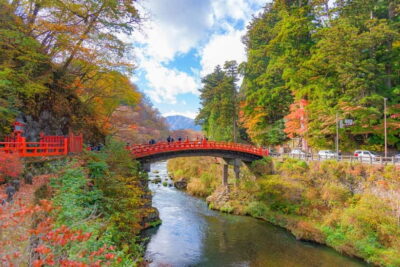 ★ 4.6Nikko: Kegon Falls, Lake Chuzenji & Toshogu TempleFrom $891,577 reviews
 ★ 4.5Nikko Toshogu Shrine and Kegon Waterfall TourFrom $841,266 reviews
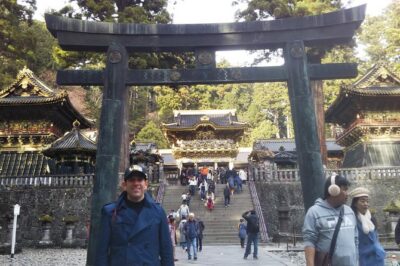 ★ 5.0Nikko Full-Day Private Tour with Government-Licensed GuideFrom $155259 reviews
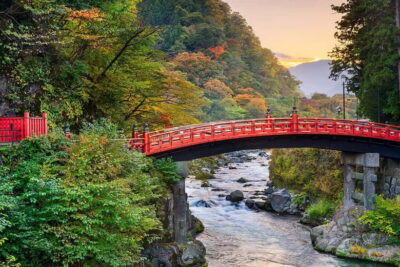 ★ 4.9From Tokyo: Nikko World Heritage Site Private Full-Day TripFrom $483243 reviews
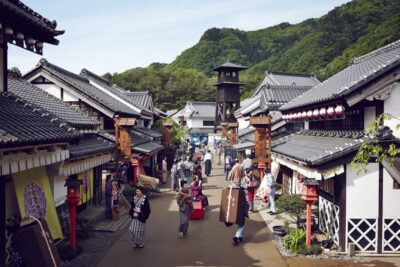 ★ 4.3Nikko: Edo Wonderland Edomura Cultural Theme Park TicketFrom $35205 reviews
 ★ 4.8Nikko World Heritage Private Day Trip Hotel Pick-upFrom $390145 reviews
 ★ 4.9Nikko – Beautiful Full-Day Personal and Private TourFrom $364119 reviews
Browse the lists this tour appears in