
Reviewed · TOKYO BAY DINNER CRUISES
Tokyo Bay: Traditional Japanese Yakatabune Dinner Cruise
Night sounds feel different on water. This Tokyo Bay yakatabune cruise pairs skyline views with an old-school floating dinner scene.
I like that you get real nighttime landmarks from the top deck, not just a quick photo stop. I also like the pacing of the meal, because it keeps flowing course by course while you’re watching the city lights.
One thing to plan for: the onboard narration and tour info can be mostly in Japanese, and dietary needs can’t be specially catered.
Key things I’d circle before you go
- Top-deck photo time with views of Tokyo Skytree and Rainbow Bridge lit up
- All-you-can-drink with beer, shochu, sake, wine, whiskey, plum liqueur, and soft drinks
- Multi-course Japanese dinner cooked on the day, served in a set progression
- Flexible seating: chair tables or low tables over a floor opening (yes, it’s part of the style)
- Small-group reality: you may share a table with up to 6 people
- No hotel pickup and check-in is time-sensitive, so plan to arrive early
In This Review
- Tokyo Bay at Night: What a Yakatabune Dinner Cruise Does for You
- Meeting at Funasei and Getting Onboard Without Stress
- Seating, Comfort, and the Style of How You’ll Eat
- Tokyo Skytree, Rainbow Bridge, and Odaiba Lights From the Top Deck
- The Dinner Course Meal: What You Actually Eat
- Unlimited Drinks: The Part Where the Cruise Turns Fun
- Staff, Language, and How to Still Enjoy the Sights
- Rainy Night Reality: How Weather Fits In
- Price and Value: Is $108 Worth It?
- Who This Cruise Fits Best (and Who Might Skip It)
- Should You Book the Tokyo Bay Yakatabune Dinner Cruise?
- FAQ
- FAQ
- How long is the Tokyo Bay yakatabune dinner cruise?
- Where do I meet the tour?
- What’s included in the price?
- What does the dinner course meal include?
- Is dietary requirements customization available?
- Will there be English-language commentary throughout?
Tokyo Bay at Night: What a Yakatabune Dinner Cruise Does for You
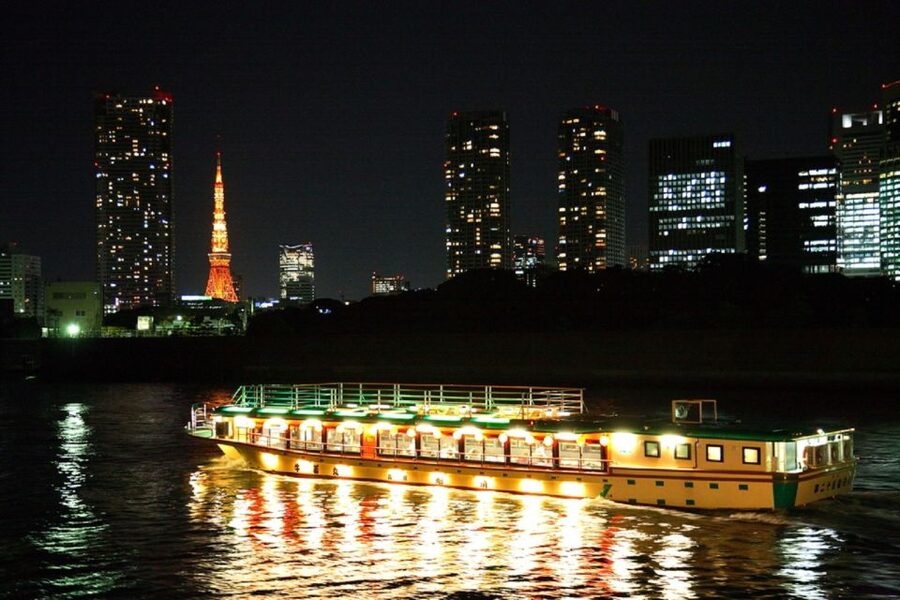
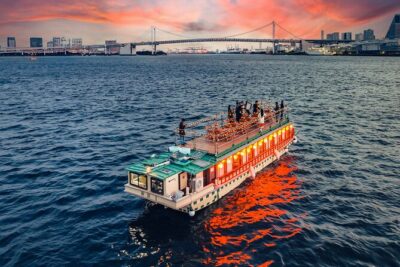
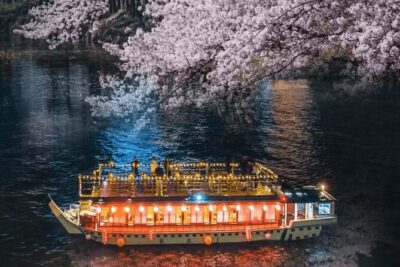
Tokyo at night can feel like a movie set—until you’re actually on the water. A yakatabune is a traditional houseboat, so you’re not just passing scenery. You’re eating inside a moving room with city lights reflected behind your plate.
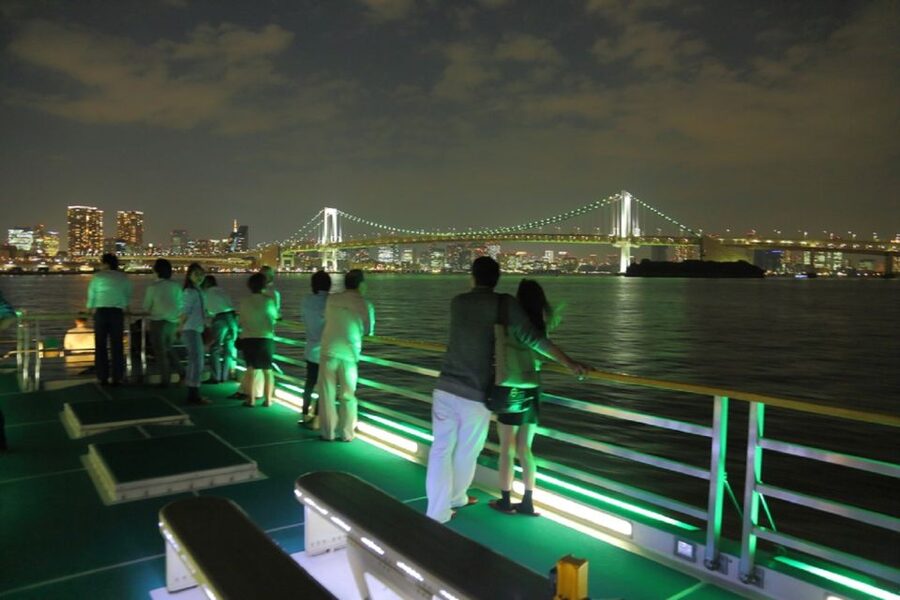
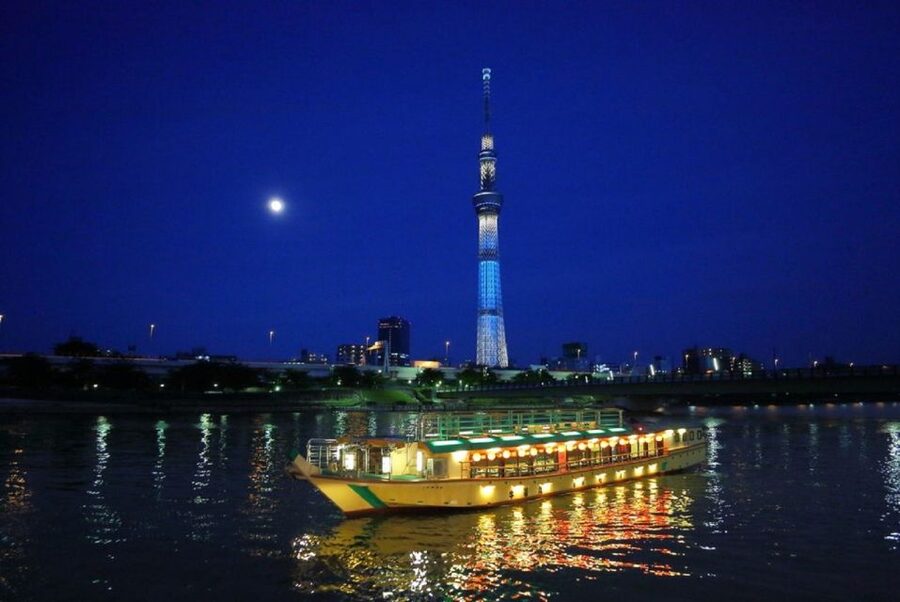
You’re also getting that “Tokyo without rushing” feeling. The route usually threads through big-name spots like Shinagawa, Rainbow Bridge, the Sumida River area, Tokyo Skytree, and Odaiba. Even if you know the landmarks, it hits different when they’re sliding by slowly, and you can shoot photos from the boat’s upper observatory deck.
The cruise also brings a social, local rhythm. You’ll often see Japanese families on board, and the staff usually keep things going smoothly. It can feel more like a community dinner on the river than a sealed-off tourist show.
Meeting at Funasei and Getting Onboard Without Stress
This cruise starts at the Funasei Boat Pier in Shinagawa-Ku. There’s no included hotel pickup, so you’ll want to think like a local: get yourself to the pier, then relax once you’re checked in.
Check-in is typically expected about 30 minutes before departure. If you’re late, you won’t get a refund, so build in buffer time. Also note that the departure window is usually between 5:00 PM and 6:30 PM, and the exact time can shift depending on date and weather.
A practical tip: don’t assume your map app will point you perfectly to the pier. People have found Google Maps can send them somewhere that isn’t the right spot. If you’re using a taxi, show the meeting point name exactly as provided, and give yourself enough time to correct course.
Once you arrive, you’ll board and settle into the indoor dining area. It’s fully air-conditioned, which matters because you’ll be in water traffic and evenings can still feel warm and humid in Tokyo.
Seating, Comfort, and the Style of How You’ll Eat
Inside, you’ll choose (or be assigned) seating in one of two styles. Some tables are normal chair-and-table setups. Others are low tables placed over a hole in the floor, which is part of the yakatabune dining tradition.
Either way, you’re eating in a covered space, so you’re not battling wind while you enjoy the meal. And because you’re on a boat, you’ll often get those small moments of motion that make the whole dinner feel alive—light sway, soft engine hum, and city lights drifting past.
Table sharing is another real possibility. You may share with up to 6 people, depending on how full the cruise is. If you’re the type who prefers guaranteed privacy, consider that before booking.
Tokyo Skytree, Rainbow Bridge, and Odaiba Lights From the Top Deck
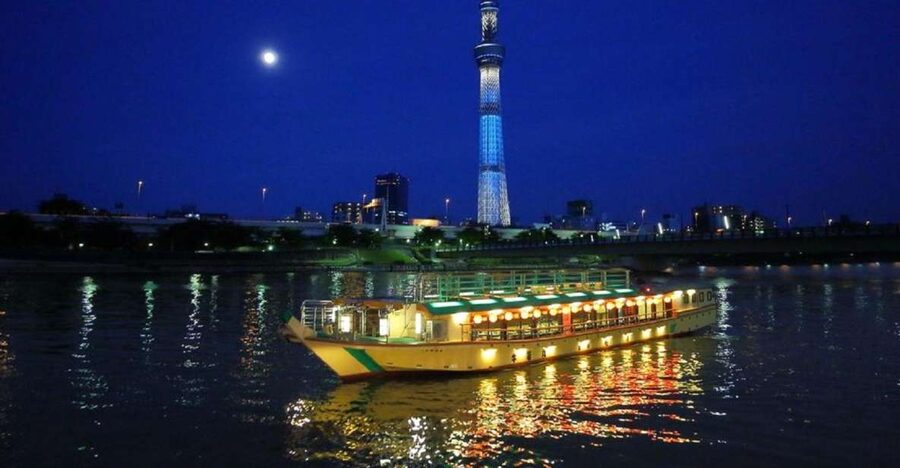
This is where the cruise earns its keep. The boat’s route is designed for night viewing, and there are opportunities to see major sights clearly enough to photograph.
Expect to catch Tokyo Skytree when it’s lit up, plus Rainbow Bridge as the skyline glows across the water. Reviews often mention that staff help coordinate photo moments, and the boat can stop at certain points so you can go up to the roof/observatory deck for better angles.
Odaiba is usually part of the evening’s sights too. From the upper deck, you can get a wider view of the bay area lighting up. This is also where the cruise feels less like eating and more like a slow-moving “Tokyo by night” viewing platform.
One more practical note: the route can change based on conditions. That’s normal at sea and on waterways, and it doesn’t automatically mean your experience will be worse—it just means the plan adapts.
The Dinner Course Meal: What You Actually Eat
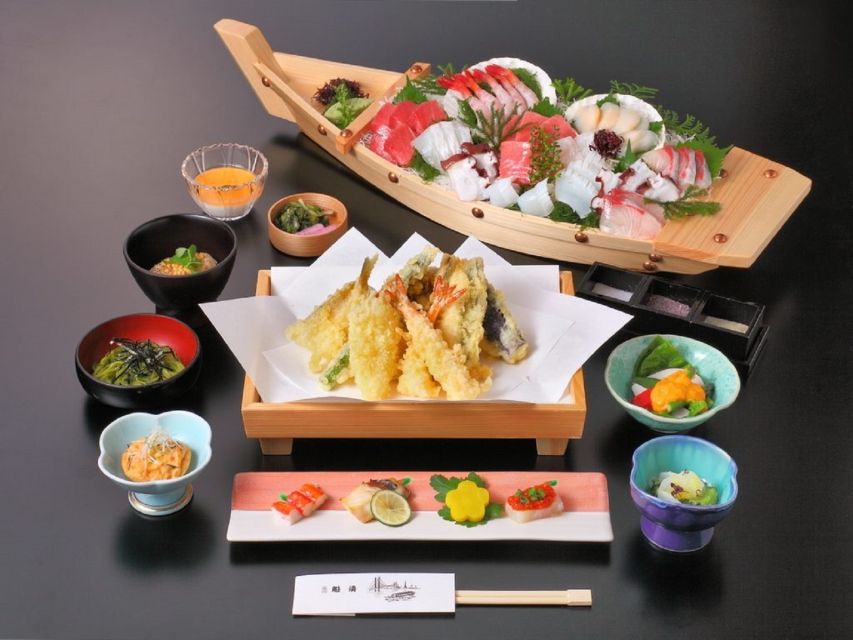
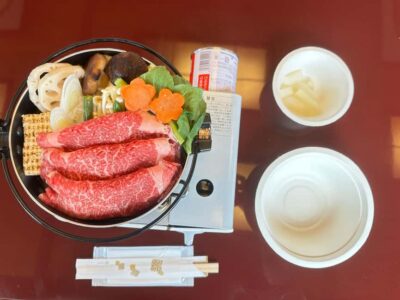
The dinner is a set multi-course Japanese meal, prepared fresh that day. The pace is what makes it work: you’re not stuck waiting forever between courses while the city stands still.
Your meal typically includes:
- Appetizers (shikidashi, vegetables, kobachi)
- A sashimi boat course
- Fresh tempura
- A seasonal rice dish
- Vegetables (konomono)
- Salad
- Noodles (shime no men)
- Dessert
If you’re wondering why they list so many separate items, it’s because it’s meant to feel like a proper dinner progression. Tempura, in particular, tends to be one of the star courses, and people often mention it’s served in a way that keeps it fresh rather than one big batch dumped on every table.
Food service is also frequent. The overall impression is that courses arrive steadily, and the staff keep things moving without making you feel rushed.
Unlimited Drinks: The Part Where the Cruise Turns Fun
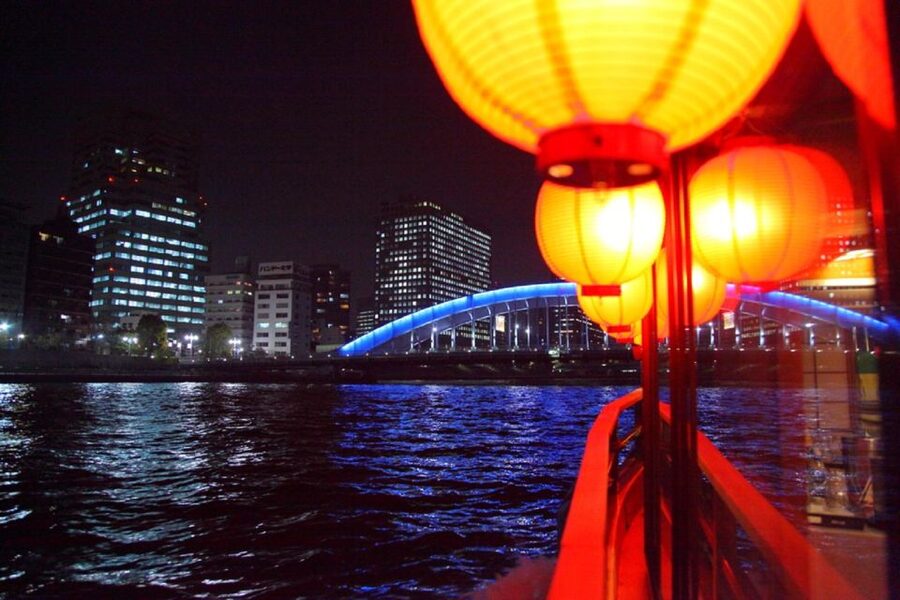
The drink lineup is a big part of the value. Your dinner includes unlimited beverages—beer, shochu, Japanese sake, wine, whiskey, plum liqueur, plus soft drinks.
Plum liqueur is often mentioned specifically because it can be very sweet. If you’re trying it for the first time, you might want to go slow. People tend to like it, but it’s definitely not shy.
There’s also a modern twist to order-and-receive service. Some staff onboard use a bar-code style system so drinks arrive quickly once you scan. That helps if you’re not fluent in Japanese, because you don’t have to guess at every step.
Even if you don’t drink much alcohol, you’ll probably appreciate having soft drinks included. It keeps the experience comfortable for mixed groups and prevents the dinner from feeling like it’s paywalled.
Staff, Language, and How to Still Enjoy the Sights
This is a spot where your expectations need to match reality. The cruise operates with onboard commentary and information that can be mostly in Japanese. In some cases, staff may translate parts for non-Japanese speakers, but an English translator is not guaranteed.
The upside is that staff are typically friendly and quick to help. People mention being taken care of for drink ordering, photo timing, and figuring out what to do during courses. There are also helpful labels on the tables that explain dining basics, like what to use soy sauce for.
If you want more context about each landmark you see, you should assume you’ll catch only part of the explanation unless you book another add-on or go in with your own knowledge of Tokyo’s geography. Still, the visuals don’t require translation. If your main goal is night skyline and a solid meal, you’ll be fine.
Rainy Night Reality: How Weather Fits In
This cruise runs in the rain. That’s a big plus because you’re planning your Tokyo night around a waterborne view anyway, and rain is common.
Cancellations can happen in extreme situations like earthquakes, tsunamis, or storms, and you’ll be contacted by email if that happens. If you see weather warnings, it’s smart to keep an eye on your inbox the day of the cruise.
If rain is just drizzle or light showers, you’ll still get the night views—Tokyo lights tend to look extra good when water droplets are involved. Bring a small umbrella if you can, and wear shoes you’re comfortable walking in if you move between decks.
Price and Value: Is $108 Worth It?
At around $108 per person for a 3-hour dinner cruise, the value comes from stacking three things you usually pay separately in Tokyo: a night activity, an on-water viewpoint, and an included meal with unlimited drinks.
You’re getting:
- A full multi-course dinner (not a snack-board setup)
- Unlimited drink service throughout
- Entry to a traditional yakatabune setting with top-deck viewing
The real question is whether you like structured evenings. If you want a long, seated dinner with steady service while the skyline moves past, this is a strong deal. If you’d rather spend your Tokyo night wandering freely, you might find it expensive for just one meal.
For couples, it’s also a memorable format because you’re not trying to coordinate reservations and viewpoints across town. Several people mention the staff making special moments feel extra personal, such as small gifts for occasions like honeymoons or birthdays (not something you should count on, but it shows a thoughtful approach).
Who This Cruise Fits Best (and Who Might Skip It)
This cruise fits well if you:
- Want a nighttime landmark experience without sprinting across Tokyo
- Care about food quality and enjoy a course-style dinner
- Like the idea of unlimited drinks with dinner instead of managing a bill
It might be less ideal if you:
- Need fully customized dietary meals (dietary requirements can’t be catered for)
- Want guaranteed English narration throughout
- Prefer not to share tables and keep everything strictly private
For families, it can be a good option because the atmosphere is fun and the staff tends to keep service flowing. There’s also a special meal for infants aged between 3 and 5 years old, but the cruise does note specific handling rather than full customization.
Should You Book the Tokyo Bay Yakatabune Dinner Cruise?
If your priority is a genuine-feeling Tokyo night—food, lights, and a traditional boat setting—then yes, it’s a smart booking. The combination of Skytree and Rainbow Bridge views, a proper multi-course meal, and unlimited drinks for one set price is exactly the kind of Tokyo experience that feels worth planning around.
Book it especially if you’re traveling with someone who will appreciate the atmosphere and you’re okay with a mostly Japanese onboard flow. Go in knowing that English explanations may be limited, and you’ll enjoy the parts you don’t need translation for: the lighting, the skyline, the food arriving course by course, and that slow cruise pace that makes Tokyo feel calmer.
FAQ
FAQ
How long is the Tokyo Bay yakatabune dinner cruise?
The cruise lasts about 3 hours.
Where do I meet the tour?
You meet at the Funasei Boat Pier in Shinagawa-Ku.
What’s included in the price?
The price includes the yakatabune cruise, a Japanese dinner course meal, and unlimited drinks (beer, shochu, Japanese sake, wine, whiskey, plum liqueur, and soft drinks).
What does the dinner course meal include?
The dinner is a course meal with appetizers, a sashimi boat, fresh tempura, a seasonal rice dish, vegetables, salad, noodles, and dessert.
Is dietary requirements customization available?
No. The dinner cannot be catered for dietary requirements.
Will there be English-language commentary throughout?
The materials and commentary may not be fully in English. There can be support from friendly staff and labels on tables, but an English translator is not guaranteed for everything.
Tokyo Bay Dinner Cruises, compared.
 ★ 4.7Yakatabune Dinner Cruise with Japanese Show & DrinksFrom $100871 reviews
 ★ 4.6Sumida River: Japanese Traditional Yakatabune Dinner CruiseFrom $103779 reviews
 ★ 4.5Dynamic Tokyo: Tokyo Tower, Tea Experience, Bay Cruise Day TourFrom $99521 reviews
 ★ 4.5Tokyo Bay Yakatabune Dinner/Day Cruise with Japan Show and DrinksFrom $65473 reviews
 ★ 4.7Tokyo Dinner Cruise & Tradition Show & Drinks & Tokyo TowerFrom $95315 reviews
 ★ 5.0Scenic Bay Cruise with Local Guide on Private BoatFrom $3946 reviews
★ 4.8Scenic Bay Cruise with Local Guide on Private BoatFrom $3841 reviews
★ 5.0Scenic Bay Cruise with Local Guide on Private BoatFrom $3946 reviews
★ 4.8Scenic Bay Cruise with Local Guide on Private BoatFrom $3841 reviews
 ★ 4.5Tokyo Bay Yakatabune Cruise with Traditional JapaneseShow DrinksFrom $4620 reviews
Browse the lists this tour appears in