Reviewed · TOKYO
Dynamic Cultural Journey:Explore Traditional Japanese Dance/Drama
Nikko night culture hits fast. At Nikko Momijiza, I loved the costume-and-makeup switches during the dance segments and the chance to take photos with the actors. The only downside to plan for is that the program changes, so you can’t count on seeing the exact scenes you’ve heard about.
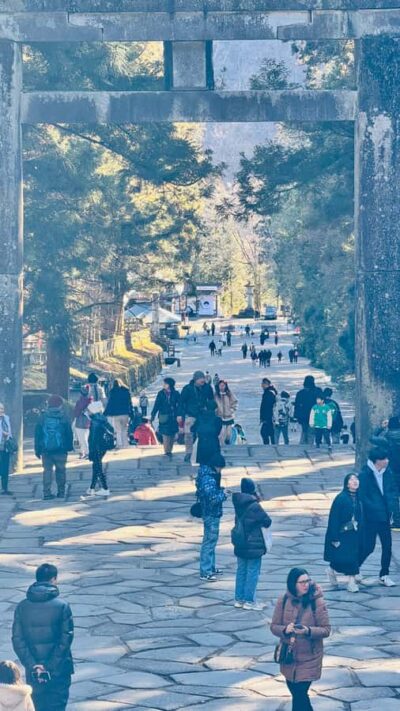
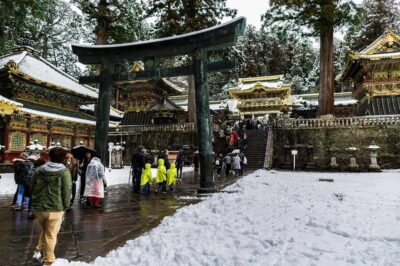
This show is built around Taishu-Engeki, a traditional Japanese performing art that includes modern pop culture touches. You’ll be watching it in the same area as the World Heritage powerhouses, Nikko Toshogu Shrine and Rinnoji Temple, which makes it a nice night anchor after sightseeing.
One more practical note: part of the program includes snacks and drinks only for the earliest slot, and if you miss that timing you’ll buy them at the ticket counter.
In This Review
- Key things to know before you go
- Taishu-Engeki at Nikko Momijiza: a night show with real momentum
- How to pair it with Toshogu and Rinnoji World Heritage sites
- The dance segments: kimono costume switches and pop-song energy
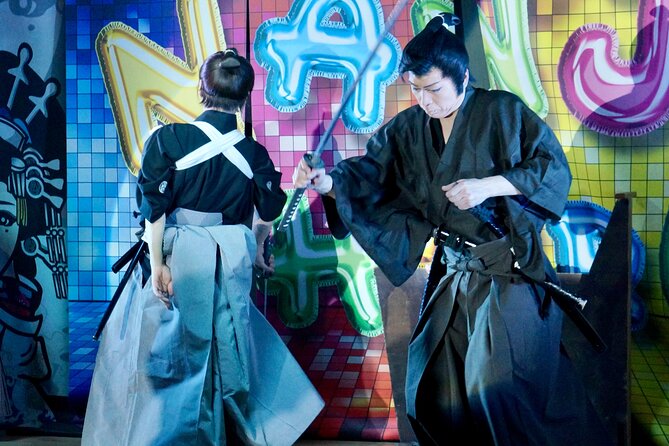
- The historical drama slot: samurai, ninjas, geishas, and sword play
- Photos with actors, plus the human side of the theater
- Price and value in Nikko night entertainment ($9.28)
- Timing tips: how to choose the right slot
- Mobile ticket, WiFi, and what makes logistics easy here
- Who should book this show, and who might feel meh about it
- Should you book Nikko Momijiza’s Taishu-Engeki?
- FAQ
- How long is the experience at Nikko Momijiza?
- Where is this show in relation to Nikko Toshogu Shrine and Rinnoji Temple?
- Do I need a printed ticket?
- Can I take pictures with the actors?
- Are snacks and drinks included?
- When is the dance show?
- Is there a historical drama part too?
- What’s included for comfort inside the venue?
- Is free cancellation available, and what if weather is bad?
- Are service animals allowed?
Key things to know before you go
- Taishu-Engeki blends tradition with modern culture, including world hits showing up in the music mix
- Dance happens multiple times during the evening: 0:00–0:30, 2:30–3:30, and 8:00–8:40
- A full historical drama slot runs 1:00–2:00, with Edo-era scenes and swordplay
- You get photo time with the performers, including costume changes as they come on stage
- The cast pulls off more than dancing, with acrobatic ninja/samurai-style movements at times
- Good for a short night plan, with WiFi and a restroom included
Taishu-Engeki at Nikko Momijiza: a night show with real momentum
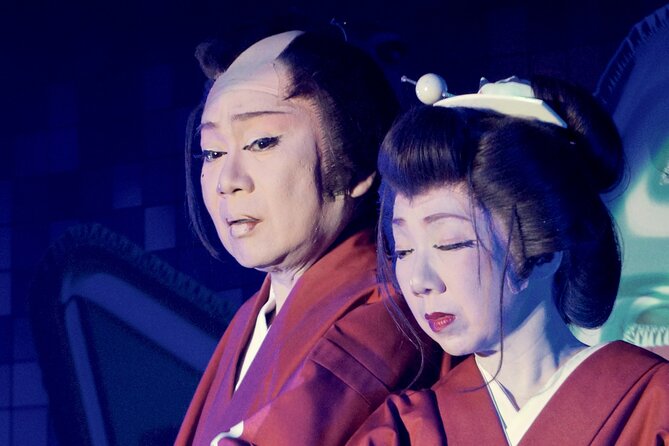
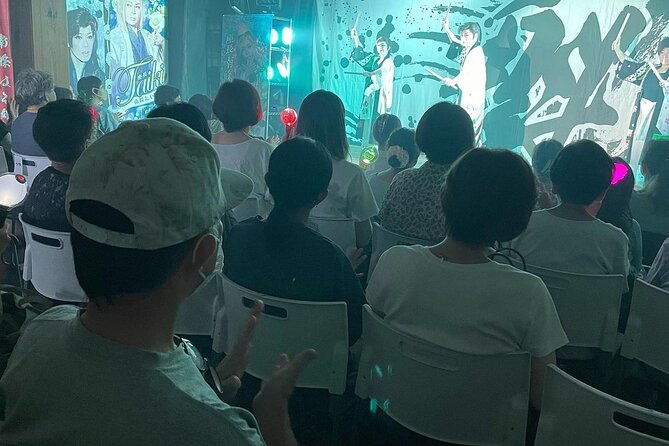
If you’re in Nikko, you’re probably coming for shrines and temples by day. This is the other side of town at night: performance-driven, fast-paced, and designed to keep your attention even if you don’t understand every line.
What makes it special is the concept behind Taishu-Engeki. It’s traditional Japanese dance/drama, but it’s not locked in a museum box. The show is meant for modern audiences too, with content that can include world hits in the music mix. That mash-up doesn’t feel random. It feels like a reminder that culture keeps evolving, even when the costumes and stage styles point to older eras.
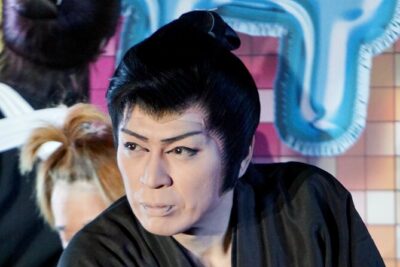
I also like the way the program refuses to be “one-note.” The performers shift between dancing, storytelling, and sometimes action-style scenes. Then they appear again with new costumes and makeup. You get that sense of: new person, new look, new mood.
One consideration: because the show changes, you’re paying for the experience and the style—not a fixed script you can memorize ahead of time. If you’re hoping for a specific skit, plan to be flexible.
Readers booked these Nikko options in the same breath. Here is how each one scored:
- Nikko Full-Day Private Tour with Government-Licensed Guide
★ 5.0 · 259 reviews - Nikko – Beautiful Full-Day Personal and Private Tour
★ 4.9 · 119 reviews - Nikko Heritage & Nature Day Trip from Tokyo
★ 4.8 · 94 reviews - Tokyo: Nikko Private Customize Tour English Driver & Guide
★ 5.0 · 70 reviews
How to pair it with Toshogu and Rinnoji World Heritage sites
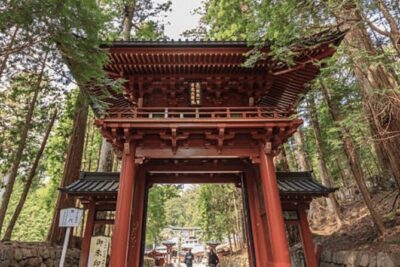
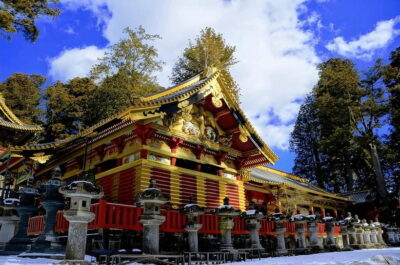
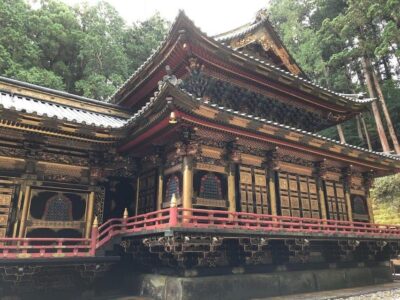
This performance is very close to Nikko Toshogu Shrine and Rinnoji Temple (both part of the World Heritage area). That matters because you don’t have to build a long transit plan just to get to a night activity.
A simple strategy: do your shrine/temple time earlier, then return to the area for the show. Since the main experience is about 40–60 minutes (and the overall show schedule has multiple segments), you can treat it as an efficient night cap rather than a whole second evening.
If you’re walking between sites during the day, this one slot at night is a smooth way to keep your Nikko plan from turning into constant back-and-forth. Also, there’s something calming about ending with a seated performance after lots of standing and stairs.
The dance segments: kimono costume switches and pop-song energy
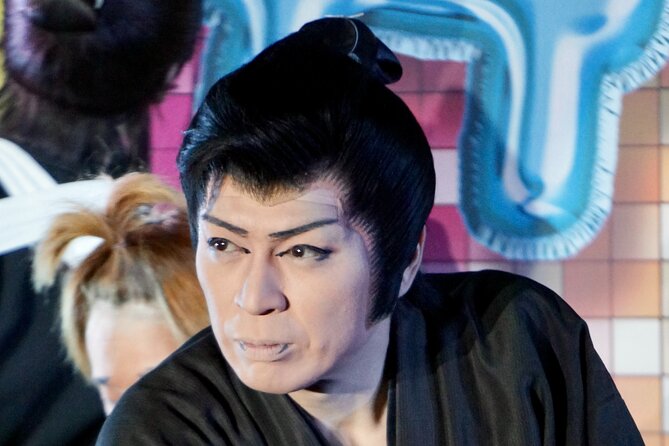
The dance portion is one of the best reasons to choose this show, even if you mostly care about drama. The dancers wear kimonos and change costumes and makeup one after another. That visual rhythm—new outfit, new styling—keeps the stage interesting even between story beats.
Here’s how the dance timing works in the evening schedule:
- 0:00–0:30
- 2:30–3:30
- 8:00–8:40
In other words, you’re not stuck with only one option. If you miss the earliest slot, you can try a later one based on your evening plan.
I also like that the dance isn’t only traditional music. World hits may show up, which is a clever way to bridge generations. You still get Japanese dance aesthetics, but it doesn’t feel like you need special background knowledge to enjoy it.
Sometimes the show includes gender-bending performance too—there can be a male actor who dresses as a woman and dances with impressive control. And the action doesn’t end at style. At times you’ll see acrobatic movements that nod to ninjas and samurai, not as textbook history, but as stage spectacle.
If you’re the type who watches carefully for details—hand placement, footwork, costume changes—this section rewards you.
The historical drama slot: samurai, ninjas, geishas, and sword play
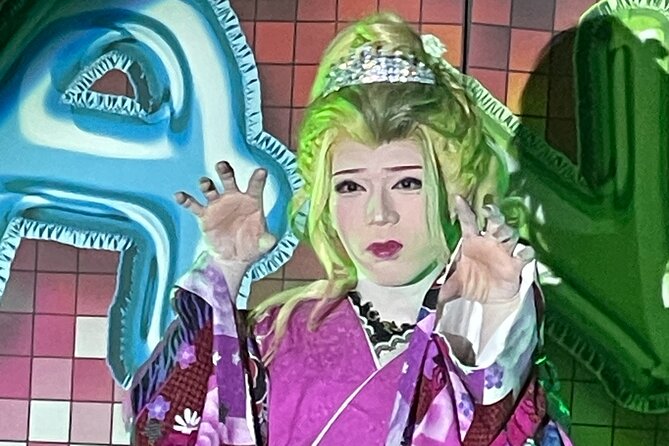
After the dance, the program includes a historical drama segment that’s designed to feel like snapshots of Japanese life from the era of samurai, ninjas, and geishas. You’ll catch it in the 1:00–2:00 window.
The drama isn’t presented as one single, locked storyline every day. Sometimes it’s skits, sometimes it leans more humanistic (personal emotions and everyday themes), and sometimes it turns toward sword plays. That variety is a big deal for first-timers, because you get multiple ways to experience Edo-period style without being bored by one format for too long.
A practical way to think about it: treat the drama as “scenes you can follow with your eyes.” Even if you don’t catch every word, the acting choices—stance, timing, movement, how performers interact—carry a lot of the meaning.
One small drawback: if you strongly prefer one type of performance (only comedy skits, only swordplay, only dance), the changing mix might not always match your exact taste on a given day. The upside is that you’re less likely to feel stuck through repetition.
Photos with actors, plus the human side of the theater
This show doesn’t keep you at a distance. One major highlight is the chance to take pictures with the performers. The experience is set up so actors come on stage in costume changes, which makes photo time feel connected to what you just watched—not a separate event after the fact.
In one of the strongest reviews-style details (the kind you really want to hear before booking), the staff was kind and the performers offered tea and crackers. That’s not something you should expect in every theater in Japan, so it’s worth appreciating when it happens.
This is also where the value shows up. For a low-cost night activity, you’re not just buying a seat. You’re getting interaction energy. The performers seem genuinely interested in entertaining the audience.
If you care about cultural experiences that feel personal—where you leave with more than a memory—you’ll probably enjoy that tone.
- Nikko: Private Walking Tour with Local Guide★ 4.8 · 35 reviews
- From Tokyo: Nikko Customised Private 1 Day Sightseeing Tour★ 4.8 · 32 reviews
- Nikko: Toshogu Shrine Ticket(Exchange at Tobu Nikko Station)★ 4.4 · 23 reviews
- Full Day Private tour & sightseeing to Nikko(Eng speaking Driver)★ 4.5 · 19 reviews
- Tokyo Nikko Toshogu Shrine Iroha-zaka Lake Chuzenji Day Tour★ 3.6 · 17 reviews
Price and value in Nikko night entertainment ($9.28)
$9.28 per person is the kind of price that makes you suspicious at first. In this case, it’s surprisingly aligned with what you actually get.
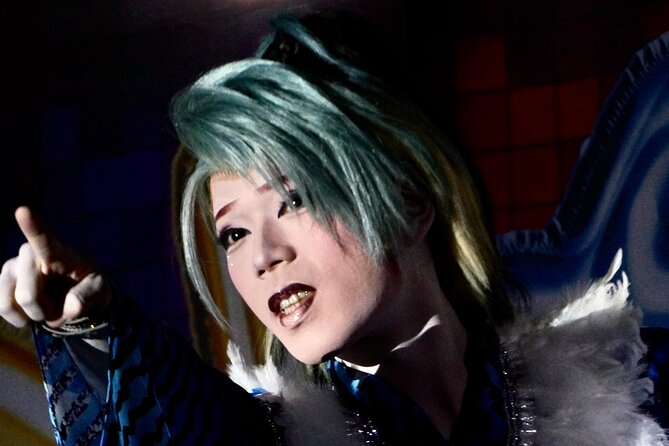
What’s included is a ticket to the Japanese-style performance show, plus facilities like WiFi and a restroom. And the show itself covers multiple performance styles: dance segments, a historical drama portion, costume switching, and sometimes acrobatic ninja/samurai-inspired bits.
Food is where timing matters. Snacks and drinks are included only if you watch the short show starting at 0:00. If you come later, you can still buy drinks and snacks at the ticket counter for 100 JPY.
So the value equation is: choose your show slot wisely if you want included refreshments, and treat the performance as the main attraction. If you’re comparing this to pricier “tourist-only” entertainment, the payoff here is the combination of low cost + close-to-the-action performance + photo time.
Timing tips: how to choose the right slot
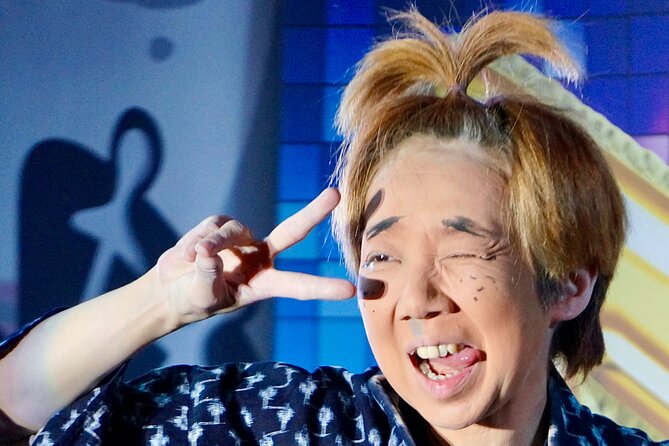
Because the dance portion appears in multiple windows and the drama has its own timing, the biggest planning question is simple: which part of the program do you want most?
- If you want the dance and included snacks/drinks, aim for the 0:00–0:30 short show.
- If you want a longer dance experience, look at 2:30–3:30 or 8:00–8:40.
- If you want the storytelling and period scenes, prioritize the 1:00–2:00 historical drama slot.
Also, since the content changes every time, your “best slot” is less about repeating a specific script and more about your preferred style: dance spectacle vs. drama scenes.
One more practical point: the program is designed to run as a set evening performance, so try not to schedule it like a rushed afterthought. Give yourself a little breathing room before you go in.
Mobile ticket, WiFi, and what makes logistics easy here
The experience uses a mobile ticket, which is a straightforward win in Japan. Less paper, fewer chances to misplace something.
Facilities included with the ticket make it comfortable for a short show: there’s a restroom available, and WiFi is included as well. That’s handy if you want to message someone, grab directions later, or upload photos after the performance.
You’ll also find it’s near public transportation, which matters if your day ended at a different station or you’re moving between Nikko’s areas.
And yes, most people can participate. If you need service animals, the experience allows them too.
Who should book this show, and who might feel meh about it
This is a great fit if you want:
- A compact night plan (about an hour) near the World Heritage sites
- A performance that mixes tradition with modern pop culture touches
- A chance to take photos with actors and see costume changes up close
- Something more interactive than a passive lecture-style event
It might be less ideal if:
- You only like one kind of performance (only dance, only drama, only swordplay)
- You’re the type who needs a fixed script every time and gets irritated when content changes
- You dislike schedule-based planning, since dance and drama happen at specific times
Should you book Nikko Momijiza’s Taishu-Engeki?
Yes, you should book it if you want an affordable, high-energy cultural evening that doesn’t require deep background knowledge. The combination of costume-driven dance, Edo-era drama scenes, and photo time with the actors makes the experience feel personal and worth your time.
Book with a simple mindset: come for the style and the performers, not a guaranteed repeat script. If you do that, you’ll leave with photos, tea-and-cracker level kindness if offered that night, and a version of Japanese performing arts that feels alive rather than staged for distance.
FAQ
How long is the experience at Nikko Momijiza?
Plan for about 1 hour (approximately). The performance itself is described as a 40–60 minute show.
Where is this show in relation to Nikko Toshogu Shrine and Rinnoji Temple?
It’s very close to Nikko Toshogu Shrine and Rinnoji Temple, both located at the World Heritage sites.
Do I need a printed ticket?
No. This experience uses a mobile ticket.
Can I take pictures with the actors?
Yes. You can take pictures with the actors as part of the experience.
Are snacks and drinks included?
Snacks and drinks are included for people who watch the short show starting at 0:00. If you’re attending other segments, you can buy drinks and snacks at the ticket counter (100 JPY).
When is the dance show?
The dance segments are scheduled at 0:00–0:30, 2:30–3:30, and 8:00–8:40.
Is there a historical drama part too?
Yes. There’s a historical drama slot from 1:00–2:00.
What’s included for comfort inside the venue?
The ticket includes WiFi and access to a restroom.
Is free cancellation available, and what if weather is bad?
Free cancellation is available up to 24 hours in advance for a full refund. The experience requires good weather; if it’s canceled due to poor weather, you’ll be offered a different date or a full refund.
Are service animals allowed?
Yes, service animals are allowed.
More Tour Reviews in Nikko
- Nikko Full-Day Private Tour with Government-Licensed Guide
★ 5.0 · 259 reviews - Nikko – Beautiful Full-Day Personal and Private Tour
★ 4.9 · 119 reviews - Nikko Heritage & Nature Day Trip from Tokyo
★ 4.8 · 94 reviews - Tokyo: Nikko Private Customize Tour English Driver & Guide
★ 5.0 · 70 reviews - Nikko: Private Walking Tour with Local Guide
★ 4.8 · 35 reviews