
Reviewed · SHIBUYA EXPERIENCES
Official Japan Go-Kart Through Shibuya / Shinjuku
Tokyo on wheels sounds wild, and it works. You drive road-focused karts through real streets while street life whips by at wind-in-your-hair speed, with big photo moments like Shibuya Scramble.
I especially like how structured it feels from the start: you get a full safety briefing, clear English instructions, and ride with backup support so nobody feels lost. I also love the silly-fun layer, including costumes and the extra photos and videos made for you along the route.
One thing to consider before you book: you need the right hard-copy driving paperwork for Japan, and Tokyo traffic means you may stop often at lights.
In This Review
- Key things I’d plan around
- Why Tokyo Go-Karting Here Feels Different (and less chaotic)
- Meeting at Kanda or Shinjuku: You’ll get briefed fast
- Shibuya Scramble and Harajuku/Omotesando energy at street level
- Tokyo Tower and Tokyo Station: where your camera stops working
- Imperial Palace and the big-city loop that links everything
- Ueno and Asakusa moments, plus why the old-city contrast matters
- Driving reality: traffic lights, staying together, and not getting stressed
- Safety, costumes, and the “we’ve got you” feeling
- Price and value: is $122 worth it?
- Who should book this Shibuya/Shinjuku go-kart ride
- Quick practical tips so you enjoy it from the first minute
- Should you book JapanKart through Shibuya and Shinjuku?
- FAQ
- What driving documents do I need to drive in Japan?
- Are Vienna Convention IDPs accepted in Japan for this tour?
- What should I bring and what’s not allowed?
- How long is the tour?
- Where do I meet for the tour?
- What if I need to cancel or it rains?
Key things I’d plan around
- Road-driving karts built for streets rather than theme-park tracks
- Shibuya Scramble shows you Tokyo at ground level, not from a bus window
- Two route formats (around 90 minutes or closer to 2 hours), with different major stops
- Strong photo and video handling, including free quality captures at the end
- Guide support stays active, often with a lead car and a motorcycle bringing up the rear
- Strict driving-document rules that can make or break participation
Why Tokyo Go-Karting Here Feels Different (and less chaotic)
Most people come to Tokyo for trains, temples, and neon. This adds one more layer: you get to drive through it, which changes how you notice the city. Streets feel narrower when you’re rolling down them yourself. Intersections feel faster. Even the air feels different when you’re moving at low speed with the wind pulling at your jacket.
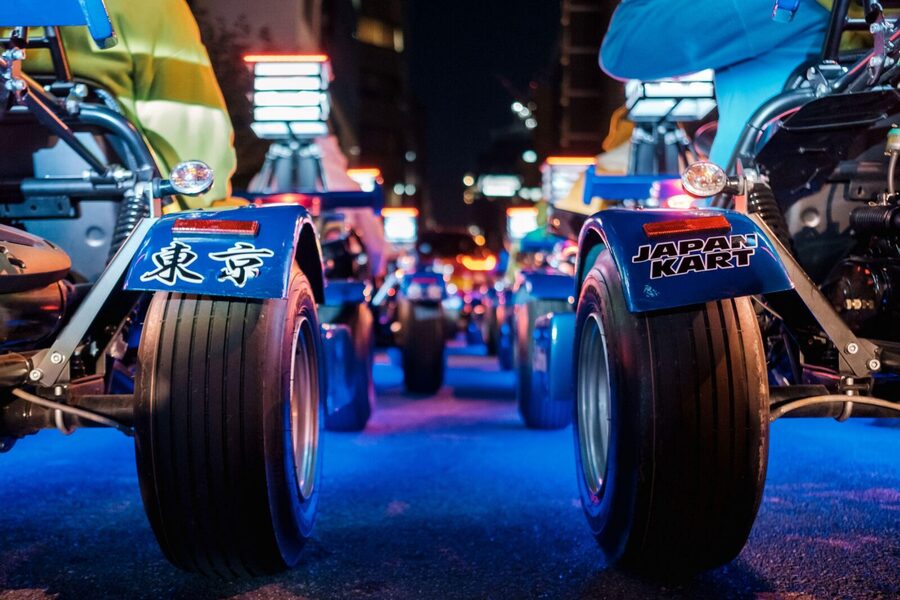
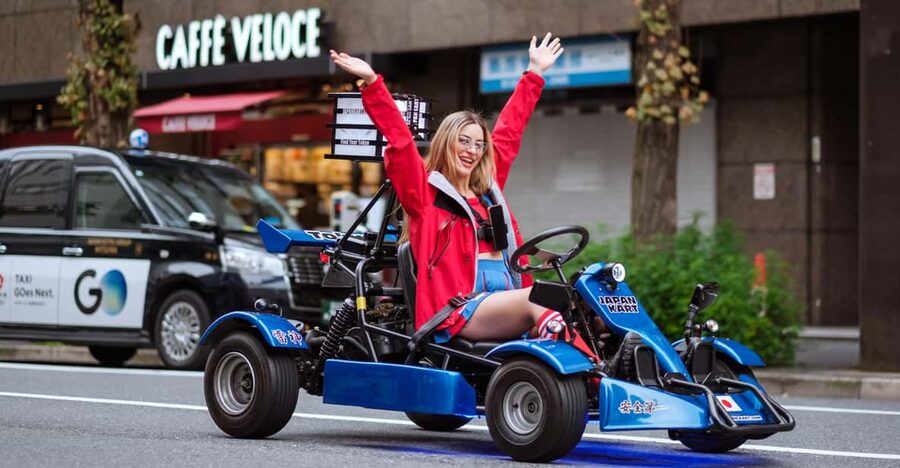
What makes JapanKart stand out is the focus on road driving. The carts are originally designed and catered for actual street use, and the team runs it like a guided motor-ride, not a random free-for-all. In practice, that means you get an instruction flow that helps you learn quickly, then you stay with the group long enough to actually enjoy the ride.
This is also a city you photograph with your body, not just your camera. You’re at eye level near landmark backdrops, and you’re close enough to notice street details as you pass: storefront lighting, crosswalk flow, and the constant rhythm of Tokyo traffic.
More booked around Shibuya Crossing
- Official Street Go-Kart in Shibuya
★ 5.0 · 3,435 reviews - Tokyo: Street Kart Experience in Shibuya
★ 4.9 · 1,484 reviews - Shibuya Meltdown Nightlife Tour: All-You-Can-Drink Bar Hopping
★ 5.0 · 1,058 reviews - Shibuya Official Street Go-Kart in Shibuya Annex
★ 5.0 · 972 reviews
Meeting at Kanda or Shinjuku: You’ll get briefed fast
Your ride starts at one of two branches: JAPANKART Kanda or JAPANKART Shinjuku. Which one you choose can affect which landmarks you see most clearly, so I’d pick based on the part of Tokyo you want to feel first.
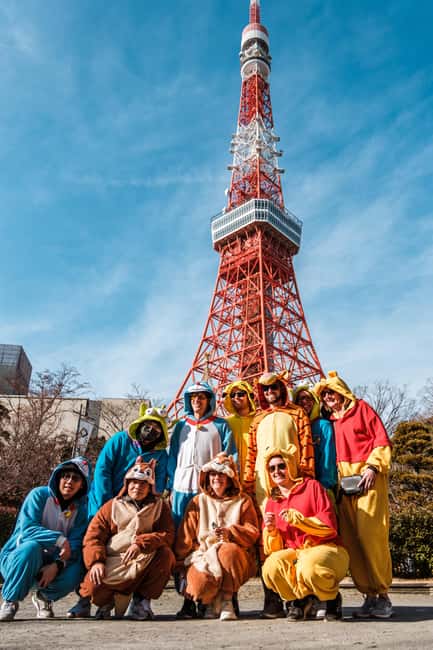
Right when you arrive, you should expect a full safety briefing and equipment check. The team provides jackets in colder months, and the ride includes costumes, which is a big part of why this works as a group experience. You’ll usually get help transitioning from standing still to being confident behind the wheel, which matters because go-karts can feel twitchy at first.
The crew language is English, and that’s a real practical advantage in Tokyo. You don’t want to guess your way through signals or handling tips while the group is rolling. Based on how the guides are described, staff like Maui and Mandy are the type to keep things clear and calm when someone needs an extra minute to feel steady.
Shibuya Scramble and Harajuku/Omotesando energy at street level
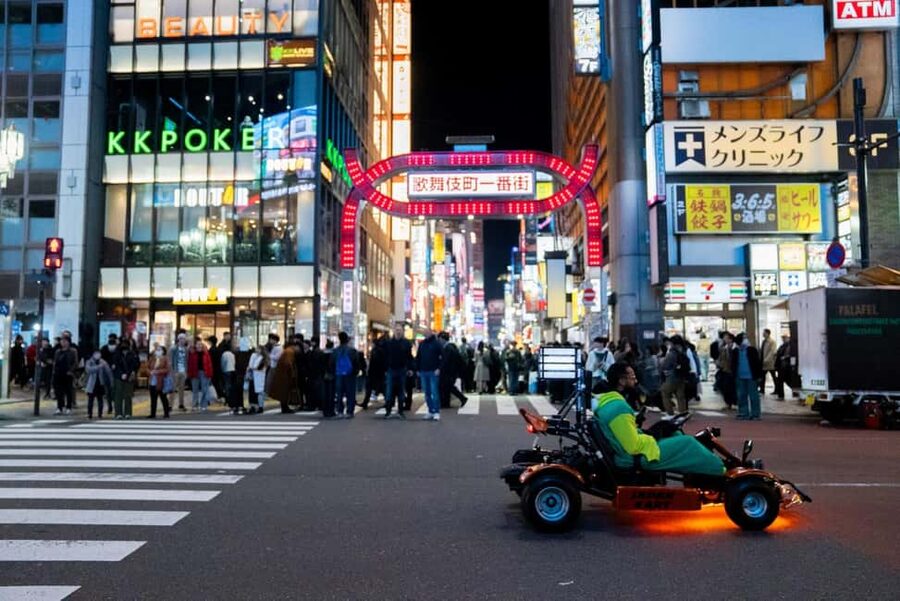
The signature moment is the Shibuya Scramble Crossing. Seeing it from a pedestrian scramble is one thing. Driving through the edges of it is another. You get that surreal feeling of being part of the flow without needing to sprint or elbow through crowds.
On the way, the route can include areas tied to Tokyo’s youth fashion and design vibe. You may pass through zones such as Harajuku and Omotesando, and you might also roll past shopping districts like Ginza depending on your exact route option. This is one of the best parts for first-time visitors because it’s not just a landmark visit. It’s the lived-in Tokyo feeling—people, shops, street lighting, and constant motion.
A small reality check: Tokyo traffic can slow the pace. Some rides include lots of traffic-light stops, especially in heavier afternoon time. That can take the bite out of speed, but it doesn’t ruin the experience. In fact, those stops make it easier to watch what’s happening around you and take photos at the right moments.
Tokyo Tower and Tokyo Station: where your camera stops working
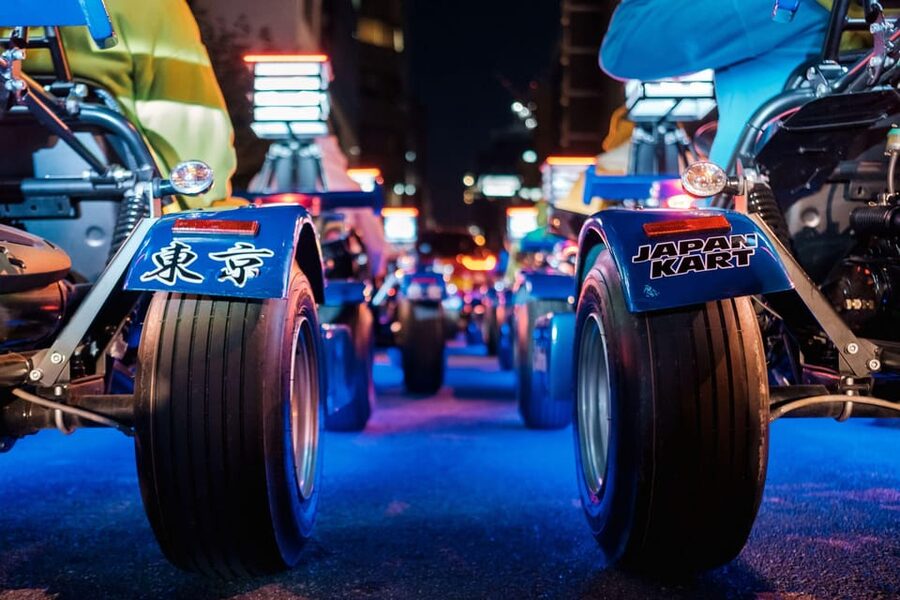
After Shibuya, the ride shifts into big, iconic “how is this real” territory. Tokyo Tower is a highlight for many people because it’s instantly recognizable even when it’s just off to the side. You get a break time and a photo stop here, so you can get out of kart mode and do a quick landmark moment.
Then you move toward Tokyo Station, another stop that hits differently from the inside. From a vehicle, station areas feel even more dramatic: wide streets, fast crossings, and that classic station architecture presence. The stop isn’t just about snapping a picture either. It’s where your sense of Tokyo resets from fashion streets to transportation-scale Tokyo.
If you’re a detail person, use the downtime well. Get your jacket adjusted, make sure your phone is secure, and re-check how you’ll hold the steering line. That helps you feel less rushed, especially if you’re still learning the cart’s controls.
Imperial Palace and the big-city loop that links everything
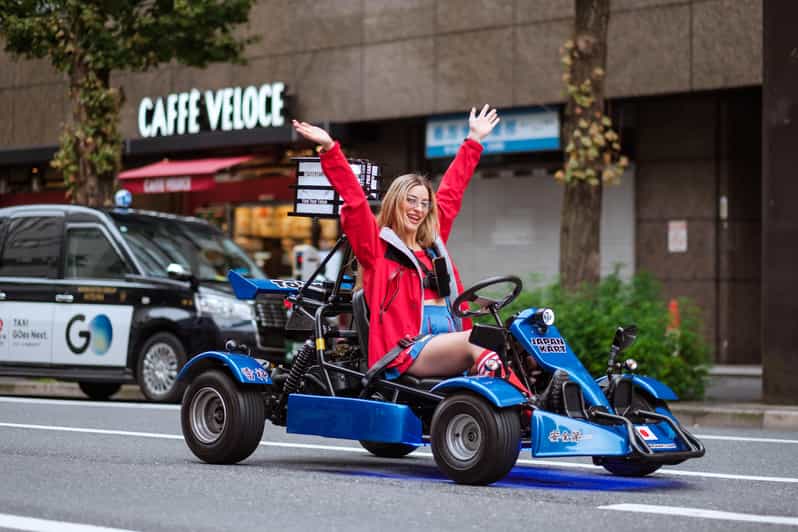
One of the most useful things about this tour format is how it strings landmarks together efficiently. You pass by Tokyo Imperial Palace and other central sights, and you do it without switching trains or spending time searching routes on foot.
For a lot of visitors, Tokyo navigation is the hardest part of the trip. This is a rare case where you get the “map highlights” with a guide who keeps the movement organized. You’re not stuck waiting for trains. You’re not stuck trying to interpret complicated street layouts while carrying luggage.
This style also helps you build a mental model of the city fast. After the ride, you’ll understand where central Tokyo sits in relation to Shibuya, the station zone, and tower views. That’s valuable because it makes the rest of your Tokyo sightseeing feel easier.
More Shinjuku plates and pours our readers rated
- Tokyo: Shinjuku Food Tour (13 Dishes at 4 Local Eateries)★ 5.0 · 6,603 reviews
- Tokyo Bar Hopping Tour in Shinjuku (All-You-Can-Drink + Dinner)★ 5.0 · 3,587 reviews
- Tokyo: Shinjuku Food Tour (15 Dishes and 4 Eateries)★ 4.9 · 2,033 reviews
- Best of Shinjuku: Izakaya Food Tour (4 Stops, 14+ Tastings)★ 5.0 · 1,863 reviews
- Tokyo: Shinjuku Local Bar and Izakaya Guided Walking Tour★ 4.9 · 1,794 reviews
Ueno and Asakusa moments, plus why the old-city contrast matters
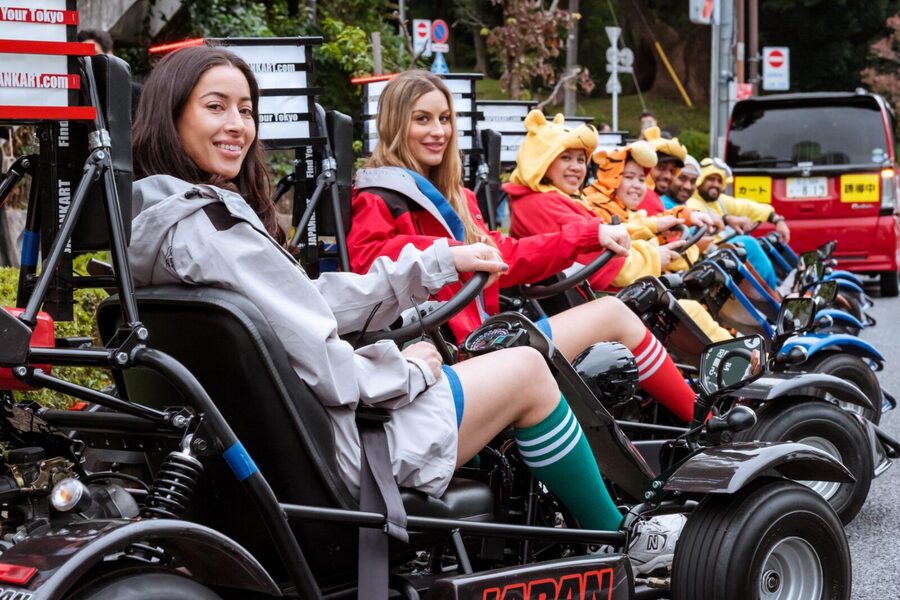
The tour highlights call out the older side of Tokyo, including Ueno and Asakusa. Even if you don’t spend long standing around here, getting a drive-by in the middle of a high-energy route gives you contrast. Tokyo isn’t one vibe. This helps you catch two sides in one day: modern icons and the older neighborhoods that feel calmer and more historic.
If you’re planning a first trip, that contrast matters. It keeps your itinerary from feeling like only one kind of Tokyo. It also makes your later visits to markets, temples, and walking streets more meaningful because you’ve already sensed the shift in tone while driving.
I’d think of this as your “orientation with flavor.” You get to see what kind of city you’ll want to slow down for on foot later.
Driving reality: traffic lights, staying together, and not getting stressed
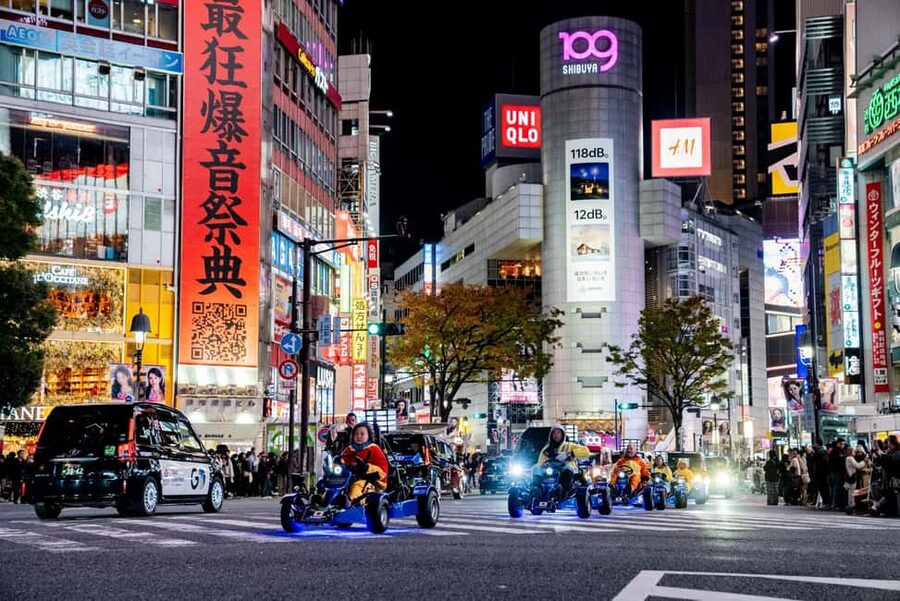
Let’s talk about the part nobody can fully control: Tokyo traffic. Even on a well-run tour, stop-and-go is normal. You might spend more time at lights than you’d expect, especially at busier times.
Here’s why it still works: the guides manage the movement. In multiple reports, rides are supported with a lead car up front and a motorcycle in the rear to help keep the line organized and to guide you if you fall behind.
You should still plan for occasional spacing changes. Some people end up separated briefly at crossings when cars cut in or when the traffic flow shifts. That’s not a problem if you stay calm and follow the guide instructions. The key is to keep your attention on what the staff are doing, not on trying to out-drive pedestrians or guessing what the kart ahead will do.
If you’re nervous about driving in a city, start by treating it like a lesson. Keep your movements smooth, don’t yank the steering, and take your time when merging at low speed. The staff are described as patient when riders need confidence time.
Safety, costumes, and the “we’ve got you” feeling
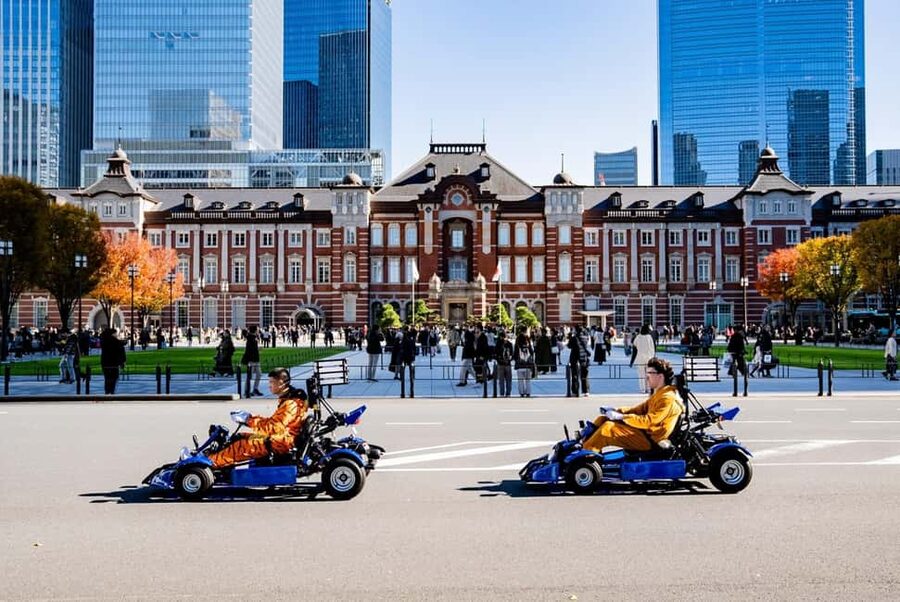
Safety on a go-kart tour in a real city can be either reassuring or scary. This one leans reassuring, based on how the ride is run. You get a safety briefing, you’re guided with active support, and the carts are set up for road conditions.
I also like the fact that the experience includes practical cold-weather support—jackets during colder months—so you’re not shivering through what should be fun. One review even called out that the team made sure to provide ice water during a hot ride, which is a good reminder to bring a positive attitude about Tokyo weather.
Costumes are part of the fun, and that’s not just silly for selfies. Wearing something themed changes how you feel in traffic. People smile more. You look like part of an event instead of just another driver. The route becomes a moving spectacle, and you’ll likely get the warm Tokyo reaction of people waving or noticing you as you pass.
Price and value: is $122 worth it?
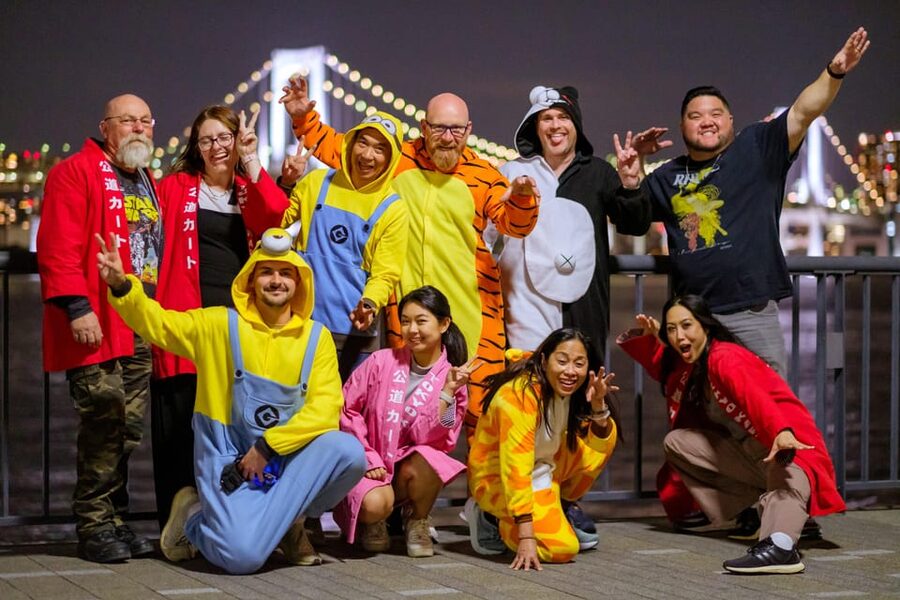
At $122 per person for a tour that can run about 2 to 3 hours, value depends on what you want most: speed, landmarks, or a guided “Tokyo story.”
Here’s the value logic as I see it:
- You’re paying for more than the kart. You’re paying for instruction, a guided route, and active support in a real city setting.
- You get major photo stops and structured movement, which saves mental energy versus trying to drive a route yourself.
- The experience includes costumes and gas fee, plus jackets in colder months.
- You also get free photo and video capture described as high quality, and in at least one case, people were sent photos and videos at the end with no extra charge.
The main cost tradeoff is that you must meet the driving-document requirements exactly, and you don’t get refunds if you show up without the required ID paperwork. Also, food and drink aren’t included, so you may want a snack plan before or after.
If you want a low-effort way to see multiple iconic areas plus the famous Shibuya moment, this usually pencils out well. If you’re mainly chasing speed, you might feel like Tokyo traffic limits the thrill. But the experience is more about the sensation of driving through recognizable Tokyo than about racing.
Who should book this Shibuya/Shinjuku go-kart ride
This tour fits you well if:
- You want street-level Tokyo, not just views from inside a bus
- You like structured fun with guides who keep things organized
- You’re comfortable following instructions and driving within a group
- You want a mix of pop-culture Tokyo (Shibuya and nearby districts) plus major landmarks
It may not fit you as well if:
- You don’t have the correct Japanese driving documentation ready in hard copy
- You hate the idea of slowing down for lights and city traffic
- You want total freedom to choose your own route
Also note: it’s not suitable for drivers under 18. If you’re going with teens, confirm eligibility before you plan around it.
Quick practical tips so you enjoy it from the first minute
- Wear shoes you can move in. Sandals and flip flops are not allowed.
- Bring your driving gear in the same place every time. If you’re digging through a bag at the last second, you’ll waste time and stress yourself.
- If you want phone or camera footage, ask about the availability of mounts. People have mentioned mounts ready for strapping devices on.
- Plan your day so you’re not rushed. Even if the ride time is set, you’ll want buffer for briefing and any route pacing.
Should you book JapanKart through Shibuya and Shinjuku?
My take: yes, if you meet the driving requirements and you want the storybook Tokyo feeling of driving through real places. This is one of the few activities that turns iconic neighborhoods into something you physically experience, and the safety structure plus guide support helps you relax and enjoy the ride.
Book it now if:
- Shibuya Scramble is on your must-do list
- You want major landmarks grouped into one efficient loop
- You’d enjoy costumes and the photo/video extras
Skip it or rethink if:
- You’re uncertain about your IDP type or whether your documents qualify for Japan
- You’re not interested in a guided route and would rather go independently
- You’re hoping for long stretches of open road speed
If you do book, pick the route option that matches your priorities—some routes focus more on central landmarks like Tokyo Tower and Tokyo Station, while others may also include older-city areas like Ueno and Asakusa. That choice changes how your Tokyo day feels.
FAQ
What driving documents do I need to drive in Japan?
You must bring your driver’s license from your home country, an international driving permit issued under the Geneva Convention 1949 (issued within your own country in booklet form, hard copy), and your passport. For some countries, additional steps are required, including an original license and an official Japanese translation by an authorized organization.
Are Vienna Convention IDPs accepted in Japan for this tour?
No. International driving permits issued under the Vienna Convention 1968 are not accepted.
What should I bring and what’s not allowed?
Bring your passport, your driver’s license, and your international driving permit. Sandals or flip flops are not allowed. Alcohol and drugs are not allowed, and alcoholic drinks are not allowed in the vehicle.
How long is the tour?
The experience is listed as 2 to 3 hours overall. There are also two route formats described: one around 90 minutes and another around 2 hours, depending on the option you book.
Where do I meet for the tour?
You’ll meet at the JAPANKART Kanda branch or JAPANKART Shinjuku branch. The exact meeting point can vary depending on the option booked.
What if I need to cancel or it rains?
You can cancel up to 24 hours before the tour starts for a full refund. If the tour is canceled due to bad weather, you’ll be eligible for a full refund or rescheduling depending on availability. If you forget required driving documents, refunds are not offered.
More Tour Reviews in Tokyo
- Mt Fuji and Hakone 1-Day Bus Tour Return by Bullet Train
★ 5.0 · 26,383 reviews - 1-Day Tokyo Bus Tour
★ 5.0 · 14,250 reviews - Tokyo: teamLab Planets TOKYO Digital Art Museum Entry Ticket
★ 4.6 · 9,779 reviews - Mt Fuji & Hakone Cruise, Drum Show Bullet Train 1 Day from Tokyo
★ 4.0 · 7,413 reviews - Tokyo: Shinjuku Food Tour (13 Dishes at 4 Local Eateries)
★ 5.0 · 6,603 reviews
More Shinjuku Food and Drink
- Tokyo: Shinjuku Food Tour (13 Dishes at 4 Local Eateries)
★ 5.0 · 6,603 reviews - Tokyo Bar Hopping Tour in Shinjuku (All-You-Can-Drink + Dinner)
★ 5.0 · 3,587 reviews - Tokyo: Shinjuku Food Tour (15 Dishes and 4 Eateries)
★ 4.9 · 2,033 reviews - Best of Shinjuku: Izakaya Food Tour (4 Stops, 14+ Tastings)
★ 5.0 · 1,863 reviews - Tokyo: Shinjuku Local Bar and Izakaya Guided Walking Tour
★ 4.9 · 1,794 reviews
More Around Shibuya Crossing
- Official Street Go-Kart in Shibuya
★ 5.0 · 3,435 reviews - Tokyo: Street Kart Experience in Shibuya
★ 4.9 · 1,484 reviews - Shibuya Meltdown Nightlife Tour: All-You-Can-Drink Bar Hopping
★ 5.0 · 1,058 reviews - Shibuya Official Street Go-Kart in Shibuya Annex
★ 5.0 · 972 reviews - Tokyo: Shibuya Food Tour (13 dishes and 4 Eateries)
★ 5.0 · 770 reviews
Latest Tokyo reviews off our desk






Shibuya Experiences, compared.
 ★ 5.0Official Street Go-Kart in ShibuyaFrom $763,435 reviews
 ★ 4.9Street Kart Experience in ShibuyaFrom $741,484 reviews
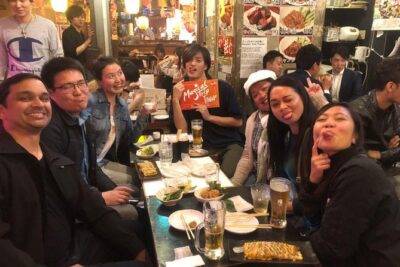 ★ 5.0Shibuya Meltdown Nightlife Tour: All-You-Can-Drink Bar HoppingFrom $1061,058 reviews
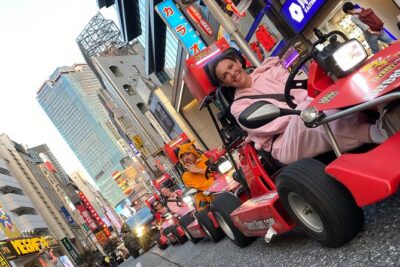 ★ 5.0Shibuya Official Street Go-Kart in Shibuya AnnexFrom $69972 reviews
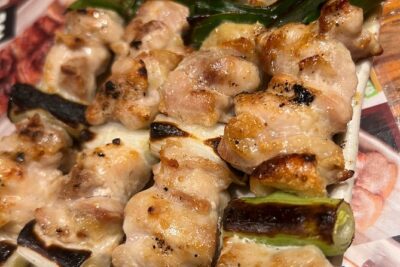 ★ 5.0Shibuya Food Tour (13 dishes and 4 Eateries)From $77770 reviews
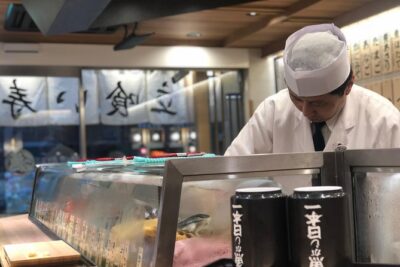 ★ 5.0Best of Shibuya Food TourFrom $217612 reviews
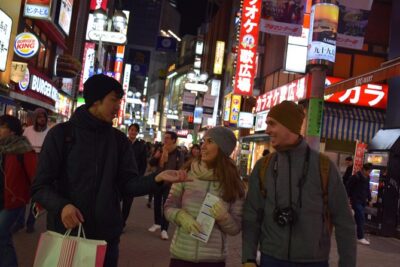 ★ 4.8Shibuya Highlights Walking TourFrom $19601 reviews
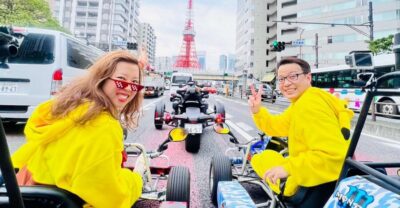 ★ 4.7Premium Go-Kart Tour with Tower & Shibuya CrossingFrom $116528 reviews
Browse the lists this tour appears in