
Reviewed · PRIVATE DRIVERS
Tokyo (Narita) Airport Transfer Service
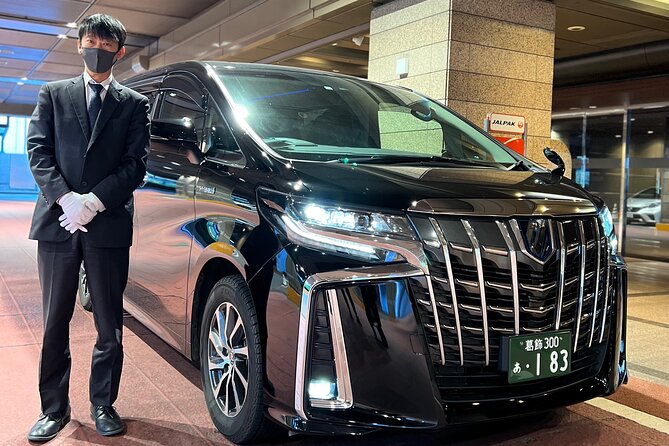
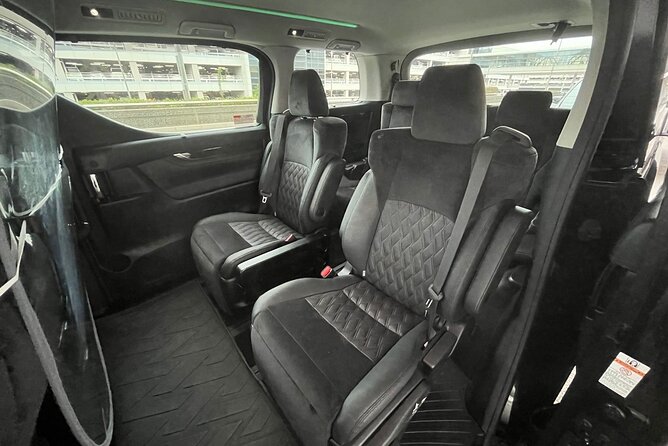
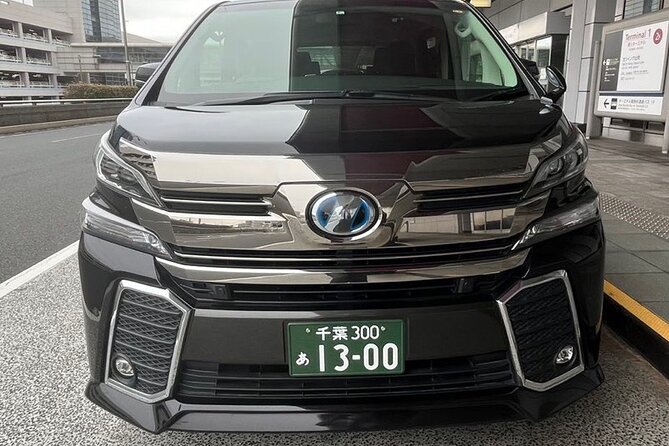
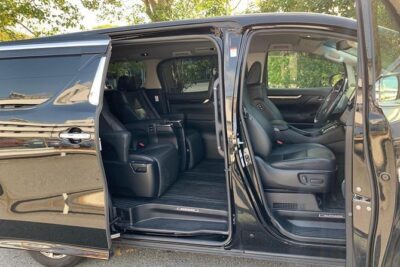
Landing in Tokyo is easier with a driver. This Narita airport transfer cuts out the stress of trains with luggage, and it’s run with professional, experienced drivers in newer Toyota vehicles. I like the clear contact flow that helps you find each other fast, and I like the clean, spacious Toyota Alphard/Hiace setup that works well for families.
The main thing to watch is the cost creep if your timing runs long. You get 90 minutes free waiting at the airport, but overtime is 5,000 yen per hour, and you’ll pay the driver in cash.
In This Review
- Key highlights to decide fast
- How this Narita transfer saves you real time
- Vehicles and driver style: why it matters more than you think
- The pickup plan at Narita: how you’ll find each other
- Waiting time and overtime: the part that can surprise you
- The ride itself: what to expect once you’re on the road
- Mobile ticket and communication: reduce the stress, not the price
- Price and value: when $227 makes sense
- One caution: what if communication fails?
- Who this transfer fits best (and who should reconsider)
- Should you book HOKO for your Narita transfer?
- FAQ
- How long is the Narita airport transfer?
- Where is the pickup/drop-off starting point?
- What vehicles are used?
- Is there a wait time included at the airport?
- What about waiting time at your hotel?
- What happens if the driver waits longer than the free time?
- Do I pay by card or cash?
- Is a meet-and-greet in the arrival hall included?
- Do I need to provide a contact number at booking?
- Are there child car seats available?
Key highlights to decide fast
- Driver communication before you depart so you’re not hunting after landing
- 90 minutes free waiting at Narita to cover delays and customs lines
- Newer Toyota Alphard and Hiace vehicles for a roomy, comfortable ride
- Private transfer for your group only with a true door-to-door feel
- Car-seat support reported (in at least one instance), useful for families
- Cash payment plus extra costs if you’re outside the central Tokyo zone
How this Narita transfer saves you real time
Narita is far enough from much of Tokyo that the last leg can feel like a second trip. A private car changes that. Instead of figuring out rail connections, dragging suitcases through stairs, and hoping the station-to-hotel route matches your exact location, you get a car waiting (or quickly meeting you) at the airport and then you move straight to central Tokyo.
This service is built around the idea that your arrival day is already busy. You’re dealing with immigration, baggage claim, and the natural fatigue that follows a long flight. The payoff is simple: you get a calmer finish.
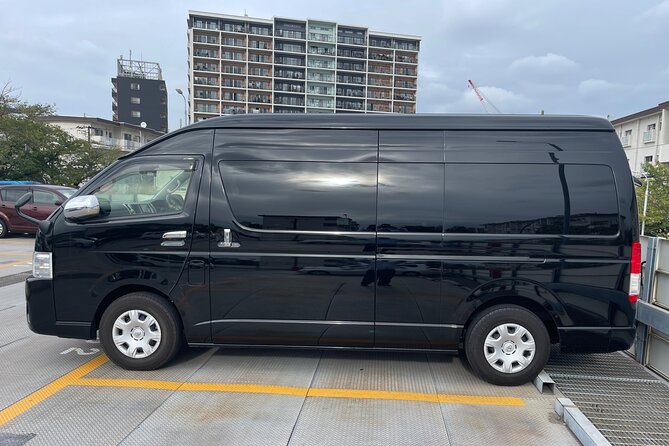
There’s also a practical “Tokyo logistics” benefit. Your vehicle is air-conditioned and your ride is private, so you’re not packing your party into cramped shared transport. The vehicles are Toyota Alphard and Hiace, both commercial models produced in recent years, so you can expect the kind of spacing that matters when you’ve got more than one bag.
Readers also shortlisted these Tokyo bookings:
- Mt Fuji Private Tour with English Speaking Driver
★ 5.0 · 861 reviews - Mt. Fuji & Hakone Private Day Tour with English-Speaking Driver
★ 4.5 · 824 reviews - Haneda Airport (HND) Private Transfer to Central Tokyo
★ 4.5 · 636 reviews - Mt. Fuji, Hakone Full-Day Private Tour with English Driver Guide
★ 4.5 · 458 reviews
Vehicles and driver style: why it matters more than you think
The driver is not a random taxi driver who’s learning the job mid-shift. This company runs monthly training sessions focused on safety and service, and the drivers are described as having more than 3 years of experience.
That matters because an airport transfer is less about sightseeing and more about the small moments:
- smooth merging and steady driving when you’re stressed
- clear communication while you’re still in airport mode
- knowing how to handle luggage and group spacing
You’ll ride in either a Toyota Alphard or Toyota Hiace (newer commercial vehicles). In plain terms: you’re less likely to feel like you’re in someone’s way. Families in particular tend to care about this right away.
One more note: you’re paying for a professional car service experience, not just “a seat in a van.” The better the driver and vehicle fit your group size, the more the value makes sense.
The pickup plan at Narita: how you’ll find each other
Here’s the flow that keeps this transfer from turning into a scavenger hunt:
- When you book, you fill in your contact number.
- The driver will contact you before the trip begins.
- After you arrive at Narita, you should contact the driver again.
- If the driver doesn’t hear back, the plan is a visible one: they’ll greet you at the exit with a sign showing your name.
This “contact then sign” system is the whole point. In real travel life, phones die, airport Wi‑Fi can be flaky, and you may be juggling kids, bags, and customs time. The sign backup helps you recover if communication lags.
You also have a realistic waiting buffer. Free waiting time is 90 minutes at the airport. That’s enough to handle the common arrival mess: a late landing, a slow baggage carousel, or a customs line that runs longer than expected.
Waiting time and overtime: the part that can surprise you
The free waiting rules are clear:
- 90 minutes free at the airport
- 30 minutes free at your hotel
After that, overtime is 5,000 yen per hour. This isn’t a hidden fee, but it is the easiest way to accidentally overpay if your schedule doesn’t match the expected arrival rhythm.
My practical advice: plan for the worst-case, not the ideal-case. If your flight timing is tight, you’ll be glad you have that 90-minute cushion. If your arrival day includes a lot of extra steps (family needs a restroom stop, baggage takes longer, you change terminals), you can creep toward overtime fast.
Also note what’s included and what’s not:
- Included: air-conditioned vehicle and private transportation
- Not included: additional costs beyond Tokyo Central City and any meet & greet fee in the arrival hall
If your hotel is outside the central zone, you might see an extra charge.
The ride itself: what to expect once you’re on the road
Once you’re loaded up and moving, this is the straightforward part done right. You’re in an air-conditioned vehicle with a driver focused on getting you to your accommodation efficiently.
The ride time is listed as about 1 hour to 1 hour 30 minutes. That range matters because Tokyo traffic can vary with time of day and where you drop off.
What I like about how this service is described is that it’s built for “arrival-day reality,” not “tour-day fantasy.” The vehicles are purpose-made commercial models, and the driver training is about safety and service, so you’re not sitting there wondering what’s happening.
If you’re arriving with kids, there’s an extra benefit seen in real use: one account reports the driver provided a car seat and even offered two car-seat options, with the seat(s) in excellent condition. If this is important for your group, it’s worth making sure the booking covers your needs and that you communicate early.
Readers also shortlisted these Tokyo bookings:
- Private Arrival Transfer : Haneda Airport to Central Tokyo City★ 5.0 · 99 reviews
- Tokyo VIP Guided Private Car Tour with Optional Airport Transfer★ 5.0 · 56 reviews
- Shared Arrival Transfer : Haneda Airport to Central Tokyo City★ 4.5 · 28 reviews
- Airport Shuttle Arrival Transfer : from Haneda Airport to Tokyo City★ 4.5 · 27 reviews
- Private Arrival Transfer : Haneda Airport to Yokohama City★ 5.0 · 21 reviews
Mobile ticket and communication: reduce the stress, not the price
This transfer includes a mobile ticket. In practice, that means you’re not scrambling with paper while trying to find your driver or confirm details in a crowded arrival area.
Communication is also a big theme in actual use of the service. One driver used WhatsApp to coordinate once customs was cleared, and another driver reconfirmed pickup details the day before. That’s exactly what you want on arrival day: confirmation you can rely on.
You should still assume you’ll need to do your part:
- have your contact number ready
- message the driver after you land
- keep an eye on exit signage and instructions
The more clearly you follow the “contact after arrival” step, the smoother it tends to be.
Price and value: when $227 makes sense
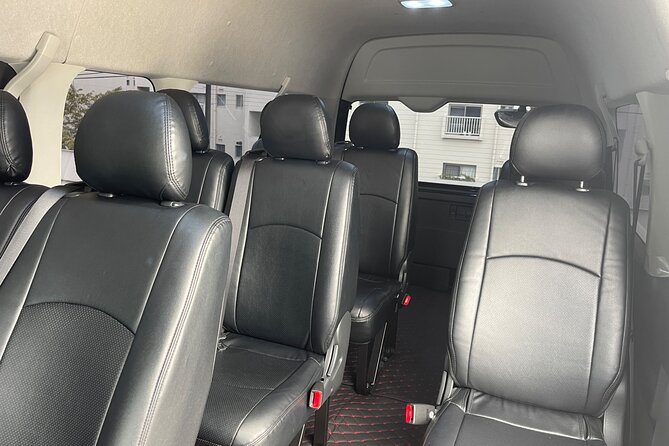
At $227, you’re paying for a private door-to-door transfer with an air-conditioned Toyota Alphard/Hiace, plus driver communication and waiting time. For an individual traveler, that can be a big spend. For a family or a group with multiple bags, it starts to look very reasonable.
Here’s how to judge value for yourself:
- If you would otherwise combine Narita Express plus a train plus local walking with luggage, this becomes cheaper in stress even if it’s not cheaper in cash.
- If you’re splitting taxis, you may end up paying close to the same or more depending on traffic and where you’re staying.
- If you’re traveling with kids and need a car seat, private transfer value rises quickly (especially compared with figuring out compatible transit options).
Also keep in mind what’s not included. If you’re outside the central Tokyo zone, there may be additional costs. And if you miss the free waiting window because of delays, overtime is 5,000 yen per hour.
My rule of thumb: book this when you want arrival day to be simple, not when you’re optimizing every yen.
One caution: what if communication fails?
The service design includes a backup—if the driver doesn’t hear back, you’ll be met at the exit with a name sign. That’s good planning.
Still, no system is magic. The one real red flag in the provided experience details is a case where an operator did not show for pickup. I can’t predict that outcome for your trip, but it’s a reminder to protect yourself:
- double-check that your pickup location is correct
- respond quickly after landing
- keep your phone charged
- keep your contact details accurate at booking
If something feels off, act early rather than waiting until you’re fully stuck inside the airport system.
Who this transfer fits best (and who should reconsider)
This is a strong match for:
- families with kids or baby gear
- travelers carrying multiple suitcases (especially if your hotel isn’t near a station)
- anyone who wants predictable timing after a long flight
- small groups who prefer private transport over crowded trains
You might reconsider if:
- you’re solo with just a small bag and your arrival time is flexible
- you’re comfortable with transit navigation and stairs at stations
- your hotel is outside the central Tokyo zone and additional charges would likely apply
Should you book HOKO for your Narita transfer?
If your priority is a smooth arrival and avoiding Tokyo transit stress with luggage, I think this is a good bet. The combination of private ride, newer Toyota Alphard/Hiace vehicles, trained drivers, and a generous 90 minutes free waiting at the airport is exactly what makes this type of service worth paying for.
Book it especially if you’re traveling with family gear, you’re landing after a long day, or you just don’t want to spend your first Tokyo hour working out train routes.
If you’re price-sensitive and comfortable with trains, you may find cheaper options. But for many people, the real cost of a delayed, complicated first day is higher than the fare difference.
FAQ
How long is the Narita airport transfer?
It’s listed as approximately 1 hour to 1 hour 30 minutes.
Where is the pickup/drop-off starting point?
The meeting point is listed as Ginza, Chuo City, Tokyo 104-0061, Japan.
What vehicles are used?
The vehicles are described as newer commercial Toyota models: Alphard and Hiace.
Is there a wait time included at the airport?
Yes. You get 90 minutes free waiting at the airport.
What about waiting time at your hotel?
You get 30 minutes free waiting at the hotel.
What happens if the driver waits longer than the free time?
Overtime charges are 5,000 yen per hour.
Do I pay by card or cash?
Payment is by cash to the driver.
Is a meet-and-greet in the arrival hall included?
No. The meet-and-greet fee in the arrival hall is not included.
Do I need to provide a contact number at booking?
Yes. You need to fill in your contact number when booking so the driver can reach you.
Are there child car seats available?
One account notes that a car seat was provided, with two car-seat options offered and in excellent condition. Availability may vary by ride.
More Airport Transfers in Tokyo
- Private Arrival Transfer : Haneda Airport to Central Tokyo City
★ 5.0 · 99 reviews - Tokyo VIP Guided Private Car Tour with Optional Airport Transfer
★ 5.0 · 56 reviews - Shared Arrival Transfer : Haneda Airport to Central Tokyo City
★ 4.5 · 28 reviews - Airport Shuttle Arrival Transfer : from Haneda Airport to Tokyo City
★ 4.5 · 27 reviews - Private Arrival Transfer : Haneda Airport to Yokohama City
★ 5.0 · 21 reviews
More Private Drivers in Tokyo
- Mt Fuji Private Tour with English Speaking Driver
★ 5.0 · 861 reviews - Mt. Fuji & Hakone Private Day Tour with English-Speaking Driver
★ 4.5 · 824 reviews - Haneda Airport (HND) Private Transfer to Central Tokyo
★ 4.5 · 636 reviews - Mt. Fuji, Hakone Full-Day Private Tour with English Driver Guide
★ 4.5 · 458 reviews - Mt. Fuji Day Trip from Tokyo with English Speaking Driver Guide
★ 5.0 · 443 reviews
More Tour Reviews in Tokyo
- Mt Fuji and Hakone 1-Day Bus Tour Return by Bullet Train
★ 5.0 · 26,383 reviews - 1-Day Tokyo Bus Tour
★ 5.0 · 14,250 reviews - Tokyo: teamLab Planets TOKYO Digital Art Museum Entry Ticket
★ 4.6 · 9,779 reviews - Mt Fuji & Hakone Cruise, Drum Show Bullet Train 1 Day from Tokyo
★ 4.0 · 7,413 reviews - Tokyo: Shinjuku Food Tour (13 Dishes at 4 Local Eateries)
★ 5.0 · 6,603 reviews
Latest Tokyo reviews off our desk






Private Drivers, compared.
 ★ 5.0Mt Fuji Private Tour with English Speaking DriverFrom $415861 reviews
 ★ 4.5Mt. Fuji & Hakone Private Day Tour with English-Speaking DriverFrom $453824 reviews
 ★ 4.5Haneda Airport (HND) Private Transfer to Central TokyoFrom $104636 reviews
 ★ 4.5Mt. Fuji, Hakone Full-Day Private Tour with English Driver GuideFrom $495458 reviews
 ★ 5.0Mt. Fuji Day Trip from Tokyo with English Speaking Driver GuideFrom $497443 reviews
★ 4.5Mt. Fuji Private Tour with English Speaking DriverFrom $464402 reviews
★ 5.0Mt. Fuji Day Trip from Tokyo with English Speaking Driver GuideFrom $497443 reviews
★ 4.5Mt. Fuji Private Tour with English Speaking DriverFrom $464402 reviews
 ★ 4.9Mt. Fuji & Hakone Private Custom Tour English DriverFrom $322351 reviews
 ★ 4.9From Tokyo : Mount Fuji Private Day Tour with English DriverFrom $409311 reviews
Browse the lists this tour appears in