
Reviewed · SHIBUYA EXPERIENCES
Tokyo Walk through: Shinjuku, Harajuku, Omotesando & Shibuya
Tokyo’s neighborhoods are loud in the best way. This 4-hour walking tour strings together Shinjuku, Shibuya, Harajuku, and Omotesando so you can read modern Tokyo like a story, not a map. I like that the guide can steer the day toward what you care about—shopping, food stops, or culture—without turning it into a lecture.
Two things I really like: first, the Shinjuku Gyoen garden stop gives you a breather that feels miles away from the station area. Second, you get practical context while you walk—post-war city planning, how these hubs evolved, and how to spot what matters in each neighborhood—so the sights start making sense fast.
One drawback to plan around: it’s a fair amount of walking, and while the listing says wheelchair accessible, it also notes it is not suitable for people with mobility impairments. If that applies to you, it’s smart to confirm details with the provider before you book.
In This Review
- Key takeaways before you go
- Meeting Point at Gucci Shinjuku M Square: How You’ll Find the Group Fast
- Shinjuku: Trains, Planning, and Street-Level Shopping That Makes Sense
- Shinjuku Gyoen Garden: The Calm Break You’ll Feel in Your Feet
- Shibuya: Youth Culture Energy Without Getting Stuck on the Obvious
- Harajuku and Takeshita-dori: Pop Culture at Street Level (Ages Optional)
- Omotesando: Luxury Brands, Side Streets, and the Tokyo Style Sweet Spot
- Guides That Actually Shape the Day: Friendly, Practical, and Flexible
- What You Get for $67: Value in Context, Not Just Minutes
- Logistics That Affect Your Comfort (More Than You Think)
- Who Should Book This Walk (and Who Might Not)
- Should You Book This Tokyo Walk Through Shinjuku, Harajuku, Omotesando & Shibuya?
- FAQ
- How long is the Tokyo walk tour?
- What neighborhoods are included?
- Do you visit Shinjuku Gyoen Garden?
- Who is the tour guide and what language is it in?
- How many people are in the group?
- Where is the meeting point?
- Is food included in the price?
- Are there any shopping recommendations or time for cultural exploration?
- Is the tour wheelchair accessible?
- What should I bring?
Key takeaways before you go
- Small group (up to 8) means the guide can adjust the pace and what you focus on
- Shinjuku Gyoen is the calm reset in an otherwise fast-moving day
- Takeshita-dori in Harajuku is perfect for seeing Japanese pop culture up close
- Omotesando mixes luxury brands with side streets for more personal shopping finds
- Guides like Renault, Scott, Tina, and Hiroshi are repeatedly praised for friendly pacing and practical explanations
Meeting Point at Gucci Shinjuku M Square: How You’ll Find the Group Fast
Your day starts right in Shinjuku at the front of the GUCCI Shinjuku M Square Store. Starting at a big, recognizable landmark is a smart move in a place as complicated as Shinjuku, because you’ll spend less time figuring out where you are and more time figuring out what Tokyo is doing.
From there, the guide sets the tone: this is a walk where you get context while you move. Instead of just passing storefronts, you learn how Tokyo’s modern hubs grew and why Shinjuku and Shibuya became such major magnets for people.
More booked around Shibuya Crossing
- Official Street Go-Kart in Shibuya
★ 5.0 · 3,435 reviews - Tokyo: Street Kart Experience in Shibuya
★ 4.9 · 1,484 reviews - Shibuya Meltdown Nightlife Tour: All-You-Can-Drink Bar Hopping
★ 5.0 · 1,058 reviews - Shibuya Official Street Go-Kart in Shibuya Annex
★ 5.0 · 972 reviews
Shinjuku: Trains, Planning, and Street-Level Shopping That Makes Sense
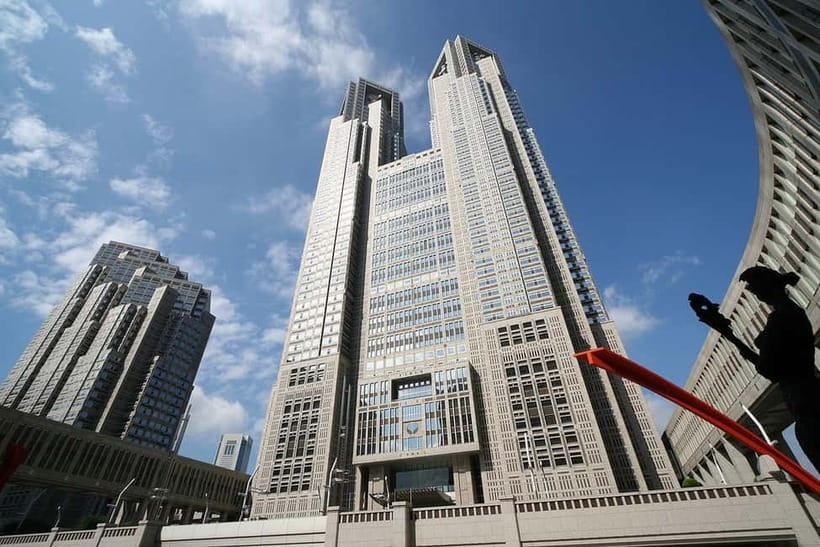
Shinjuku is the kind of place that can overwhelm you on arrival. It’s home to the busiest train hub on Earth, and that sheer scale shapes everything: crowds, timing, and even how shopping and dining are arranged around transit.
On this tour, you’ll start navigating the neighborhood’s rhythm with your guide. You’ll get the big-picture story of how post-war Tokyo was master-planned to handle growth, then connect that to what you see today—modern hubs designed to absorb the city’s changing needs.
What I like here is how the guide balances two sides of Shinjuku. You’ll pass mainstream shopping areas and well-known places for eating and drinking, but you’ll also look for art and cultural details tucked into the wider scene. The goal isn’t to pretend Shinjuku is quiet. It’s to help you move through it confidently.
Practical note: Shinjuku can feel like a maze even when you know your stops. The guide’s job is to help you understand what each street is doing and how to flow between areas without wasting time circling.
Shinjuku Gyoen Garden: The Calm Break You’ll Feel in Your Feet
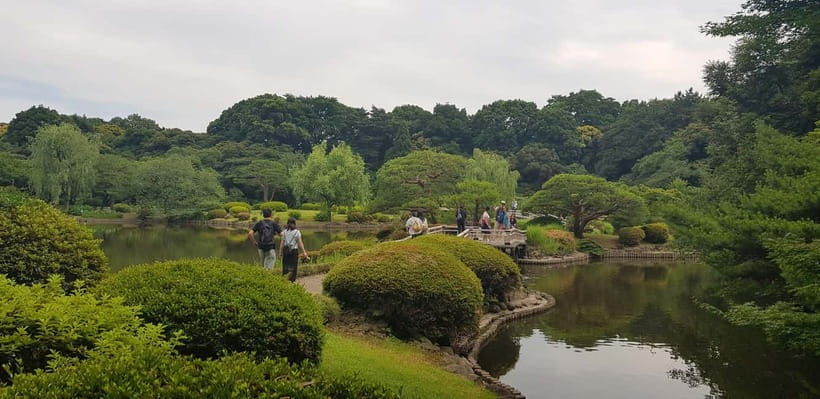
Then—if the weather is decent—you head to Shinjuku Gyoen. This is the tour’s “slow down” moment, and it matters more than it sounds. After an hour of train-station energy, the gardens give you a visual reset that lets you actually notice details again.
The garden is known for showing different styles of landscaping, so you’re not just seeing one look—it’s more like walking through multiple approaches to calm. It’s also a great change of pace for photos, because the lighting and open paths feel different from the tight city streets.
Keep your expectations realistic: this is not a private estate visit or a guided botany class. It’s a well-timed break where your guide helps you appreciate the setting so it doesn’t feel like just another park stop.
Shibuya: Youth Culture Energy Without Getting Stuck on the Obvious
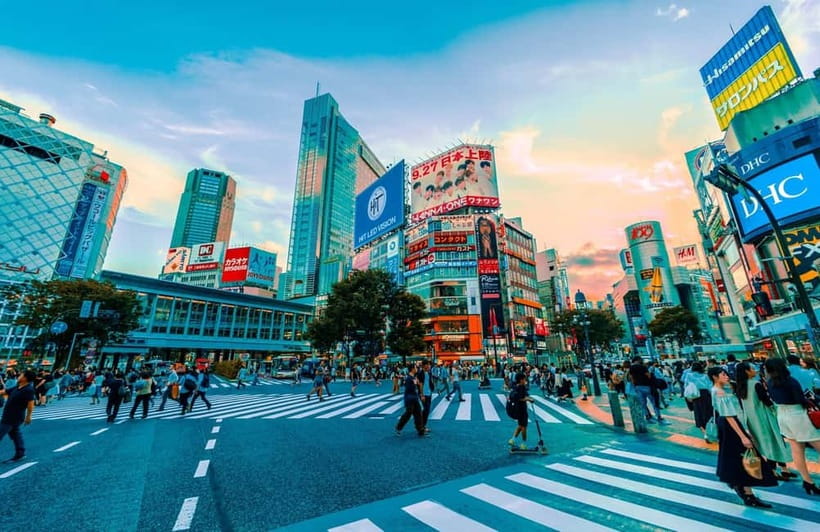
Next comes Shibuya, one of Tokyo’s strongest signals for modern life. It’s the kind of area where you can spot trends quickly, because it’s built for the youthful set and for people who want to see what’s new.
What you’re chasing here isn’t only the famous scenery—it’s the mood. The tour frames Shibuya as having a “tame funkiness” and a mild avant-garde feel, with small pockets of style that reflect the city’s youth culture.
This stop is valuable if you’re trying to understand how Tokyo expresses individuality at street level. You’ll walk past signs of modern pop culture, fashion experiments, and everyday consumer life happening in the same place—often within a short walk.
If you’re worried you’ll only see the big landmarks and miss the rest, this is where the guide helps. The day is set up so you look beyond the obvious.
Harajuku and Takeshita-dori: Pop Culture at Street Level (Ages Optional)
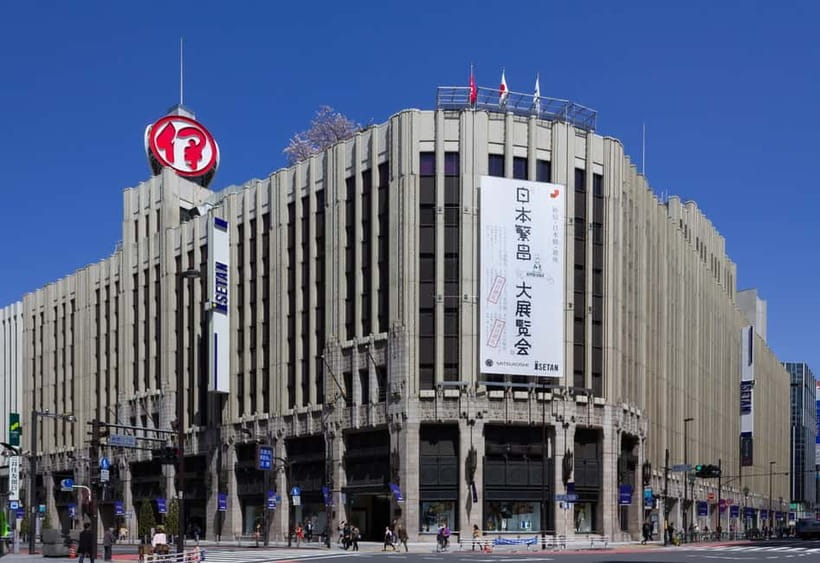
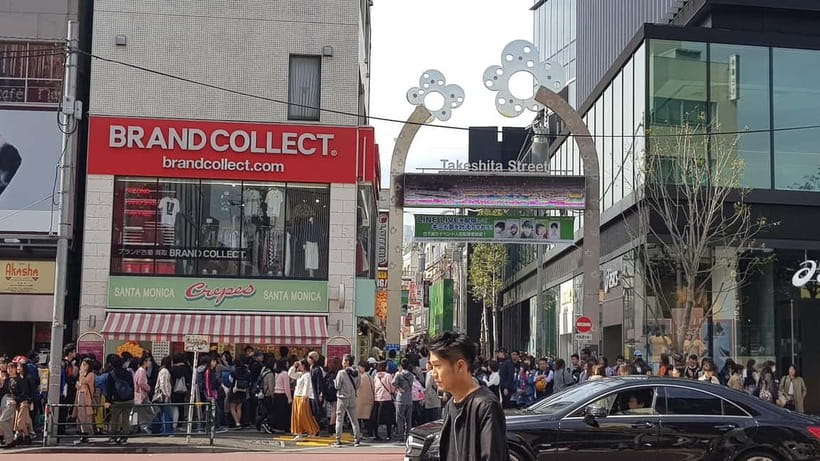
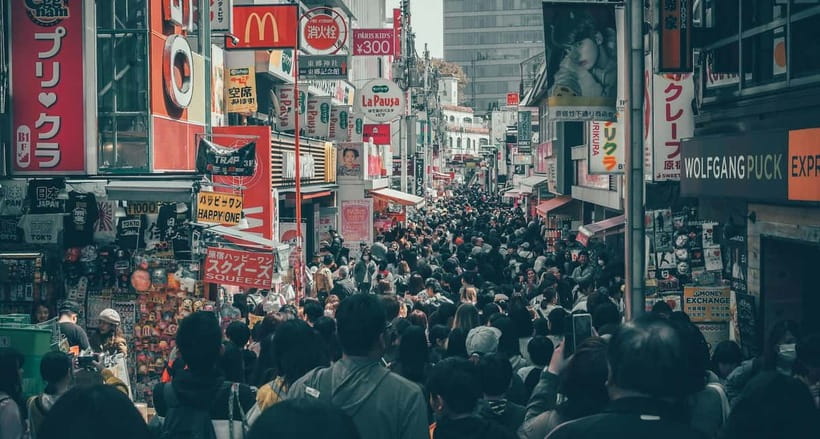
Then it’s on to Harajuku, where Takeshita-dori is the headline street. This area is famous for Japanese pop culture, and the tour approach makes it easy to see why. It caters to the 12–16 age crowd, so the look, energy, and shopping style tilt playful and uninhibited.
The key value here is observation. Rather than telling you what to buy, the guide helps you read the whole scene: how trends show up in stores, how people carry the outfits, and how the street creates a kind of fashion stage.
And if you’re not shopping for teen-style items, don’t worry. This is still a great cultural stop. You’ll learn how Tokyo markets itself—how youth culture becomes a product you can walk through, not just a concept you scroll past.
More Shinjuku plates and pours our readers rated
- Tokyo: Shinjuku Food Tour (13 Dishes at 4 Local Eateries)★ 5.0 · 6,603 reviews
- Tokyo Bar Hopping Tour in Shinjuku (All-You-Can-Drink + Dinner)★ 5.0 · 3,587 reviews
- Tokyo: Shinjuku Food Tour (15 Dishes and 4 Eateries)★ 4.9 · 2,033 reviews
- Best of Shinjuku: Izakaya Food Tour (4 Stops, 14+ Tastings)★ 5.0 · 1,863 reviews
- Tokyo: Shinjuku Local Bar and Izakaya Guided Walking Tour★ 4.9 · 1,794 reviews
Omotesando: Luxury Brands, Side Streets, and the Tokyo Style Sweet Spot
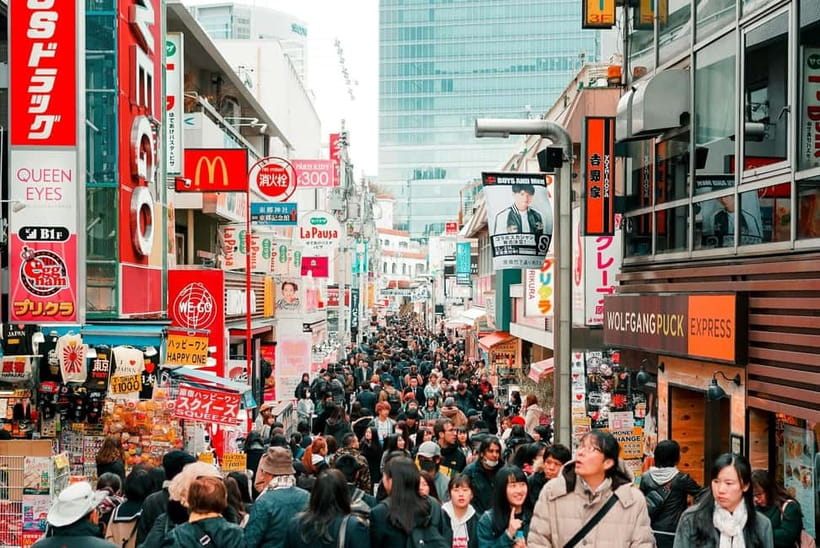
Finally, you reach Omotesando, where the tone shifts. Omotesando is known for understated wealth and big-name luxury brands, but it doesn’t stop there. The tour also guides you into backstreets where you can find more personal fashion choices and smaller style surprises.
This mix is one reason the itinerary works. Harajuku lets you see pop culture’s loudest expression. Omotesando shows you the cleaner, more refined version of style—still very modern, just aimed at a different crowd and mood.
If you enjoy browsing, Omotesando is where you’ll likely slow down. You’ll spend time comparing the front-of-store branding with what’s happening a few steps away. That’s often where Tokyo’s character lives: in the details between the major storefronts.
Also, guides are especially good at steering you toward the kind of places that fit your taste. In past tours, people noted that guides helped them understand Japanese culture alongside shop and food ideas, so you don’t just walk past things—you learn what to look for.
Guides That Actually Shape the Day: Friendly, Practical, and Flexible
This tour is English-speaking and led by a live guide. The big win is how the guide can tailor the walk to your interests, and that flexibility shows in the feedback you can expect.
I like the pattern here: guides stay friendly and keep the flow informal, while still giving you enough structure that you don’t feel like you’re wandering alone. People have mentioned guides such as Renault tailoring what they wanted to see and helping explain Japanese culture and areas they wouldn’t have found on their own.
In other cases, guides like Hiroshi have been praised for explaining not just places, but how to use the train system and how everyday life in Tokyo works. And Tina has been singled out for mixing shopping-and-food exploration, including helping with ordering at a ramen place and leaving people at the right spot before continuing.
So the guide isn’t just a walking narrator. They can be your translator for daily life—how Tokyo moves, how people shop, and how you can spend your time efficiently once the tour ends.
What You Get for $67: Value in Context, Not Just Minutes
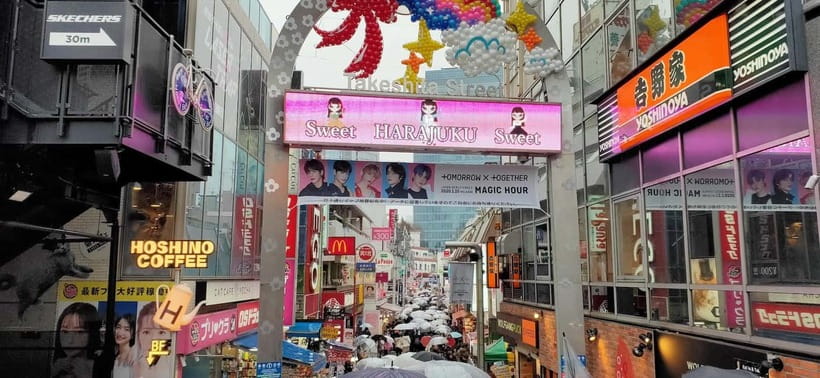
At $67 per person for 4 hours, the value comes from what you’re buying besides walking time. You’re paying for local interpretation: the guide connects neighborhood design to how you experience the streets today.
Also, this is a small group capped at 8 participants. That matters because you get more chances to ask questions and more flexibility in pacing. In a city where transit and signage can be tricky, having someone point out how things work can save you time and stress later.
Meals are not included, so you’re not locked into a set restaurant. That gives you freedom, and it also means you can decide what you want for lunch or dinner based on your tastes and dietary needs.
If you’re the kind of traveler who likes to start Tokyo with a sense of direction—what area is for what vibe—this tour is a smart use of one morning or afternoon.
Logistics That Affect Your Comfort (More Than You Think)
You’ll cover a fair amount of ground, so comfortable shoes are non-negotiable. The itinerary hits multiple neighborhoods with different street textures, and your comfort will decide whether the day feels fun or just tiring.
Weather also matters because Shinjuku Gyoen is included assuming conditions are decent. Dress for the day you get, not the weather app forecast you wish you had.
Photography is allowed, but the usual rule applies: be mindful of any restrictions in certain areas. If you’re sensitive about filming or photographing people, keep it respectful and avoid blocking entrances.
Finally, check timing based on your start day. The tour is listed as 4 hours and you can check availability for starting times, so you’ll want to pick a slot that fits your energy level.
Who Should Book This Walk (and Who Might Not)
This tour is ideal if you want a guided overview of Tokyo’s trend zones without spending the whole day in subway loops. It’s also a good pick for first-timers who want practical explanations of how Tokyo works while still getting enough freedom to browse.
It’s especially helpful if you’re curious about how Tokyo mixes categories—youth culture in Shibuya and Harajuku, and luxury with side-street character in Omotesando. You’ll come away with a mental map of vibes, not just locations.
Who might skip it: if you have mobility limitations that make walking hard, the tour notes conflict—wheelchair accessibility is listed, but it also says it isn’t suitable for people with mobility impairments. If you fall into that category, confirm your needs with the operator before booking.
Also, if you hate shopping areas or prefer only quiet museums, this route may feel too street-focused. The day is built around neighborhoods and what you can see and taste through them.
Should You Book This Tokyo Walk Through Shinjuku, Harajuku, Omotesando & Shibuya?
I think you should book if you want a fast, friendly way to understand Tokyo’s modern personality. The combo of Shinjuku’s big-city planning, Shinjuku Gyoen’s calm, and the culture shift through Shibuya → Harajuku → Omotesando is a great snapshot of how the city sells itself and lives.
It’s also a strong value for the price when you consider you’re not just sightseeing—you’re learning how to interpret what you’re seeing and how to move through the city with confidence. The small group size helps, and the guide’s flexibility can turn the walk into something that feels made for you.
If you want, tell me your travel dates and what you care about most—shopping, food, trains, or just seeing the neighborhoods—and I’ll help you pick the best time slot and plan what to do before and after the tour.
FAQ
How long is the Tokyo walk tour?
The tour lasts 4 hours.
What neighborhoods are included?
You’ll visit Shinjuku, Shibuya, Harajuku, and Omotesando.
Do you visit Shinjuku Gyoen Garden?
Yes. The tour includes a visit to Shinjuku Gyoen Garden, assuming weather is decent.
Who is the tour guide and what language is it in?
The tour has a live guide in English.
How many people are in the group?
The group is small, limited to 8 participants.
Where is the meeting point?
You meet right in front of the GUCCI Shinjuku M Square Store.
Is food included in the price?
Meals and drinks are not included.
Are there any shopping recommendations or time for cultural exploration?
The tour includes cultural and shopping exploration, and you’ll spend time walking through shopping areas and places of interest.
Is the tour wheelchair accessible?
The activity lists wheelchair accessible, but it also states it is not suitable for people with mobility impairments. If mobility is a concern for you, it’s best to check with the provider before booking.
What should I bring?
Bring comfortable shoes and weather-appropriate clothing. Photography is allowed, but be mindful of restrictions in certain areas.
More Tour Reviews in Tokyo
- Mt Fuji and Hakone 1-Day Bus Tour Return by Bullet Train
★ 5.0 · 26,383 reviews - 1-Day Tokyo Bus Tour
★ 5.0 · 14,250 reviews - Tokyo: teamLab Planets TOKYO Digital Art Museum Entry Ticket
★ 4.6 · 9,779 reviews - Mt Fuji & Hakone Cruise, Drum Show Bullet Train 1 Day from Tokyo
★ 4.0 · 7,413 reviews - Tokyo: Shinjuku Food Tour (13 Dishes at 4 Local Eateries)
★ 5.0 · 6,603 reviews
More Shinjuku Food and Drink
- Tokyo: Shinjuku Food Tour (13 Dishes at 4 Local Eateries)
★ 5.0 · 6,603 reviews - Tokyo Bar Hopping Tour in Shinjuku (All-You-Can-Drink + Dinner)
★ 5.0 · 3,587 reviews - Tokyo: Shinjuku Food Tour (15 Dishes and 4 Eateries)
★ 4.9 · 2,033 reviews - Best of Shinjuku: Izakaya Food Tour (4 Stops, 14+ Tastings)
★ 5.0 · 1,863 reviews - Tokyo: Shinjuku Local Bar and Izakaya Guided Walking Tour
★ 4.9 · 1,794 reviews
More Around Shibuya Crossing
- Official Street Go-Kart in Shibuya
★ 5.0 · 3,435 reviews - Tokyo: Street Kart Experience in Shibuya
★ 4.9 · 1,484 reviews - Shibuya Meltdown Nightlife Tour: All-You-Can-Drink Bar Hopping
★ 5.0 · 1,058 reviews - Shibuya Official Street Go-Kart in Shibuya Annex
★ 5.0 · 972 reviews - Tokyo: Shibuya Food Tour (13 dishes and 4 Eateries)
★ 5.0 · 770 reviews
Latest Tokyo reviews off our desk


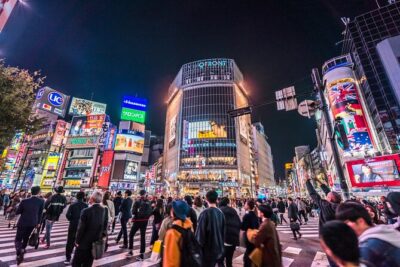
Shibuya Experiences, compared.
 ★ 5.0Official Street Go-Kart in ShibuyaFrom $763,435 reviews
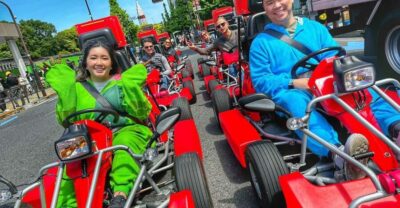 ★ 4.9Street Kart Experience in ShibuyaFrom $741,484 reviews
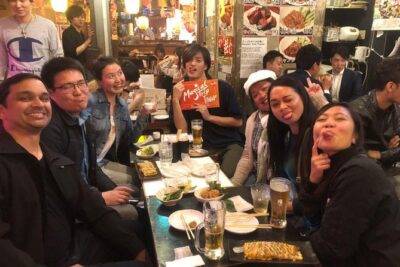 ★ 5.0Shibuya Meltdown Nightlife Tour: All-You-Can-Drink Bar HoppingFrom $1061,058 reviews
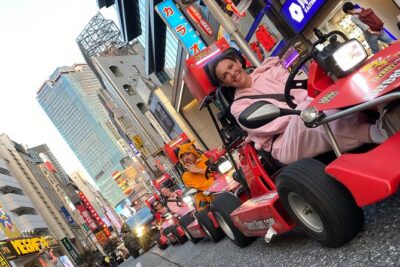 ★ 5.0Shibuya Official Street Go-Kart in Shibuya AnnexFrom $69972 reviews
 ★ 5.0Shibuya Food Tour (13 dishes and 4 Eateries)From $77770 reviews
 ★ 5.0Best of Shibuya Food TourFrom $217612 reviews
 ★ 4.8Shibuya Highlights Walking TourFrom $19601 reviews
 ★ 4.7Premium Go-Kart Tour with Tower & Shibuya CrossingFrom $116528 reviews
Browse the lists this tour appears in