
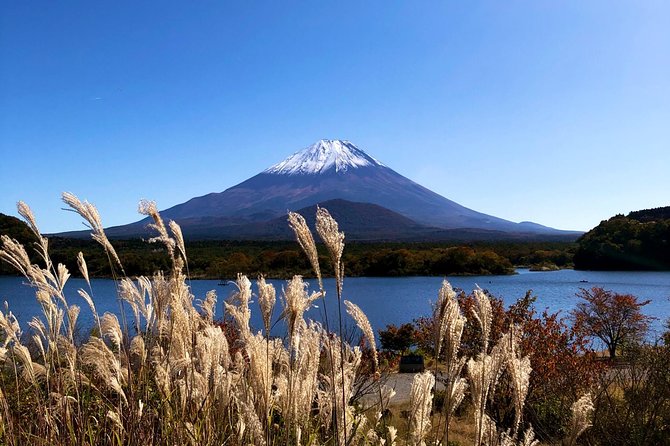
Reviewed · MOUNT FUJI TOURS
1 Day Charter Tour to Mt Fuji View
Fuji days feel like someone turned down Tokyo’s volume. This private charter gets you out early with hotel pickup and a day built around Mt Fuji views, plus easy stops you can actually enjoy without sprinting through crowds. I especially like the “your day, your pace” flexibility, and the calm, professional driving that keeps the logistics from stealing your energy. The main thing to consider: the tour is weather-dependent, so you’ll want clear conditions for the best Fuji views.
You’ll spend about 9 to 10 hours on the road (starting around 8:00 am), and you’ll cover classic photo-and-stroll areas around the Fuji Five Lakes region. My only caution is simple: if you’re hoping for hot springs time, plan for it as an add-on since hot spring entrance and facilities aren’t included in the core stops.
In This Review
- Key Points That Matter (Before You Go)
- Private Mt Fuji Charter From Tokyo: Worth It for the Right Trip
- 8:00 AM Pickup and How to Plan Your Day for 9–10 Hours
- Arakura Fuji Sengen Shrine: A Pagoda View With Short Walk Time
- Oshino Hakkai: Fuji Water, Easy Wandering, and a Ninja Museum Detour
- Lake Kawaguchiko: Ropeway or Lake Cruise for the Best Fuji Angles
- Oishi Park: Short Photo Time That Lets You Catch the Mood
- Customizable Routing: Fuji Five Lakes Focus or Hakone Hot Springs
- The Driver Advantage: Licensed, English-Friendly, and Practically Helpful
- What’s Included vs Not: The Real Budget Picture
- Price and Value: How to Judge $494.10 for a Private Day
- Who This Mt Fuji View Charter Suits Best
- When to Book: A Weather-First Strategy for Fuji
- Should You Book This Private Mt Fuji View Charter?
- FAQ
- How long is the Mt Fuji view charter tour?
- What time does the tour start?
- Is the tour private?
- What is included in the price?
- Are food and lunch included?
- Are hot spring fees included?
- What happens if the weather is poor?
Key Points That Matter (Before You Go)
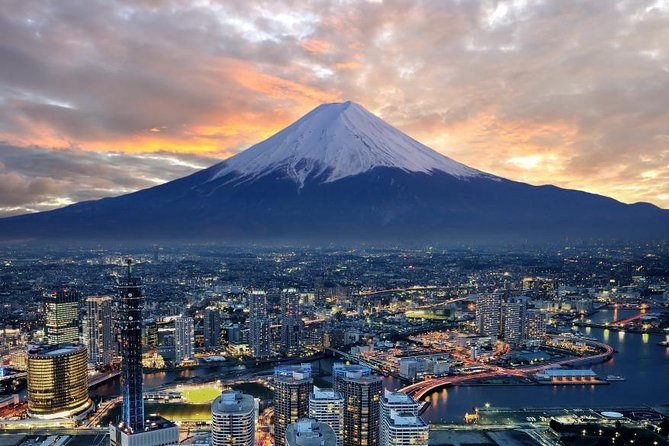
- Private, party-only experience: no merging into a group schedule.
- Pickup from most major Tokyo hotels: you start the day already relaxed.
- Fully flexible itinerary: you can lean toward Fuji Five Lakes or toward Hakone hot springs.
- Classic stops with listed free admissions: Arakura Fuji Sengen Shrine, Oshino Hakkai, and Lake Kawaguchiko areas.
- Big-view time built in: Lake Kawaguchiko gives you a choice between ropeway or a lake cruise.
- English-capable licensed driver: safe driving plus practical guidance.
Private Mt Fuji Charter From Tokyo: Worth It for the Right Trip
This is the kind of tour that makes sense when you value control. You’re paying to skip the group-tour stress: fewer forced photo stops, less waiting, and a route that can shift based on your interests and conditions.
I also like that the core plan hits several “must-see, but not exhausting” places. You get shrine views, Fuji water, and lake panoramas in one long day—without having to stitch together trains, buses, and ticket lines yourself.
One more value angle: even though the price looks steep at first glance ($494.10 per group, listed up to 1), you’re not just buying sightseeing. You’re buying a driver, a modern air-conditioned vehicle, gas, highway tolls, and the kind of door-to-door pickup that can save you a lot of hassle in Tokyo’s traffic and transit maze.
More Fuji day trips our readers rated highly
- Mt Fuji and Hakone 1-Day Bus Tour Return by Bullet Train
★ 5.0 · 26,383 reviews - Mt Fuji & Hakone Cruise, Drum Show Bullet Train 1 Day from Tokyo
★ 4.0 · 7,413 reviews - Tokyo Mt Fuji 5th St & Hakone Cruise Bus Tour w/Bullet Train
★ 4.4 · 5,024 reviews - From Tokyo: Mount Fuji Full-Day Sightseeing Trip
★ 4.5 · 4,970 reviews
8:00 AM Pickup and How to Plan Your Day for 9–10 Hours
The day starts at 8:00 am with a meet-and-greet style setup, and you’ll get confirmation after booking. You’ll typically be close to public transportation, but the real point is the pickup from many major Tokyo hotels—so you don’t waste precious morning time figuring out trains and transfers.
Expect a full day: about 9 to 10 hours total, depending on traffic and your chosen pace. The stops are timed in short blocks—30 to 60 minutes most places—so you’ll have enough time to walk, look, take photos, and still be back on the road before fatigue kicks in.
Tip for your planning: pack for a long day outdoors. Even when the schedule is smooth, you’ll spend time at viewpoints, shoreline paths, and shrine areas. And since the tour requires good weather, bring a realistic backup mindset. If conditions aren’t great, you’ll be offered another date or a full refund—so the operator isn’t ignoring the reality of Fuji weather.
Arakura Fuji Sengen Shrine: A Pagoda View With Short Walk Time
This is your first “oh wow” stop. Arakura Fuji Sengen Shrine is known for its pagoda setting, and you’ll have about 30 minutes here with free admission.
What makes this stop work on a charter day is the timing. You’re early enough that you can enjoy the view without feeling like you’re arriving at peak crowd crush. You can do the basic photo circuit, linger for the best angle, and then move on while your legs still feel good.
Downside to consider: this kind of view spot can feel very weather-sensitive. If clouds sit low, you might see less of Fuji than you hoped for. That’s why a charter-style day still helps—you can use the flexibility to adjust your priorities when the sky changes.
Oshino Hakkai: Fuji Water, Easy Wandering, and a Ninja Museum Detour
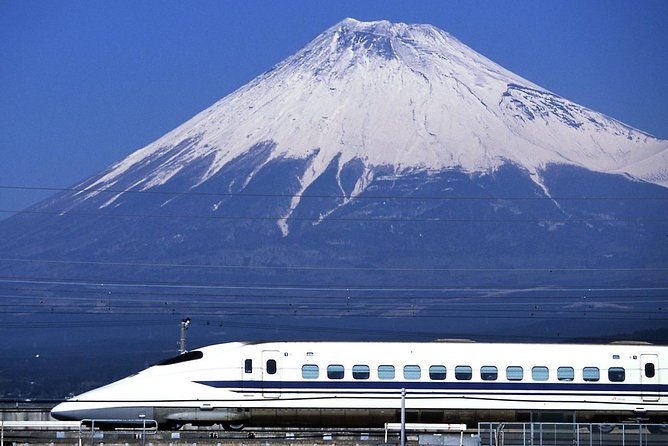
Next up is Oshino Hakkai, with about 40 minutes on the ground and free admission listed for this stop. Here’s the draw: the area is famous for its spring-fed Fuji water, and it’s the kind of place where you can slow down for a short wander, snack if you want, and enjoy the calmer rhythm compared to central Tokyo.
A fun add-on is that the plan also includes time to visit a Ninja Museum. If you’re traveling with someone who likes quirky history and pop-culture themed experiences, this is a nice way to break up the more traditional sightseeing.
The practical catch: 40 minutes is enough to look around, but not enough for deep, long museum-style immersion. So go in with a light plan. Think: quick Fuji-water sightseeing first, then decide on the Ninja Museum part based on your energy level.
Lake Kawaguchiko: Ropeway or Lake Cruise for the Best Fuji Angles
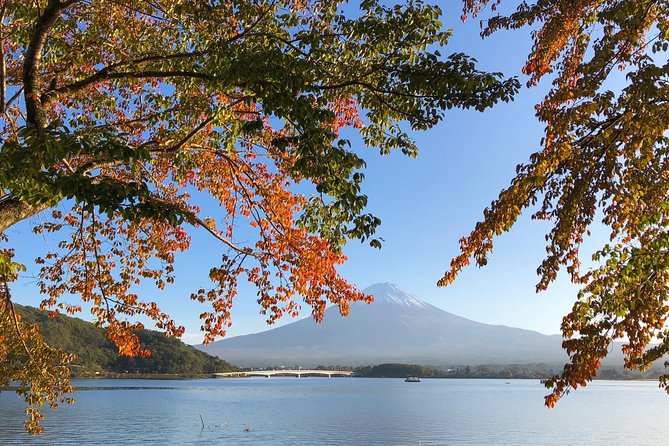
This is where the day usually clicks for people who booked specifically for the Mt Fuji view. You’ll spend about 1 hour at Lake Kawaguchiko, with a choice: you can try the panoramic ropeway or a lake cruise.
Why this matters: ropeway time tends to pay off when visibility is clear. You get a higher perspective that can help you see the mountain’s shape and surrounding contours. A lake cruise is slower and often feels more relaxed—good when you want a gentler pace and don’t want to think about stairs or lines.
Either way, an hour gives you enough time to:
- get a view, not just a single quick snapshot
- adjust your route based on what you can see at the moment
- still stay on schedule for the final stop
If you want the best odds for strong photos, don’t treat this like a rush-through. Arrive, take a first look, then decide where you’ll spend your next 20–30 minutes. In a charter day, you can make that decision on the fly.
Readers also shortlisted these Tokyo bookings:
- Mt Fuji and Hakone 1-Day Bus Tour Return by Bullet Train★ 5.0 · 26,383 reviews
- 1-Day Tokyo Bus Tour★ 5.0 · 14,250 reviews
- Mt Fuji & Hakone Cruise, Drum Show Bullet Train 1 Day from Tokyo★ 4.0 · 7,413 reviews
- Tokyo: DisneySea 1-Day Passport★ 4.5 · 2,726 reviews
- Tokyo Disneyland 1-Day Passport★ 4.6 · 2,512 reviews
Oishi Park: Short Photo Time That Lets You Catch the Mood
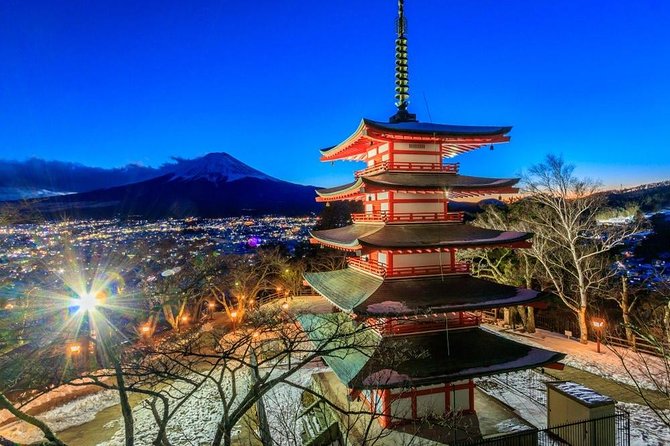
After the lake, you’ll stop at Oishi Park for about 30 minutes. It’s a solid closing act: calmer than a full-day museum stop, but still designed for scenic photos with Lake Kawaguchiko in the frame.
The main benefit here is timing. A final stop around 30 minutes helps you end the day without dragging it out. You can get the shots you want, then let the driver handle the trip back.
The possible drawback: if clouds roll in late, this is the last place where you’ll try to see Fuji. If the weather looks uncertain when you reach the park, focus on what’s visible right now instead of waiting for a miracle. Charters are flexible, but they still run on real-world daylight and driving time.
Customizable Routing: Fuji Five Lakes Focus or Hakone Hot Springs
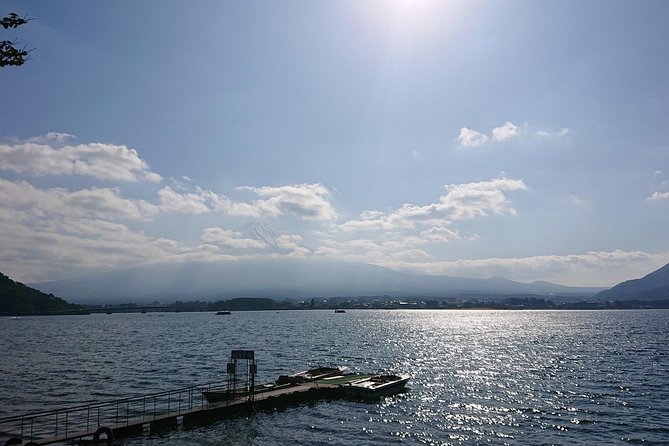
One of the smartest features is flexibility. This charter is built to be customizable, so you can tailor the day toward the Fuji Five Lakes area or pivot toward Hakone’s hot springs resort.
This matters because “Mt Fuji day” can mean different things to different people. Some want scenic lakes, shrine views, and photo time. Others want the comfort and unwinding of a hot-springs stop—even if the mountain view is partly obscured.
Keep one detail straight: entrance fees for hot springs (and similar facilities) aren’t included. That doesn’t mean you can’t do it—it just means you should budget extra if you add hot-spring time.
The Driver Advantage: Licensed, English-Friendly, and Practically Helpful
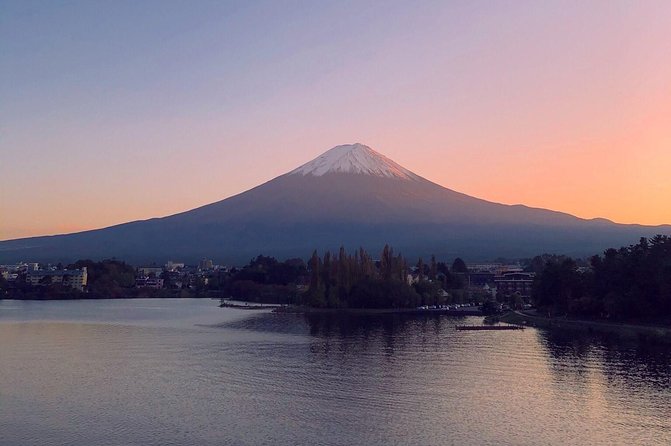
The driver factor is a huge part of why charter tours feel worth it. This service uses licensed professionals who speak both English and Japanese, and they have decades of road experience—over 30 years is specifically mentioned for safety and convenience.
And the practical help is not just driving. In real-world accounts, a driver named Shaming stood out for being an ultimate professional—he provided snacks, shared information, and offered tips plus further tour options. You can treat that as a signal of the vibe you’ll likely get: calm, helpful, and focused on making the day easier, not just moving you from point A to point B.
What you should do: ask early about what’s possible based on the weather. If the mountain is hidden, request a plan that maximizes the best experience you can still have—views, photo stops, and pacing that doesn’t feel like a wasted day.
What’s Included vs Not: The Real Budget Picture
Here’s the value breakdown in plain terms.
Included:
- Meet & greet
- Petrol/gas and highway tolls
- English-speaking driver
- Air-conditioned vehicle
- Modern, clean vehicle
- Admission ticket free stops for the listed itinerary
Not included:
- Entrance fees (like hot springs facilities)
- Food and drinks
- Lunch
- Admission to hot spring facilities
So you should plan on paying for your meals and any optional add-ons. The itinerary’s key scenic spots are listed with free admissions, which helps keep the trip’s cost more predictable than a ticket-heavy day.
My suggestion: bring water, and consider a light snack strategy. Long outdoor viewing plus driving can make you hungry fast—especially if you’re aiming for multiple viewpoints.
Price and Value: How to Judge $494.10 for a Private Day
At $494.10 per group (listed up to 1), this is not a budget alternative to public transport. It’s a convenience purchase.
Where it tends to pay off:
- You want true privacy and flexibility.
- You’re tired of group schedules and forced pacing.
- You value smooth logistics more than “saving every yen.”
- You’re traveling solo or in a setup where paying for a private day is still cheaper than juggling multiple transit changes.
Where it might not be worth it:
- If you’re comfortable navigating the Fuji area on your own and don’t mind crowded schedules.
- If you’re mainly chasing hot springs and don’t care much about shrine and lake viewpoints, since those additional fees won’t be included.
Bottom line: you’re paying for time saved, comfort gained, and the ability to shape the day. If that’s your travel style, this kind of charter usually feels like a smart trade.
Who This Mt Fuji View Charter Suits Best
This tour fits best if you match one of these profiles:
- You want an easy day out of Tokyo without the planning burden.
- You care about photography and want time at scenic viewpoints, not rushed checklists.
- You prefer a private setup where your pace matters.
- You’re a weather-aware traveler who understands Fuji views depend on conditions.
It also works well for travelers who want a balanced day: a mix of shrine scenery, Fuji water wandering, lake time with choices, and a final photo stop—without turning the day into nonstop bus-window sightseeing.
If you’re bringing someone who gets anxious about transportation, this charter style tends to reduce that stress fast.
When to Book: A Weather-First Strategy for Fuji
Mt Fuji is famous, but it’s also moody. This experience is explicitly tied to good weather, and if it’s canceled due to poor conditions, you’ll be offered a different date or a full refund.
So don’t lock yourself into a single fixed plan with no flexibility. If your trip has a little wiggle room, book this when you’re most likely to get clear skies. If your schedule is tight and the forecast looks questionable, consider whether you’d rather roll the dice—or pivot your expectations toward the journey itself, not just the mountain’s silhouette.
Should You Book This Private Mt Fuji View Charter?
If you want a Fuji day that feels organized but not robotic, I’d say yes—especially for couples, solo travelers, or anyone who values privacy and comfort. The stop sequence is practical: a shrine first, Fuji water and a fun detour second, then lake viewpoints where the view payoff is strongest, and finally Oishi Park for closing photos.
One reason I’d feel good booking is the consistent emphasis on licensed driving, English/Japanese communication, and a clean, modern vehicle with pickup support. And if you appreciate the extra human touch, driver notes that mention snacks, useful information, and options like those tied to Shaming are a positive sign of the service attitude.
Just go in with one expectation managed: if weather isn’t cooperating, your plan may shift and the mountain may not fully show. Since the operator handles weather-related cancellation with a different date or refund, you’re not stuck.
FAQ
How long is the Mt Fuji view charter tour?
The tour runs about 9 to 10 hours.
What time does the tour start?
The start time is listed as 8:00 am.
Is the tour private?
Yes. It’s a private tour/activity, and only your group participates.
What is included in the price?
Included items are meet & greet, petrol/gas, highway tolls, an English-speaking driver, and an air-conditioned vehicle with a modern, clean car. The listed stop admissions are also shown as free.
Are food and lunch included?
No. Food and drinks and lunch are not included.
Are hot spring fees included?
No. Entrance fees for hot springs or hot spring facilities are not included.
What happens if the weather is poor?
The tour requires good weather. If it’s canceled due to poor weather, you’ll be offered a different date or a full refund.
If you want, tell me your travel dates (and whether you prefer Fuji Five Lakes or Hakone). I can suggest a smart way to prioritize the stops when visibility is uncertain.
More Tours in Tokyo
- Mt Fuji and Hakone 1-Day Bus Tour Return by Bullet Train
★ 5.0 · 26,383 reviews - 1-Day Tokyo Bus Tour
★ 5.0 · 14,250 reviews - Tokyo: Shinjuku Food Tour (13 Dishes at 4 Local Eateries)
★ 5.0 · 6,603 reviews - Tokyo Mt Fuji 5th St & Hakone Cruise Bus Tour w/Bullet Train
★ 4.4 · 5,024 reviews - Flagship 2-Hours Official Street Go-Kart Tour – Tokyo Bay Shop
★ 5.0 · 4,974 reviews
More Tour Reviews in Tokyo
- Mt Fuji and Hakone 1-Day Bus Tour Return by Bullet Train
★ 5.0 · 26,383 reviews - 1-Day Tokyo Bus Tour
★ 5.0 · 14,250 reviews - Tokyo: teamLab Planets TOKYO Digital Art Museum Entry Ticket
★ 4.6 · 9,779 reviews - Mt Fuji & Hakone Cruise, Drum Show Bullet Train 1 Day from Tokyo
★ 4.0 · 7,413 reviews - Tokyo: Shinjuku Food Tour (13 Dishes at 4 Local Eateries)
★ 5.0 · 6,603 reviews
More Mount Fuji Days We Have Reviewed
- Mt Fuji and Hakone 1-Day Bus Tour Return by Bullet Train
★ 5.0 · 26,383 reviews - Mt Fuji & Hakone Cruise, Drum Show Bullet Train 1 Day from Tokyo
★ 4.0 · 7,413 reviews - Tokyo Mt Fuji 5th St & Hakone Cruise Bus Tour w/Bullet Train
★ 4.4 · 5,024 reviews - From Tokyo: Mount Fuji Full-Day Sightseeing Trip
★ 4.5 · 4,970 reviews - Tokyo: Mt. Fuji Tour, Hakone Ropeway, Owakudani, Lake Ashi
★ 4.7 · 4,002 reviews
Latest Tokyo reviews off our desk






Mount Fuji Tours, compared.
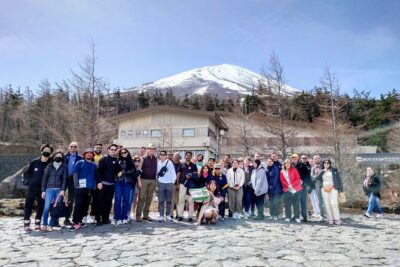 ★ 5.0Mt Fuji and Hakone 1-Day Bus Tour Return by Bullet TrainFrom $16326,383 reviews
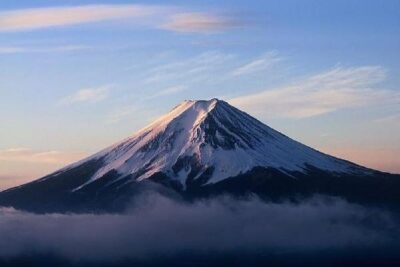 ★ 4.0Mt Fuji & Hakone Cruise, Drum Show Bullet Train 1 Day from TokyoFrom $1497,413 reviews
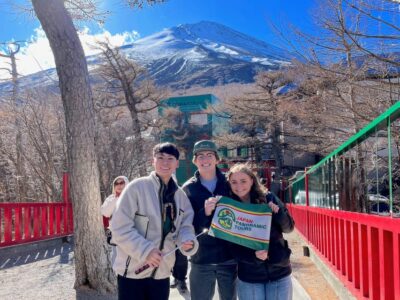 ★ 4.4Tokyo Mt Fuji 5th St & Hakone Cruise Bus Tour w/Bullet TrainFrom $1545,024 reviews
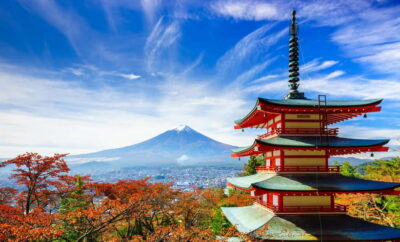 ★ 4.5From Tokyo: Mount Fuji Full-Day Sightseeing TripFrom $684,970 reviews
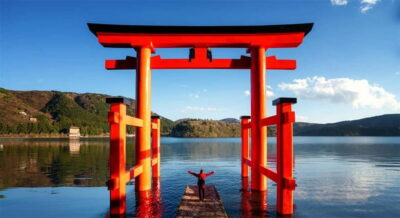 ★ 4.7Mt. Fuji Tour, Hakone Ropeway, Owakudani, Lake AshiFrom $544,002 reviews
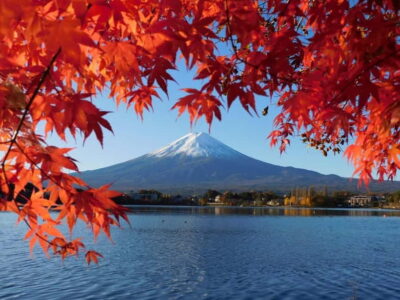 ★ 4.4Mt.Fuji,Kawaguchiko Oishi Park,Arakurayama Sengen ParkFrom $542,682 reviews
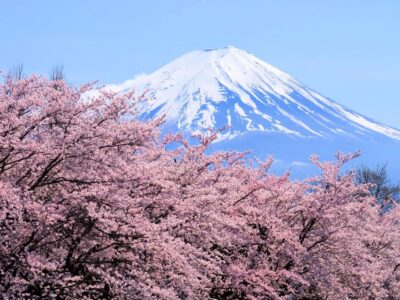 ★ 4.2Mt. Fuji 5th Station & Hakone Cruise 1-Day Bus TourFrom $1292,381 reviews
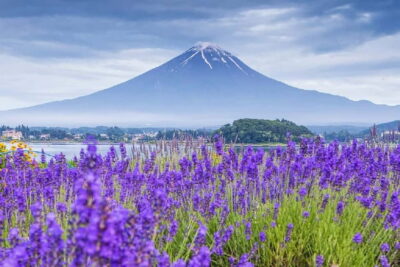 ★ 4.7Mt Fuji Top 5 Spots Day Tour: Arakurayama Park,Oshino HakkaiFrom $532,066 reviews
Browse the lists this tour appears in