
Reviewed · MOUNT FUJI TOURS
From Tokyo: Mount Fuji Full-Day Sightseeing Trip
Mt. Fuji changes every hour. This full-day bus trip strings together the best photo angles plus a couple of classic cultural stops around Kawaguchiko and Fujiyoshida. You get a structured day built for views, walking, and short tastings—so you spend less time figuring transit and more time watching the mountain show off.
I especially like the way you see Fuji from four different “modes”: lake reflections, the pagoda viewpoint, spring-water ponds, and then the higher-elevation 5th Station panorama. I also love that the day feels guided, not chaotic—clear directions, on-the-ground pacing, and a professional English/Chinese-speaking guide on a comfy air-conditioned coach.
The big drawback: Mt. Fuji isn’t guaranteed. Visibility depends on weather, and if roads or conditions don’t cooperate, the plan may shift from 5th Station to 4th/1st Station or a nearby lake area.
In This Review
- Key Points to Know Before You Go
- From Tokyo to Kawaguchiko: Why This Itinerary Works
- Getting There Smoothly: Pickup, Coach Comfort, and the Real Timing
- Oishi Park by Kawaguchiko Lake: The Fuji Photo Warm-Up
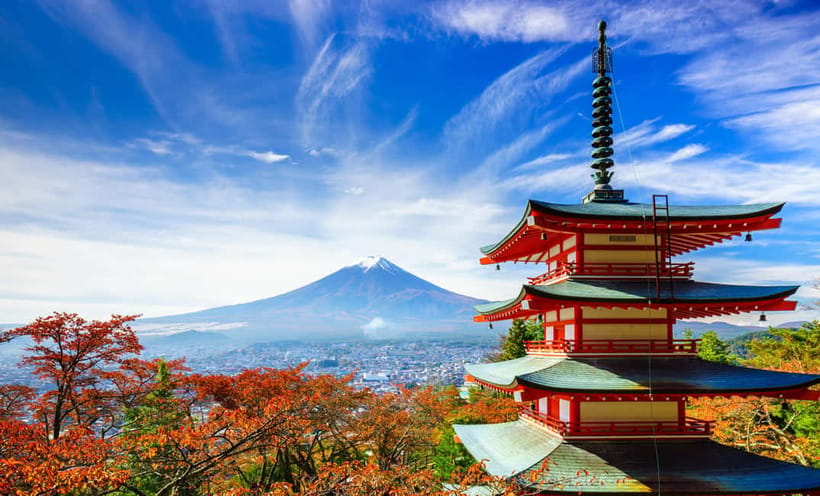
- Arakurayama Sengen Park + Chureito Pagoda: The Most Famous View in Your Photos
- A Quick Break Stop: Hikawa Clock Shop (and Why It’s Not Random)
- Oshino Hakkai: Spring-Water Ponds and the Chance to Taste Fuji
- The Climb to Meaning: Mount Fuji 5th Station at About 2300m
- What I’d Pack (and What I’d Leave at Home)
- The Guide Factor: Why the Morning Feels “Easy” Once You’re With Them
- Weather Is the Main Character: How to Handle Cloudy Fuji Days
- Value for Your Money: Is $68 Worth It?
- Who This Trip Suits Best (and Who Should Rethink It)
- Should You Book This Tokyo to Mount Fuji Full-Day Trip?
- FAQ
- How long is the Mount Fuji full-day sightseeing trip?
- What are the pickup locations in Tokyo?
- How do you travel to Mount Fuji from Tokyo?
- Is food included in the price?
- Are entry fees included?
- What languages will the guide speak?
- What happens if the road to Mount Fuji 5th Station is closed?
- Is the view of Mount Fuji guaranteed?
- Are luggage and minors allowed?
Key Points to Know Before You Go
- Kawaguchiko Oishi Park: lake-and-mountain photos start the day in a strong way.
- Arakurayama Sengen Park and Chureito Pagoda: iconic viewpoint, plus cherry blossoms in spring.
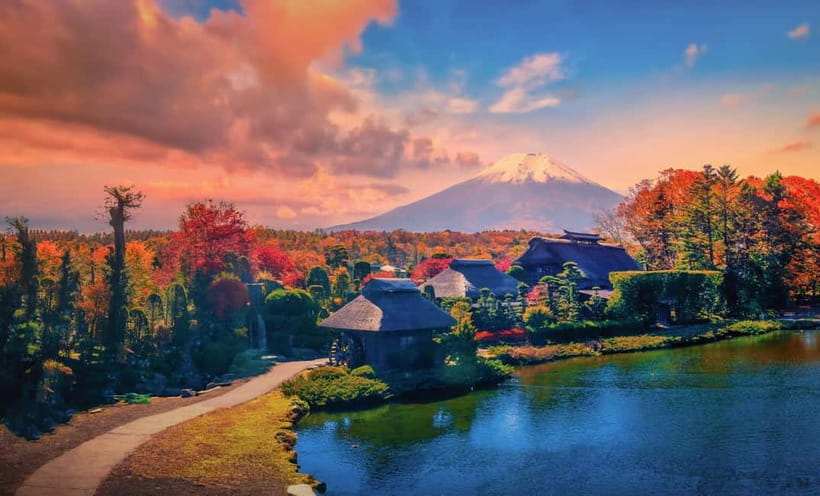
- Oshino Hakkai: eight spring-water ponds and the chance to taste the water.
- Hikawa Clock Shop stop: a quick culture-and-shopping breather between big viewpoints.
- Fuji 5th Station (about 2300m): the closest you’ll get to the mountain’s top zone on a day trip.
- Winter option: you may swap to 4th/1st Station or Yamanakako Hananomiyako Park for the diamond Fuji sunset view.
From Tokyo to Kawaguchiko: Why This Itinerary Works

A Mount Fuji day trip lives or dies on two things: timing and viewpoints. This one is built around both. You leave Tokyo by bus (about 2 hours out), settle into the Fujisan area, and then hit the classic stops in a tight, efficient loop before heading back (another 2 hours).
What I like for your planning is how the day is designed to handle the biggest problem—weather. Visibility can change fast around Fuji, so the schedule keeps you moving to different angles instead of betting everything on one view. Even if the summit vanishes into cloud at one stop, you still have other chances to enjoy the mountain’s presence through gaps in the haze.
And yes, it’s a long day. Plan for it the way you’d plan for a proper day hike: layers, stamina, and simple expectations. You’re not “strolling Tokyo” here. You’re doing Fuji.
More Fuji day trips our readers rated highly
- Mt Fuji and Hakone 1-Day Bus Tour Return by Bullet Train
★ 5.0 · 26,383 reviews - Mt Fuji & Hakone Cruise, Drum Show Bullet Train 1 Day from Tokyo
★ 4.0 · 7,413 reviews - Tokyo Mt Fuji 5th St & Hakone Cruise Bus Tour w/Bullet Train
★ 4.4 · 5,024 reviews - From Tokyo: Mount Fuji Full-Day Sightseeing Trip
★ 4.5 · 4,970 reviews
Getting There Smoothly: Pickup, Coach Comfort, and the Real Timing
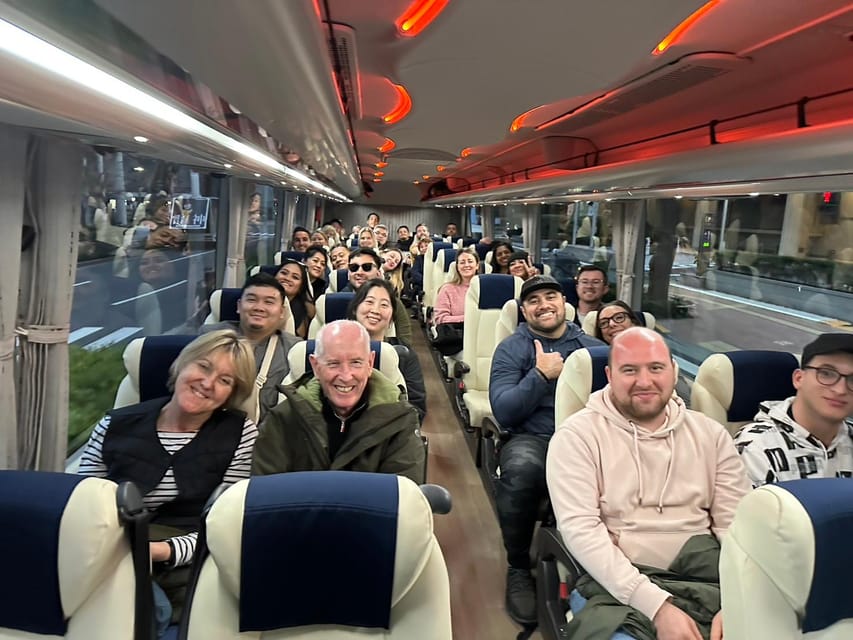
This experience runs on a 3-star safety air-conditioned bus with a professional guide. Pickup is set up at two convenient locations: the Shinjuku Nishiguchi Branch and the Tokyo Station Yaesu area (Sumitomo Mitsui Bank, Shinjuku Nishiguchi Branch)—and the exact meeting point can vary depending on your booking.
One practical thing: the meeting place can be a little tricky to find if you exit the wrong way. I’d treat the pickup like a train transfer day—arrive early, check your instructions the day before, and give yourself buffer time.
Road conditions also matter. You should expect arrival time may be delayed by 2 to 3 hours due to traffic or weather. Heavy congestion is especially likely on weekends and during flower season, when everyone suddenly remembers Fuji is a great idea.
The upside? Once you’re on the coach, you’re in comfortable hands. The bus is modern enough to feel good for a full day, and you’re not stuck doing transfers or hunting down stations in the middle of a busy day.
Oishi Park by Kawaguchiko Lake: The Fuji Photo Warm-Up
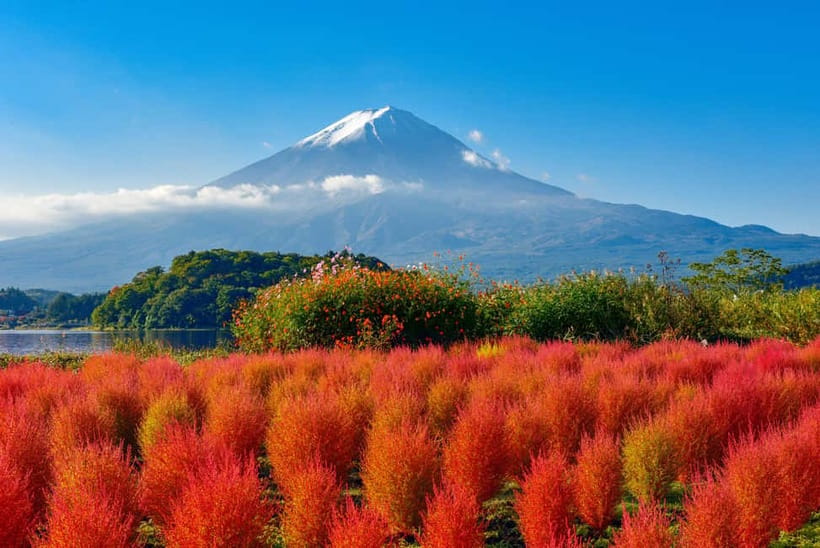
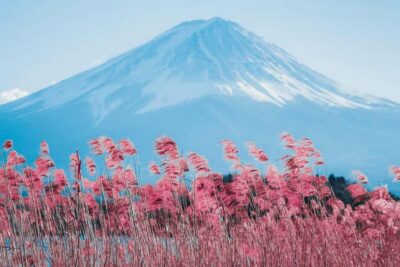
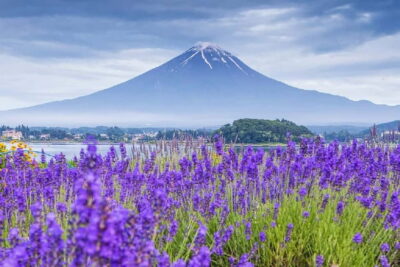
Your first major stop is Kawaguchiko Oishi Park, where you’ll get a photo break focused on one of the most famous postcard scenes: Lake Kawaguchi with Mount Fuji behind it.
This is the right warm-up stop for two reasons. First, it gets you to the lake viewpoint early, when the sky still has a chance to cooperate. Second, it’s an easy way to understand what “Fuji weather” means. You’ll quickly see why visibility isn’t guaranteed. Sometimes Fuji looks sharp; sometimes it hides; sometimes it returns like it changed its mind.
Expect about 30 minutes here. That’s enough time to get a couple of key angles and wander lightly, but not enough to turn it into a long detour. Bring your camera-ready mindset and don’t overcommit to one spot—water reflections and cloud timing can change quickly.
Arakurayama Sengen Park + Chureito Pagoda: The Most Famous View in Your Photos
Next comes Arakurayama Sengen Park in Fujiyoshida. This is “halfway up Mount Arakura” territory, which matters because the viewpoint gives you a different framing of Fuji—often wider, often more dramatic, and always more “iconic Japan” than a flat roadside pull-off.
You’ll get about 75 minutes, and the plan includes sightseeing and walking plus a photo stop at Chureito Pagoda. In spring, this park area can be especially pretty for cherry blossoms, so timing can really pay off if you’re there in that season.
Here’s what to watch for: you’ll be moving at a viewpoint pace—up and down, take photos, then regroup. If you prefer a slower walk, pace yourself early. The day gets more physical after this, so treat Arakurayama like your strength checkpoint.
Also, a quick note on expectations: Chureito Pagoda is famous for a reason. You’ll see the scene from multiple angles as you walk. If Fuji shows up clearly, it turns that pagoda photo into something you’ll actually remember later—not just a picture you took while rushing.
A Quick Break Stop: Hikawa Clock Shop (and Why It’s Not Random)
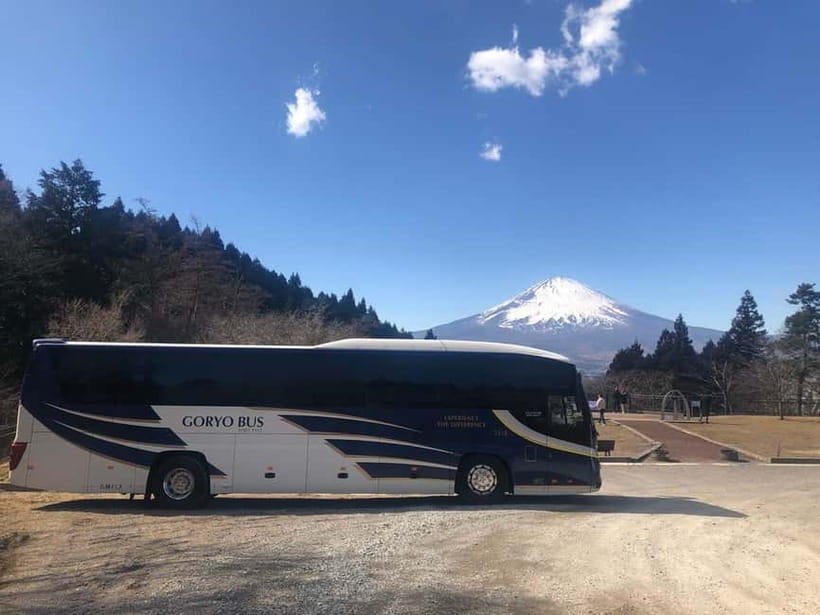
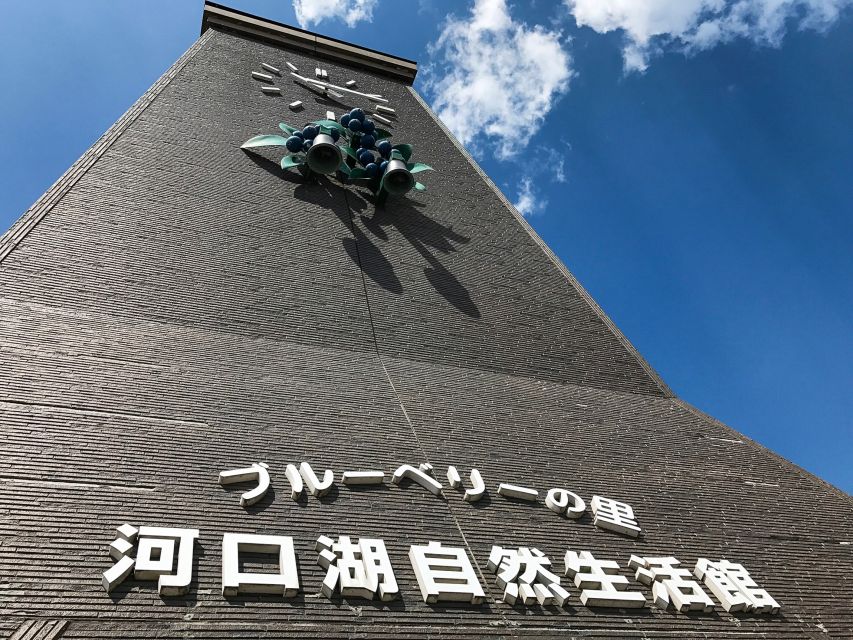
Between big nature hits, you stop at Hikawa Clock Shop for a visit with free time. This isn’t a “must-see temple” moment, but it’s a nice palette cleanser in a busy day. It gives you a place to browse, stretch, and grab something small if you need a break from sightseeing pace.
The clock theme fits the area’s vibe: Japan loves precision, and this sort of shop stop often turns into a quick souvenir moment. Even if you don’t buy, it helps you reset your brain before the more serious walking and line-standing later at Oshino Hakkai.
Readers also shortlisted these Tokyo bookings:
- Mount Fuji Full-Day Private Tour from Tokyo (Customizable)★ 4.9 · 1,470 reviews
- From Tokyo: Mount Fuji Full Day Customizable Private Tour★ 4.9 · 912 reviews
- Tokyo Private Full-Day Tour by Car or Van★ 5.0 · 684 reviews
- From Tokyo: Must-Visit Mount Fuji Highlight Full-Day Tour★ 4.7 · 532 reviews
- Tokyo: Mount Fuji and Hakone Full Day Tour with Ramen Making★ 4.5 · 476 reviews
Oshino Hakkai: Spring-Water Ponds and the Chance to Taste Fuji
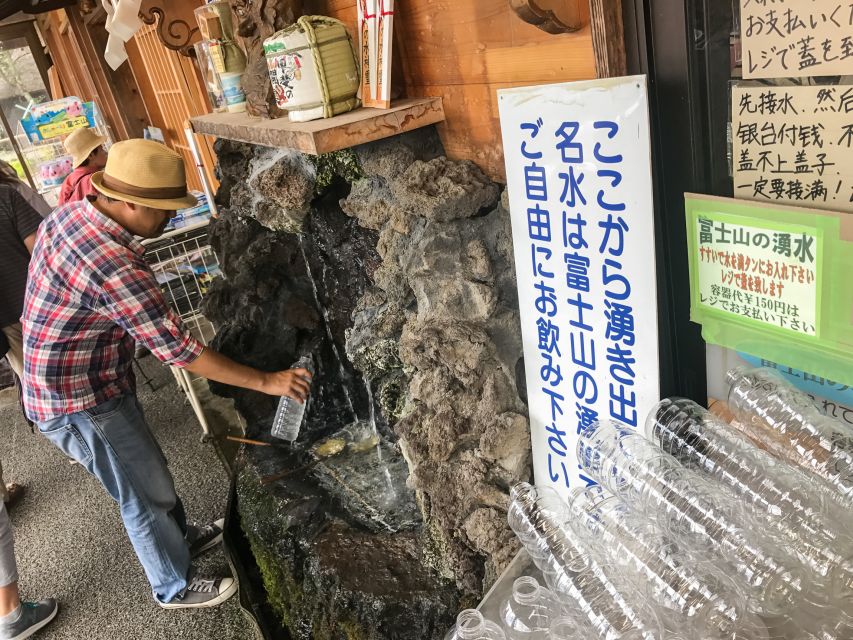
Then it’s Oshino Hakkai, one of the most famous spots in the Fujisan region. You’ll spend about 80 minutes, with time for lunch and sightseeing here.
What makes Oshino Hakkai worth your time is that it’s not just “pretty views.” It’s about the water. The area is known for eight different ponds (lakes), fed by the mountain’s snowmelt and filtration through volcanic layers. The tour also includes the chance to taste the water from Mount Fuji, which is a rare add-on on a standard sightseeing circuit.
Expect a bit of a human traffic rhythm. This place is famous, so there are often lines for the tasting and movement can feel slower than the clock suggests. Use your time strategically:
- Go for the ponds first if you care about photos.
- Plan lunch so you’re not sprinting when you want to taste water.
If you’re sensitive to crowds, go in with patience. Oshino Hakkai is one of those stops where the atmosphere matters as much as the scenery—lots of people, lots of little moments, and that shared excitement of tasting water tied to Fuji.
The Climb to Meaning: Mount Fuji 5th Station at About 2300m
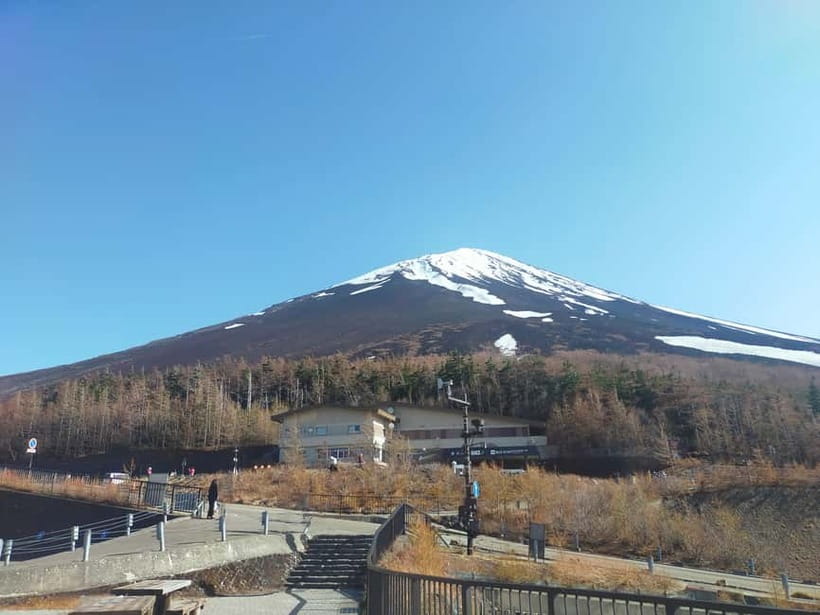
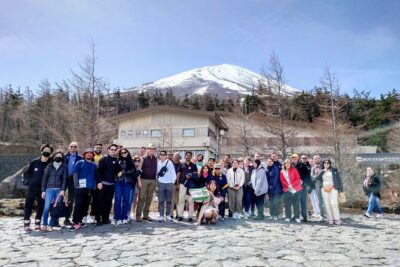
Your final “big view” moment is Mt. Fuji 5th Station, around 2300 meters. You’ll have about 40 minutes here, with photo time, sightseeing, and free time to buy souvenirs or try special foods.
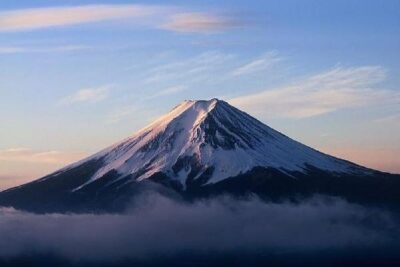
This is the stop that most people picture when they think of a Fuji day trip. Even on a clear day, the altitude can feel sharp. On many days, the best experience comes down to one thing: whether Fuji’s summit is visible when you arrive.
The tour is built around that reality. Visibility is weather-dependent, and if the mountain decides to hide, you’ll still get the altitude vibe—cooler air, different atmosphere, and close-up views of the upper region that you can’t really replicate from Tokyo.
In winter, the tour may swap the plan to support a special view: diamond Fuji sunset. Depending on conditions, you may go to 4th Station / 1st Station or Yamanakako Hananomiyako Park for that winter-style show.
If you’re going in colder months: dress like you’re expecting mountain wind, not Tokyo weather. At this height, it can feel much colder than you expect.
What I’d Pack (and What I’d Leave at Home)
This is a day trip where practical choices matter more than “outfit perfection.” Also note a hard rule: no luggage or large bags are allowed. That means pack light, keep your hands free, and use what you bring.
Here’s what will help:
- Warm layers for higher altitude at 5th Station (and usually for the coach ride too).
- Comfortable shoes for standing and short walks at viewpoints.
- Cash or card for food at Oshino Hakkai and souvenirs at the stations.
- A plan for restrooms: lines and timing can be tight during peak season.
And since food and drinks aren’t included, you’ll want to budget time and money for lunch on your own. One stop includes lunch time built into the schedule (Oshino Hakkai), but you shouldn’t assume meals are included.
The Guide Factor: Why the Morning Feels “Easy” Once You’re With Them
A day trip like this can feel either smooth or stressful, depending on the guide. This tour runs with a professional guide (English/Mandarin/Cantonese), and the vibe you’ll experience is that the guide helps you make sense of what you’re seeing and where to stand.
From what’s worked well for many groups, the biggest win is timing. When Fuji is visible, the day doesn’t waste the moment. You’re guided to the right place when the mountain is most willing to show itself.
Also, the guide experience can be a big part of the charm. Many guides for this route bring humor and small culture notes—stuff like how to read the vibe of the shrines and what to notice at each stop. Even if you’re not chasing every detail, it helps you enjoy the day without feeling lost.
Just keep your expectations realistic: the tour leader accompanies your group throughout the day, but they’re not a taxi you can interrupt anytime. Think of it as group-flow guided sightseeing with photo breaks, not private touring.
Weather Is the Main Character: How to Handle Cloudy Fuji Days
Let’s be blunt: visibility isn’t guaranteed. Panoramic views of Mt. Fuji depend on weather conditions. That means your emotional plan should include a “Plan B mindset.”
Here’s how to make a cloudy day still feel like a win:
- Treat each stop as a chance to see Fuji’s shape, not only the full summit.
- Use the lake and pagoda viewpoints to enjoy Fuji even if it’s partially obscured.
- Focus on the experience of being there—Oshino Hakkai water, the shrine area, the altitude at 5th Station.
If the road to 5th Station is closed due to weather or traffic, the itinerary may change to 4th Station / 1st Station / Lake Yamanakako Hana, no Miyako Park. That shift is not a downgrade—it’s the tour adapting so you still get a meaningful Fuji-area experience.
Value for Your Money: Is $68 Worth It?
At $68 per person for a roughly 10-hour day, this isn’t the cheapest way to see Fuji. But it’s also not trying to be. What you’re paying for is structure and included logistics.
You get:
- Roundtrip coach transport from Tokyo
- A professional guide (English and Chinese options)
- Entry fees for all sightseeing spots
- A full route that hits the big names without you planning transfers
And you avoid the hassle of building the day yourself: figuring schedules, coordinating multiple locations, and dealing with seasonal crowds on your own.
The trade-off is that you’re not buying food or snacks as part of the ticket, and you do have to follow the group pace. If you love freedom, you might prefer independent travel. If you want a strong, efficient day with the major hits, this price often feels fair.
Who This Trip Suits Best (and Who Should Rethink It)
I’d point this trip toward you if:
- You want a Mount Fuji day trip from Tokyo with minimal planning.
- You care about seeing Fuji from multiple angles: lake, pagoda, spring ponds, and altitude.
- You’d rather trust a guide with timing than juggle transit.
You might want to rethink it if:
- You hate walking and lines. Some stops are photo-heavy and crowd-heavy.
- You need a very flexible schedule. This is group-based pacing.
- You’re hoping for a guaranteed summit view. Weather decides that.
Should You Book This Tokyo to Mount Fuji Full-Day Trip?
If your top priority is hitting the best-known Fuji spots in one day with a guide and transportation taken care of, I think this is a smart booking. The mix of Kawaguchiko lake views, Arakurayama and Chureito Pagoda, Oshino Hakkai spring-water ponds, and Fuji 5th Station gives you multiple chances for great scenes—so you’re not putting all your hopes on one weather window.
Book it if you’ll pack warm layers, keep a realistic mindset about visibility, and enjoy photo stops paired with cultural moments. Skip it only if you need total freedom, want food included, or you’re the type who gets stressed by crowd flow.
FAQ
How long is the Mount Fuji full-day sightseeing trip?
The duration is about 10 hours.
What are the pickup locations in Tokyo?
You can start from one of two places: Tokyo Station Yaesu area (Sumitomo Mitsui Bank, Shinjuku Nishiguchi Branch) or Shinjuku Nishiguchi Branch (2-chōme-2-1 Yaesu, Sumitomo Mitsui Bank). The exact meeting point may vary by booking.
How do you travel to Mount Fuji from Tokyo?
You travel by bus/coach, with about 2 hours on the road each way (Tokyo to the Fuji area, then back).
Is food included in the price?
No. Food and drinks are not included.
Are entry fees included?
Yes. Entry fees for all sightseeing spots are included.
What languages will the guide speak?
You’ll have a live guide in Chinese and English (and the tour lists professional guide support in English/Mandarin/Cantonese).
What happens if the road to Mount Fuji 5th Station is closed?
The itinerary may be changed to Mt. Fuji 4th Station / Mt. Fuji 1st Station / Lake Yamanakako Hananomiyako Park instead.
Is the view of Mount Fuji guaranteed?
No. Visibility depends on weather conditions, and panoramic views are not guaranteed.
Are luggage and minors allowed?
No luggage or large bags are allowed. Unaccompanied minors are not allowed, and all children must be accompanied by an adult.
More Full-Day in Tokyo
- Mount Fuji Full-Day Private Tour from Tokyo (Customizable)
★ 4.9 · 1,470 reviews - From Tokyo: Mount Fuji Full Day Customizable Private Tour
★ 4.9 · 912 reviews - Tokyo Private Full-Day Tour by Car or Van
★ 5.0 · 684 reviews - From Tokyo: Must-Visit Mount Fuji Highlight Full-Day Tour
★ 4.7 · 532 reviews - Tokyo: Mount Fuji and Hakone Full Day Tour with Ramen Making
★ 4.5 · 476 reviews
More Tour Reviews in Tokyo
- Mt Fuji and Hakone 1-Day Bus Tour Return by Bullet Train
★ 5.0 · 26,383 reviews - 1-Day Tokyo Bus Tour
★ 5.0 · 14,250 reviews - Tokyo: teamLab Planets TOKYO Digital Art Museum Entry Ticket
★ 4.6 · 9,779 reviews - Mt Fuji & Hakone Cruise, Drum Show Bullet Train 1 Day from Tokyo
★ 4.0 · 7,413 reviews - Tokyo: Shinjuku Food Tour (13 Dishes at 4 Local Eateries)
★ 5.0 · 6,603 reviews
More Mount Fuji Days We Have Reviewed
- Mt Fuji and Hakone 1-Day Bus Tour Return by Bullet Train
★ 5.0 · 26,383 reviews - Mt Fuji & Hakone Cruise, Drum Show Bullet Train 1 Day from Tokyo
★ 4.0 · 7,413 reviews - Tokyo Mt Fuji 5th St & Hakone Cruise Bus Tour w/Bullet Train
★ 4.4 · 5,024 reviews - Tokyo: Mt. Fuji Tour, Hakone Ropeway, Owakudani, Lake Ashi
★ 4.7 · 4,002 reviews - Tokyo:Mt.Fuji,Kawaguchiko Oishi Park,Arakurayama Sengen Park
★ 4.4 · 2,682 reviews
Latest Tokyo reviews off our desk

Mount Fuji Tours, compared.
 ★ 5.0Mt Fuji and Hakone 1-Day Bus Tour Return by Bullet TrainFrom $16326,383 reviews
 ★ 4.0Mt Fuji & Hakone Cruise, Drum Show Bullet Train 1 Day from TokyoFrom $1497,413 reviews
 ★ 4.4Tokyo Mt Fuji 5th St & Hakone Cruise Bus Tour w/Bullet TrainFrom $1545,024 reviews
 ★ 4.7Mt. Fuji Tour, Hakone Ropeway, Owakudani, Lake AshiFrom $544,002 reviews
 ★ 4.4Mt.Fuji,Kawaguchiko Oishi Park,Arakurayama Sengen ParkFrom $542,682 reviews
 ★ 4.2Mt. Fuji 5th Station & Hakone Cruise 1-Day Bus TourFrom $1292,381 reviews
 ★ 4.7Mt Fuji Top 5 Spots Day Tour: Arakurayama Park,Oshino HakkaiFrom $532,066 reviews
 ★ 5.0Private Tour to Mt. Fuji and Hakone (Fully Licenced Operator)From $4971,910 reviews