
Reviewed · MOUNT FUJI TOURS
From Kawaguchiko: Mt. Fuji Private Tour with a Local Guide
Fuji day, planned like a local. This private Mount Fuji outing in Fujikawaguchiko feels slower and smarter than the usual bus scramble, with weather-aware timing and a guide who can reshape the day as visibility changes. I especially liked the chance to pair must-see scenery with quieter local stops, so you get real views without constantly being shoulder-to-shoulder with crowds.
One thing to plan for: you won’t go all the way up to Mt. Fuji 5th Station, and food isn’t included, so you should budget a bit for meals while you’re out exploring.
In This Review
- Key highlights to know before you go
- The Value of a Private 6-Hour Fuji Day (Not a Tokyo Bus Squeeze)
- Pickup, Drop-Off, and How to Start Smooth
- Weather-Based Planning: How Fuji Visibility Changes the Day
- Yagizaki Park to Lake Kawaguchi: Fuji Views in a Controlled Loop
- Oishi Park and Kubota Itchiku Museum: Art and Garden Walks
- Waterfalls, Shrines, and the Sacred Side of Kawaguchiko
- Houtou Fudou: A Convenient Break (And a Fuji-Area Specialty)
- Oshino Hakkai: Volcanic Water, Pedestrian Streets, and Time to Wander
- A Surprisingly Fun Detour: Hard Off
- Saiko Iyashi-no-Sato Nenba and Arakura Fuji Sengen Shrine
- The Dragon Cave and Lake Motosu: Ending With Scenic Variety
- Guide Johnny’s Real Skill: Flexibility, Crowd Smarts, and Photos
- Cost and Value: Is $387 Fair for a Fuji Private Day?
- Who This Tour Is Best For
- Should You Book This Mt. Fuji Kawaguchiko Private Tour?
- FAQ
- Does this tour include Mt. Fuji 5th Station?
- How long is the tour?
- What does the price cover?
- What is the group size limit?
- Is the guide English-speaking?
- Where can the tour pick me up?
- Where do you get dropped off?
- What if Mt. Fuji is hard to see that day?
- How much should I budget for food during the tour?
Key highlights to know before you go
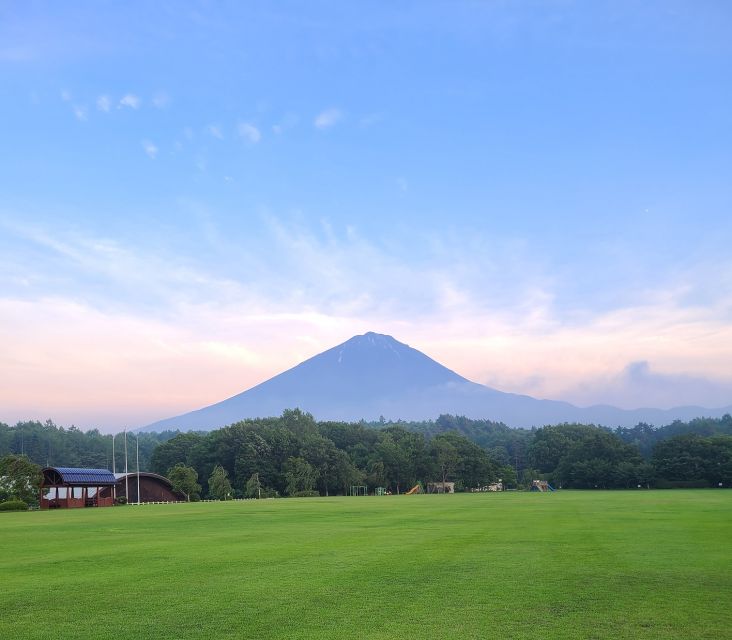
- Private, flexible routing that adjusts to Mt. Fuji visibility and conditions
- English guide Johnny with hands-on local tips and photo-friendly stops
- Lake Kawaguchi viewpoints plus parks and shrines timed for better photos
- Oshino Hakkai and the volcanic water vibe with time to wander and shop
- A mix of famous sights and off-the-track moments, including caves and quiet village areas
The Value of a Private 6-Hour Fuji Day (Not a Tokyo Bus Squeeze)
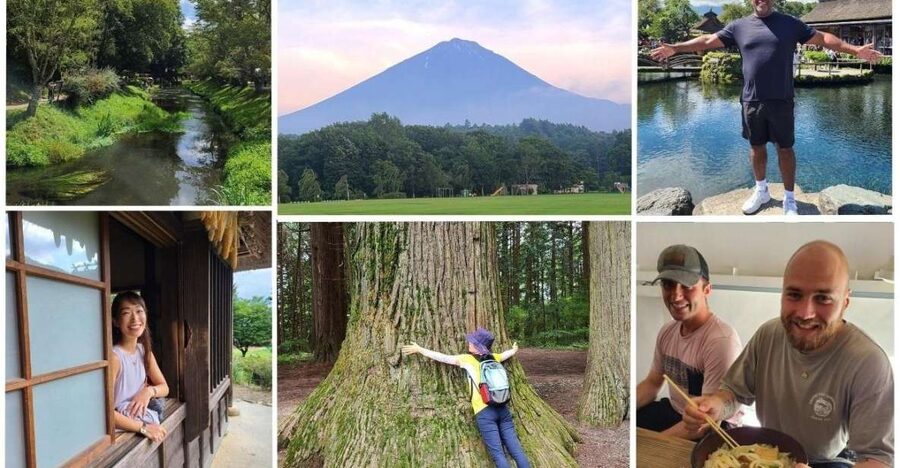
If your day is limited, you want efficiency without feeling rushed. This tour is built for that sweet spot: a 6-hour loop around the Kawaguchiko area, with hotel pickup and drop-off so you’re not wasting time in transit. It’s also priced per group (up to 7), which can be a strong deal if you’re traveling as a small family or group rather than just one person.
The biggest difference is control. Instead of being locked into a big-group schedule, you get a day that can shift based on how Fuji is cooperating. That matters here, because the mountain can go from crystal-clear to hidden quickly, depending on cloud cover and the weather of the moment.
More Fuji day trips our readers rated highly
- From Tokyo: Mount Fuji Full Customized Tour English Guide
★ 5.0 · 137 reviews - Mt Fuji Hakone/Enoshima Tour:Optional Ropeway/Lake Ashi Boat
★ 4.3 · 49 reviews - From Kawaguchiko: Mt. Fuji Private Tour with a Local Guide
★ 5.0 · 35 reviews - Tokyo: Mt. Fuji Hidden Gems and Aokigahara Forest Tour
★ 4.6 · 20 reviews
Pickup, Drop-Off, and How to Start Smooth
Your morning starts with an easier setup than you’ll get on many shared tours. Pickup is available from your local hotel, and also from stations and landmarks including Kawaguchiko Station, Mt. Fuji Station, and Fuji-Q Highland Station. You can also be picked up within the Fujikawaguchiko, Narusawa, and Fujiyoshida areas, which is ideal if your lodging is slightly off the central tourist strip.
Drop-off comes with choices too. At the end, you can be dropped at Fujikawaguchiko, Narusawa, or Fujiyoshida, so you’re not forced into one last commute just to get back to your base.
One practical note: because this is a private group, you’ll feel the benefit of a punctual, local hand at the wheel. The tour is arranged to work around a full set of stops in a short day, so you’ll want to be ready when the guide arrives.
Weather-Based Planning: How Fuji Visibility Changes the Day
This tour is explicitly shaped around daily weather and Mt. Fuji visibility. That’s not just a nice promise. It affects the order of stops and how much time is spent at viewpoints, scenic drives, and photo stops.
On clear days, the emphasis naturally leans toward parks and lakeside outlooks. On rainy or cloudy days, the day still runs with purpose. You’ll still see temples, gardens, waterfall areas, and the volcanic-water region around Oshino Hakkai, and the guide can keep you moving toward the best odds of getting a view.
I also like that the itinerary isn’t rigid. In the real world, the best plan is the one that flexes. Here, you’re not stuck watching a timetable while the sky makes the rules.
Yagizaki Park to Lake Kawaguchi: Fuji Views in a Controlled Loop
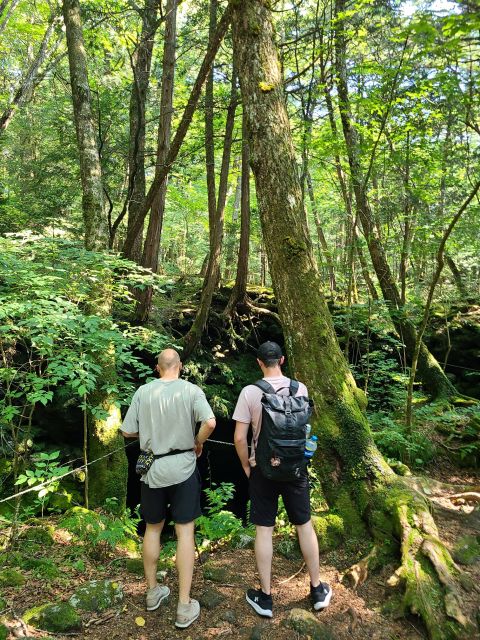
The early part of the day is about positioning you for scenic returns—again and again, without wasted travel. You’ll start with Yagizaki Park for a short photo stop and visit. It’s quick, but it sets the tone: Fuji-area sightseeing that feels like a local outing, not a sprint between ticket gates.
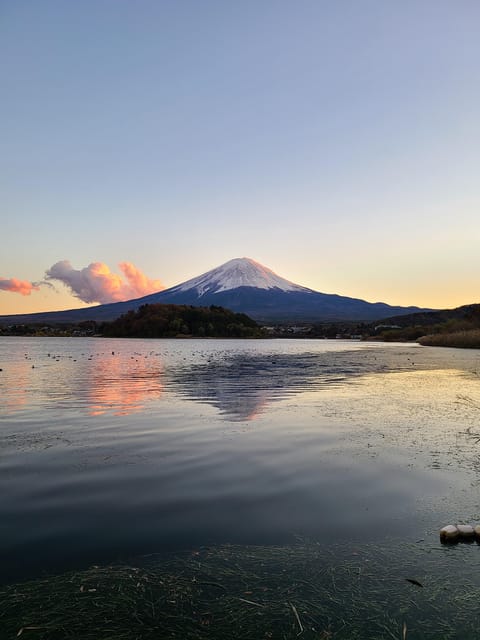
Then you move to Lake Kawaguchi, with time for photos, sightseeing, and even a sunset-style window when conditions allow. The drive here is part of the experience—scenic routes and viewpoints are built into the plan, including scenic views on the way segments that help you see more than one angle without constantly restarting from scratch.
If you’re the type who likes taking photos but doesn’t want to play traffic-crossing hero, this section is a good fit. The stops are timed so you can step out, look, and reset without a constant scramble for the next location.
Oishi Park and Kubota Itchiku Museum: Art and Garden Walks
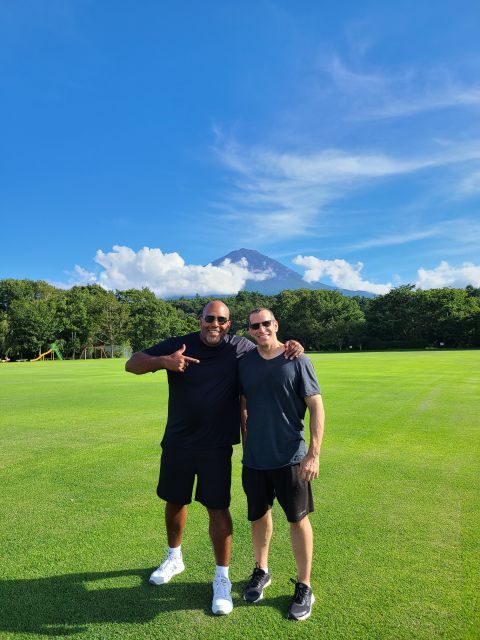
Next comes Oishi Park, another short photo stop followed by time to explore and shop. This is a great stop if you like simple, scenic wandering with snack and souvenir options nearby.
Then the day turns more cultural at the Kubota Itchiku Art Museum. Expect photo stops plus a dedicated visit time. Even if you’re not a museum person, this is a valuable pause. It breaks up the outdoors-only rhythm with a focused stop that’s still strongly tied to the region’s aesthetic.
One advantage of this order: you get scenery early, then you get calm. If it’s overcast or windy, the museum time can feel like relief without taking you too far off-route.
Readers also shortlisted these Fujikawaguchiko bookings:
- Mt. Fuji Guided Scenic Trike Adventure from Lake Kawaguchi★ 5.0 · 15 reviews
- Tokyo To Mount FUJI Day Trip With English guide★ 4.7 · 14 reviews
- Lake Kawaguchiko: Electric Mini Car Guided Tour★ 4.9 · 9 reviews
- Kawaguchiko: Hidden Mt. Fuji Driving Tour with a Local Guide★ 5.0 · 8 reviews
Waterfalls, Shrines, and the Sacred Side of Kawaguchiko

The route continues with Haha-no-Shirataki Waterfall, including a walk and scenic viewpoints along the way. It’s one of those places where the scenery earns the time. Even when Fuji isn’t fully visible, the waterfall and the walking route give you something tangible to experience rather than just stare at the horizon.
From there, you visit Kawaguchi Asama Shrine for walking time and sightseeing. Shrines here aren’t only about checking a box. They offer a quieter rhythm and a chance to understand how Mount Fuji is treated as sacred in local life.
Later you’ll also spend time at Kitaguchi-hongu Fuji Sengen Shrine, plus a Fujisan Museum visit with walking and sightseeing time. This adds context to the day. You’re not just collecting views; you’re learning the logic behind why these places matter.
Houtou Fudou: A Convenient Break (And a Fuji-Area Specialty)
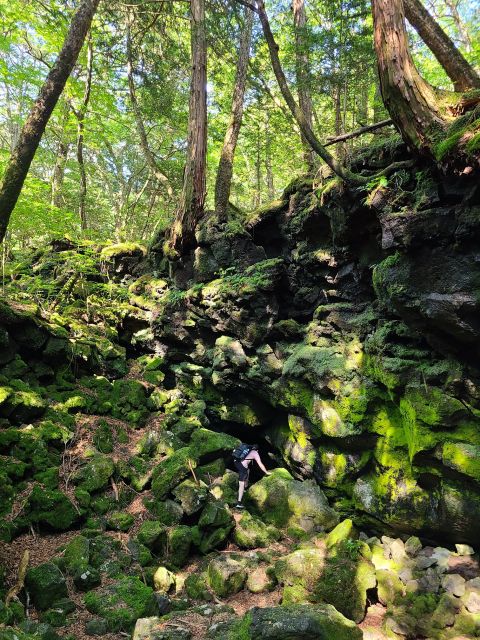
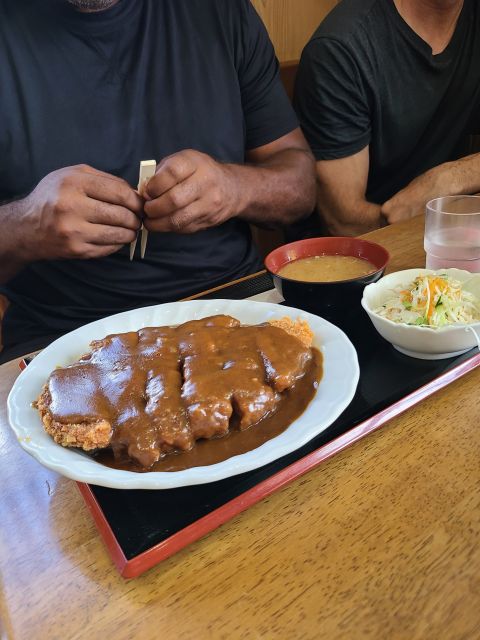
At around the middle of the day, you get a break time stop at Houtou Fudou. Food isn’t included, but this is a smart placement because it breaks the trip before you hit the heavier-walking sections.
If you want a regional meal, this kind of stop is helpful because it reduces decision fatigue. Instead of wondering where to eat while you’re on the move, you get a structured break where the guide can steer you toward options that fit what’s nearby.
Budget-wise, you’ll likely spend about 1,500 to 2,000 yen per person if you eat during the tour. (That’s roughly $10–$17, depending on current exchange rates.) If you’re sensitive to costs, plan one meal and snacks only for the rest.
Oshino Hakkai: Volcanic Water, Pedestrian Streets, and Time to Wander
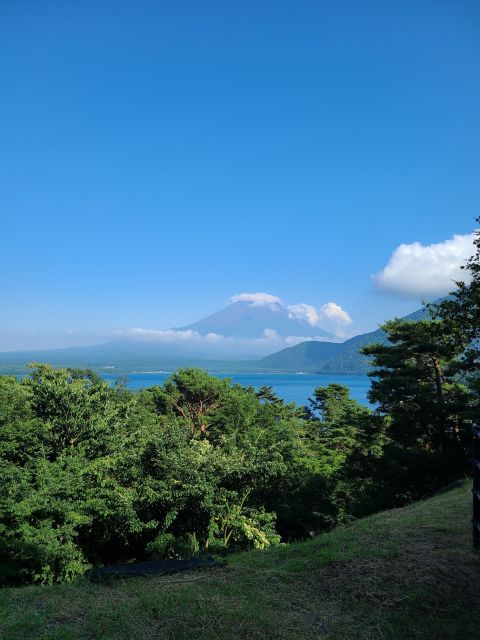
Oshino Hakkai is one of the big highlight zones in the wider Fuji region, and it’s built into this tour with more time than a simple photo stop. You’ll arrive for photos and a visit with free time, shopping, and a food market visit window.
What I like about this area is that it’s not only scenic—it’s practical sightseeing. You can slow down, take in the water features, browse small shops, and try regional snacks at your own pace within the tour’s boundaries.
The tour also gives you scenic drive time on both sides of the stop, so the day doesn’t feel like it pauses completely. It flows into the next segment without turning into a long wait.
A Surprisingly Fun Detour: Hard Off
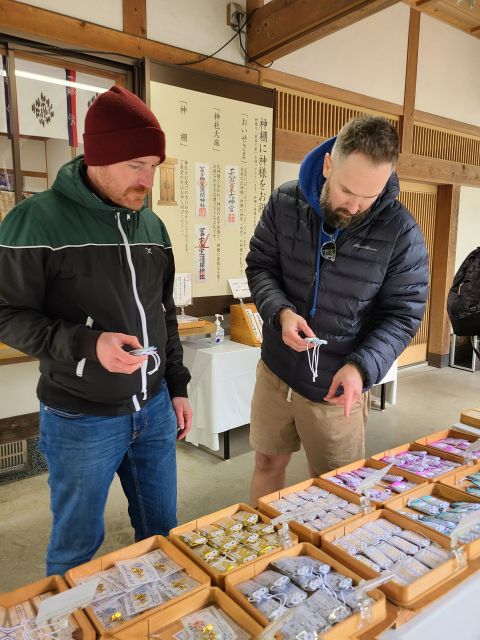
Yes, Hard Off is on the route, as a short visit and pass-by stop. This is oddly perfect if you want a quick taste of local everyday culture without needing a full shopping trip. It’s also a low-stakes stop: you can spend the time you want and move on.
For some people, it’s a fun bonus. For others, you might treat it like a brief rest stop and keep your energy for the outdoor parts later in the day.
Saiko Iyashi-no-Sato Nenba and Arakura Fuji Sengen Shrine
Next you head toward Saiko Iyashi-no-Sato Nenba, where you get photo time, sightseeing, and walking through a self-guided style area. If you like traditional atmosphere, this is the kind of stop that makes the region feel lived-in rather than only touristic.
Then it’s on to Arakura Fuji Sengen Shrine, with a longer visit block including walking and sightseeing. This is also one of the better areas on a Fuji day for getting iconic views, especially when the weather clears.
I like that these two segments aren’t only about photos. They’re about movement—walkways, shrine grounds, and village-style atmosphere—so even if clouds roll in for part of the day, you still get a satisfying experience.
The Dragon Cave and Lake Motosu: Ending With Scenic Variety
The final stretch includes The Dragon Cave with photo time, visits, and scenic drive viewpoints on the way. It’s a fun change of pace from parks and lakes—more hands-on, more physical, and often a favorite if your group likes short hikes or cave-style stops.
After that, you head to Lake Motosu for a photo stop, visit, sightseeing, and scenic drive time. That last lakeside segment matters because it gives you a clean finish: a strong natural viewpoint to wrap up the day, with enough variety to make the whole route feel balanced.
If Fuji is visible at the end, it can feel like the payoff. If it isn’t, you still leave with a day packed with temples, water, gardens, and volcanic-region highlights.
Guide Johnny’s Real Skill: Flexibility, Crowd Smarts, and Photos
A private tour is only as good as the person steering it. Johnny’s approach, based on what you’ll experience during your day, is practical: explain what you’re seeing, pace the walking based on your group, and change plans when conditions shift.
A clear pattern from real outcomes is that the day often works even in tough weather. On rainy days or worse conditions, you don’t just sit around. You keep moving to stops that still make sense, while trying for the best view windows when they appear.
Another plus: photo support. You’ll get help with where to stand and how to time your shots, and you’re not left scrambling to translate signage or figure out the best angles by yourself.
Cost and Value: Is $387 Fair for a Fuji Private Day?
Price is $387 per group, up to 7 people, for a 6-hour tour with hotel pickup and drop-off plus a local guide. Food and drinks are not included.
Here’s how I think about the value:
- If you’re 2–3 people, it’s still often worth it because you’re buying time, convenience, and local routing rather than just transportation.
- If you’re a family or small group, the math gets better fast since the price is per group, not per person.
- You also avoid the friction of public transport transfers across multiple scenic areas in a short day.
The tour also has high marks on transport quality, with 96% of reviewers giving it a perfect score. That’s not the most exciting statistic, but it does translate into a smoother day.
If your goal is to see Mt. Fuji area highlights with less stress than public transit and fewer crowds than big buses, this pricing can feel reasonable.
Who This Tour Is Best For
I’d steer you toward this private day if:
- You want flexibility based on weather and Fuji visibility.
- You’re traveling with kids or a mixed group and want pacing that fits your energy level.
- You care about hitting key Fujikawaguchiko sites, but still want time at quieter stops.
- You want local food direction without locking your entire day to restaurants.
If you’re the type who enjoys planning every stop yourself, you might be able to recreate parts of this day. But the value here is the routing and the timing—especially on a mountain day where the sky can change the schedule.
Should You Book This Mt. Fuji Kawaguchiko Private Tour?
Yes, you should book it if you want a private, guide-led Fuji day that’s efficient without feeling like a conveyor belt. The mix of lakeside scenery, shrines, art and gardens, Oshino Hakkai time, and a few more distinctive stops like caves and Dragon Cave-style sightseeing makes the day feel complete.
I’d hesitate only if your top goal is specifically reaching Mt. Fuji 5th Station, since this tour does not go there. Also, if you hate thinking about meals at all, remember food isn’t included, so you’ll budget for it.
If your plan is a great Fuji-area day with local guidance and fewer crowds, this is a strong choice.
FAQ
Does this tour include Mt. Fuji 5th Station?
No. This tour does not go to Mt. Fuji Fifth Station.
How long is the tour?
The tour duration is 6 hours.
What does the price cover?
It covers hotel pickup and drop-off and a local guide. Food and drinks are not included.
What is the group size limit?
This is a private group for up to 7 people in the group.
Is the guide English-speaking?
Yes, the live guide is English.
Where can the tour pick me up?
Pickup is available from any location within Fujiyoshida, Kawaguchiko, and Narusawa, and also from options including local hotels, Kawaguchiko Station, Mt. Fuji Station, and Fuji Q Highland Station.
Where do you get dropped off?
Drop-off options include Fujikawaguchiko, Narusawa, and Fujiyoshida.
What if Mt. Fuji is hard to see that day?
The itinerary is based on the day’s weather and Mt. Fuji visibility, so your stops and timing are planned around what’s workable.
How much should I budget for food during the tour?
If you eat during the tour, food costs average about 1,500 to 2,000 yen per person.
More Tours in Fujikawaguchiko
- From Tokyo: Mount Fuji Full Customized Tour English Guide
★ 5.0 · 137 reviews - Mt Fuji Hakone/Enoshima Tour:Optional Ropeway/Lake Ashi Boat
★ 4.3 · 49 reviews - Tokyo: Mt. Fuji Hidden Gems and Aokigahara Forest Tour
★ 4.6 · 20 reviews - Lake Kawaguchiko: Electric Mini Car Guided Tour
★ 4.9 · 9 reviews - Kawaguchiko: Hidden Mt. Fuji Driving Tour with a Local Guide
★ 5.0 · 8 reviews
More Tour Reviews in Fujikawaguchiko
- From Tokyo: Mount Fuji Full Customized Tour English Guide
★ 5.0 · 137 reviews - Mt Fuji Hakone/Enoshima Tour:Optional Ropeway/Lake Ashi Boat
★ 4.3 · 49 reviews - Tokyo: Mt. Fuji Hidden Gems and Aokigahara Forest Tour
★ 4.6 · 20 reviews - Mt. Fuji Guided Scenic Trike Adventure from Lake Kawaguchi
★ 5.0 · 15 reviews - Tokyo To Mount FUJI Day Trip With English guide
★ 4.7 · 14 reviews
More Mount Fuji Days We Have Reviewed
- From Tokyo: Mount Fuji Full Customized Tour English Guide
★ 5.0 · 137 reviews - Mt Fuji Hakone/Enoshima Tour:Optional Ropeway/Lake Ashi Boat
★ 4.3 · 49 reviews - Tokyo: Mt. Fuji Hidden Gems and Aokigahara Forest Tour
★ 4.6 · 20 reviews - Mt. Fuji Guided Scenic Trike Adventure from Lake Kawaguchi
★ 5.0 · 15 reviews - Tokyo To Mount FUJI Day Trip With English guide
★ 4.7 · 14 reviews
Latest Fujikawaguchiko reviews off our desk

Mount Fuji Tours, compared.
 ★ 5.0Mt Fuji and Hakone 1-Day Bus Tour Return by Bullet TrainFrom $16326,383 reviews
 ★ 4.0Mt Fuji & Hakone Cruise, Drum Show Bullet Train 1 Day from TokyoFrom $1497,413 reviews
 ★ 4.4Tokyo Mt Fuji 5th St & Hakone Cruise Bus Tour w/Bullet TrainFrom $1545,024 reviews
 ★ 4.5From Tokyo: Mount Fuji Full-Day Sightseeing TripFrom $684,970 reviews
 ★ 4.7Mt. Fuji Tour, Hakone Ropeway, Owakudani, Lake AshiFrom $544,002 reviews
 ★ 4.4Mt.Fuji,Kawaguchiko Oishi Park,Arakurayama Sengen ParkFrom $542,682 reviews
 ★ 4.2Mt. Fuji 5th Station & Hakone Cruise 1-Day Bus TourFrom $1292,381 reviews
 ★ 4.7Mt Fuji Top 5 Spots Day Tour: Arakurayama Park,Oshino HakkaiFrom $532,066 reviews