
Reviewed · MOUNT FUJI TOURS
From Tokyo: Full-Day Mount Fuji Tour in English or Spanish
Fuji days can feel unreal. This full-day tour strings together the best photo stops around Mount Fuji, from shrine steps to lake views, all guided in English or Spanish. You’ll move at a comfortable pace for a big day, with a clear route and plenty of chances to line up that signature view.
I really like two things: the mix of spiritual sites and viewpoints (Arakurayama, Chureito Pagoda, Honcho Street, and Kitaguchi Hongu Fuji Sengen Shrine), and the Lake Kawaguchiko finale, including a cruise when the light is right. I also like that the guide work matters here: Luis is repeatedly praised for making the stories and details click, not just pointing at scenery.
One consideration: the day is long, and Arakurayama can involve a lot of walking and steps (up to 400 steps if you take the stair route). If you’re not steady on your feet, consider the step-free path options your guide will explain.
In This Review
- Key points you’ll care about
- Where the tour starts in Tokyo (and why the meeting point matters)
- Arakurayama Sengen Park: the Fuji view you’ll remember
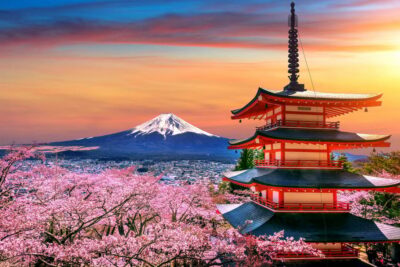
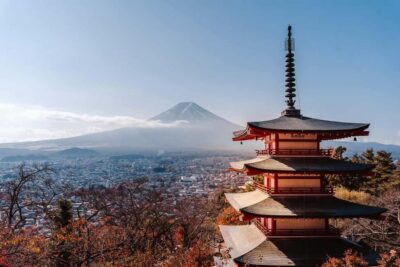
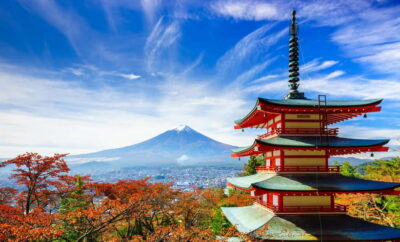
- Chureito Pagoda: the iconic postcard shot, with actual breathing room
- Honcho Street in Fujiyoshida: the pilgrimage route vibe
- Kitaguchi Hongu Fuji Sengen Shrine: UNESCO-era significance without being stuffy
- Oishi Park: the Fuji eruption story, plus seasonal gardens and ice cream
- Lake Kawaguchiko cruise: turning the day from viewpoints to reflections
- Price and value: what $90 gets you (and what it doesn’t)
- Timing, weather, and comfort: the small choices that save the day
- What happens when Mount Fuji is closed?
- Who should book this Fuji day, and who should skip it
- My verdict: should you book JP Travelers’ Mount Fuji full-day tour?
- FAQ
- FAQ
- Is the guide available in English and Spanish?
- How long is the Mount Fuji tour?
- How much does the tour cost?
- What stops are included in the tour?
- Does the price include entrance fees and transportation?
- What is not included?
- Where do I meet the tour in Tokyo?
- What should I bring for the day trip?
- What if Mount Fuji is closed?
Key points you’ll care about
- English or Spanish guiding makes the history and logistics easier when you’re far from Tokyo
- Arakurayama Sengen Park and Chureito Pagoda deliver one of the most famous Fuji compositions
- Two ways up the mountain (stairs or a slope) to match your comfort level
- Honcho Street connects the Fuji pilgrimage route with classic street views and local shops
- Oishi Park by Lake Kawaguchiko focuses on Fuji’s eruptions and seasonal garden beauty
- Lake Kawaguchiko cruise gives you a second angle on Fuji, plus time to breathe
Where the tour starts in Tokyo (and why the meeting point matters)
This tour begins in Nishishinjuku, with the meeting point in front of the Robert Indiana Sculpture LOVE. The guide will have a sign for JP Travelers and will say in Spanish Fuji tour in Spanish. I like this setup because it’s easy to spot, and it also signals the vibe: this is meant to be smooth and language-friendly, not chaotic.
The day is built around a coach ride that’s listed at about 30 minutes before you reach the first sightseeing area. That means you start seeing things without wasting the whole morning in transit. After that, the schedule is structured around short guided walks and photo windows, so you’re not spending the day wandering alone while trying to translate signs.
You finish back in Nishishinjuku as well. For a Tokyo day trip, that matters: you end where you started, which helps if you’ve got dinner reservations or simply don’t want to re-plan your route.
More Fuji day trips our readers rated highly
- From Tokyo: Full-Day Mount Fuji Tour in English or Spanish
★ 4.7 · 101 reviews - Tokyo: Mount Fuji & Hakone Private Car Day Tour Lowest Price
★ 5.0 · 31 reviews - Tokyo: Mt. Fuji Summer Trip 5th Station & Lake Kawaguchi
★ 3.8 · 28 reviews - Tokyo: Private Mt. Fuji Luxury Day Tour – Fully Customizable
★ 4.9 · 17 reviews
Arakurayama Sengen Park: the Fuji view you’ll remember
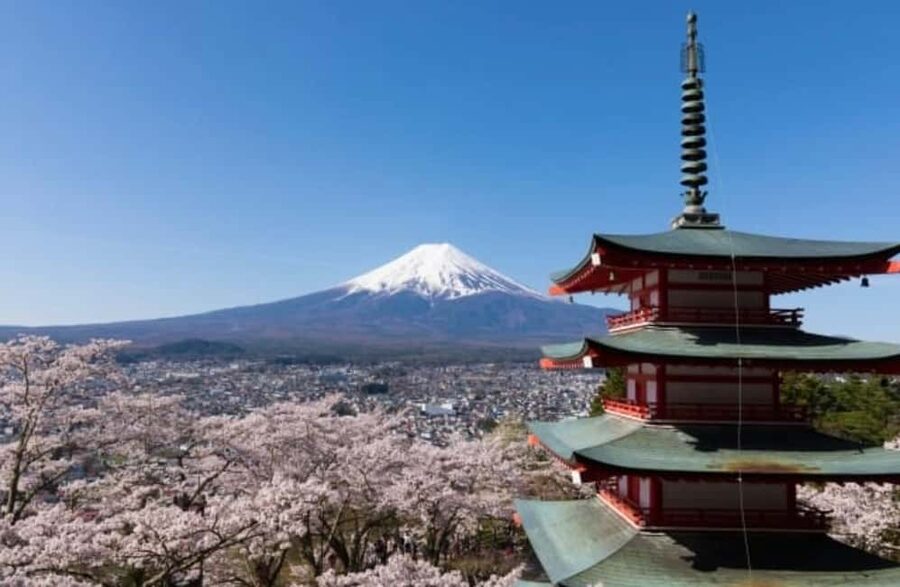
The tour’s first major stop is Mount Arakura Sengen Park. This is more than a viewpoint. It’s sacred ground with an older shrine presence in the region, connected to Mr. Takeda of Yamanashi, and it’s set up for photography with a classic high-angle look toward Mount Fuji.
Here’s the key detail that affects your experience: you have two routes up to see the shrine and the Chureito Pagoda.
- The stair route involves 400 steps total, with the first 100 leading to the shrine and then the next 300 bringing you up to the pagoda area.
- There’s also a path without stairs, a gentler slope where the views can still be impressive.
Either path takes you to the same places. I like that choice because it respects different mobility levels without forcing everyone into the same pain plan. If you’re bringing a camera, this is where it helps to take your time: this is one of those stops where you can frame your shots from multiple angles as the light shifts.
Chureito Pagoda: the iconic postcard shot, with actual breathing room
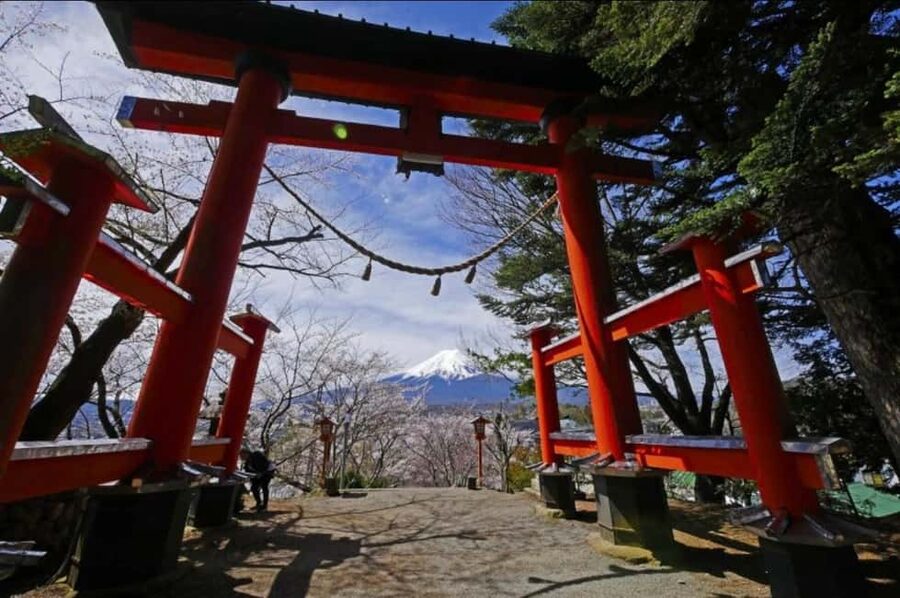
Next comes Chureito Pagoda, a famous scene with Mount Fuji in the background. The tour approach here is guided sightseeing plus walking, which is the right combination for a busy image spot: you want context, but you also want space to shoot.
Chureito is popular for a reason, but it can still feel calmer when a guide helps pace you. In the feedback for this tour, Luis gets credit for planning ahead, including timing that helps avoid the worst of the crowding. That can make a difference between rushing your photos and getting a couple of clean takes.
Also, don’t assume you’ll only see the view once. On these structured stops, you usually get more than one chance to look up and adjust your angle, especially if your route includes both a shrine area and then the pagoda overlook.
Honcho Street in Fujiyoshida: the pilgrimage route vibe
After Arakurayama, you walk along Honchome Street in Fujiyoshida. This isn’t just a shopping street with snacks and souvenirs. It connects to an older story: the route tied to “Fuji Michi,” essentially a pilgrimage path leading up toward the sacred mountain.
What I like about this stop is that it adds texture between the big scenic hits. The street has traditional architecture and local shops, so it feels Japanese and lived-in rather than a generic tourist strip. As you walk, you also get another of the classic Mount Fuji views.
This is a good time to slow down. You’ll be moving all day between viewpoints, shrine grounds, and the lakeside area—Honcho Street gives you a chance to look around, not just look up.
Kitaguchi Hongu Fuji Sengen Shrine: UNESCO-era significance without being stuffy
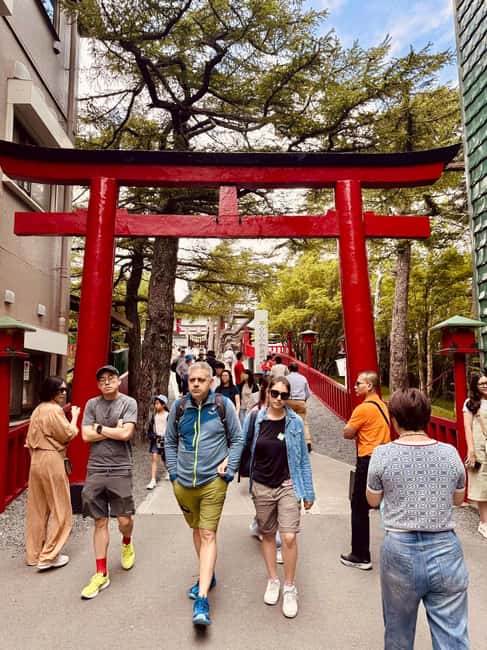
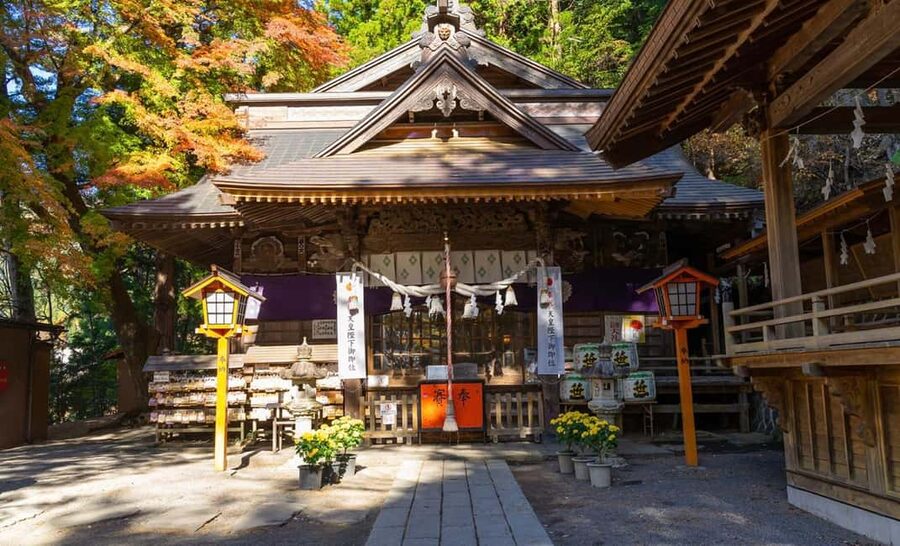
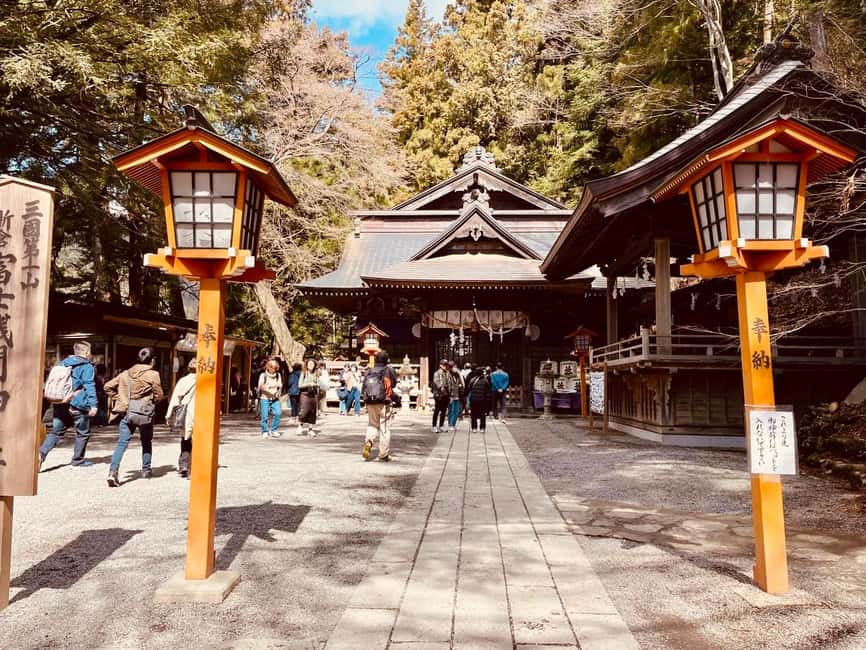
Then the tour heads to Kitaguchi-hongu Fuji Sengen Shrine. This is part of the Mount Fuji UNESCO World Cultural Heritage site, designated in 2013. The tour frames it in terms of culture, history, and religion, and it’s also presented as a major northern entrance to Mount Fuji with a long pilgrimage tradition.
You’ll hear context about age and origins: the shrine is said to have over 1,900 years of history, with beginnings traced to around 100 AD, and it honors Prince Yamato Takeru. Whether you’re into shrine history or not, that kind of framing helps the place click as something more than a pretty stop.
This stop also acts like a “reset” for the day. After climbing steps and walking street routes, the shrine area gives you a slower moment—time to read, listen, and take photos where you’re allowed.
Readers also shortlisted these Fujiyoshida bookings:
- Mount fuji and Hakone full day private tour with English gui★ 4.9 · 12 reviews
- Mount Fuji Full Day Private Tour from Tokyo Full Customized★ 4.0 · 9 reviews
- Tokyo: Mount Fuji & Hakone Private Customized Full Day Tour★ 4.4 · 7 reviews
Oishi Park: the Fuji eruption story, plus seasonal gardens and ice cream
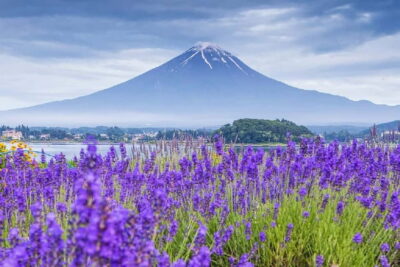
Next is Oishi Park, built in front of Lake Kawaguchiko. The park’s theme is tightly tied to Fuji’s impact on the area. The tour explains it as a memorial built using stones recovered after eruptions—stones that the volcano carried around the lake region—so the gardens sit on a layer of meaning, not just decoration.
The experience here is part nature walk, part gentle sightseeing:
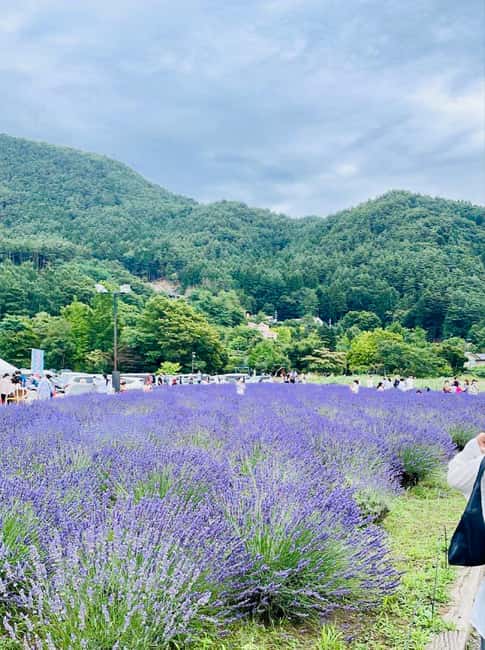
- You’ll walk through two gardens with seasonal flowers.
- You also get a practical, fun perk: 14 flavors of creamy ice cream.
- There are opportunities to buy area fruits and souvenirs.
One useful note: the tour’s price doesn’t include food, snacks, drinks, or ice cream. So if you want that 14-flavor moment, budget a little extra. Still, I like that the tour offers it as an option. It’s your choice, and you’re not forced into a set meal.
Lake Kawaguchiko cruise: turning the day from viewpoints to reflections
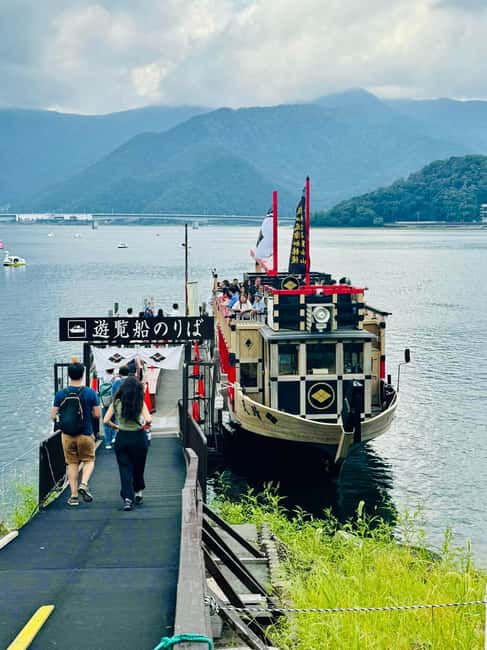
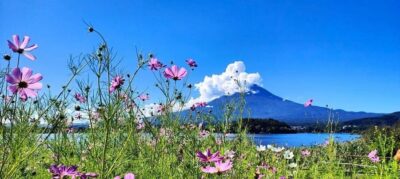
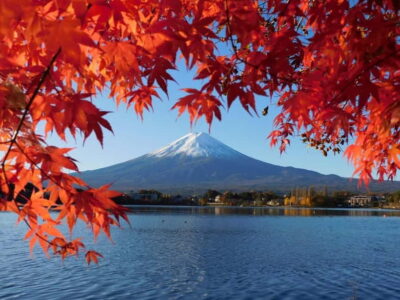
To close, you go to Lake Kawaguchiko, described as the second largest lake around Mount Fuji. The tour includes a cruise around the lake (listed around 40 minutes), and this is where the whole day’s pacing pays off.
Up to this point, you’ve been seeing Fuji from shrines, pagoda overlooks, and street perspectives. On the water, you get a different kind of thinking: Fuji becomes part of a larger scene—lake edges, skyline, and whatever the weather chooses to give you.
If the sky cooperates, this is one of those times you’ll feel why Fuji is such a global obsession. Even when conditions aren’t perfect, the cruise still gives you a break and a satisfying finish after hours of walking.
Price and value: what $90 gets you (and what it doesn’t)
At $90 per person for a 10-hour day from Tokyo, the value is in the combination. You’re not just paying for a ride—you’re paying for:
- coach transport plus a guide throughout,
- entrance fees for multiple stops,
- guided viewing at each major site,
- and the Lake Kawaguchiko sailing component.
If you tried to DIY this kind of loop, you’d spend time coordinating buses, paying separate admissions, and figuring out the order of viewpoints. Here, the tour makes the route simple, and that’s especially helpful if you’re traveling in English or Spanish and want fewer communication headaches.
What’s not included is also important to know: lunch, snacks, drinks, and ice cream are on you. I’d treat those as a small add-on budget for comfort, since you’ll be out all day. If you’re the type who hates paying for food on the fly, pack a snack and water and buy your extras when it makes sense.
Timing, weather, and comfort: the small choices that save the day
This tour is built for sightseeing, but weather can change quickly around Fuji. You’ll want to dress for rapid shifts—layers help. Bring sunscreen and water, and yes, bring comfortable shoes. Even if you choose the slope option at Arakurayama, you’re still walking and shifting between locations.
Also, bring a camera. The day is designed for scenic photos, and the famous views are the whole point. If you’re planning to shoot, a tip I’d follow: spend a little time at each stop finding your angle, then take a second pass when the light changes. The tour’s structure gives you that opportunity at multiple points.
And here’s a practical humor note: Fuji will get the credit for your photos, but your feet will get the blame if you wore the wrong shoes. Choose wisely.
What happens when Mount Fuji is closed?
Mount Fuji conditions can affect access or viewpoints. The tour has a built-in fallback: when Mount Fuji is closed or entry isn’t permitted, you’ll instead visit Kitaguchi Hongu Fuji Sengen Shrine, which the tour notes is over 1,400 years old.
So you’re not paying for a day that disappears. You still get a meaningful shrine visit, a cultural stop, and part of the UNESCO-linked Fuji experience. And since the day already includes Kitaguchi Hongu, this backup is meant to keep the itinerary coherent rather than sending you off on a random substitution.
Who should book this Fuji day, and who should skip it
This is a strong fit if you want:
- a 10-hour structured loop from Tokyo,
- guided explanation in English or Spanish,
- multiple Fuji viewpoints plus a lake cruise,
- and a full day that balances walking with breaks.
If you like photography and want the classic Mount Fuji scenes in one shot, you’ll likely enjoy how the stops connect.
It’s less ideal if you’re very mobility-limited. The tour mentions it’s not suitable for people over 95 years, and Arakurayama can involve serious walking. If you’re in the middle—okay on foot but not loving steep climbs—choose the route without stairs at Arakurayama and take your time on Honcho Street and the shrine areas.
My verdict: should you book JP Travelers’ Mount Fuji full-day tour?
Yes, if you want a guided Fuji day that’s built around the famous viewpoints and meaningful stops, without turning your schedule into a stress test. The best argument is the way the day is put together: shrines and viewpoints before the lake, plus a cruise that gives you a fresh perspective at the end. And with language support in English or Spanish, it feels easier to understand why each place matters, not just where to stand for photos.
I’d book it especially if you appreciate history with your scenery. Luis’s reputation for explaining places clearly is exactly the kind of guide help that makes a long day feel worth it, not like a rushed checklist.
FAQ
FAQ
Is the guide available in English and Spanish?
Yes. The live tour guide speaks Spanish and English.
How long is the Mount Fuji tour?
The tour duration is 10 hours.
How much does the tour cost?
The price is $90 per person.
What stops are included in the tour?
The tour includes visits to Mount Arakura Sengen Park, Arakura shrine, Chureito Pagoda, Honcho Street, Kitaguchi-hongu Fuji Sengen Shrine, Oishi Park, and a cruise on Lake Kawaguchiko.
Does the price include entrance fees and transportation?
Yes. The tour includes bus transportation, the guide fee, and entrance fees for the listed stops.
What is not included?
Lunch, snacks, drinks, and ice cream are not included, along with any personal expenses.
Where do I meet the tour in Tokyo?
Meet in front of the Robert Indiana Sculpture LOVE. The guide will hold a sign for JP Travelers and will mention Fuji tour in Spanish.
What should I bring for the day trip?
Bring comfortable shoes, a camera, food and drinks, sunscreen, water, and comfortable clothes. Cash can also help.
What if Mount Fuji is closed?
If Mount Fuji is closed or entry isn’t permitted for reasons beyond the tour’s control, the plan includes visiting Kitaguchi Hongu Fuji Sengen Shrine instead.
More Tours in Fujiyoshida
- Tokyo: Mount Fuji & Hakone Private Car Day Tour Lowest Price
★ 5.0 · 31 reviews - Tokyo: Private Mt. Fuji Luxury Day Tour – Fully Customizable
★ 4.9 · 17 reviews - Tokyo day trip -Mount Fuji Private Tour from Tokyo
★ 4.6 · 16 reviews - Mount Fuji Private Day Tour customized with English driver
★ 4.7 · 15 reviews - Mount fuji and Hakone full day private tour with English gui
★ 4.9 · 12 reviews
More Tour Reviews in Fujiyoshida
- Tokyo: Mount Fuji & Hakone Private Car Day Tour Lowest Price
★ 5.0 · 31 reviews - Tokyo: Mt. Fuji Summer Trip 5th Station & Lake Kawaguchi
★ 3.8 · 28 reviews - Tokyo: Private Mt. Fuji Luxury Day Tour – Fully Customizable
★ 4.9 · 17 reviews - Tokyo day trip -Mount Fuji Private Tour from Tokyo
★ 4.6 · 16 reviews - Mount Fuji Private Day Tour customized with English driver
★ 4.7 · 15 reviews
More Mount Fuji Days We Have Reviewed
- Tokyo: Mount Fuji & Hakone Private Car Day Tour Lowest Price
★ 5.0 · 31 reviews - Tokyo: Mt. Fuji Summer Trip 5th Station & Lake Kawaguchi
★ 3.8 · 28 reviews - Tokyo: Private Mt. Fuji Luxury Day Tour – Fully Customizable
★ 4.9 · 17 reviews - Tokyo day trip -Mount Fuji Private Tour from Tokyo
★ 4.6 · 16 reviews - Mount Fuji Private Day Tour customized with English driver
★ 4.7 · 15 reviews
Latest Fujiyoshida reviews off our desk
Mount Fuji Tours, compared.
 ★ 5.0Mt Fuji and Hakone 1-Day Bus Tour Return by Bullet TrainFrom $16326,383 reviews
 ★ 4.0Mt Fuji & Hakone Cruise, Drum Show Bullet Train 1 Day from TokyoFrom $1497,413 reviews
 ★ 4.4Tokyo Mt Fuji 5th St & Hakone Cruise Bus Tour w/Bullet TrainFrom $1545,024 reviews
 ★ 4.5From Tokyo: Mount Fuji Full-Day Sightseeing TripFrom $684,970 reviews
 ★ 4.7Mt. Fuji Tour, Hakone Ropeway, Owakudani, Lake AshiFrom $544,002 reviews
 ★ 4.4Mt.Fuji,Kawaguchiko Oishi Park,Arakurayama Sengen ParkFrom $542,682 reviews
 ★ 4.2Mt. Fuji 5th Station & Hakone Cruise 1-Day Bus TourFrom $1292,381 reviews
 ★ 4.7Mt Fuji Top 5 Spots Day Tour: Arakurayama Park,Oshino HakkaiFrom $532,066 reviews