
Reviewed · MOUNT FUJI TOURS
Mount Fuji 5th Station, Arakurayama, Oshino Hakkai and Hot Spring
Fuji in a single day is tough, but this one makes it doable. You get a real shot at Mount Fuji from either the 5th Station or Arakurayama Sengen Park, plus the crisp, famous springs of Oshino Hakkai. The schedule is built for one day from Tokyo, with pickup times at 8:00 am or 8:30 am, and a ride that’s mostly highway comfort.
I also like that the trip keeps things simple at the end: you either go to Gotemba Premium Outlets or you swap into a hot spring plan at Kinohana no Yu. One drawback to keep in mind: the Fuji viewpoint and the time split are fixed, so if you expected the other sightseeing stop, you may feel shorted—especially on the Fuji leg.
In This Review
- Key Things I’d Pay Attention To
- Why This Fuji Day Trip Works From Tokyo
- Fuji 5th Station vs Arakurayama Sengen Park: Know Which One You’re Getting
- Stop at Oshino Hakkai: The Eight Springs You Can Actually See
- Gotemba Outlets or Kinohana no Yu Hot Spring: Your Final Big Decision
- Timing, Group Size, and the Fixed Carpool Reality
- Money Check: Is $68.74 Good Value for This Day?
- Weather and Visibility: When Clouds Reduce the Magic
- Who This Tour Suits Best (And Who Should Rethink It)
- Should You Book This Tour?
- FAQ
- How long is the Mount Fuji 5th Station, Arakurayama, Oshino Hakkai and Hot Spring tour?
- Is pickup offered, and where does it start?
- Do I get admission tickets for the main stops?
- Is the hot spring included in the price?
- Which stop do I visit: Mount Fuji 5th Station or Arakurayama Sengen Park?
- What happens if Mount Fuji is cloudy or rainy?
- What’s the cancellation window for a full refund?
Key Things I’d Pay Attention To
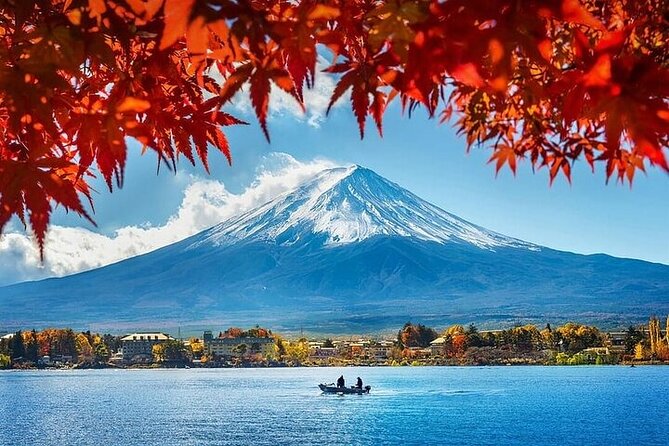
- Fuji viewpoint changes by season (5th Station vs Arakurayama Sengen Park)
- Oshino Hakkai is timed tightly, so move at a steady pace
- Hot spring and outlet are options, not both at full value
- Your main control is during that final stop choice
- It’s a fixed carpool itinerary with set stay times
- Cloudy weather can steal the view, even if you do everything right
Why This Fuji Day Trip Works From Tokyo
This is one of those day tours that’s realistic instead of wishful thinking. Ten hours is long enough to get out of Tokyo, hit Fuji’s signature spots, and come back without feeling like you live on a bus.
The big win is the mix of “wow” types of scenery. First you chase Fuji directly at either a high viewpoint area (5th Station) or a classic photo park (Arakurayama). Then you shift to something calmer and very specific to Fuji: Oshino Hakkai’s springs at the mountain’s base. It’s a good rhythm—big mountain energy, then a quiet, slow place you can actually stand and look around.
And yes, the tour is designed for convenience. Pickup is from major Tokyo locations (including JR Tokyo Station), and the operator provides a mobile ticket and a reminder email the night before with pickup details. It’s not a self-guided “figure it out” day, which matters when you’re trying to work within a tight schedule.
More Fuji day trips our readers rated highly
- Mt Fuji and Hakone 1-Day Bus Tour Return by Bullet Train
★ 5.0 · 26,383 reviews - Mt Fuji & Hakone Cruise, Drum Show Bullet Train 1 Day from Tokyo
★ 4.0 · 7,413 reviews - Tokyo Mt Fuji 5th St & Hakone Cruise Bus Tour w/Bullet Train
★ 4.4 · 5,024 reviews - From Tokyo: Mount Fuji Full-Day Sightseeing Trip
★ 4.5 · 4,970 reviews
Fuji 5th Station vs Arakurayama Sengen Park: Know Which One You’re Getting
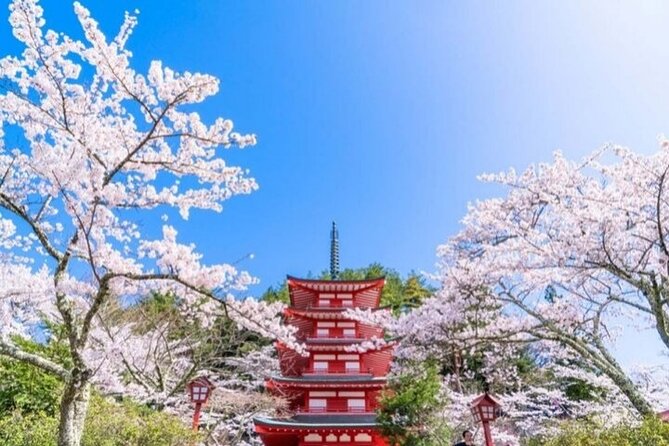
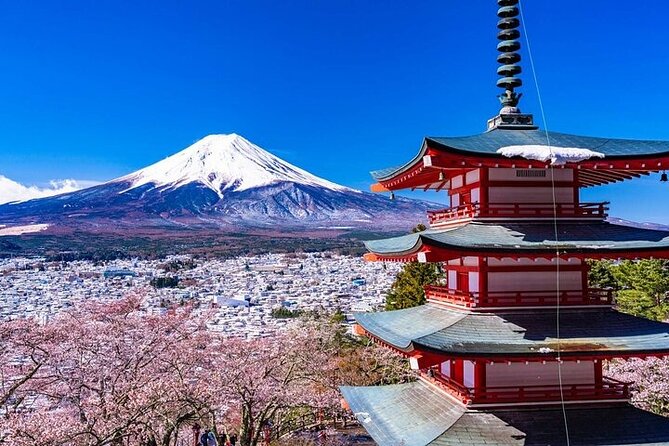
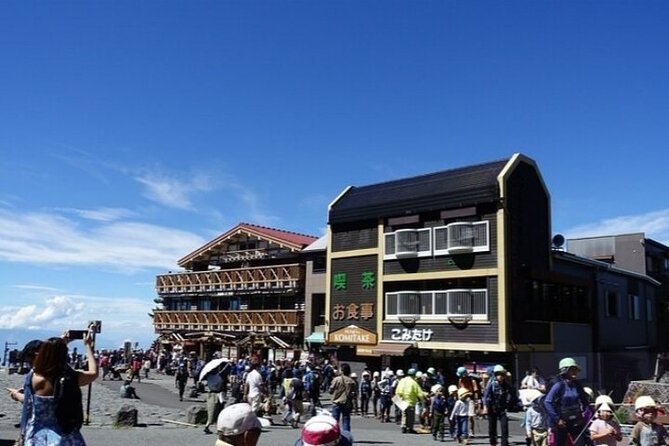
This is the most important decision point on the whole tour, and it’s not a pick-your-own-choices situation. From April 26 to November 30, the itinerary goes to Mount Fuji 5th Station (and does not go to Arakurayama Sengen Park). From December 1 to April 25, it’s Arakurayama Sengen Park and not the 5th Station.
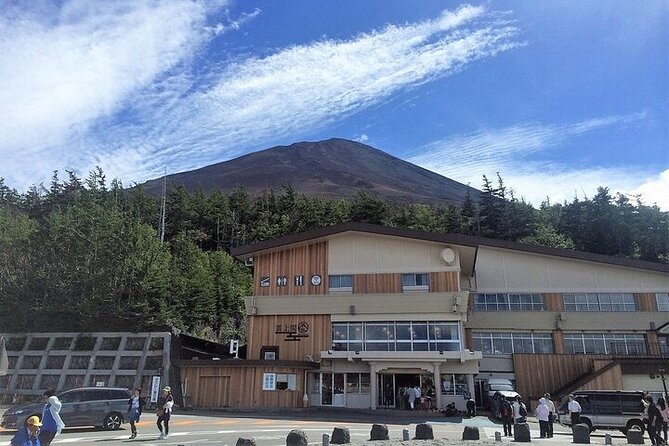
Here’s why that matters. The 5th Station stop is shorter—about 40 minutes—so you’re not planning a long hike or a slow wander. You’re moving, taking photos, and getting your Fuji fix fast. The Arakurayama option lasts longer (about 90 minutes), which generally gives you more time to find your angles and settle in.
Practical tip: check the date you’re booking. If you’re planning this around a specific view—like the iconic Arakurayama photo spot—you need the calendar to match. The tour is seasonal by design, so showing up expecting the other location can feel disappointing.
Stop at Oshino Hakkai: The Eight Springs You Can Actually See
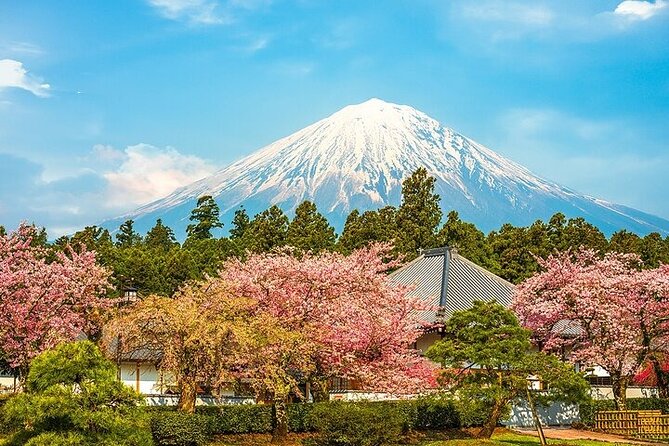
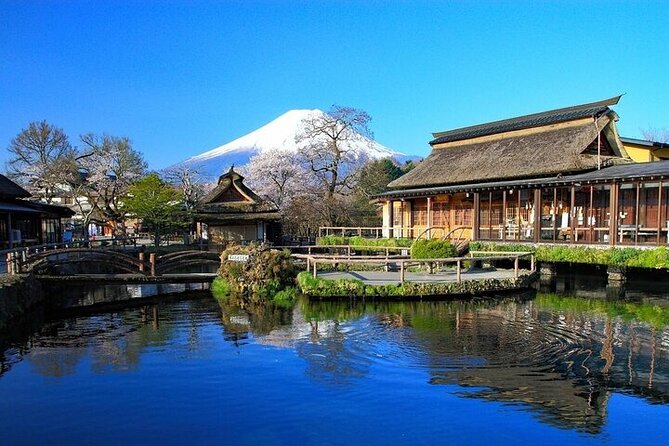
After Fuji, you head to Oshino Hakkai, a set of eight clear springs fed by snow water from Mount Fuji. It’s one of those places where the explanation makes the scenery feel more real. You’re not just looking at water—you’re seeing the results of a mountain system.
This stop is about one hour, and it’s marked as free admission. That’s helpful because you don’t have to do math in your head while you’re standing there. You can focus on pacing yourself: look over the springs, take photos, and then spend the last chunk of time on the most interesting sections (rather than wasting time doubling back).
The quick reality check: one hour can feel short if you stop often for photos, browse, or read small signage. Go with a simple plan—see the main spring area first, then decide if you want to slow down for extras. With this schedule, doing it in a smart order helps you get value without rushing.
Gotemba Outlets or Kinohana no Yu Hot Spring: Your Final Big Decision
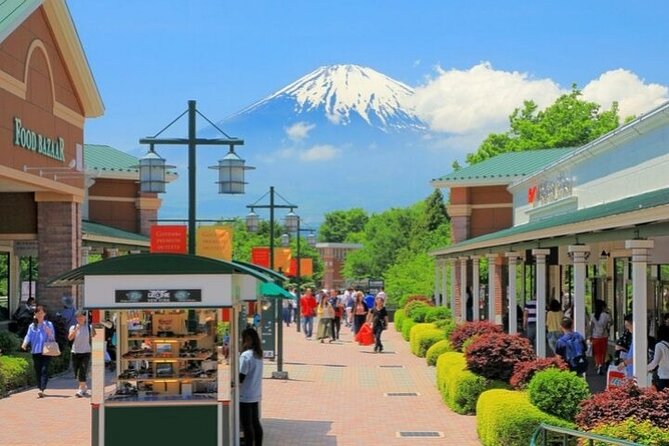
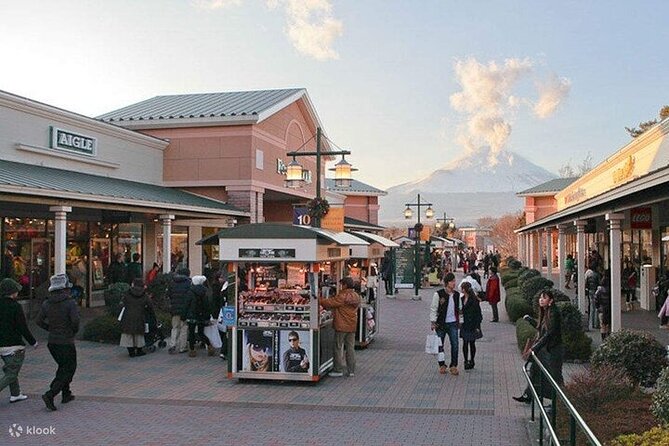
The last third of the day is split into an either/or choice. You’ll either go to Gotemba Premium Outlets (about 2 hours) or you’ll choose a hot spring option at Kinohana no Yu, which includes hot spring bathing with Fuji views.
Here’s the value angle. Gotemba Outlets is all about convenience and selection—useful if you want a break from sightseeing and you like shopping when the weather isn’t cooperating. The hot spring option is about recovery. After hours of walking and a mountain day, bathing is a very real reset button.
But bathing isn’t included in the base price. Expect an extra 1,600 yen on weekdays and 1,900 yen on weekends and holidays. That’s not a dealbreaker, just something to budget for so you’re not surprised when you’re ready to soak.
A smart way to choose:
- If you want souvenirs or practical items, pick Gotemba.
- If you want relaxation and a payoff after Fuji, pick Kinohana no Yu.
Timing, Group Size, and the Fixed Carpool Reality
This tour is capped at maximum 15 travelers, which keeps it from turning into a huge, chaotic bus circus. You still have a group schedule, though. The itinerary is fixed because it’s set up as a carpool format, which means there’s no “I’ll just linger here an hour” freedom.
That also explains why time feels sensitive at each stop. One short stop at Fuji can feel great if you’re ready for quick photos, but it can feel rushed if you expect a long sit-and-stare moment. The same goes for Oshino Hakkai. If you show up with a checklist of extra walking, you might wish you had more time.
There’s also a weather reality that hits timing: cloudy or rainy days reduce visibility, so Fuji may be partially obscured. Since you can’t control that, the best approach is to show up ready for plan A, but mentally flexible on plan B. The tour’s core value is still the route: Fuji area + Oshino Hakkai + end-of-day choice.
And don’t ignore the small logistics details either. The reminder email you get the night before includes pickup time and guide contact info, but the guide doesn’t initiate contact—so be at the meeting point on time and follow instructions. Also, it’s recommended not to bring big luggage on a one-day format. If you carry luggage, one piece is allowed per person, and extra charges can apply if it wasn’t noted at booking.
Readers also shortlisted these Tokyo bookings:
- From Tokyo: Private Tour to Fuji/Hakone – Onsen, Art, Nature★ 5.0 · 116 reviews
- Mt. Fuji, Hakone Private Tour from Tokyo – Onsen, Arts and Nature★ 5.0 · 79 reviews
- Tokyo: Mt Takao Tour with Ramen and Tattoo-Okay Hot Spring★ 5.0 · 69 reviews
- [Seasonal Limited] Mt. Fuji 5th Station &Hot Spring Day Tour★ 4.5 · 53 reviews
- Full Day Hiking Tour at Mt.Takao including Hot Spring★ 5.0 · 52 reviews
Money Check: Is $68.74 Good Value for This Day?
$68.74 per person can look “budget-friendly” or “too low to be true,” depending on what you compare it to. Here’s how the value works in practice.
You’re paying for:
- Transportation and highway tolls
- Driver and in-person licensed guide service
- About 10 hours total coverage, including travel and sightseeing time
- Free admission at the main paid-style stops listed (like Mount Fuji 5th Station, Oshino Hakkai, and the outlet stop)
What’s not included:
- Hot spring bathing fees (if you pick Kinohana no Yu)
- Food and drinks
- Any other personal spending
So the deal isn’t that everything is free—it’s that the big cost is already handled. You’re not adding separate transit costs, and you’re not paying separate guided logistics. The remaining variable cost is the optional hot spring and what you eat.
If you like structured days, this price can be a good match. If you want tons of independent time in each location, you might prefer a different style tour where time is less strict. For most people, though, this strikes a practical balance: you get access, transportation, and guided timing for less than you’d likely spend piecing it together alone.
Weather and Visibility: When Clouds Reduce the Magic
Fuji is famously not something you can bully with optimism. The tour notes that cloudy/rainy days reduce visibility, potentially obscuring the mountain. That’s important because this is a “Fuji day.”
What you can do is treat the view as a bonus, not a guarantee. If the sky is clear, you’ll likely enjoy both the higher viewpoint option and the end-of-day Fuji views from the hot spring plan. If it’s gray, you’ll still get Oshino Hakkai’s spring beauty and the general mountain-area atmosphere.
Also remember: the Fuji leg time can be short. On clearer days that’s fine—photos happen quickly. On foggier days, you might wish you had more waiting time, but the schedule is fixed. Go in knowing you have a strong chance at a good day, not a certified one.
Who This Tour Suits Best (And Who Should Rethink It)
This tour fits best if you want a single-day route from Tokyo that hits the key Fuji highlights without planning chaos.
You’ll probably enjoy it if:
- You like guided logistics and clear timing
- You want both a mountain-area viewpoint and Oshino Hakkai springs
- You’re fine choosing one main payoff at the end: shopping or soaking
- You prefer small-group travel (max 15)
You might rethink it if:
- You’re very specific about getting a particular Fuji viewpoint (because season controls whether it’s the 5th Station or Arakurayama)
- You want long, flexible time at each stop
- You’re sensitive to schedule pressure, since it’s a fixed carpool format with set stay times
If you’re traveling with someone who has cardiovascular issues like hypertension or heart disease, or if you’re pregnant, the tour advises being accompanied by relatives. And everyone should have moderate physical fitness for the day.
Should You Book This Tour?
I’d book it if you want a structured, no-fuss Fuji day that pairs a high-impact viewpoint with something distinctly Fuji: the eight springs of Oshino Hakkai. The value is strongest when you’re practical about time and you’re booking for the right season so you get the view you’re actually hoping for.
I wouldn’t book it if you’re expecting full flexibility between Fuji spots or long stays at each location. The schedule is fixed, and the season swap between Fuji 5th Station and Arakurayama Sengen Park is not subtle. If you miss that match, you’ll feel it quickly.
If you do book: decide in advance whether you want Gotemba or Kinohana no Yu as your end-of-day reward. Then treat the Fuji view as a weather-based bonus and the spring visit as the reliable highlight.
FAQ
How long is the Mount Fuji 5th Station, Arakurayama, Oshino Hakkai and Hot Spring tour?
It runs for about 10 hours total.
Is pickup offered, and where does it start?
Yes. Pickup is offered from major Tokyo locations, with pickup around 8:00 am or 8:30 am. The tour meeting point is JR Tokyo Station, 1-chōme-9 Marunouchi, Chiyoda City, Tokyo.
Do I get admission tickets for the main stops?
The tour lists admission tickets as free for the main stops included in the itinerary, including Mount Fuji 5th Station, Oshino Hakkai, and the Gotemba Outlets option.
Is the hot spring included in the price?
Hot spring bathing is not included. The bathing fee is listed as 1,600 yen on weekdays and 1,900 yen on weekends and holidays.
Which stop do I visit: Mount Fuji 5th Station or Arakurayama Sengen Park?
From April 26 to November 30, it goes to Mount Fuji 5th Station (not Arakurayama). From December 1 to April 25, it goes to Arakurayama Sengen Park (not the 5th Station).
What happens if Mount Fuji is cloudy or rainy?
Cloudy or rainy conditions can reduce visibility and may obscure Mount Fuji. You should check the weather forecast before you go.
What’s the cancellation window for a full refund?
You can cancel for a full refund up to 24 hours before the experience start time.
More Spa & Hot Springs in Tokyo
- From Tokyo: Private Tour to Fuji/Hakone – Onsen, Art, Nature
★ 5.0 · 116 reviews - Mt. Fuji, Hakone Private Tour from Tokyo – Onsen, Arts and Nature
★ 5.0 · 79 reviews - Tokyo: Mt Takao Tour with Ramen and Tattoo-Okay Hot Spring
★ 5.0 · 69 reviews - [Seasonal Limited] Mt. Fuji 5th Station &Hot Spring Day Tour
★ 4.5 · 53 reviews - Full Day Hiking Tour at Mt.Takao including Hot Spring
★ 5.0 · 52 reviews
More Tour Reviews in Tokyo
- Mt Fuji and Hakone 1-Day Bus Tour Return by Bullet Train
★ 5.0 · 26,383 reviews - 1-Day Tokyo Bus Tour
★ 5.0 · 14,250 reviews - Tokyo: teamLab Planets TOKYO Digital Art Museum Entry Ticket
★ 4.6 · 9,779 reviews - Mt Fuji & Hakone Cruise, Drum Show Bullet Train 1 Day from Tokyo
★ 4.0 · 7,413 reviews - Tokyo: Shinjuku Food Tour (13 Dishes at 4 Local Eateries)
★ 5.0 · 6,603 reviews
More Mount Fuji Days We Have Reviewed
- Mt Fuji and Hakone 1-Day Bus Tour Return by Bullet Train
★ 5.0 · 26,383 reviews - Mt Fuji & Hakone Cruise, Drum Show Bullet Train 1 Day from Tokyo
★ 4.0 · 7,413 reviews - Tokyo Mt Fuji 5th St & Hakone Cruise Bus Tour w/Bullet Train
★ 4.4 · 5,024 reviews - From Tokyo: Mount Fuji Full-Day Sightseeing Trip
★ 4.5 · 4,970 reviews - Tokyo: Mt. Fuji Tour, Hakone Ropeway, Owakudani, Lake Ashi
★ 4.7 · 4,002 reviews
Latest Tokyo reviews off our desk






Mount Fuji Tours, compared.
 ★ 5.0Mt Fuji and Hakone 1-Day Bus Tour Return by Bullet TrainFrom $16326,383 reviews
 ★ 4.0Mt Fuji & Hakone Cruise, Drum Show Bullet Train 1 Day from TokyoFrom $1497,413 reviews
 ★ 4.4Tokyo Mt Fuji 5th St & Hakone Cruise Bus Tour w/Bullet TrainFrom $1545,024 reviews
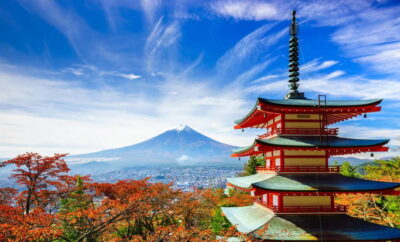 ★ 4.5From Tokyo: Mount Fuji Full-Day Sightseeing TripFrom $684,970 reviews
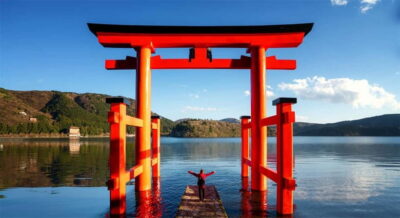 ★ 4.7Mt. Fuji Tour, Hakone Ropeway, Owakudani, Lake AshiFrom $544,002 reviews
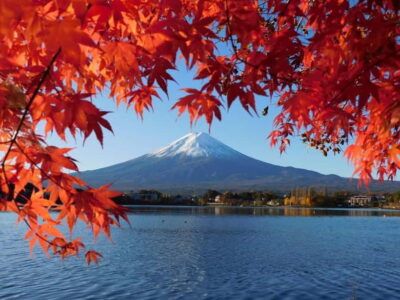 ★ 4.4Mt.Fuji,Kawaguchiko Oishi Park,Arakurayama Sengen ParkFrom $542,682 reviews
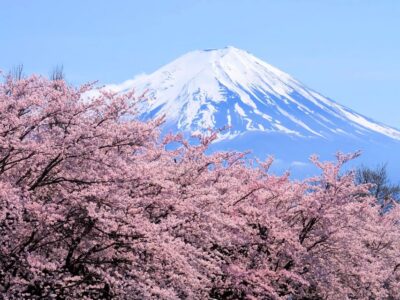 ★ 4.2Mt. Fuji 5th Station & Hakone Cruise 1-Day Bus TourFrom $1292,381 reviews
 ★ 4.7Mt Fuji Top 5 Spots Day Tour: Arakurayama Park,Oshino HakkaiFrom $532,066 reviews
Browse the lists this tour appears in