
Reviewed · MOUNT FUJI TOURS
Mt. Fuji 5th Station Oshino Hakkai & Gotemba, Hot Spring Day Tour
Mt. Fuji without the headache of climbing. This day tour trades steep effort for big views of the volcano, plus culture stops like shrines at the 5th Station (season-dependent) or the Arakurayama Sengen Park observatory. I especially like the way a driver takes care of the Tokyo-to-Fuji logistics, and how the tour builds in downtime, not just checkmarks. One thing to keep in mind: the schedule can shift with traffic and weather, and you’ll see Mt. Fuji only if conditions cooperate.
What makes this plan feel good is that it stays practical. You get a local guide speaking multiple languages, you move through three main highlights at a comfortable pace, and you end with a soothing dip at nearby hot springs. If you’re traveling with a stroller or need wheelchair access, this tour is designed to work. The catch is simple: admissions and timing are built around group capacity, so if something is crowded or weather turns, you may have to go with alternate options.
In This Review
- Key Things I’d Pay Attention To
- Why This Mt. Fuji Day Trip Feels Less Like a Trek
- Price and What You Actually Get for $79.50
- Seasonal Plan: 5th Station or Arakurayama Sengen Park
- Inside Stop 1: Observatory Views and Shrines (Plus One Hour That Adds Up)
- Oshino Hakkai: The Snowmelt Ponds You Can Actually Enjoy
- Gotemba Premium Outlets: Shopping Time Without the Pain
- The Hot Spring Finish: A Practical Way to End Long Road Time
- Guide and Group Size: Stories, Pacing, and Real-World Help
- Timing, Weather, and When You’ll Need Flexibility
- Accessibility and Comfort: What to Expect Day-to-Day
- Who This Tour Suits Best
- Should You Book This Mt. Fuji, Oshino Hakkai, and Hot Springs Day Tour?
- FAQ
- How long is the Mt. Fuji 5th Station Oshino Hakkai & Gotemba, Hot Spring Day Tour?
- Do I visit Mt. Fuji’s 5th Station or Arakurayama Sengen Park?
- Are admission tickets included for the main stops?
- Are meals included?
- What languages will the guide speak?
- Is the tour accessible for wheelchairs or strollers?
Key Things I’d Pay Attention To
- Driver-led return to Tokyo: fewer logistics headaches and less stress at the end of the day.
- Seasonal pick for Stop 1: 5th Station when it’s in season; Arakurayama Sengen Park when it’s not.
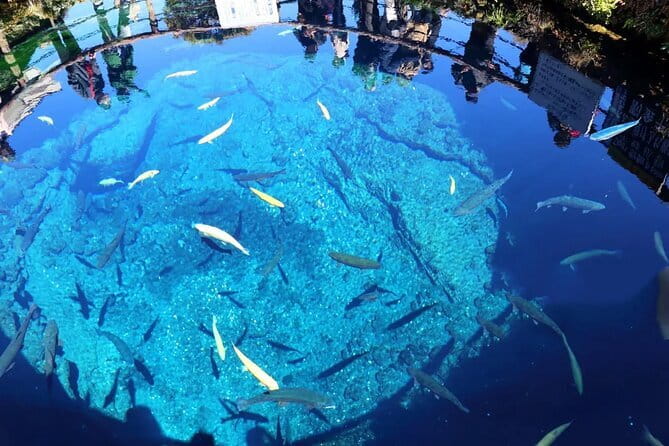
- Oshino Hakkai on foot for one hour: enough time to see the spring-fed pond “village” without rushing.
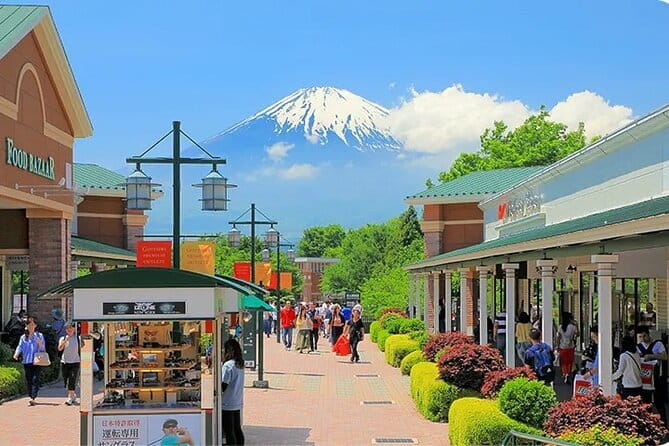
- Gotemba Premium Outlets for 2 hours: shopping time that doesn’t eat the whole day.
- Hot springs at the end: a real payoff after long hours on the road.
- Small group feel (max 48): easier pacing than some bigger coach tours.
Why This Mt. Fuji Day Trip Feels Less Like a Trek
This tour is built for the way most of us travel: you want Mt. Fuji, but you don’t necessarily want a full-on climb day. Instead, you get planned viewpoints that are meant for hanging out, taking photos, and learning a bit about what you’re seeing.
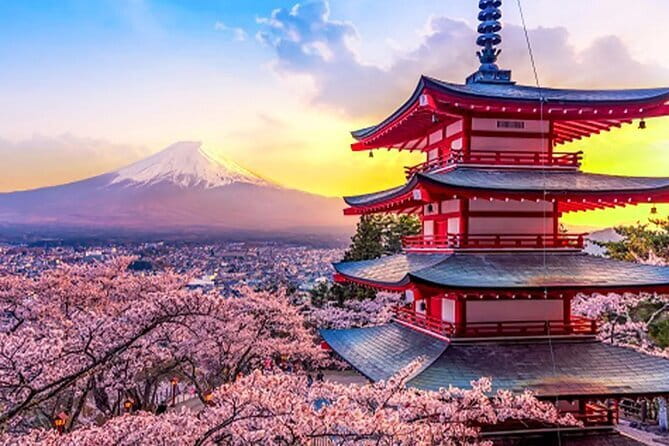
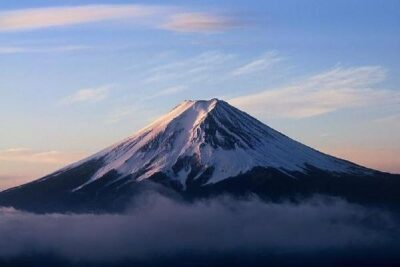
At the key viewpoint stop, you’re treated to sweeping volcano views either from the Mt. Fuji area at the 5th Station or from the observatory at Arakurayama Sengen Park. In Japan, the best part of a viewpoint day isn’t just the view—it’s also what people do around it. You’ll be there long enough to look around and make it feel like a real outing instead of a quick stop.
Also, I love that the tour structure reduces decision fatigue. You don’t need to figure out trains, transfers, or timing back to Tokyo. The driver handles the drive back, and the guide keeps the day moving.
More Fuji day trips our readers rated highly
- Mt Fuji and Hakone 1-Day Bus Tour Return by Bullet Train
★ 5.0 · 26,383 reviews - Mt Fuji & Hakone Cruise, Drum Show Bullet Train 1 Day from Tokyo
★ 4.0 · 7,413 reviews - Tokyo Mt Fuji 5th St & Hakone Cruise Bus Tour w/Bullet Train
★ 4.4 · 5,024 reviews - From Tokyo: Mount Fuji Full-Day Sightseeing Trip
★ 4.5 · 4,970 reviews
Price and What You Actually Get for $79.50
At $79.50 per person, this tour sits in a middle lane for day trips from Tokyo. It’s not a budget shortcut, but it’s also not a private-car luxury plan. For the money, what you’re really paying for is the combination of transportation and guided time.
Here’s the practical value:
- A local guide (English/Chinese/Japanese/Korean-speaking) to help interpret what you’re seeing.
- A driver to take care of the return trip to Tokyo.
- Time at multiple highlights: a viewpoint stop, Oshino Hakkai ponds, and Gotemba outlet time.
- A hot spring finish, which turns a long sightseeing day into something that feels like you actually relaxed.
What’s not included is also important. Meals and beverages are not provided, and it’s self-guided inside the main visit windows (Oshino Hakkai and the outlet time). That means you’ll want to plan for snacks and hydration on your own.
If you love a well-run day where you can focus on enjoying instead of coordinating, this price starts to feel fair fast.
Seasonal Plan: 5th Station or Arakurayama Sengen Park
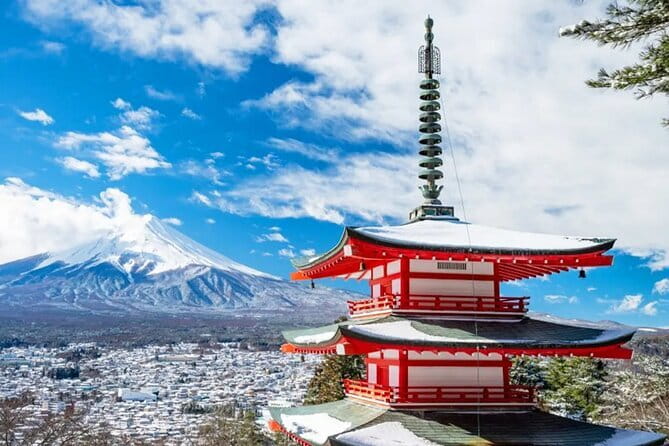
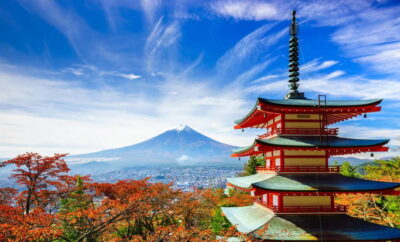
The tour uses a smart seasonal swap for Stop 1. From April 26 to November 30, the itinerary goes to Mt. Fuji’s 5th Station. From December 1 to April 25, it goes to Arakurayama Sengen Park.
Why this matters: it changes not only the scenery, but the vibe and what you can do in the allotted time. At the 5th Station, the focus is on exploring nearby shrines and learning cultural context, with volcano views as the payoff. At Arakurayama Sengen Park, the big seasonal seasonal draw is a stroll timed for springtime cherry blossoms (when conditions allow), plus a view from the observatory.
Either way, you’re not stuck with a single-note viewpoint. This is a day trip designed around what the area is best at during the time of year you’re traveling.
Inside Stop 1: Observatory Views and Shrines (Plus One Hour That Adds Up)
Stop 1 is a one-hour self-guided experience at the viewpoint location, and the admission ticket is listed as free for this stop. That hour is short enough that you’ll want to move with purpose, but long enough to get your bearings, take pictures, and do a quiet look around.
If you’re in the Arakurayama Sengen Park season, plan for a viewpoint-oriented walk. Think of it as: look, enjoy the view, then slow down just enough to notice how the park is set up for visitors. In springtime, you may also get that extra cherry blossom atmosphere that people travel for.
If you’re in the 5th Station season, expect a more shrine-and-culture feel. You’ll be able to explore nearby shrines and learn more about Japan’s culture in a place associated with pilgrimage and worship around Mt. Fuji.
Either option is about managing expectations. You’re seeing Mt. Fuji from a visitor-friendly altitude and perspective, not doing the climb. If the weather is kind, the payoff is huge. If it’s not, you’ll still come away with a sense of why Mt. Fuji is such a central symbol here.
Oshino Hakkai: The Snowmelt Ponds You Can Actually Enjoy
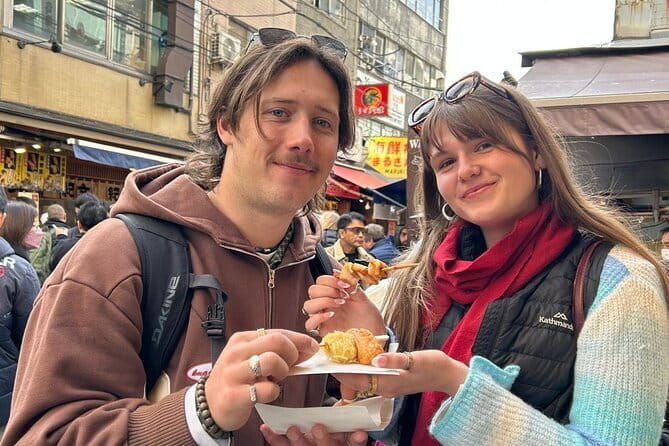
Stop 2 is Oshino Hakkai, and it’s another one-hour self-guided stroll with free admission. This is where the trip turns from viewpoints to a calm, walkable pocket of scenery.
Oshino Hakkai is known for eight crystal-clear spring water ponds fed by Mt. Fuji snowmelt. In real terms, that means you can spend your hour gently walking paths around the ponds, taking in the quiet atmosphere and the water detail. It’s also a good spot to slow down mentally after a viewpoint stop. You’re not running between buses; you’re strolling at human speed.
The biggest practical tip here: don’t treat it like a drive-by photo corner. The ponds are the point. Give yourself enough time to stop in a few spots and watch how the light changes across the water. This is one of those places where a “quick look” turns into a more enjoyable visit the moment you stop rushing.
Readers also shortlisted these Tokyo bookings:
- From Tokyo: Private Tour to Fuji/Hakone – Onsen, Art, Nature★ 5.0 · 116 reviews
- Mt. Fuji, Hakone Private Tour from Tokyo – Onsen, Arts and Nature★ 5.0 · 79 reviews
- Tokyo: Mt Takao Tour with Ramen and Tattoo-Okay Hot Spring★ 5.0 · 69 reviews
- [Seasonal Limited] Mt. Fuji 5th Station &Hot Spring Day Tour★ 4.5 · 53 reviews
- Full Day Hiking Tour at Mt.Takao including Hot Spring★ 5.0 · 52 reviews
Gotemba Premium Outlets: Shopping Time Without the Pain

Stop 3 is Gotemba Premium Outlets, with two hours listed for a self-guided shopping and relaxation window. Admission is listed as free. This stop can be a surprise highlight—or a skip, depending on your interests.
Why it works here: the outlet time gives you flexibility during a long day. If you want souvenirs, basics, or brand shopping, you’ve got time. If shopping isn’t your thing, you can still use the outlet hours to reset—grab a drink, take a break from walking, and cool down before the hot spring portion.
One small wrinkle to note: the outlet is closed once a year on the third Thursday of February. On that day, you can choose between sightseeing at Lake Yamanaka or Lake Yamanaka Onsen. So if you’re traveling around late February and really care about the exact outlet stop, it’s worth keeping that seasonal exception in mind.
The Hot Spring Finish: A Practical Way to End Long Road Time
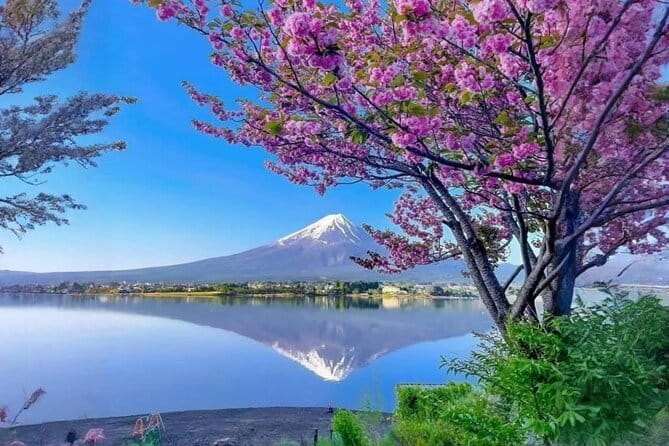
One of the best parts of this tour concept is that it doesn’t end with more standing around. It ends with a nearby hot springs dip, which is exactly what you want after hours of driving and walking.
I like hot springs days for two reasons. First, they help your body recover. Second, they give you a mental brake—your brain stops collecting sights and starts relaxing. Since meals aren’t included, the hot spring moment often becomes the point where you finally feel like the day has slowed down enough to enjoy it.
Just plan it like a real hot springs visit: bring what you’ll need for changing and drying, and expect the hot spring time to be part of the tour flow rather than a totally open-ended free-for-all.
Guide and Group Size: Stories, Pacing, and Real-World Help
This is a group tour capped at 48 travelers, which is large enough to run efficiently but small enough that the day usually doesn’t feel chaotic. The tour includes a guide who can speak English/Chinese/Japanese/Korean, which is a big deal on a day trip like this when directions and context matter.
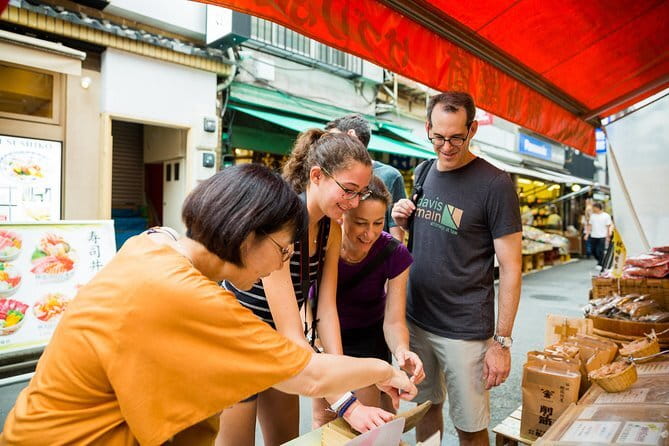
The reviews I’ve seen highlight guides who keep the day moving without turning it into a rush. Names that come up include Leo and Anna. Anna is noted for switching between English and Mandarin, even Cantonese, while also sharing history and stories around the stops. Leo is praised alongside the guide team, plus the smooth ride support from the driver.
What that means for you: you’re not just getting a map. You’re getting interpretation—small details about shrines or why Mt. Fuji is treated as more than a photo subject. And you get that in a language you can actually follow.
If you’re the kind of traveler who likes a bit of context but doesn’t want a lecture, this style usually hits the sweet spot.
Timing, Weather, and When You’ll Need Flexibility
This tour runs about 8 to 9 hours, and that total includes travel time. So yes, it’s a long day—but it’s built as one long day, not multiple half-days. That matters because you’ll be tired near the end, and the hot springs help a lot with that.
The tour also explicitly depends on good weather. Mt. Fuji visibility isn’t something you control. If conditions are poor, the tour may be canceled and you’ll be offered a different date or a full refund. That’s important because a Mt. Fuji day trip without Mt. Fuji can feel like a tease.
Schedules might also shift due to traffic and weather, and some attractions might need to be skipped because of capacity or conditions. That’s not unusual for day trips from Tokyo, but it’s still worth going in with the mindset that you’re buying a plan, not a guaranteed script.
A simple strategy: prioritize the “must-see” in your head. If Mt. Fuji is the top priority, spend a little extra time on the viewpoint stop. If Oshino Hakkai is your favorite part, focus on slowing down there so the day feels worth it even if you’re rushed elsewhere.
Accessibility and Comfort: What to Expect Day-to-Day
This tour is listed as wheelchair and stroller accessible, which is great if you’re traveling with mobility needs or a young child. It also notes that it’s near public transportation, which can make pre- and post-tour timing easier.
A caution that matters: child seats are not available. If you need a car seat, you’ll want to plan accordingly. And because the itinerary includes walking at places like Oshino Hakkai, you’ll want to think practically about footwear and how you’ll pace yourself.
For comfort, I recommend dressing in layers. Even in seasons where the itinerary changes, viewpoint areas and hot springs can feel like two different climates in one day.
Who This Tour Suits Best
This is the kind of day trip I’d recommend if you want Mt. Fuji vibes without the strain of climbing, and you want a guide to handle the “how do I get there” parts.
It’s especially a good fit for:
- First-timers in the area who don’t want to fight transfers.
- People who value pacing and want real time at each highlight (one hour here, one hour there, two hours at the outlets).
- Travelers who like context and enjoy short cultural explanations from guides like Leo and Anna.
- Wheelchair and stroller travelers, since the tour is designed to be accessible.
If you’re a hardcore budget optimizer who loves DIY planning, you might find cheaper transport. But you’d need to build your own schedule, manage return logistics, and coordinate a day that works around traffic. This tour is for travelers who’d rather pay for reduced stress.
Should You Book This Mt. Fuji, Oshino Hakkai, and Hot Springs Day Tour?
I’d book this tour if your ideal day looks like: Mt. Fuji views, a walkable cultural stop, a chance to reset with shopping time, and an ending that actually feels like a reward. For the price, the biggest value is the combination of a driver-led return to Tokyo and a multilingual guide who helps the day make sense.
I’d hesitate only if:
- You’re very sensitive to schedule changes from traffic or weather.
- You need full control over each stop’s timing.
- You’re expecting meals to be included (they’re not).
- You’re traveling with a child who requires a car seat.
If you can be flexible with weather and you want a thoughtfully structured day, this is a strong pick. It’s not the climb, but it does a good job delivering what most people want from a Mt. Fuji day: views, culture, calm ponds, and a soak to end the day feeling better than you started.
FAQ
How long is the Mt. Fuji 5th Station Oshino Hakkai & Gotemba, Hot Spring Day Tour?
The total tour time is about 8 to 9 hours, including travel time.
Do I visit Mt. Fuji’s 5th Station or Arakurayama Sengen Park?
It depends on the season. From April 26 to November 30, the itinerary goes to Mt. Fuji’s 5th Station. From December 1 to April 25, it goes to Arakurayama Sengen Park.
Are admission tickets included for the main stops?
The tour info lists free admission for the stops at Arakurayama Sengen Park, Oshino Hakkai, and Gotemba Premium Outlets.
Are meals included?
No. Meals and beverages are not included.
What languages will the guide speak?
The tour includes a guide who speaks English/Chinese/Japanese/Korean.
Is the tour accessible for wheelchairs or strollers?
Yes. The experience is listed as wheelchair and stroller accessible. Child seats are not available.
More Tours in Tokyo
- Mt Fuji and Hakone 1-Day Bus Tour Return by Bullet Train
★ 5.0 · 26,383 reviews - 1-Day Tokyo Bus Tour
★ 5.0 · 14,250 reviews - Tokyo: Shinjuku Food Tour (13 Dishes at 4 Local Eateries)
★ 5.0 · 6,603 reviews - Tokyo Mt Fuji 5th St & Hakone Cruise Bus Tour w/Bullet Train
★ 4.4 · 5,024 reviews - Flagship 2-Hours Official Street Go-Kart Tour – Tokyo Bay Shop
★ 5.0 · 4,974 reviews
More Tour Reviews in Tokyo
- Mt Fuji and Hakone 1-Day Bus Tour Return by Bullet Train
★ 5.0 · 26,383 reviews - 1-Day Tokyo Bus Tour
★ 5.0 · 14,250 reviews - Tokyo: teamLab Planets TOKYO Digital Art Museum Entry Ticket
★ 4.6 · 9,779 reviews - Mt Fuji & Hakone Cruise, Drum Show Bullet Train 1 Day from Tokyo
★ 4.0 · 7,413 reviews - Tokyo: Shinjuku Food Tour (13 Dishes at 4 Local Eateries)
★ 5.0 · 6,603 reviews
More Mount Fuji Days We Have Reviewed
- Mt Fuji and Hakone 1-Day Bus Tour Return by Bullet Train
★ 5.0 · 26,383 reviews - Mt Fuji & Hakone Cruise, Drum Show Bullet Train 1 Day from Tokyo
★ 4.0 · 7,413 reviews - Tokyo Mt Fuji 5th St & Hakone Cruise Bus Tour w/Bullet Train
★ 4.4 · 5,024 reviews - From Tokyo: Mount Fuji Full-Day Sightseeing Trip
★ 4.5 · 4,970 reviews - Tokyo: Mt. Fuji Tour, Hakone Ropeway, Owakudani, Lake Ashi
★ 4.7 · 4,002 reviews
Latest Tokyo reviews off our desk






Mount Fuji Tours, compared.
 ★ 5.0Mt Fuji and Hakone 1-Day Bus Tour Return by Bullet TrainFrom $16326,383 reviews
 ★ 4.0Mt Fuji & Hakone Cruise, Drum Show Bullet Train 1 Day from TokyoFrom $1497,413 reviews
 ★ 4.4Tokyo Mt Fuji 5th St & Hakone Cruise Bus Tour w/Bullet TrainFrom $1545,024 reviews
 ★ 4.5From Tokyo: Mount Fuji Full-Day Sightseeing TripFrom $684,970 reviews
 ★ 4.7Mt. Fuji Tour, Hakone Ropeway, Owakudani, Lake AshiFrom $544,002 reviews
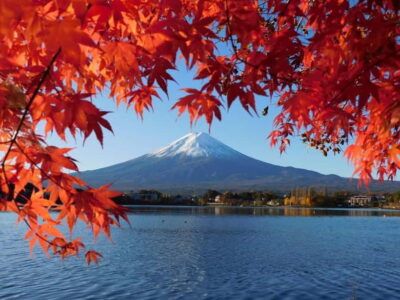 ★ 4.4Mt.Fuji,Kawaguchiko Oishi Park,Arakurayama Sengen ParkFrom $542,682 reviews
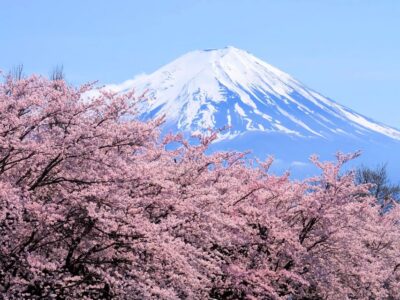 ★ 4.2Mt. Fuji 5th Station & Hakone Cruise 1-Day Bus TourFrom $1292,381 reviews
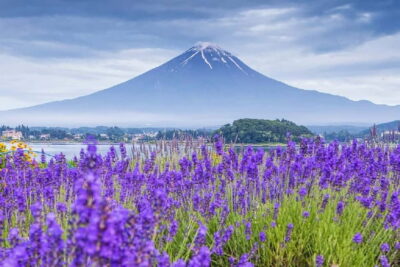 ★ 4.7Mt Fuji Top 5 Spots Day Tour: Arakurayama Park,Oshino HakkaiFrom $532,066 reviews
Browse the lists this tour appears in