
Reviewed · NIKKO DAY TRIPS
Nikko Private Tour from Tokyo with Licensed Guide and Vehicle
Nikko is best with your own pace. This private day trip from Tokyo gives you flexible planning and hassle-free transfers, so you can focus on Nikko’s UNESCO temples and waterfalls without the usual tour-bus shuffle.
I especially like the licensed local English guide, since the day makes more sense when someone explains what you’re looking at (and why people worship there).
The second thing I like is the option to build a day that matches your mood—shrine-and-forest mode, or scenery-and-waterfalls mode—while still keeping time tight in a 10-hour schedule. One drawback to consider: entrance fees and lunch are not included, and you only pick about 3–4 stops from the Nikko menu, so you’ll want to choose carefully.
In This Review
- Key things to know before you go
- Price and value: what this private Nikko trip really costs
- How the day works: a 10-hour Nikko loop built for choices
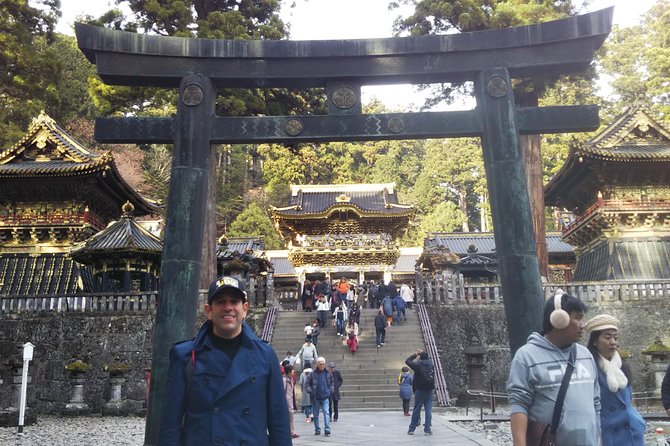
- UNESCO heavyweights: Tosho-gu, Taiyū-in, Rin’nōji, and Futarasan
- Nikko Tōshō-gū (Tokugawa Ieyasu)
- Rin’nō-ji (Rinnōji)
- Taiyū-in (Mausoleum of Iemitsu)
- Nikko Futarasan Shrine
- Shinkyō Bridge (Sacred Bridge)
- Waterfall and lake viewpoints: Kegon Falls and Lake Chuzenji
- Kegon Falls
- Lake Chuzenji
- Scenic driving stops: Irohazaka, Senjogahara, and Kanmangafuchi Abyss
- Irohazaka Route (Iroha Slope)
- Senjogahara Field
- Kanmangafuchi Abyss
- Smaller nature and history stops that add flavor: Kirifuri, Tamozawa, and more
- Kirifuri Waterfall
- Nikko Tamozawa Imperial Villa Memorial Park
- Nikko Botanical Garden (University of Tokyo)
- Kanaya Hotel History House
- Akechidaira and ropeway reality: plan for closure and changing views
- What you’ll feel during the ride: transfers, comfort, and timing
- Choosing your 3–4 stops: my simple Nikko strategy
- The guide experience: what stands out from real-day execution
- Who should book this Nikko private tour (and who shouldn’t)
- Should you book this Nikko Private Tour from Tokyo?
- FAQ
- How many people is this private tour for?
- How long is the Nikko tour from Tokyo?
- Is pickup in Tokyo included?
- Can I customize the itinerary?
- Are entrance fees included in the price?
- Who provides the English support?
- Is there a mobile ticket?
- Are child car seats available?
- Can I cancel for a full refund?
Key things to know before you go
- A private vehicle from Tokyo: you avoid transfers and timing stress on your end.
- Licensed English guide: you get context, not just a list of sights.
- Pick 3–4 sites from a menu: great if you want nature, temples, or both.
- Many stops are short: that’s efficient, but you won’t linger for hours at every spot.
- Some areas may cost extra: several major sites have entrance fees on your side.
- Ropeway closure risk: Akechidaira ropeway has a long maintenance window (check timing before you rely on it).
Price and value: what this private Nikko trip really costs
This tour costs $1,418.77 per group (up to 4), for about 10 hours. That sounds high until you do the math. If you have 4 people, you’re at roughly $355 per person for private logistics plus a licensed English guide. With fewer people, the per-person number climbs fast—but you’re still paying for door-to-door convenience plus guidance.
For me, the value hinges on one question: will you actually use the private time to hit the right mix of sights? If you want Nikko’s big spiritual sites and also want mountain scenery, having a driver and guide handle the geography is a big win. If you only want one or two places, you might feel the price more than the benefits.
Also note a key detail about who does what: the guide handles English. The driver is part of the setup, but fluent English from the driver is not required. That matters if you expect smooth back-and-forth while navigating.
More runs north to Nikko, ranked by reviews
- Nikko: Kegon Falls, Lake Chuzenji & Toshogu Temple
★ 4.6 · 1,577 reviews - Tokyo: Nikko Toshogu Shrine and Kegon Waterfall Tour
★ 4.5 · 1,266 reviews - From Tokyo: Nikko World Heritage Site Private Full-Day Trip
★ 4.9 · 243 reviews - Nikko: Edo Wonderland Edomura Cultural Theme Park Ticket
★ 4.3 · 205 reviews
How the day works: a 10-hour Nikko loop built for choices
This is designed as a “you pick” day. You choose about 3–4 sites from the Nikko list, and the route is built around getting you from one zone to the next without wasting hours.
The tour menu covers three big Nikko areas:
- Central Nikko (UNESCO temples and shrines), where you’re often dealing with crowds and lots of stairs.
- Lake Chuzenji and the waterfall viewpoints, where weather can change fast and roads climb.
- Smaller nature stops and historical sights, where you can slow down a bit and enjoy short walks.
Timing is also important. Many stops are planned for around 3–30 minutes, which is ideal for “see it, understand it, move on.” If you’re the type who wants to photograph slowly, sit on a bench for 45 minutes, and re-check every detail, you’ll feel that time pressure.
UNESCO heavyweights: Tosho-gu, Taiyū-in, Rin’nōji, and Futarasan
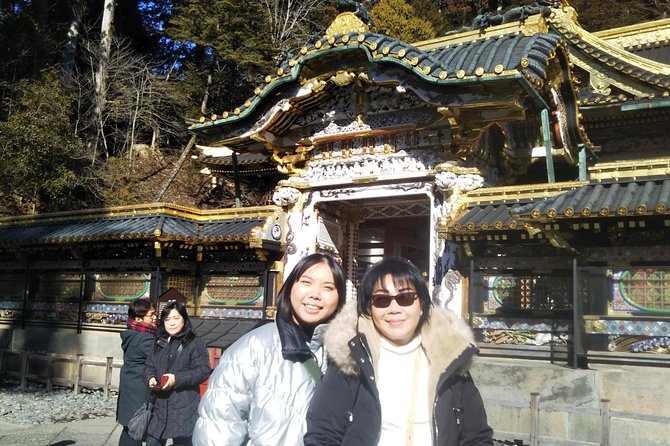
If you’re visiting Nikko for temples and shrines, this tour’s central cluster is where it shines. Even with short time blocks, having a guide helps you separate what you’re seeing from what it’s actually representing.
Nikko Tōshō-gū (Tokugawa Ieyasu)
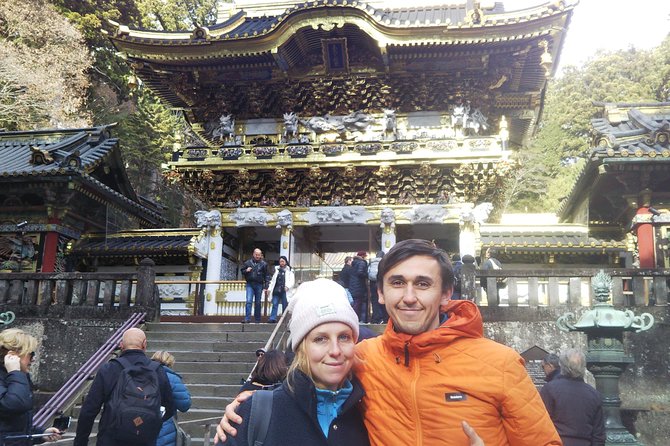
This is the headline site. You’re visiting the final resting place of Tokugawa Ieyasu, founder of the Tokugawa Shogunate. The grounds and nearby shrines are known for dramatic design and strong symbolism—exactly the kind of place where explanations turn impressive carvings into meaningful ones.
Potential drawback: it’s popular, and the time you get can feel tight if you stop to read every plaque.
Rin’nō-ji (Rinnōji)
Rin’nōji is Nikko’s most important temple. It traces back to the 8th century, tied to Shōdō Shōnin, the monk credited with bringing Buddhism to Nikko. You’ll see why Nikko’s religious landscape isn’t only Shinto shrine culture.
Potential drawback: if you’re more into nature than temples, you may prefer using your 3–4 slots elsewhere.
Readers also shortlisted these Tokyo bookings:
- Tokyo 6hr Private Tour with Government-Licensed Guide★ 5.0 · 3,902 reviews
- Tokyo: Shinjuku Local Bar and Izakaya Guided Walking Tour★ 4.9 · 1,794 reviews
- Tokyo: Private City Highlights Tour with Local Guide★ 4.8 · 1,433 reviews
- Tokyo: Tsukiji Fish Market Guided Walking Tour★ 4.9 · 1,397 reviews
- Tokyo 4hr Private Tour with Government-Licensed Guide★ 5.0 · 1,394 reviews
Taiyū-in (Mausoleum of Iemitsu)
Taiyū-in is the mausoleum of the third Tokugawa shogun, Iemitsu, Ieyasu’s grandson. It’s lavish and complex, and it mirrors Toshogu’s layout in an “if you liked that, you’ll like this too” way.
Potential drawback: mausoleum time can blur together with other UNESCO stops unless you let a guide point out differences.
Nikko Futarasan Shrine
Futarasan Shrine sits next to Toshogu in central Nikko, but it’s older—founded in 782 by Shōdō Shōnin. It’s the “steadier, older-feeling” sibling next to the flashier UNESCO star.
Potential drawback: it can feel like a quick stop compared to the big showpiece sites, so you’ll want a guide to help you notice the details.
Shinkyō Bridge (Sacred Bridge)
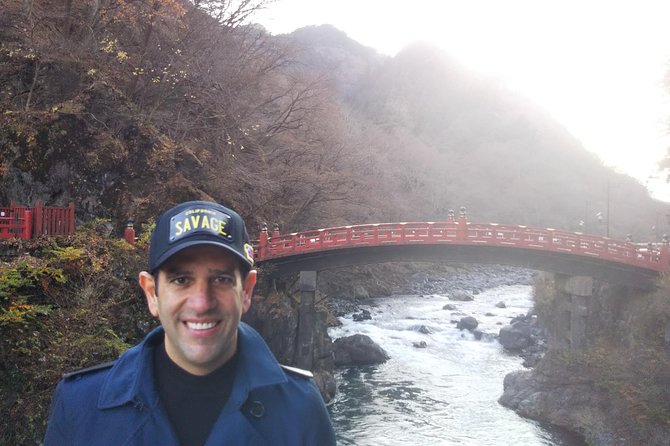
Shinkyō Bridge is at the entrance to Nikko’s shrines and temples, and it belongs to Futarasan Shrine. It’s ranked among Japan’s three finest bridges, which is a bold claim—worth it when you see it in person.
Potential drawback: photos can be crowded. If your guide can time it right, you’ll have an easier experience.
Waterfall and lake viewpoints: Kegon Falls and Lake Chuzenji
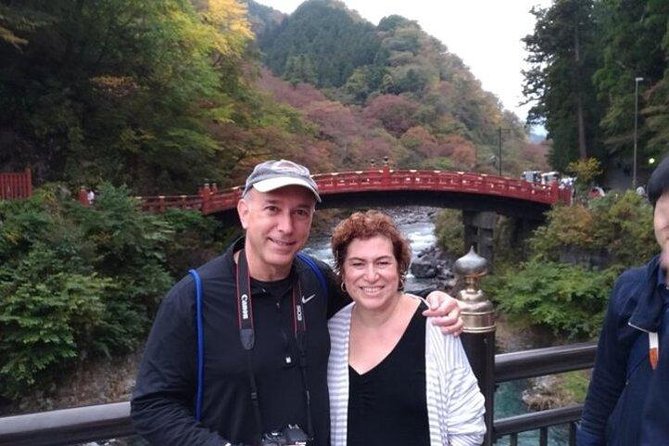
This is the Nikko portion you’ll remember even if you forget details later. Mountains and water do that.
Kegon Falls
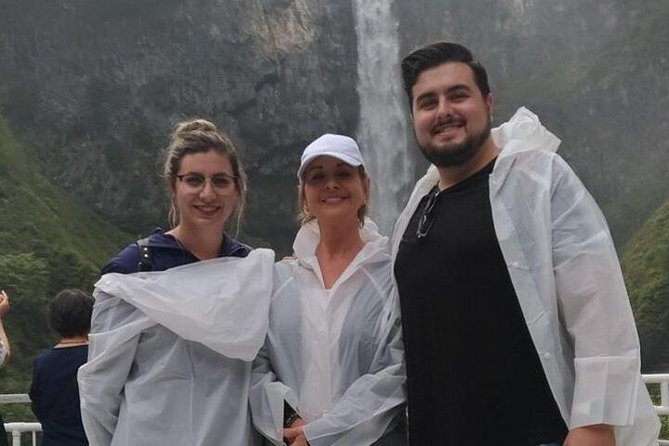
Kegon is Nikko’s best-known waterfall, with water dropping 97 meters from Lake Chuzenji. There’s also a special lift system described as part of the visitor experience, which helps get you to the right viewing area without a major hike.
Why it’s worth your slot: even in less-than-perfect weather, a waterfall this large gives you that “how is this real” feeling. And if clouds roll in up high, you still get dramatic motion and mist.
Potential drawback: it’s quick. If you want a long, slow waterfall session, you’ll need to pair it with fewer other stops.
Lake Chuzenji
Lake Chuzenji is Nikko’s big nature anchor, the largest lake in Tochigi, framed by about 25 kilometers of scenery. There’s also a historical layer: the area was a summer resort for foreigners in the late 19th and early 20th centuries, and the surroundings include villas tied to that era.
Potential drawback: “largest lake” can sound like you’ll roam for hours. In practice, your time here is still limited, so you’ll mainly be soaking in viewpoints rather than doing a whole lake circuit.
Scenic driving stops: Irohazaka, Senjogahara, and Kanmangafuchi Abyss
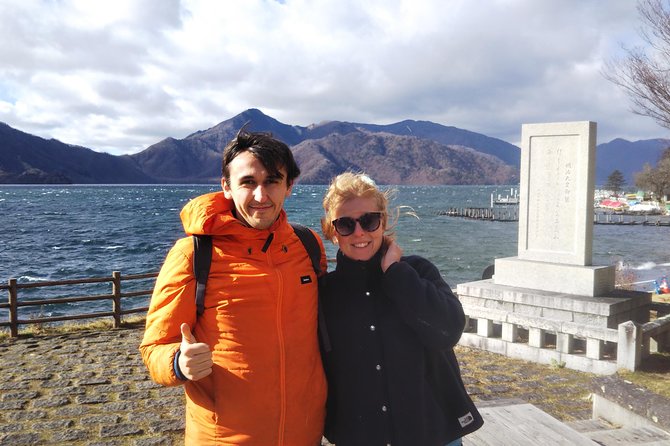
These are the kinds of Nikko stops that make you say, This place looks like a movie.
Irohazaka Route (Iroha Slope)
Irohazaka is a pair of winding roads linking lower areas near Nikko to higher mountainous regions. It’s also featured in the anime Initial D, which gives it a fun pop-culture angle if you recognize the vibe.
Potential drawback: it’s brief. If you want big hikes and lots of walking, you’ll likely feel you’re just “glancing,” not exploring.
Senjogahara Field
“Senjogahara” translates to battlefield. It points to a myth: legends say the gods of Mount Nantai and Mount Akagi fought to claim neighboring lakes. It’s not only scenery; it’s story-scenery.
Potential drawback: because it’s tied to legend, you’ll get more out of it if your guide gives the myth context and helps you interpret the terrain.
Kanmangafuchi Abyss
Kanmangafuchi is a gorge formed by an eruption of nearby Mount Nantai. It’s only a few hundred meters long, and you can enjoy it via a riverside walking trail.
Why it works on a private tour: you get movement and nature without eating up half your day.
Potential drawback: the time is limited, so if you’re someone who likes long river walks, plan extra time on your own later.
Smaller nature and history stops that add flavor: Kirifuri, Tamozawa, and more
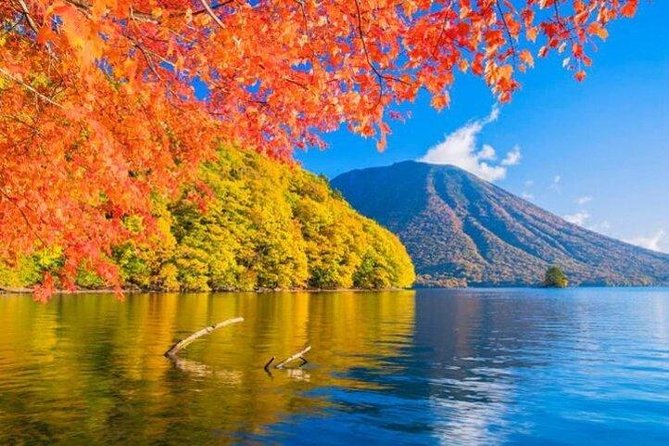
When you customize, these are the picks that give your day personality. They’re also handy if you want fewer temple-heavy blocks.
Kirifuri Waterfall
Kirifuri is a two-tier waterfall about 75 meters high, located below the Kirifuri Highlands a few kilometers from the main shrine area. It’s the kind of stop that feels like you’re stepping out of the “tourist spine” and into something quieter.
Potential drawback: it’s not the biggest headline waterfall on earth. If your expectations are only for the most dramatic falls, you might feel it’s “pretty impressive, not life-changing.”
Nikko Tamozawa Imperial Villa Memorial Park
Tamozawa Imperial Villa blends Edo-era and early Meiji architecture. The listing notes 106 rooms, and the villa was erected in Nikko in 1899, using parts of a residence.
Why it’s interesting: it helps explain how nature and power coexisted in the region. It’s not only temples; it’s how elites experienced Nikko too.
Potential drawback: it can be less visually “wow” than the shrines unless you enjoy architecture and old-room atmosphere.
Nikko Botanical Garden (University of Tokyo)
This garden is owned and maintained by the University of Tokyo, as a branch of Koishikawa Botanical Gardens. If you like seeing plant life in a themed, curated way (without the nonstop crowds), it’s a solid choice.
Potential drawback: it’s a short stop. Don’t expect a long self-directed botanical day.
Kanaya Hotel History House
This is a historical building that served as the predecessor of the famous Kanaya Hotel. If you’re into how tourism and Western influence shaped Nikko, this adds that missing context.
Potential drawback: if you’re focused on temples and waterfalls only, it may feel secondary.
Akechidaira and ropeway reality: plan for closure and changing views
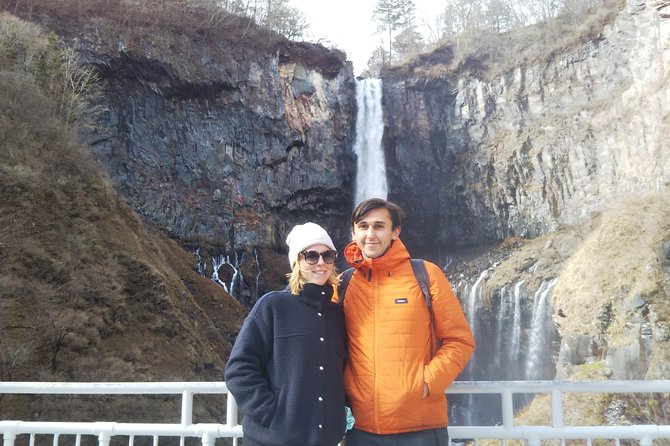
Akechidaira Plateau is an observation area near the top of Irohazaka Slope with sweeping views over the winding road and mountains. The big note you should know: the ropeway is closed for maintenance from January 16, 2026 to August 31, 2027.
If your trip falls inside that window, you may not be able to use the ropeway option to reach the observation deck the way some itineraries do. This is the kind of situation where a private guide’s flexibility matters—because they can shift your time toward viewpoints that still work.
Practical tip: if ropeway access is a must for your trip, confirm it before you book so you don’t end up with a last-minute disappointment.
What you’ll feel during the ride: transfers, comfort, and timing
The tour includes pickup from anywhere in Tokyo’s 23 wards, which is a big deal. You avoid the “how do I get to the station and then where’s the meeting point” scramble that can drain a day before you even reach Nikko.
You also get a private vehicle, which makes it easier to move through changing weather, especially in mountain regions. In snowy or cloudier conditions, having the right setup (and a driver prepared for road demands) can turn a stressful day into a smooth one.
There’s also a practical family note: car seats and booster seats are limited, and rear-facing car seats are not available. If you’re traveling with kids and need specific seating, contact the provider directly so you don’t arrive and get stuck.
Choosing your 3–4 stops: my simple Nikko strategy
Because the tour is built around 3–4 selections, you’ll enjoy it more if you group stops by theme and geography.
Here’s a smart way to choose:
- Temple focus: Nikko Tōshō-gū + Rin’nōji + Taiyū-in, with Shinkyō Bridge as a quick add-on.
- Waterfall and lake focus: Kegon Falls + Lake Chuzenji + Kanmangafuchi Abyss.
- Nature with a story: Irohazaka + Senjogahara + Kirifuri Waterfall (add a short central stop like Shinkyō Bridge if you want one shrine moment).
- Architecture interest: Tamozawa Villa + Botanical Garden + one UNESCO-heavy site.
Also think about energy. Central shrines can involve walking up and down. Waterfall/lake stops are often shorter but can involve uneven footing near viewpoints and gorges.
The guide experience: what stands out from real-day execution
The most praised aspect of this kind of tour is not just seeing places—it’s understanding them. Guides named in customer feedback include Yoshi, Steve, Koba, Ikuko, Karen, and Yumi, and the common thread is how often they tailor and explain.
A few examples of what that tailoring can mean in real life:
- If weather tightens at higher elevations, the day can still deliver meaningful views rather than turning into a rushed washout.
- Guides can also adjust the pacing so you get the points you care about, not only the ones that are easy to package into a schedule.
- In winter conditions, road checks can happen around Irohazaka for winter tires. When the vehicle setup is ready, the day runs better and you lose less time.
One caution from the less-positive feedback: English skill expectations. The tour is set up so the licensed local English speaking guide is your main language channel. A driver may not be fluent, and that can frustrate people who expected perfect English from everyone in the car. If this is a dealbreaker, I’d ask about communication style before you go.
Who should book this Nikko private tour (and who shouldn’t)
You’ll likely love it if:
- You want a guided day where shrine art and nature look like they belong to a bigger story.
- You’re traveling with 2–4 people and want a realistic private day that doesn’t require planning every bus/train segment.
- You care about both UNESCO sights and mountain scenery and want help balancing them.
You might skip it if:
- You’re traveling solo or as a couple and would rather pay less per person than for private logistics.
- You already know Nikko well and only need one or two stops.
- You hate time limits and want to linger for hours at every sight.
Should you book this Nikko Private Tour from Tokyo?
Yes, I’d lean toward booking if you want a well-structured private day that helps you get Nikko right the first time. The guide component is the real engine here: it turns Toshogu, Taiyū-in, and the rest from impressive buildings into a coherent visit. Pair that with a private vehicle and pickup from Tokyo’s 23 wards, and you get a day that feels calmer than most DIY options.
Before you book, do two checks:
- Pick your 3–4 stops intentionally. Many of the best moments sit in different zones, so theme-group your choices.
- If you’re planning for late spring or summer, check the Akechidaira ropeway situation so you’re not counting on something that may be closed.
If you do those two things, this is the kind of Nikko day that feels like it was built around you, not around a generic bus schedule.
FAQ
How many people is this private tour for?
It’s priced per group for up to 4 people, and only your group participates.
How long is the Nikko tour from Tokyo?
The duration is about 10 hours.
Is pickup in Tokyo included?
Yes. Pickup is offered from anywhere in Tokyo’s 23 wards.
Can I customize the itinerary?
Yes. You can customize by choosing 3–4 sites from the provided list.
Are entrance fees included in the price?
No. Entrance fees are not included (and lunch is also not included).
Who provides the English support?
The tour includes a licensed local English-speaking guide. The driver is included as part of the private vehicle, and fluent English from the driver is not required by the tour setup.
Is there a mobile ticket?
Yes, you receive a mobile ticket.
Are child car seats available?
There are only a limited number of car seats and booster seats. Rear-facing car seats are not available, so you must contact the provider if you need them.
Can I cancel for a full refund?
Yes. You can cancel up to 24 hours in advance for a full refund. If you cancel less than 24 hours before the start time, it’s not refunded.
More Tours in Tokyo
- Mt Fuji and Hakone 1-Day Bus Tour Return by Bullet Train
★ 5.0 · 26,383 reviews - 1-Day Tokyo Bus Tour
★ 5.0 · 14,250 reviews - Tokyo: Shinjuku Food Tour (13 Dishes at 4 Local Eateries)
★ 5.0 · 6,603 reviews - Tokyo Mt Fuji 5th St & Hakone Cruise Bus Tour w/Bullet Train
★ 4.4 · 5,024 reviews - Flagship 2-Hours Official Street Go-Kart Tour – Tokyo Bay Shop
★ 5.0 · 4,974 reviews
More Tour Reviews in Tokyo
- Mt Fuji and Hakone 1-Day Bus Tour Return by Bullet Train
★ 5.0 · 26,383 reviews - 1-Day Tokyo Bus Tour
★ 5.0 · 14,250 reviews - Tokyo: teamLab Planets TOKYO Digital Art Museum Entry Ticket
★ 4.6 · 9,779 reviews - Mt Fuji & Hakone Cruise, Drum Show Bullet Train 1 Day from Tokyo
★ 4.0 · 7,413 reviews - Tokyo: Shinjuku Food Tour (13 Dishes at 4 Local Eateries)
★ 5.0 · 6,603 reviews
North to Nikko: More Trips Rated
- Nikko: Kegon Falls, Lake Chuzenji & Toshogu Temple
★ 4.6 · 1,577 reviews - Tokyo: Nikko Toshogu Shrine and Kegon Waterfall Tour
★ 4.5 · 1,266 reviews - From Tokyo: Nikko World Heritage Site Private Full-Day Trip
★ 4.9 · 243 reviews - Nikko: Edo Wonderland Edomura Cultural Theme Park Ticket
★ 4.3 · 205 reviews - Tokyo: Nikko World Heritage Private Day Trip Hotel Pick-up
★ 4.8 · 145 reviews
Latest Tokyo reviews off our desk






Nikko Day Trips, compared.
 ★ 4.6Nikko: Kegon Falls, Lake Chuzenji & Toshogu TempleFrom $891,577 reviews
 ★ 4.5Nikko Toshogu Shrine and Kegon Waterfall TourFrom $841,266 reviews
 ★ 5.0Nikko Full-Day Private Tour with Government-Licensed GuideFrom $155259 reviews
 ★ 4.9From Tokyo: Nikko World Heritage Site Private Full-Day TripFrom $483243 reviews
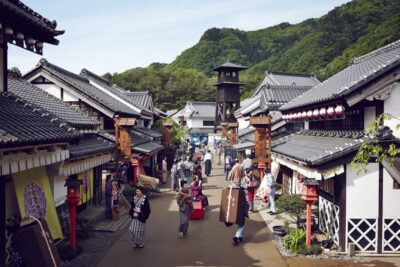 ★ 4.3Nikko: Edo Wonderland Edomura Cultural Theme Park TicketFrom $35205 reviews
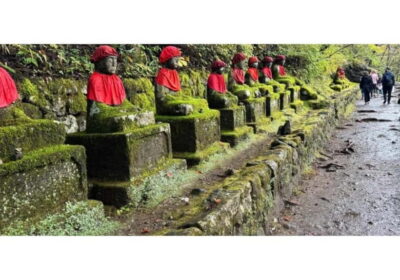 ★ 4.8Nikko World Heritage Private Day Trip Hotel Pick-upFrom $390145 reviews
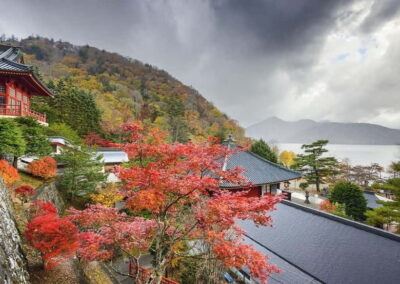 ★ 4.9Nikko – Beautiful Full-Day Personal and Private TourFrom $364119 reviews
Browse the lists this tour appears in