
Reviewed · GUIDED
Tokyo 4hr Private Tour with Government-Licensed Guide
Tokyo can feel like a game with missing rules.
This private half-day tour gives you a local, government-licensed English guide and a route you can shape on the spot. You pick the pace, and you avoid the stress of hopping between areas without a plan.
I especially like two things: the customizable 2–3 stop format (so you don’t waste time at sights you’re not into), and the practical guidance that helps you move through Tokyo’s stations with less friction. A possible drawback is that it’s still a walking + transit day, so if you’re expecting a light stroll with minimal moving, you’ll want to plan your energy carefully.
In This Review
- Key highlights worth planning for
- A licensed guide is the real shortcut in Tokyo
- 4 hours of walking: the pace that keeps the day enjoyable
- Price and value: what you pay $109.43 for
- Pick 2 to 3 stops: building a Tokyo route that actually fits you
- Senso-ji to Shibuya to gardens: your stop-by-stop map
- Asakusa and Senso-ji: old downtown with major spiritual pull
- Imperial Palace (outside view only): grand grounds, no interior visit
- Shinjuku Gyoen National Garden: a break when you want quiet
- Shibuya Crossing and Hachiko: the world-famous scene
- Tsukiji Fish Market: food culture in street form
- Meiji Jingu: shrine calm near a major station
- Akihabara: electronics, anime energy, and shopping streets
- Koishikawa Korakuen and Rikugien: classic Edo gardens
- Hama Rikyu: tides, sea ponds, and a garden-tea vibe
- Tokyo National Museum: big museum time, selective interest
- Yoyogi Park: green space between major districts
- Takeshita Street: Harajuku’s youth fashion lane
- Odaiba: man-made island, shopping and entertainment
- Shibamata and Nezu: old Tokyo that feels less engineered
- Golden Gai: tiny bars, older-nightlife style
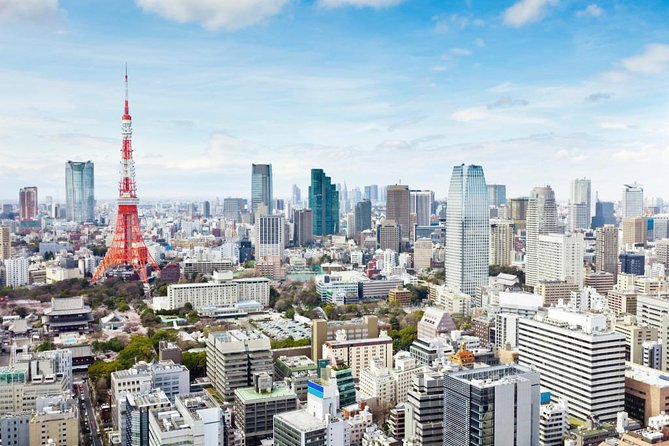
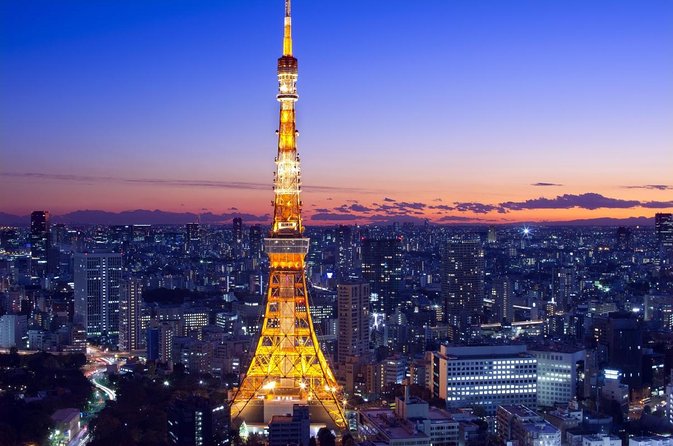
- Tokyo Tower: viewpoint without the full climb
- Gotokuji Temple: the maneki-neko origin story
- What the guide actually does between stops
- Who should book this Tokyo private tour
- Should you book this tour?
- FAQ
- How long is the Tokyo private tour?
- Is this tour walking-only, or does it include transit?
- What do I pay for besides the tour price?
- Does the Imperial Palace stop include entry inside?
- Which major sights can I choose from?
- Are entrance fees included for gardens and museums?
- Is the guide pickup provided?
- Can I cancel for a full refund?
Key highlights worth planning for
- Custom 2–3 sights from a menu of major Tokyo neighborhoods and landmarks
- Government-licensed guide in English who can steer your route in real time
- Walking-focused half day designed for first-time orientation without burning you out
- Imperial Palace is outside-only, and some gardens/museums are not included
- Transit help is a big deal: guides often account for stairs and route complexity
A licensed guide is the real shortcut in Tokyo
Tokyo’s problem is not that it lacks things to see. It’s that getting from one “must” to another can turn into a full-time job. This tour’s main advantage is that you’re not decoding station layouts alone, or trying to figure out what to prioritize when your feet are already tired.
With a private, licensed local guide, you get the kind of help that matters most in Tokyo: where to go, how long things actually take, and how to structure your time so you leave with photos and understanding. Even on a half-day schedule, you can cover several classic areas without feeling like you’re stamp-collecting.
And because it’s private, you’re not stuck with the pace of strangers. If you want a temple moment to slow down, you can. If you want to power through Shibuya energy quickly, you can do that too.
Readers also shortlisted these Tokyo bookings:
- Tokyo 6hr Private Tour with Government-Licensed Guide
★ 5.0 · 3,902 reviews - Tokyo: Shinjuku Local Bar and Izakaya Guided Walking Tour
★ 4.9 · 1,794 reviews - Tokyo: Private City Highlights Tour with Local Guide
★ 4.8 · 1,433 reviews - Tokyo: Tsukiji Fish Market Guided Walking Tour
★ 4.9 · 1,397 reviews
4 hours of walking: the pace that keeps the day enjoyable
This is listed as a walking tour, with meeting on foot in a designated area. There’s no private vehicle, and you should expect moving between neighborhoods. The upside is that you’re not trapped on a bus while the best city moments happen outside the window.
The half-day length is also a sweet spot. Many visitors find that four hours is long enough to get a real first-impression of Tokyo, but short enough to stay sharp. In practice, that means you’ll see fewer stops than an all-day tour, but you should feel mentally fresh when you’re done.
One note to plan around: some of the “not included” sights you might choose—like gardens and museums—can add time once you factor in walking, entrances, and time to enjoy the space.
Price and value: what you pay $109.43 for
At $109.43 per person for about four hours, you’re paying mainly for:
- a private, government-licensed English guide
- route planning and on-the-ground navigation
- the option to choose 2–3 sights that fit your interests
What you should not assume is included:
- transportation fees (you’ll cover transit as needed)
- entrance fees (the tour states entrance fees are not included; some stops are free, some are not)
- lunch
- a private vehicle
For me, the value makes sense if you’re arriving with limited time, and you want more than a checklist. If you’re the type who enjoys understanding what you’re seeing—why it matters, how the neighborhoods connect—this kind of guided setup can turn a stressful day into a smooth one.
Pick 2 to 3 stops: building a Tokyo route that actually fits you
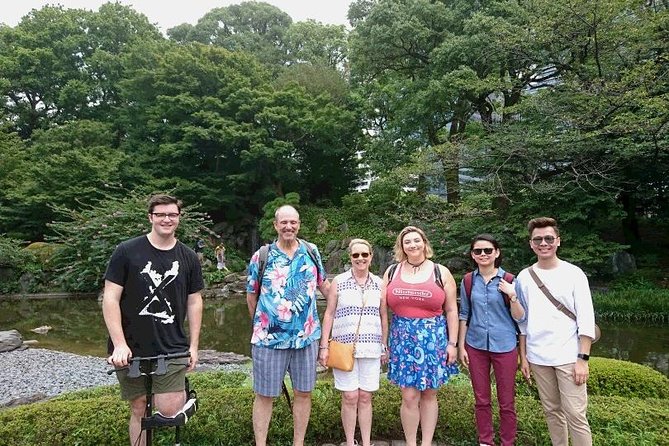
The big design win here is the customizable itinerary. Instead of committing to a rigid “see everything” loop, you can choose a short list and let your guide shape the order and pacing.
A practical strategy: pick stops that match your mood and your travel style.
- If you want iconic Tokyo fast: combine Shibuya Crossing with Asakusa (Senso-ji) or the Imperial Palace area.
- If you want calm after crowds: pair Meiji Jingu with a nearby park like Yoyogi Park, then add one “fun” neighborhood (like Takeshita Street if you like youth fashion energy).
- If you want old Tokyo texture: aim for Nezu or Shibamata, plus one central highlight.
- If you want modern city views: consider Tokyo Tower plus a waterfront stop like Odaiba or a garden experience near the bay.
This is also a strong choice if you’re traveling with mixed ages or different stamina levels. The route can be adjusted to avoid dragging everyone into the same long walks.
Senso-ji to Shibuya to gardens: your stop-by-stop map
Below is how the different stops work in real life, including what to watch for.
Readers also shortlisted these Tokyo bookings:
- Tokyo 6hr Private Tour with Government-Licensed Guide★ 5.0 · 3,902 reviews
- Private Tour to Mt. Fuji and Hakone (Fully Licenced Operator)★ 5.0 · 1,910 reviews
- Tokyo Customized Private Tour (Must See Places in 1 Day)★ 5.0 · 1,499 reviews
- Mount Fuji Full-Day Private Tour from Tokyo (Customizable)★ 4.9 · 1,470 reviews
- Tokyo: Private City Highlights Tour with Local Guide★ 4.8 · 1,433 reviews
Asakusa and Senso-ji: old downtown with major spiritual pull
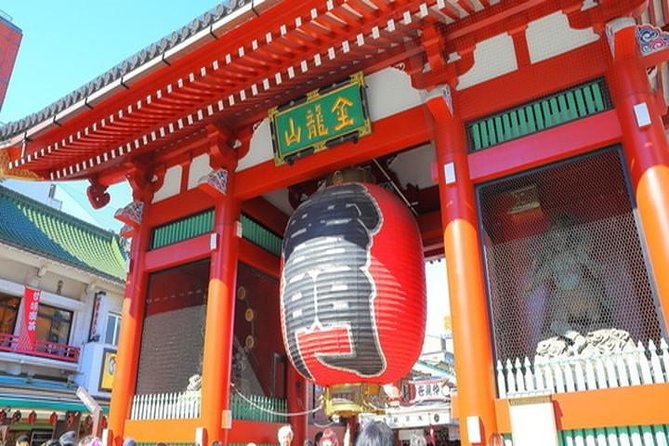
Asakusa is the heart of Tokyo’s shitamachi feel, the “low city” vibe where older Tokyo character still shows up. Senso-ji Temple is the headliner: it’s famous, colorful, and great for photos.
This is one of the easiest places to understand Tokyo quickly. You get streets, tradition, and crowds—without needing a master plan to enjoy it.
Imperial Palace (outside view only): grand grounds, no interior visit
The tour includes the Imperial Palace area, but it does not include access to the inside. You’ll still get the wide, historic setting—moats, stone walls, and a big park feel—but plan your expectations accordingly.
If your goal is ceremonial architecture and the sense of Edo Castle’s legacy, it’s still worth it. If you were hoping for interior access, you’ll want another plan for that.
Shinjuku Gyoen National Garden: a break when you want quiet
Shinjuku Gyoen is one of Tokyo’s largest parks and a good pick when you want a calmer pace. It’s known for open lawns and walking paths.
Budget time here. Gardens reward slow walking, and the tour notes that admission is not included, so you’ll want to be ready to pay for entry if you choose it.
Shibuya Crossing and Hachiko: the world-famous scene
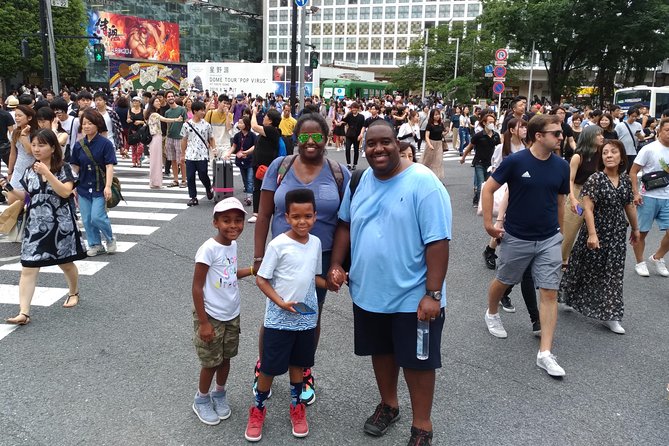
Shibuya Crossing is the classic Tokyo moment—locals call it Shibuya scramble. You’ll also get the Hachiko story as part of the experience.
Pick this stop if you want kinetic city energy. It can be crowded and noisy, but it’s also one of the fastest ways to feel what Tokyo is like on a normal day.
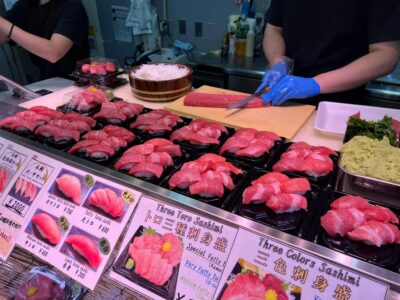
Tsukiji Fish Market: food culture in street form
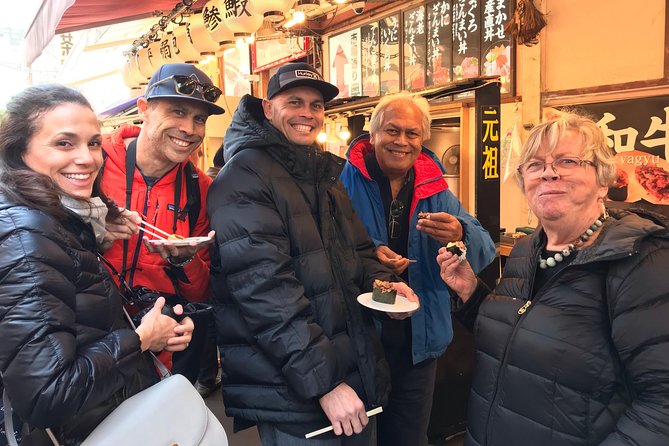
Tsukiji is the old fish market area, famous for the food scene. You’ll have chances to buy and taste items from food stalls.
This is a smart stop if you want something sensory and immediate, not just sights. If your group is hungry, this works well as one of your 2–3 priority choices.
Meiji Jingu: shrine calm near a major station
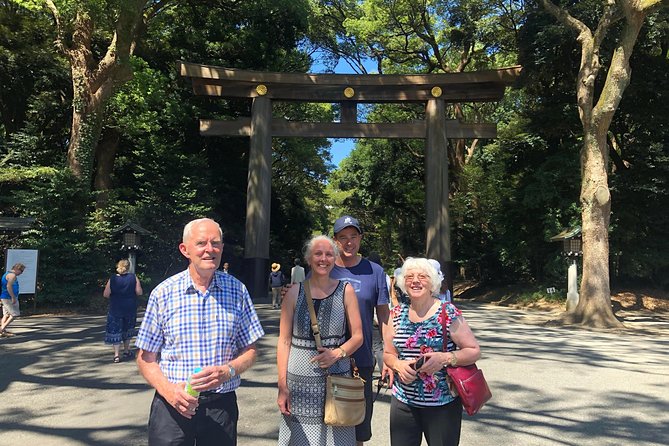
Meiji Jingu is dedicated to Emperor Meiji and Empress Shōken. The tour description highlights its location near the busy Harajuku station on the JR Yamanote Line, which makes it easy to pair with Harajuku without losing time.
Expect the shift from train-station chaos to wooded quiet. It’s free to enter, and that makes it a strong “high impact, low cost” stop.
Akihabara: electronics, anime energy, and shopping streets
Akihabara is central Tokyo’s electronics district. It’s also where pop culture and gadgets overlap, which makes it a natural fit if you want modern Tokyo shopping and street-life.
This stop can be as quick or as long as you want. If you like browsing, it can easily take more time than you think.
Koishikawa Korakuen and Rikugien: classic Edo gardens
Koishikawa Korakuen is one of Tokyo’s oldest gardens, created in the Edo period. Rikugien is often considered one of the most beautiful Japanese landscape gardens alongside Koishikawa Korakuen.
Both are described as not included for tickets in the tour info. That means you’ll likely pay entry yourself, but you’re choosing a real garden experience, not just a walkway view.
Hama Rikyu: tides, sea ponds, and a garden-tea vibe
Hama Rikyu Gardens sits alongside Tokyo Bay and features seawater ponds that change level with the tides, plus a teahouse. If you like Japanese garden design and scenic breaks from traffic, this is a strong pick.
Ticket entry is not included, so treat it as a paid highlight if it’s on your list.
Tokyo National Museum: big museum time, selective interest
Tokyo National Museum is described as the oldest and largest of Japan’s top-level national museums. That scale is impressive, but museum time can expand quickly.
If you’re museum-curious and your guide helps you aim for the right galleries, it can be great. If you’re not into museums, you may prefer swapping it for a park or neighborhood walk.
Yoyogi Park: green space between major districts
Yoyogi Park is a large city park with lawns, ponds, and forested areas. It’s free and easy to fit into a route because it sits next to the Harajuku/Shibuya orbit.
It’s a smart “breather” between busier areas. It’s also ideal if you want a bit of nature without committing to a ticketed garden.
Takeshita Street: Harajuku’s youth fashion lane
Takeshita Street is the Harajuku shopping area tied to teen fashion and street culture. If that’s your kind of Tokyo, it’s fun and quick to experience.
It’s also crowd-heavy. If you don’t enjoy dense pedestrian zones, keep it to a short stop.
Odaiba: man-made island, shopping and entertainment
Odaiba is a popular district on a man-made island in Tokyo Bay. The tour info notes it began as small fort islands, which gives it an interesting layer of origin beyond retail and entertainment.
If you want modern Tokyo scenery and a break from older neighborhoods, Odaiba fits.
Shibamata and Nezu: old Tokyo that feels less engineered
Shibamata keeps old-school charm and sits by the Edogawa River.
Nezu and the wider shitamachi area are described as having avoided major damage during world wars and natural disasters, so you get a sense of older character.
Choose these if you want Tokyo that feels more lived-in and less “icon postcard.” These stops can be surprisingly grounding.
Golden Gai: tiny bars, older-nightlife style
Golden Gai is known for small eating and drinking spots clustered in a narrow area. The tour description links its rise to a black market shift near Shinjuku Station and the formation of many small establishments.
This is best if you like neighborhood nightlife energy. It’s not really a “walk for an hour seeing monuments” place. Think of it more as a slow wander with drinks or atmosphere.
Tokyo Tower: viewpoint without the full climb
Tokyo Tower gives you an iconic skyline moment. Important detail: it includes access only up to the main deck; the top deck is not included.
If you want the view and the classic photos, but you don’t need the highest viewpoint, this is a good compromise.
Gotokuji Temple: the maneki-neko origin story
Gotokuji Temple is said to be the birthplace of the maneki-neko luck-inviting cat figurine. It’s a fun stop if you like Japanese folklore details.
It’s described as free, and it tends to work well as a shorter “story stop” within the 2–3 you choose.
What the guide actually does between stops
The sightseeing is only half the job. The other half is how you get from point A to point B in Tokyo.
This tour is set up so your guide helps with:
- Finding your way on public transportation (Tokyo subway complexity is real)
- Managing the route so you’re not stuck in dead ends
- Handling stairs and walking difficulty, when needed (you’ll want this if your group is older or moving slower)
- Keeping your timing realistic inside a four-hour window
In practice, guides in this program are praised for doing things that sound small until you’re standing in the station: showing the right exit logic, pointing out easier routes, and helping you handle cards and payment basics for transit.
That kind of hands-on support is why a private guide can beat DIY even when the destinations are the same.
Who should book this Tokyo private tour
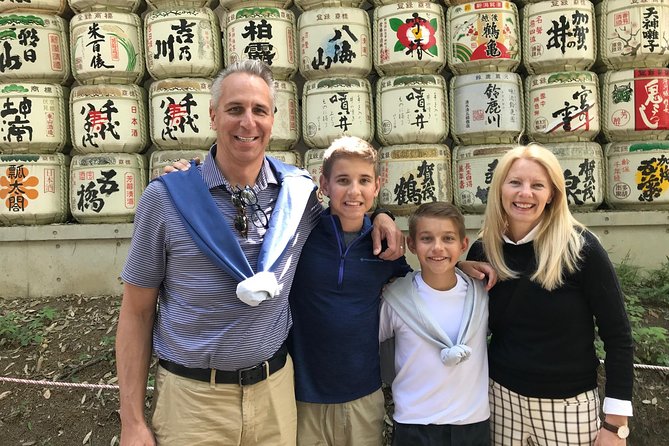
This works best for you if:
- You have half a day and want a high-quality Tokyo intro
- You prefer 2–3 priority stops instead of racing through ten places
- You want help navigating Tokyo’s transit without turning your trip into homework
- Your group includes different walking speeds or you want route flexibility
It may not be the best fit if you hate crowds, dislike walking, or want a strict “sit and relax” experience.
Should you book this tour?
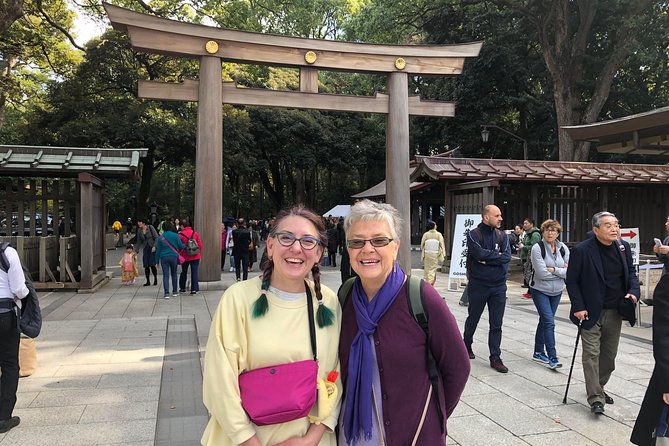
Yes, if your goal is a smart first taste of Tokyo and you want to spend your time seeing, not figuring out. The combination of a private, licensed guide plus a flexible 2–3 stop plan is ideal for first-time visitors and time-tight schedules.
I’d especially book it if you’re choosing between areas like Asakusa, Shibuya, Meiji Jingu, gardens, and modern shopping zones. Having someone steer you makes the day feel shorter and your choices feel better.
If you’re coming in with a relaxed plan and your schedule is wide open, you could DIY. But if your time is limited, this format is built for results.
FAQ
How long is the Tokyo private tour?
The tour runs for about 4 hours.
Is this tour walking-only, or does it include transit?
It’s a walking tour, and it includes navigating around Tokyo. The tour also notes that pickup is on foot, and transportation fees are not included.
What do I pay for besides the tour price?
The tour price does not include transportation fees, entrance fees, lunch, and other personal expenses.
Does the Imperial Palace stop include entry inside?
No. The tour specifically notes no access to the inside of the Imperial Palace.
Which major sights can I choose from?
The experience lists many possible stops across Tokyo, including Senso-ji, Shibuya Crossing, Tsukiji Fish Market, Meiji Jingu, Akihabara, Tokyo Tower, and multiple gardens like Shinjuku Gyoen, Koishikawa Korakuen, and Rikugien.
Are entrance fees included for gardens and museums?
Not generally. The tour states entrance fees are not included, and some stops list admission as not included (for example, major gardens and certain museums).
Is the guide pickup provided?
Pickup is offered, but the tour is described as a walking tour with meeting on foot within a designated area.
Can I cancel for a full refund?
Yes. You can cancel up to 24 hours in advance for a full refund.
If you tell me which 2–3 stops you’re leaning toward (and your walking comfort level), I can suggest a few good route combos for a smooth half day.
More Guided in Tokyo
- Tokyo 6hr Private Tour with Government-Licensed Guide
★ 5.0 · 3,902 reviews - Tokyo: Shinjuku Local Bar and Izakaya Guided Walking Tour
★ 4.9 · 1,794 reviews - Tokyo: Private City Highlights Tour with Local Guide
★ 4.8 · 1,433 reviews - Tokyo: Tsukiji Fish Market Guided Walking Tour
★ 4.9 · 1,397 reviews - Tokyo Guided Small-Group Biking Tour
★ 5.0 · 1,250 reviews
More Tours in Tokyo
- Mt Fuji and Hakone 1-Day Bus Tour Return by Bullet Train
★ 5.0 · 26,383 reviews - 1-Day Tokyo Bus Tour
★ 5.0 · 14,250 reviews - Tokyo: Shinjuku Food Tour (13 Dishes at 4 Local Eateries)
★ 5.0 · 6,603 reviews - Tokyo Mt Fuji 5th St & Hakone Cruise Bus Tour w/Bullet Train
★ 4.4 · 5,024 reviews - Flagship 2-Hours Official Street Go-Kart Tour – Tokyo Bay Shop
★ 5.0 · 4,974 reviews
More Tour Reviews in Tokyo
- Mt Fuji and Hakone 1-Day Bus Tour Return by Bullet Train
★ 5.0 · 26,383 reviews - 1-Day Tokyo Bus Tour
★ 5.0 · 14,250 reviews - Tokyo: teamLab Planets TOKYO Digital Art Museum Entry Ticket
★ 4.6 · 9,779 reviews - Mt Fuji & Hakone Cruise, Drum Show Bullet Train 1 Day from Tokyo
★ 4.0 · 7,413 reviews - Tokyo: Shinjuku Food Tour (13 Dishes at 4 Local Eateries)
★ 5.0 · 6,603 reviews
Latest Tokyo reviews off our desk






Guided, compared.
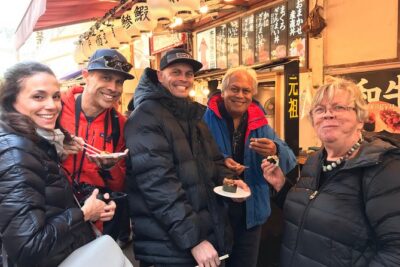 ★ 5.0Tokyo 6hr Private Tour with Government-Licensed GuideFrom $1553,902 reviews
 ★ 4.9Shinjuku Local Bar and Izakaya Guided Walking TourFrom $341,794 reviews
 ★ 4.8Private City Highlights Tour with Local GuideFrom $1061,433 reviews
 ★ 4.9Tsukiji Fish Market Guided Walking TourFrom $221,397 reviews
 ★ 5.0Tokyo Guided Small-Group Biking TourFrom $1061,250 reviews
 ★ 4.6Samurai Ninja Museum Guided tour and ExperienceFrom $271,010 reviews
 ★ 5.0Tsukiji Fish Market Guided Tour and Sushi Making with Pro ChefFrom $104775 reviews
 ★ 5.0Tokyo Top Highlights 3h Guided E-bike TourFrom $63714 reviews