
Reviewed · PRIVATE DRIVERS
Private Memorable Tokyo Tour with English Speaking Driver
Tokyo in one day, minus the stress. This private 10-hour plan is built to hit the big Tokyo moments with a driver who speaks English, while you skip the stop-and-switch grind of public transit. The route mixes historic sights, classic photo spots, and real shopping neighborhoods, so your day feels like Tokyo with purpose, not a random checklist.
I especially like the private comfort of a car for moving between far-flung areas, and the way the schedule threads together iconic landmarks without wasting hours in logistics. I also like how the pacing leaves room for “wait, let’s stay here” moments, with flexibility if traffic or crowds slow you down.
One consideration: this is not automatically a guided tour with deep narration. It’s mainly chauffeur service, and some drivers share lots of context (others, less), so if you want strong historical explanations, confirm what you’ll get when you book—or add a guide option if available.
In This Review
- Key highlights worth knowing upfront
- Why this private Tokyo day works so well
- Value and price: is $600 per group actually a good deal?
- Your day at a glance: what the 10 hours are really for
- Stop 1: Tsukiji Fish Market (what to expect and how to use the time)
- Stop 2: Senso-ji Temple in Asakusa (classic Tokyo, done right)
- Stop 3: Tokyo Skytree observation decks (amazing views, extra ticket cost)
- Stop 4: Imperial Palace East Garden (easy walking, palace entry needs more planning)
- Stop 5: Akihabara (electronics + anime energy in a tight window)
- Stop 6: Statue of Liberty replica at Odaiba (only if the schedule breathes)
- Stop 7: Meiji Jingu (a forest break inside the city)
- Stop 8: Shibuya Crossing (the world’s busiest intersection, your chance to see it up close)
- Stop 9: Takeshita Street in Harajuku (shopping and sweets in one stop)
- Stop 10: Tokyo Tower (the Eiffel-inspired classic with quick payoff)
- Bonus stop: teamLab Planets TOKYO (high demand, only if you’re on time)
- How the flexibility works when Tokyo gets crowded
- The English-speaking part: what it means in real life
- What kind of group should book this?
- Should you book it?
- FAQ
- How long is the private Tokyo tour?
- Where do we meet, and where does the tour end?
- How many people can fit in a group?
- Are tickets included for every stop?
- Can we visit the Imperial Palace?
- Is Tokyo Skytree included in the schedule?
- Can we add Statue of Liberty replica or teamLab Planets?
- What if it rains or crowds slow things down?
Key highlights worth knowing upfront
- Top sights in one ride: Tsukiji, Senso-ji, Imperial Palace area, Shibuya Crossing, Harajuku, and Tokyo Tower in a single day
- English-speaking driver option: You’re not relying on translation apps just to get around
- Flexible timing for extras: Statue of Liberty (replica) and teamLab Planets work only if you have time
- Tower ticket not included: Tokyo Skytree’s observation deck cost isn’t part of the package
- Imperial Palace plan is realistic: East Garden is included without booking, but entering the palace needs a reservation
- You can skip/adjust stops: If a place is slammed, the day can shift to keep you moving
Why this private Tokyo day works so well
Tokyo is huge. Trying to do the “greatest hits” with public transport can be exhausting, and it can also eat your time when stations are crowded or you’re just tired of walking. This experience is designed for the opposite problem: you get one private car and a single plan, so you can spend your energy on the sights instead of route planning.
The itinerary also makes sense geographically. It strings together areas that are far apart (Asakusa, Skytree/nearby, then over toward Imperial Palace, Akihabara, and down into Shibuya/Harajuku). Without a driver, that’s a lot of transfers and time.
And because it’s private, you’re not at the mercy of a group timetable. You can stay a bit longer for photos, shopping, or just soaking in street life—and if traffic or queues threaten your schedule, the route can adjust.
Readers also shortlisted these Tokyo bookings:
- Tokyo 6hr Private Tour with Government-Licensed Guide
★ 5.0 · 3,902 reviews - Private Tour to Mt. Fuji and Hakone (Fully Licenced Operator)
★ 5.0 · 1,910 reviews - Tokyo Customized Private Tour (Must See Places in 1 Day)
★ 5.0 · 1,499 reviews - Mount Fuji Full-Day Private Tour from Tokyo (Customizable)
★ 4.9 · 1,470 reviews
Value and price: is $600 per group actually a good deal?
The price is $600 per group (up to 5 people) for about 10 hours, including commuting time. That makes the math simple: this is effectively a cost-sharing day.
Here’s how I think about value for this kind of Tokyo route:
- If you’d otherwise take multiple taxis for Tsukiji → Asakusa → Skytree → Imperial Palace area → Akihabara → Shibuya → Harajuku → Tokyo Tower, you’ll likely spend serious money on rides alone.
- You’re also buying something less measurable: less decision fatigue. You don’t have to decide which train, where to transfer, or whether you missed the right exit.
- The big variable is explanation. One review specifically flagged disappointment when the service felt like a chauffeur with little place knowledge. On the flip side, other reviews highlight drivers like Wahab and Mazar providing strong English and helpful context, and Ryan tailoring the day to interests. That difference can make the same route feel either rich or thin.
So, my practical take: this can be excellent value for up to five people—especially if your driver actively helps you understand what you’re seeing. When you book, make sure you’re clear on whether you’re expecting a “talking guide” vs. a “car service with basic help.”
Your day at a glance: what the 10 hours are really for
This is a classic Tokyo “temples + modern icons + shopping streets” mix. You’ll start in Shinjuku City at 9:00 am and end back at the meeting point. Many stops are marked as free-entry in the plan, but two big exceptions matter: Tokyo Skytree observation decks cost extra, and teamLab Planets TOKYO is not included.
The schedule also has built-in reality checks. It’s not pretend-perfect; it explicitly allows skipping or changing stops due to traffic or crowding.
That matters, because the difference between a great day and a stressful day often comes down to queue time and how often you’re stuck trying to “force” a timetable.
Stop 1: Tsukiji Fish Market (what to expect and how to use the time)
Tsukiji is famous for fish. Even if you don’t eat seafood on your trip, the place has energy: the sights, the hustle, and the old-market vibe that still feels more grounded than some newer tourist hubs.
Your time here is about 45 minutes, with admission ticket free in the plan. That duration is short by market standards, so you’ll want to use it with intent:
- Walk for sensory variety first, not just toward the biggest signs.
- If you see a stall that interests you, plan to buy something quick and move on—don’t turn this into a half-day food crawl.
It can be one of the best “Tokyo feels real” stops, and many people rate Tsukiji as a highlight because it’s more than a photo-op.
Watch-outs: Fish markets have hours and crowd patterns. Since your day is fixed around getting to other areas, this stop is more about the experience than a deep shopping mission.
Stop 2: Senso-ji Temple in Asakusa (classic Tokyo, done right)
Senso-ji (also known as Asakusa Kannon) is Tokyo’s oldest religious building and a top “first temple” stop. The plan gives you about 1 hour, with free entry.
This is a place where you can do two useful things in one hour:
- Look up and around at the main temple area and surrounding buildings.
- Then walk the approach streets at a slower pace to catch the small shops and street atmosphere.
Since you’re in a private setup, you don’t need to rush to keep pace with a tour group. You can take your time and still comfortably make the next move.
A small practical note: temples are great in the morning, but they still get busy. If queues or crowd flow slow you down, use that flexibility option—don’t let one stop steal your entire day.
Readers also shortlisted these Tokyo bookings:
- Mt Fuji Private Tour with English Speaking Driver★ 5.0 · 861 reviews
- Mt. Fuji & Hakone Private Day Tour with English-Speaking Driver★ 4.5 · 824 reviews
- Haneda Airport (HND) Private Transfer to Central Tokyo★ 4.5 · 636 reviews
- Mt. Fuji, Hakone Full-Day Private Tour with English Driver Guide★ 4.5 · 458 reviews
- Mt. Fuji Day Trip from Tokyo with English Speaking Driver Guide★ 5.0 · 443 reviews
Stop 3: Tokyo Skytree observation decks (amazing views, extra ticket cost)
Skytree is the big one for skyline views. The observation decks are on the 45th floor, and the height is 202 meters above ground in the plan’s description.
You have about 1 hour, but here’s the key point: admission is not included. So budget separately if you plan to go up.
Why this stop still makes sense even with the extra cost: Tokyo can look flat from street level. From above, you can connect neighborhoods and rivers and bridges and see how the city pieces fit. It’s also the kind of view that works well for photos without needing a perfect photo spot on the ground.
Tip: If the day runs long, this is one of the easiest places to shorten. The value of Skytree is the view; you don’t need to overstay if you’re behind schedule.
Stop 4: Imperial Palace East Garden (easy walking, palace entry needs more planning)
This stop focuses on the East Garden, described as accessible without booking. But if you want to enter the palace itself, the plan states that prior reservation is mandatory.
You’ll have about 45 minutes and free access to the garden.
I like this stop because it balances the day. After crowded streets and temple visuals, you get green space and wide open sightlines. It also gives you a different kind of Tokyo—more formal and calm.
One review note suggested skipping the Imperial Palace gardens if you don’t know what you’re looking at. That’s fair. If you’re the type who needs context to enjoy the layout, plan for your driver (or added guide) to explain what you’re seeing. If not, you can still treat it as a breather park stop and use the time to reset.
Stop 5: Akihabara (electronics + anime energy in a tight window)
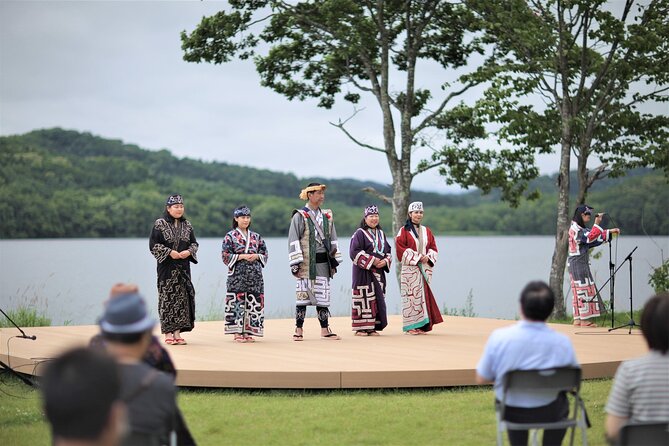
Akihabara is Tokyo’s electronics and geek-culture neighborhood. The plan gives you about 30 minutes, free-entry.
In just half an hour, your goal should be simple: pick one lane. Either you focus on electronics browsing or you focus on anime/manga-themed shopping streets. Trying to do everything can turn into frantic walking.
This stop works best if you have a clear reason for visiting—maybe a specific store style, a souvenir mission, or just the fun of wandering.
Practical idea: If you want a relaxed shopping feel, leave this for a time when you’re not rushing to catch a tower or a landmark. The plan gives you that after the Imperial area, so you may arrive with enough energy.
Stop 6: Statue of Liberty replica at Odaiba (only if the schedule breathes)
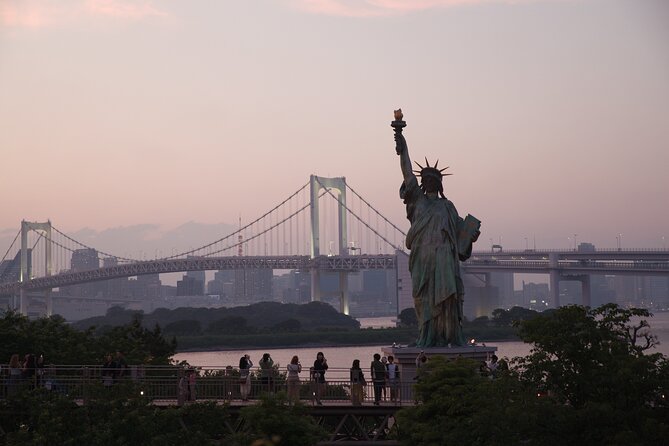
The itinerary includes the 11-meter Lady Liberty replica with Rainbow Bridge in the background. But it’s labeled as optional: you can visit if you have time, with free entry.
This is a classic photo-op stop. It’s not a “must” for everyone, and the plan even treats it like a bonus. I’d use it like this: if you’re on schedule and your group wants one more landmark shot, do it. If you’re behind, skip it without guilt.
Stop 7: Meiji Jingu (a forest break inside the city)
Meiji Jingu is a Shinto shrine set in a green setting—something that feels surprisingly calm for being in the Tokyo core. Your time is about 30 minutes, free-entry.
This is one of the best stops for balancing out the day’s heavy street energy. Even if you’re not deeply into shrine rituals, the setting does the work: you walk into a more shaded, forest-like space and it changes your pace.
How to make the most of 30 minutes: walk slowly through the main shrine approach area, then stop for photos and people-watching. Don’t rush. This is a “reset your senses” place.
Stop 8: Shibuya Crossing (the world’s busiest intersection, your chance to see it up close)
Shibuya Crossing is famous for a reason: it’s the “Tokyo looks like Tokyo” intersection. The plan describes up to around 3,000 people crossing at once, with about 20 minutes and free entry.
You don’t need much time here—what you need is the right moment. Since your day is structured, you can plan to stand, watch the scramble light changes, and take photos.
Pro tip for avoiding frustration: treat it like a photo stop plus a short walk around Shibuya Station. Don’t use all 20 minutes slowly crossing and re-crossing like it’s a theme park.
Stop 9: Takeshita Street in Harajuku (shopping and sweets in one stop)
Takeshita Street is youth fashion energy, with candy and street-style shopping. The plan gives about 1 hour, free entry.
This is the part of the day where the private format pays off again. You can decide how far you want to go—window shop, buy a snack, and wander without worrying about where the group is.
If sweets are your thing, aim for that fluffy, sugary crepe moment people love here. And if fashion shopping isn’t your focus, you can still get value by treating it like a “Tokyo street culture” snapshot.
Stop 10: Tokyo Tower (the Eiffel-inspired classic with quick payoff)
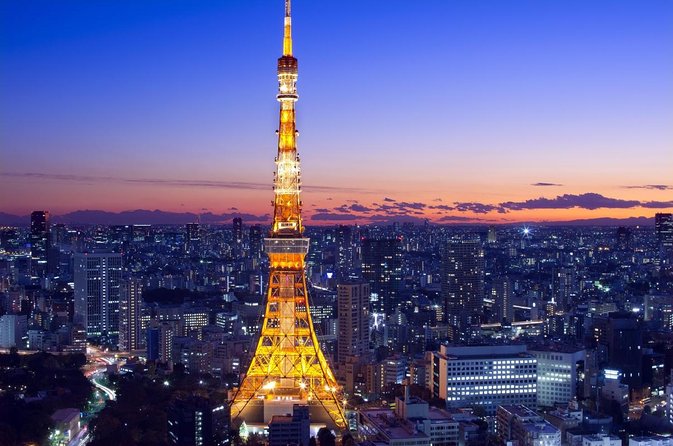
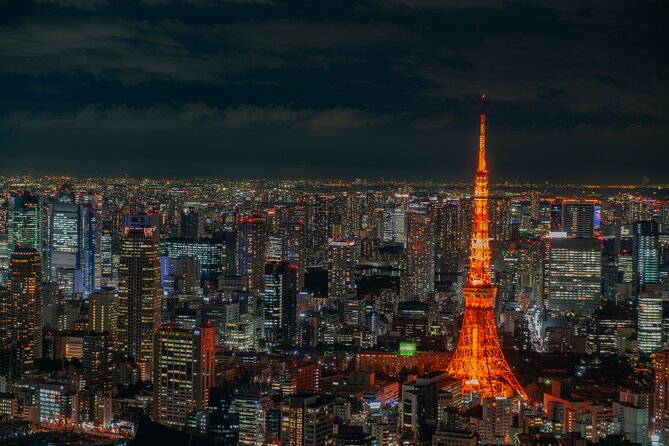
Tokyo Tower is a communications and observation tower, completed in 1958, and designed in the spirit of the Eiffel Tower. Your time here is short: about 10 minutes, free entry.
This stop is mostly about classic skyline vibes and photos. In other words: it’s a “hit it, enjoy it, move on” kind of stop, which is smart late in the day when everyone’s energy is dropping.
If you want bigger views from a tower, your main tower payoff is Skytree. Tokyo Tower here is more of a final-day landmark moment.
Bonus stop: teamLab Planets TOKYO (high demand, only if you’re on time)
teamLab Planets TOKYO is included as a possible extra if you have time, for about 30 minutes. Admission is not included.
This kind of experience often involves timed entry, and the plan keeps it flexible by stating it’s only doable with a schedule opening. If your group really wants it, you’ll want to protect time for it early by keeping earlier stops tight.
I think of teamLab as the “modern Tokyo arts” counterpart to the older temples. If it fits, it gives your day contrast.
How the flexibility works when Tokyo gets crowded
The plan explicitly allows schedule changes or skipping stops due to traffic congestion or overcrowding. That’s not just a courtesy line. In Tokyo, it can be the difference between staying calm and turning your day into a sprint.
Here are the practical ways to use that flexibility:
- If a stop is crowded, shorten your time there and let the driver shift you onward.
- If you’re running ahead, ask whether you can safely add Statue of Liberty replica or teamLab Planets.
- If your group wants shopping more than sightseeing, swap where needed. One review praised flexibility when kids wanted more shopping than monuments.
The private car gives you the ability to adjust without losing your whole day to train transfers.
The English-speaking part: what it means in real life
The title says English-speaking driver, and reviews back that up with multiple named examples. People praised drivers and guides such as Wahab, David, Mazar, Ryan, Abdul Waheed, and Irfan for being polite and for explaining Tokyo in clear English.
But there’s also a caution: one review felt misled because the service was more chauffeur-style than interpretive guiding. So here’s how you can protect yourself:
- Decide what you want: driving convenience only, or also explanations during each stop.
- If you want narration, ask about arranging a guide (the plan says a guided tour can be arranged on request at an additional cost).
- Treat “English-speaking” as your baseline for communication, and “guide-level” storytelling as the bonus you should verify.
In a city like Tokyo, even small context—what a shrine represents, why a market is important, how to read a neighborhood—can turn a quick stop into a memorable one.
What kind of group should book this?
This is a great fit if:
- You have limited time and want a smart hit list across multiple neighborhoods.
- You prefer comfort and direct routing over trains.
- You’re traveling with up to five people and want to share the cost of a private car.
It’s a solid option for first-timers who want a balanced day of Asakusa + Skytree + Shibuya/Harajuku + Tokyo Tower. It’s also good for families who need flexibility and don’t want to manage transport stress.
If you’re the type who expects a full-on tour guide for every minute, don’t assume that will happen automatically. Consider requesting a guide option.
Should you book it?
Yes, if you want a structured, high-efficiency Tokyo day with the comfort of a private car—and you’ll be happy getting information as your driver shares it. For most groups of up to five, the $600 price can feel fair because you’re paying for time saved, ride convenience, and a day plan that hits major areas without constant planning.
Before you book, do one smart check:
- Confirm whether your driver will actively explain each stop, or whether you should add a guide for deeper storytelling.
If your priority is simply seeing the landmarks with a smooth ride, this works nicely. If your priority is deep history and constant commentary, plan on upgrading to a true guide. Either way, the route itself is built for a satisfying one-day overview of Tokyo.
FAQ
How long is the private Tokyo tour?
It runs for about 10 hours, including commuting time, starting at 9:00 am.
Where do we meet, and where does the tour end?
The meeting point is in Shinjuku City, Tokyo, and the activity ends back at the meeting point.
How many people can fit in a group?
The price is for up to 5 people. A group larger than 5 can be facilitated for an additional cost.
Are tickets included for every stop?
Many stops are listed as admission ticket free, but Tokyo Skytree observation deck tickets are not included. teamLab Planets TOKYO admission is also not included.
Can we visit the Imperial Palace?
You can explore the East Garden of the Imperial Palace without booking, but palace entry requires a prior reservation if you want to go inside.
Is Tokyo Skytree included in the schedule?
Yes, Skytree is on the itinerary as a stop with about 1 hour allotted, but the observation deck admission is not included.
Can we add Statue of Liberty replica or teamLab Planets?
Both are listed as optional if you have time. teamLab Planets is not included in the ticket price.
What if it rains or crowds slow things down?
The experience requires good weather. If it’s canceled due to poor weather, you’ll be offered a different date or a full refund. The route can also be changed or stops skipped if traffic congestion or overcrowding affects timing.
More Private in Tokyo
- Tokyo 6hr Private Tour with Government-Licensed Guide
★ 5.0 · 3,902 reviews - Private Tour to Mt. Fuji and Hakone (Fully Licenced Operator)
★ 5.0 · 1,910 reviews - Tokyo Customized Private Tour (Must See Places in 1 Day)
★ 5.0 · 1,499 reviews - Mount Fuji Full-Day Private Tour from Tokyo (Customizable)
★ 4.9 · 1,470 reviews - Tokyo: Private City Highlights Tour with Local Guide
★ 4.8 · 1,433 reviews
More Tours in Tokyo
- Mt Fuji and Hakone 1-Day Bus Tour Return by Bullet Train
★ 5.0 · 26,383 reviews - 1-Day Tokyo Bus Tour
★ 5.0 · 14,250 reviews - Tokyo: Shinjuku Food Tour (13 Dishes at 4 Local Eateries)
★ 5.0 · 6,603 reviews - Tokyo Mt Fuji 5th St & Hakone Cruise Bus Tour w/Bullet Train
★ 4.4 · 5,024 reviews - Flagship 2-Hours Official Street Go-Kart Tour – Tokyo Bay Shop
★ 5.0 · 4,974 reviews
More Tour Reviews in Tokyo
- Mt Fuji and Hakone 1-Day Bus Tour Return by Bullet Train
★ 5.0 · 26,383 reviews - 1-Day Tokyo Bus Tour
★ 5.0 · 14,250 reviews - Tokyo: teamLab Planets TOKYO Digital Art Museum Entry Ticket
★ 4.6 · 9,779 reviews - Mt Fuji & Hakone Cruise, Drum Show Bullet Train 1 Day from Tokyo
★ 4.0 · 7,413 reviews - Tokyo: Shinjuku Food Tour (13 Dishes at 4 Local Eateries)
★ 5.0 · 6,603 reviews
Latest Tokyo reviews off our desk






Private Drivers, compared.
 ★ 5.0Mt Fuji Private Tour with English Speaking DriverFrom $415861 reviews
 ★ 4.5Mt. Fuji & Hakone Private Day Tour with English-Speaking DriverFrom $453824 reviews
 ★ 4.5Haneda Airport (HND) Private Transfer to Central TokyoFrom $104636 reviews
 ★ 4.5Mt. Fuji, Hakone Full-Day Private Tour with English Driver GuideFrom $495458 reviews
 ★ 5.0Mt. Fuji Day Trip from Tokyo with English Speaking Driver GuideFrom $497443 reviews
★ 4.5Mt. Fuji Private Tour with English Speaking DriverFrom $464402 reviews
★ 5.0Mt. Fuji Day Trip from Tokyo with English Speaking Driver GuideFrom $497443 reviews
★ 4.5Mt. Fuji Private Tour with English Speaking DriverFrom $464402 reviews
 ★ 4.9Mt. Fuji & Hakone Private Custom Tour English DriverFrom $322351 reviews
 ★ 4.9From Tokyo : Mount Fuji Private Day Tour with English DriverFrom $409311 reviews
Browse the lists this tour appears in