
Reviewed · MOUNT FUJI TOURS
Private Tour to Mt. Fuji and Hakone (Fully Licenced Operator)
Mt. Fuji looks fake in the best way. This private day trip strings together major viewpoints around Mt. Fuji and Hakone lakes/volcano scenery with the freedom to slow down, swap priorities, and chase what the day gives you. The operator runs fully licensed vehicles and uses an English-speaking driver-guide, so you’re not stuck guessing your way through a long day.
Two things I really like: the itinerary is built to be customized (you choose what matters most), and you’re not forced into a rigid “see it, snap it, move on” rhythm. I also like the “driver-guide” model—people like Maz, Areeb, Petteri, and Israr get mentioned for patient pacing and clear explanations, which matters when you’re moving between shrines, viewpoints, and scenic lakes.
One drawback to plan for: Mt. Fuji 5th Station is not guaranteed. Weather and maintenance can shut it down, and you’ll also want to budget for on-the-spot tickets (ropeways, cruises, and some paid stops).
In This Review
- Key things to know before you go
- Private Mt. Fuji and Hakone beats the group shuffle
- Price and logistics: where the $497.43 per group really goes
- Hotel pickup, a custom schedule, and how the day stays sane
- Mount Fuji first stops: viewpoints, 5th Station, and the weather reality
- Lake Kawaguchiko: Fuji reflections and easy scenic time
- Hakone by water: Lake Ashi and the pirate-ship style cruise
- Oshino Hakkai: eight ponds, kitschy charm, and the hot-spring vibe
- Shrines and Arakurayama steps: Fuji Sengen Jinja and the pagoda walk
- Owakudani Valley and Chureito Pagoda: the paid stops that often deliver
- If there’s time: Saiko Iyashi no Sato Nemba, Fuji-Q, and Hakone Shrine
- What to pack for a long Fuji day (and how to handle imperfect conditions)
- Who this private tour fits best
- Should you book this Mt. Fuji and Hakone private day trip?
- FAQ
- FAQ
- How many people is this private tour for?
- Is hotel pickup included?
- Are tickets like the ropeway, cruise, and other attractions included?
- Do we definitely visit Mt. Fuji 5th Station?
- Which sights do I get to choose?
- How long is the tour?
- Is there a fee if the tour runs longer than 10 hours?
- What happens if the weather is poor?
Key things to know before you go
- Fully private charter for up to 5, with hotel pickup offered and drop-off back to your starting point
- Choose your version of the day: Mt. Fuji + Hakone, or Mt. Fuji surrounding area
- Weather-flexible plan, but 5th Station can be closed due to conditions
- Big-photo payoff from multiple viewpoints, including the Chureito Pagoda area
- Tickets are mostly extra, while transport and guide time are included
- Long day, comfortable ride, with an overtime fee if you go past ~10 hours
Private Mt. Fuji and Hakone beats the group shuffle
A Tokyo-to-Fuji day can feel like a trade: time on the road for a few minutes of photos. What makes this tour work is that it treats your time like something you bought on purpose. Instead of batching stops with other groups, you get a private route and the ability to linger where the view is actually cooperating.
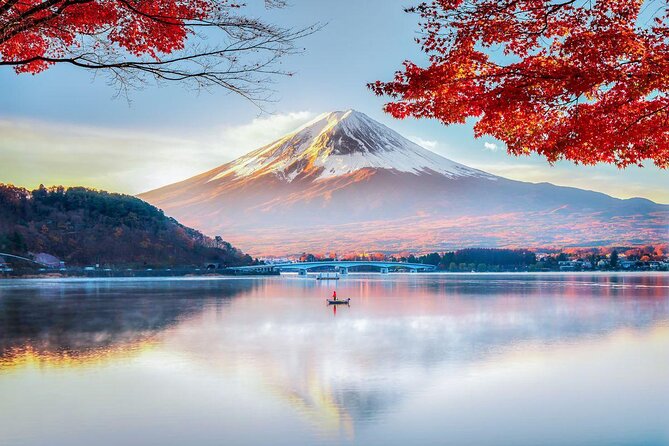
You’ll typically start with pickup (offered) and head south toward Mt. Fuji. The day is designed so you can see Fuji from different angles: lake reflections, shrine viewpoints, and mountain-area perspectives. If the weather is clear, you get rewarded. If clouds roll in, you still have multiple places where you can make the most of what’s visible.
And yes, this is a “day trip,” but it doesn’t feel like a conveyor belt. Reviews repeatedly tie the experience to guides like Sam, Hans, Dan, and Bajwa—people who can keep the day moving while also giving you room to breathe.
More Fuji day trips our readers rated highly
- Mt Fuji and Hakone 1-Day Bus Tour Return by Bullet Train
★ 5.0 · 26,383 reviews - Mt Fuji & Hakone Cruise, Drum Show Bullet Train 1 Day from Tokyo
★ 4.0 · 7,413 reviews - Tokyo Mt Fuji 5th St & Hakone Cruise Bus Tour w/Bullet Train
★ 4.4 · 5,024 reviews - From Tokyo: Mount Fuji Full-Day Sightseeing Trip
★ 4.5 · 4,970 reviews
Price and logistics: where the $497.43 per group really goes
The price is $497.43 per group (up to 5) for an ~10-hour day. For a small group, that can land in a sensible zone, especially when you compare it to multiple trains + taxis + the stress of connections outside Tokyo.
What’s included:
- Private transportation in a fully licensed operation (commercial insurance and the right plates are part of the setup)
- An English-speaking driver cum guide
- Commercial-driving permit holder drivers
- Pickup offered and return to your starting point/meeting point
- Mobile ticket included
What’s not included (so you don’t get surprised):
- Lunch
- Activity tickets (ropeway, cruises, etc.)
- Mt. Fuji entrance fee: 2800¥ per group
- Certain paid stops listed in the schedule (for example, Owakudani Valley and Chureito Pagoda area are marked as admission included on the plan, but activity costs in Japan can still vary by exact ticket type and timing)
My practical take: you’re paying for the combination of comfort, route flexibility, and someone handling the “how do we do this today” problems. If your group values control—when you stop, how long you stay, and which view is priority—that’s where the money earns back.
Hotel pickup, a custom schedule, and how the day stays sane
The tour runs about 10 hours hotel to hotel, give or take. If your day runs longer, there’s an overtime charge of 5000¥ per extra hour after 10 hours. That matters if you’re imagining a super late lunch or a slow walk at every stop—plan extra time, but don’t drift past the window without realizing the cost.
Your guide can adjust the order to match your interests. The operator specifically notes you should choose between:
- Mt. Fuji + Hakone, or
- Mt. Fuji surrounding area
In real terms, that means you won’t be “forced” into seeing everything listed. You pick the version, then you can shift priorities based on weather, your pace, and what you’re most excited about. This is one reason people talk about feeling comfortable—there are fewer moments where you’re sprinting between attractions.
Also, a small planning note: one stop is explicitly “not guaranteed,” and multiple views depend on visibility. So I recommend you mentally frame this as a best-possible day around Fuji and Hakone, not a guarantee of one exact photo.
Mount Fuji first stops: viewpoints, 5th Station, and the weather reality
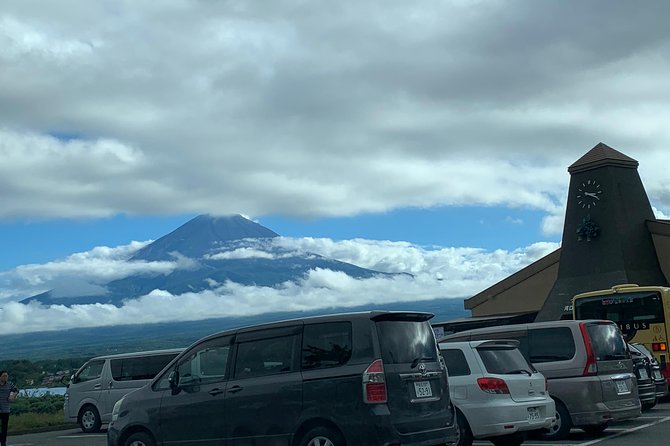
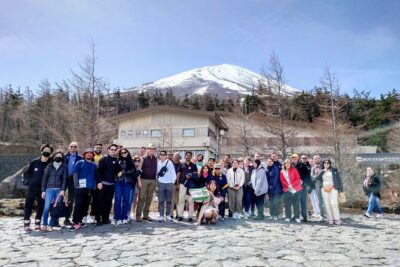
Your day typically begins at Mount Fuji (first stop around an hour, with admission not included on the schedule). This is where your guide helps you get oriented quickly: where to stand, what angle works, and how to translate what you’re seeing into “where we should go next.”
Then comes Mt. Fuji 5th Station, listed as the last car-reachable point (by car or shuttle). This is the part you should treat like a bonus, not a certainty. The schedule states visiting 5th Station is not guaranteed and can close due to bad weather or maintenance.
If 5th Station is open when you arrive, it’s a huge upgrade in how close the mountain feels. Even if you don’t climb, the atmosphere around the station changes the whole experience. If it’s closed, your guide has to shift to other Fuji-area viewpoints and still keep the day satisfying.
Practical tip: wear layers you can manage in wind. Even in pleasant seasons, higher elevations can feel colder than Tokyo.
Lake Kawaguchiko: Fuji reflections and easy scenic time
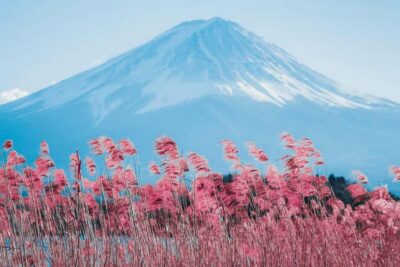
Next up is Lake Kawaguchiko, one of the main lakes in the Mt. Fuji area (about an hour on the plan). This is a classic spot because the mountain often shows up clearly when the air is calm.
You’ll have options tied to the lake:
- Use a ropeway (Mt. Kachi Kachi is mentioned) for broader panoramic views
- Consider a cruise on Lake Kawaguchiko for a different angle and calmer “sit and watch” time
The value here is variety without strain. Compared to walking tours, this section lets you enjoy the view while your guide runs the logistics.
The main drawback is the same one that follows Fuji everywhere: visibility depends on weather. If the mountain disappears, you’re still at a scenic lake, but the “wow, there’s Fuji!” moment may be shorter. Your private format helps, because your guide can reposition your time and stops as conditions change.
Other Hakone loops worth the fare
- Tokyo: Mt. Fuji Tour, Hakone Ropeway, Owakudani, Lake Ashi★ 4.7 · 4,002 reviews
- Private Tour to Mt. Fuji and Hakone (Fully Licenced Operator)★ 5.0 · 1,910 reviews
- Mt Fuji & Hakone Cruise, Drum Show Bus 1 Day from Tokyo★ 4.0 · 1,287 reviews
- From Tokyo: Mt. Fuji & Hakone Tour w/ Return by Bullet Train★ 4.2 · 1,278 reviews
- Mt Fuji and Hakone 1-Day Bus Tour Return by Bus★ 4.5 · 929 reviews
Hakone by water: Lake Ashi and the pirate-ship style cruise
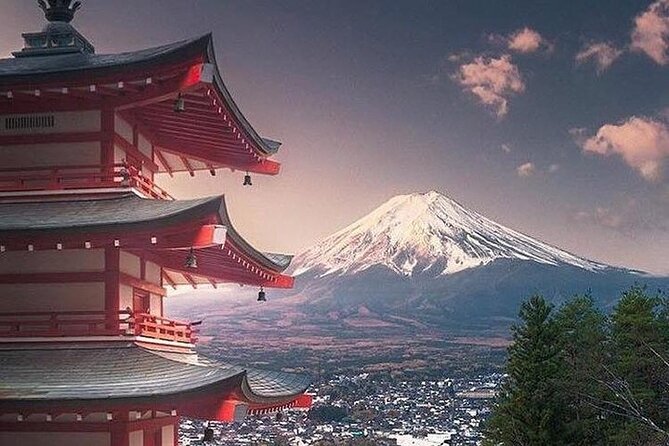
If you choose the Mt. Fuji + Hakone version, you’ll add Lake Ashinoko / Lake Ashi (also written as Ashinoko). The schedule marks about an hour here, and it explicitly references a Pirate Cruise on the lake.
Lake Ashi is popular because Fuji often appears in the wider scenery from this region, plus Hakone adds the “wow” factor of volcanic and shrine geography. Even when visibility changes, being on the water still gives you a relaxing break from cars and short walks.
One scheduling reality: this area is all about timing. If the day is foggy, you may not get the crisp Fuji outline you hoped for. But you’ll still get the Hakone vibe—big views, lake activity, and lots of places to stop for quick photos.
Oshino Hakkai: eight ponds, kitschy charm, and the hot-spring vibe
Oshino Hakkai is a straightforward win. The plan gives it about an hour, admission listed as free, and it’s famous for its eight ponds fed by Mt. Fuji’s meltwater. The schedule also notes vendors for food and souvenirs, so you can nibble without turning it into a hunt.
I like Oshino because it’s easy to enjoy even if you’re already “Fuji’d out.” You’re not just chasing views. You’re seeing a system—ponds with clear water and a village feel that’s different from the big lakes.
There’s also a natural rhythm here: stroll, pause for photos, then browse a bit. If your group includes non-hikers, Oshino is one of the safest “everyone can enjoy this” stops.
Shrines and Arakurayama steps: Fuji Sengen Jinja and the pagoda walk
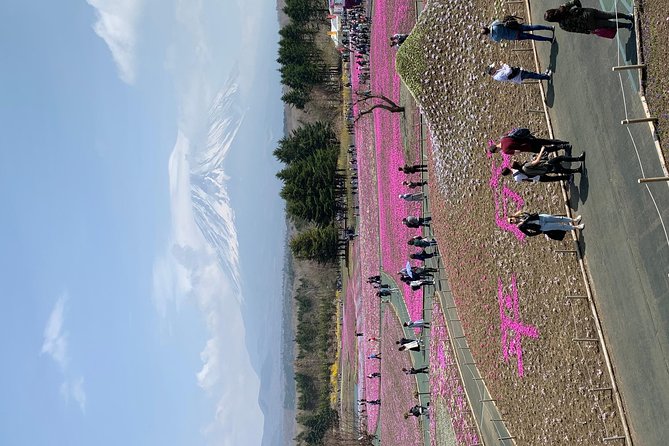
Two shrine/temple-adjacent stops shape the day’s culture side:
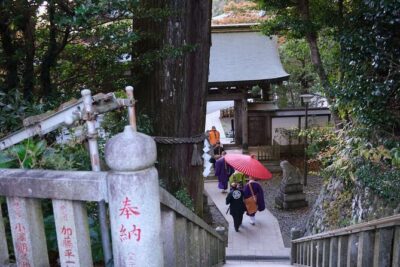
1) Kitaguchi Hongu Fuji Sengen Jinja Shrine
The schedule gives about an hour, admission listed as free. This shrine is tied to old climbing routes from the north—so it’s not just a pretty building. It helps explain why Fuji became a spiritual destination long before it became a postcard.
2) Arakurayama Sengen Park and the iconic pagoda viewpoint
This is where the plan gets physical: you reach the pagoda area via 398 steps. Admission is listed as free for the park section, but the pagoda itself is marked as a paid stop in the plan.
This is a great segment for photo timing. If Fuji is visible, the pagoda view can look otherworldly. If clouds are around, you still get the hilltop shrine drama and the feeling of scale.
Practical tip: bring shoes with decent grip. The steps aren’t a marathon, but you don’t want to be thinking about footing while you’re trying to frame a skyline.
Owakudani Valley and Chureito Pagoda: the paid stops that often deliver
When the tour reaches Owaku-dani Valley (Black egged valley), the schedule lists about an hour and indicates admission included. This is Hakone’s volcanic zone feel—steam, dramatic earth tones, and that slightly strange “geothermal everywhere” vibe.
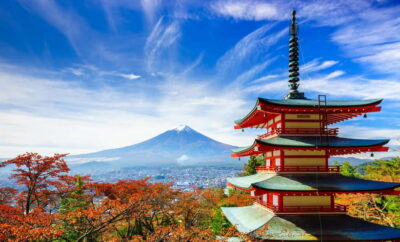
Then there’s Chureito Pagoda, scheduled for about 10 minutes with admission included. This is often the final “big camera” payoff, because it sits above Fujiyoshida City with Mt. Fuji in the distance when conditions allow.
Because one stop (5th Station) is explicitly not guaranteed and because even major landmarks can have maintenance closures, it’s smart to treat the Chureito moment as high priority but not guaranteed. If it’s closed, your guide’s job becomes protecting your day—shifting time and viewpoints rather than letting the schedule fall apart.
If there’s time: Saiko Iyashi no Sato Nemba, Fuji-Q, and Hakone Shrine
Depending on timing, your guide may add optional or “if time” stops.
- Saiko Iyashi no Sato Nemba (traditional village)
The schedule says about an hour, but only if you have time during the ~9-hour Fuji surroundings style portion. Admission is not included on the plan.
- Fuji-Q Highland Tourist Information Center (optional)
Marked as a quick stop (about 10 minutes). It’s an amusement park area, but the plan treats it as optional and admission not included.
- Hakone Shrine (optional)
A short visit is listed (about 5 minutes), and it’s free on the plan.
I like having these as “flex stops” because they let you tailor the day. If your group wants more easy strolling and less transport time, you can accept the shortcuts. If you want the classic highlights only, you can skip them and protect time for the views that are actually working that day.
What to pack for a long Fuji day (and how to handle imperfect conditions)
A 10-hour day around Fuji means small choices add up. Here’s what I’d bring:
- Layers for wind and temperature swings
- Comfortable walking shoes for the 398-step segment
- A light snack for gaps before lunch, since lunch is not included
- Cash or a plan for tickets, since multiple activities aren’t covered
- Phone storage and a charging plan, because you’ll take more photos than you think
Handling imperfect conditions: the tour requires good weather, and visibility drives how much you enjoy the mountain-specific views. The operator also states that negative feedback related to unexpected bad weather won’t be accepted—translation: go in with realistic expectations and trust your guide to keep the day enjoyable even if clouds show up.
If 5th Station is closed, don’t see that as failure. It just means your guide will lean harder into other Mt. Fuji vantage points and lake areas where you can still get a memorable day.
Who this private tour fits best
This is a strong fit if you:
- Want flexibility rather than a locked group schedule
- Have a small group (up to 5) and want to split the cost of a private car
- Care about both scenery and cultural stops (shrines + parks + volcanic zone)
- Prefer a driver-guide who can answer questions and manage timing during a long loop
It’s also a good choice for older family members or mixed-age groups because many stops are hour-ish, with breaks and photo time built in. The one “watch your step” part is the Arakurayama 398 steps. If anyone in your party doesn’t want stairs, talk to your guide early so the plan can tilt toward easier viewing points.
Should you book this Mt. Fuji and Hakone private day trip?
If you’re traveling with 2–5 people and you want a private, weather-aware way to hit Mt. Fuji and Hakone in one day, I’d say yes. The price can feel high until you add up the real cost of car service, transfers, and the value of a guide managing the day with flexibility.
Book it especially if:
- Your group values custom planning
- You want a range of spots: lakes (Kawaguchiko and Ashi), shrines, Oshino Hakkai, and the volcanic drama of Owakudani
- You’d rather pay for comfort and control than deal with connections and timing
Skip—or at least reconsider—if your whole trip fantasy depends on Mt. Fuji 5th Station being open. It’s not guaranteed, and the tour may shift when conditions aren’t cooperative.
FAQ
FAQ
How many people is this private tour for?
It’s priced per group and fits up to 5 people.
Is hotel pickup included?
Pickup is offered from your Tokyo hotel, and the experience also lists Tokyo Station Hotel as the meeting point.
Are tickets like the ropeway, cruise, and other attractions included?
No. Lunch and tickets for activities (ropeway, cruise, and other paid stops) are not included.
Do we definitely visit Mt. Fuji 5th Station?
No. Visiting the 5th Station is not guaranteed because it can be closed due to bad weather or maintenance.
Which sights do I get to choose?
You need to choose either a Mt. Fuji and Hakone itinerary or a Mt. Fuji surrounding area itinerary, and the schedule can be adjusted with your guide based on your interests.
How long is the tour?
The duration is about 10 hours.
Is there a fee if the tour runs longer than 10 hours?
Yes. There is an overtime charge of 5000¥ per extra hour after 10 hours hotel to hotel time.
What happens if the weather is poor?
The experience requires good weather. If it’s canceled due to poor weather, you’ll be offered a different date or a full refund.
More Tour Reviews in Tokyo
- Mt Fuji and Hakone 1-Day Bus Tour Return by Bullet Train
★ 5.0 · 26,383 reviews - 1-Day Tokyo Bus Tour
★ 5.0 · 14,250 reviews - Tokyo: teamLab Planets TOKYO Digital Art Museum Entry Ticket
★ 4.6 · 9,779 reviews - Mt Fuji & Hakone Cruise, Drum Show Bullet Train 1 Day from Tokyo
★ 4.0 · 7,413 reviews - Tokyo: Shinjuku Food Tour (13 Dishes at 4 Local Eateries)
★ 5.0 · 6,603 reviews
Hakone, A Few More Ways
- Mt Fuji and Hakone 1-Day Bus Tour Return by Bullet Train
★ 5.0 · 26,383 reviews - Mt Fuji & Hakone Cruise, Drum Show Bullet Train 1 Day from Tokyo
★ 4.0 · 7,413 reviews - Tokyo Mt Fuji 5th St & Hakone Cruise Bus Tour w/Bullet Train
★ 4.4 · 5,024 reviews - Tokyo: Mt. Fuji Tour, Hakone Ropeway, Owakudani, Lake Ashi
★ 4.7 · 4,002 reviews - Mt Fuji & Hakone Cruise, Drum Show Bus 1 Day from Tokyo
★ 4.0 · 1,287 reviews
More Mount Fuji Days We Have Reviewed
- Mt Fuji and Hakone 1-Day Bus Tour Return by Bullet Train
★ 5.0 · 26,383 reviews - Mt Fuji & Hakone Cruise, Drum Show Bullet Train 1 Day from Tokyo
★ 4.0 · 7,413 reviews - Tokyo Mt Fuji 5th St & Hakone Cruise Bus Tour w/Bullet Train
★ 4.4 · 5,024 reviews - From Tokyo: Mount Fuji Full-Day Sightseeing Trip
★ 4.5 · 4,970 reviews - Tokyo: Mt. Fuji Tour, Hakone Ropeway, Owakudani, Lake Ashi
★ 4.7 · 4,002 reviews
Latest Tokyo reviews off our desk

Mount Fuji Tours, compared.
 ★ 5.0Mt Fuji and Hakone 1-Day Bus Tour Return by Bullet TrainFrom $16326,383 reviews
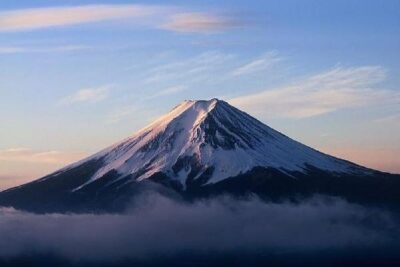 ★ 4.0Mt Fuji & Hakone Cruise, Drum Show Bullet Train 1 Day from TokyoFrom $1497,413 reviews
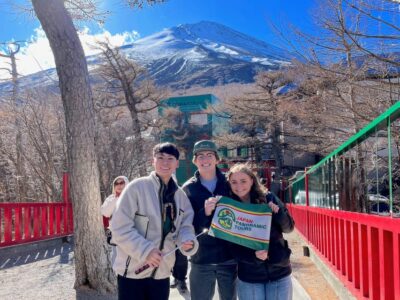 ★ 4.4Tokyo Mt Fuji 5th St & Hakone Cruise Bus Tour w/Bullet TrainFrom $1545,024 reviews
 ★ 4.5From Tokyo: Mount Fuji Full-Day Sightseeing TripFrom $684,970 reviews
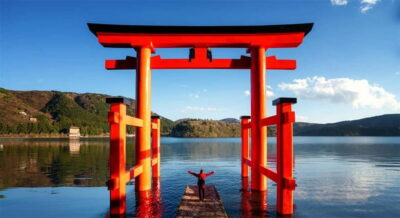 ★ 4.7Mt. Fuji Tour, Hakone Ropeway, Owakudani, Lake AshiFrom $544,002 reviews
 ★ 4.4Mt.Fuji,Kawaguchiko Oishi Park,Arakurayama Sengen ParkFrom $542,682 reviews
 ★ 4.2Mt. Fuji 5th Station & Hakone Cruise 1-Day Bus TourFrom $1292,381 reviews
 ★ 4.7Mt Fuji Top 5 Spots Day Tour: Arakurayama Park,Oshino HakkaiFrom $532,066 reviews
Browse the lists this tour appears in