
Reviewed · MOUNT FUJI TOURS
Tokyo: Mt Fuji Lake Kawaguchi & Yamanaka Hot Spring Day Tour
Fuji in one long day is doable. I like the small-group setup from Tokyo and the way it squeezes in the best viewpoints fast, with time for photos at multiple stops. The Lake Yamanaka hot spring is the payoff at the end, when Mt. Fuji looks like it’s right there over the water.
One thing to keep in mind: this is mostly self-guided. The driver-guide can speak basic English, but you should expect short guidance and then plenty of independent wandering.
In This Review
- Key points before you go
- Getting to Fuji from Tokyo: the 10-hour van rhythm
- Oishi Park and the Maple Corridor: seasonal Fuji color you can time
- Kawaguchiko Station Lawson and Hikawa Clock Shop: quick stops, clear payoff
- Oshino Hakkai: Fuji’s spring-water village break
- Lake Yamanaka and Benifuji no Yu: the onsen finale that makes the day worth it
- Photography and weather logic: getting better Fuji shots with less stress
- Who this tour suits best (and who should skip it)
- Value check: is $68 a good deal for Fuji, transport, and onsen time?
- Should you book this Tokyo to Mt. Fuji Lake Kawaguchi & Lake Yamanaka tour?
- FAQ
- FAQ
- Where is the meeting point in Tokyo?
- Can I get picked up from my hotel?
- How long is the tour, and when do we return?
- Is the hot spring admission included?
- What seasonal change should I know about for Oishi Park vs Maple Corridor?
- Are meals included?
- What should I bring, and what about tattoos at the hot spring?
Key points before you go
- Small-group van (up to 9) keeps the day feeling organized and not crowded
- Seasonal Fuji color at Oishi Park (lavender in summer, kochia in autumn) and a switch to Maple Corridor late Oct to late Nov
- Photo stops built in for classic Mt. Fuji compositions and quick breaks
- Oshino Hakkai gives you the “Fuji water” culture break, with shopping and a walk
- Benifuji no Yu onsen at Lake Yamanaka is the relaxing finale, but admission isn’t included
Getting to Fuji from Tokyo: the 10-hour van rhythm
This is a classic day trip format: you leave Tokyo, ride out to the Fuji region, and come back the same evening around 6:30 PM. You’ll start at JR Tokyo Station (Marunouchi North Exit), or use an optional hotel pickup in 12 select districts. If your hotel is outside the pickup range, you’ll still meet at Tokyo Station with a partial refund.
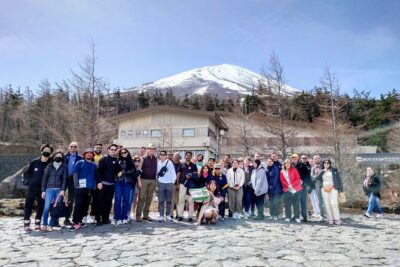
The ride itself is part of the “value.” You’re in a Toyota Hiace or similar 10/14-seater with fuel, tolls, and highway fees covered. Also, the group is kept to 9 participants, which matters once you start dealing with photo stops, crowded areas, and quick timing. Larger tours can feel like you’re fighting your way through the day. Here, it’s easier to keep your bearings fast.
One practical note: this isn’t a slow sightseeing crawl. The bus/coach segments are planned with breaks inside the itinerary (and the tour can adjust timing during peak season traffic). The bus will depart on time, with no exceptions. So pack your patience early.
More Fuji day trips our readers rated highly
- Mt Fuji and Hakone 1-Day Bus Tour Return by Bullet Train
★ 5.0 · 26,383 reviews - Mt Fuji & Hakone Cruise, Drum Show Bullet Train 1 Day from Tokyo
★ 4.0 · 7,413 reviews - Tokyo Mt Fuji 5th St & Hakone Cruise Bus Tour w/Bullet Train
★ 4.4 · 5,024 reviews - From Tokyo: Mount Fuji Full-Day Sightseeing Trip
★ 4.5 · 4,970 reviews
Oishi Park and the Maple Corridor: seasonal Fuji color you can time
If you want the famous Mt. Fuji photos, you’ll want timing. This tour is built around seasonal looks, not just “we’ll see Fuji if the sky cooperates.”
At Oishi Park, you get a photo stop plus free time (about 50 minutes). What you see depends on the season:
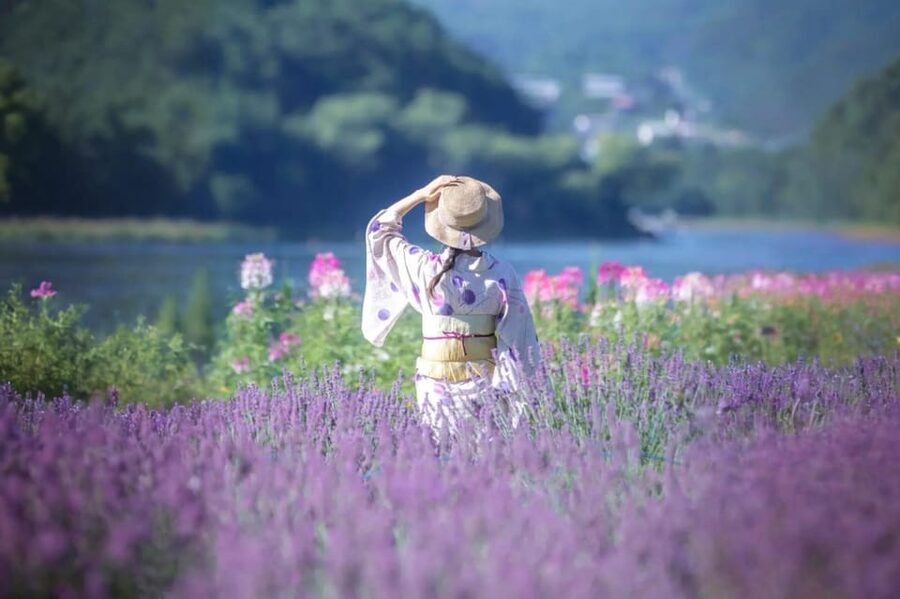
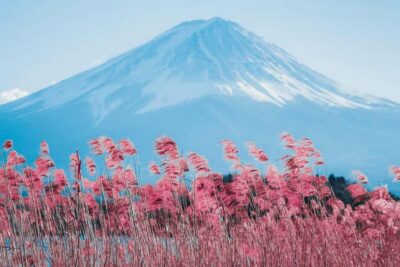
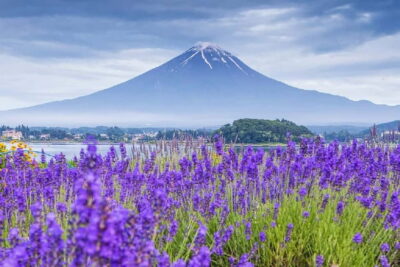
- In summer, the park can shift into a purple carpet of lavender, with Fuji as a backdrop.
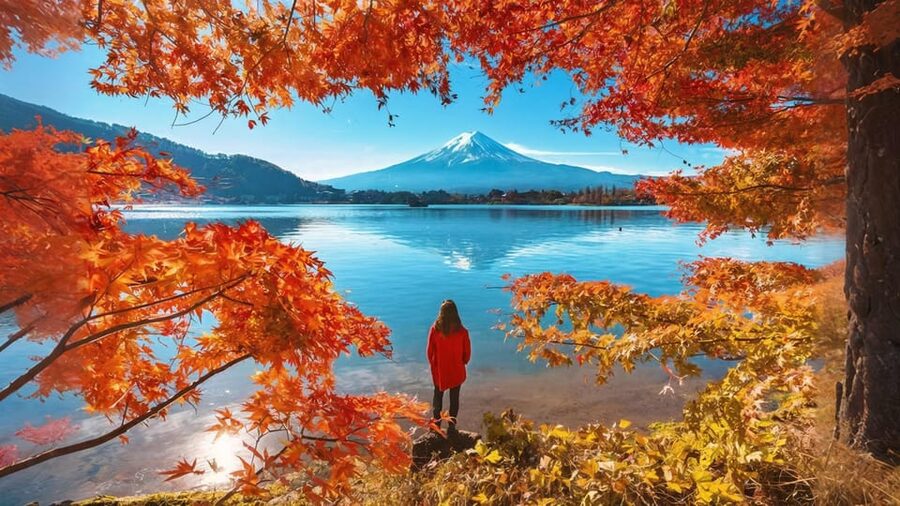
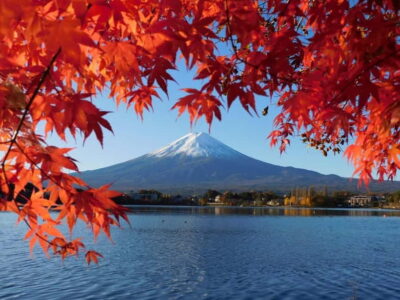
- In autumn, the kochia shrubs can turn bright red, giving you that bold red-vs-snow-capped-Fuji contrast.
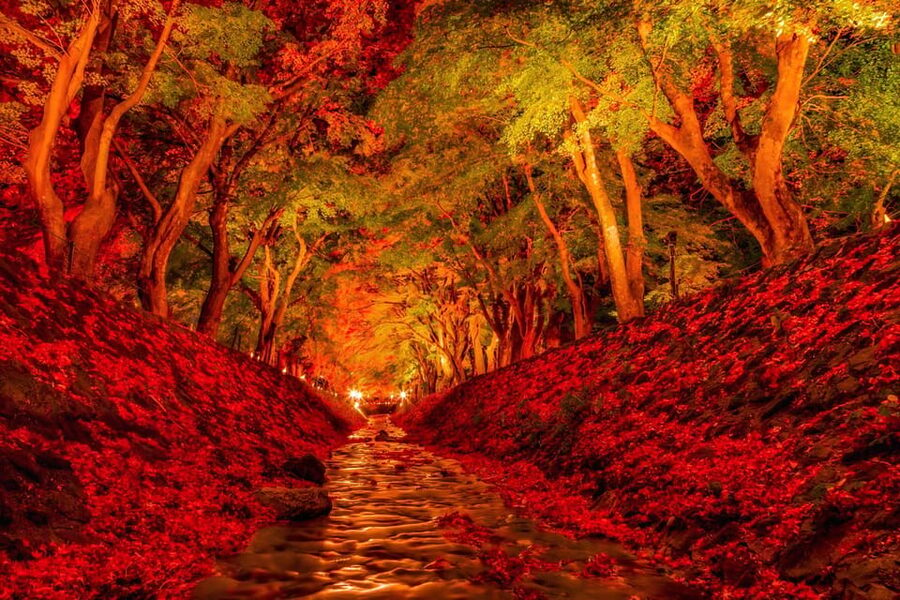
During the peak autumn window (roughly Oct 30 to Nov 25), the plan swaps Maple Corridor in place of Oishi Park to chase peak fall color. This is where you can get red maple framing with Mt. Fuji in the distance—described as a once-a-year fall spectacle.
Two tips that help you make this time work:
- Bring a hat and sunscreen. Park time is still outdoor time, even when the views are the main event.
- Keep your camera ready early. The best compositions can involve paths and angles that you don’t fully notice until you’re already moving.
Kawaguchiko Station Lawson and Hikawa Clock Shop: quick stops, clear payoff
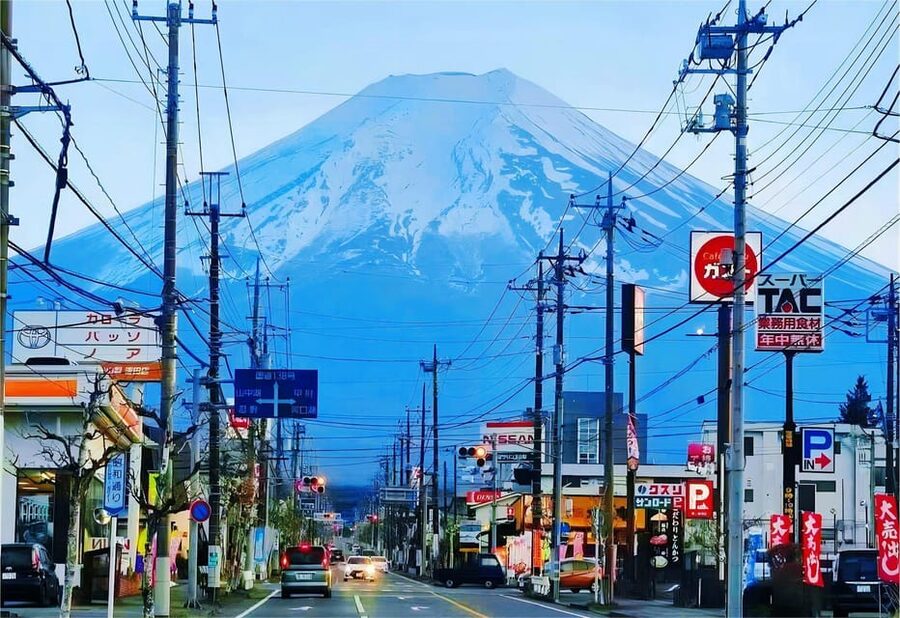
Between the longer scenic stretches, the tour inserts shorter photo moments designed for instant “I was there” shots.
Near Kawaguchiko Station, you’ll stop by the famous Lawson for about 20 minutes. This is one of those Japan details that’s fun even if you’re not shopping. You’re there for the classic Mt. Fuji-in-the-distance composition and a quick chance at local snacks. This stop is short on purpose—think of it as an easy break that also doubles as a photo station.
Next is Hikawa Clock Shop with around 20 minutes of photo time and free time. The area is often described as a “heavenly town,” and you can wander for a different perspective on Fuji—more streetscape and less wide-open park views. It’s the kind of stop that works best if you like photographing small scenes, signage, and angles instead of only the big mountain.
Because the driver-guide provides only limited explanation, treat these as self-guided. You’ll get the route and the time cues, but you’ll be the one deciding where to stand, what to frame, and when to move on.
Oshino Hakkai: Fuji’s spring-water village break
Then you shift from “photo stops” into something more grounded: Oshino Hakkai, described as Fuji’s Hidden Pond. You get about 80 minutes here, including time to walk, shop, and take a break with regional food.
This is one of the best spots in the day for a breather. The setting revolves around fresh spring water, and the vibe is calmer than the station and park sections. Even if you only spend part of your time exploring, it’s a nice change of pace: you go from chasing views to slowing down with water, pathways, and small local offerings.
What I like about this kind of stop on a day trip is that it gives you context. You’re still in the Mt. Fuji theme, but you’re not only looking at the mountain—you’re seeing how people live around it. Pair that with lunch flexibility (meals aren’t included, so you can eat here on your own plan), and the timing makes sense.
Practical advice: wear comfortable shoes. This stop includes walking, and you’ll feel it more than you think if you arrive in sightseeing flip-flops.
Lake Yamanaka and Benifuji no Yu: the onsen finale that makes the day worth it
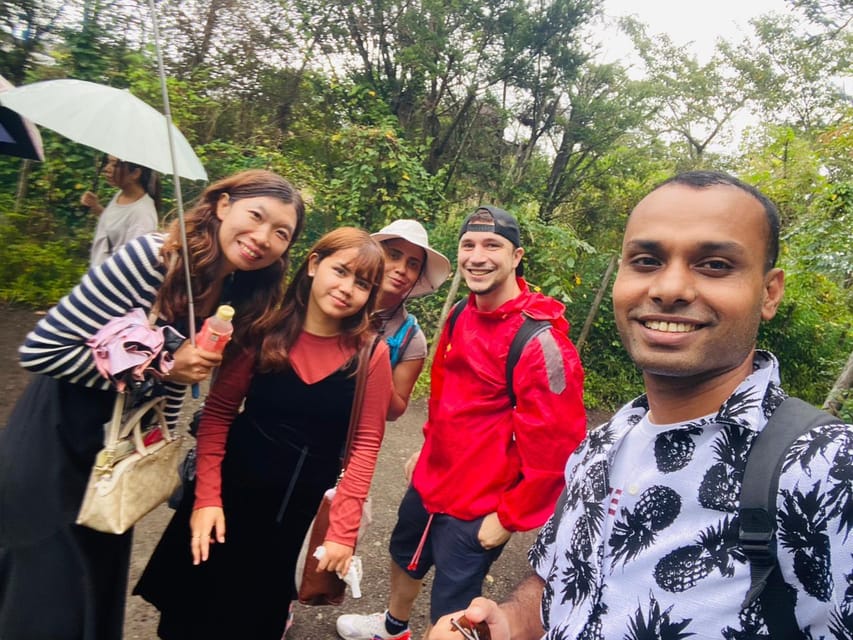
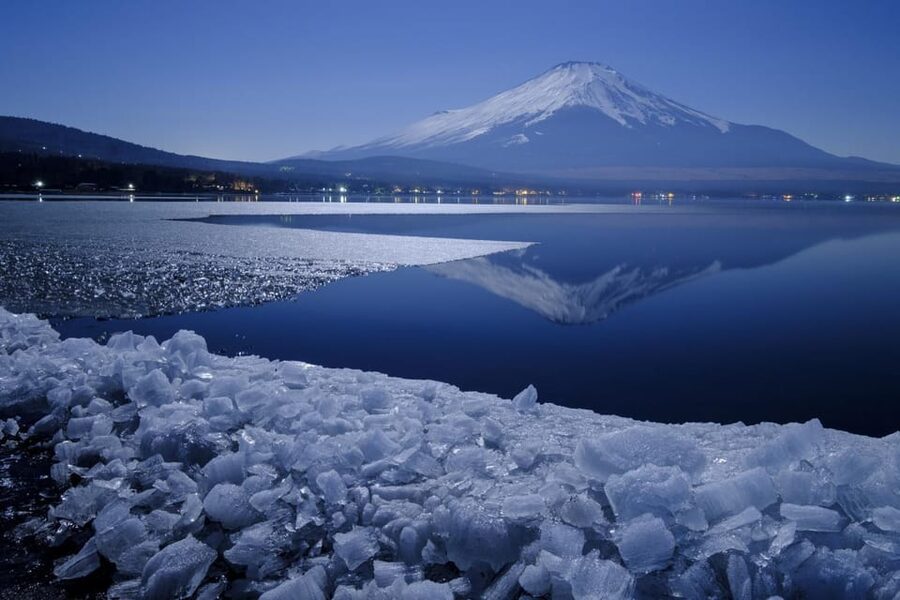
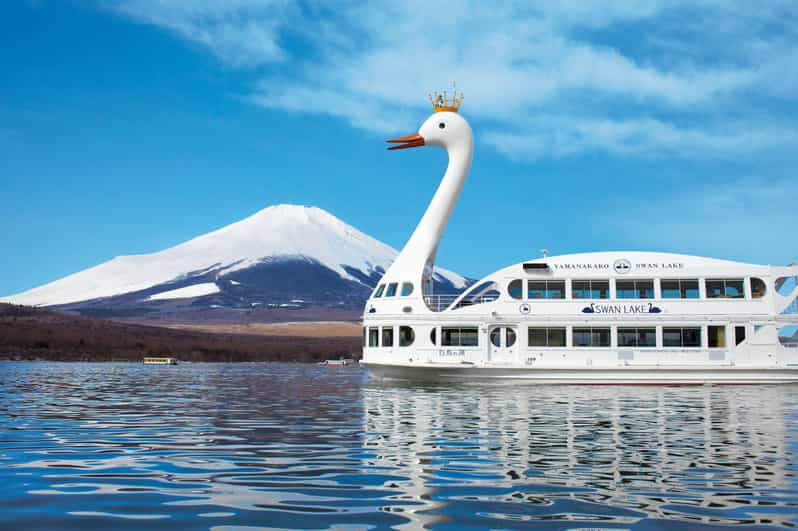
The last major act is Lake Yamanaka, with about 1.5 hours for a photo stop, free time, and walking. This is where the tour’s effort starts to feel like it’s “paid off.” You get time to linger, not just snap-and-go.
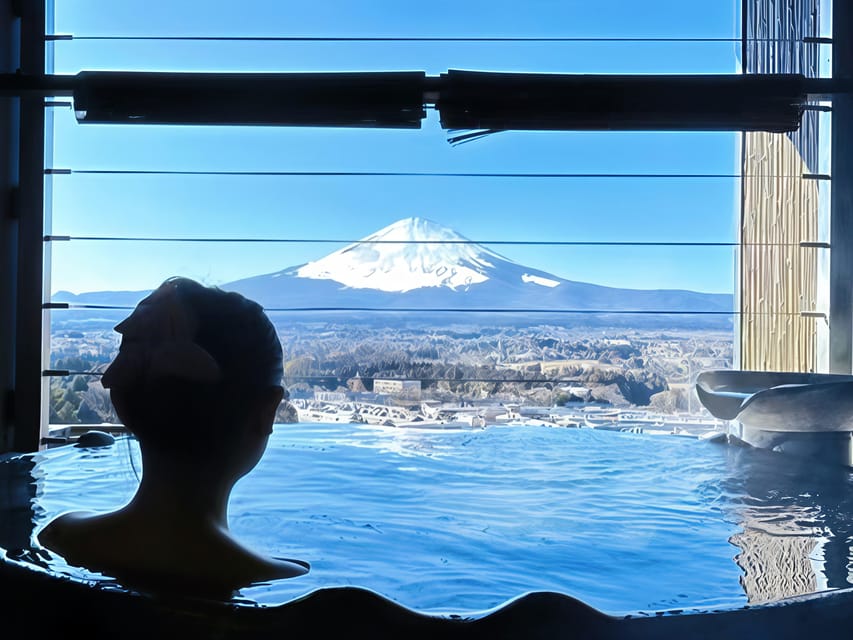
Then comes the hot spring: Benifuji no Yu. You get about 1.5 hours to soak and reset. This is the part that most people remember because the experience isn’t just the bath. It’s the combination of soaking while gazing at Mt. Fuji views from the onsen area.
Two important things to plan around:
- Onsen admission isn’t included, so expect an extra cost at the site.
- Hot springs in Japan are generally enjoyed without swimwear. Tattoos are generally not permitted, but you may cover them with bandages or opt for a private bath for an additional fee (if available).
If you’re traveling with someone who wants a guaranteed “wow” moment beyond photos, this is it. A day trip to Fuji can turn into a photo marathon. This segment helps you come down from the rush.
Also bring water for the whole day. Even with planned breaks, you’re outside enough to get thirsty.
Readers also shortlisted these Tokyo bookings:
- From Tokyo: Private Tour to Fuji/Hakone – Onsen, Art, Nature★ 5.0 · 116 reviews
- Mt. Fuji, Hakone Private Tour from Tokyo – Onsen, Arts and Nature★ 5.0 · 79 reviews
- Tokyo: Mt Takao Tour with Ramen and Tattoo-Okay Hot Spring★ 5.0 · 69 reviews
- [Seasonal Limited] Mt. Fuji 5th Station &Hot Spring Day Tour★ 4.5 · 53 reviews
- Full Day Hiking Tour at Mt.Takao including Hot Spring★ 5.0 · 52 reviews
Photography and weather logic: getting better Fuji shots with less stress
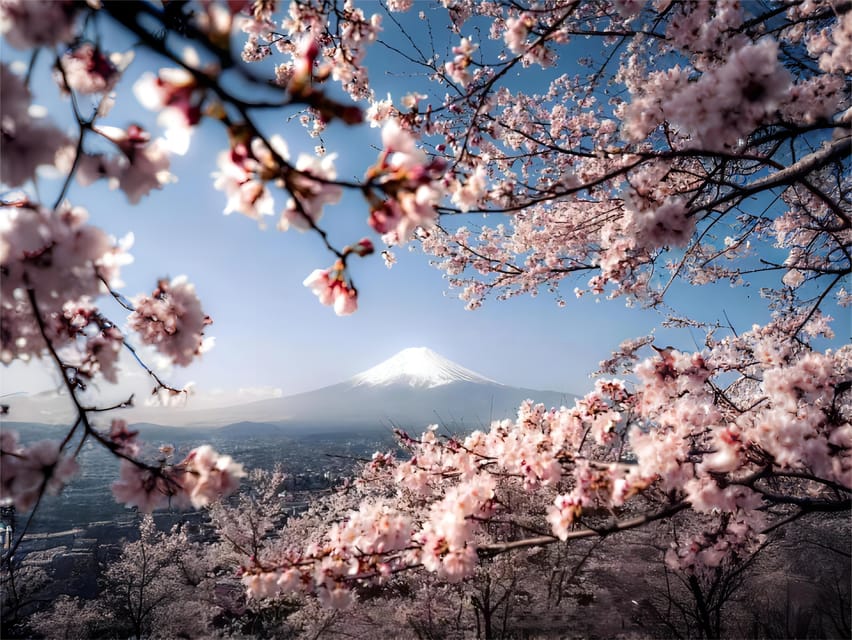
Nobody can control clouds, but you can control your choices. This tour’s structure helps you by giving you multiple chances across different viewpoints: Oishi Park/Maple Corridor, station-area Fuji angles, Hikawa Clock Shop, Oshino Hakkai surroundings, and finally Lake Yamanaka.
Here’s how to work it:
- Start by using your first big scenic window (Oishi Park or Maple Corridor) to aim for the classic Mt. Fuji background shot.
- Use the shorter stops (Lawson and Hikawa Clock Shop) for quick frames that don’t require a long wait.
- Save your slower pace for Lake Yamanaka, since you’ll have time to walk and reposition.
A small but real scheduling benefit: because this is a small group, you’re not constantly blocked by a line of people moving at once. You can take a few seconds longer at a viewpoint without turning the whole day into a stampede.
And yes, bring a hat and camera. The tour data is clear on this, and you’ll feel it once the sun hits.
Who this tour suits best (and who should skip it)
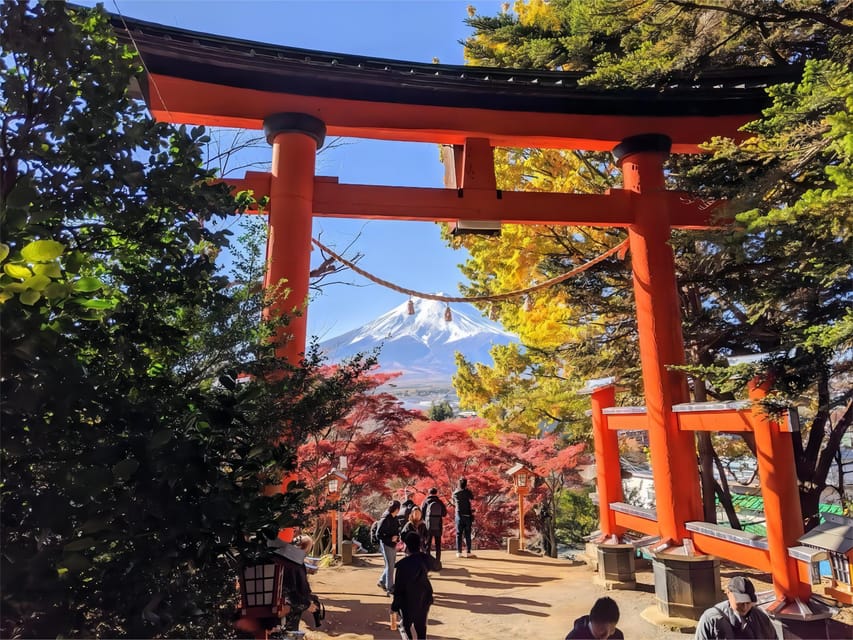
This is a good fit if you want Mt. Fuji in a single day without switching trains and playing logistics bingo. The small group, the fixed pickup points, and the vehicle covering transport make it beginner-friendly for first-timers in Japan.
It also works well if you’re okay with a day that mixes:
- short photo stops
- one longer walk-and-break village time at Oshino Hakkai
- and a real relax moment at an onsen with Fuji views
It’s not ideal if you want deep explanations at every stop. The driver-guide can speak basic English, and detailed attraction commentary isn’t the main format. You’ll be learning as you wander.
One more consideration: the tour notes it’s not suitable for people over 80. If that’s relevant, choose a different option with more flexible pacing.
Finally, keep luggage expectations realistic. The tour mentions limited luggage space, so pack light.
Value check: is $68 a good deal for Fuji, transport, and onsen time?
At $68 per person for a 10-hour day, the value is strongest when you measure what you’re not paying for: roundtrip transportation from Tokyo, tolls and highways, and a guide to run the day. That alone can be expensive if you try to piece it together on your own.
Where the math can change: meals and attraction entry tickets are not included, and hot spring admission is also not included. So your true day cost depends on what you buy to eat and what you pay for at the onsen.
Still, the structure feels practical. You’re getting multiple Fuji viewpoints plus the Oshino Hakkai water-village break. And you end with the one activity that’s hard to replicate just by buying a ticket elsewhere: the onsen time right by Lake Yamanaka.
If you’re the type who wants one organized day that hits the big highlights without stress, this can be a good spend. If you want to maximize time at just one site and go slow, you might prefer an independent plan.
Should you book this Tokyo to Mt. Fuji Lake Kawaguchi & Lake Yamanaka tour?
I’d book it if you want a time-efficient Mt. Fuji day with a small group, multiple photo opportunities, and a final onsen moment that gives your legs and mind a break. The seasonal planning around Oishi Park and the Maple Corridor switch is also a plus, because it means you’re not relying on random luck for color.
I would hesitate if you need detailed, stop-by-stop explanations in English, or if you don’t want the pace of short stops and quick transitions. The tour is designed for movement, not long lectures.
FAQ
FAQ
Where is the meeting point in Tokyo?
You meet your guide at Tokyo Station Marunouchi North Exit, at 1-chōme-9-1 Marunouchi, Chiyoda City, Tokyo. The guide sends the gathering location photo via WhatsApp.
Can I get picked up from my hotel?
Pickup is available if your hotel is within 12 select districts. If your hotel is outside the pickup area, you meet at Tokyo Station with a partial refund of 3200 JPY.
How long is the tour, and when do we return?
The tour duration is 10 hours, and you return to Tokyo Station around 6:30 PM (with options for drop-off if selected).
Is the hot spring admission included?
No. Admission to Benifuji no Yu is not included.
What seasonal change should I know about for Oishi Park vs Maple Corridor?
From about Oct 30 to Nov 25, the tour visits Kawaguchiko Maple Corridor instead of Oishi Park to focus on autumn colors.
Are meals included?
No. Meals are not included, so you’ll plan your own food during free time stops.
What should I bring, and what about tattoos at the hot spring?
Bring comfortable shoes, a hat, a camera, sunscreen, and water. Tattoos are generally not permitted in the vehicle and are also typically restricted at hot springs; you may cover tattoos with bandages or choose a private bath for an additional fee (if available).
More Tours in Tokyo
- Mt Fuji and Hakone 1-Day Bus Tour Return by Bullet Train
★ 5.0 · 26,383 reviews - 1-Day Tokyo Bus Tour
★ 5.0 · 14,250 reviews - Tokyo: Shinjuku Food Tour (13 Dishes at 4 Local Eateries)
★ 5.0 · 6,603 reviews - Tokyo Mt Fuji 5th St & Hakone Cruise Bus Tour w/Bullet Train
★ 4.4 · 5,024 reviews - Flagship 2-Hours Official Street Go-Kart Tour – Tokyo Bay Shop
★ 5.0 · 4,974 reviews
More Tour Reviews in Tokyo
- Mt Fuji and Hakone 1-Day Bus Tour Return by Bullet Train
★ 5.0 · 26,383 reviews - 1-Day Tokyo Bus Tour
★ 5.0 · 14,250 reviews - Tokyo: teamLab Planets TOKYO Digital Art Museum Entry Ticket
★ 4.6 · 9,779 reviews - Mt Fuji & Hakone Cruise, Drum Show Bullet Train 1 Day from Tokyo
★ 4.0 · 7,413 reviews - Tokyo: Shinjuku Food Tour (13 Dishes at 4 Local Eateries)
★ 5.0 · 6,603 reviews
More Mount Fuji Days We Have Reviewed
- Mt Fuji and Hakone 1-Day Bus Tour Return by Bullet Train
★ 5.0 · 26,383 reviews - Mt Fuji & Hakone Cruise, Drum Show Bullet Train 1 Day from Tokyo
★ 4.0 · 7,413 reviews - Tokyo Mt Fuji 5th St & Hakone Cruise Bus Tour w/Bullet Train
★ 4.4 · 5,024 reviews - From Tokyo: Mount Fuji Full-Day Sightseeing Trip
★ 4.5 · 4,970 reviews - Tokyo: Mt. Fuji Tour, Hakone Ropeway, Owakudani, Lake Ashi
★ 4.7 · 4,002 reviews
Latest Tokyo reviews off our desk

Mount Fuji Tours, compared.
 ★ 5.0Mt Fuji and Hakone 1-Day Bus Tour Return by Bullet TrainFrom $16326,383 reviews
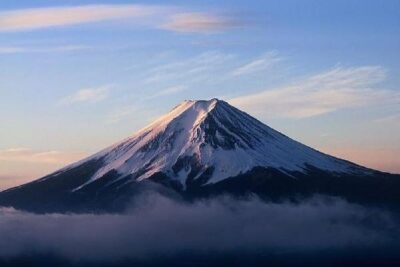 ★ 4.0Mt Fuji & Hakone Cruise, Drum Show Bullet Train 1 Day from TokyoFrom $1497,413 reviews
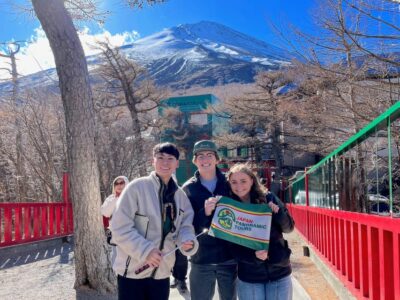 ★ 4.4Tokyo Mt Fuji 5th St & Hakone Cruise Bus Tour w/Bullet TrainFrom $1545,024 reviews
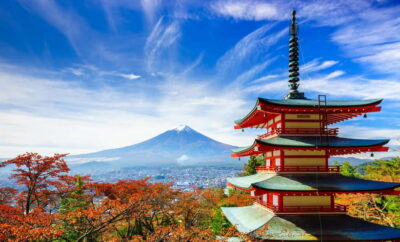 ★ 4.5From Tokyo: Mount Fuji Full-Day Sightseeing TripFrom $684,970 reviews
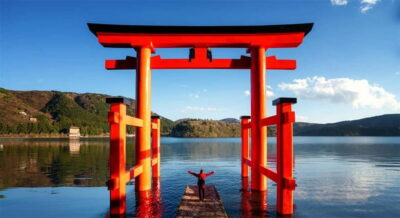 ★ 4.7Mt. Fuji Tour, Hakone Ropeway, Owakudani, Lake AshiFrom $544,002 reviews
 ★ 4.4Mt.Fuji,Kawaguchiko Oishi Park,Arakurayama Sengen ParkFrom $542,682 reviews
 ★ 4.2Mt. Fuji 5th Station & Hakone Cruise 1-Day Bus TourFrom $1292,381 reviews
 ★ 4.7Mt Fuji Top 5 Spots Day Tour: Arakurayama Park,Oshino HakkaiFrom $532,066 reviews
Browse the lists this tour appears in