
Reviewed · MOUNT FUJI TOURS
Tokyo:Cherry Blossom Mt Fuji & Shibazakura Festival Day Trip
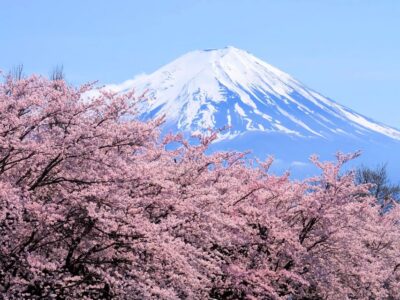
Pink Fuji carpets are rare to see. This 10-hour Tokyo day trip puts Shibazakura (moss phlox) at Lake Motosuko in the spotlight, with Mt. Fuji photo stops designed for that classic peak-and-mountain-town look. I also like that the schedule gives you real time at the flower fields, not just a quick drive-by. The one catch: several of the best angles depend on visibility and weather, so plan for moments of fog or cloud.
For value, I like that the big ticket item for this season—the entry fee to the Shibazakura Festival grounds—is covered, and you’re transported by a comfy van with English/Chinese support. Still, if you want a full-on, highly technical guide who always has perfect English, this is run as a driver-guide format, and the quality can vary from person to person.
In This Review
- Key Things You’ll Notice on This Fuji Day Trip
- A full spring Mt Fuji day from Tokyo, with some city texture too
- Lake Motosuko Shibazakura Festival: the pink carpet part
- Oishi Park for Fuji panoramas across Lake Kawaguchiko
- Lawson Kawaguchiko Station and Hikawa Clock Shop Fuji photo angles
- Oshino Hakkai: eight ponds fed by Mt Fuji snowmelt
- Price and what you actually pay for: $77 value check
- Van logistics, luggage, and WhatsApp timing
- Driver-guide reality: languages and what to expect in practice
- Who should book, and who might want a different plan
- Should you book this Tokyo to Fuji day trip?
- FAQ
- What is the duration of the Tokyo to Mt. Fuji day trip?
- What time does the trip depart from Tokyo?
- Where do I meet the guide if I’m not using hotel pickup?
- How long is the Shibazakura Festival visit at Lake Motosuko?
- Is entry to the Shibazakura Festival included in the price?
- Which other Mt. Fuji viewpoints are included besides Lake Motosuko?
- Are meals included?
- What languages are supported during the tour?
- Is the tour wheelchair accessible, and is there an age limit?
- Is there free cancellation?
- Are pets allowed on this tour?
Key Things You’ll Notice on This Fuji Day Trip

- Lake Motosuko Shibazakura Festival entry included with about 800,000 moss phlox blossoms (seasonal mid-April to late May).
- Built-in Fuji photography stops like Oishi Park, the Lawson sign, and Hikawa Clock Shop, timed for iconic views.
- Oshino Hakkai ponds: eight crystal-clear ponds fed by spring water from Mt. Fuji snowmelt.
- Hotel pickup or Tokyo Station meeting in a central area, with a clear WhatsApp contact the night before.
- Meals aren’t included, but you’ll have free time to buy lunch at festival food stalls.
A full spring Mt Fuji day from Tokyo, with some city texture too
This is a long day, but it’s structured for convenience. You either get picked up from a central Tokyo hotel (within the listed pickup wards) or you meet the guide at Tokyo Station Marunouchi North Exit. Either way, you’ll head west toward the Mt. Fuji area by van, with the departure window generally landing between 7:30am and 8:30am depending on pickup timing.
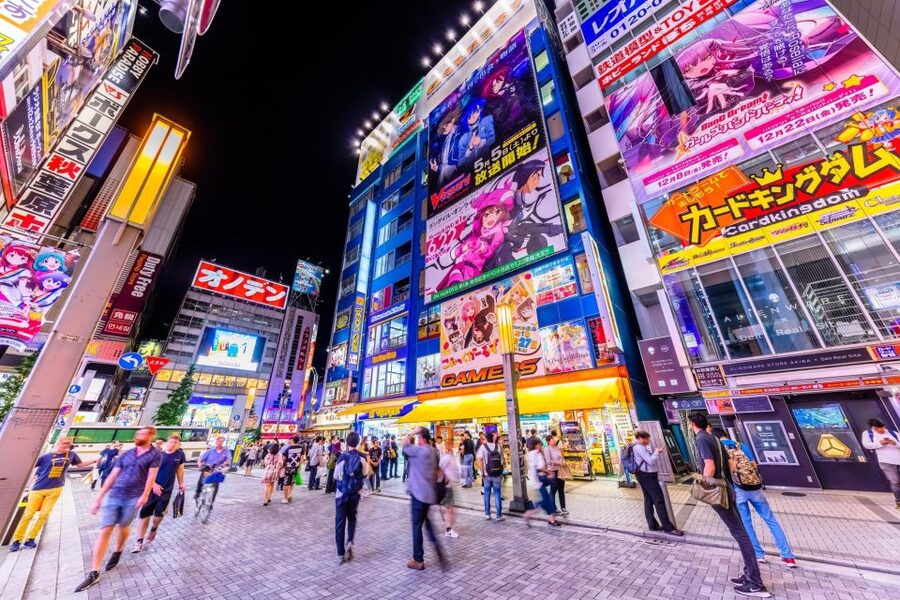
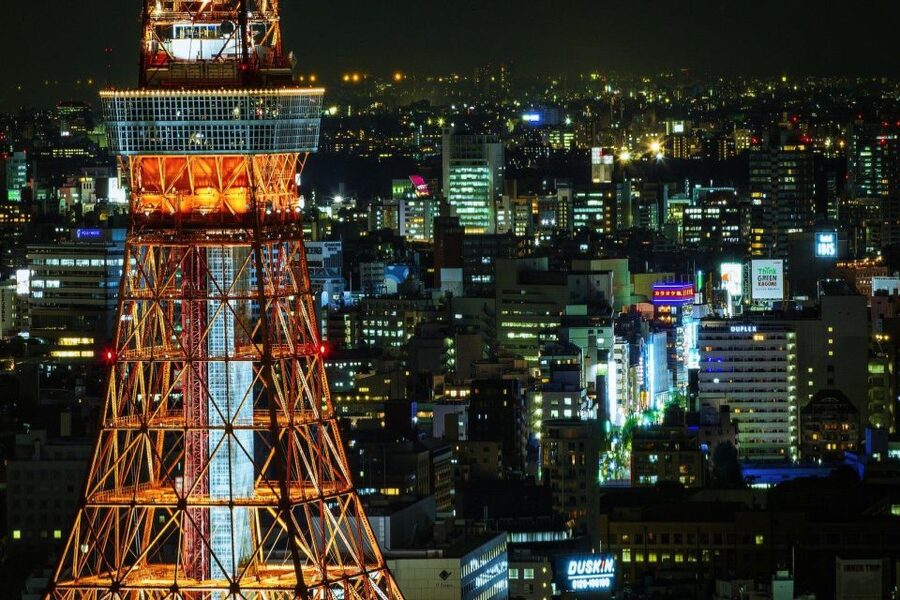
What’s nice is that the day includes both the famous Fuji sights and quick Tokyo atmosphere. The plan can include stops around Ueno Park, Akihabara, Asakusa Shrine, and Tokyo Skytree Town for photos and short guided breaks before or around the main Fuji segment. If you’re doing Tokyo for the first time, that mix can feel efficient: you see the big-name neighborhoods without needing to organize trains, transfers, and timing yourself.
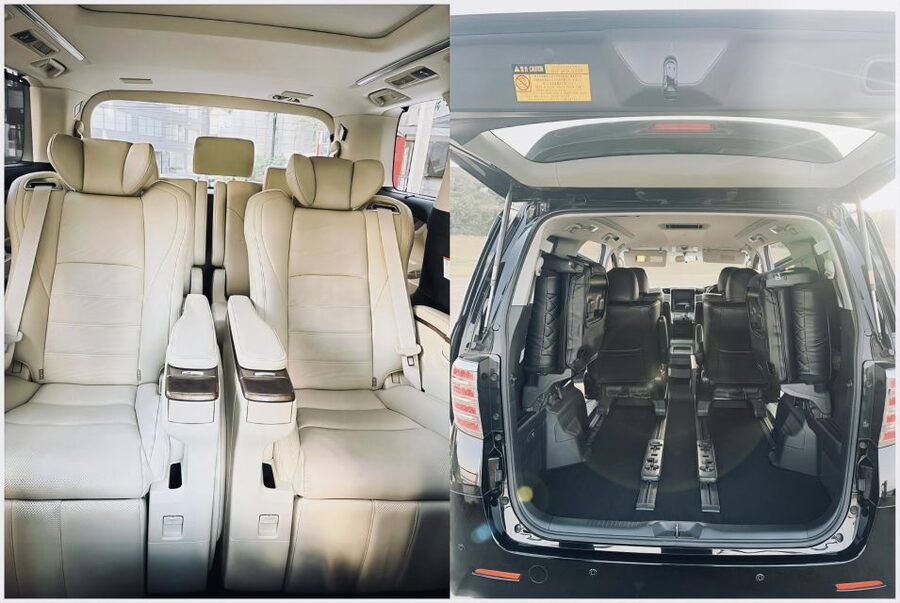
One practical point matters here: the vehicle has limited space for luggage, so keep bags small. If you’re bringing a large suitcase or a bulky backpack, you may feel the squeeze during a full-day van ride.
More Fuji day trips our readers rated highly
- Mt Fuji and Hakone 1-Day Bus Tour Return by Bullet Train
★ 5.0 · 26,383 reviews - Mt Fuji & Hakone Cruise, Drum Show Bullet Train 1 Day from Tokyo
★ 4.0 · 7,413 reviews - Tokyo Mt Fuji 5th St & Hakone Cruise Bus Tour w/Bullet Train
★ 4.4 · 5,024 reviews - From Tokyo: Mount Fuji Full-Day Sightseeing Trip
★ 4.5 · 4,970 reviews
Lake Motosuko Shibazakura Festival: the pink carpet part
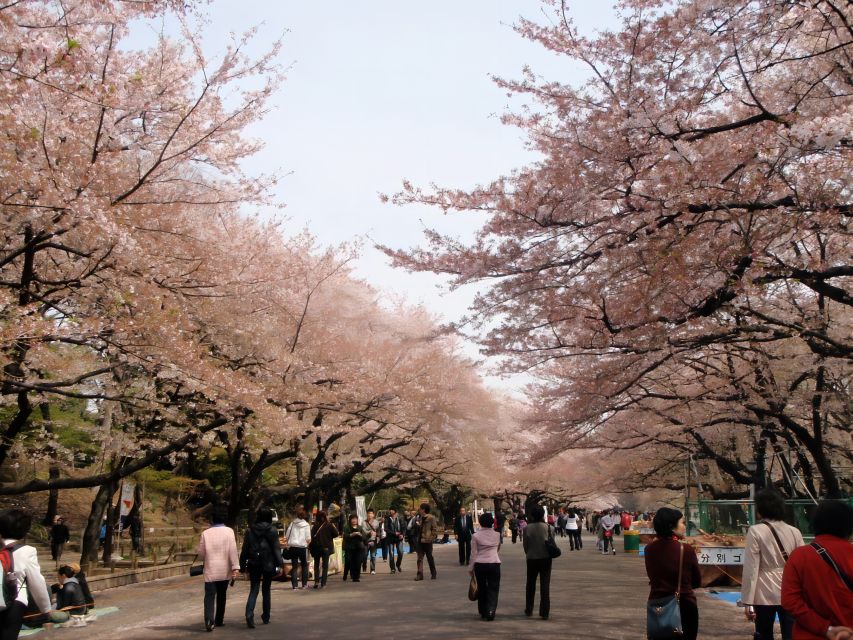
This is the main event. At Lake Motosuko, the Fuji Shibazakura Festival turns the foothills into a sea of pink. The scale is huge: roughly 800,000 moss phlox blossoms are part of the show when conditions line up in season.
The tour gives you about 120 minutes at the festival grounds, and that time is the difference between getting the photo and getting lost. You can walk the fields, find your angle, and still have time to adjust if the light shifts. I’d treat your first 15–20 minutes as reconnaissance: look for where the Fuji peak frames best, then move with purpose.
A key detail you should expect: the view is weather-dependent. Mt. Fuji looks different depending on cloud cover and haze. When visibility is good, you’ll get that classic snow-capped peak behind the pink carpet. When it’s not, you’ll still see the floral coverage, but you may find your Fuji shots missing the crisp edge.
You’ll also get free time to explore festival food stalls, with snacks and lunch at your own expense. This is where the day becomes part seasonal market, part outdoor photo walk. If you’re sensitive to crowds, the flower season can be busy, so aim to spend your best photo time earlier in your festival window.
What I like most about this stop is how it gives you a seasonal signature. Mt. Fuji day trips are common, but Shibazakura is a specific moment in the year—mid-April through late May—so you’re not repeating the same scenery you’d see in summer or winter.
Oishi Park for Fuji panoramas across Lake Kawaguchiko
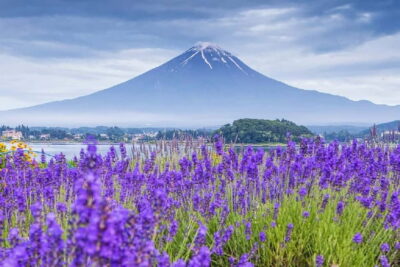
Next up is Oishi Park on Lake Kawaguchiko, with about 50 minutes here. If Shibazakura is the pink carpet, Oishi Park is the classic “Fuji over water” view. The park is known for panoramic scenes looking across the lake toward Mt. Fuji, and it’s one of the best places to reset your eyes after the festival’s close-up flower textures.
Even though this stop is shorter than Lake Motosuko, it’s usually enough time to walk the paths and find a viewing spot without feeling rushed. Bring a little patience too. Lakeside views can change quickly with wind and cloud movement, so if you get a good angle, it’s worth staying a few minutes rather than constantly repositioning.
This park also matters because it changes with the seasons. While your trip is timed for spring blossoms, Oishi Park is described as having different signature looks at other times of year—lavender in summer and cosmos in autumn. The point for you: you’re not just visiting a single “Fuji viewpoint.” You’re visiting a scenic garden setting that has a distinct vibe each season.
Lawson Kawaguchiko Station and Hikawa Clock Shop Fuji photo angles
You get two quick, iconic photo stops, each around 20 minutes:
- Lawson Kawaguchiko Station: that recognizable blue convenience-store sign often becomes the frame for a Fuji shot.
- Hikawa Clock Shop: a narrow lane area sometimes called Ladder Town, where the street lines can align toward the mountain peak.
These stops are short on purpose. They’re meant to give you a couple of high-impact photos without dragging the schedule. The downside is that you need to be ready to move fast when the conditions look good.
Also, be realistic: the beauty of these spots is highly weather-dependent. If Fuji is hidden behind cloud, your “perfect alignment” will look less perfect. I recommend you treat these 20-minute windows as photo attempts rather than guaranteed wins.
If you’re shooting on a phone, take a test frame early, then widen your angle only if you see the mountain clearly. If you’re using a camera, check your settings quickly and don’t burn time fiddling.
Oshino Hakkai: eight ponds fed by Mt Fuji snowmelt

By the end of the day, the itinerary shifts to something calmer: Oshino Hakkai. You’ll have about 40 minutes here, and it’s a nice contrast to the festival crowds.
Oshino Hakkai is a traditional area built around eight crystal-clear ponds fed by spring water from Mt. Fuji’s melted snow. This is where you get a quieter, more countryside feeling, plus that reflective “water calm” effect that pairs well with spring light.
What to do with your time: slow down. Walk between the ponds, take in the koi-filled water where visible, and if the option is offered in the moment, taste the pure cold spring water. Even if you don’t think of yourself as a “tasting” person, this kind of stop is part of why guided day trips can still feel worthwhile—you get to experience a spot that would take effort to find and piece together on your own.
This is also a good place to recharge. Your phone battery will likely be stressed by all the photos, and the seats on the van will feel better if you’ve had a little walking time without racing the clock.
Readers also shortlisted these Tokyo bookings:
- Mt Fuji and Hakone 1-Day Bus Tour Return by Bullet Train★ 5.0 · 26,383 reviews
- 1-Day Tokyo Bus Tour★ 5.0 · 14,250 reviews
- Mt Fuji & Hakone Cruise, Drum Show Bullet Train 1 Day from Tokyo★ 4.0 · 7,413 reviews
- Tokyo: DisneySea 1-Day Passport★ 4.5 · 2,726 reviews
- Tokyo Disneyland 1-Day Passport★ 4.6 · 2,512 reviews
Price and what you actually pay for: $77 value check

The price listed is $77 per person, for a 10-hour day trip. That can sound either cheap or steep depending on what you compare it to. Here’s how I’d frame the value.
You’re getting:
- Round-trip transportation from central Tokyo (pickup within designated areas, or meet at Tokyo Station)
- An English and Chinese-speaking driver-guide service
- Entry fee covered to the Shibazakura Festival at Lake Motosuko
- Highway tolls, parking, and vehicle expenses
You’re not getting:
- Meals and drinks (lunch is free time during festival food stalls, and you pay for what you choose)
- Any personal shopping or extras
So the real “cost” isn’t just the $77. It’s also what you’ll spend on food during the day and any impulse purchases in markets or souvenir stops. If you’re someone who typically spends freely on snacks and coffee while sightseeing, budget a little extra. If you’re trying to keep costs down, bring a small water bottle plan (as appropriate) and treat festival food as optional rather than required.
One more value note: day trips can be tiring. This one runs long, and you’re relying on transportation coordination and timing. When the Fuji visibility is good, the day feels like a win. When visibility is poor, the entry-covered flower grounds still provide value, but your dream Fuji photos might be less sharp.
Van logistics, luggage, and WhatsApp timing
This tour is built around time discipline. The van departs on schedule, and the day can shift a bit with traffic during peak season.
A few logistics you should lock in before you go:
- Pickup and timing: your pickup order depends on your location, and the driver-guide arranges it for efficiency.
- Meeting point if you choose Tokyo Station: Tokyo Station Marunouchi North Exit.
- Contact: your guide reaches out the night before via WhatsApp, including a meeting location photo.
- Luggage: space is limited, so avoid large bags.
You also have multiple drop-off options in Tokyo, including areas like Taito, Chiyoda, Chuo, and Shinjuku, plus Tokyo Station Marunouchi North Exit as a central reference point. That flexibility is helpful if you don’t want to backtrack across town.
One important mindset: this is a fixed-day tour. If you’re late or you show up at the wrong meeting spot, refunds may not be available. So don’t treat meeting time like a suggestion. Treat it like an appointment.
Driver-guide reality: languages and what to expect in practice

The tour lists a driver-guide who can cover English, Japanese, and Chinese. In theory, that means you can ask basic questions and get help understanding the stops.
In practice, day trips vary by staff and by traffic stress. I did see at least one very negative account describing the driver more as a driver than a true guide, with English concerns and unsafe-feeling driving. That’s one story, but it’s still a signal worth taking seriously if you’re risk-averse or anxious in vehicles.
How to protect yourself:
- Ask what language support you’ll get when you book (English level, and whether the guide does commentary vs. mainly driving).
- If you’re prone to motion discomfort, bring what helps you before the day starts. A long van route leaves little time to reset.
- If something feels off during the ride, address it calmly with the staff as early as possible. Waiting until the end can turn into a blame game no one wins.
Also remember that this tour mixes short photo windows with longer scenic time. Even with a good guide, your experience can feel rushed at the quick stops if you’re the type who likes slow wandering.
Who should book, and who might want a different plan
This trip is a great match if you:
- Want a spring-season Mt. Fuji experience tied to Shibazakura
- Care about photo-ready Fuji angles and want help getting to them without rail transfers
- Prefer a structured day with transport handled
It’s also a decent pick for people who want a language-supported outing, since the driver-guide supports English and Chinese (plus Japanese).
But it may not be a great match if you:
- Need a very advanced or academic level of guiding. This is driver-guide style, not necessarily a deep-dive lecturer.
- Have mobility limits that make van travel and walking fields hard. The tour is listed as wheelchair accessible, but you’ll still be spending time outdoors at festival grounds and on park paths.
- Are over 70. This option is listed as not suitable for people above that age range.
If you’re traveling with kids, children under 3 join for free without occupying a seat, which can make it easier to plan as long as the rest of the day’s walking and timing works for your family.
Should you book this Tokyo to Fuji day trip?
Book it if you’re traveling in mid-April to late May and you want the seasonal Fuji backdrop with Shibazakura at Lake Motosuko. The fact that the festival entry fee is included makes this one of the better ways to spend a day chasing spring Mt. Fuji views.
Skip or reconsider if you’re booking mainly for guaranteed Fuji photos. Several photo stops are explicitly weather-dependent, and your best shots depend on visibility. Also, if you’re sensitive to vehicle safety or English support quality, it’s worth checking staff expectations early.
If you decide to go, treat the schedule like a photo mission with scenic breaks: plan your must-shots early in each stop, keep luggage light, and be ready for the van to run on time.
FAQ
What is the duration of the Tokyo to Mt. Fuji day trip?
The tour runs for 10 hours.
What time does the trip depart from Tokyo?
Departure starts in the 7:30am to 8:30am window, depending on pickup timing.
Where do I meet the guide if I’m not using hotel pickup?
Meet at Tokyo Station Marunouchi North Exit (1-chōme-9-1 Marunouchi, Chiyoda City). The guide shares the exact gathering location photo via WhatsApp.
How long is the Shibazakura Festival visit at Lake Motosuko?
You get about 120 minutes at the Fuji Shibazakura Festival, and the entry ticket is included.
Is entry to the Shibazakura Festival included in the price?
Yes. The entry fee to the Shibazakura Festival grounds at Lake Motosuko is covered.
Which other Mt. Fuji viewpoints are included besides Lake Motosuko?
You’ll visit Oishi Park, plus two quick photo stops: Lawson Kawaguchiko Station and Hikawa Clock Shop.
Are meals included?
No. Meals and drinks are not included, though you’ll have free time during the festival to buy food at the stalls.
What languages are supported during the tour?
The driver-guide service is available in English, Japanese, and Chinese.
Is the tour wheelchair accessible, and is there an age limit?
It is listed as wheelchair accessible, but it’s also listed as not suitable for people over 70.
Is there free cancellation?
Yes. You can cancel up to 24 hours in advance for a full refund.
Are pets allowed on this tour?
No pets are allowed, though assistance dogs are permitted.
More 1-Day Tours in Tokyo
- Mt Fuji and Hakone 1-Day Bus Tour Return by Bullet Train
★ 5.0 · 26,383 reviews - 1-Day Tokyo Bus Tour
★ 5.0 · 14,250 reviews - Mt Fuji & Hakone Cruise, Drum Show Bullet Train 1 Day from Tokyo
★ 4.0 · 7,413 reviews - Tokyo: DisneySea 1-Day Passport
★ 4.5 · 2,726 reviews - Tokyo Disneyland 1-Day Passport
★ 4.6 · 2,512 reviews
More Tour Reviews in Tokyo
- Mt Fuji and Hakone 1-Day Bus Tour Return by Bullet Train
★ 5.0 · 26,383 reviews - 1-Day Tokyo Bus Tour
★ 5.0 · 14,250 reviews - Tokyo: teamLab Planets TOKYO Digital Art Museum Entry Ticket
★ 4.6 · 9,779 reviews - Mt Fuji & Hakone Cruise, Drum Show Bullet Train 1 Day from Tokyo
★ 4.0 · 7,413 reviews - Tokyo: Shinjuku Food Tour (13 Dishes at 4 Local Eateries)
★ 5.0 · 6,603 reviews
More Mount Fuji Days We Have Reviewed
- Mt Fuji and Hakone 1-Day Bus Tour Return by Bullet Train
★ 5.0 · 26,383 reviews - Mt Fuji & Hakone Cruise, Drum Show Bullet Train 1 Day from Tokyo
★ 4.0 · 7,413 reviews - Tokyo Mt Fuji 5th St & Hakone Cruise Bus Tour w/Bullet Train
★ 4.4 · 5,024 reviews - From Tokyo: Mount Fuji Full-Day Sightseeing Trip
★ 4.5 · 4,970 reviews - Tokyo: Mt. Fuji Tour, Hakone Ropeway, Owakudani, Lake Ashi
★ 4.7 · 4,002 reviews
Latest Tokyo reviews off our desk






Mount Fuji Tours, compared.
 ★ 5.0Mt Fuji and Hakone 1-Day Bus Tour Return by Bullet TrainFrom $16326,383 reviews
 ★ 4.0Mt Fuji & Hakone Cruise, Drum Show Bullet Train 1 Day from TokyoFrom $1497,413 reviews
 ★ 4.4Tokyo Mt Fuji 5th St & Hakone Cruise Bus Tour w/Bullet TrainFrom $1545,024 reviews
 ★ 4.5From Tokyo: Mount Fuji Full-Day Sightseeing TripFrom $684,970 reviews
 ★ 4.7Mt. Fuji Tour, Hakone Ropeway, Owakudani, Lake AshiFrom $544,002 reviews
 ★ 4.4Mt.Fuji,Kawaguchiko Oishi Park,Arakurayama Sengen ParkFrom $542,682 reviews
 ★ 4.2Mt. Fuji 5th Station & Hakone Cruise 1-Day Bus TourFrom $1292,381 reviews
 ★ 4.7Mt Fuji Top 5 Spots Day Tour: Arakurayama Park,Oshino HakkaiFrom $532,066 reviews
Browse the lists this tour appears in