
Reviewed · 1-DAY TOURS
1 Day Private Charter Tokyo Tour (Green Number Plates)
Tokyo moves fast; this day plan keeps up.
This 1-day private charter is built for people who want to see Tokyo’s big names without getting buried in train transfers. You’ll ride in an air-conditioned vehicle, follow an English-speaking guide, and stop where the day actually makes sense.
I especially like the private format. It means you can slow down at places you care about and skip the “rush and pose” rhythm. I also like the guide side of the deal: clear explanations and smart cultural context that makes the stops land faster.
One consideration: entry tickets aren’t included for places like Tokyo Skytree and Shinjuku Gyoen. Also, some stops are short, so if you want long, unhurried time inside every site, you’ll need to prioritize.
In This Review
- Key highlights to expect
- Why a private Tokyo charter with green number plates is a smart first day
- Price and what you get for $400 per group (up to 5)
- The day’s rhythm: pickup, pacing, and why the timing matters
- Asakusa morning: Sensō-ji, Nakamise Street, and the easiest way to feel old Tokyo
- Tokyo Skytree stop: what you see, and why the ticket is on you
- Imperial Palace: short walk, big meaning
- Meiji Jingu and Harajuku energy: shrine calm plus street style
- Shibuya Crossing and Hachikō: the modern Tokyo moment that still feels human
- Shinjuku Gyoen National Garden: cherry blossom season value
- English-speaking guide guidance: how it helps more than you think
- Rain and traffic: what to do so the day stays fun
- Who this tour is best for (and who should skip it)
- Should you book this private Tokyo charter?
- FAQ
- How many people can join this charter?
- How long is the Tokyo private charter?
- Is hotel pickup included?
- Are entry tickets included for the stops?
- Do I get an English-speaking guide?
- Will I receive a mobile ticket?
- Is there free cancellation?
Key highlights to expect
- Private charter comfort: air-conditioned vehicle, pickup, and a day that runs on your group’s pace
- English-speaking guidance: history and culture explained in a way that sticks
- Classic Tokyo mix: temples, imperial-era sights, shrine calm, shopping streets, and modern crossings
- Most entry tickets are extra: plan for on-site ticket costs where listed
- Weather-and-timing flexibility: the day can be adjusted when walking gets messy
- Great for first-timers: it helps you understand Tokyo’s layout quickly
Why a private Tokyo charter with green number plates is a smart first day
Tokyo can feel like a video game: layers on layers, lines everywhere, and directions that change faster than you can screenshot. This charter cuts the stress by keeping you in one vehicle and pairing the major sights with logical routing. You’re not spending your morning translating station exits or fighting crowds just to get to the next “must.”
The private setup also changes the feel of sightseeing. Instead of forming a human conveyor belt, you can actually respond to the day: if it’s crowded, you move. If it’s raining, you adjust. If someone in your group wants one more photo at a key spot, you’re not stuck waiting for the whole bus.
And yes, you’re getting a classic Tokyo sampler: old-meets-new, sacred calm-meets-street energy, and viewpoints without the frantic “we’re late” vibe.
Readers also shortlisted these Tokyo bookings:
- Tokyo 6hr Private Tour with Government-Licensed Guide
★ 5.0 · 3,902 reviews - Private Tour to Mt. Fuji and Hakone (Fully Licenced Operator)
★ 5.0 · 1,910 reviews - Tokyo Customized Private Tour (Must See Places in 1 Day)
★ 5.0 · 1,499 reviews - Mount Fuji Full-Day Private Tour from Tokyo (Customizable)
★ 4.9 · 1,470 reviews
Price and what you get for $400 per group (up to 5)
This costs $400 per group for up to 5 people. For a solo traveler, it’s not “cheap.” For a family or small group, it can be a real value because you’re paying for private transport plus guided narration for the whole day.
Here’s the practical way to think about it: if you split it across 4–5 people, you’re turning a pricey private day into something closer to the cost of scrambling around on your own—except you gain time. In Tokyo, time is everything. A private vehicle is expensive, but it’s also how you prevent the day from collapsing under transfers, waiting, and rerouting.
Also note what’s included versus extra. You get private transportation and an air-conditioned vehicle. You do not get entry tickets for the stops where ticketed entry is listed as not included. So you’re buying convenience and guidance, not paying once and forgetting.
The day’s rhythm: pickup, pacing, and why the timing matters
The total duration is about 8 hours. The schedule is built around short-to-medium stop times, which is great for a first day. It also means you’ll want to choose what “success” looks like for you: a broad overview, or deep time at one area.
Pickup is offered, and you’ll have a mobile ticket. That matters because it keeps the day moving without extra admin. You’ll also be near public transportation, which is helpful if you need to meet back up later or handle an unexpected detour.
If you’re doing Tokyo on a tight itinerary, I like this kind of pacing. It helps you learn where things are, so your next day can be smarter. One of the best uses of this charter is to do it early so the city starts to make sense.
Asakusa morning: Sensō-ji, Nakamise Street, and the easiest way to feel old Tokyo
Your day kicks off at Sensō-ji, Tokyo’s oldest temple. It’s one of those places where the atmosphere does half the work. You get a strong sense of Tokyo’s spiritual side, plus the big “this is where you start” energy people expect from classic Asakusa.
Right after that, you’ll hit the Nakamise shopping stretch near Kaminarimon. This is where you can snack, browse, and soak in the old-town feel without it turning into a museum walk. Expect a lot of visual stimulation, so go in with the mindset of browsing rather than completing everything.
A tip: if you’re tempted to buy lots of small things, keep an eye on what you’re carrying. This tour runs efficiently, and you don’t want your day slowed down by heavy bags. If you’ve got a lot of shopping in mind, decide what’s “one purchase per stop” versus “I’ll buy later.”
Tokyo Skytree stop: what you see, and why the ticket is on you
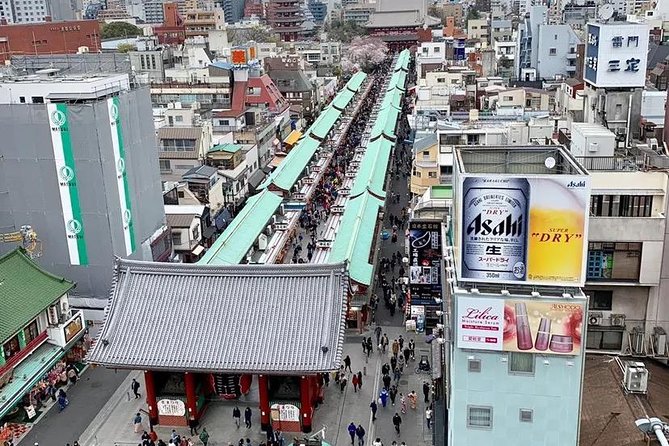
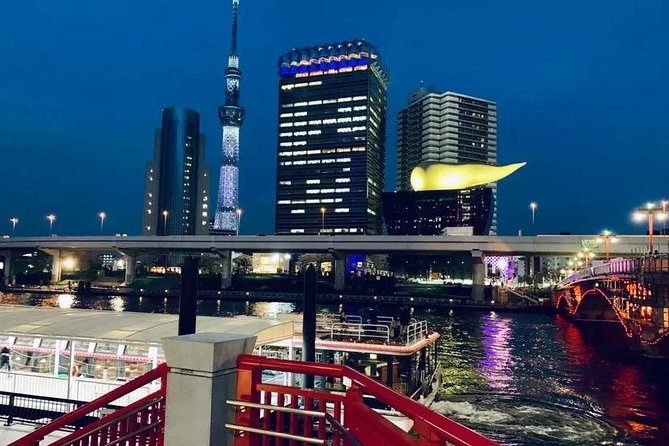
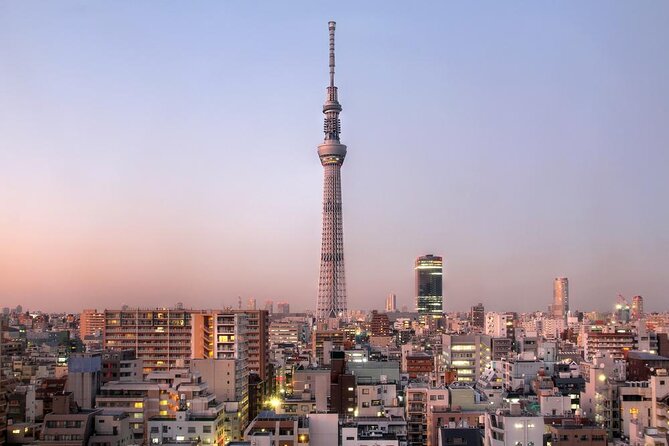
Tokyo Skytree is a headline stop, and it’s a good match for a sightseeing day that mixes historic and modern. The Skytree area sits right in the Asakusa-to-modern-city flow, so it doesn’t feel random.
Just remember: entry to the Skytree isn’t included, so you’ll want to budget for the ticket where applicable. That’s not a deal-breaker, but it does change the math. If you plan to go up for views, it’s worth treating the cost as part of your day’s core experience.
Also, plan for “time in the area,” not just the ticket moment. People often expect everything to be straightforward. In practice, you may spend a few extra minutes orienting yourself around exits and streets in that area—so arrive with patience and let your guide handle the wayfinding.
Readers also shortlisted these Tokyo bookings:
- Mt Fuji and Hakone 1-Day Bus Tour Return by Bullet Train★ 5.0 · 26,383 reviews
- 1-Day Tokyo Bus Tour★ 5.0 · 14,250 reviews
- Mt Fuji & Hakone Cruise, Drum Show Bullet Train 1 Day from Tokyo★ 4.0 · 7,413 reviews
- Tokyo: DisneySea 1-Day Passport★ 4.5 · 2,726 reviews
- Tokyo Disneyland 1-Day Passport★ 4.6 · 2,512 reviews
Imperial Palace: short walk, big meaning
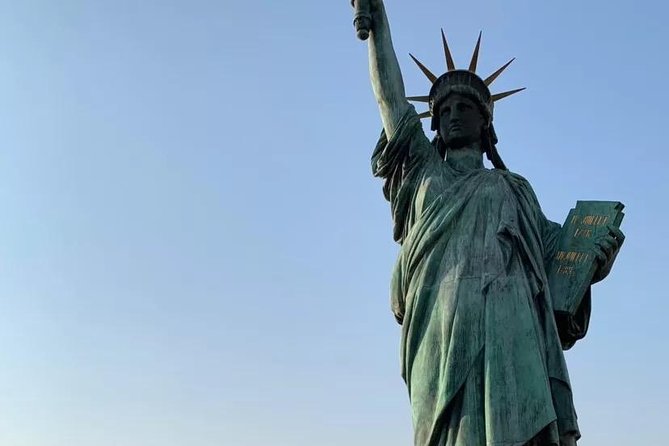
The Imperial Palace stop is brief—think a small walk outside rather than a full museum-level visit. Even in a short time, it helps anchor Tokyo’s historical identity beyond temples and neighborhoods.
This is a good pause. You’re switching from the intense sensory flow of Asakusa to a calmer, more formal landscape. Even without going deep into buildings, it provides context for how Japan’s imperial story shaped the city.
Because your time is limited here, I’d use it like a reset button. Stand where you can see what’s around you, take photos if you want, and then roll on. Don’t try to force a long visit into a short stop.
Meiji Jingu and Harajuku energy: shrine calm plus street style
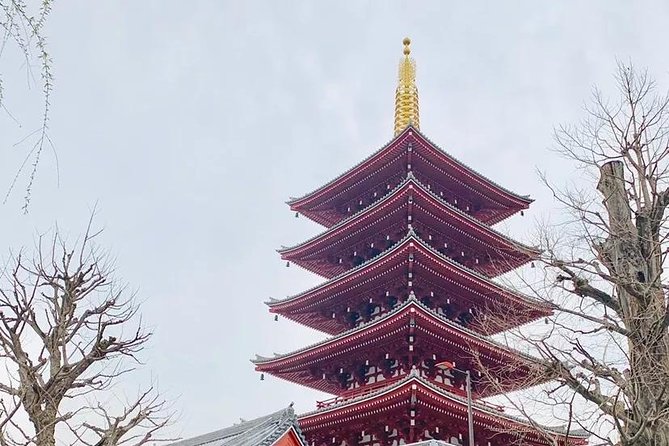
Next comes Meiji Jingu Shrine, dedicated to Emperor Meiji and Empress Shōken. If you want a Tokyo contrast moment, this is it. One part of your day is dense and active; the shrine part gives you space to breathe.
Then you’ll go to Takeshita Street in Harajuku. This is the other side of Tokyo: fashion boutiques, cafes, and the kind of street energy that looks made for photos. The switch can be jarring in a good way. It’s the same city, but the vibe changes fast.
If your group has different interests, this pairing works well. Shrine stop satisfies people who want culture and quiet. Takeshita satisfies people who want modern Tokyo style and snacks.
A practical note: Harajuku gets busy. If you’re filming or taking lots of photos, keep moving. You’ll get better results without getting stuck at the center of the crowd.
Shibuya Crossing and Hachikō: the modern Tokyo moment that still feels human
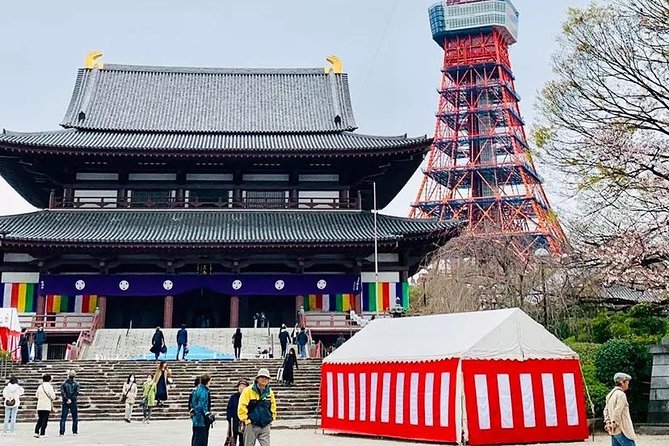
Shibuya Crossing is a must for first-timers because it captures Tokyo’s rhythm in one glance. It’s the intersection you’ve seen in movies and music clips. Here’s the useful part: seeing it in person helps you understand what you’ve been imagining.
Your stop also includes Hachikō, the famous Akita who met his master at Shibuya Station. This is where Tokyo’s modern intensity gets a human story attached. You’re not just looking at a landmark—you’re meeting a piece of local legend.
Timing helps here. You’ve got a short window, so think of it as observation time. Watch how people move through the crossing. Pause at Hachikō if you want the classic photo, but don’t burn 45 minutes if you have more you want to do later.
Shinjuku Gyoen National Garden: cherry blossom season value
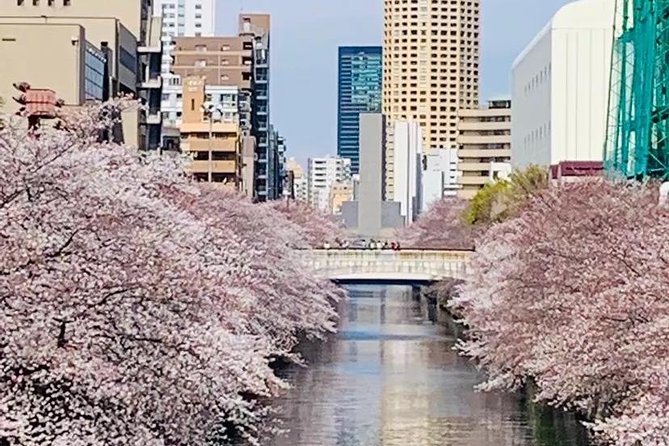
The final major stop is Shinjuku Gyoen National Garden. This is noted as a best place for cherry blossoms, so if you’re in season, you’re catching one of the city’s most scenic moments.
It’s also a nice contrast to the rest of the day. You’ve done temples, shopping streets, and crossings. A garden lets you slow down and reset before the day ends.
Entry to the garden isn’t included, so treat that like part of your ticket budget. And because this is the end of the route, check your group’s energy level. If you’ve got someone who needs breaks, this is where a slower pace can feel especially good.
English-speaking guide guidance: how it helps more than you think
The guide is more than narration. In a day with multiple zones, you’re really buying organization: what order to see things in, what to pay attention to, and how to understand what you’re looking at.
You’ll get English explanations about Japan’s history and culture throughout the day. That matters because Tokyo can look like labels on a map until someone helps connect the dots. The guide also helps make adjustments when conditions change, which is useful in a city where weather can flip quickly.
I also like that the experience is built around personalized attention. If you want to spend more time at one place, you can ask. If you want to swap priorities, that’s usually easier in a private format than in a fixed group tour.
One small caution from the way these charters often work: some guides focus on orientation and route planning rather than staying with you inside every site. So listen carefully at the handoff points. If you’re not sure where to meet back up, ask clearly before you separate.
Rain and traffic: what to do so the day stays fun
Tokyo traffic can be intense. Your guide and driver are the difference between arriving stressed and arriving happy. In past experiences highlighted for this kind of day, drivers have been praised for efficiency even when roads and schedules get messy.
Weather is the other wildcard. If it rains, you’ll still be able to see a lot, but you’ll want to lean into indoor-friendly stops or shorter walks. A good sign is if your guide is ready with alternate ideas and can steer you toward less-walk-heavy choices.
Bring basic rain gear. Even a small umbrella can save time. Also, wear shoes you can walk in on wet pavement. Comfort wins here.
Who this tour is best for (and who should skip it)
This charter is a strong fit if:
- You’re in Tokyo for the first time and want a fast, organized overview
- Your group has mixed interests—temples and techy modern Tokyo in one day
- You dislike navigating trains with big luggage or frequent station changes
- You want an English-speaking guide to explain what you’re seeing
You might skip this if:
- Your group plans to do only one or two sites and wants hours of deep time at each
- Everyone in your group already loves jumping on public transit and mapping your own routes
- You don’t want to manage extra entry tickets at multiple stops
Should you book this private Tokyo charter?
If you want a day that teaches you Tokyo fast, this is an easy yes. The value is in saving time, reducing hassle, and getting English-speaking cultural context without crowd-fighting every hour. It’s also great for groups up to 5, where the $400 price stops feeling like a luxury and starts feeling like a smart trade.
I’d book it especially early in your trip. Use the day to learn the city’s shape. Then your remaining time can be more relaxed and more specific.
Just go in with two expectations: some stops have extra entry costs, and the schedule is intentionally paced. If that matches your style, you’ll finish the day with a clear map in your head and a Tokyo highlight reel in your photos.
FAQ
How many people can join this charter?
The tour is priced per group and is up to 5 people.
How long is the Tokyo private charter?
It runs for about 8 hours.
Is hotel pickup included?
Yes, pickup is offered.
Are entry tickets included for the stops?
No. Entry to places is not included, including stops where ticket entry is listed as not included.
Do I get an English-speaking guide?
Yes, the tour includes an English-speaking guide.
Will I receive a mobile ticket?
Yes, the tour includes a mobile ticket.
Is there free cancellation?
Yes. You can cancel up to 24 hours in advance for a full refund.
More Private in Tokyo
- Tokyo 6hr Private Tour with Government-Licensed Guide
★ 5.0 · 3,902 reviews - Private Tour to Mt. Fuji and Hakone (Fully Licenced Operator)
★ 5.0 · 1,910 reviews - Tokyo Customized Private Tour (Must See Places in 1 Day)
★ 5.0 · 1,499 reviews - Mount Fuji Full-Day Private Tour from Tokyo (Customizable)
★ 4.9 · 1,470 reviews - Tokyo: Private City Highlights Tour with Local Guide
★ 4.8 · 1,433 reviews
More Tours in Tokyo
- Mt Fuji and Hakone 1-Day Bus Tour Return by Bullet Train
★ 5.0 · 26,383 reviews - 1-Day Tokyo Bus Tour
★ 5.0 · 14,250 reviews - Tokyo: Shinjuku Food Tour (13 Dishes at 4 Local Eateries)
★ 5.0 · 6,603 reviews - Tokyo Mt Fuji 5th St & Hakone Cruise Bus Tour w/Bullet Train
★ 4.4 · 5,024 reviews - Flagship 2-Hours Official Street Go-Kart Tour – Tokyo Bay Shop
★ 5.0 · 4,974 reviews
More Tour Reviews in Tokyo
- Mt Fuji and Hakone 1-Day Bus Tour Return by Bullet Train
★ 5.0 · 26,383 reviews - 1-Day Tokyo Bus Tour
★ 5.0 · 14,250 reviews - Tokyo: teamLab Planets TOKYO Digital Art Museum Entry Ticket
★ 4.6 · 9,779 reviews - Mt Fuji & Hakone Cruise, Drum Show Bullet Train 1 Day from Tokyo
★ 4.0 · 7,413 reviews - Tokyo: Shinjuku Food Tour (13 Dishes at 4 Local Eateries)
★ 5.0 · 6,603 reviews
Latest Tokyo reviews off our desk






1-Day Tours, compared.
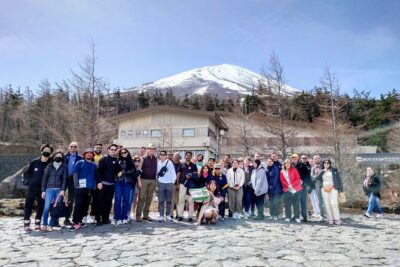 ★ 5.0Mt Fuji and Hakone 1-Day Bus Tour Return by Bullet TrainFrom $16326,383 reviews
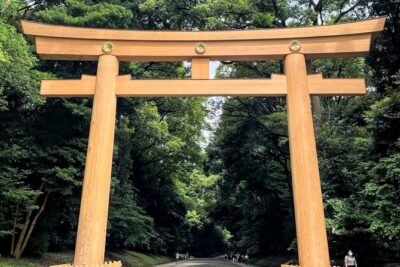 ★ 5.01-Day Tokyo Bus TourFrom $12914,250 reviews
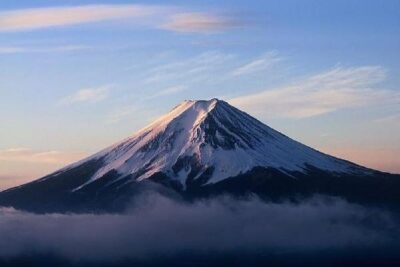 ★ 4.0Mt Fuji & Hakone Cruise, Drum Show Bullet Train 1 Day from TokyoFrom $1497,413 reviews
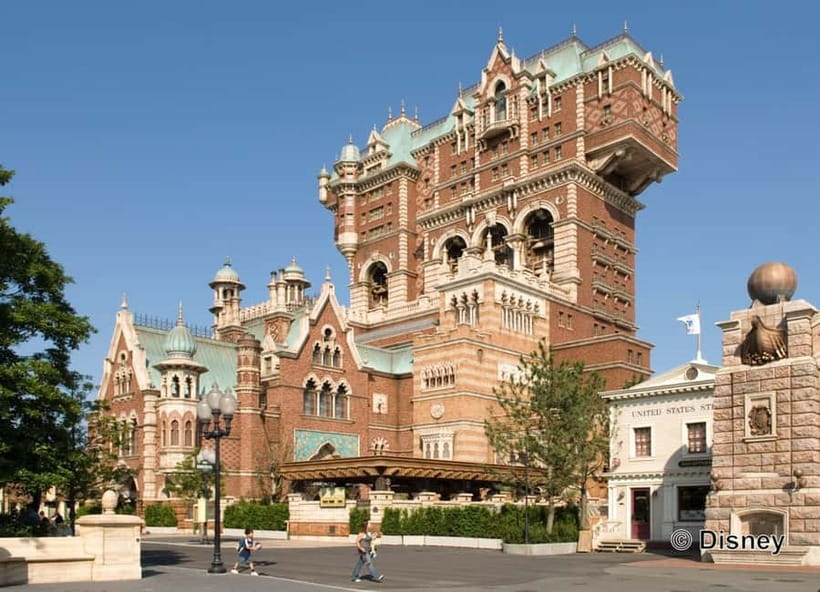 ★ 4.5DisneySea 1-Day PassportFrom $572,726 reviews
 ★ 4.6Tokyo Disneyland 1-Day PassportFrom $572,512 reviews
 ★ 4.2Mt. Fuji 5th Station & Hakone Cruise 1-Day Bus TourFrom $1292,381 reviews
 ★ 5.0Tokyo Customized Private Tour (Must See Places in 1 Day)From $1451,499 reviews
 ★ 4.5Kamakura & Enoshima Day Trip including Temple TicketsFrom $581,375 reviews
Browse the lists this tour appears in