
Reviewed · KAMAKURA DAY TRIPS
Tokyo: Kamakura & Enoshima Day Trip including Temple Tickets
Temple crowds and Fuji views, all in one day. This day trip mixes two big styles of Japan—Kamakura shrine-and-temple culture and Enoshima’s sea views—without you having to plan trains or ticket lines all day. I especially love the walk-through energy from Tsurugaoka Hachimangu into Komachi Street, and I also love that Enoshima can reward you with Mt. Fuji on clear days. The one trade-off: the schedule moves, so Enoshima and the caves are “see it, then decide where you want more time” rather than a slow, in-depth day.
I also like that the tour uses an English/Chinese-speaking guide, and the better guides (people like Eric, Omar, Mitsuko, and Yuki) tend to give the kind of context that makes old temples easier to understand. You’ll get a comfortable, air-conditioned vehicle ride and clear photo/visit/free-time windows so you don’t spend your whole day running for the next stop. Still, you’ll want to be punctual at the start—small delays can cascade when you’re riding in a group bus.
In This Review
- Key highlights worth your attention
- Why Kamakura and Enoshima feel different from Tokyo
- Meeting in Shinjuku and staying calm on a group bus day
- Tsurugaoka Hachimangu: the samurai-era shrine you’ll recognize instantly
- Komachi Street: snacks, souvenirs, and the best “in-between” time
- Hase-dera: gardens, a major Kannon statue, and seasonal color
- Kōtoku-in: seeing the Great Buddha’s scale in person
- Enoshima arrival: the coastal shift and the Fuji gamble
- Sea Candle tower, Iwaya Caves, and Samuel Cocking Garden timing
- Enoshima Benzaiten Shopping Street: local bites to end on a good note
- Price and value: how $58 adds up when tickets and guide time are included
- Who this Kamakura and Enoshima day trip suits best
- Should you book this Tokyo-to-Kamakura-and-Enoshima trip?
- FAQ
- What’s the overall duration of the tour?
- Which temple tickets are included?
- What’s included with the tour besides the tickets?
- Where do you meet, and where do you get dropped off?
- What are the main places you visit?
- Is free cancellation available?
Key highlights worth your attention
- Tsurugaoka Hachimangu: one of Japan’s most visited shrines, built into samurai-era storytelling
- Komachi Street: a long stretch of shops (about 250) where you can snack your way toward the harbor coast
- Hase-dera seasonal gardens: cherry blossoms, hydrangeas, peonies, and autumn leaves depending on timing
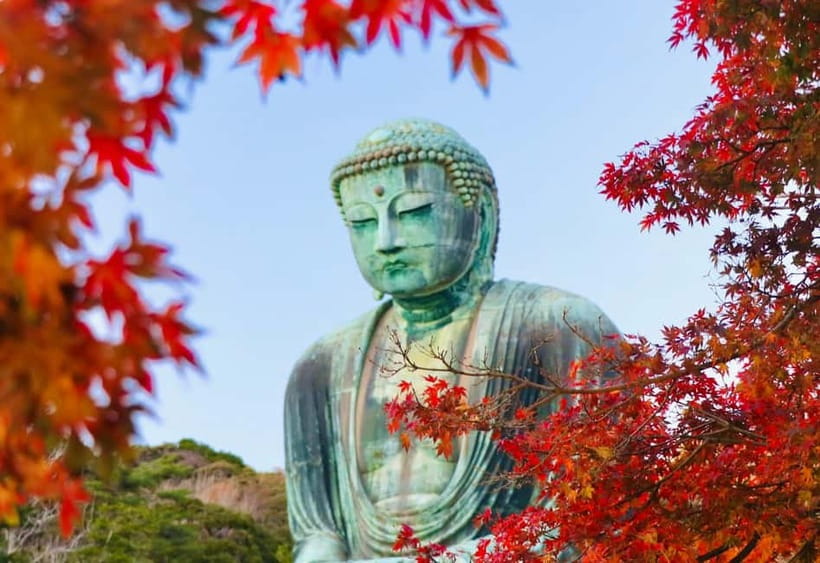
- Kōtoku-in Great Buddha: a National Treasure with a scale you can only fully appreciate up close
- Enoshima’s “Fuji on clear days” payoff: observation points give you a real chance at the view
- Caves plus shrine plus gardens: you can mix photos, walking, and shopping without backtracking
Why Kamakura and Enoshima feel different from Tokyo
Kamakura has a quieter rhythm than central Tokyo, but it’s still packed with meaning. During the Kamakura period, the city was Japan’s political and cultural center, and Tsurugaoka Hachimangu became a spiritual anchor for that samurai-world identity. You’ll feel it as soon as you step into the shrine approach—more than a stop on a route, it’s a strong “sense of place.”
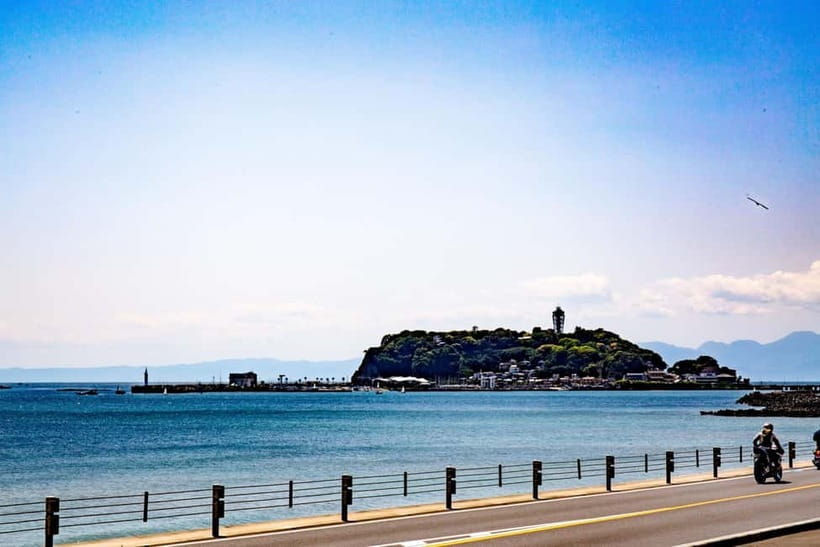
Then Enoshima flips the mood. It’s a coastal island area where shrines, gardens, caves, and a viewpoint tower all pull you onto the sea edge. On a clear day, you may even get Mt. Fuji from high vantage points, which is exactly the kind of payoff that makes a day trip feel bigger than the time you spend traveling.
Coast-and-Buddha days near Kamakura, rated
- Tokyo: Kamakura & Enoshima Day Trip including Temple Tickets
★ 4.5 · 1,375 reviews - From Tokyo: Kamakura & Enoshima 1-Day Bus Tour
★ 4.5 · 189 reviews - Kamakura Historical Walking Tour with the Great Buddha
★ 5.0 · 129 reviews - Kamakura Private Tour: Temples, Nature, and the Great Buddha
★ 5.0 · 121 reviews
Meeting in Shinjuku and staying calm on a group bus day
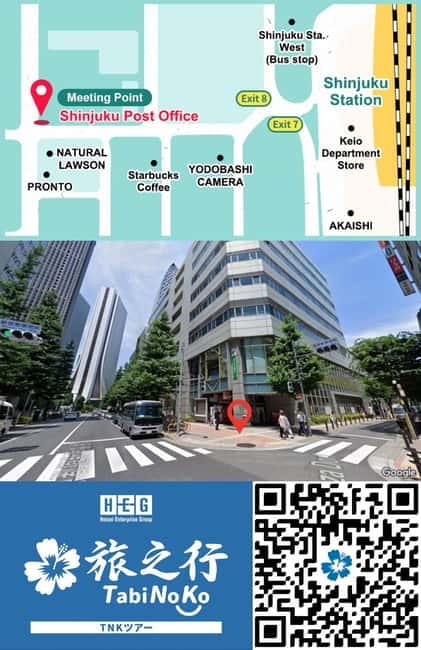
This tour starts in the Tokyo Shinjuku area. Your meeting point can vary, with two options listed: Shinjuku Post Office or GLOBAL RING CAFÉ, and you’re expected to arrive about 10 minutes early so the group can depart on time.
Once you’re on the bus, the main thing to know is that timing depends on traffic. If the vehicle is delayed, the time you spend at attractions may be adjusted. That’s normal in this part of Japan, especially around popular weekends and holidays, so I recommend keeping your expectations flexible—and using the free-time blocks for what matters most to you.
Also, if you booked different languages, the tour can combine groups in the same car. That usually doesn’t change your experience much, but it does explain why you might hear announcements in more than one language.
Tsurugaoka Hachimangu: the samurai-era shrine you’ll recognize instantly
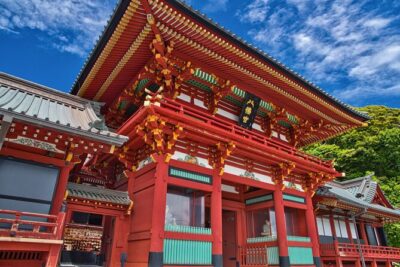
Tsurugaoka Hachimangu is one of the most visited shrines in Japan, and it’s easy to see why. The grounds sit at the heart of Kamakura’s identity, and the shrine’s long history—over 800 years—makes it feel less like a photo spot and more like a living cultural landmark.
What you’ll enjoy most here is the “arrival effect.” The shrine is famous for drawing huge crowds during New Year hatsumode, when people flock for prayers and ritual visits. Even on an ordinary day, that tradition shows up in the flow of people moving through the approach and courtyard spaces.
You’ll usually get a photo stop plus time to visit and wander. If you’re the kind of traveler who likes to understand what you’re looking at, this is a strong place to slow down for a few minutes and take in details—lanterns, carvings, and the way the site is laid out to guide your eye deeper into the grounds. The time won’t be endless, but it’s enough to feel the scale and the atmosphere.
Komachi Street: snacks, souvenirs, and the best “in-between” time
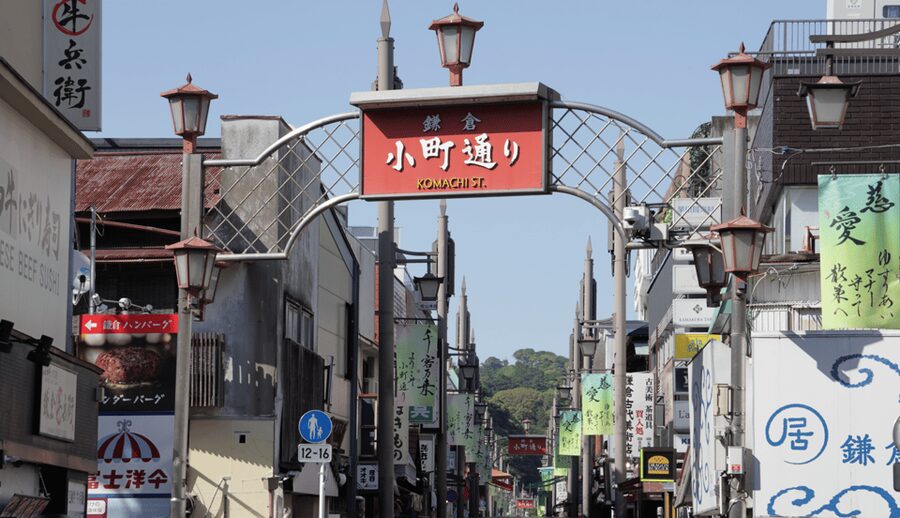
From the shrine area you’ll head into Komachi Street, a shopping street that runs roughly 360–600 meters from Kamakura Station toward the shrine. It’s known for the sheer mix of shop types—about 250 places total—so this is where the day turns from temples into everyday Kamakura life.
Here’s what makes Komachi Street valuable on a tour like this: it’s not just souvenirs. You can use the break time to reset your energy, try local snacks, and see what people actually buy and eat in the area. If you want shirasu dishes, dumplings, or croquettes, this is one of the easiest places to do it without changing plans.
I like Komachi Street because it gives you choice. You don’t have to buy anything. You can just walk, snack, and treat it like a low-stakes stroll between big spiritual stops. If you’re traveling with kids or anyone who gets tired of temples, this is the moment that usually helps the day feel balanced.
Hase-dera: gardens, a major Kannon statue, and seasonal color
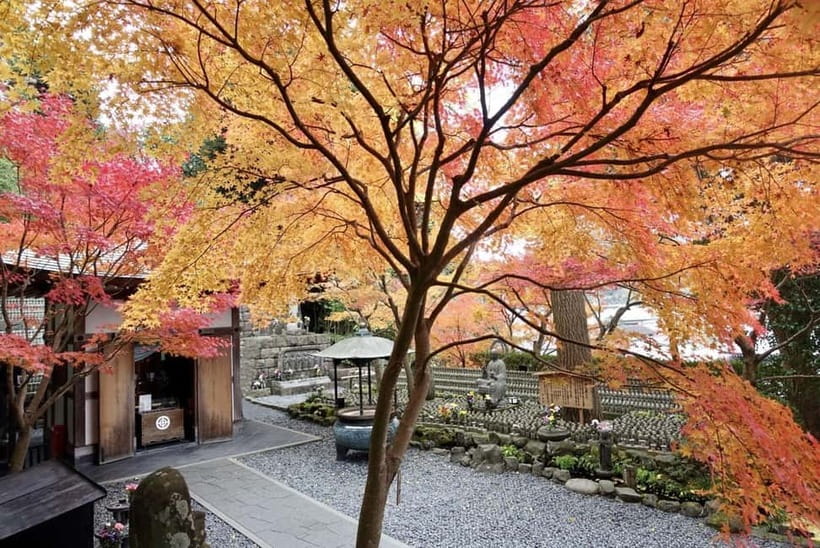
Hasedera Temple is one of Kamakura’s oldest temples, founded in 736. It’s also one of the best stops on the route for people who enjoy gardens, religious art, and viewpoint moments all in one place.
The most famous feature is the 9.18-meter Eleven-Headed Kannon statue. Up close, it’s the kind of object that changes the feeling of a visit from “walking around” to “standing in front of something important.” It’s also a good stop for your guide to explain what you’re seeing—this is the sort of statue with a lot of meaning, even if you don’t read Japanese.
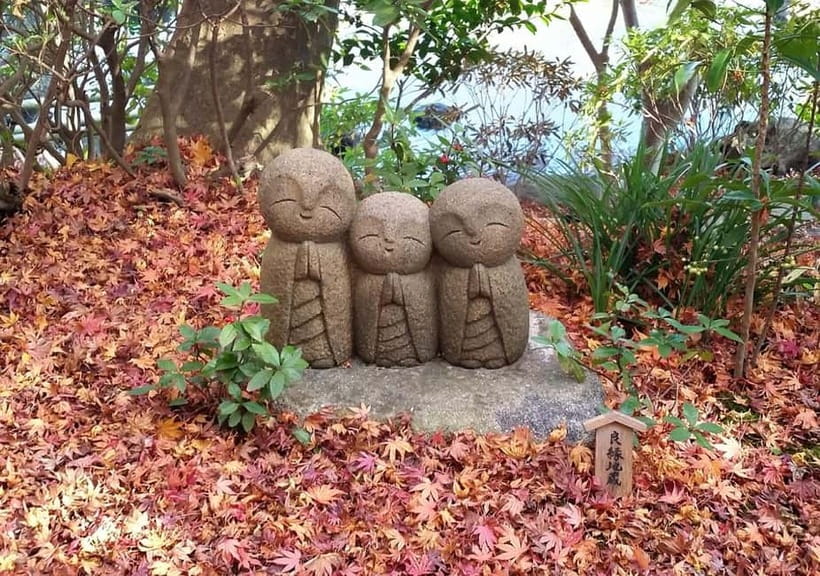
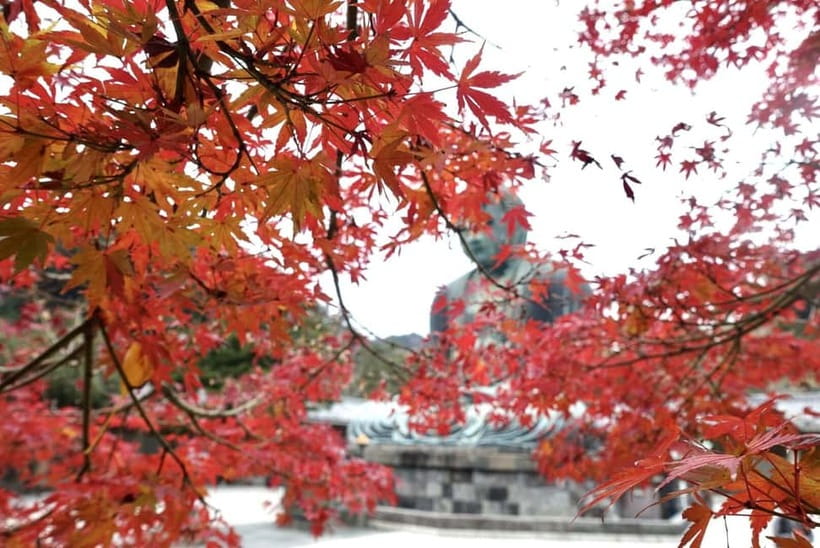
What you’ll really remember at Hasedera is seasonal atmosphere. Depending on timing, the temple grounds are known for cherry blossoms, peonies, hydrangeas, and autumn leaves. You’ll also see many Jizo statues scattered throughout the grounds, which gives the whole place a gentle, lived-in feel rather than a museum-only vibe.
The tour typically includes photo time plus a visit window with time to walk the grounds. If it’s a hot day, don’t feel bad about taking short breaks. Hasedera is beautiful, but you’ll want to pace yourself so the gardens stay enjoyable instead of draining.
- Kamakura: Private Guided Walking Tour with Local Guide★ 4.8 · 60 reviews
- Kamakura 4hr Private Trip with Government-Licensed Guide★ 5.0 · 58 reviews
- Kamakura Rickshaw Tour★ 5.0 · 53 reviews
- From Tokyo: Kamakura Full Day Tour with a Local Expert Guide★ 4.6 · 43 reviews
- When Emperors Reigned and Shoguns Ruled★ 5.0 · 43 reviews
Kōtoku-in: seeing the Great Buddha’s scale in person
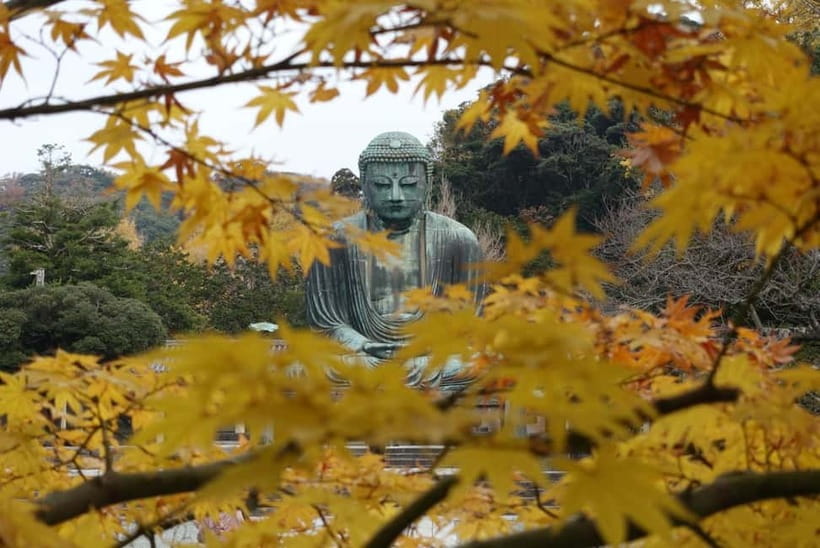
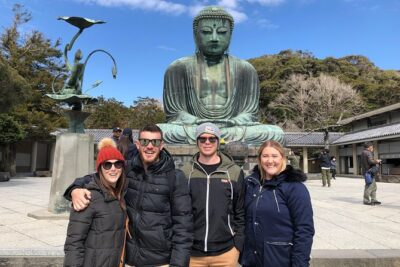
Kōtoku-in is famous for the Great Buddha of Kamakura, and it’s the kind of attraction that benefits from being seen with fewer distractions. This bronze statue of Amida Buddha is about 13.3 meters tall and weighs around 121 tons, and it’s designated a National Treasure.
The part I think matters most for you: this isn’t only about looking at the exterior. You can enter the structure to observe its internal structure. That makes it more than a “stand and shoot a photo” stop, and it’s one reason the ticket inclusion matters—your time gets used for the temple itself, not for logistics.
The environment around Kōtoku-in also feels calmer than the shopping streets. You’ll likely get a shorter visit window, but it’s long enough to (1) get close to the Buddha, (2) absorb the scale from multiple angles, and (3) decide if you want to spend extra time inside.
If you’re the kind of traveler who wants a slow, long pause at one single sight, this is one place where you might wish you had more minutes. That said, the stop is still a highlight because the Buddha is unmistakably impressive in person.
Enoshima arrival: the coastal shift and the Fuji gamble
Enoshima is the tour’s mood change. You’ll be on the sea side, walking around a cluster of attractions rather than jumping between distant neighborhoods. It’s also where the day can reward you with Mt. Fuji on clear days if the weather cooperates.
The island area includes a long list of things you can choose to focus on: Enoshima Shrine (over 1,000 years old), the Enoshima Sea Candle observation tower, the Iwaya Caves, and the Samuel Cocking Garden walking paths. The idea is that you get a taste of island variety in a single day—religion, walking, views, and a bit of retail/food in the surrounding streets.
A smart move here is to prioritize based on the weather. If the sky looks strong and visibility is good, treat the viewpoint tower and shrine high points as your “must-do.” If clouds roll in, you can still enjoy the island’s atmosphere, caves, and garden without feeling like you missed your one big payoff.
Sea Candle tower, Iwaya Caves, and Samuel Cocking Garden timing
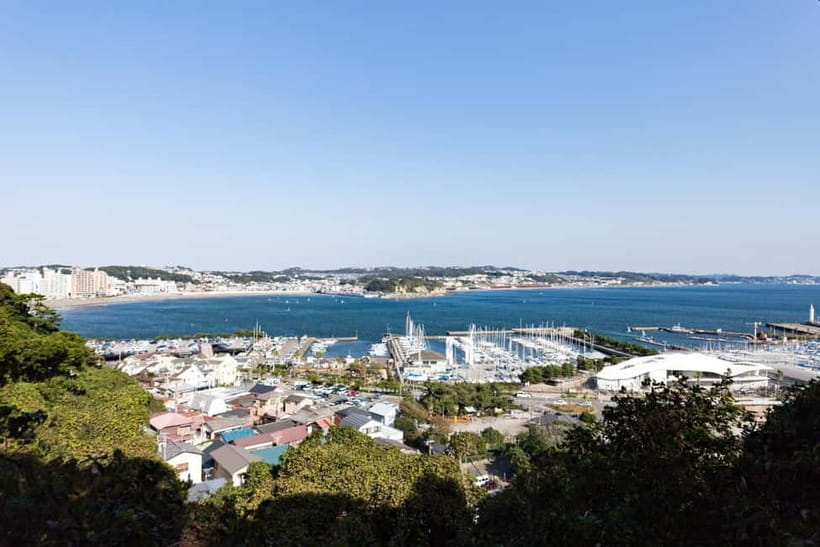
After you’ve taken in Enoshima’s main shrine area, you’ll likely tackle the “walk and view” set: the Enoshima Sea Candle observation tower and the Iwaya Caves. There’s also time for shopping along the Enoshima Benzaiten Shopping Street and a look around the Samuel Cocking Garden paths.
The Sea Candle is your “vertical” option—when it’s clear, it’s the easiest place on the island to get a broad look back toward Tokyo’s distant geography. Even when it’s not perfectly clear, it helps you understand where you are on the island.
Then there are the caves. The Iwaya Caves are a good contrast to the open views. Inside feels cooler and more sheltered, and it’s a nice change of pace after shrine steps and sea breezes. One practical tip: if you want food for a cave-related part of the day, you’ll likely prefer grabbing quick snacks from vendors rather than planning a long sit-down meal.
Samuel Cocking Garden is the “slow walk” portion. The grounds offer pleasant walking routes, giving you a chance to move at your own pace before the shopping street and the final island stops.
Enoshima Benzaiten Shopping Street: local bites to end on a good note
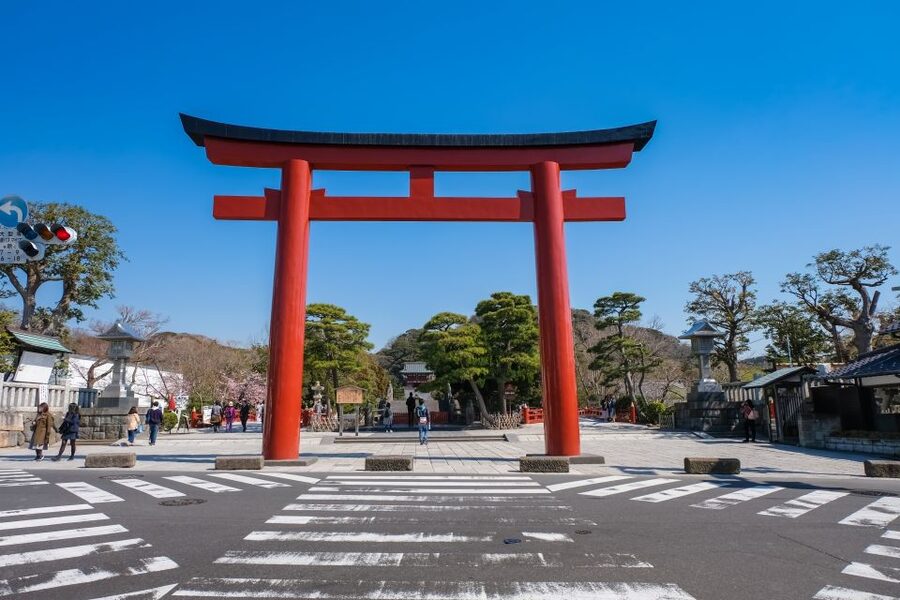
No island day trip feels complete without casual eating time, and Enoshima delivers. The Enoshima Benzaiten Shopping Street is where the day becomes more relaxed and snack-friendly. You’ll see local treats, and it’s an easy place to grab something small before heading back toward the bus.
This part of the experience is also helpful if you’re traveling with mixed interests. The earlier stops cover temples, art, and views. The shopping street gives everyone a common middle ground: walk, snack, browse, and keep moving without anyone feeling left out.
Try to keep your purchases practical. If you’re heading back to Shinjuku afterward, you don’t want heavy souvenirs that make the last hour annoying. Small, edible, and easy-to-carry wins.
Price and value: how $58 adds up when tickets and guide time are included
At $58 per person for a day trip that runs about 9 hours (listed as 570 minutes), the value depends on one thing: what you’d otherwise spend to recreate this route on your own.
Here’s the case for value. You’re getting an air-conditioned vehicle, a live English/Chinese-speaking guide, and tickets included for Kamakura Hasedera and Kōtoku-in. Those temple tickets remove a bit of friction from the day, and your guide time helps you use short visits more efficiently—especially at stops where the details matter.
If you were doing this independently, you’d likely spend time coordinating transport, lining up at each site, and figuring out the quickest walk routes between shrine areas and the coast. This tour replaces that mental work with a structured day and a comfortable ride out of the city.
That doesn’t mean it’s perfect for everyone. The trade-off is time pressure at each stop. You’ll see a lot, but you won’t slow-cook every attraction. If you want a deep dive into Enoshima’s caves or a long, quiet Buddha-in-your-mind moment, you might wish the schedule gave more minutes to one or two locations.
Who this Kamakura and Enoshima day trip suits best
This is a strong choice if you want an efficient, high-impact day with clear landmarks:
- First-timers to Kamakura and Enoshima who want the major sights without planning headaches
- People who like pairing religious sites with a walkable shopping street and seaside viewpoints
- Families and groups who benefit from a guide keeping the day organized
- Travelers who enjoy seasonal beauty and want to see temples that are famous for flowers (when timing lines up)
If you’re someone who wants total freedom, you might prefer doing it solo. But if you’re working with limited time in Tokyo, this tour is the “best-of” sampler that still includes enough guided context to make the day feel coherent.
Should you book this Tokyo-to-Kamakura-and-Enoshima trip?
I think you should book it if you want a structured day of highlights with tickets handled and a guide who helps you understand what you’re looking at. It’s also a nice fit for weather uncertainty: even if Fuji doesn’t show up, the shrine-and-island mix still works.
You might skip it if you know you’ll be disappointed by shorter stop times. If your idea of a perfect day is lingering—especially at Enoshima caves, the garden paths, or the Great Buddha interiors—then plan a longer independent stay instead.
If your goal is to see the essential Kamakura temples and get a serious coastal day from Tokyo in one go, this is a solid value choice.
FAQ
What’s the overall duration of the tour?
The tour is listed as 9 hours, also given as 570 minutes.
Which temple tickets are included?
Tickets for Kamakura Hasedera and Kōtoku-in Temple are included.
What’s included with the tour besides the tickets?
It includes an air-conditioned vehicle and an English/Chinese-speaking guide.
Where do you meet, and where do you get dropped off?
The meeting point may vary by option. Two listed starting points are Shinjuku Post Office and GLOBAL RING CAFÉ. The only available drop-off location is the Shinjuku Area.
What are the main places you visit?
You’ll visit Tsurugaoka Hachimangu, Komachi Street, Hase-dera, Kōtoku-in, and Enoshima (including stops like Enoshima Sea Candle, Enoshima Shrine, Enoshima Iwaya Caves, and Enoshima Benzaiten Shopping Street).
Is free cancellation available?
Yes. Free cancellation is available up to 24 hours in advance for a full refund.
More Tour Reviews in Kamakura
- From Tokyo: Kamakura & Enoshima 1-Day Bus Tour
★ 4.5 · 189 reviews - Kamakura Historical Walking Tour with the Great Buddha
★ 5.0 · 129 reviews - Kamakura Private Tour: Temples, Nature, and the Great Buddha
★ 5.0 · 121 reviews - Kamakura Walking Tour – The City of Shogun
★ 5.0 · 100 reviews - Kamakura: Private Guided Walking Tour with Local Guide
★ 4.8 · 60 reviews
More Kamakura and Enoshima Days
- From Tokyo: Kamakura & Enoshima 1-Day Bus Tour
★ 4.5 · 189 reviews - Kamakura Historical Walking Tour with the Great Buddha
★ 5.0 · 129 reviews - Kamakura Private Tour: Temples, Nature, and the Great Buddha
★ 5.0 · 121 reviews - Kamakura Walking Tour – The City of Shogun
★ 5.0 · 100 reviews - Kamakura: Private Guided Walking Tour with Local Guide
★ 4.8 · 60 reviews
Latest Kamakura reviews off our desk
Kamakura Day Trips, compared.
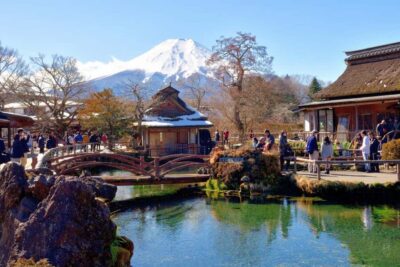 ★ 4.5Mt. Fuji, Kamakura, Big Buddha, & Lake Ashi Day TripFrom $49867 reviews
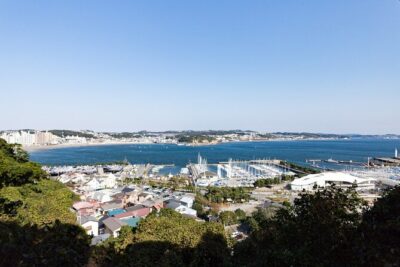 ★ 4.5From Tokyo: Kamakura & Enoshima 1-Day Bus TourFrom $66189 reviews
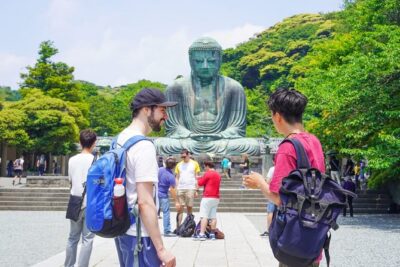 ★ 5.0Kamakura Historical Walking Tour with the Great BuddhaFrom $98129 reviews
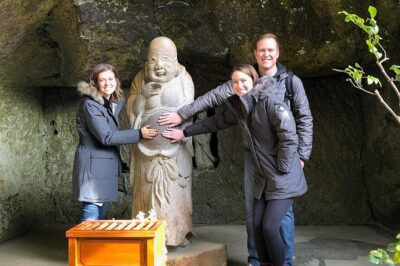 ★ 5.0Kamakura Private Tour: Temples, Nature, and the Great BuddhaFrom $98121 reviews
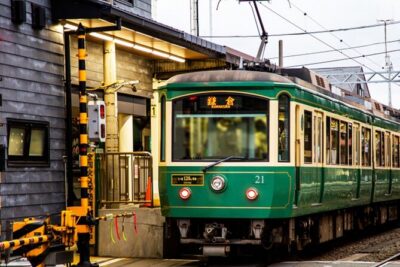 ★ 5.0Kamakura Walking Tour – The City of ShogunFrom $35100 reviews
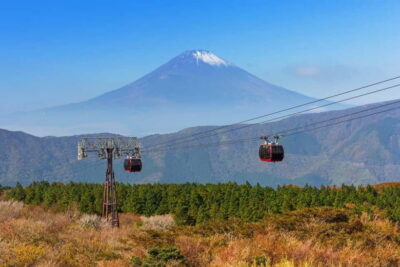 ★ 4.9Sea of Mount Fuji, Hakone Ropeway, Ōwakudani, EnoshimaFrom $5084 reviews
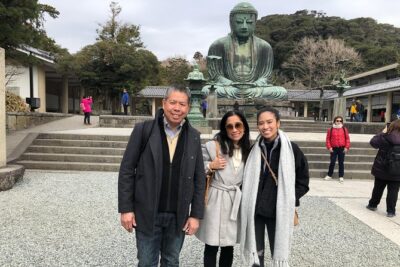 ★ 5.0Kamakura 8 hr Private Walking Tour with Licensed Guide from TokyoFrom $20180 reviews
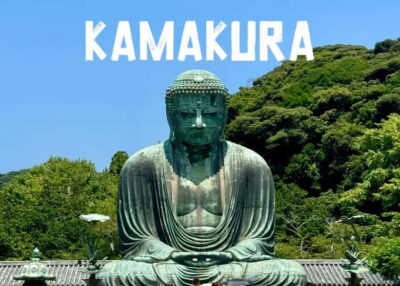 ★ 4.1Kamakura & Enoshima Day Tour with Pickup & Train RideFrom $1361 reviews
Browse the lists this tour appears in