
Reviewed · GO-KARTS
Cherry Blossom Go-Kart Tour with Insta360 Video & Photos
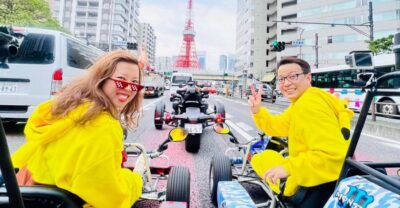
Tokyo from behind the wheel is a different story. This street-legal go-kart tour turns cherry blossom season into real city driving, with a pro guide, two-way radio narration, and stops that put you close to iconic spots like Tokyo Skytree and the Imperial Palace area. I like that the karts are built for comfort and control, especially for big and tall riders, so first-time drivers feel steadier than you’d expect.
My favorite part is the mix of motion and explanation: you’re moving through spring streets, but the guide is also feeding you context through the radio, stop by stop. You also get an optional Insta360 setup, plus complimentary photos, so you can capture the trip in a way normal selfies can’t.
One thing to consider: you must bring the right driver’s license (and IDP if needed), and you’ll want to arrive early for the safety briefing. No license, no ride.
In This Review
- Key things I’d focus on before you go
- The big idea: cherry blossoms plus actual driving in Tokyo
- Getting there: where you meet and why you should show up early
- The go-karts: comfort, control, and peace of mind for first-time drivers
- The guide + two-way radio: how you learn while you’re driving
- Spring route highlights: Skytree, Sword Museum, Nihonbashi, and Tokyo Station
- Edozakura-dori to Chidorigafuchi: where the spring scenery does the talking
- Ginza, Kabukiza, and the cultural contrast you can feel
- Insta360 on the kart: how to get great 360 video without getting annoyed
- Cost and value: why $116 can make sense for this kind of Tokyo day
- What to bring (and what to know about licenses)
- Who this tour fits best (and who should skip it)
- Should you book the Cherry Blossom Go-Kart Tour?
- FAQ
- How long is the Cherry Blossom Go-Kart Tour?
- Where does the tour start and meet?
- Is the go-kart tour street-legal?
- What do I need to drive?
- What licenses are accepted?
- Do I need an Insta360 micro SD card?
- Are photos included?
- What’s included in the price besides the kart?
- Is the tour in English?
Key things I’d focus on before you go
- Street-legal go-karts with real-city pacing and comfort-focused handling
- Two-way radio guide narration so you get the stories without losing the route
- Comfort for big and tall riders, plus hydraulic braking and stable suspension
- Cherry blossom season views around Edozakura-dori, Nihonbashi, Chidorigafuchi, and the Imperial Palace area
- Insta360 video and photos with complimentary photos, plus a micro SD card requirement for video
The big idea: cherry blossoms plus actual driving in Tokyo
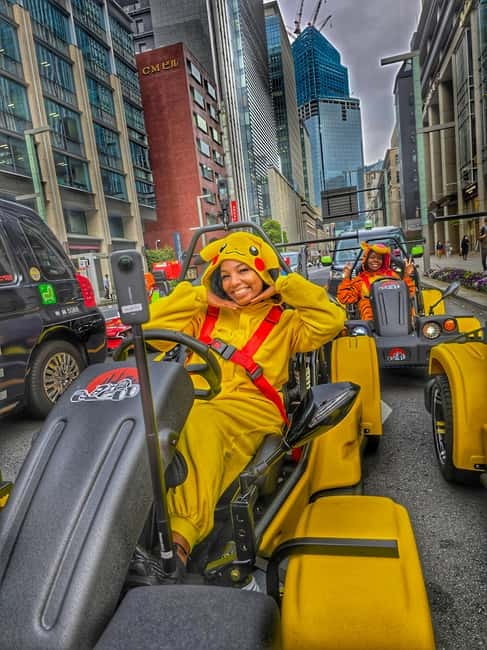
Tokyo’s spring is pretty even when you’re standing still, but it hits different at street level. On this tour, you’re in a purpose-built kart designed for urban streets, not a theme-park track, so the experience feels like Tokyo in motion—traffic, turns, and landmarks rolling past your windshield.
I like that it’s not just sightseeing-by-bus. You’re actively driving between famous areas, so you remember the route as much as the sights. And because the guide uses two-way radio communication, you get guidance and stories at the same time.
The cherry blossom season angle matters here, too. You’ll ride through spring-season streets and areas known for seasonal scenery, including historic routes and river-adjacent viewpoints near the Imperial Palace area.
Readers also shortlisted these Tokyo bookings:
- Tokyo: Kimono Dressing, Walking, and Photography Session
★ 4.9 · 427 reviews - Best Go Kart Experience in Shibuya Crossing with Iconic Photos
★ 5.0 · 348 reviews - Tokyo Go-Karting Experience: Shibuya Crossing with Photos
★ 4.8 · 190 reviews - Tokyo Cyberpunk Street Photo Tour
★ 5.0 · 165 reviews
Getting there: where you meet and why you should show up early
Your tour starts and ends at Kartzilla Go Kart Base in Higashiyotsugi, Katsushika-ku, and the listed meeting point is Kinegawa Central Park. The timing matters because you’re required to arrive at least 40 minutes early for check-in and a mandatory safety briefing.
That early arrival isn’t just “nice to have.” It gives the staff time to confirm your documents and get everyone set up before you join the group. One review tip was simple and practical: arrive early so you can finish the briefing and still roll out on time.
Bring a good mood, and plan for a short, structured process before you drive. Japan runs on schedule, and this experience is no exception.
The go-karts: comfort, control, and peace of mind for first-time drivers
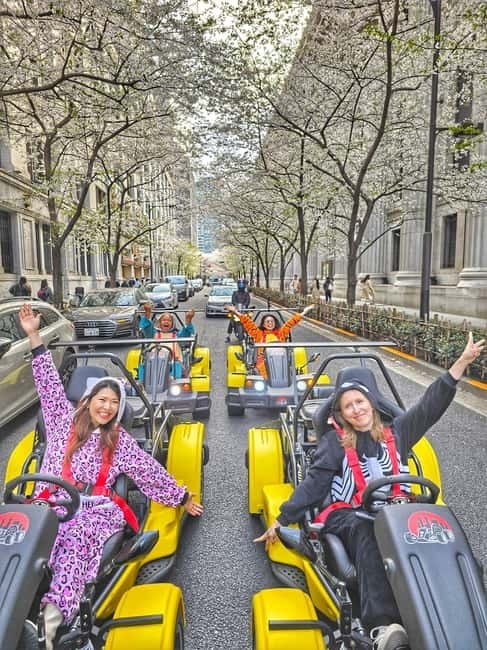
This is a street-legal kart experience, but what makes it feel more comfortable is how the Kartzilla karts are described and designed. The frames are reinforced for big and tall riders, and the seating is built to keep you stable instead of squeezed.
Handling is a big deal when you’re driving city routes, and the tour notes smooth suspension and hydraulic braking for controlled movement. That’s exactly what you want when you’re learning the kart’s feel, taking turns, and sharing roads with the rhythm of Tokyo around you.
Another safety layer is communication. Guides stay with the group and use two-way radio instructions, so you’re not guessing what’s coming next at each turn or landmark approach.
The guide + two-way radio: how you learn while you’re driving
A lot of “drive and see” activities leave you with one problem: you’re busy driving, so you miss the story. Here, the guide role is built into the ride. You’ll hear guided stories about attractions through two-way radio communication, and the guide leads the group the whole time.
What I like about that style is that it reduces stress. You can focus on your line and what the road is doing, while the narration keeps you connected to what you’re seeing—Tokyo Skytree area, historic streets, and the spring-scene zones near the Imperial Palace.
You’ll also be directed on what to do and where to go, which is a big deal when you’re moving through busy city areas as a small group.
Spring route highlights: Skytree, Sword Museum, Nihonbashi, and Tokyo Station
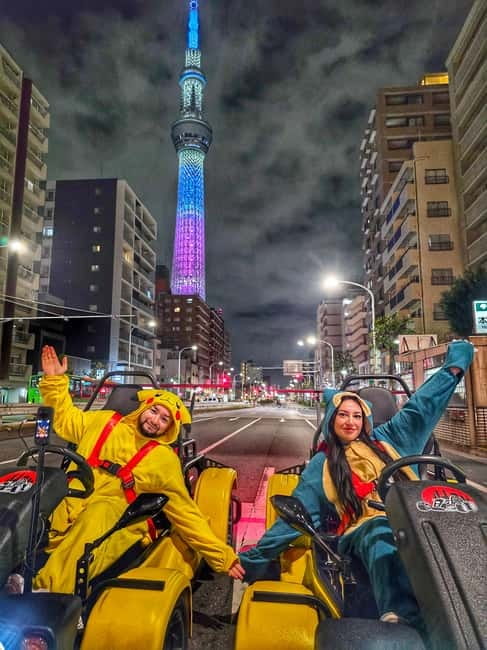
The tour begins with Tokyo Skytree on the early route, giving you a dramatic anchor right from the start. It’s a great opener because it’s instantly recognizable and it sets the tone: this isn’t a vague “sightseeing loop,” it’s built around major Tokyo landmarks.
After that, you move through areas tied to both modern Tokyo and older cultural threads. You’ll visit or pass the Japanese Sword Museum, a stop that pairs craftsmanship with calm spring visuals around the area. Then comes Nihonbashi, one of Tokyo’s historic routes, which is especially charming during spring as greenery softens the architecture.
Tokyo Station also appears on the route plan. Even if you’ve been there before, seeing it from a street-level driving perspective makes it feel different—less like a transit hub, more like a gateway through the city.
The common thread through these stops is balance: landmark scale plus close-up urban detail. You’re not just snapping photos at one angle—you’re riding the city streets that connect these places.
- Tokyo: Shinjuku Food Tour (13 Dishes at 4 Local Eateries)★ 5.0 · 6,603 reviews
- Tokyo Mt Fuji 5th St & Hakone Cruise Bus Tour w/Bullet Train★ 4.4 · 5,024 reviews
- Flagship 2-Hours Official Street Go-Kart Tour – Tokyo Bay Shop★ 5.0 · 4,974 reviews
- From Tokyo: Mount Fuji Full-Day Sightseeing Trip★ 4.5 · 4,970 reviews
- Tokyo: Hop-On Hop-Off Sightseeing Bus Ticket★ 3.9 · 4,207 reviews
Edozakura-dori to Chidorigafuchi: where the spring scenery does the talking
One of the best parts of this kind of tour is timing and pacing. The route includes Edozakura-dori and Nihonbashi as seasonal charm zones, and the pacing helps you notice how spring changes the look of streets and water-adjacent areas.
You’ll also head toward the Chidorigafuchi and Imperial Palace area—one of Tokyo’s most famous spring landscapes. This portion is where the tour’s “cherry blossom” promise becomes most obvious, with tree-lined waterways and open park views acting like a moving postcard.
Driving here is slower-feeling than you might expect because you’re surrounded by greenery and the route is shaped around these famous spring sights. It’s a good section for photos because the scenery is structured and framed by trees and park edges.
If you love spring in Tokyo for its visual rhythm—soft color against stone, motion along walkways—this section is the payoff.
Ginza, Kabukiza, and the cultural contrast you can feel
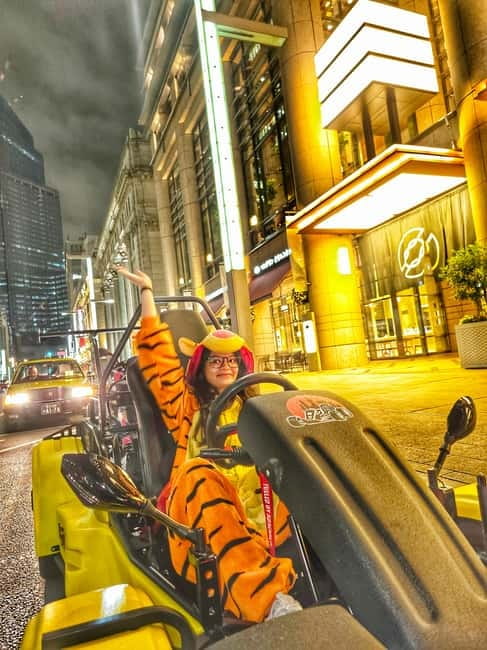
After the park and palace-side scenery, the tour shifts toward areas where modern Tokyo and traditional culture sit closer together. You’ll ride through Ginza, a name that signals polished shopping streets and a more upscale vibe.
From there, Kabukiza is on the route. Even if you’re not catching a performance, it’s a landmark that makes you pay attention to Tokyo’s performing arts side. Pairing Kabukiza with spring foliage creates a contrast that’s hard to replicate when you only visit by foot.
There’s also the Tsukiji Honganji and Suitengu Shrine areas on the route. These stops bring a spiritual, historic atmosphere into the ride, with lush greenery as the seasonal backdrop.
I like this contrast section because it prevents the tour from feeling like one long “pretty route.” You get spring scenery, then you get cultural anchors, then you get more spring scenery again.
Insta360 on the kart: how to get great 360 video without getting annoyed
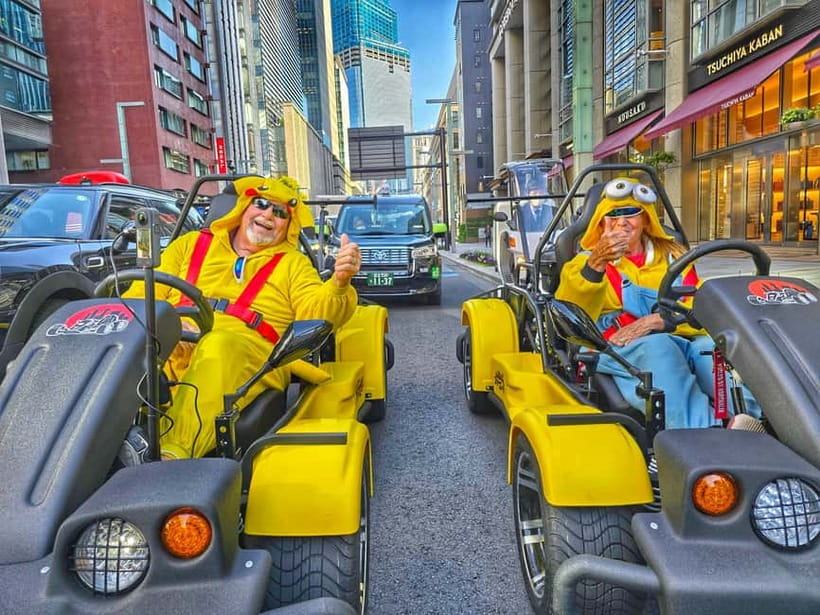
The tour includes on-board Insta360 camera use, but it also requires a micro SD card if you want video. The tour info is clear: you can purchase a micro SD card on-site, so you’re not stuck if you forget.
You also get complimentary photos included with the Insta360 experience. That matters because it gives you something shareable even if you decide not to go all-in on 360 video.
Practical tip: bring your patience for the camera moment. You’re driving, the guide is keeping the group moving, and you don’t want to spend the ride fumbling with settings. If you’re doing video, have the micro SD card ready and treat the camera like part of the gear you should set once and then enjoy the drive.
Also, a small heads-up from a past participant: sunglasses help. Dust and dirt can kick into your eyes during driving, and it’s not a problem you want to solve mid-ride.
Cost and value: why $116 can make sense for this kind of Tokyo day
At $116 per person for about 2 hours, the price isn’t cheap in the simple sense. But this isn’t just “rent a kart and good luck.” You’re getting a street-legal kart, fuel, a professional local guide, accident insurance, and drinks like water, tea, and coffee.
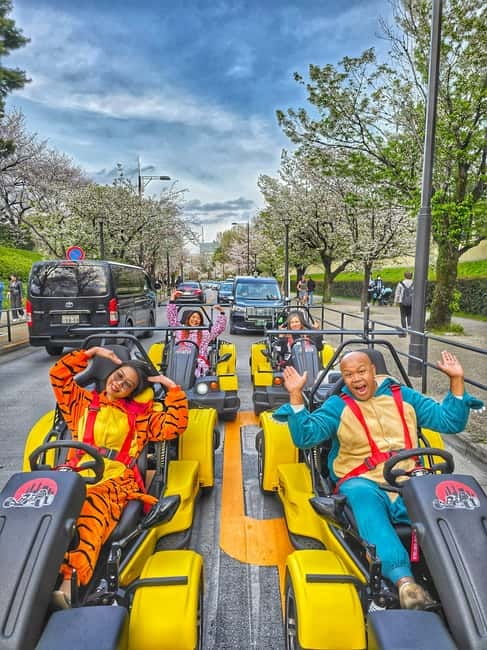
You’re also getting a small group size capped at 10 participants, plus anime costume rental and a guided, structured route. The value piece here is time and safety: you’re not spending your morning figuring out licensing, traffic rules, route planning, or how to interpret spring landmark zones.
If your goal is to experience Tokyo spring in a way that blends motion, major sights, and guided storytelling, the price starts to look more reasonable. It’s like buying a guided “Tokyo spring driving script,” not just paying for wheels.
What to bring (and what to know about licenses)
You’ll need a valid driving license, and the tour is strict about it. Accepted licenses include:
- A Japanese driving license
- For non-residents, an International Driving Permit issued under the 1949 Geneva Convention
- Licenses from Switzerland, Germany, France, Belgium, Monaco, or Taiwan must be accompanied by an official Japanese translation issued by JAF
Important limits also apply. Digital licenses, photos, or expired licenses aren’t accepted, and if you don’t present a valid accepted license on the day, you won’t be able to participate and there are no refunds.
Bring your passport as well, and arrive early so you have time for check-in. If you’re planning to do this on a trip with tight schedules, put the tour near the start of your Tokyo days, not at the end.
Also note what’s not allowed: smoking, drones, intoxication, and alcohol or drugs. Cellphones are also listed as not allowed, so plan to rely on the provided camera experience for your photos and video.
Who this tour fits best (and who should skip it)
This tour is best if you want a hands-on Tokyo experience and you’re comfortable driving a kart on city streets. The comfort-focused kart design is a plus if you’re a larger rider, and the guided nature makes it friendly for people who haven’t driven a go-kart in a while.
It’s also a good match for photography-minded visitors because the route hits recognizable landmarks and spring-scene areas in a way that’s hard to reproduce on foot quickly.
If you need something like calm sightseeing only on sidewalks, this may feel more active than you want. And if you don’t have a driver’s license (or don’t have the right one), this isn’t for you.
The tour is listed as wheelchair accessible. It’s not suitable for visually impaired people, and the driving requirement means you should only book if you’re ready to handle the kart yourself.
Should you book the Cherry Blossom Go-Kart Tour?
Book it if you want Tokyo spring to feel hands-on: major landmarks, spring scenery around the Imperial Palace area, and a guide that keeps you informed through two-way radio. At around 2 hours, it also fits well into a day that includes other classic Tokyo stops.
Skip it if you’re the type who hates rules. The license requirements are strict, and you’ll also want to follow the no-cellphone and no-drone rules. If you’re not confident you can bring the correct ID, don’t gamble with your schedule.
One last practical call: wear eye protection in a way that makes sense for you. Sunglasses were mentioned as helpful, and it’s easier to be prepared than to fight dust while you’re trying to enjoy the ride.
FAQ
How long is the Cherry Blossom Go-Kart Tour?
The tour lasts 2 hours.
Where does the tour start and meet?
The tour starts at Kartzilla Go Kart Tokyo. The meeting point is listed as Kinegawa Central Park.
Is the go-kart tour street-legal?
Yes, it’s described as a guided street-legal go-kart tour with urban sightseeing on real roads.
What do I need to drive?
You must bring a valid driving license. International Driving Permit rules depend on your home country and the type of license you have.
What licenses are accepted?
Accepted options include a Japanese driving license. For non-residents, an International Driving Permit issued under the 1949 Geneva Convention is accepted, and certain other countries’ licenses require an official Japanese translation issued by JAF.
Do I need an Insta360 micro SD card?
The camera use is included, but a micro SD card is required for the camera. You can purchase a micro SD card on-site.
Are photos included?
Complimentary photos are included with the Insta360 experience.
What’s included in the price besides the kart?
The package includes fuel for the tour, a professional local guide, anime costume rental, accident insurance, and drinks (water, tea, coffee).
Is the tour in English?
Yes. The guide languages listed are English, German, and Persian.
More Photography Sessions in Tokyo
- Tokyo: Kimono Dressing, Walking, and Photography Session
★ 4.9 · 427 reviews - Best Go Kart Experience in Shibuya Crossing with Iconic Photos
★ 5.0 · 348 reviews - Tokyo Go-Karting Experience: Shibuya Crossing with Photos
★ 4.8 · 190 reviews - Tokyo Cyberpunk Street Photo Tour
★ 5.0 · 165 reviews - Tokyo by Night Photography Tour (Private Option Available)
★ 5.0 · 151 reviews
More Tours in Tokyo
- Mt Fuji and Hakone 1-Day Bus Tour Return by Bullet Train
★ 5.0 · 26,383 reviews - 1-Day Tokyo Bus Tour
★ 5.0 · 14,250 reviews - Tokyo: Shinjuku Food Tour (13 Dishes at 4 Local Eateries)
★ 5.0 · 6,603 reviews - Tokyo Mt Fuji 5th St & Hakone Cruise Bus Tour w/Bullet Train
★ 4.4 · 5,024 reviews - Flagship 2-Hours Official Street Go-Kart Tour – Tokyo Bay Shop
★ 5.0 · 4,974 reviews
More Tour Reviews in Tokyo
- Mt Fuji and Hakone 1-Day Bus Tour Return by Bullet Train
★ 5.0 · 26,383 reviews - 1-Day Tokyo Bus Tour
★ 5.0 · 14,250 reviews - Tokyo: teamLab Planets TOKYO Digital Art Museum Entry Ticket
★ 4.6 · 9,779 reviews - Mt Fuji & Hakone Cruise, Drum Show Bullet Train 1 Day from Tokyo
★ 4.0 · 7,413 reviews - Tokyo: Shinjuku Food Tour (13 Dishes at 4 Local Eateries)
★ 5.0 · 6,603 reviews
Latest Tokyo reviews off our desk






Go-Karts, compared.
 ★ 5.0Flagship 2-Hours Official Street Go-Kart Tour – Tokyo Bay ShopFrom $644,974 reviews
 ★ 5.0Official Street Go-Kart in ShibuyaFrom $763,435 reviews
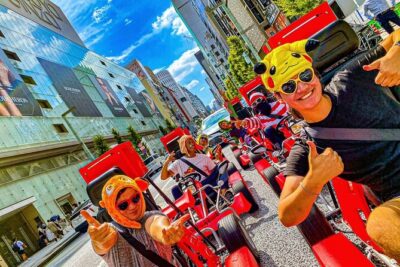 ★ 5.0Official Street Go-Kart Tour – AkihabaraFrom $611,578 reviews
 ★ 5.0Tokyo Go Kart: Asakusa, Skytree, and Akihabara **IDP MUST**From $99988 reviews
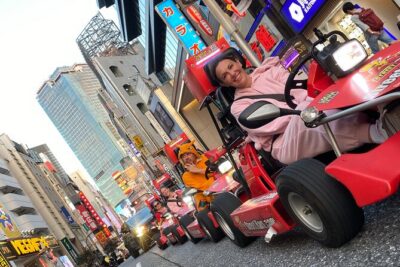 ★ 5.0Shibuya Official Street Go-Kart in Shibuya AnnexFrom $69972 reviews
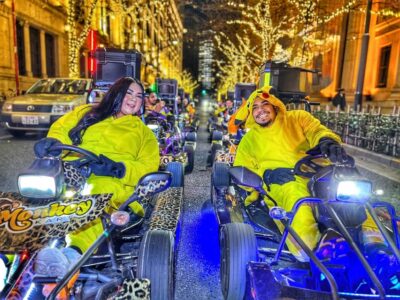 ★ 4.7Asakusa, Skytree & Akhihabara Go-Kart City ExperienceFrom $96761 reviews
 ★ 4.7Premium Go-Kart Tour with Tower & Shibuya CrossingFrom $116528 reviews
Browse the lists this tour appears in