
Reviewed · TICKETS
Tokyo: Hop-On Hop-Off Sightseeing Bus Ticket
Tokyo is easier from the top deck. This hop-on hop-off ride is a fast way to get oriented, with open-air panoramic views plus unlimited access to all routes when you want to hop off and explore at your own pace. Two things I really like: the ride covers major sights in a structured way, and the audio guide works on your own smartphone or tablet in up to 10 languages. One thing to watch: it’s truly open-air with no air-conditioning, so heat and rain can change your comfort level.
You board at a clear landmark in central Tokyo, in front of the Mitsubishi Building, and you can also jump on from other stops using the QR code on your voucher. For the commentary, you’ll want a device, earphones, and some patience about data use, since guidance may run through the personal-device system (not every bus has the vehicle-mounted setup). If you plan it right, this is an efficient, low-stress way to connect Tokyo neighborhoods without relying on constant train transfers.
In This Review
- Key highlights I’d actually use
- Why this hop-on hop-off bus works in Tokyo
- Price and value: is $30 a good deal?
- Getting on: Mitsubishi Building meeting point and QR boarding
- Open-top reality: views, rules, and weather you can’t ignore
- Audio guide on your phone: 10 languages, what to prep
- Route 1: Tokyo Skytree, Asakusa, Ueno, Akihabara loop
- Route 2: Tokyo Tower, Tsukiji Ginza views, and central Tokyo streets
- Route 3: Shinjuku and Shibuya planning from the top deck
- How to choose 1 day vs 2 days (so it doesn’t get stressful)
- Tradeoffs: waiting gaps, heat, and seating layout
- Who this tour suits best
- Should you book it?
- FAQ
- Where is the meeting point?
- How many days is the ticket valid?
- Do I need my own phone and earphones for the audio guide?
- What languages are available on the audio guide?
- Is the bus air-conditioned?
- Can I use an umbrella on board if it rains?
- Are hotel transfers included?
Key highlights I’d actually use
- 3 themed routes with unlimited hopping so you can pick what to see, not what’s forced on you
- Open-top city views from the second level, with panoramic sightseeing as you roll through Tokyo
- Phone-based audio guide in 10 languages (bring your own device and earphones)
- Major areas packed into one loop: Skytree/Asakusa/Ueno/Akihabara, Tokyo Tower/Tsukiji/Ginza, plus Shinjuku/Shibuya
- Weather rules that matter: no umbrellas onboard, ponchos are distributed when needed
- A practical “get your bearings” plan for first-time Tokyo days, especially if you split it across 2 days
Why this hop-on hop-off bus works in Tokyo

Tokyo is big. Like, big-big. And the usual problem for first timers is spending half the day on transit, then arriving at a neighborhood with no energy left to explore. This style of ticket solves that with a simple promise: you can stay on the bus to see the city’s layout, then get off where you want to dig deeper.
The real value here isn’t just the famous stops. It’s the way Tokyo neighborhoods connect. From the top deck, you’ll see how central Tokyo stretches across rivers, towers, shopping districts, and residential blocks. That visual context helps you choose where to spend your walking time later, with less guesswork and fewer dead-end train rides.
Readers also shortlisted these Tokyo bookings:
- Tokyo: teamLab Planets TOKYO Digital Art Museum Entry Ticket
★ 4.6 · 9,779 reviews - Tokyo: Hop-On Hop-Off Sightseeing Bus Ticket
★ 3.9 · 4,207 reviews - Tokyo: Japanese Dance Cabaret Theater Asakusa-Kaguwa Ticket
★ 4.8 · 2,270 reviews - Tokyo Grand Sumo Tournament Viewing Tour with Tickets
★ 5.0 · 692 reviews
Price and value: is $30 a good deal?
$30 per person for 1–2 days sounds like a lot until you compare it to the alternatives. If you’re only in Tokyo for a short window, you’re probably going to do several paid admissions, taxis, or multiple rounds of transit. A hop-on hop-off ticket can bundle a lot of “where should I go next?” time into one paid ride.
Here’s what you’re really buying:
- Unlimited access to all routes (you can ride, hop off, and re-board within the validity window)
- A no-fuss way to cover big-ticket areas without planning every train connection
- Commentary while you travel, so travel time feels productive instead of wasted
Now the tradeoff: Tokyo traffic can slow the bus. And because the bus is open-air, weather hits differently than on the subway. So this is best when you want orientation plus flexible sightseeing, not when you want the fastest point-to-point travel.
Getting on: Mitsubishi Building meeting point and QR boarding
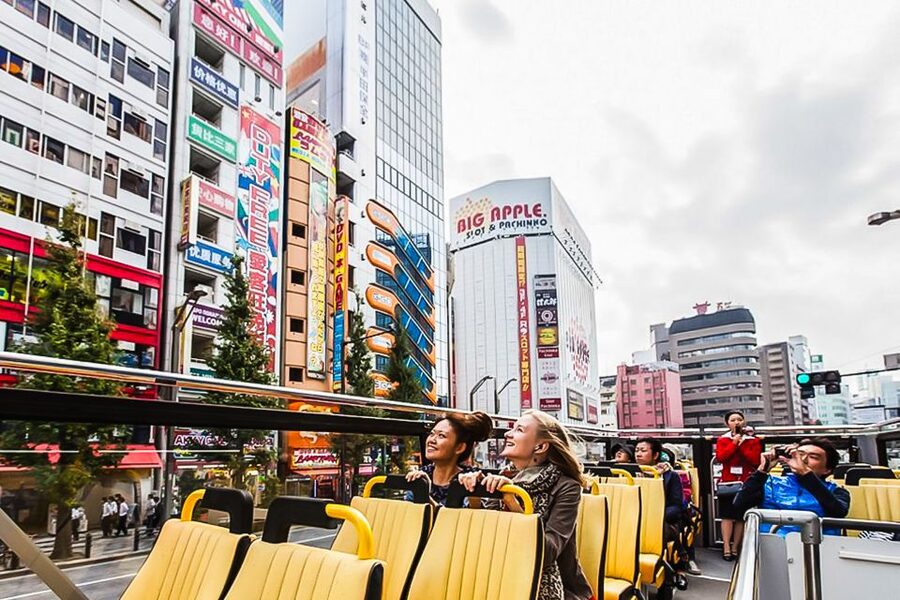
The main meeting point is in front of the Mitsubishi Building. That matters because it’s a straightforward landmark—less time searching, more time riding.
Even better: you can board directly from any bus stop using the QR code sent with your voucher. So you’re not stuck with one starting point. If you’re already in Ginza and decide you want Tsukiji views next, you can pivot without undoing your day.
There’s also a free shuttle service included. Just note: transfers from/to your hotel are not included, so you’ll still want to reach the bus network on your own.
Open-top reality: views, rules, and weather you can’t ignore
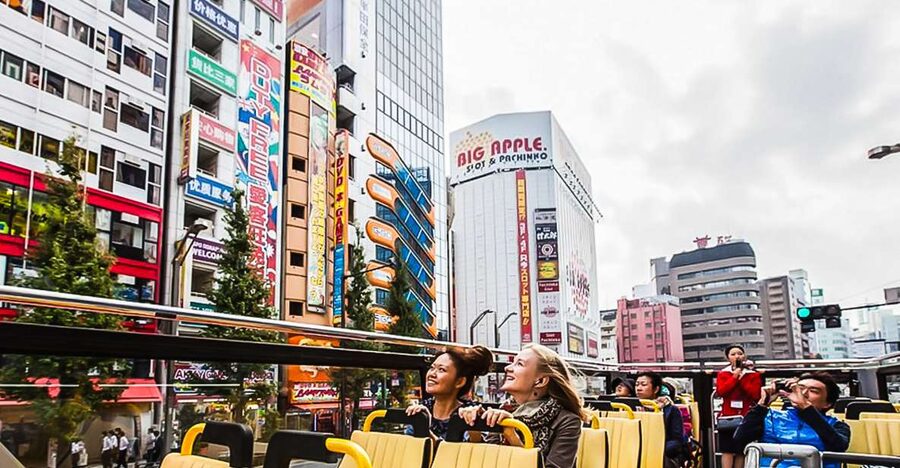
This bus is open-air, and the important detail is it has no air-conditioning. That’s not just a small comfort issue. On a hot day, the open deck can feel like a heat lamp. On cooler or clear days, it’s fantastic for photos and wide views.
A few onboard rules that affect how your ride feels:
- Standing is prohibited while the bus is in motion.
- Passenger seats are on the second floor. The first floor is for storage.
- Umbrellas aren’t allowed onboard. If rain comes, plan around that.
The good news: raincoats are distributed if needed. If it starts raining, you won’t be stranded without something to wear, and the bus crew can keep things moving.
If weather turns severe (typhoons or thunderstorms), the tour may not operate. Tokyo can change quickly, so keep an eye on day-of conditions.
Audio guide on your phone: 10 languages, what to prep
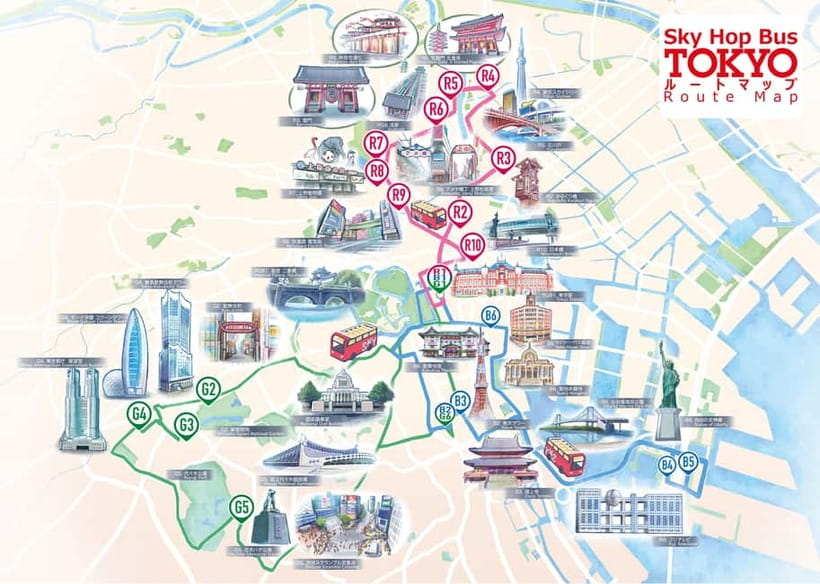
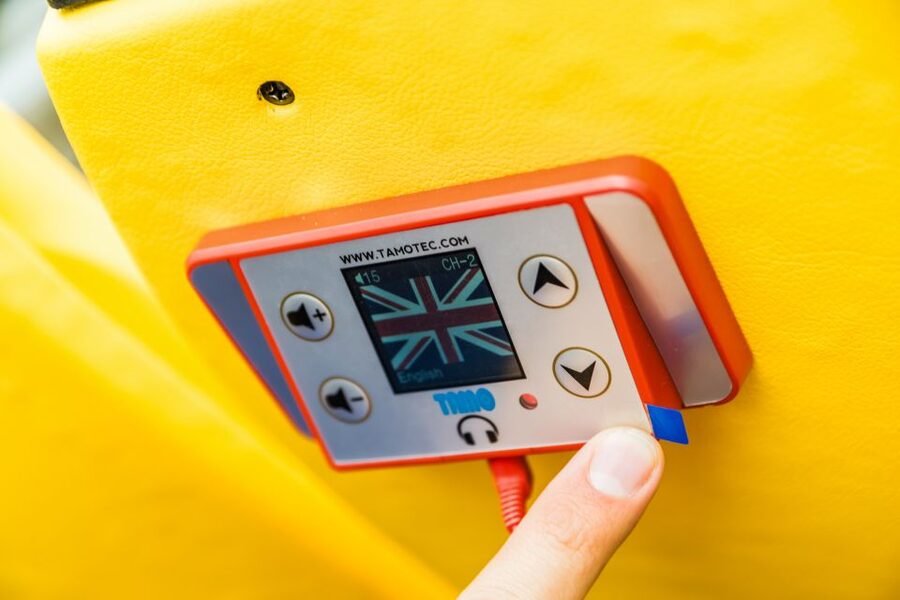
Instead of only relying on a speaker system inside the bus, Sky Hop Bus Tokyo uses a system that can run commentary through your own smartphone or tablet. It supports 10 languages:
- Japanese, English, Korean, Chinese
- French, German, Spanish, Thai, Vietnamese, Indonesian
What you need to make this work:
- Bring your device
- Bring earphones
- Expect that data charges may apply (that’s your responsibility)
Some buses may still offer a vehicle-mounted audio setup, but it might not be available on every bus. So I’d treat the phone system as the dependable plan and pack your earphones like you’re going to use them.
One practical tip: if you want good audio sync, download or prepare whatever you need before you board, and don’t assume mobile data will be perfect in every spot.
- Tokyo: Shinjuku Food Tour (13 Dishes at 4 Local Eateries)★ 5.0 · 6,603 reviews
- Tokyo Mt Fuji 5th St & Hakone Cruise Bus Tour w/Bullet Train★ 4.4 · 5,024 reviews
- Flagship 2-Hours Official Street Go-Kart Tour – Tokyo Bay Shop★ 5.0 · 4,974 reviews
- From Tokyo: Mount Fuji Full-Day Sightseeing Trip★ 4.5 · 4,970 reviews
- Tokyo: Hop-On Hop-Off Sightseeing Bus Ticket★ 3.9 · 4,207 reviews
Route 1: Tokyo Skytree, Asakusa, Ueno, Akihabara loop
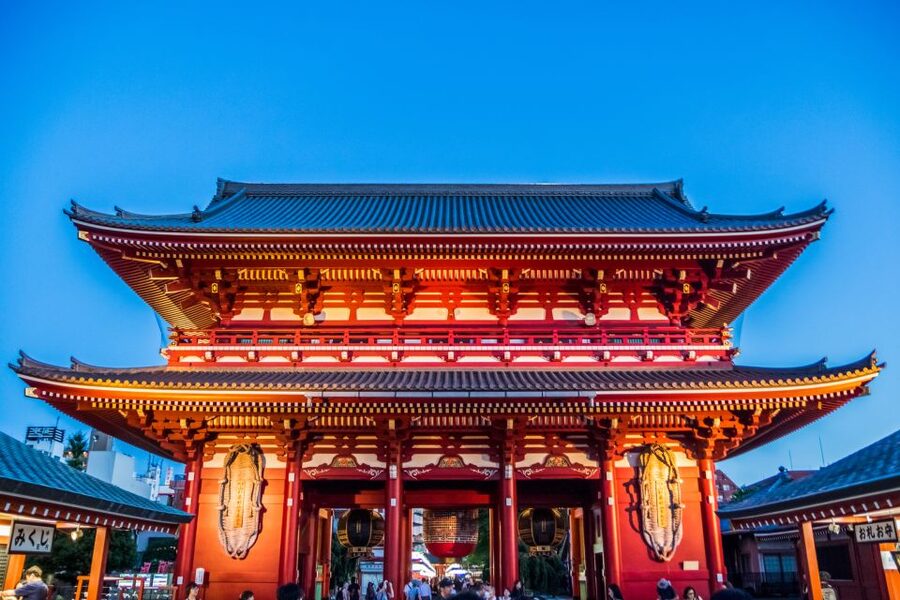
Route 1 is the “classic east Tokyo” circuit, built around a strong anchor: TOKYO SKYTREE station plus older-meets-modern neighborhoods along the way.
Key stops on this route include:
- Marunouchi Mitsubishi Building (start/return point)
- Kodemmacho Station
- Ryogoku / Edo-Tokyo Museum area
- TOKYO SKYTREE station
- Asakusa Hanakawado, Asakusa Tawaramachi
- Ueno Matsuzakaya area
- Akihabara (Suehirocho)
- Shin-Nihombashi Station
- Back to Marunouchi Mitsubishi Building
What you’ll likely love about it:
- You get a big sweep of Tokyo’s “east of the center” energy.
- Skytree and Asakusa give you a sense of how Tokyo blends iconic landmarks with older street neighborhoods.
- Ueno and Akihabara are a quick way to see two very different sides of “things to do” in one ride.
How I’d use it if you have limited time:
- Start the route, ride through for orientation, then hop off once for a longer walk (Asakusa or Ueno are easy choices based on what you’re curious about).
- If you’re into tech and gadgets, Akihabara is an obvious stop to park yourself for a bit.
- If you’re camera-ready, this route is packed with “stop-and-look” moments.
Potential drawback: because this route covers several major areas, it can get busy at prime stops. If you hop off a lot, catching the next bus may take longer than you hope.
Route 2: Tokyo Tower, Tsukiji Ginza views, and central Tokyo streets
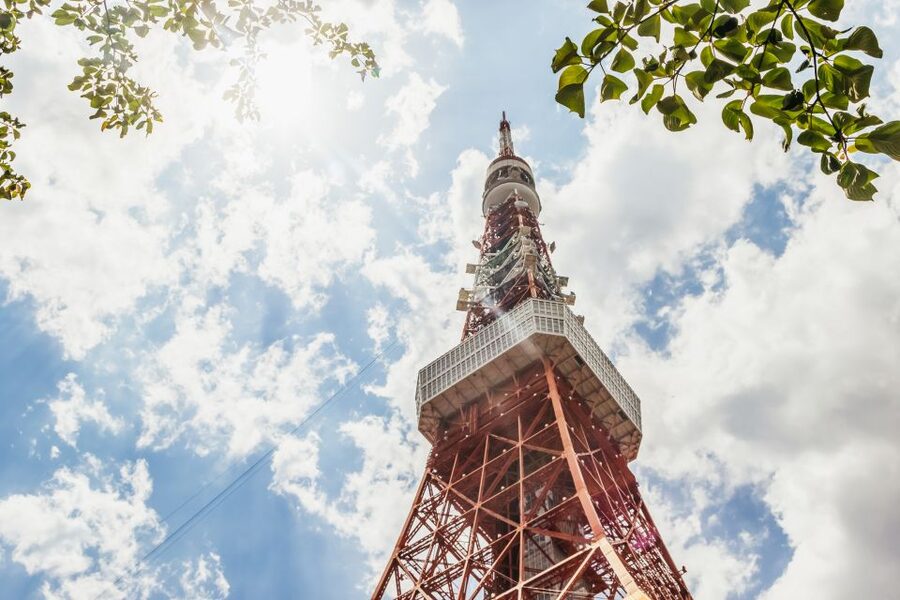
Route 2 focuses on the most recognizable “Tokyo skyline” experience in the ticket: Tokyo Tower, plus a route that threads into Tsukiji Ginza.
Stops include:
- Marunouchi Mitsubishi Building
- Tokyo Tower
- Tokyo Prince Hotel / Zojo-ji Temple area (Zojo-ji Temple is referenced as a nearby stop)
- Tokyo Teleport Station
- Tsukiji Ginza
- Back to Marunouchi Mitsubishi Building
Why Route 2 is such a smart pick:
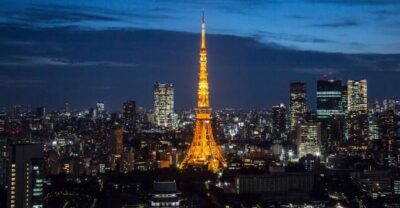
- Tokyo Tower is a strong visual target. Even if you don’t go inside anything, it helps you anchor where you are in the city.
- Tsukiji Ginza is a classic “food and shopping” zone vibe. You’ll see the kind of street-level Tokyo that feels different from Skytree-area sightseeing.
- The loop back through Marunouchi helps you connect back to central transit patterns.
My planning approach:
- If it’s your first day, Route 2 works well for orientation around central Tokyo and the tower view.
- If you’re already familiar with the basics, use Route 2 to pick one anchor stop—Tokyo Tower or Tsukiji Ginza—and then explore nearby on foot for a couple hours.
One note: traffic can affect your timing. If you’re trying to line up a strict schedule, add buffer time when the city gets congested.
Route 3: Shinjuku and Shibuya planning from the top deck
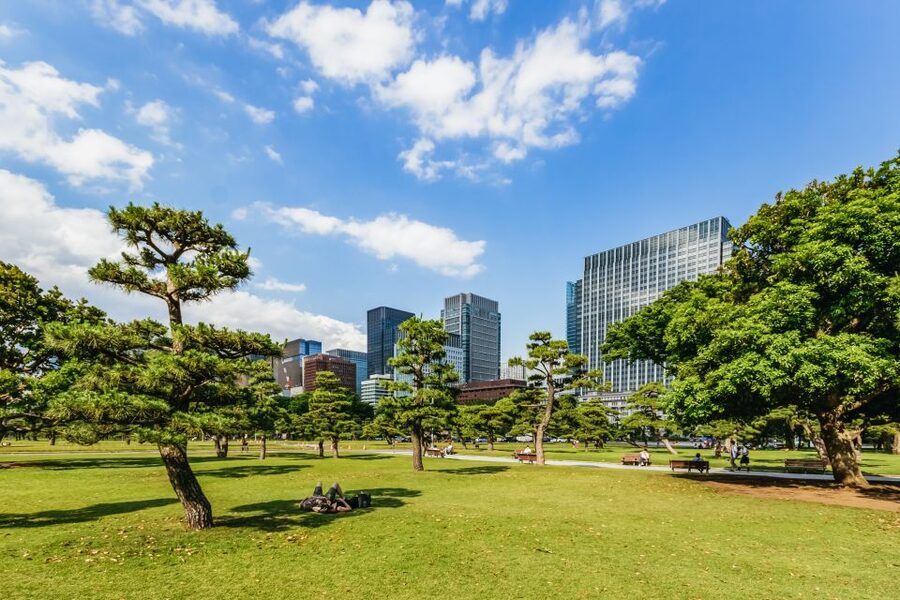
Route 3 is the “big-name Tokyo energy” line, built around two of the city’s most famous districts: Shinjuku and Shibuya.
This route runs:
- Marunouchi Mitsubishi Building
- Shinjuku-gyoemmae Station
- Shinjuku Station South Exit / Hotel Century Southern Tower
- Shinjuku Mitsui Building (Nishi-Shinjuku)
- Shibuya City Hall / Harajuku / Meiji Jingu Shrine area
- Back to Marunouchi Mitsubishi Building
Why this one matters:
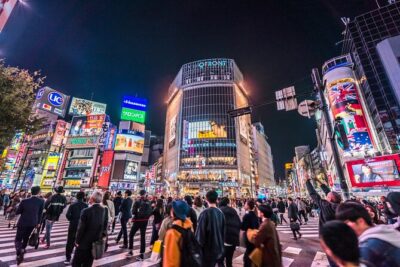
- Shinjuku and Shibuya are where Tokyo feels fastest and most vertical. From the bus, you can see the scale without walking for hours first.
- The route also touches Harajuku and a Meiji Jingu Shrine area reference, which is useful if you want to build a day around fashion streets and a calmer shrine-adjacent mood.
How to use Route 3 without getting lost:
- Treat Shinjuku and Shibuya as your “main act.” Ride through first so you know what direction to walk later.
- Then hop off at one main area and spend your energy there. You don’t need to chase all stops in one day unless you truly love moving.
If you’re visiting in the evening, the city gets dramatically more photogenic. Some routes are known for big highway or expressway segments, and dusk timing can turn bus windows into a moving light show. If you want that, plan for a late departure when you can stay out longer.
How to choose 1 day vs 2 days (so it doesn’t get stressful)
The ticket works for 1–2 days, and the difference is how much pressure you’re willing to accept. Tokyo is full of decisions. The bus reduces decision fatigue, but it can’t eliminate the city’s scale.
A good rule of thumb:
- Do 1 day if you want quick orientation and you’re selective. Pick two areas max and spend longer on foot.
- Do 2 days if you want to ride more than once per route or if you plan to revisit neighborhoods you liked.
I like using a “first day = map” approach:
- Day 1: ride and hop off just enough to see where things are.
- Day 2: return to one or two neighborhoods you clicked with.
That plan fits this bus well because it gives unlimited hopping across all routes. You’re not locked into a single circuit.
Tradeoffs: waiting gaps, heat, and seating layout
This isn’t the kind of hop-on hop-off system that behaves like a subway. There can be gaps between buses, so if you miss one, you might wait longer than you want.
Also, don’t ignore the onboard comfort setup:
- No air-conditioning on an open-air vehicle.
- The bus is open-top, so you’ll feel weather directly.
- Seating is only on the second floor. The first floor is storage.
On top of that, a couple rules affect how you behave:
- Standing while in motion is prohibited.
- In heavier crowds, you’ll likely want to be ready to board efficiently when your bus arrives.
The upside is that the bus setup keeps you moving, and the crew can help with safe boarding and timing. Still, if you hate waiting, you’ll want to plan a second option (like using trains) for any tight time window.
Who this tour suits best
This hop-on hop-off ticket fits you if:
- You want a simple way to cover major Tokyo districts in a short time
- You like choosing your own stop time instead of following a strict guided route
- You want photo-friendly city views and audio commentary without doing constant map work
It’s less perfect if:
- You need the absolute fastest transport between points (Tokyo traffic can slow any bus)
- You hate heat and sun and can’t handle an open-air ride
- You plan to hop off at many stops every hour (crowds and spacing can work against that)
Should you book it?
If you’re in Tokyo for a short trip and you want maximum “where am I, what should I do next” value, I’d book this. The combination of open-top views, three focused routes, and an audio guide you can run on your phone makes it a practical way to cut planning time.
If you’re going in hot weather or you’re very schedule-driven, I’d still consider it, but I’d plan your day around comfort: start earlier, use the bus for orientation, and then switch to on-foot exploration where you want more control.
For most first-timers, this is one of those rare travel splurges that often turns into savings—less wasted transit time, fewer wrong turns, and a cleaner plan for the rest of your Tokyo days.
FAQ
Where is the meeting point?
You meet in front of the Mitsubishi Building. You can also board at other stops using the QR code from your voucher.
How many days is the ticket valid?
The ticket is listed as lasting 1–2 days, depending on the starting times and availability.
Do I need my own phone and earphones for the audio guide?
Yes, for the newer system you’ll use your own smartphone or tablet and earphones. Data charges may apply and are your responsibility.
What languages are available on the audio guide?
On the personal-device system, it supports 10 languages: Japanese, English, Korean, Chinese, French, German, Spanish, Thai, Vietnamese, and Indonesian. Some buses may also have vehicle-mounted audio with fewer languages.
Is the bus air-conditioned?
No. The bus is open-air and does not have air-conditioning.
Can I use an umbrella on board if it rains?
No. Umbrellas are prohibited on the bus, but raincoats are distributed if needed.
Are hotel transfers included?
Hotel transfers are not included. A free shuttle service is included with the activity, but it doesn’t replace hotel pickup/drop-off.
More Tickets in Tokyo
- Tokyo: teamLab Planets TOKYO Digital Art Museum Entry Ticket
★ 4.6 · 9,779 reviews - Tokyo: Japanese Dance Cabaret Theater Asakusa-Kaguwa Ticket
★ 4.8 · 2,270 reviews - Tokyo Grand Sumo Tournament Viewing Tour with Tickets
★ 5.0 · 692 reviews - Tokyo Skytree Admission Ticket with Tembo Deck and Galleria
★ 4.0 · 589 reviews - Tokyo: ‘Red Tokyo Tower’ Digital Amusement Park Ticket
★ 4.1 · 398 reviews
More Tour Reviews in Tokyo
- Mt Fuji and Hakone 1-Day Bus Tour Return by Bullet Train
★ 5.0 · 26,383 reviews - 1-Day Tokyo Bus Tour
★ 5.0 · 14,250 reviews - Tokyo: teamLab Planets TOKYO Digital Art Museum Entry Ticket
★ 4.6 · 9,779 reviews - Mt Fuji & Hakone Cruise, Drum Show Bullet Train 1 Day from Tokyo
★ 4.0 · 7,413 reviews - Tokyo: Shinjuku Food Tour (13 Dishes at 4 Local Eateries)
★ 5.0 · 6,603 reviews
Latest Tokyo reviews off our desk


Tickets, compared.
 ★ 4.5TOKYO SKYTREE® Admission ticketFrom $1311,192 reviews
 ★ 4.6teamLab Planets TOKYO Digital Art Museum Entry TicketFrom $259,779 reviews
 ★ 4.6Tokyo Tower: Admission TicketFrom $93,661 reviews
 ★ 4.8Japanese Dance Cabaret Theater Asakusa-Kaguwa TicketFrom $492,270 reviews
 ★ 4.5Kamakura & Enoshima Day Trip including Temple TicketsFrom $581,375 reviews
 ★ 5.0Tokyo Grand Sumo Tournament Viewing Tour with TicketsFrom $124692 reviews
 ★ 4.0Tokyo Skytree Admission Ticket with Tembo Deck and GalleriaFrom $15589 reviews
 ★ 4.1‘Red Tokyo Tower’ Digital Amusement Park TicketFrom $37398 reviews