Reviewed · TOKYO
Cook Favorite Japanese Dishes with a Tokyo Mom
This cooking class feels like being invited into real Japanese home cooking instead of watching a performance. I like that the heart of the meal is taught step by step, especially making dashi from scratch and shaping the norimaki (or onigiri) so it actually looks good.
I also love the menu flexibility: you pick your main side dish (teriyaki chicken, saikyo yaki, or gyoza), plus there’s a seasonal vegetable dish and miso soup as part of the plan. The only catch is you’ll need to show up at the meeting point yourself—no transportation is included—and the whole experience is tightly scheduled for about 2.5 hours.
You’ll be cooking in a private class with an English-speaking Japanese host named Aki, using a real kitchen setup and getting a digital recipe sheet afterward. Reviews also highlight her ability to adjust to your pace and tastes, including when conditions (like heavy rain) made travel less fun.
In This Review
- Key Points at a Glance
- Inside Tokyo Mom’s Kitchen: what this 2.5 hours is really like
- Dashi from scratch: the flavor foundation you’ll use forever
- Norimaki sushi rolls (or onigiri): shaping skills that make the dish look right
- Picking your main side dish: teriyaki, saikyo yaki, or gyoza
- The seasonal vegetable dish and miso soup: comfort you can repeat
- What’s included: ingredients, tools, apron, and a recipe you can actually use
- Price and value: why $120 can make sense (if you want skills, not just a meal)
- Location and getting there near Shinjuku: come ready to walk in
- Who should book this class, and who might want to pass
- Should you book Tokyo Mom’s Kitchen?
- FAQ
- What dishes will I make in the class?
- Can I substitute onigiri for the norimaki?
- What main side dishes can I choose from?
- Is there a vegetarian option?
- How long is the cooking experience?
- Is this class private?
- Is there an English-speaking host?
- What’s included in the price?
- Do I need transportation to get there?
- Is there free cancellation, and how far in advance?
Key Points at a Glance
- Dashi from scratch: learn the flavor base Japanese home cooks rely on.
- Norimaki (or onigiri): a hands-on rice-and-seaweed lesson, with neat results.
- Choose your main side dish: teriyaki chicken, saikyo yaki, or gyoza.
- Seasonal vegetable dish + miso soup: classic everyday comfort, not just one highlight.
- Private group class with Aki: English help and careful guidance for different skill levels.
- Recipes sent as a PDF: a practical take-home reference for cooking later.
Inside Tokyo Mom’s Kitchen: what this 2.5 hours is really like
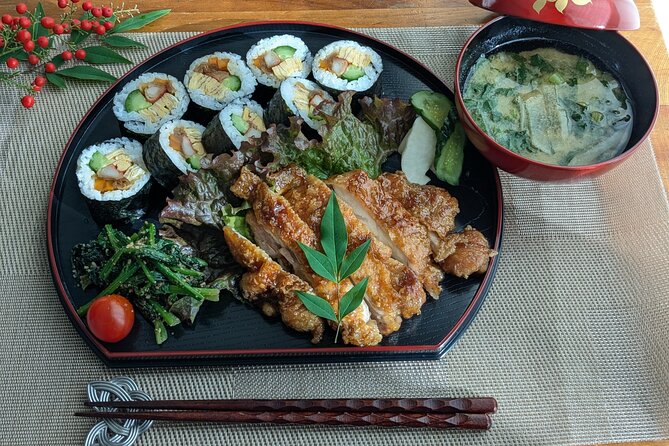
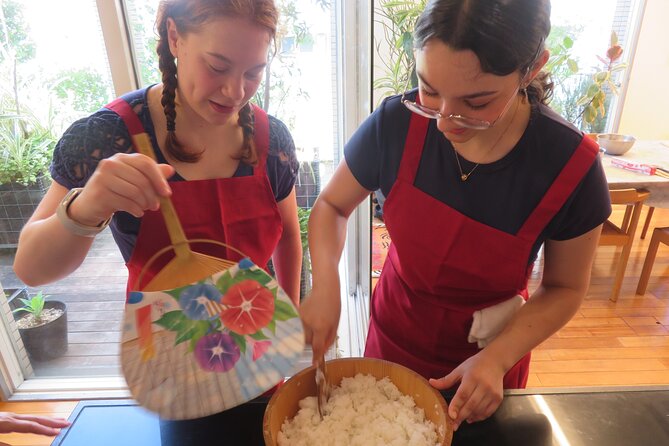
Tokyo Mom’s Kitchen is built around one simple idea: Japanese food tastes best when you understand the basics, not when you memorize a single recipe. You cook multiple dishes in a real home-style setup, with Aki coaching you in English as you go.
The pace is practical. You’ll start with the core technique—making dashi—and that sets the tone for everything else on the table. Then you move into the rice roll (norimaki) or an onigiri alternative, and after that you build out the rest of your meal with one chosen main side dish, a seasonal vegetable plate, and miso soup.
This format matters for value. At a restaurant or food tour, you get eating. Here, you get doing: the cutting, mixing, shaping, pan time, and soup-building. If you’ve ever cooked once and thought, I followed a recipe but didn’t really understand why it worked, this class is aimed exactly at that gap.
One more thing: it’s private. Only your group participates, so you’re not squeezed into a big crowd where you can’t ask questions. Reviews mention Aki teaching both novices and people who already cook, and that’s a good sign you won’t be bored if you’re comfortable in the kitchen—or overwhelmed if you’re not.
Readers booked these Tokyo options in the same breath. Here is how each one scored:
- Mt Fuji and Hakone 1-Day Bus Tour Return by Bullet Train
★ 5.0 · 26,383 reviews - 1-Day Tokyo Bus Tour
★ 5.0 · 14,250 reviews - Tokyo: teamLab Planets TOKYO Digital Art Museum Entry Ticket
★ 4.6 · 9,779 reviews - Mt Fuji & Hakone Cruise, Drum Show Bullet Train 1 Day from Tokyo
★ 4.0 · 7,413 reviews
Dashi from scratch: the flavor foundation you’ll use forever
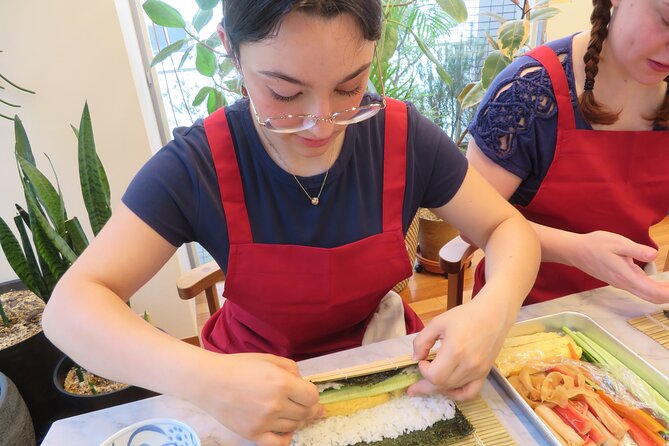
Dashi is the quiet engine of Japanese cooking. It’s the reason simple dishes taste layered instead of flat. In this class, you make dashi completely from scratch, without additives.
Why that’s a big deal: most home cooks can follow a recipe, but the trick is knowing how flavor concentrates. When you learn to make your own dashi, miso soup tastes richer, vegetable dishes taste rounder, and sauces cling better to meat or fish. It’s not just a one-off soup lesson—it’s the basis of a whole style of cooking.
Aki’s teaching style also comes through in the way she guides the room. Some reviews mention learning with pictures and brief food history alongside the steps. Even if you’re purely focused on dinner results, that context helps you remember what each ingredient is doing.
You’ll likely feel the difference immediately as you use the dashi in the dishes tied to the menu. Even within 2.5 hours, you’ll leave with a technique you can reuse on future weeknights.
Norimaki sushi rolls (or onigiri): shaping skills that make the dish look right
Most people think sushi is complicated. You’ll quickly learn it can be surprisingly approachable when you’re taught the basics in a kitchen setting.
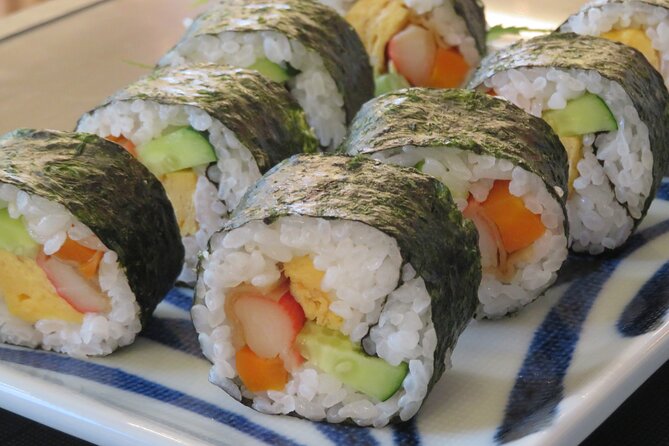
In this class, you’ll prepare traditional norimaki sushi roll—and the menu also allows a substitute: you can make onigiri (rice balls) if you prefer. That’s a practical option if you want the Japanese rice-and-filling experience without the roll-shaping stress.
What I’d focus on while cooking:
- How you handle the rice so it spreads and grips properly.
- How you balance filling so it doesn’t spill out.
- How you wrap and cut neatly, because presentation is part of taste here.
Reviews highlight the secret to making items beautiful and shared—basically, the idea that care matters. Aki’s coaching aims for results that look good enough to serve. If you’ve ever had homemade sushi fall apart, this is the kind of class that improves your technique rather than just your ingredients.
If you’re traveling in Japan and want to take something home that feels genuinely Japanese—not just a souvenir—learning rice-and-nori handling is one of the best bets.
Picking your main side dish: teriyaki, saikyo yaki, or gyoza
After dashi and the norimaki/onigiri component, you choose one main side dish from the menu:
- Teriyaki Chicken: tender chicken glazed with a sweet-and-savory soy-based sauce.
- Saikyo Yaki: miso-marinated fish grilled for a delicate, rich flavor.
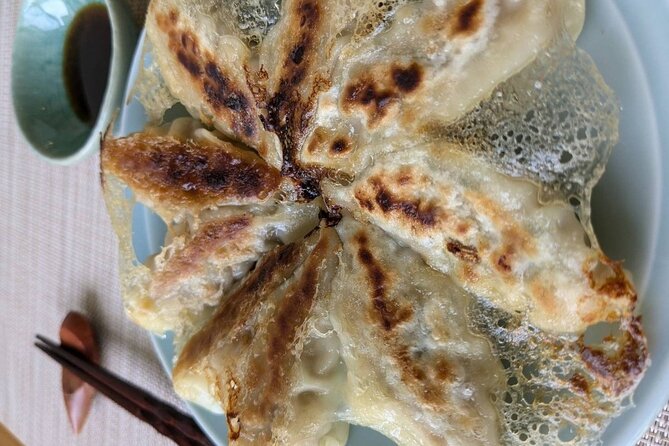
- Gyoza: pan-fried dumplings filled with ground pork and vegetables.
This choice is one of the best value parts of the class. Instead of everyone making the same thing, you can align the cooking with your taste preferences and what you’re most likely to cook again after you get home.
A quick way to decide:
- If you want crowd-pleaser comfort, choose teriyaki chicken. The sauce is the star, and it’s a technique you can adapt.
- If you’re curious about Japanese flavors that feel lighter but still deep, saikyo yaki is a great route.
- If you want hands-on joy and immediate satisfaction, gyoza often delivers the most visible transformation as the pan sizzles.
Reviews mention participants making sushi and gyoza beautifully, and that’s not an accident—it’s a sign the class isn’t just about dumping ingredients into a bowl. You’re coached toward better outcomes, even if you’re learning from scratch.
The seasonal vegetable dish and miso soup: comfort you can repeat
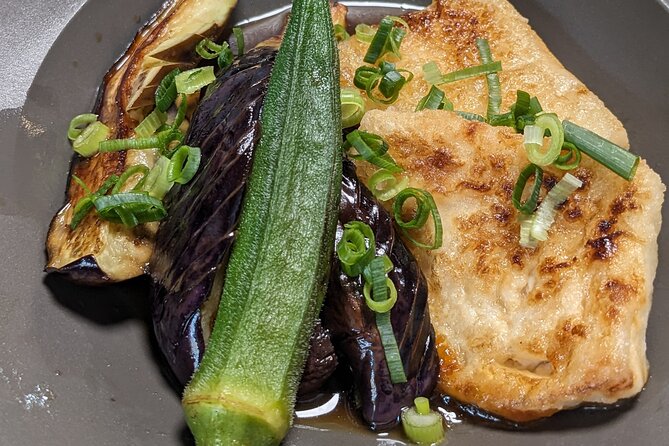
Every menu includes a seasonal vegetable dish and a comforting bowl of miso soup. That combination is classic washoku logic: you balance protein and carbs with something fresh and something warm.
Even without getting overly technical, you’ll notice how dashi changes the experience. Miso soup made with real dashi tastes more rounded. Vegetables cooked with a Japanese home-style approach feel lighter, but not thin—more like they hold flavor instead of losing it.
Why this matters for you as a cook: these are the dishes you’re most likely to replicate once you’re back home. Norimaki is memorable, but miso soup and a simple vegetable plate are what turn into real weekly meals.
And because the class is designed around natural ingredients and seasonal vegetables, you’ll also see how Japanese cooking thinks about timing. You’re not just making food—you’re following a rhythm.
A vegetarian option is available upon request, which is helpful if you want the same home-style experience without compromising your diet. If you need that option, it’s worth making the request clearly during booking so Aki can plan the menu around you.
- Tokyo: Shinjuku Food Tour (13 Dishes at 4 Local Eateries)★ 5.0 · 6,603 reviews
- Tokyo Mt Fuji 5th St & Hakone Cruise Bus Tour w/Bullet Train★ 4.4 · 5,024 reviews
- Flagship 2-Hours Official Street Go-Kart Tour – Tokyo Bay Shop★ 5.0 · 4,974 reviews
- From Tokyo: Mount Fuji Full-Day Sightseeing Trip★ 4.5 · 4,970 reviews
- Tokyo: Hop-On Hop-Off Sightseeing Bus Ticket★ 3.9 · 4,207 reviews
What’s included: ingredients, tools, apron, and a recipe you can actually use
This class includes all ingredients for cooking, full use of kitchen tools, and an apron rental. You also get a digital recipe sheet (PDF) after the class.
That PDF is the practical difference between tasting a good meal and reproducing it. Without it, you’d remember flavors and guess measurements. With it, you can recreate the process more accurately—especially the tricky parts like dashi.
Aki is an English-speaking Japanese host, and that matters. Cooking classes where you don’t share a language usually leave gaps: you can do the movements, but you can’t learn why. Here, you can ask questions, and you can follow along clearly.
Also, the class is ticketed via a mobile ticket, which simplifies check-in once you arrive. Not glamorous, but it reduces friction when you’re trying to enjoy Tokyo without logistics anxiety.
Price and value: why $120 can make sense (if you want skills, not just a meal)
At $120 per person for about 2 hours 30 minutes, this isn’t the cheapest thing on a Tokyo day. But value depends on what you want out of travel.
You’re paying for:
- Real instruction in core techniques (dashi, rice shaping/roll or onigiri, cooking a chosen side).
- Ingredients and kitchen tools included.
- An English-speaking host and a private-group setting.
- A take-home PDF recipe sheet.
In other words, you’re buying a skill session. If your goal is to eat a few bites and move on, you may prefer a food tasting. If your goal is to learn how Japanese home cooks build flavor—and then cook with those techniques later—this price feels more reasonable.
Reviews also point to premium ingredients being prepped ahead of time, plus step-by-step teaching that works for both beginners and experienced cooks. That combination usually translates to less frustration and better results, which is part of why you’ll feel the class was worth it.
Location and getting there near Shinjuku: come ready to walk in
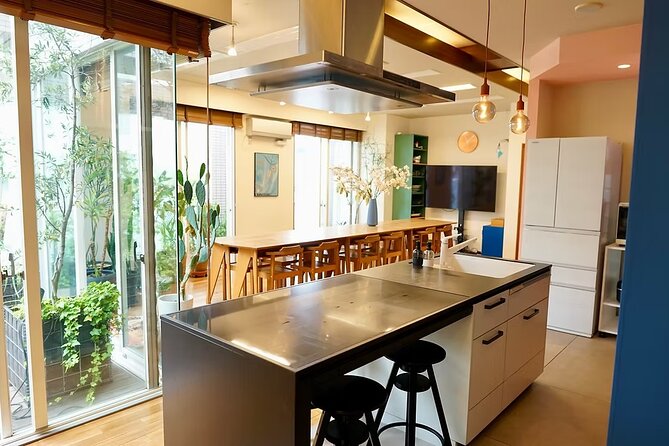
The meeting point is アイ・ディール株式会社1-chōme-24-7 Shinjuku, Shinjuku City, Tokyo 160-0022, Japan, and the experience ends back at the meeting point. It’s near public transportation, which helps a lot.
The biggest practical note: transportation isn’t included. You’ll need to get yourself there.
For most people, that’s fine. Shinjuku is easy to reach, and being near transit means you can travel light. The real rule is simple: plan to arrive a few minutes early so you can settle in and start cooking without stress.
Also, this is a private activity with only your group, so you won’t be wandering a crowd looking for your station. When you arrive, your group cooks together.
Who should book this class, and who might want to pass
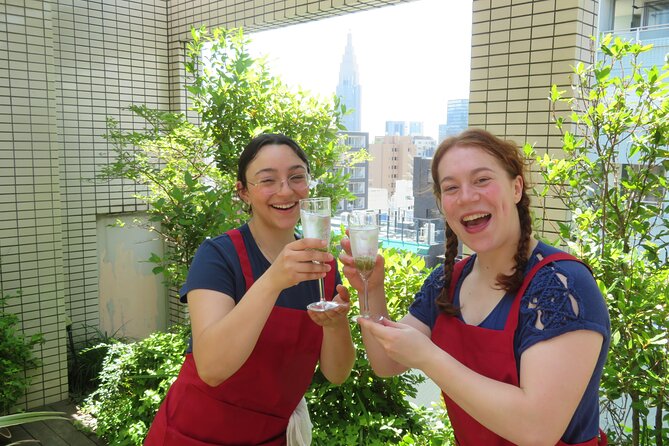
I’d especially recommend this if:
- You want authentic washoku skills you can actually repeat.
- You care about technique, not just tasting.
- You like Japanese flavors and want to learn the logic behind them, starting with dashi.
- You prefer a smaller, private setting rather than a large group demo.
You might skip it if:
- You mainly want to see famous sights or spend the day moving around rather than cooking.
- You need transportation included.
- You’re looking for a very wide menu of many different dishes—this class is focused and structured, and you’ll pick one main side dish.
But for most food-minded travelers, this is the kind of experience that makes your Tokyo trip stick, because it gives you a repeatable “how” rather than only a “what.”
Should you book Tokyo Mom’s Kitchen?
If you like the idea of leaving with skills—especially the ability to make dashi from scratch and cook a Japanese home-style meal—yes, I’d book it. The private format, English coaching from Aki, and the included ingredients and tools make it feel like a true class, not a scripted show.
Choose it with extra confidence if you enjoy hands-on cooking and you want to build a menu you’ll remember when you’re back home. Pick the side dish that matches your cravings (teriyaki, saikyo yaki, or gyoza), and go in ready to learn.
If you’re flexible and willing to cook, this is one of those Tokyo experiences that turns travel into something you can use.
FAQ
What dishes will I make in the class?
You’ll make norimaki (or onigiri as an alternative), one main side dish of your choice, a seasonal vegetable dish, and miso soup. Dashi (Japanese soup stock) is also made from scratch during the class.
Can I substitute onigiri for the norimaki?
Yes. The norimaki can be substituted with onigiri if you prefer.
What main side dishes can I choose from?
You can choose one of these: teriyaki chicken, saikyo yaki (miso-marinated fish grilled), or gyoza (pan-fried dumplings).
Is there a vegetarian option?
A vegetarian option is available upon request.
How long is the cooking experience?
It runs for about 2 hours 30 minutes.
Is this class private?
Yes. It’s a private tour/activity, and only your group participates.
Is there an English-speaking host?
Yes. The class includes an English-speaking Japanese host.
What’s included in the price?
The price includes all ingredients, full use of kitchen tools, apron rental, and a digital recipe sheet (PDF).
Do I need transportation to get there?
Transportation is not included. You are required to come directly to the venue, which is near public transportation.
Is there free cancellation, and how far in advance?
Yes. You can cancel for a full refund up to 24 hours in advance of the experience start time.
More Tour Reviews in Tokyo
- Mt Fuji and Hakone 1-Day Bus Tour Return by Bullet Train
★ 5.0 · 26,383 reviews - 1-Day Tokyo Bus Tour
★ 5.0 · 14,250 reviews - Tokyo: teamLab Planets TOKYO Digital Art Museum Entry Ticket
★ 4.6 · 9,779 reviews - Mt Fuji & Hakone Cruise, Drum Show Bullet Train 1 Day from Tokyo
★ 4.0 · 7,413 reviews - Tokyo: Shinjuku Food Tour (13 Dishes at 4 Local Eateries)
★ 5.0 · 6,603 reviews