
Reviewed · TOURS
Customized 10-Day Golden Route of Japan Family Tour
First-time Japan can feel overwhelming, so this route aims to keep you moving smart. You’ll get private, English-speaking guidance across Tokyo’s big sights, then into classic stops like Mt. Fuji from Lake Kawaguchi, UNESCO villages, and shrine-heavy Kyoto. You also have a planning safety net: the operator is praised for being responsive during the planning stage (names like Wendy Lee and Emily show up in past feedback).
I especially like the balance between set pieces and everyday Japan. You’ll hit Meiji Jingu, Asakusa’s snack-lined Nakamise Street, Kyoto’s temple lanes, and Nara’s deer park, but you also get time to taste your way through markets like Nishiki and Kuromon.
One drawback to consider: it’s packed. Even with a private setup, the schedule can feel a bit tiring, and you may wish for more mid-trip downtime.
In This Review
- Key highlights in this Golden Route plan
- Price and Logistics: What $6,559 per person really buys
- The core cities: How the route stays classic, not random
- Day 1 Tokyo: Arrival calm, then true free time
- Day 2 Tokyo: Meiji Jingu, Imperial Gardens, and Asakusa’s snack street
- Day 3 Mt. Fuji from Lake Kawaguchi: Cruise, ropeway, and a short hike
- Day 4 Takayama: Old town strolling with museum and temple stops
- Day 5 Shirakawa-go UNESCO village, then Kanazawa gardens and samurai lanes
- Day 6 Kyoto’s Kiyomizu-dera lanes, Yasaka Shrine, and Gion tea ceremony
- Day 7 Nara Park: Temples, Kasuga Taisha, and deer-world reality
- Day 8 Kyoto to Hiroshima: Fushimi Inari, Nishiki Market, Nijo Castle, then the bullet train
- Day 9 Hiroshima and Miyajima: Scenic shrine time, then Peace Park
- Day 10 Osaka: Castle outside, Kuromon Market, Dotonbori, and Shitennoji
- Who should book this family Golden Route (and who should consider changes)
- Should you book? My honest take
- FAQ
- How long is the Customized 10-Day Golden Route of Japan Family Tour?
- Where does the tour start?
- Is hotel accommodation included?
- Are guides and entrance tickets included?
- Does the itinerary include transportation like trains and express buses?
- Does it include pickup?
- Which cities and major regions are included besides Tokyo?
- Is breakfast included?
- What is not included in the price?
- Anything you should plan for before you fly?
Key highlights in this Golden Route plan
- A tight Tokyo-to-Osaka loop with trains/buses handled as the itinerary specifies
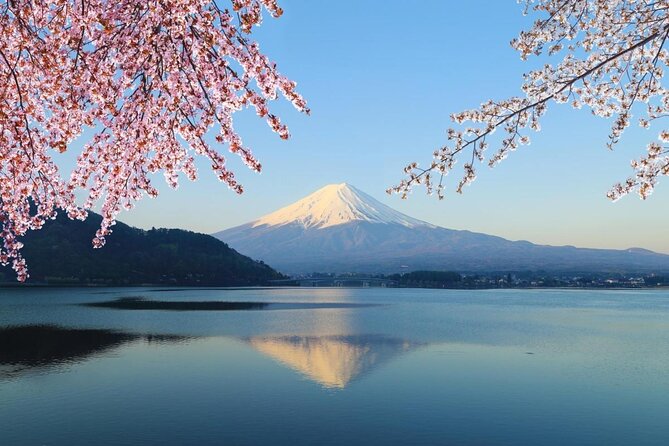
- Lake Kawaguchi for Mt. Fuji views plus cruise and the panoramic ropeway
- Shirakawa-go + Kanazawa on the same day, pairing UNESCO thatched houses with Kenroku-en
- Kyoto with a tea ceremony stop in the Gion area (including a maiko performance during your hour)
- Hiroshima with Miyajima plus the Atomic Bomb Dome and Peace Memorial Park and Museum
- Osaka food and sights built around Kuromon Market, Dotonbori, and Osaka Castle grounds
Price and Logistics: What $6,559 per person really buys
At $6,559 per person for about 10 days, the big question is value. Here, you’re paying for the heavy lifting: hotels in twin-sharing rooms, planned ground transport, listed entrance fees, and English-speaking guidance per day.
That matters because Japan travel has lots of small friction points—station changes, ticket lines, and timing. This package aims to remove those stressors by organizing the express bus and bullet train segments listed in the itinerary, plus local transport to get you from one must-see to the next.
You also get practical touches that can matter more than you think: pickup is offered, there are group discounts, and you’ll use a mobile ticket. The tour runs as a private activity, meaning it’s just your group, not a mixed crowd.
The one thing to keep in mind is that private doesn’t always mean slow. Past feedback on this kind of route often mentions the pacing. If your family needs more breathing room, you should plan for extra rest breaks on the hotel days and consider adding a half-day pause if the operator can adjust your plan.
Readers booked these Tokyo options in the same breath. Here is how each one scored:
- Mt Fuji and Hakone 1-Day Bus Tour Return by Bullet Train
★ 5.0 · 26,383 reviews - 1-Day Tokyo Bus Tour
★ 5.0 · 14,250 reviews - Tokyo: teamLab Planets TOKYO Digital Art Museum Entry Ticket
★ 4.6 · 9,779 reviews - Mt Fuji & Hakone Cruise, Drum Show Bullet Train 1 Day from Tokyo
★ 4.0 · 7,413 reviews
The core cities: How the route stays classic, not random
This tour follows a very well-worn Golden Route pattern, but it’s tailored to a family-friendly flow. You start in Tokyo, then connect through Mt. Fuji’s lakes region, step into historic Takayama, and head north to Shirakawa-go and Kanazawa.
Then you drop into Kyoto and Nara, where the shrines and temples do most of the talking (and the deer do most of the stealing). After that, you move to Hiroshima and Miyajima for a powerful day, and finish in Osaka where food is the main activity and lights are the reward.
What makes this route practical is the geography. You’re mostly moving along efficient rail corridors instead of zig-zagging across the country. You’re also not stuck only in big cities; you get one rural UNESCO moment (Shirakawa-go) and one iconic mountain-lake setting (Lake Kawaguchi) that breaks up the urban pace.
Day 1 Tokyo: Arrival calm, then true free time
Day 1 is intentionally light. After you land at Narita International Airport or Haneda, a driver meets you and helps you connect to the reserved shuttle bus to your hotel.
Once you check in, today is free time. That’s a good thing after international flights. Use it to get your bearings fast, do a simple convenience-store run for snacks and water, and figure out the nearest train stop without rushing.
If you’re traveling with kids or older family members, free time on Day 1 is one of the smart parts of the design.
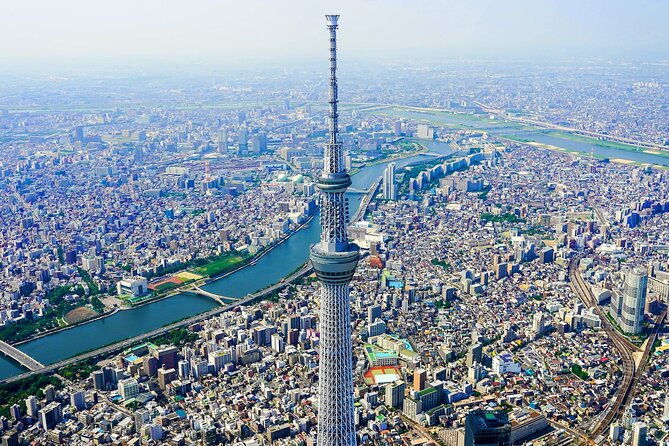
Day 2 Tokyo: Meiji Jingu, Imperial Gardens, and Asakusa’s snack street
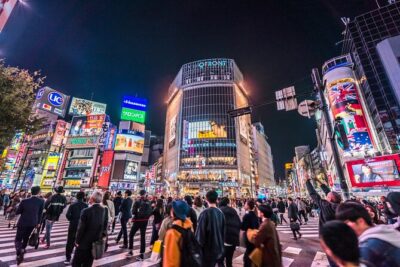
Tokyo day two mixes three moods: calm, royal, and street-energy.
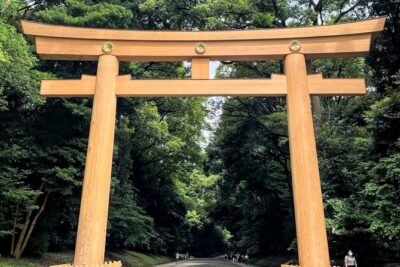
First up is Meiji Jingu Shrine, set in a dense forest setting. The shrine is also described as the city’s largest green space, and it’s known as a popular spot for traditional Japanese weddings.
Next comes the Imperial Palace area, including Kokyo Gaien National Garden, the East Gardens, and Nijubashi Bridge—a classic photo moment.
Then you shift gears to Asakusa, entering through the Kaminarimon Gate and walking along Nakamise Shopping Street, famous for snack stalls and souvenirs like kimonos and folding fans. You’ll also visit Senso-ji Temple.
Practical tip: Asakusa is a great place to let kids roam a little (within reason) because there’s always something to look at—snack signs, lanterns, and small stalls.
Day 3 Mt. Fuji from Lake Kawaguchi: Cruise, ropeway, and a short hike
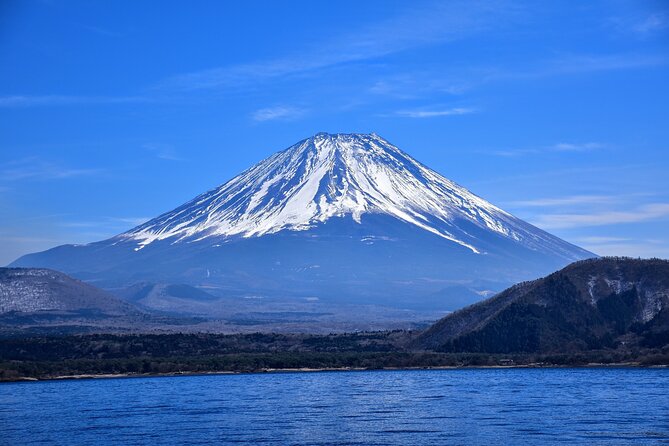
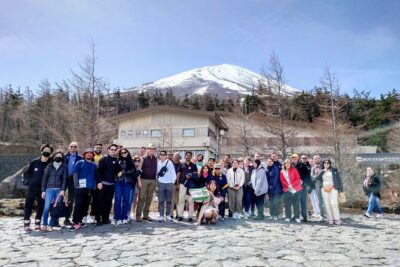
This is the day you came for: the Mt. Fuji area. Your guide meets you in the hotel lobby, and you take an express bus to Lake Kawaguchi near Mt. Fuji. The ride is about two hours.
Once you’re there, you get three different ways to see the view:
- a short walk around the lake
- a Lake Kawaguchi cruise
- the Mt. Fuji Panoramic Ropeway for a higher viewpoint
This is also a good family day because the hiking is described as short, not a long climb. The mix of water, skyline views, and cable-car style elevation gives you options if someone’s energy runs low.
A note on expectations: Mt. Fuji is famous, but it’s also a weather-dependent star. If it’s hazy, you’ll still get scenic lake time and the ropeway experience—just don’t assume every angle is perfectly clear.
- Tokyo: Shinjuku Food Tour (13 Dishes at 4 Local Eateries)★ 5.0 · 6,603 reviews
- Tokyo Mt Fuji 5th St & Hakone Cruise Bus Tour w/Bullet Train★ 4.4 · 5,024 reviews
- Flagship 2-Hours Official Street Go-Kart Tour – Tokyo Bay Shop★ 5.0 · 4,974 reviews
- From Tokyo: Mount Fuji Full-Day Sightseeing Trip★ 4.5 · 4,970 reviews
- Tokyo: Hop-On Hop-Off Sightseeing Bus Ticket★ 3.9 · 4,207 reviews
Day 4 Takayama: Old town strolling with museum and temple stops
Today transitions you out of Tokyo. You travel on your own to the station for a bullet train to Nagoya (about 1.5 hours), then switch to an express train to Takayama (about 2.5 hours). Your guide meets you at the station and takes you to your hotel.
In the afternoon, you explore Takayama’s old town with a guided walk that includes:
- Sanmachi Suji District
- Nakabashi Bridge
- Takayama Jinya (Old Governor’s House)
- Takayama Showa Kan Museum
- Hida Kokubunji Temple
This day is one of the better “slow down” moments in the trip. Takayama’s streets and heritage buildings give your family a break from the constant big-city pace, even though you’re still seeing plenty.
If you like photography, this is a strong day for it—bridges, preserved streets, and temple grounds are easy to frame without needing a lot of walking.
Day 5 Shirakawa-go UNESCO village, then Kanazawa gardens and samurai lanes
This is a packed but rewarding two-part day.
First, you ride an express bus to Shirakawa-go (about one hour). You’ll step into a mountain-and-rice-paddy setting with the UNESCO-listed gassho-zukuri farmhouses.
You’ll visit Wada House to learn about past utensils and village lifestyle. Then you’ll climb to the Ogimachi Castle Observation Deck for an overview of the whole village.
Shirakawa-go is especially famous for the winter look of the thatched huts, but even outside peak season, it still works because the architecture is the point. It’s one of those places where the setting makes the houses feel like they belong.
Then you shift to Kanazawa with a 1.5-hour bus ride. Your walking tour includes:
- Kenroku-en Garden
- Kanazawa Castle Park
- Higashichaya Old Town (geisha district)
- Nagamachi Samurai District
Why this pairing works: Shirakawa-go gives you rural heritage, and Kanazawa gives you city elegance and samurai-era atmosphere. Together, it’s a nice contrast without adding extra days.
Day 6 Kyoto’s Kiyomizu-dera lanes, Yasaka Shrine, and Gion tea ceremony
Kyoto day starts with rail travel. You go from Tokyo to Kyoto by the Thunderbird express train (about 2.5 hours). A local guide meets you at Kyoto Station and helps you get to your hotel.
In the afternoon, the focus is temple streets and one memorable cultural performance. You’ll visit:
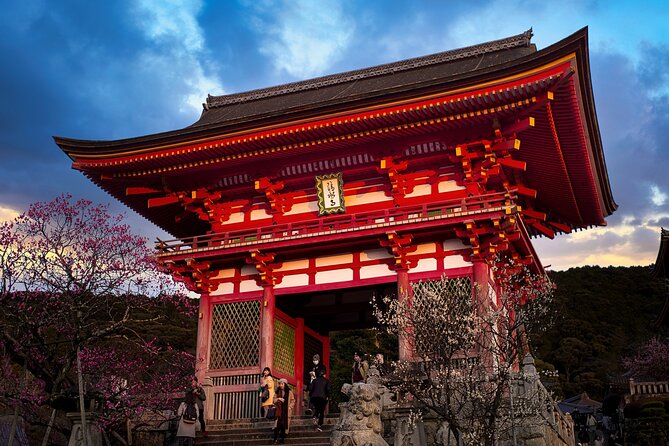
- Pure Water Temple, also known as Kiyomizu-dera
- the walk between Sannenzaka and Ninenzaka
- Yasaka Shrine
Then comes a highlight: you’re taken to a teahouse in Gion for a tea ceremony experience. Your guide leaves, and you have about an hour to watch a tea ceremony with maiko performance.
This is the kind of stop that can turn into a family bonding moment, because you’re not just looking at buildings—you’re watching a lived tradition. It’s also a good break from walking because once you’re inside, you can sit and just follow along.
Practical note: those streets around Kyoto temples can be steep or slippery, so comfortable shoes matter.
Day 7 Nara Park: Temples, Kasuga Taisha, and deer-world reality
After breakfast, you take a train ride (about 40 minutes) to Nara.
Your guided time in Nara Park is built around key sacred sites:
- Kofuku-ji Temple
- Kasuga Taisha Shrine, reached along an ancient path lined with moss-covered stone lanterns
- the Great Eastern Temple, where you’ll see a huge bronze Buddha statue
After that, you keep exploring with a neighborhood stroll that includes Gango-ji Temple, Goryo Shrine, and walking through Naramachi side paths.
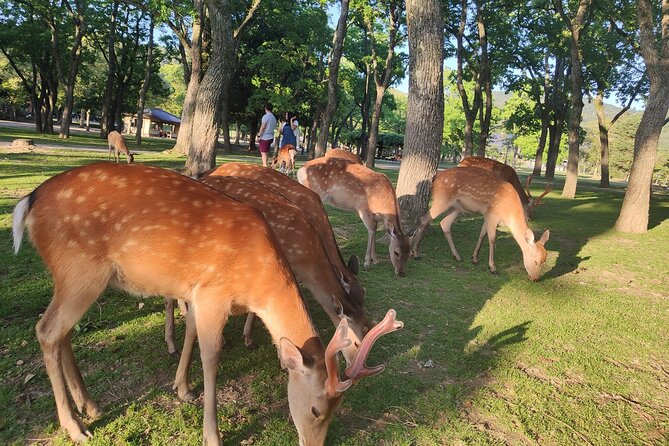
If you’re traveling with kids, Nara is usually the most fun day in the whole week for one simple reason: the deer. Just keep control of snacks. When the deer notice food, they go from cute to pushy fast.
Also, this day balances major sights with smaller, local-feeling streets, which is why it doesn’t feel like a checklist.
Day 8 Kyoto to Hiroshima: Fushimi Inari, Nishiki Market, Nijo Castle, then the bullet train
This is another “do a lot, but in a smart order” day.
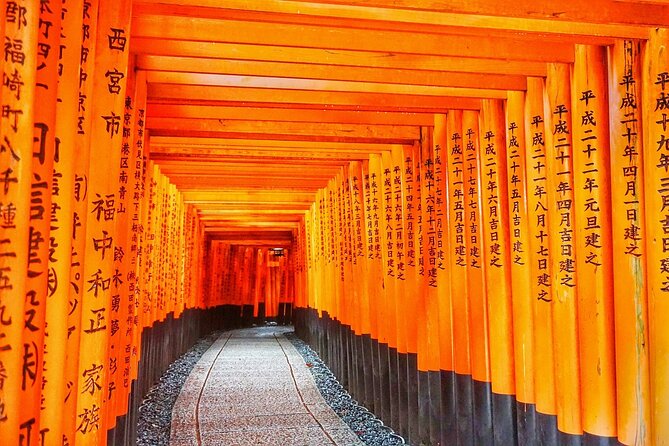
In Kyoto, you start at Fushimi Inari Shrine, climbing through the Senbon Torii gates. Next is Sanjusangendo Temple, described as the longest wooden building in the world and known for a group of Kannon statues.
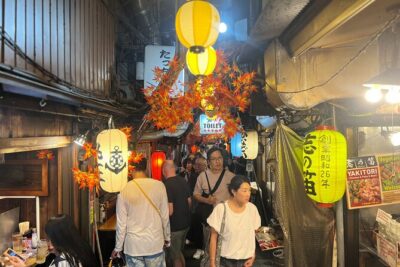
At noon, you head to Nishiki Market, a long-running market known for snack options like dango, tempura, croquettes, and matcha ice cream. This is a great time to let everyone pick what they want, instead of forcing one single sit-down meal.
In the afternoon, you visit Nijo Castle, a World Heritage site built by Tokugawa Ieyasu in 1603.
Then the day changes gears. Your guide helps you retrieve luggage and you’re seen off at Kyoto Station for the bullet train to Hiroshima.
This day rewards families who like variety and don’t mind that the schedule is full. It’s also a good reminder to travel with light layers—you can get warm walking through shrine areas and cooling down on trains.
Day 9 Hiroshima and Miyajima: Scenic shrine time, then Peace Park
Hiroshima day is built around two very different experiences: beauty first, then history.
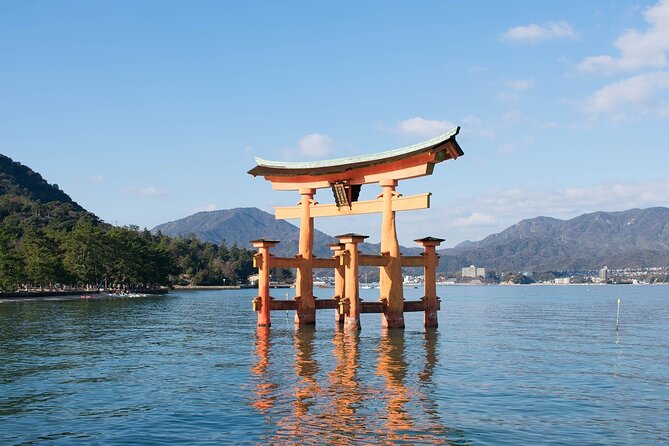
You start with a boat trip to Miyajima, where you’ll visit Itsukushima Shrine. The big wow here is the famous floating tori gate effect.
After returning to Hiroshima, you visit:
- the Atomic Bomb Dome
- Hiroshima Peace Memorial Park and Museum
This part is heavy. The museum uses real photos and ruins to explain what happened after the bombing. It’s not designed for a casual mood. It asks you to slow down and take in the human impact.
Still, it’s also meaningful because it connects your sightseeing to the reason people talk about peace and remembrance.
If your family includes teens who can handle emotional topics, this is a day that often leaves a lasting impression. If not, it may help to prepare with age-appropriate expectations before you go in.
Day 10 Osaka: Castle outside, Kuromon Market, Dotonbori, and Shitennoji
Your final day is Osaka, and it’s a strong one because Osaka does food and street life better than most cities.
Your guide picks you up and you start at the Osaka Museum of Housing and Living, then see Osaka Castle from the outside and walk around the surrounding park area.
Around noon, you visit Kuromon Market, known as Osaka’s Kitchen. The itinerary notes it can be closed on Sunday, so check the day of the week when you’re there. Lunch is on your own here, which is usually the best kind of freedom: everyone chooses based on appetite and budget.
In the afternoon, you go to Shinsaibashi and Dotonbori. That’s the Osaka lights-and-street-energy zone. You also visit Shitennoji Temple.
Then you return to the hotel, pick up luggage, and make your own way to the airport for your flight home.
Osaka is a good finish because you end with fun, not only history.
Who should book this family Golden Route (and who should consider changes)
This tour fits families who want a guided, organized Japan trip without doing the day-by-day planning work themselves. It’s also ideal if you want a “greatest hits” combination: Tokyo culture, Mt. Fuji views, UNESCO architecture, Kyoto temples, Nara deer time, Hiroshima remembrance, and Osaka food streets.
It may not fit best if your family needs long down days. The schedule is full, and the pacing can feel tiring for some people. If you’ve got kids who crash early, or a multigenerational group that needs naps, consider asking for small timing adjustments where possible.
The other factor is your tolerance for travel days. Several days include significant transport segments (express bus to Fuji, rail to Takayama, rail to Kyoto, and a bullet train to Hiroshima). If that’s fine for your group, this works well.
Finally, you’ll get the most value if you treat the markets and food stops as part of the trip, not an add-on. Nishiki and Kuromon are built into the rhythm for a reason.
Should you book? My honest take
I’d book this route if you want a private, guided Golden Route that covers Tokyo, Mt. Fuji, Kanazawa, Kyoto, Nara, Hiroshima, and Osaka without you juggling tickets and connections. The combination of included transport segments, English guidance, and entrance fees makes the overall experience feel efficient for the money.
I’d think twice if your family hates tight schedules or needs more built-in downtime. It’s not a slow, sleepy itinerary. It’s a “see Japan in 10 days” plan, and the best way to enjoy it is to embrace the pace and plan for rest breaks when you can.
FAQ
How long is the Customized 10-Day Golden Route of Japan Family Tour?
It runs for about 10 days.
Where does the tour start?
The tour is based in Tokyo, with the meeting time listed as 9:00 am.
Is hotel accommodation included?
Yes. Hotel accommodation is included based on twin-sharing rooms.
Are guides and entrance tickets included?
Yes. The package includes an English-speaking guide per itinerary and entrance fees for the sights mentioned as visited.
Does the itinerary include transportation like trains and express buses?
Yes. Public transport such as the express bus and bullet train is included as specified in the itinerary.
Does it include pickup?
Pickup is offered.
Which cities and major regions are included besides Tokyo?
You’ll also visit Mt. Fuji area (Lake Kawaguchi), Takayama, Shirakawa-go, Kanazawa, Kyoto, Nara, Hiroshima (including Miyajima), and Osaka.
Is breakfast included?
Yes. Breakfast is included as listed in the package (Breakfast (9)).
What is not included in the price?
Not included are the Japan visa fee, international flights into Tokyo and out of Osaka, and local hotel tax (paid on spot).
Anything you should plan for before you fly?
You’ll need a Japan visa if required, and you’ll be responsible for international flights into Tokyo and out of Osaka.
More Tours in Tokyo
- Mt Fuji and Hakone 1-Day Bus Tour Return by Bullet Train
★ 5.0 · 26,383 reviews - 1-Day Tokyo Bus Tour
★ 5.0 · 14,250 reviews - Tokyo: Shinjuku Food Tour (13 Dishes at 4 Local Eateries)
★ 5.0 · 6,603 reviews - Tokyo Mt Fuji 5th St & Hakone Cruise Bus Tour w/Bullet Train
★ 4.4 · 5,024 reviews - Flagship 2-Hours Official Street Go-Kart Tour – Tokyo Bay Shop
★ 5.0 · 4,974 reviews
More Tour Reviews in Tokyo
- Mt Fuji and Hakone 1-Day Bus Tour Return by Bullet Train
★ 5.0 · 26,383 reviews - 1-Day Tokyo Bus Tour
★ 5.0 · 14,250 reviews - Tokyo: teamLab Planets TOKYO Digital Art Museum Entry Ticket
★ 4.6 · 9,779 reviews - Mt Fuji & Hakone Cruise, Drum Show Bullet Train 1 Day from Tokyo
★ 4.0 · 7,413 reviews - Tokyo: Shinjuku Food Tour (13 Dishes at 4 Local Eateries)
★ 5.0 · 6,603 reviews
Latest Tokyo reviews off our desk

Tours, compared.
 ★ 5.0Mt Fuji and Hakone 1-Day Bus Tour Return by Bullet TrainFrom $16326,383 reviews
 ★ 5.01-Day Tokyo Bus TourFrom $12914,250 reviews
 ★ 5.0Shinjuku Food Tour (13 Dishes at 4 Local Eateries)From $866,603 reviews
 ★ 4.4Tokyo Mt Fuji 5th St & Hakone Cruise Bus Tour w/Bullet TrainFrom $1545,024 reviews
 ★ 5.0Flagship 2-Hours Official Street Go-Kart Tour – Tokyo Bay ShopFrom $644,974 reviews
 ★ 4.7Mt. Fuji Tour, Hakone Ropeway, Owakudani, Lake AshiFrom $544,002 reviews
 ★ 5.0Tokyo 6hr Private Tour with Government-Licensed GuideFrom $1553,902 reviews
 ★ 5.0Tokyo Bar Hopping Tour in Shinjuku (All-You-Can-Drink + Dinner)From $1063,587 reviews