
Japan’s car nights run on pure adrenaline. This experience puts you on a Daikoku PA path, with a guided look at why it’s one of Honshu’s best-known tuning gathering spots, plus the thrill of riding in a GTR-R35.
I love that you skip the headache of figuring out how to reach Daikoku on your own and get taken straight there as part of a set plan.
A second thing I like: it’s a small group tour (limited to 6) led by an English- and French-speaking guide, so you’re not stuck listening to chatter from across a bus. The guide explains what you’re seeing and how Japan’s tuning scene works, which makes the night feel more than just sightseeing.
One possible drawback to consider up front: the car seating has strict size limits, and the tour is not recommended if you’re over 100 kg or 180 cm, since you may not fit.
In This Review
- Key highlights to know before you go
- Daikoku PA: Why this parking lot matters on a Tokyo car night
- The GTR-R35 ride: More than just transportation
- The 210-minute rhythm: How the night is paced
- Autobacs Shinonome: The practical JDM stop before the main show
- Daikoku guided time: What your guide helps you notice
- Small-group comfort: Why group size changes the experience
- Price and value: What $225 gets you (and what you should budget for)
- Practical notes that matter at night
- Who should book this Daikoku GTR-R35 night ride?
- Should you book Rocket Crew’s Daikoku experience?
- FAQ
- How long is the Daikoku GTR-R35 car meet experience?
- How much does it cost?
- Where do we meet the tour?
- What stops are included during the experience?
- What languages is the guide?
- Is transportation included?
- Is food allowed in the vehicle?
- Do I need a passport?
Key highlights to know before you go
- Daikoku PA access with a guide: you’re not just watching from the outside; you get the context while you’re there
- GTR-R35 ride: part of the fun is the sound and the way the night feels from inside a real R35
- Autobacs Shinonome stop (self-guided): you get a practical JDM shop break before the meet
- Photo-friendly night setting: neon reflections, custom wraps, and lots of camera-ready cars
- Routes can adapt: the plan is structured, but the drive can shift toward better car meets/events
- You can keep it relaxed: the stops are timed so you can actually look around and take photos
Daikoku PA: Why this parking lot matters on a Tokyo car night
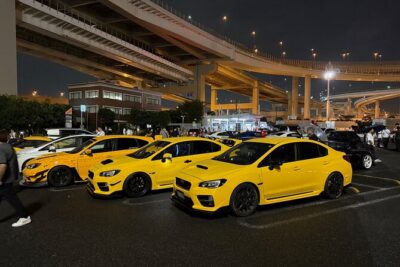
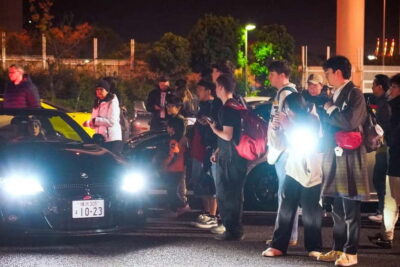
Daikoku PA is one of those places that makes car culture make sense fast. Even if you’re only “into cars” in a casual way, the night energy is obvious: people arrive to show builds, owners talk shop, and the whole area pulses with engine noise. This isn’t a museum stop. It’s a living scene.
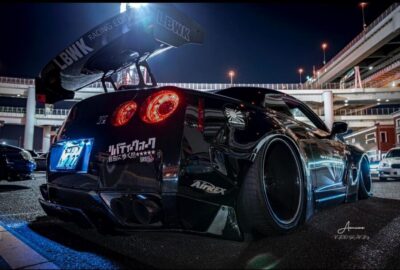
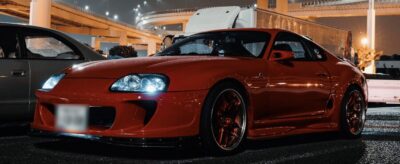
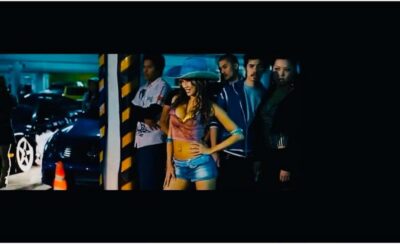
What makes it special is the mix. You’re likely to see iconic JDM machines up close—think Nissan Skyline GT-Rs and Toyota Supras—along with rotary-powered Mazdas and heavily customized Hondas. Then, without warning, the scene can broaden into European supercars too, including brands like Ferrari, Lamborghini, and McLaren. That blend is part of the appeal: it keeps the night from feeling like a one-style show.
And yes, it’s a strong spot for photos. The lighting and the sheer variety of cars make it easy to frame shots with reflections off the pavement and bodies wrapped in bold colors or designs. If you’re coming with a camera (or just your phone), Daikoku’s layout and crowd flow are set up for wandering and shooting in short bursts.
More Daikoku nights and JDM runs, rated
- Tokyo: Fast & Furious Tokyo Drift III Experience
★ 4.8 · 2,432 reviews - GT-R35 800hp Club Membership – secret underground car meet
★ 4.8 · 998 reviews - Tokyo: Daikoku JDM Car Meet & Night Car Culture Tour
★ 4.8 · 626 reviews - Secret Car Meet: R34 Skyline Car Club Membership
★ 4.8 · 494 reviews
The GTR-R35 ride: More than just transportation
The headline for many people is the GTR-R35. The reason this matters is simple: it changes the feel of the night. The sound of a performance car in motion hits different than watching videos. You also spend less time worrying about getting to the right places, since the experience is built around getting you to Daikoku without transit stress.
From a comfort-and-control standpoint, I also like that the tour is structured for safety and organization. It’s a guided, small-group setup with a professional driver/guide rhythm, so you’re not improvising logistics at night in traffic. That’s a big deal in Tokyo, where the real challenge is often less about distance and more about timing and connections.
One more point you’ll care about: the drive can include high-energy road moments. Since routes are flexible based on “the best car meets and events,” you might find the ride pairs nicely with what’s happening that night—like tunnel routes and chances to share the road with other enthusiasts’ cars (depending on timing and traffic flow).
The 210-minute rhythm: How the night is paced
This is a compact experience—just 210 minutes total—so the pacing has to be tight enough to feel like a night out, but not so rushed that you miss cars.
Your tour starts at Arrow Parking Udagawachō. From there, you head to autobacs Shinonome for a self-guided stop, then you move to Daikoku Parking Area for a guided session, and you return to Arrow Parking Udagawachō.
That sequence is smart. Autobacs gives you a chance to reset, grab a quick snack or drink if you want (food and drinks in the vehicle aren’t allowed, so you’re meant to handle that during permitted stops), and spot items you might want for your own JDM memories. Then the guided Daikoku time is where you get the explanations and the atmosphere hits hardest.
Because the tour is time-boxed, you should plan to be mentally ready to move. If you’re the type who likes to stand in one spot and wait for the perfect car to roll by, you’ll still have time. Just remember the schedule is designed so everyone sees the main moments without turning the night into a marathon.
Autobacs Shinonome: The practical JDM stop before the main show
The autobacs Shinonome portion is 30 minutes self-guided. That matters because you can handle it your way: browse, check out merchandise, and get your bearings before you step into the heavier atmosphere of Daikoku PA.
Even if you’re not shopping, this stop adds value. It’s where you can connect the dots between what you’re about to see—custom parts, tuning culture, and car styling—and the retail world that supports it. It also helps break up the night so you’re not arriving at Daikoku already tired or overstimulated.
There’s also a comfort angle: a short shop stop gives you a chance to find something to drink or eat at your own pace during the allowed time. Since food and drinks in the vehicle aren’t part of the plan, having a designated place to handle snacks helps keep things smooth.
Daikoku guided time: What your guide helps you notice
At Daikoku Parking Area, the tour shifts into a guided hour. This is where the experience becomes more useful than a simple car parade.
The guide’s job isn’t to list cars like a textbook. It’s to help you read the scene: what kinds of builds belong to which parts of the tuning world, how people show respect around the meet culture, and what to watch for so you don’t miss the details that make Daikoku famous.
This is also where the “rules” of the night come into play—how owners interact, what the crowd rhythm feels like, and why certain cars attract attention without anyone needing to announce it. When you understand that, you stop thinking of the night as random chaos and start seeing it as organized enthusiasm.
If you care about photography, the guided time still leaves room for you to pause and take shots. The vibe includes lots of neon-like reflections and colorful wraps, so the best photos tend to happen when you’re patient for a few minutes and then move quickly when a new lineup rolls in.
- Tokyo: Shinjuku Food Tour (13 Dishes at 4 Local Eateries)★ 5.0 · 6,603 reviews
- Tokyo Mt Fuji 5th St & Hakone Cruise Bus Tour w/Bullet Train★ 4.4 · 5,024 reviews
- Flagship 2-Hours Official Street Go-Kart Tour – Tokyo Bay Shop★ 5.0 · 4,974 reviews
- From Tokyo: Mount Fuji Full-Day Sightseeing Trip★ 4.5 · 4,970 reviews
- Tokyo: Hop-On Hop-Off Sightseeing Bus Ticket★ 3.9 · 4,207 reviews
Small-group comfort: Why group size changes the experience
This is limited to 6 participants, and that’s not a throwaway detail. In a car culture experience, the group size affects everything: how you move between stops, how often you can ask questions, and how personal the guide explanations can be.
In a big group, you tend to get rushed and stuck behind people. In a small group, it’s easier to stay close to the guide without feeling boxed in. You also get a clearer sense of what’s happening around you instead of constantly trying to see over shoulders.
The tour also runs with an English and French live guide, which helps if you want actual conversation and not just a few set phrases.
Price and value: What $225 gets you (and what you should budget for)
At $225 per person for 210 minutes, the value comes from three things working together:
- You’re paying for access and guidance, not just a drive. Daikoku is the core event, and you’re spending guided time there.
- Transport is handled as part of the experience along the fixed plan. That’s valuable because Daikoku isn’t presented as an easy public-transport stop.
- You get two car-culture environments in one loop: the shop stop at autobacs Shinonome plus the Daikoku meet hour.
What’s not included is what you’d expect: food and drinks aren’t included, and personal purchases at shops are your choice. So plan a small extra budget for snacks and whatever you might want to buy.
Also note: the itinerary is fixed and changes to route/stops can’t be accommodated during the tour. The route can adapt toward better events, but you shouldn’t expect you can rewrite the plan on the fly.
Practical notes that matter at night
Before you go, check a few real-world constraints so the night stays comfortable.
Bring your passport. That’s listed as required, so don’t assume you can travel light without it.
Travel light. Oversize luggage and large bags aren’t allowed. If you show up with a big backpack or shopping bags, you may not be able to bring them along. If you’re planning to buy something at autobacs, keep the rest of your carry-ons minimal.
Noise and motion are part of the package. This activity isn’t suitable for people with motion sickness. It also isn’t recommended for people with heart problems or claustrophobia. If either of those hits close to home, it’s worth thinking hard before you book.
Seat size limits are strict. The tour isn’t recommended if you’re over 100 kg or over 180 cm. The stated reason is fit in the seat, and the guide might refuse you if you don’t fit with other passengers. If you fall outside those limits and still want the experience, a private tour is the alternative mentioned.
Who should book this Daikoku GTR-R35 night ride?
Book it if you:
- Love JDM cars and want to see them at Daikoku PA, not just learn about them
- Want a structured, hassle-free plan with guided explanations
- Prefer a small group over large, noisy tours
- Plan to take photos and enjoy the neon-lit night atmosphere
- Are comfortable with the idea of sitting in a performance car environment and hearing it
Consider skipping (or booking a different format) if you:
- Are over the stated height/weight recommendations and might not fit in the seat
- Need a wheelchair-friendly setup (wheelchair users aren’t listed as suitable)
- Have motion sickness, claustrophobia, or heart-related concerns
- Are traveling with children under 18 (minors must be accompanied by a responsible adult, and the tour is not suitable for children under 18)
Should you book Rocket Crew’s Daikoku experience?
If your dream is a Tokyo night built around Daikoku Car Meet culture—with a GTR-R35 ride plus a focused guided hour—you should book. The value is strongest when you want more than “see cars,” and instead you want context, a smooth night plan, and enough time to look around.
I’d book especially if you’re coming from abroad and don’t want to wrestle with transport logistics to reach Daikoku on your own. The fixed loop, small group size, and guided time at Daikoku reduce a lot of friction.
Just take the constraints seriously. If you’re near the upper limits for weight/height, or you’re sensitive to tight spaces, motion, or strong engine noise, that’s where this can stop being fun quickly. In those cases, choose a safer fit and comfort-first option.
FAQ
How long is the Daikoku GTR-R35 car meet experience?
The total duration is 210 minutes.
How much does it cost?
It costs $225 per person.
Where do we meet the tour?
Meeting point is Arrow Parking Udagawachō, where you take the elevator to the 8th floor.
What stops are included during the experience?
You’ll start at Arrow Parking Udagawachō, stop at autobacs Shinonome (self-guided for 30 minutes), visit Daikoku Parking Area (guided for 1 hour), and return to Arrow Parking Udagawachō.
What languages is the guide?
The live tour guide is available in English and French.
Is transportation included?
Yes. Transportation along the fixed itinerary is part of the experience.
Is food allowed in the vehicle?
No. Food and drinks are not allowed in the vehicle.
Do I need a passport?
Yes, a passport is required.
More Tour Reviews in Tokyo
- Mt Fuji and Hakone 1-Day Bus Tour Return by Bullet Train
★ 5.0 · 26,383 reviews - 1-Day Tokyo Bus Tour
★ 5.0 · 14,250 reviews - Tokyo: teamLab Planets TOKYO Digital Art Museum Entry Ticket
★ 4.6 · 9,779 reviews - Mt Fuji & Hakone Cruise, Drum Show Bullet Train 1 Day from Tokyo
★ 4.0 · 7,413 reviews - Tokyo: Shinjuku Food Tour (13 Dishes at 4 Local Eateries)
★ 5.0 · 6,603 reviews
More JDM and Drift Nights
- Tokyo: Fast & Furious Tokyo Drift III Experience
★ 4.8 · 2,432 reviews - GT-R35 800hp Club Membership – secret underground car meet
★ 4.8 · 998 reviews - Tokyo: Daikoku JDM Car Meet & Night Car Culture Tour
★ 4.8 · 626 reviews - Secret Car Meet: R34 Skyline Car Club Membership
★ 4.8 · 494 reviews - Tokyo Drift: Daikoku PA Supreme Car Experience 大黒PA
★ 4.7 · 372 reviews
Latest Tokyo reviews off our desk

JDM & Drift Car Meets, compared.
 ★ 4.8Fast & Furious Tokyo Drift III ExperienceFrom $1502,432 reviews
 ★ 4.8GT-R35 800hp Club Membership – secret underground car meetFrom $205998 reviews
 ★ 4.8Daikoku JDM Car Meet & Night Car Culture TourFrom $98626 reviews
 ★ 4.8Secret Car Meet: R34 Skyline Car Club MembershipFrom $236494 reviews
 ★ 4.9EVO, WRX, Skyline – JDM Night Run to Daikoku Car MeetFrom $125478 reviews
 ★ 4.7Tokyo Drift: Daikoku PA Supreme Car Experience 大黒PAFrom $58372 reviews
 ★ 4.9Legendary JDM CAR Daikoku Underground MeetupFrom $82360 reviews
 ★ 4.6Go Daikoku PA Fast & Furious 3 Sports Car MeetupFrom $49356 reviews
Browse the lists this tour appears in