
Reviewed · TOURS
Discover Japan Tour: 15-day Small Group
Small-group Japan can feel like a cheat code. This 15-day Discover Japan trip keeps the group to 8 people max, threads in the bullet train, and lets you spend time in places that feel Japanese, not just famous on postcards. You’ll have guides like Becki and Shawn tailoring the day-to-day flow to what the group actually wants, and you’ll rely on them to handle the logistics that can make Japan feel intimidating.
Two things I really like: first, the way the tour manages the hard parts (getting from place to place and making sure you hit the key sights without rushing through them like a cattle parade). Second, the schedule mixes big-name stops with real-life details, like sumo at Ryogoku Kokugikan, a ryokan with hot-spring time near Mt. Fuji, and local foods through the day. One drawback to weigh up: at $10,898 per person, this is a premium option, and the days can be active—so you’ll want to be comfortable with moderate walking and transit.
In This Review
- Key highlights worth your attention
- Getting your bearings in Tokyo: Tokyo Station, Asakusa, and sumo
- Nikko’s Toshogu Shrine: a day trip that feels like stepping into a different era
- Lake Kawaguchi and the ryokan night: Mt. Fuji without forcing it
- Matsumoto Castle and Nakamachi: history plus street texture
- Zenko-ji morning and Kanazawa gardens: cultural anchors and old districts
- Kiso Valley’s Tsumago post town and Tokoname pottery: old roads and working craft
- Hiroshima’s Peace Memorial Park and museum: solemn, necessary, and well timed
- Miyajima and Itsukushima Shrine: the floating torii effect
- Kyoto’s torii tunnel and sake tasting: Fushimi Inari plus a brewery visit
- Kiyomizu-dera and Higashiyama: old streets plus a world-famous viewpoint temple
- Kinkaku-ji and Ryoan-ji: gold temple time and zen rock garden moments
- Tokyo National Museum and the final return to Narita: wrap your Japan in artifacts
- Price, value, and who this tour fits best
- Should you book Discover Japan Tour? My take
- FAQ
- How big is the group?
- Where does the tour start and end?
- Does the tour include the bullet train?
- Is the tour mostly in Tokyo?
- Are admission tickets included?
- What level of physical fitness do I need?
- Who provides the guidance?
- How fast will I receive confirmation after booking?
- Does it use a mobile ticket?
- What is the cancellation policy?
Key highlights worth your attention
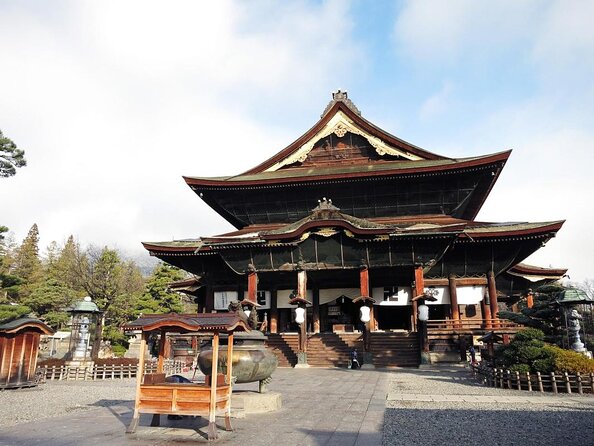
- Becki and Shawn tailor the plan to the group’s interests while still hitting the major cultural anchors
- Small group size (up to 8) means you get real interaction, not headcount-only tour energy
- Temple and shrine days are built in right, from Senso-ji and Fushimi Inari to Kiyomizu-dera and Kinkaku-ji
- Onsen + Kaiseki in Fuji country gives you a full Japanese stay, not just a quick photo stop
- Big-city fun is mixed in too, including a Nagoya baseball game at Vantelin Dome
- Rail logistics are handled for you, which matters a lot when you’re trying to stay calm in Japan transit
Getting your bearings in Tokyo: Tokyo Station, Asakusa, and sumo
Tokyo can feel like information overload. I like that this tour starts with an easy win: Tokyo Station Marunouchi Ekimae Hiroba on Day 1. You get free time to roam the Marunouchi area and take in the architecture around one of the city’s most iconic transit hubs. It’s a smart warm-up. If Tokyo is new to you, walking near Tokyo Station helps you learn where “everything starts” before the heavier sightseeing begins.
Then you move to Asakusa and Senso-ji, Tokyo’s oldest Buddhist temple (built in 645 AD). Day 2 gives you a solid block of time—enough to walk the approach, notice the small details, and not just sprint to the main hall. Senso-ji is famous for a reason, but the best part is slowing down enough to see how it works as a living place of worship and street life, not a theme park.
Right after that, the tour adds something you can’t easily reproduce on your own: Ryogoku Kokugikan for a traditional sumo experience tied to the Tokyo Grand Sumo Tournament. You’re there for a multi-hour block, and the structure matters because sumo isn’t just a quick performance. It’s a full event with atmosphere, ceremony, and timing. If you’re the kind of traveler who likes cultural spectacle done correctly, this is one of the standout days.
Practical note: wear shoes you can stand in. Even when the schedule says free time, Tokyo sightseeing still comes with walking and stairs.
Readers booked these Tokyo options in the same breath. Here is how each one scored:
- Mt Fuji and Hakone 1-Day Bus Tour Return by Bullet Train
★ 5.0 · 26,383 reviews - 1-Day Tokyo Bus Tour
★ 5.0 · 14,250 reviews - Tokyo: teamLab Planets TOKYO Digital Art Museum Entry Ticket
★ 4.6 · 9,779 reviews - Mt Fuji & Hakone Cruise, Drum Show Bullet Train 1 Day from Tokyo
★ 4.0 · 7,413 reviews
Nikko’s Toshogu Shrine: a day trip that feels like stepping into a different era
On Day 3, you take the trip to Nikko Toshogu. This is the kind of place where Japan’s craftsmanship hits you fast—elaborate carvings, gold leaf, and the famous Tokugawa connection through Tokugawa Ieyasu. You’ll also see the vermillion Sacred Bridge, which is an easy photo point but also worth viewing slowly because it sets the whole tone of the shrine complex.
A good thing about the way this is scheduled: it’s a dedicated half-day style block. You’re not treated like you have to keep moving every ten minutes, which makes a difference at Toshogu. If you’ve ever visited a major shrine and felt like you barely registered what you were seeing, you’ll appreciate the pacing here.
Consideration: Nikko day trips can be tiring because transit eats time. If you’re sensitive to long travel days, plan to keep your energy for the shrine time itself. You’ll want to be mentally present for the details—carvings and layout are the point.
Lake Kawaguchi and the ryokan night: Mt. Fuji without forcing it
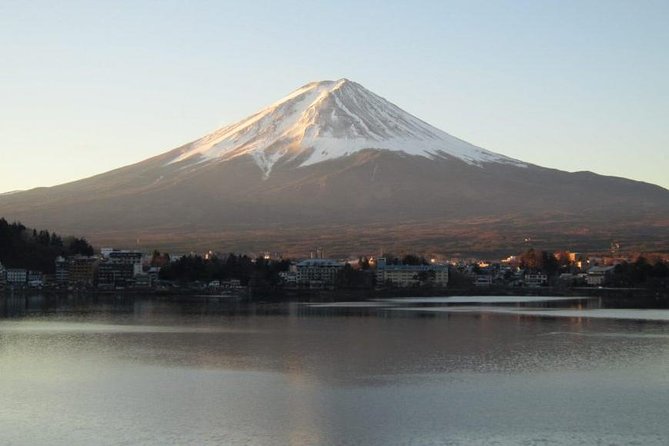
One of the most memorable parts of this tour is Day 4 around Lake Kawaguchiko. The headline is Mount Fuji viewing potential, but the bigger value is the full-style experience: you get a traditional ryokan stay, time in a mineral-rich onsen, and an authentic Japanese Kaiseki dinner.
That combo is what makes the day more than a checklist item. Fuji country is gorgeous, sure. But the real win is the way the schedule slows down your day and gives you a different rhythm—relax first, eat like a guest of the house (even if you’re only there for one night), and soak in warm water after a day of travel.
What to expect: you’ll be in ryokan-mode, meaning your day shifts from city pace to slower Japanese hospitality. If you’ve never done an onsen night before, this is one of the easiest ways to try it without figuring everything out solo.
Possible drawback: this kind of evening can be the highlight, which means it might set your expectations high for the rest of the trip. The itinerary still delivers, but it’s worth knowing this is a peak-feeling day.
Matsumoto Castle and Nakamachi: history plus street texture
Day 5 takes you to Matsumoto Castle, described as one of only five original castles in Japan and a National Treasure. Even if castles aren’t your main obsession, this one is a strong choice because the structure still carries weight. You’ll also spend time in the Nakamachi District, where the preserved shopping streets help the castle feel less like an isolated monument and more like a piece of town history.
The pacing is good here too. You get a few hours devoted to the area and enough time to wander the surrounding streets without sprinting.
Practical tip: this is a great day to slow down and photograph street details, not just the castle silhouette. It’s the kind of place where “small” scenes end up being what you remember later.
Zenko-ji morning and Kanazawa gardens: cultural anchors and old districts
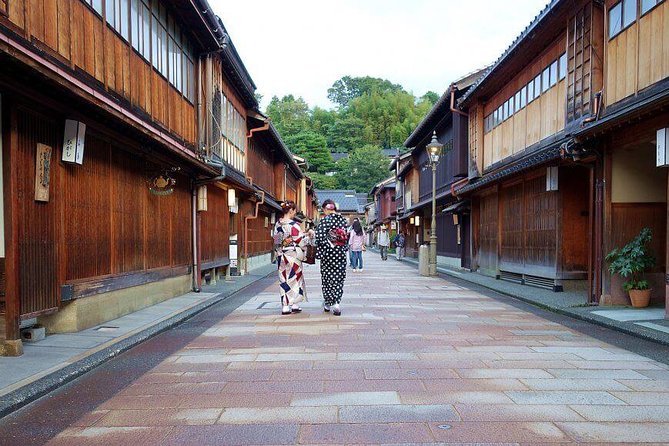
Day 6 starts with Zenko-ji, founded in the 7th century. The tour includes a Buddhist morning service, which adds a real sense of time-of-day. You’re seeing the temple as a living place, not just a sightseeing stop.
Then you travel toward Kanazawa for a long, packed day. You’ll see the Higashi Chaya geisha entertainment district, the Nagamachi Samurai district, and the Kenrokuen Garden—listed as one of three most beautiful landscape gardens in Japan. You’ll also stop at Onomichi Market during this day block.
A balanced way to look at this day: you’re not only looking at one kind of attraction. You’re moving between architecture districts, history zones, and garden time. It’s a lot, but the variety keeps it interesting—especially if you enjoy matching the “why” behind each place (who lived here, what they did, how the space was designed).
Consideration: with a long day like this, you’ll feel best if you pace your shopping and snack breaks. Don’t try to do everything. Choose a couple of lanes to explore deeply.
- Tokyo: Shinjuku Food Tour (13 Dishes at 4 Local Eateries)★ 5.0 · 6,603 reviews
- Tokyo Mt Fuji 5th St & Hakone Cruise Bus Tour w/Bullet Train★ 4.4 · 5,024 reviews
- Flagship 2-Hours Official Street Go-Kart Tour – Tokyo Bay Shop★ 5.0 · 4,974 reviews
- From Tokyo: Mount Fuji Full-Day Sightseeing Trip★ 4.5 · 4,970 reviews
- Tokyo: Hop-On Hop-Off Sightseeing Bus Ticket★ 3.9 · 4,207 reviews
Kiso Valley’s Tsumago post town and Tokoname pottery: old roads and working craft
Day 7 visits Nakasendo Tsumagojuku, the preserved post town in the Kiso Valley. This is the route that historically connected Tokyo and Kyoto during the Edo period. It’s a great contrast to the bigger city days: you’re walking through a place shaped by travelers moving between power centers, with buildings and street layout that help you imagine what the journey used to feel like.
Day 8 shifts to another craft-centered stop: Tokoname City Pottery Footpath. Tokoname is an ancient kiln town dating back to the 12th century. The best part of this kind of visit is that it’s functional history—you’re seeing a community built around making ceramics, not only a finished product behind glass.
Day 8 also includes a very Japanese-feeling modern break: a Chunichi Dragons baseball game at Vantelin Dome Nagoya. This is a smart way to balance temple days and museum days. Baseball gives you a different kind of culture—chants, rhythm, and the fact that it’s entertainment for locals, not a staged performance.
Who will love these days: if you like “how Japan works” as much as “where to take photos,” these stops give you that texture.
Hiroshima’s Peace Memorial Park and museum: solemn, necessary, and well timed
Day 9 is Hiroshima and the Peace Memorial Museum. You’ll ride a streetcar, see the Atomic Bomb Dome, and spend time at Peace Memorial Park and the museum.
This day has a different emotional weight than shrine days. It’s also one of the reasons the tour feels educational without feeling academic. You get to see the preserved reminders in the city layout and then follow up with the museum experience.
Practical consideration: plan for a quieter mindset. This isn’t a day for rushing. Even if you don’t read every sign line-by-line, the sequence—streetcar, dome, park, museum—sets the emotional arc.
Miyajima and Itsukushima Shrine: the floating torii effect
On Day 10 you head to Miyajima and Itsukushima Shrine. You’ll catch a ferry, then stroll the streets and paths on the island, including the World Heritage site and the famous floating torii gate.
The floating torii is one of those sights that earns its reputation. The tour adds value by giving you time not just to snap the torii from one angle, but to wander. Miyajima tends to reward slower movement—small streets, shrine paths, and views that change as you walk.
Tip: bring patience. Ferry days and island walking can shift your pace based on crowds and timing.
Kyoto’s torii tunnel and sake tasting: Fushimi Inari plus a brewery visit
Day 11 brings you to Kyoto with Fushimi Inari-taisha—thousands of red torii gates. You’ll have a few hours here, and that matters because the attraction isn’t one point. It’s a route. The gates guide you along paths that feel like they keep going.
Later on Day 11, you visit the Gekkeikan Okura Sake Museum. You’ll learn about sake-making techniques and taste several blends. This is a nice shift from shrine red into something sensory and specific you can take home mentally: flavors, process, and how tradition becomes everyday drink culture.
Kiyomizu-dera and Higashiyama: old streets plus a world-famous viewpoint temple
Day 12 focuses on Kiyomizu-dera, another World Heritage site. After the temple visit, you’ll walk through the Higashiyama District, with old wooden houses and small shops.
This is the kind of day where the area around the main site matters as much as the main site itself. You get the temple structure experience and then the street-level Kyoto feel right after.
Consideration: this is a day you’ll want to control your spending. Shop streets are tempting. Decide ahead of time what you’re shopping for so you don’t blow your budget on random souvenirs you can’t carry home easily.
Kinkaku-ji and Ryoan-ji: gold temple time and zen rock garden moments
Day 13 pairs two Kyoto classics. You’ll visit Kinkaku-ji, the Golden Temple, for about an hour. Then you’ll move to Ryoan-ji to see the famous zen rock garden.
The pairing is smart because they represent two different styles of spiritual art: reflective gold elegance at Kinkaku-ji, then the quieter, symbolic composition at Ryoan-ji. Short blocks are enough here if you focus on what you came to see rather than trying to do extra exploration every minute.
Tip: even though the stops are short, linger where you can. These sites are designed for looking.
Tokyo National Museum and the final return to Narita: wrap your Japan in artifacts
Day 14 brings you back to Tokyo and the Tokyo National Museum, described as Japan’s oldest national museum. You’ll have time to explore over 110,000 items, including Japanese National Treasures.
In a trip full of living culture—temples, neighborhoods, food experiences—this museum day acts like a consolidation point. It helps you connect what you saw in shrines and cities to objects that explain art forms and historical periods.
Day 15 ends with check-out and a transfer toward Narita International Airport.
Practical note: build in time for packing and moving slowly on the last day. When you’re flying out, the goal is to leave Japan without sprinting at the end.
Price, value, and who this tour fits best
At $10,898 per person, this is not a budget trip. The value comes from a few things working together:
- Small group size (max 8): you’re paying for a lower-density experience, not just admission tickets.
- Logistics handled for you: the tour’s structure is built for rail and city navigation, which is a major stress reducer.
- One true lodging-style moment: ryokan + onsen + Kaiseki is expensive in time and effort to replicate on your own.
- A balanced spread of Japan: Tokyo, Nikko, Fuji country, castle town, geisha/samurai districts, Hiroshima, Miyajima, Kyoto, plus a museum finale.
- Included admissions on key days: some stops clearly come with included tickets, while other stops are free exploration blocks.
Who should book this? If you want Japan to feel well-managed, culturally guided, and not dependent on figuring out transit and reservations while jet-lagged, this fits well. If you’re a super independent traveler who loves full freedom every day, you might find the structure limiting.
Should you book Discover Japan Tour? My take
Book it if you want a high-touch, small-group way to see classic Japan plus a few curated-feeling experiences like sumo, ryokan onsen time, and a sake tasting. You’ll also like it if you value a guide team such as Becki and Shawn that helps keep the trip moving and the details understandable.
Skip it (or at least think twice) if the price tag feels too steep for you. Also consider whether you’re comfortable with active days that combine walking, temples, gardens, and transit—your physical comfort matters more than you’d think on this kind of route.
FAQ
How big is the group?
The tour has a maximum of 8 travelers, so it’s designed to feel more personal than a large bus tour.
Where does the tour start and end?
It starts in Tokyo, Japan. The experience ends back at the meeting point, and Day 15 includes heading to Narita International Airport.
Does the tour include the bullet train?
Yes. The tour overview specifically mentions riding the bullet train.
Is the tour mostly in Tokyo?
No. While it starts and ends in Tokyo, it also includes major day-to-day stops in places like Nikko, the Lake Kawaguchi/Fuji area, Matsumoto, Kanazawa, Hiroshima, Miyajima, and Kyoto.
Are admission tickets included?
Some stops list admission as included, while others are marked free (like portions of Tokyo Station, Senso-ji, Tsumago, Tokoname, and Narita/airport day). You’ll have a mix across the trip.
What level of physical fitness do I need?
The tour says travelers should have a moderate physical fitness level.
Who provides the guidance?
The tour is provided by Japan and More. The tour reviews reference guides including Becki and Shawn.
How fast will I receive confirmation after booking?
Confirmation is received within 48 hours of booking, subject to availability.
Does it use a mobile ticket?
Yes, the tour includes a mobile ticket.
What is the cancellation policy?
This experience is non-refundable and cannot be changed for any reason. If you cancel, the amount you paid will not be refunded.
More Tours in Tokyo
- Mt Fuji and Hakone 1-Day Bus Tour Return by Bullet Train
★ 5.0 · 26,383 reviews - 1-Day Tokyo Bus Tour
★ 5.0 · 14,250 reviews - Tokyo: Shinjuku Food Tour (13 Dishes at 4 Local Eateries)
★ 5.0 · 6,603 reviews - Tokyo Mt Fuji 5th St & Hakone Cruise Bus Tour w/Bullet Train
★ 4.4 · 5,024 reviews - Flagship 2-Hours Official Street Go-Kart Tour – Tokyo Bay Shop
★ 5.0 · 4,974 reviews
More Tour Reviews in Tokyo
- Mt Fuji and Hakone 1-Day Bus Tour Return by Bullet Train
★ 5.0 · 26,383 reviews - 1-Day Tokyo Bus Tour
★ 5.0 · 14,250 reviews - Tokyo: teamLab Planets TOKYO Digital Art Museum Entry Ticket
★ 4.6 · 9,779 reviews - Mt Fuji & Hakone Cruise, Drum Show Bullet Train 1 Day from Tokyo
★ 4.0 · 7,413 reviews - Tokyo: Shinjuku Food Tour (13 Dishes at 4 Local Eateries)
★ 5.0 · 6,603 reviews
Latest Tokyo reviews off our desk






Tours, compared.
 ★ 5.0Mt Fuji and Hakone 1-Day Bus Tour Return by Bullet TrainFrom $16326,383 reviews
 ★ 5.01-Day Tokyo Bus TourFrom $12914,250 reviews
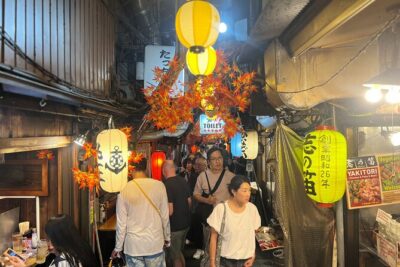 ★ 5.0Shinjuku Food Tour (13 Dishes at 4 Local Eateries)From $866,603 reviews
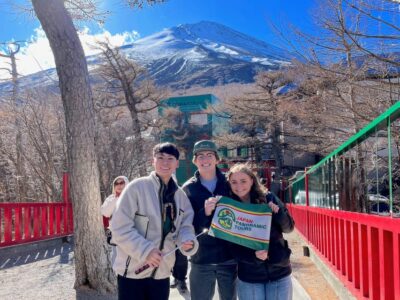 ★ 4.4Tokyo Mt Fuji 5th St & Hakone Cruise Bus Tour w/Bullet TrainFrom $1545,024 reviews
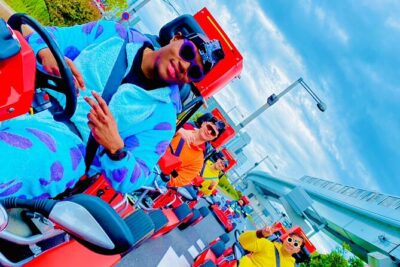 ★ 5.0Flagship 2-Hours Official Street Go-Kart Tour – Tokyo Bay ShopFrom $644,974 reviews
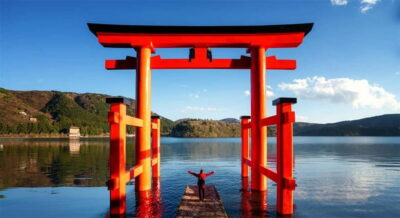 ★ 4.7Mt. Fuji Tour, Hakone Ropeway, Owakudani, Lake AshiFrom $544,002 reviews
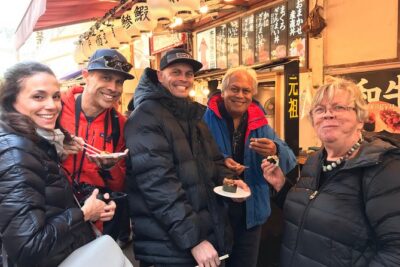 ★ 5.0Tokyo 6hr Private Tour with Government-Licensed GuideFrom $1553,902 reviews
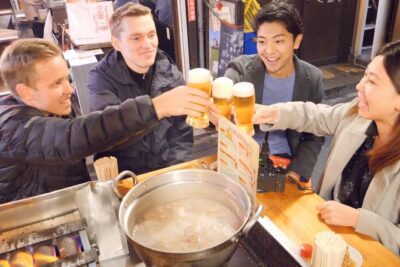 ★ 5.0Tokyo Bar Hopping Tour in Shinjuku (All-You-Can-Drink + Dinner)From $1063,587 reviews