
Reviewed · TOKYO
Discover Japanese Umami: Onigiri & Dashi Masterclass in Tokyo
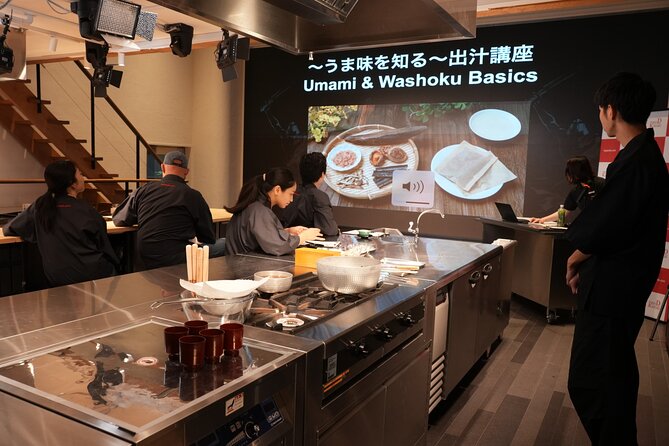
Dashi is the secret weapon in your soup. This hands-on Tokyo class teaches why Japanese food tastes so satisfying, starting with umami and moving straight into dashi you can actually compare and taste. I love that you watch three dashi types being made right in front of you, then sample them side by side so the differences stop being abstract.
I also really like the practical, do-it-yourself food part: you’ll shape onigiri by hand, then cook fluffy dashimaki tamago using a traditional rectangular tamagoyaki pan. One consideration: it runs about 2 hours, so if you’re slow at shaping rice balls, you’ll still need to keep things moving with the group pace.
In This Review
- Key highlights you will care about
- Tokyo’s umami lesson starts with dashi, not trivia
- The dashi showdown: kombu, katsuobushi, and awase
- Side dishes and miso soup: learning the rhythm of washoku plating
- Dashimaki tamago on a rectangular pan: fluffy technique with real feedback
- Onigiri by hand: fillings, shaping, and the little details that matter
- Kappodo sake tasting and take-home recipes that actually help
- Price and value: what $129.49 really buys you
- Logistics that affect your day in Tokyo
- Who should book this class
- Should you book the Japanese Umami Masterclass?
- FAQ
- How long is the onigiri and dashi masterclass?
- What time does the class start in Tokyo?
- How big is the group?
- Is instruction available in English?
- Do I need prior cooking experience?
- What will I make during the class?
- Which types of dashi are covered?
- Is sake tasting included?
- What do I get to take home?
- Can I get a full refund if I cancel?
Key highlights you will care about
- Three dashi types, made and tasted side by side: kombu, katsuobushi, and awase
- Hands-on washoku basics: miso soup and traditional side dishes included with the meal
- Dashimaki tamago practice: using a rectangular tamagoyaki pan (the classic tool)
- Onigiri by hand: choose fillings, shape your own rice balls
- English instruction, small group size: maximum 8 travelers, with clear guidance
- Kappodo original sake tasting plus take-home recipes: printed recipe set and seasonings
Tokyo’s umami lesson starts with dashi, not trivia
If you’ve ever wondered why Japanese soup and sauces taste deeper than the sum of their ingredients, you’ll get an answer fast here. The class is built around umami and dashi, which is the real flavor backbone behind a lot of Japanese cooking. Instead of treating umami like a buzzword, you learn how it forms and how different stocks create different results.
I like that this isn’t a sit-and-listen setup. You’re constantly doing something—watching techniques, tasting what changes flavor, and then cooking. That makes the lesson stick, especially if you want to recreate Japanese taste at home instead of just collecting photos.
Readers booked these Tokyo options in the same breath. Here is how each one scored:
- Mt Fuji and Hakone 1-Day Bus Tour Return by Bullet Train
★ 5.0 · 26,383 reviews - 1-Day Tokyo Bus Tour
★ 5.0 · 14,250 reviews - Tokyo: teamLab Planets TOKYO Digital Art Museum Entry Ticket
★ 4.6 · 9,779 reviews - Mt Fuji & Hakone Cruise, Drum Show Bullet Train 1 Day from Tokyo
★ 4.0 · 7,413 reviews
The dashi showdown: kombu, katsuobushi, and awase
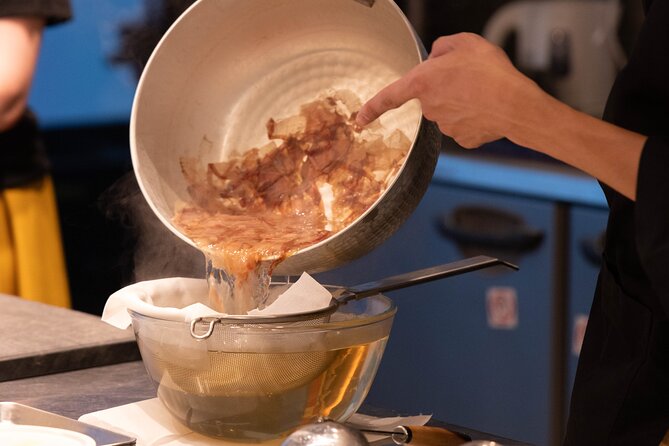
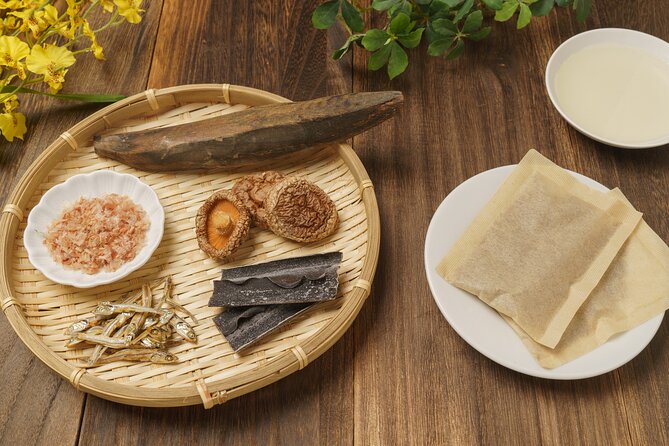
The most exciting part for me is the dashi comparison. You’ll see how three types are made right in front of you: kombu (kelp), katsuobushi (bonito flakes), and awase (combined). Then you taste them side by side, which is the quickest way to understand how small changes affect flavor.
Here’s why this matters for you: dashi is not just one thing in Japanese cooking. It’s a flexible base that can be lighter, more savory, or more balanced depending on what’s in it and how it’s combined. If you learn the taste difference now, you’ll be able to adjust later when you cook at home.
What to pay attention to while tasting:
- How each one feels in your mouth (some taste sharper, some rounder)
- How your appetite changes—dashi can make the rest of a meal seem more complete
- How quickly the flavor fades or lingers (that’s part of the stock’s character)
The class also includes a lecture on dashi and umami, so you’re not guessing. You’ll connect the science idea to what you’re actually tasting.
Side dishes and miso soup: learning the rhythm of washoku plating
After the dashi foundation, you’ll move into a traditional meal flow. There’s a demonstration of side dishes and miso soup included in the session, with the plating process built in as part of the fun. Even if you don’t consider yourself a detail person, plating teaches you something useful: Japanese meals often balance temperature, texture, and flavors across small components.
This is where the class becomes more than a cooking skill workshop. You start to see how washoku thinking works in practice—how a simple soup stock and a few side dishes can turn into a satisfying set.
A practical tip for you: watch how the instructor portions and arranges. Even if you never copy the exact look, it gives you a template for building your own Japanese-style meals later.
Dashimaki tamago on a rectangular pan: fluffy technique with real feedback
Next up is dashimaki tamago—the rolled Japanese omelet that looks simple but requires good timing and control. You’ll cook it yourself using a rectangular tamagoyaki pan, which is key. The shape is designed for rolling, so you’re not fighting an awkward tool while trying to learn.
This part is a big reason the class feels hands-on. You’ll get instructor guidance while you work, which helps you understand:
- how to manage heat while cooking layers
- how the roll forms as you continue the process
- how dashi influences the finished omelet taste
If you’ve ever made omelet at home and found it turns out dense, this is the opposite goal—fluffy and tender. Even if your first roll isn’t perfect, you’ll likely leave with a repeatable method.
Also, if you’re food-motivated, you’ll appreciate this stage because it pairs perfectly with the earlier dashi lesson. By now you’ve tasted different stocks; now you see how dashi shows up in something you can eat immediately.
Onigiri by hand: fillings, shaping, and the little details that matter
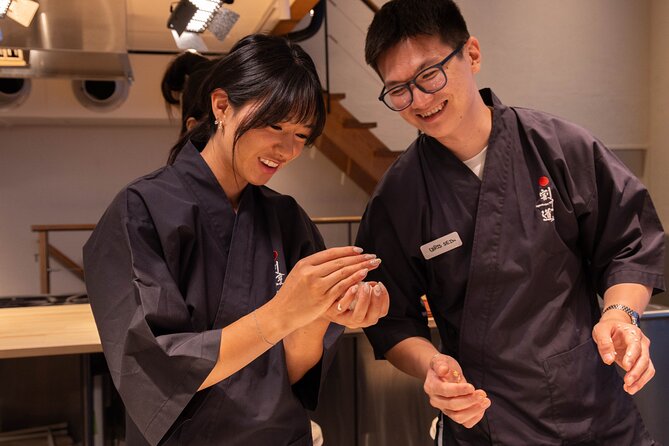
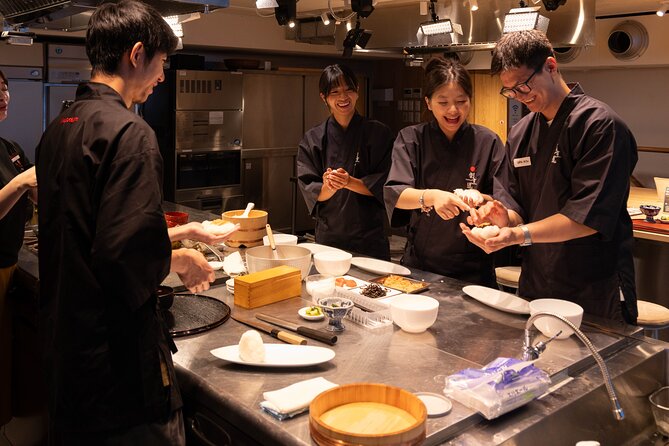
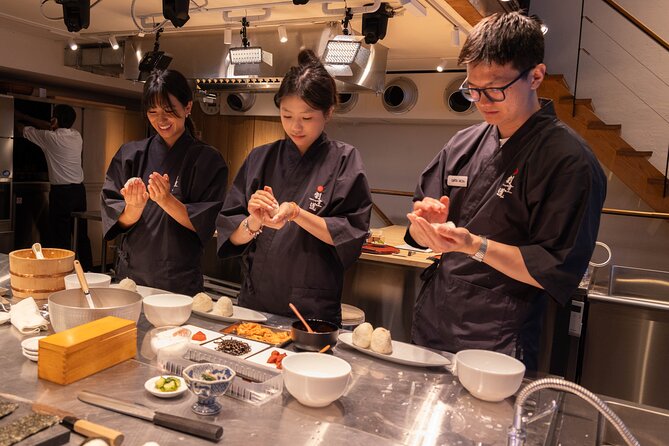
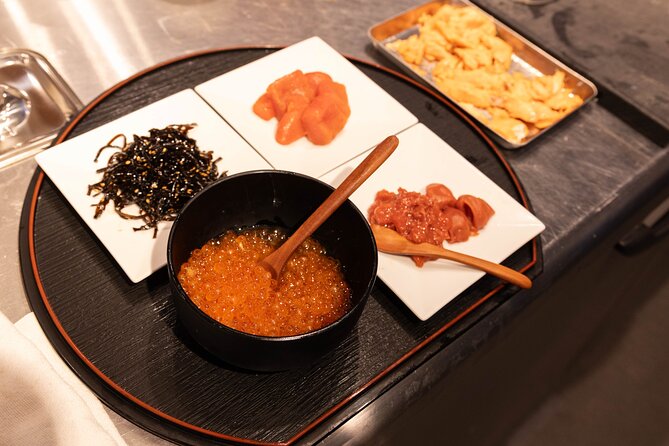
Then comes one of Japan’s most beloved comfort foods: onigiri, rice balls. You’ll choose from a variety of traditional fillings and shape your own onigiri by hand. This is the part where your hands do the learning.
Why shaping matters:
- It teaches you a key texture balance: firm enough to hold, soft enough to eat
- It makes you more confident when you buy onigiri later and realize what’s going on inside
- It turns the cooking class into a skill you can repeat, not just a one-time meal
One practical suggestion: focus on the consistency and gentle pressure. If you press too hard, it can get unpleasantly tight. Too light, and it won’t hold its form. The class pace gives you the chance to practice without turning it into a stressful rice ball competition.
- Tokyo: Shinjuku Food Tour (13 Dishes at 4 Local Eateries)★ 5.0 · 6,603 reviews
- Tokyo Mt Fuji 5th St & Hakone Cruise Bus Tour w/Bullet Train★ 4.4 · 5,024 reviews
- Flagship 2-Hours Official Street Go-Kart Tour – Tokyo Bay Shop★ 5.0 · 4,974 reviews
- From Tokyo: Mount Fuji Full-Day Sightseeing Trip★ 4.5 · 4,970 reviews
- Tokyo: Hop-On Hop-Off Sightseeing Bus Ticket★ 3.9 · 4,207 reviews
Kappodo sake tasting and take-home recipes that actually help
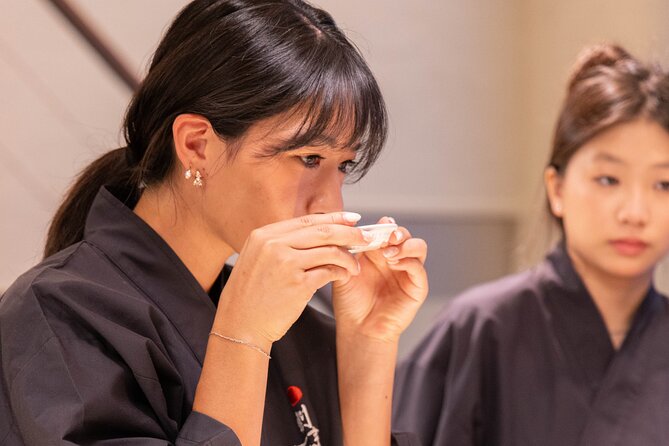
Yes, there’s also an alcohol tasting: Kappodo original sake is included. This isn’t required to enjoy the cooking, but it’s a nice way to round out the meal experience and connect to the kappo tradition angle mentioned in the class approach.
You’ll also receive a printed recipe set and Japanese seasonings to take home. That’s one of the best “value multipliers” in cooking classes. If you only learn technique but leave with nothing written, the memory fades fast. With a recipe set in hand, you’re more likely to cook again—especially for dashi and for whatever fillings you liked most for your onigiri.
You’ll also get a certificate of participation. It’s not life-changing, but it’s a fun touch if you like having something tangible from your Tokyo food day.
Price and value: what $129.49 really buys you
At $129.49 per person for about 2 hours, the price isn’t small. The value comes from the combination:
- a structured dashi and umami lecture
- hands-on cooking for multiple items (onigiri and dashimaki tamago)
- included demonstrations (side dishes and miso soup)
- an included meal experience
- tools and aprons provided so you’re not hunting supplies
- Kappodo original sake tasting
- printed recipes and seasonings to recreate the flavors later
If you compare this to paying separately for a show-and-taste food tour plus a cooking workshop plus a meal, this format usually makes more sense. You’re getting both instruction and output—meaning you leave with food you made and a clear path to repeat it.
Small group size (maximum 8 travelers) is another value factor. Smaller groups tend to get better attention during hands-on stages, especially when you’re rolling omelets or shaping rice balls.
Logistics that affect your day in Tokyo
This class starts at 11:00 am and runs about 2 hours. It’s in Nishiazabu, at Kappodo HQ / Tokyo D kitchen studio area, and it ends back at the same meeting point. Public transportation is nearby, and private transportation isn’t included, so you’ll want to plan your route.
What I recommend:
- Build in a little buffer for getting to Nishiazabu before 11:00.
- Come hungry. The class includes a lunch hands-on meal component, and it’s not just snacks.
- If you’re an early lunch person, 11:00 works nicely as a mid-morning start.
Also, instruction is in English and there’s no prior cooking experience needed. That matters if you’re worried you’ll feel awkward. The setup is designed so you can jump in.
Who should book this class
This is a great fit if you:
- love Japanese food and want more than surface-level explanations
- want to learn how umami and dashi actually work
- like hands-on cooking, especially with a small group
- want recipes you can use back home, not just a fun Tokyo afternoon
It might be less appealing if you:
- hate cooking workshops and prefer purely observational food tours
- need lots of time to practice technique slowly (the session is about 2 hours)
For many people, it hits the sweet spot: you learn a core Japanese cooking idea and then leave with meals you shaped yourself.
Should you book the Japanese Umami Masterclass?
I think you should book it if you care about taste, technique, and repeatable results. The strongest reason is the dashi comparison: you see kombu, katsuobushi, and awase in action and then taste the difference. That alone can upgrade how you cook and eat Japanese food afterward.
Pair that with the hands-on onigiri shaping and dashimaki tamago cooking, plus included miso soup and side dishes, and you’re not just watching a demo. You’re building a small toolkit of Japanese flavors you can recreate.
If you’re nearby in Tokyo and you want a food experience that feels both traditional and practical, this is one of those classes that can pay you back every time you cook.
FAQ
How long is the onigiri and dashi masterclass?
It runs for about 2 hours.
What time does the class start in Tokyo?
The start time is 11:00 am.
How big is the group?
The class has a maximum of 8 travelers.
Is instruction available in English?
Yes. Instruction is in English.
Do I need prior cooking experience?
No prior cooking experience is needed.
What will I make during the class?
You’ll make onigiri (rice balls) by hand and cook dashimaki tamago (Japanese rolled omelet). A demonstration of side dishes and miso soup is also included.
Which types of dashi are covered?
You’ll learn about and taste three types of dashi: kombu, katsuobushi, and awase.
Is sake tasting included?
Yes. Alcoholic beverages tasting of Kappodo original sake is included.
What do I get to take home?
You’ll receive a printed recipe set and Japanese seasonings. You’ll also receive a certificate of participation.
Can I get a full refund if I cancel?
There is free cancellation. You can cancel up to 24 hours in advance for a full refund. If you cancel less than 24 hours before the start time, the amount you paid is not refunded.
More Tour Reviews in Tokyo
- Mt Fuji and Hakone 1-Day Bus Tour Return by Bullet Train
★ 5.0 · 26,383 reviews - 1-Day Tokyo Bus Tour
★ 5.0 · 14,250 reviews - Tokyo: teamLab Planets TOKYO Digital Art Museum Entry Ticket
★ 4.6 · 9,779 reviews - Mt Fuji & Hakone Cruise, Drum Show Bullet Train 1 Day from Tokyo
★ 4.0 · 7,413 reviews - Tokyo: Shinjuku Food Tour (13 Dishes at 4 Local Eateries)
★ 5.0 · 6,603 reviews





