
Reviewed · HAKONE TOURS
Exciting Hakone – One Day Tour from Tokyo
One day in Hakone feels like a reset. With hotel pickup plus a guide, you get a tightly packed circuit of volcanic Owakudani and Lake Ashi without doing route math all morning. Guides in this group are known for clear, helpful pacing, like Akira and Yumiko Sano.
I love two things here: first, the way you’re carried through Tokyo to Odawara and into Hakone by rail, then finished back in Tokyo, so you’re not juggling transfers. Second, the mix of mountain train, ropeway/cable car, and boat time gives you multiple angles of the region instead of one long bus ride.
One caution: Mt. Fuji visibility is season-dependent, and the ropeway or Lake Ashi cruise can be delayed or canceled when strong winds or snow show up. When that happens, you’ll want a plan B mindset for the day’s views and timing.
In This Review
- Key things I’d circle before you go
- From Your Hotel to Odawara: the Tokyo start that keeps stress low
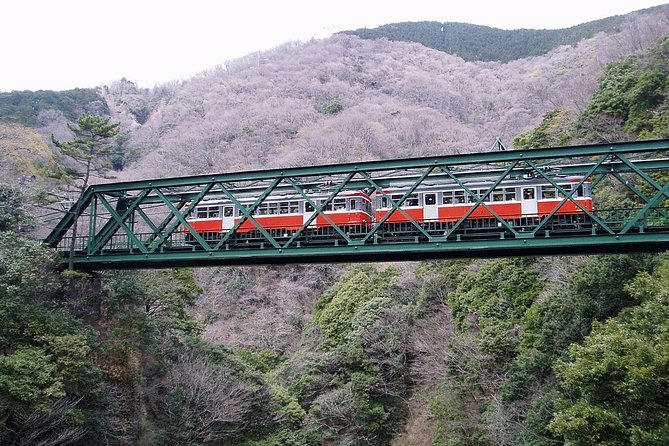
- Hakone Yumoto to Gora: the mountain train ride with hydrangeas in season
- Up to Owakudani: volcanic steam, the black egg, and real Hakone power
- The ropeway down to Lake Ashi: changing scenery fast
- Lake Ashi cruise and Hakone Shrine: the part that feels like a reward
- The return to Tokyo: bus to Odawara, Shinkansen home
- Price and value: what $208.49 buys, and what you still pay for
- Who this one-day Hakone tour suits best
- Should you book it?
- FAQ
- What time does the Hakone one-day tour start?
- Is hotel pickup and drop-off included?
- How long is the tour?
- Is this a private tour, and how many people are in the group?
- Do I need to pay for Shinkansen tickets and the Hakone free pass?
- Are admission fees and lunch included?
- Will I definitely see Mt. Fuji?
- What happens if the ropeway or Lake Ashi cruise can’t operate?
- Is there walking involved, and can children join?
Key things I’d circle before you go
- Hotel lobby meet-up at 8:30 with pickup and drop-off in the Tokyo 23 wards
- Owakudani volcanic zone plus the famous black egg experience
- Multiple transport styles: Shinkansen, mountain train, ropeway, and Lake Ashi cruise
- Seasonal beauty on the route, including hydrangeas roughly mid-June to mid-July
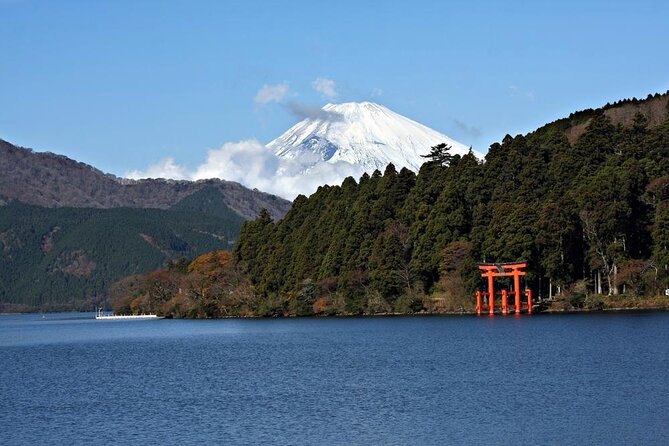
- Good odds for Fuji in winter, but less certainty in summer
- Weather happens and the route can adjust when ropeway/boat operations are affected
From Your Hotel to Odawara: the Tokyo start that keeps stress low
Your day kicks off at 8:30 am with a meet-up in your hotel lobby (Tokyo 23 wards). From there, you head by train toward Tokyo or Shinagawa for the Shinkansen to Odawara, which is the key move that makes the one-day format actually work.
The Shinkansen part is about 260 km/h, not the very fastest variant you might chase in Japan, but it’s quick enough to get you onto Hakone’s mountain routes with a full morning. You’ll go from Tokyo/Shinagawa to Odawara, then continue onward by train toward Hakone Yumoto.
This is one of those “simple on paper, valuable in real life” setups. When you’re tired from city logistics, a guide handling the transitions helps you keep your energy for the scenery. It also reduces the chance of missing a connection when trains run like clockwork.
Practical note: the tour runs around 10 hours, so plan your day around that window. Eat a solid breakfast before you leave, and keep some small snacks handy since lunch isn’t included.
Other Hakone loops worth the fare
- Mt Fuji and Hakone 1-Day Bus Tour Return by Bullet Train
★ 5.0 · 26,383 reviews - Mt Fuji & Hakone Cruise, Drum Show Bullet Train 1 Day from Tokyo
★ 4.0 · 7,413 reviews - Tokyo Mt Fuji 5th St & Hakone Cruise Bus Tour w/Bullet Train
★ 4.4 · 5,024 reviews - Tokyo: Mt. Fuji Tour, Hakone Ropeway, Owakudani, Lake Ashi
★ 4.7 · 4,002 reviews
Hakone Yumoto to Gora: the mountain train ride with hydrangeas in season
Once you reach Hakone Yumoto, you switch to a mountain train to Gora (about 40 minutes). This is not just transport—it’s part of why Hakone feels different from Tokyo. The ride goes through valleys, and you start seeing the region’s slopes open up.
From the middle of June to the middle of July, the line is famous for hydrangeas. Even if you miss the peak, the route still gives you that slow, scenic transition from city bustle to mountain air.
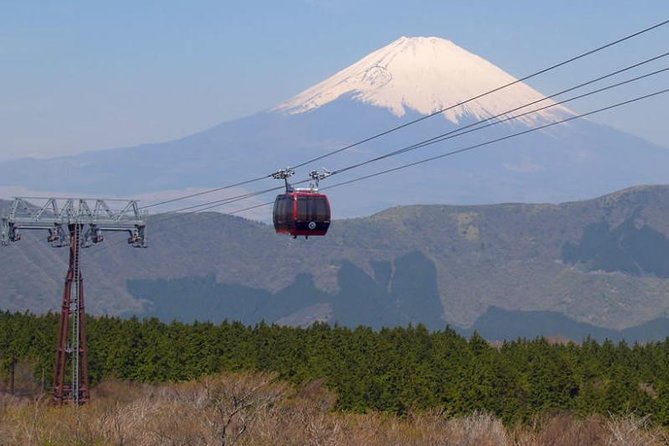
At Gora, you’re set up for the next step: the ropeway/cable car toward Owakudani. This matters because ropeways and cable cars are timed to the morning’s better visibility and to keep the volcano stop from becoming a late-afternoon squeeze.
Up to Owakudani: volcanic steam, the black egg, and real Hakone power
Your ropeway/cable car segment from Gora to Owakudani takes about 20 minutes. On a clear day, this is where you may catch Mt. Fuji from higher ground, though weather is the boss here, not the schedule.
Once you arrive at Owakudani, the day’s most memorable stop is your about 1 hour strolling through the volcanic zone. This is active geothermal country. You’ll see the bubbling hot pools and the iconic black egg that’s boiled in the hot spring waters.
Here’s why I like this stop so much for a one-day tour: it’s unmistakably Hakone. Hot springs are common in Japan, but Owakudani’s visible volcanic activity feels immediate. You’re not just looking at postcards—you’re walking through a place that looks like it’s still working.
What can go wrong? If weather is rough (especially with winter snow or high winds), ropeway operations may be suspended or modified. The good news is that guides can rearrange what you do next when conditions change, which is exactly the kind of flexibility that makes a long day more bearable.
Tip for comfort: wear shoes that handle uneven ground and steam areas. You’ll be walking moderately, and Owakudani is not a polished sidewalk stroll.
The ropeway down to Lake Ashi: changing scenery fast
After Owakudani, you take another ropeway down to Lake Ashi (about 20 minutes). This is the visual pivot point—from volcanic textures and steam to open water views and the calmer rhythm of a cruise.
If the sky is friendly, this is a great moment for Fuji spotting because the vantage can line up nicely. If not, it’s still a scenic downhill ride that resets your eyes after the steam and heat.
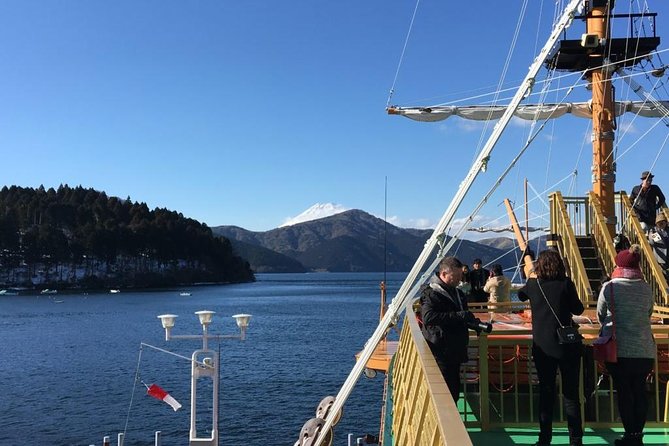
Then you head into the water portion, which is scheduled at about 30 minutes of cruising on Lake Ashi. In rough weather, the cruise can be suspended or unable to operate as planned, and that’s where having a guide’s flexibility pays off.
Lake Ashi cruise and Hakone Shrine: the part that feels like a reward
The Lake Ashi cruise is your “slow down” block of the day. Even on a gray day, being out on the water gives you a different kind of Hakone view—one where you can feel the mountain edges closing in around the lake.
After the cruise, you’ll stroll Hakone shrine. It’s a shorter walk, but it adds cultural grounding to the geothermal-and-transport intensity of the earlier hours.
One thing to keep your expectations grounded: Fuji views are not guaranteed. The tour’s own weather notes set realistic expectations—about 80% in winter, but less than 30% in summer. So treat the Fuji possibility like a bonus, not the main ticket. If it’s visible, it’s stunning. If it’s not, you’re still getting the Hakone route and the water-and-volcano contrast.
Readers also shortlisted these Tokyo bookings:
- Mt Fuji and Hakone 1-Day Bus Tour Return by Bullet Train★ 5.0 · 26,383 reviews
- 1-Day Tokyo Bus Tour★ 5.0 · 14,250 reviews
- Mt Fuji & Hakone Cruise, Drum Show Bullet Train 1 Day from Tokyo★ 4.0 · 7,413 reviews
- Tokyo: DisneySea 1-Day Passport★ 4.5 · 2,726 reviews
- Tokyo Disneyland 1-Day Passport★ 4.6 · 2,512 reviews
The return to Tokyo: bus to Odawara, Shinkansen home
By 16:30, you take a bus from Lake Ashi to Odawara. This is a practical choice in the flow of a one-day plan. It gets you back to rail quickly before the evening Shinkansen rush.
Then the ride back is another Shinkansen from Odawara to Tokyo or Shinagawa, arriving around 18:16, followed by your transfer back to your hotel.
This is the part I especially appreciate: the tour doesn’t leave you stranded in the countryside. You get a defined end time and a route back that doesn’t require extra planning on your own.
Price and value: what $208.49 buys, and what you still pay for
The price listed is $208.49 per person, and the tour is typically booked about 28 days in advance on average. That number covers your guide and the private, structured experience, including the hotel meet-up and the guided routing through Hakone’s key stops.
But transportation costs are split. You’ll also pay:
- a 2-way Shinkansen discount ticket (shown as 6560 JPY per person)
- a Hakone free pass (shown as 6000 JPY per person)
Admissions and lunch are also not included. So the real value is less about “everything fully paid” and more about paying for someone to reduce friction: you show up, and the route is handled.
For couples and small groups, this can be good value because you’re getting a full circuit of rail + mountain train + ropeway + cruise in one day. For solo travelers, it can still be worth it if you want the guidance and don’t want to spend time mapping transfers and buying multi-option tickets.
Group size is small: maximum 5 people, and it’s a private tour (your group only). That small size is part of why guides can keep your day moving at a reasonable pace.
Who this one-day Hakone tour suits best
This is a strong match if you:
- want a full Hakone highlight loop without doing research
- like transit experiences (rail, ropeways, and boat time)
- can handle a moderate amount of walking
- want a guide who explains what you’re seeing as you go
It’s also a good pick for people who care about Mt. Fuji chances but understand reality. The tour’s Fuji note is blunt: winter odds are much better, and summer is trickier.
Who might think twice: if you’re very sensitive to weather changes, note that the ropeway and Lake Ashi cruise can be suspended due to snow or strong winds. If you hate walking on uneven ground, Owakudani might feel like hard work, even though the tour says most people can participate.
Should you book it?
I’d book this if your goal is simple: get out of Tokyo, hit Owakudani and Lake Ashi, and have a guide manage the moving parts. The small-group private format, plus the mix of transport, makes Hakone feel like more than a day trip.
I’d skip or choose a different plan if you’re traveling in a season where Fuji odds are low and you can’t accept that ropeway/boat operations might change. In those cases, you’ll still see plenty, but your day will be more weather-dependent.
If you go, aim for good layers, comfortable shoes, and a flexible attitude. Hakone gives you a lot in one day—the best part is you don’t have to engineer it yourself.
FAQ
What time does the Hakone one-day tour start?
Start time is 8:30 am, with hotel lobby meet-up (Tokyo 23 wards).
Is hotel pickup and drop-off included?
Yes. Pickup and drop-off are included as part of the experience, with the meeting in your hotel lobby for Tokyo 23 wards.
How long is the tour?
The duration is about 10 hours (approx.).
Is this a private tour, and how many people are in the group?
It’s a private tour where only your group participates, with a maximum group size of 5 people.
Do I need to pay for Shinkansen tickets and the Hakone free pass?
Yes. Transportation costs are not included, including a 2-way Shinkansen discount ticket (6560 JPY per person) and a Hakone free pass (6000 JPY per person).
Are admission fees and lunch included?
No. Admission fees and lunch are not included.
Will I definitely see Mt. Fuji?
No. Visibility depends on the season. It’s noted as about 80% in winter and less than 30% in summer based on Fuji city weather records.
What happens if the ropeway or Lake Ashi cruise can’t operate?
The ropeway and Lake Ashi cruising can be suspended or unable to operate as scheduled due to natural hazards like snow or strong winds. The day may need to adjust based on conditions.
Is there walking involved, and can children join?
There is a moderate amount of walking involved, and most travelers can participate. Children must be accompanied by an adult.
More Tours in Tokyo
- Mt Fuji and Hakone 1-Day Bus Tour Return by Bullet Train
★ 5.0 · 26,383 reviews - 1-Day Tokyo Bus Tour
★ 5.0 · 14,250 reviews - Tokyo: Shinjuku Food Tour (13 Dishes at 4 Local Eateries)
★ 5.0 · 6,603 reviews - Tokyo Mt Fuji 5th St & Hakone Cruise Bus Tour w/Bullet Train
★ 4.4 · 5,024 reviews - Flagship 2-Hours Official Street Go-Kart Tour – Tokyo Bay Shop
★ 5.0 · 4,974 reviews
More Tour Reviews in Tokyo
- Mt Fuji and Hakone 1-Day Bus Tour Return by Bullet Train
★ 5.0 · 26,383 reviews - 1-Day Tokyo Bus Tour
★ 5.0 · 14,250 reviews - Tokyo: teamLab Planets TOKYO Digital Art Museum Entry Ticket
★ 4.6 · 9,779 reviews - Mt Fuji & Hakone Cruise, Drum Show Bullet Train 1 Day from Tokyo
★ 4.0 · 7,413 reviews - Tokyo: Shinjuku Food Tour (13 Dishes at 4 Local Eateries)
★ 5.0 · 6,603 reviews
Hakone, A Few More Ways
- Mt Fuji and Hakone 1-Day Bus Tour Return by Bullet Train
★ 5.0 · 26,383 reviews - Mt Fuji & Hakone Cruise, Drum Show Bullet Train 1 Day from Tokyo
★ 4.0 · 7,413 reviews - Tokyo Mt Fuji 5th St & Hakone Cruise Bus Tour w/Bullet Train
★ 4.4 · 5,024 reviews - Tokyo: Mt. Fuji Tour, Hakone Ropeway, Owakudani, Lake Ashi
★ 4.7 · 4,002 reviews - Private Tour to Mt. Fuji and Hakone (Fully Licenced Operator)
★ 5.0 · 1,910 reviews
Latest Tokyo reviews off our desk






Hakone Tours, compared.
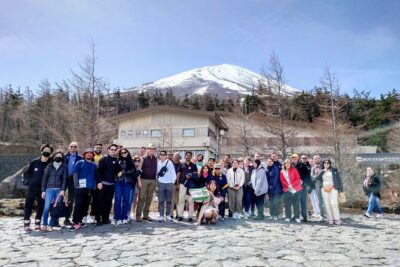 ★ 5.0Mt Fuji and Hakone 1-Day Bus Tour Return by Bullet TrainFrom $16326,383 reviews
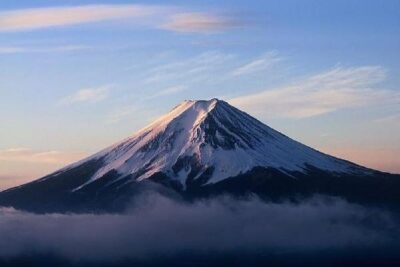 ★ 4.0Mt Fuji & Hakone Cruise, Drum Show Bullet Train 1 Day from TokyoFrom $1497,413 reviews
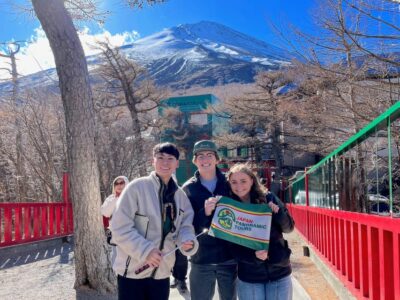 ★ 4.4Tokyo Mt Fuji 5th St & Hakone Cruise Bus Tour w/Bullet TrainFrom $1545,024 reviews
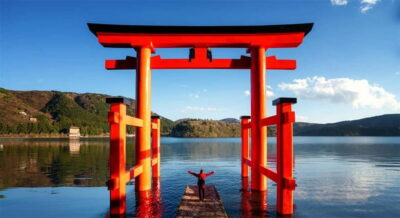 ★ 4.7Mt. Fuji Tour, Hakone Ropeway, Owakudani, Lake AshiFrom $544,002 reviews
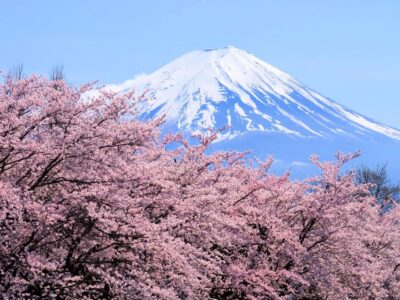 ★ 4.2Mt. Fuji 5th Station & Hakone Cruise 1-Day Bus TourFrom $1292,381 reviews
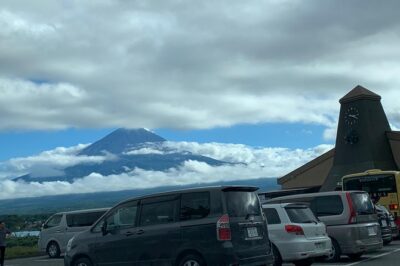 ★ 5.0Private Tour to Mt. Fuji and Hakone (Fully Licenced Operator)From $4971,910 reviews
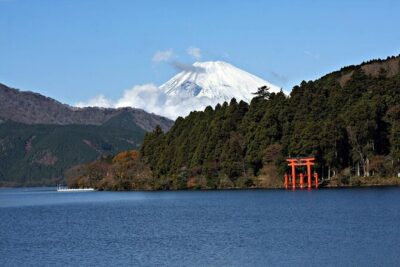 ★ 4.0Mt Fuji & Hakone Cruise, Drum Show Bus 1 Day from TokyoFrom $1221,287 reviews
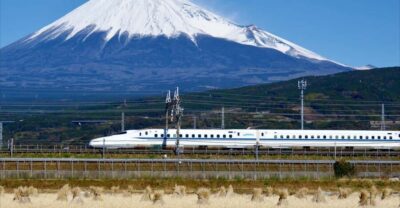 ★ 4.2From Tokyo: Mt. Fuji & Hakone Tour w/ Return by Bullet TrainFrom $1171,278 reviews
Browse the lists this tour appears in