
Reviewed · MOUNT FUJI TOURS
From Tokyo: Mt. Fuji & Hakone Tour w/ Return by Bullet Train
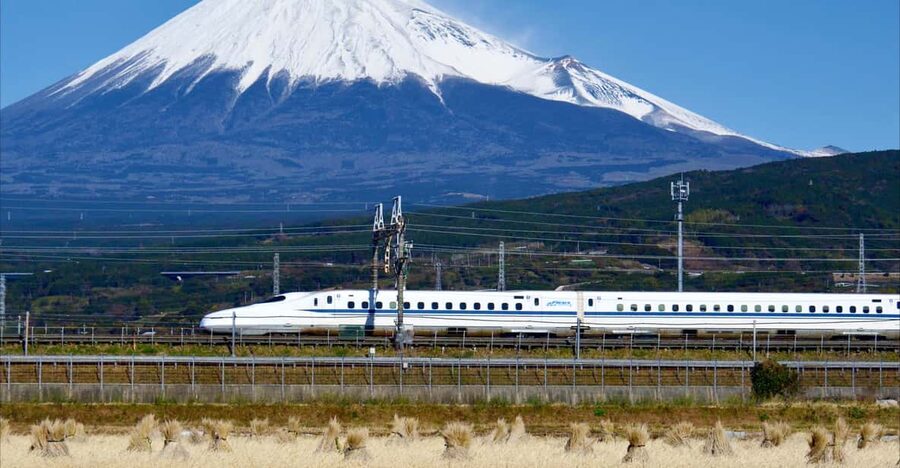
Fuji can change your whole day. This 11-hour run from Shinjuku pushes up to Mt. Fuji 5th Station and pairs it with Hakone’s Owakudani volcanic stop. The goal is simple: maximize what you can see in one day, even when the mountain plays hide-and-seek.
My second big like is the built-in rhythm. You get a guided climb to the best possible viewpoint, then a ropeway descent through sulfur country, and finally an Ashi Lake cruise that can line up with clear-sky views. The one drawback to plan around: Mt. Fuji visibility depends on weather, and the schedule can shift if roads or conditions make the 5th Station impossible.
In This Review
- Key Highlights You Should Know Before You Go
- Why This Fuji and Hakone Day Trip Actually Works
- Price and What You Get for Around $117
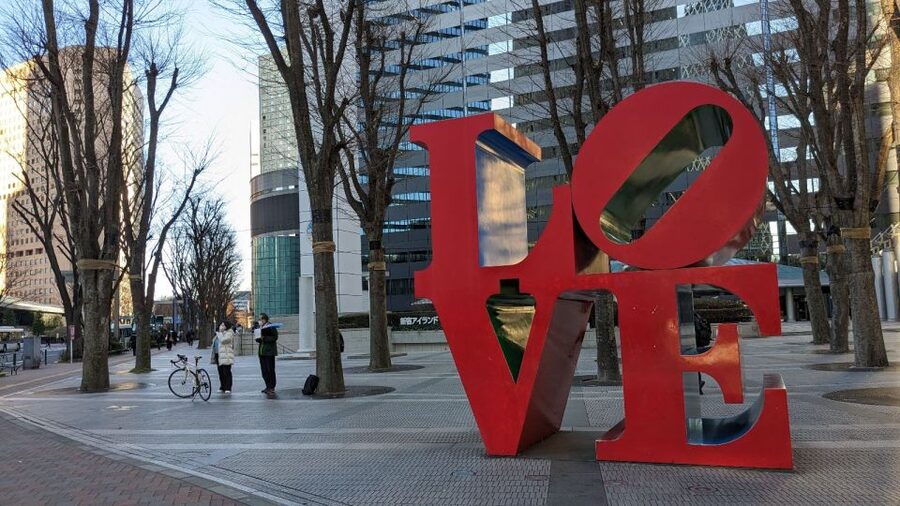
- Meeting Point in Nishi Shinjuku: Finding the LOVE Sculpture
- Mt. Fuji 5th Station: Your Best Shot at the Peak (and What Happens if You Miss)
- Lunch Time in Fuji Area: Hot Pot Plus Half Buffet
- Hakone Ropeway and Owakudani: Steam, Elevation Changes, and Sulfur Souvenirs
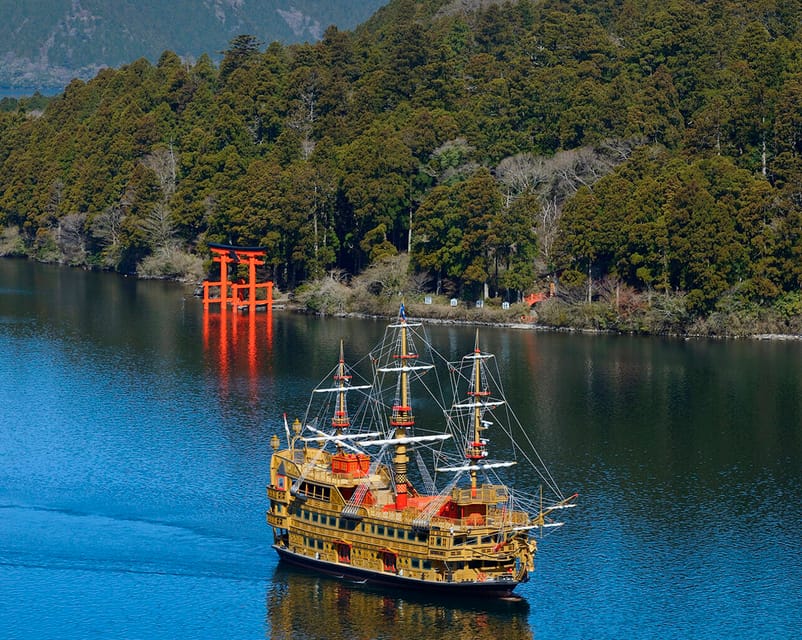
- Lake Ashi Cruise: When Mt. Fuji Shows Up in the Water
- Bullet Train Return from Odawara: Non-Reserved Seats, No Guide on Board
- Guide Power and Real-World Pacing: What Makes the Day Feel Good
- Practical Tips You’ll Be Glad You Brought
- Should You Book This Mt. Fuji and Hakone Tour from Tokyo?
- FAQ
- What is the tour duration?
- Where do I meet the guide?
- Is lunch included?
- What return do I use after Hakone?
- Does the guide ride the Shinkansen back to Tokyo with me?
- What happens if Mt. Fuji 5th Station cannot be reached?
- What if the Hakone Ropeway or pirate ship are not operating?
- Is the Shinkansen ticket reserved seating?
- Is the tour wheelchair accessible?
Key Highlights You Should Know Before You Go
- Mt. Fuji at about 2,300m (5th Station), with fast-moving clouds so you stay alert with your camera
- Ropeway trip to Owakudani for real volcanic scenery and the chance to buy famed black eggs (extra fee)
- Lake Ashi cruise for sweeping views when skies cooperate, often on the Hakone pirate ship
- Hot pot lunch with half buffet (45 to 60 minutes) when that option is selected
- Shinkansen return from Odawara on a non-reserved seat, with the guide not riding the train with you
Why This Fuji and Hakone Day Trip Actually Works
This tour is built for one-day reality. You start in Tokyo, spend the daylight hours in the Fuji–Hakone area, and finish with a fast rail hop back to the city. If you only have a single free day and you want both the iconic volcano and the Hakone scenery, this is one of the most efficient ways to stitch it together.
What makes it especially appealing is that the plan has built-in flexibility. When visibility or road access blocks the exact plan, the tour shifts to the highest point possible, so you still get that feeling of going up, looking out, and soaking in the view.
More Fuji day trips our readers rated highly
- Mt Fuji and Hakone 1-Day Bus Tour Return by Bullet Train
★ 5.0 · 26,383 reviews - Mt Fuji & Hakone Cruise, Drum Show Bullet Train 1 Day from Tokyo
★ 4.0 · 7,413 reviews - Tokyo Mt Fuji 5th St & Hakone Cruise Bus Tour w/Bullet Train
★ 4.4 · 5,024 reviews - From Tokyo: Mount Fuji Full-Day Sightseeing Trip
★ 4.5 · 4,970 reviews
Price and What You Get for Around $117
At about $117 per person, this tour packs in more than just sightseeing. You’re paying for a full-day organizer that includes:
- Air-conditioned bus between Tokyo and the Fuji/Hakone sites
- Hakone Ropeway ticket (included)
- Lake Ashi cruise ticket (included)
- A live guide
- Lunch if you select the lunch option
- Shinkansen bullet train ticket (non-reserved) for the return
That bundle matters because getting to Hakone and doing the ropeway/cruise combo is hard to assemble on your own in one day. And the Shinkansen piece is a big chunk of convenience. The one thing to remember is what’s not included: drinks and anything like souvenirs or the special black eggs (the egg fee is not included).
If you like structured days where someone else handles timing, transportation, and ticketing, the price starts to feel pretty fair. If you prefer free-form travel and long stays, you may feel the day is busy—mostly because it is.
Meeting Point in Nishi Shinjuku: Finding the LOVE Sculpture
You’ll meet your guide at the Nishi Shinjuku LOVE sculpture outside the Shinjuku i-Land building. This is not the kind of meeting point you can miss, but you also want to show up early enough to get your bearings, especially if you’re meeting multiple tour groups in the same area.
Once you’re on the bus, the itinerary settles into a steady rhythm. Expect a drive of about 2.5 hours from Tokyo to the Mt. Fuji area. That means the day starts with movement, not wandering. For me, that’s a plus: it sets you up to use the daylight for the outdoor stops.
Mt. Fuji 5th Station: Your Best Shot at the Peak (and What Happens if You Miss)
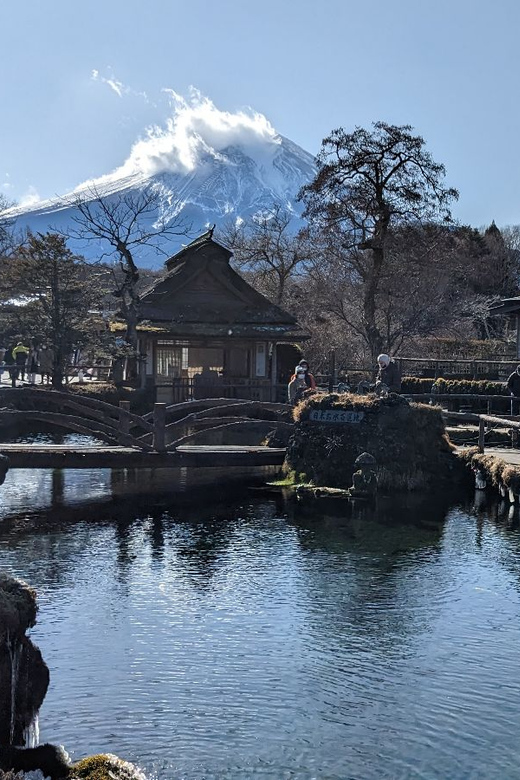
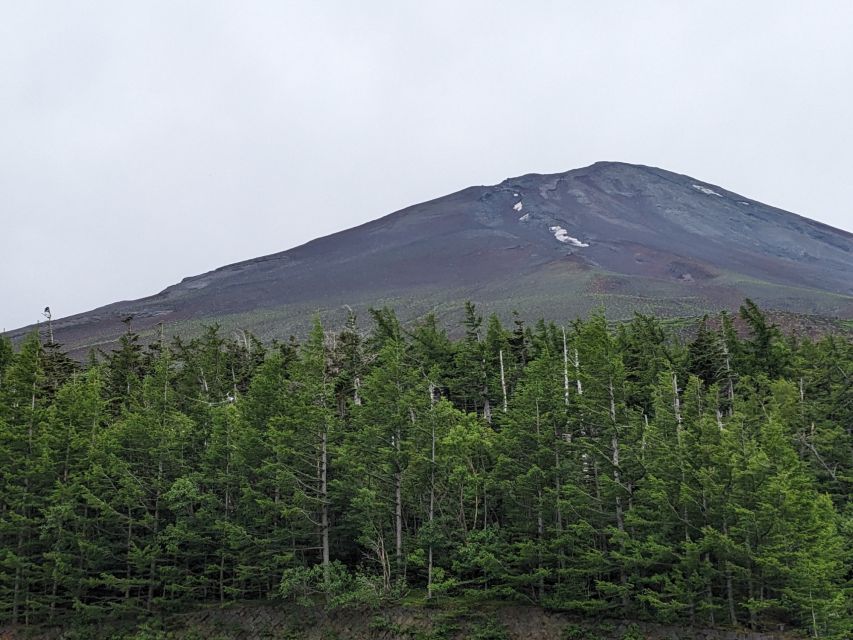
The big Fuji moment is the stop at Mt. Fuji 5th Station, around 2,300 meters above sea level. From there, you’re closer to the summit than most day-trip plans. And the key detail: clouds move fast, so you’re not waiting for a slow-changing panorama. You keep looking up, watching conditions, and reacting quickly when the peak shows through.
You’ll also have a chance for small extras up there, like browsing souvenir shops and visiting Komitake Shrine. Even when Fuji is partly hidden, these stops give the day its local flavor and “I’m really here” feeling.
If weather or a road accident makes the 5th Station unreachable, the tour goes to the highest point possible instead. That pivot is important. It means you’re not stuck doing nothing; you still get altitude, views, and the mountain atmosphere, even if you miss the exact target.
Practical note: this is one stop where comfortable shoes really matter. You’ll want to move around for viewpoints and photos without turning it into a foot-punishing march.
Lunch Time in Fuji Area: Hot Pot Plus Half Buffet
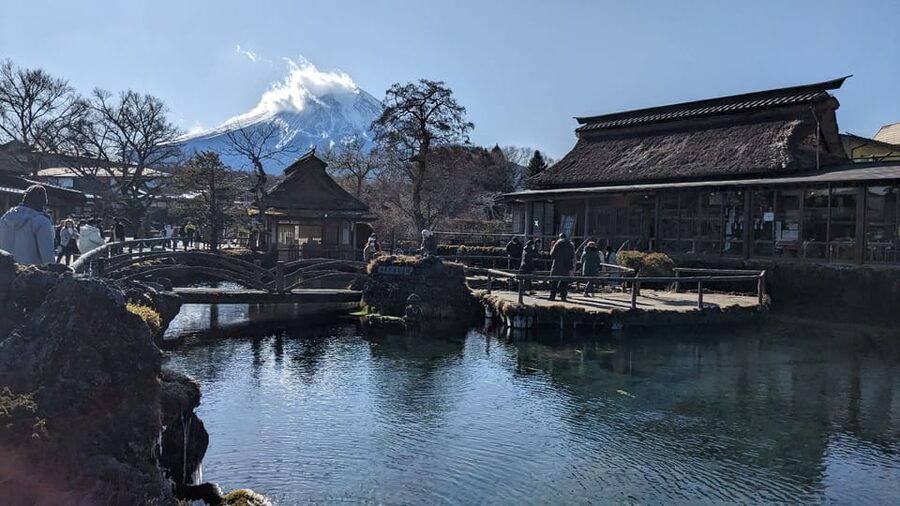
Lunch is scheduled for 45 to 60 minutes, and when the lunch option is selected, it includes a hot pot plus a half buffet. You can bring up food restrictions, and the tour aims to make sure everyone is set.
The hot pot format is a nice reset after the drive and altitude. It’s also very “Japan day trip” in the best way: warm, filling, and social, without needing you to figure anything out.
Balance check from real-world experience: some lunches feel amazing, others can land as merely fine depending on the day and what’s available. Still, the hot pot + buffet structure gives you options if one part isn’t your favorite. If you’re picky, it’s worth choosing dishes from the buffet portion too, so you’re not stuck relying on the hot pot only.
Other Hakone loops worth the fare
- Tokyo: Mt. Fuji Tour, Hakone Ropeway, Owakudani, Lake Ashi★ 4.7 · 4,002 reviews
- Private Tour to Mt. Fuji and Hakone (Fully Licenced Operator)★ 5.0 · 1,910 reviews
- Mt Fuji & Hakone Cruise, Drum Show Bus 1 Day from Tokyo★ 4.0 · 1,287 reviews
- From Tokyo: Mt. Fuji & Hakone Tour w/ Return by Bullet Train★ 4.2 · 1,278 reviews
- Mt Fuji and Hakone 1-Day Bus Tour Return by Bus★ 4.5 · 929 reviews
Hakone Ropeway and Owakudani: Steam, Elevation Changes, and Sulfur Souvenirs
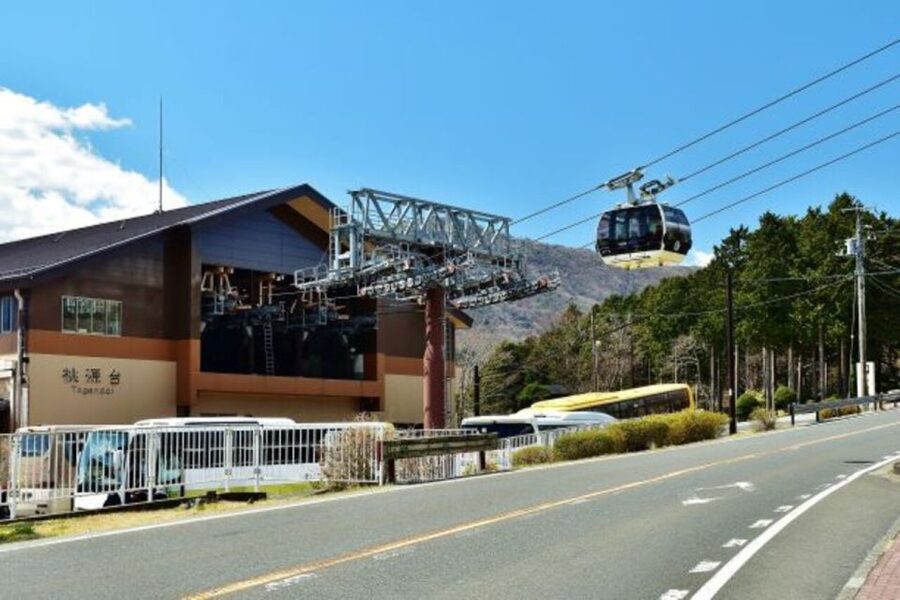
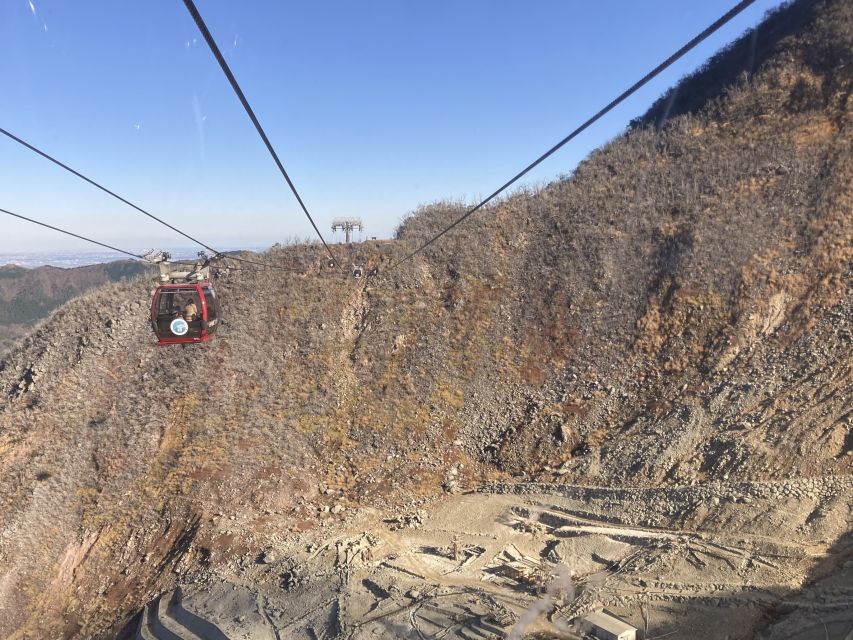
After lunch, you head to Hakone Ropeway for the volcanic Owakudani area. This is where the day turns from “pretty mountain views” into something more dramatic and strange—in a good way.
On the way, you’re riding gondolas/cable systems that let you see the elevation shift. The Owakudani zone is known for volcanic activity, and you’ll get the moment of seeing that sulfur-world in person: steam, heat, and that unmistakable volcanic atmosphere.
One fun-but-explicit detail: at Owakudani, you can buy the famous black eggs boiled in sulfuric water. The souvenir is a big part of the experience, but it’s not included, so treat it like a splurge you choose rather than something you assume is part of the base price.
This stop is also a great place for photos. If the sky clears up, you may catch a layered set of views with the volcanic terrain below. If it’s gloomy or misty, it still has that otherworldly feel.
Lake Ashi Cruise: When Mt. Fuji Shows Up in the Water
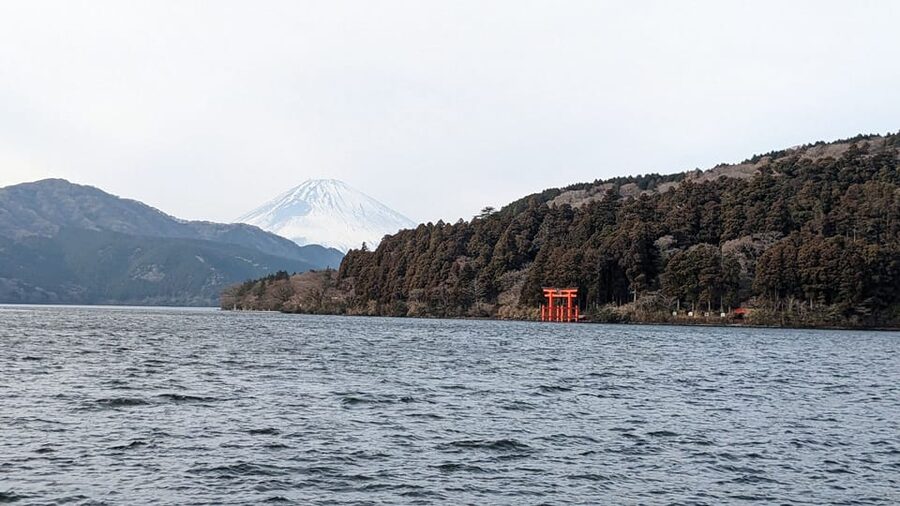
Next comes Lake Ashi (Ashi Lake). The tour includes a cruise, and the big selling point is the view of Mt. Fuji from the deck when it’s clear.
This is the stop where timing and weather matter most. On a clear day, the mountain can show up in views that feel almost postcard-perfect. On a cloudy day, you still get the calm of the lake and the Hakone atmosphere—just without the full reveal.
The tour plan also references the Hakone pirate ship. When operations are normal, the cruise is on that theme-style ship, and it adds a playful twist to an otherwise scenic ride. If the ropeway and pirate ship aren’t operating, the tour redirects to alternatives like Komagatake Ropeway, Mt. Fuji Panoramic Ropeway, or other nearby options listed by the operator.
That fallback matters. It means you still get a “Hakone day” feel rather than replacing the cruise with something unrelated.
Bullet Train Return from Odawara: Non-Reserved Seats, No Guide on Board
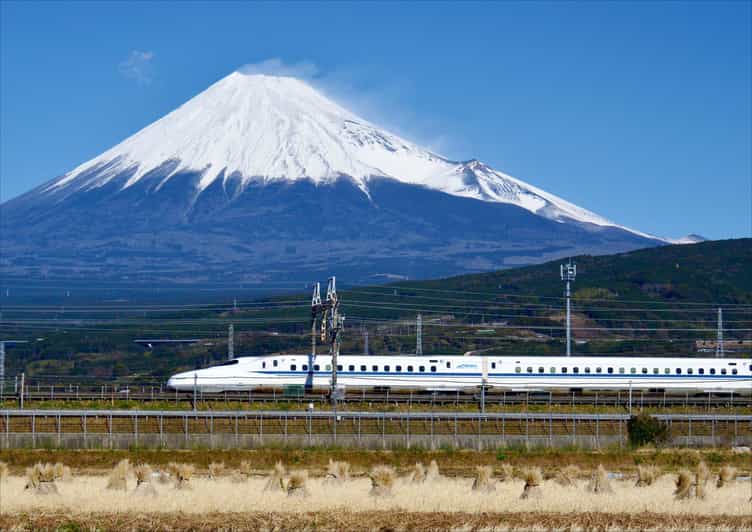
The day closes with the Shinkansen return. You ride from Odawara Station, and the typical bullet train duration is about 34 minutes. The exact train time depends on bus traffic while you’re making the way back to Odawara.
A couple of points are crucial:
- Your Shinkansen ticket is non-reserved
- The guide does not ride the train with you
- The tour ends at Odawara Station, and you return to Tokyo on your own
There are two trains per hour from Odawara, and you can take any non-reserved coach. If you want a smoother transfer, you may be able to get off at Shinagawa Station (one stop before Tokyo) and connect to the Yamanote Line using the same Shinkansen ticket.
One practical tip: don’t automatically rush onto the very first departing train. Some people have found the best experience by watching the flow and choosing a later train so you’re not fighting the first wave. Also keep your day bag and a layer ready—rail stations can be colder and bus schedules can make you sweat, then chill.
Guide Power and Real-World Pacing: What Makes the Day Feel Good
This is a busy itinerary, but it doesn’t have to feel chaotic if the guide runs it well. The best days are the ones where the guide keeps transitions smooth and adds just enough local color.
In this tour style, the guide often brings stories and small surprises. You might hear personal touches like guides sharing history and even getting birthday postcards ready when someone’s celebration lands on the day. Names that show up in real experiences include Yumi, Happy, Sachi-san, Amy, Ami, Yoko, Yuji, Harry, Hide-san, Emi, Mary san and May san, Ujie, and Sayuri—each in different days, showing that guides vary but the goal stays consistent.
There’s also an emphasis on keeping things understandable even if your Japanese is limited. People describe the day as organized with helpful direction at each stop. One theme you’ll likely appreciate: guides manage the group so you aren’t constantly waiting at each viewpoint.
Expect stops that feel like a good sprint: enough time to look, take photos, and browse, but not so much that the day drags. Some people felt the full schedule still left them energized rather than exhausted.
Practical Tips You’ll Be Glad You Brought
Here’s what I’d plan around, based on what the tour setup implies and what consistently matters on Fuji/Hakone days:
- Wear comfortable shoes. You’re walking around at altitude and around ropeway and cruise areas.
- Bring layers. Even if you’re warm in Tokyo, the higher elevation and lake air can feel different.
- Keep your eyes up at 5th Station. Clouds can clear fast, and the viewing moment doesn’t last forever.
- Be ready to pivot. If Fuji isn’t reachable or visible, the tour still goes somewhere high and view-focused, but your exact “summit photo” might not happen.
- Plan for extra spending. Drinks aren’t included, and the Owakudani black eggs are a paid souvenir.
And a reality check: the tour notes Mt. Fuji may not be visible due to weather conditions like humidity, heavy rain, and fog. If you’re the type who needs a perfect, clear-mountain photo to feel satisfied, this is the day trip to book with flexibility in mind.
Also, pregnant women are not suitable for this tour per the provided details.
Should You Book This Mt. Fuji and Hakone Tour from Tokyo?
If you want a one-day hit of Mt. Fuji + Hakone with a guided plan and a Shinkansen return, I’d say book it. The value is strongest when you appreciate structure: the bus gets you out of Tokyo, the ropeway and cruise are handled, lunch is included if you choose it, and the Shinkansen ticket takes the stress out of the return.
I’d think twice if:
- You’re only happy if you see Mt. Fuji clearly from the summit area (weather can win).
- You dislike tight stop times and prefer slow travel.
- You’re pregnant (the tour isn’t suitable).
If you go in with the right expectations—take the best views when they appear, enjoy the volcanic weirdness at Owakudani, and treat the cruise as a weather-dependent payoff—you’ll likely end the day smiling, even if Fuji plays shy.
FAQ
What is the tour duration?
The tour runs for about 11 hours.
Where do I meet the guide?
Meet the guide by the Nishi Shinjuku LOVE sculpture outside the Shinjuku i-Land building.
Is lunch included?
Lunch is included only if you select the lunch option. When included, it’s 45 to 60 minutes with a hot pot and half buffet.
What return do I use after Hakone?
You return by bullet train from Odawara Station. The ticket provided is non-reserved seating, and the tour ends at Odawara.
Does the guide ride the Shinkansen back to Tokyo with me?
No. The guide will not ride the train with you.
What happens if Mt. Fuji 5th Station cannot be reached?
If the tour can’t reach Mt. Fuji 5th Station due to bad weather or a road accident, it will visit the highest point possible instead.
What if the Hakone Ropeway or pirate ship are not operating?
If they aren’t operating, the tour is redirected to one of several alternatives, such as Komagatake Ropeway, Lake Ashi Cruise, Mt. Fuji Panoramic Ropeway, Mishima Skywalk, Narukawa Art Museum, Hakone Checkpoint, or Hakone Shrine.
Is the Shinkansen ticket reserved seating?
No. The Shinkansen ticket is for a non-reserved seat.
Is the tour wheelchair accessible?
All sightseeing spots are wheelchair accessible, but the standard tour buses are not equipped with wheelchair lifts or ramps. Folding wheelchairs can generally be stored in the luggage compartment, while electric wheelchairs may not be accommodated due to size and weight limits.
More Tour Reviews in Tokyo
- Mt Fuji and Hakone 1-Day Bus Tour Return by Bullet Train
★ 5.0 · 26,383 reviews - 1-Day Tokyo Bus Tour
★ 5.0 · 14,250 reviews - Tokyo: teamLab Planets TOKYO Digital Art Museum Entry Ticket
★ 4.6 · 9,779 reviews - Mt Fuji & Hakone Cruise, Drum Show Bullet Train 1 Day from Tokyo
★ 4.0 · 7,413 reviews - Tokyo: Shinjuku Food Tour (13 Dishes at 4 Local Eateries)
★ 5.0 · 6,603 reviews
Hakone, A Few More Ways
- Mt Fuji and Hakone 1-Day Bus Tour Return by Bullet Train
★ 5.0 · 26,383 reviews - Mt Fuji & Hakone Cruise, Drum Show Bullet Train 1 Day from Tokyo
★ 4.0 · 7,413 reviews - Tokyo Mt Fuji 5th St & Hakone Cruise Bus Tour w/Bullet Train
★ 4.4 · 5,024 reviews - Tokyo: Mt. Fuji Tour, Hakone Ropeway, Owakudani, Lake Ashi
★ 4.7 · 4,002 reviews - Private Tour to Mt. Fuji and Hakone (Fully Licenced Operator)
★ 5.0 · 1,910 reviews
More Mount Fuji Days We Have Reviewed
- Mt Fuji and Hakone 1-Day Bus Tour Return by Bullet Train
★ 5.0 · 26,383 reviews - Mt Fuji & Hakone Cruise, Drum Show Bullet Train 1 Day from Tokyo
★ 4.0 · 7,413 reviews - Tokyo Mt Fuji 5th St & Hakone Cruise Bus Tour w/Bullet Train
★ 4.4 · 5,024 reviews - From Tokyo: Mount Fuji Full-Day Sightseeing Trip
★ 4.5 · 4,970 reviews - Tokyo: Mt. Fuji Tour, Hakone Ropeway, Owakudani, Lake Ashi
★ 4.7 · 4,002 reviews
Latest Tokyo reviews off our desk

Mount Fuji Tours, compared.
 ★ 5.0Mt Fuji and Hakone 1-Day Bus Tour Return by Bullet TrainFrom $16326,383 reviews
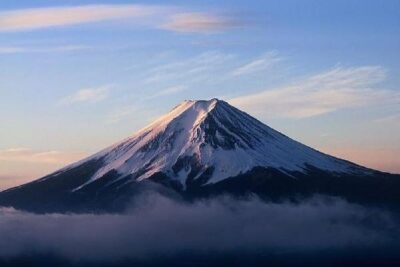 ★ 4.0Mt Fuji & Hakone Cruise, Drum Show Bullet Train 1 Day from TokyoFrom $1497,413 reviews
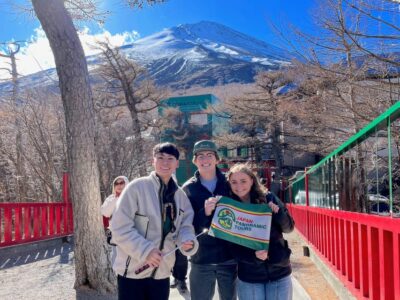 ★ 4.4Tokyo Mt Fuji 5th St & Hakone Cruise Bus Tour w/Bullet TrainFrom $1545,024 reviews
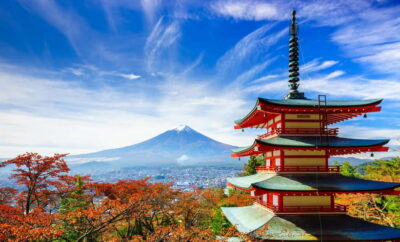 ★ 4.5From Tokyo: Mount Fuji Full-Day Sightseeing TripFrom $684,970 reviews
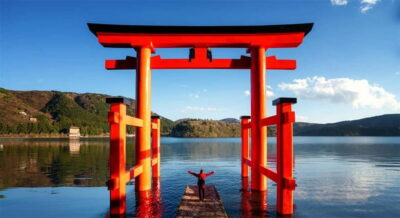 ★ 4.7Mt. Fuji Tour, Hakone Ropeway, Owakudani, Lake AshiFrom $544,002 reviews
 ★ 4.4Mt.Fuji,Kawaguchiko Oishi Park,Arakurayama Sengen ParkFrom $542,682 reviews
 ★ 4.2Mt. Fuji 5th Station & Hakone Cruise 1-Day Bus TourFrom $1292,381 reviews
 ★ 4.7Mt Fuji Top 5 Spots Day Tour: Arakurayama Park,Oshino HakkaiFrom $532,066 reviews
Browse the lists this tour appears in