Reviewed · TOKYO
Exclusive Ramen Kitchen Experience
A ramen lesson in Tokyo feels like cheating. You get hands-on training from ramen pros in an actual award-winning shop, focusing on temomi noodle massage and tebo noodle shaking, then you eat the bowl you build. I also love that it is not just watching from the sidelines, it’s active chef-style work for about an hour. One real consideration: the ramen served contains chicken, pork, and fish.
What makes this experience hit differently is the access. This is the kind of behind-the-scenes look most people never see, and the process is shortened so you are not stuck waiting while broth works its magic for 10 hours. I like that the teaching is practical and ramen-specific, with the goal of helping you make a bowl that actually tastes like Tokyo, not just a performance.
Because the group is capped at 6 and there are multiple guides, you should expect more hands-on attention than the average food tour. Still, it’s a short session, so don’t sign up if you want a slow, from-scratch cooking marathon or lots of free roaming time.
In This Review
- Quick hits: what makes this ramen kitchen experience special
- Why this award-winning kitchen access is the point
- Temomi and tebo: the two noodle techniques that make you feel like a chef
- Temomi: massage the noodles for the right feel
- Tebo: shake off water and manage the noodle behavior
- What you’ll do during the hour (and what you’re intentionally not doing)
- A note on ingredients: chicken, pork, and fish
- Building a Tokyo ramen bowl: broth logic, toppings, and decision-making
- Broth is the long game, noodles are the short game
- Toppings: where your preferences show
- A chef who actually answers questions
- Nakameguro Koukashita area: meeting point and what to expect on arrival
- Group size is small on purpose
- Price and value: is $78.38 a good deal for ramen VIP time?
- Who should book this ramen kitchen experience
- Should you book? My practical recommendation
- FAQ
- How long is the ramen kitchen experience?
- Where do I meet for the experience?
- Is there a single stop or multiple locations?
- How many people are in the group?
- What will I learn to do during the session?
- Do we make everything from scratch?
- What kind of ramen is served, and does it include meat or fish?
- How is the ticket delivered?
- What is the cancellation policy?
Quick hits: what makes this ramen kitchen experience special
- Award-winning shop access where you see how ramen production really works
- Temomi noodle massage practice so you understand what texture you’re aiming for
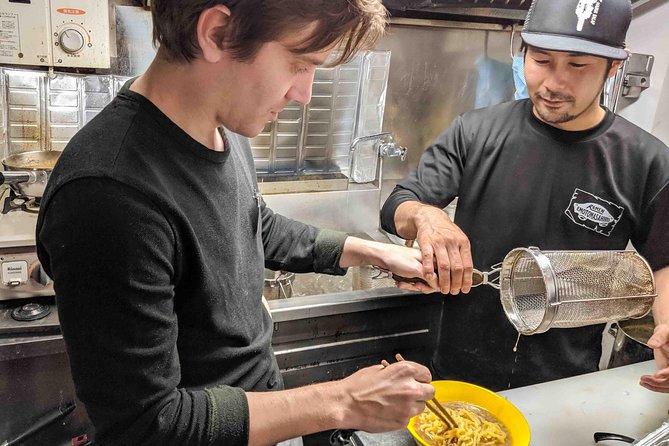
- Tebo noodle shaking to control water release and noodle behavior
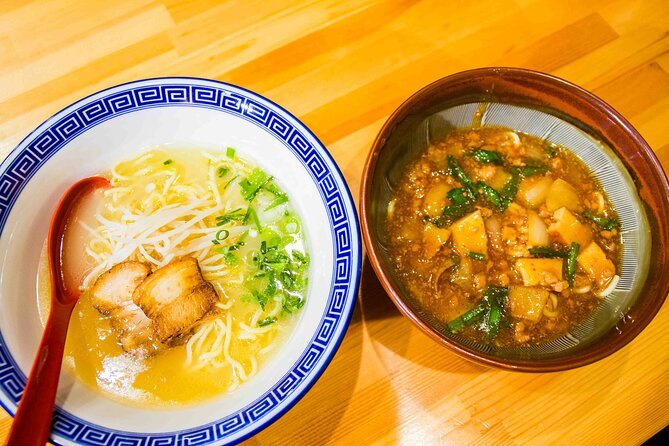
- You build and eat your own bowl with toppings you choose
- Shortened prep flow that respects your time while keeping the key steps
- Small group, multiple guides for more direct help during noodle work
Why this award-winning kitchen access is the point
Tokyo is packed with ramen shops, but most visitors only experience the final product. Here, you get a rare look at how ramen is handled in an actual professional setup, and that changes how you taste.
I especially like that the focus is on technique. Instead of pretending you can recreate everything from scratch, this experience teaches you the parts that really matter for noodle texture: how ramen noodles are handled, massaged, and then shaken. That matters because ramen is not only about broth. When you nail the noodle feel, the entire bowl tastes more balanced.
You also get a calmer, more guided atmosphere than a typical line-and-slurp meal. The chef-style guidance (and the fact there are multiple guides) helps you ask questions and get practical answers, like how ingredients are treated and what different prep steps are for. And the result is that you leave with a “now I get it” understanding, not just a full stomach.
Readers booked these Tokyo options in the same breath. Here is how each one scored:
- Mt Fuji and Hakone 1-Day Bus Tour Return by Bullet Train
★ 5.0 · 26,383 reviews - 1-Day Tokyo Bus Tour
★ 5.0 · 14,250 reviews - Tokyo: teamLab Planets TOKYO Digital Art Museum Entry Ticket
★ 4.6 · 9,779 reviews - Mt Fuji & Hakone Cruise, Drum Show Bullet Train 1 Day from Tokyo
★ 4.0 · 7,413 reviews
Temomi and tebo: the two noodle techniques that make you feel like a chef
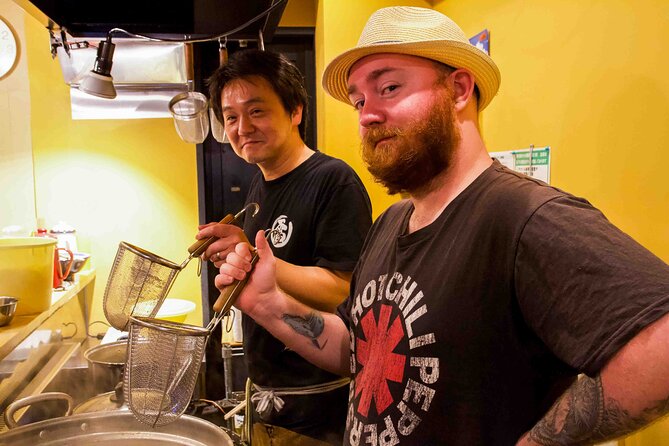
If you sign up for only one reason, make it this: temomi and tebo. These are the bread-and-butter noodle moves that trained staff use to get noodles performing the way they should.
Temomi: massage the noodles for the right feel
Temomi is all about hand work. You’ll learn how to handle the noodles before cooking, including what you’re trying to achieve with the texture. You are not just squeezing dough for fun. You’re learning a professional rhythm: gentle control, even pressure, and timing.
Why I like this for first-timers: it is a skill you can actually practice. Even with a short session, you’ll feel the difference between noodles handled “correctly” versus noodles you treat casually.
Tebo: shake off water and manage the noodle behavior
Then comes tebo, the shaking step. It’s simple in concept, but it affects how noodles behave after cooking and how they combine with broth. You’ll get instruction on how to do it, and then you’ll apply it as part of your own bowl.
This is where you start thinking like a ramen person. Instead of asking only, Does it taste good? you start asking, Why does the texture feel right? That shift is the value of technique-based lessons.
What you’ll do during the hour (and what you’re intentionally not doing)
Let’s set expectations so you’re not surprised. This is not a full cooking class where you make everything from scratch. The broth alone takes 10 hours to make, so the experience is designed to save you hours of waiting.
What you can expect, step by step in spirit:
- You learn about prep and ingredients and why each one matters.
- You handle the noodles using the two key techniques: temomi and tebo.
- You assemble your own bowl by adding toppings you prefer.
- Then you eat what you made.
This format is smart for two reasons. First, it respects your time. At about 1 hour, you can get the core ramen education without turning your day into a half-day food project. Second, it focuses on what most visitors actually struggle with: noodle handling and building a bowl that works as a system.
- Tokyo: Shinjuku Food Tour (13 Dishes at 4 Local Eateries)★ 5.0 · 6,603 reviews
- Tokyo Mt Fuji 5th St & Hakone Cruise Bus Tour w/Bullet Train★ 4.4 · 5,024 reviews
- Flagship 2-Hours Official Street Go-Kart Tour – Tokyo Bay Shop★ 5.0 · 4,974 reviews
- From Tokyo: Mount Fuji Full-Day Sightseeing Trip★ 4.5 · 4,970 reviews
- Tokyo: Hop-On Hop-Off Sightseeing Bus Ticket★ 3.9 · 4,207 reviews
A note on ingredients: chicken, pork, and fish
One more practical point: the ramen served contains chicken, pork, and fish. If you avoid certain meats or seafood, this is the biggest factor in deciding whether to book. The experience is teaching ramen technique, not swapping in an alternative protein.
Building a Tokyo ramen bowl: broth logic, toppings, and decision-making
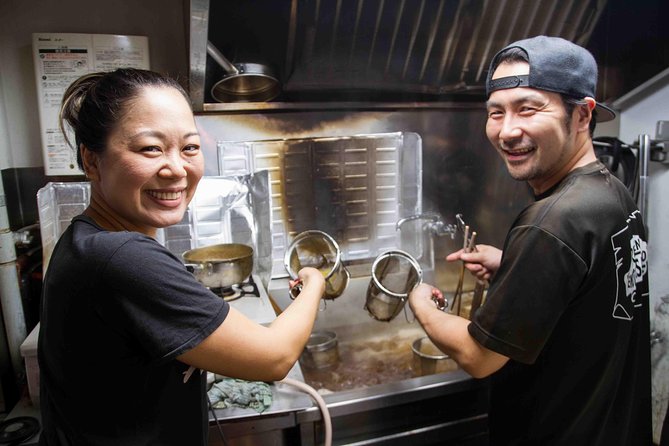
In a good bowl of ramen, the order of operations matters. Broth, noodles, and toppings have to work together, and you’ll see that logic up close.
Broth is the long game, noodles are the short game
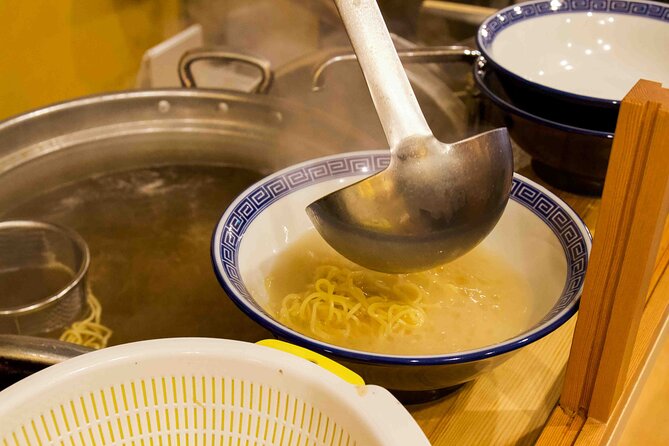
Broth takes a long time, but you don’t have to wait through it. Instead, you learn how the broth fits into the process, and you move quickly to the parts you can affect most: noodle texture and bowl assembly. That’s why the session feels efficient instead of rushed.
Toppings: where your preferences show
After noodle work, it’s time to personalize. You’ll add your preferred toppings, then eat your creation. I like that this isn’t just a tasting flight where you sample someone else’s choices. You’re the one choosing what lands on top, and that makes the final bowl feel more personal.
One underrated benefit: you get a quick lesson in balancing toppings with noodle and broth. Even in a short session, you’ll start to understand why ramen shops often have a few “correct” combinations that just make sense.
A chef who actually answers questions
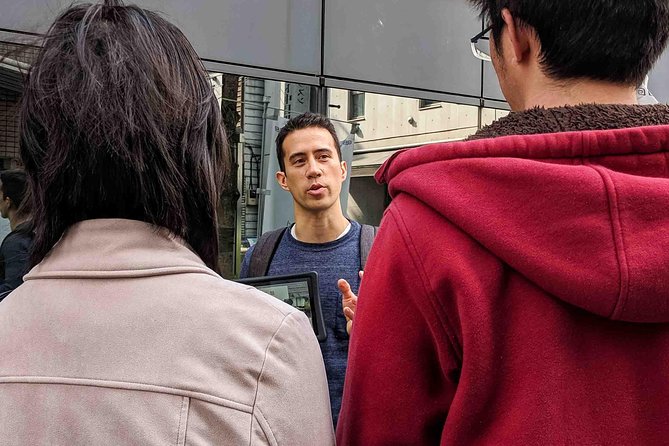
The most satisfying part of this kind of experience is when you can ask real questions and get straight answers. In this case, the chef and guides are kind and helpful, and they’ll explain the role of ramen in Japanese cuisine and answer questions about recipes and their history. That kind of conversation turns a technique lesson into a memorable cultural moment.
Nakameguro Koukashita area: meeting point and what to expect on arrival
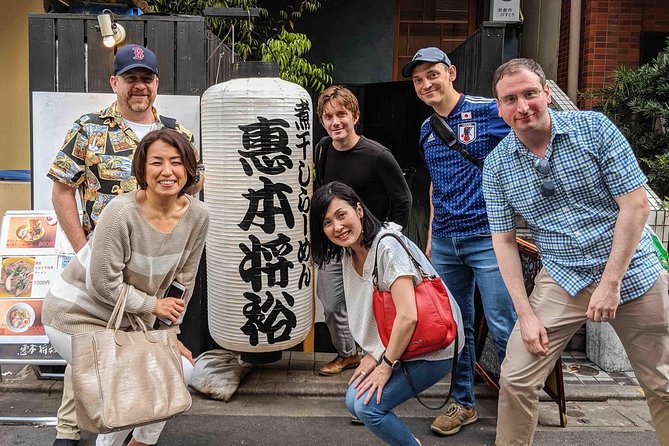
You’ll start near 2-chōme-12-6 Nezu, Bunkyo City, Tokyo 113-0031, Japan, and the activity ends back at that meeting point. The shop experience is tied to Nakameguro Koukashita, so you’ll want to be ready to follow the guide direction when you arrive.
It’s also scheduled near public transportation, which matters because Tokyo connections can make or break your plans. Since the whole session is about 1 hour, you’ll feel better arriving early and not treating this like a last-minute hop.
Group size is small on purpose
With a maximum of 6 travelers and multiple guides, you’re not competing for attention. Expect practical coaching while you work the noodles and assemble your bowl.
If you hate feeling stuck waiting your turn, this is a good match. The format is built to keep everyone moving and learning.
Price and value: is $78.38 a good deal for ramen VIP time?
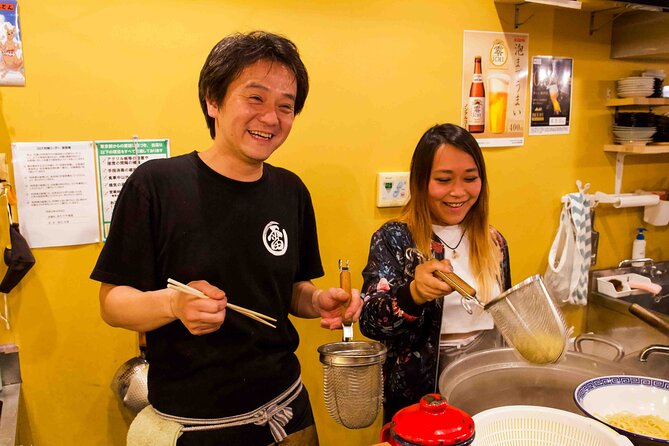
Let’s talk value in plain terms. $78.38 per person is not “grab a bowl and go” money. You’re paying for:
- Exclusive access to an award-winning ramen kitchen setting
- Hands-on noodle technique instruction (temomi and tebo)
- A guided session that avoids the long wait that broth normally requires
- A small-group experience with multiple guides
- The meal you create, served after the work
For me, the value lands if you care about how food is made, not only how it tastes. Technique-focused experiences cost more because they take staff time and space, and they don’t scale like a walking tour.
It also helps that the session is short. You’re not buying half a day. You’re buying a focused hour where the payoff is both educational and delicious.
One practical scheduling note: the experience is commonly booked about 16 days in advance on average. That’s a signal to plan ahead if your dates are fixed.
Who should book this ramen kitchen experience
This is a great fit if you:
- Want a hands-on food experience rather than a watch-and-eat format
- Love ramen and want to understand why noodles and broth feel the way they do
- Enjoy learning specific techniques you can repeat later
- Prefer small groups and direct help while you cook-lean
You might skip it if you:
- Need a vegetarian or allergy-friendly version (the ramen contains chicken, pork, and fish)
- Are hoping for a full from-scratch cooking class
- Want lots of free time for sightseeing instead of a focused lesson
Should you book? My practical recommendation
I’d book this if ramen is a top priority for your Tokyo trip and you’re the type who enjoys learning by doing. The combination of exclusive kitchen access, short but technique-heavy instruction, and the chance to build and eat your own bowl makes it feel like real value.
But check your protein needs first. If chicken/pork/fish in the ramen doesn’t work for you, move on to a different experience. Also, since this runs about an hour, treat it like a high-impact session, not a relaxed food crawl.
If your goal is to leave with noodle skills plus a memorable meal, this one is a strong yes.
FAQ
How long is the ramen kitchen experience?
It lasts about 1 hour.
Where do I meet for the experience?
You meet at 2-chōme-12-6 Nezu, Bunkyo City, Tokyo 113-0031, Japan.
Is there a single stop or multiple locations?
The experience is listed as one stop, at Nakameguro Koukashita, and it ends back at the meeting point.
How many people are in the group?
The tour/activity has a maximum of 6 travelers.
What will I learn to do during the session?
You’ll learn ramen prep basics and the techniques of temomi (massaging the noodles) and tebo (shaking water from the noodles).
Do we make everything from scratch?
No. It’s not a full cooking class from scratch; the process is shortened. You still get hands-on ramen assembly.
What kind of ramen is served, and does it include meat or fish?
The ramen served contains chicken, pork, and fish.
How is the ticket delivered?
You receive a mobile ticket.
What is the cancellation policy?
Free cancellation is available up to 24 hours in advance for a full refund. If you cancel less than 24 hours before the start time, the amount paid is not refunded.
More Tour Reviews in Tokyo
- Mt Fuji and Hakone 1-Day Bus Tour Return by Bullet Train
★ 5.0 · 26,383 reviews - 1-Day Tokyo Bus Tour
★ 5.0 · 14,250 reviews - Tokyo: teamLab Planets TOKYO Digital Art Museum Entry Ticket
★ 4.6 · 9,779 reviews - Mt Fuji & Hakone Cruise, Drum Show Bullet Train 1 Day from Tokyo
★ 4.0 · 7,413 reviews - Tokyo: Shinjuku Food Tour (13 Dishes at 4 Local Eateries)
★ 5.0 · 6,603 reviews