
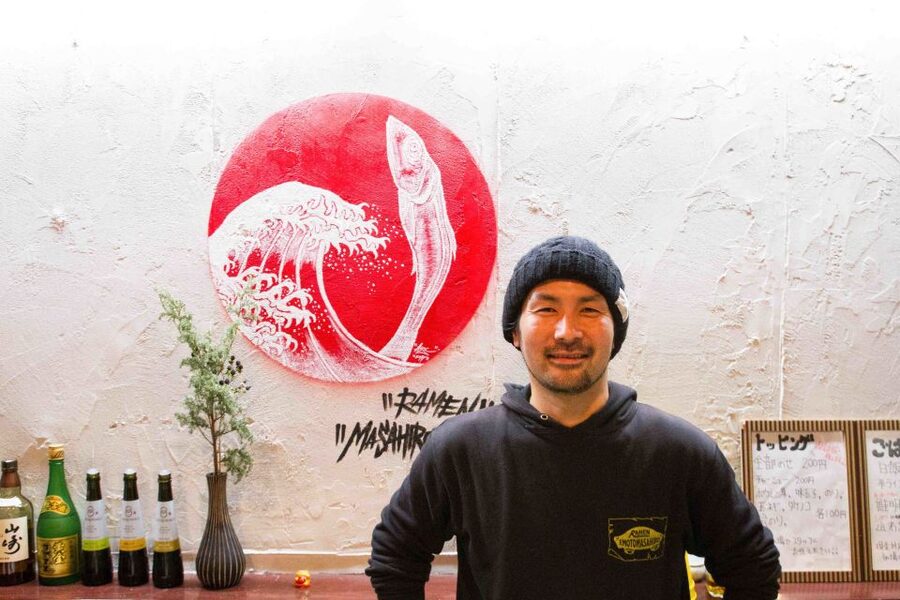
Reviewed · TOKYO
Exclusive Tokyo Ramen Kitchen Experience
Want ramen secrets behind the counter? This exclusive Tokyo experience gives you a rare, up-close look at a real ramen shop kitchen while also letting you build a bowl with the help of the chef and guides. I like the fact that the shop is award-winning, so the food standard is already serious. I also like that it is hands-on, not just sitting and watching.
The main drawback to weigh: this is not a full scratch cooking class. The process is shortened, and the ramen broth takes about 10 hours to make, so you are getting a behind-the-counter VIP view more than a from-scratch workshop.
In This Review
- Key things to know before you go
- Entering a Tokyo Ramen Kitchen (Nezu Station to the pass)
- The 1-hour format: why it works even though it is short
- Your ramen role: making the bowl, not just watching
- The broth lesson: what chefs do with time and ingredients
- The meal: two small ramen bowls plus gyoza
- Price and value: is $83 per person worth it?
- How the guide experience makes or breaks it
- Who should book this ramen kitchen experience
- Practical tips so your hour goes smoothly
- Should you book this Tokyo Ramen Kitchen Experience?
- FAQ
- Where is the meeting point?
- How much does the experience cost?
- How long does the experience last?
- What group size is it?
- Is there an English-speaking guide?
- What food is included?
- Is this a full cooking class from scratch?
- What ingredients are in the ramen?
- What should I bring?
- Is there cancellation and pay-later flexibility?
Key things to know before you go
- Exclusive access to a working ramen kitchen you normally do not see
- Small group (max 6) for a more personal, less rushed feel
- Hands-on ramen assembly, not a total cooking-by-yourself ordeal
- Ramen + gyoza included: two small bowls and two fried dumplings
- Short experience (1 hour) that still teaches the logic behind ramen
- Care around hot water and soup in the kitchen space
Entering a Tokyo Ramen Kitchen (Nezu Station to the pass)
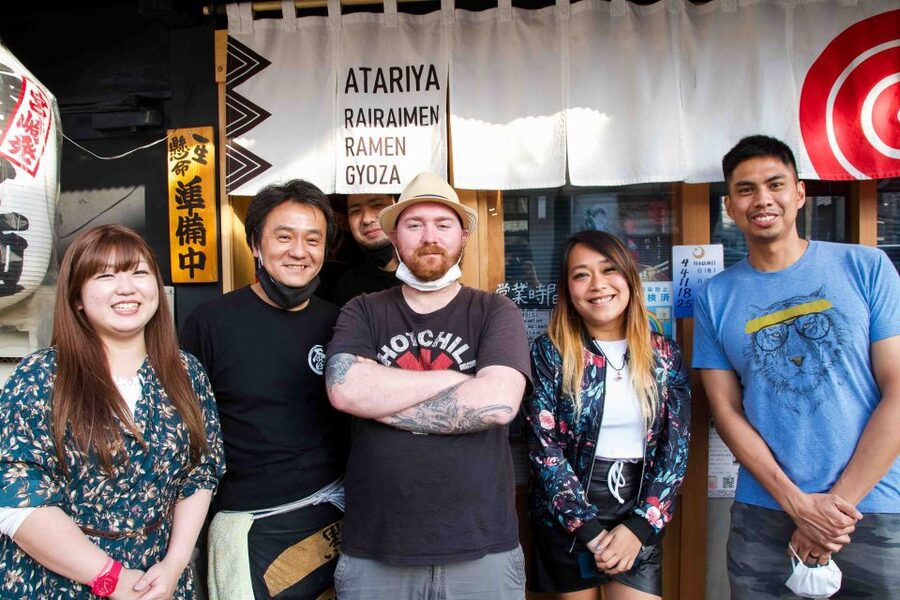
The experience starts with an easy target: meet at Nezu Station (Exit 1), in front of the supermarket Akafudado, where your guide holds a Tokyo Ramen Tours sign. Nezu is a smart choice for ramen fans because it feels like local Tokyo food life, not a tourist stage. You are going to a shop where ramen is treated like craft, not casual snack food.
Once you are inside, the biggest shift hits fast. A ramen shop kitchen is all function. Schedules, prep rhythm, heat, timing, and teamwork. You do not just learn about ramen—you see how the place actually works, including what it means to handle hot soup safely around guests.
The shop runs like a system, and that is part of the value. In many food tours, you taste. Here, you also watch how the tasting gets built—what moves first, what has to be ready, and why.
Readers booked these Tokyo options in the same breath. Here is how each one scored:
- Mt Fuji and Hakone 1-Day Bus Tour Return by Bullet Train
★ 5.0 · 26,383 reviews - 1-Day Tokyo Bus Tour
★ 5.0 · 14,250 reviews - Tokyo: teamLab Planets TOKYO Digital Art Museum Entry Ticket
★ 4.6 · 9,779 reviews - Mt Fuji & Hakone Cruise, Drum Show Bullet Train 1 Day from Tokyo
★ 4.0 · 7,413 reviews
The 1-hour format: why it works even though it is short
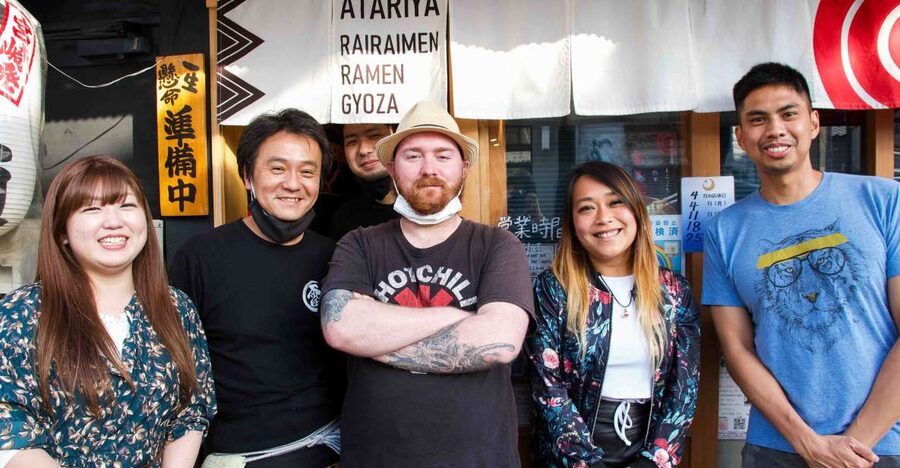
This is billed as a 1-hour experience, and that matters. You are not standing around for hours waiting for slow tasks. The process is intentionally shortened, which saves you waiting time. That is a big deal if your Tokyo schedule is packed.
Here is the key context: even though you are making ramen during the visit, the broth itself takes around 10 hours to make. So you are not spending the whole session simmering and straining stock from scratch. Instead, the experience focuses on the practical parts of ramen preparation you can realistically do in a short window—getting the bowl right, understanding ingredients, and seeing the workflow of a working kitchen.
That means you end up with two real outcomes:
1) you get to build a bowl that is designed to taste correct
2) you learn what each component is for, and how chefs think about flavor and texture
If you are expecting a long, hands-on cooking marathon, you might feel a little bummed. If you want a crisp VIP look with an excellent result at the end, this format is exactly where it shines.
Your ramen role: making the bowl, not just watching
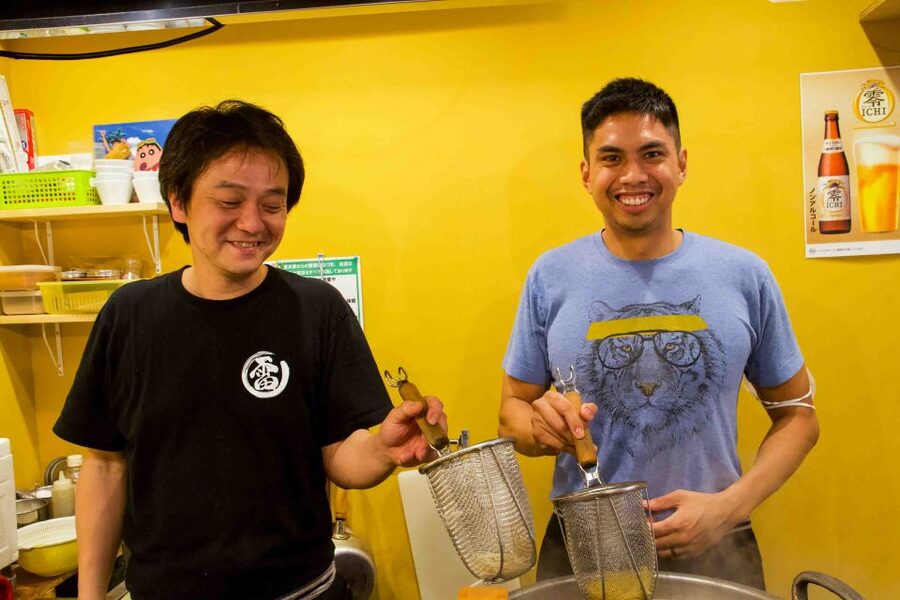
You are not just sitting at a table with a chef explaining. This is behind-the-counter time where you help put together your ramen. The kitchen setup is part of the lesson: you get a sense of how workstations look, how ingredients get handled, and how speed and care both matter.
Based on feedback from participants, the hands-on portion feels like you truly contribute. People have mentioned learning how ramen noodles and ingredients get mixed and handled, and getting guidance while you assemble the bowl. In other words, you do not leave with ramen nostalgia—you leave with a better understanding of how chefs build balance.
It is also worth noting that there are multiple guides. In a kitchen setting, that helps a lot: someone can translate the why behind the process, while others manage flow and keep the experience smooth for the group.
The kitchen setting also requires attention. You will be dealing with hot water and soup, so you have to stay aware and follow instructions closely. Comfortable clothes are the right call, because kitchen space can be tight and warm.
The broth lesson: what chefs do with time and ingredients
Ramen is not just noodles in broth. It is structure. That is what this experience tries to teach you.
The shop offers a VIP look at prep, including ingredients and their purpose—plus where ingredients come from. You also learn about ramen origins, types, and preparation, so even after one hour you start thinking about ramen like a cook instead of a customer.
A simple example of what you likely get from this kind of kitchen-focused teaching: broth is time-heavy, toppings are detail-heavy, and noodles are texture-heavy. Even if you are not responsible for the 10-hour broth production, you learn what the finished bowl depends on. That changes how you eat ramen afterward.
And because it is an award-winning shop, you are not learning from random theory. You are learning from a place where the system is proven daily.
The meal: two small ramen bowls plus gyoza
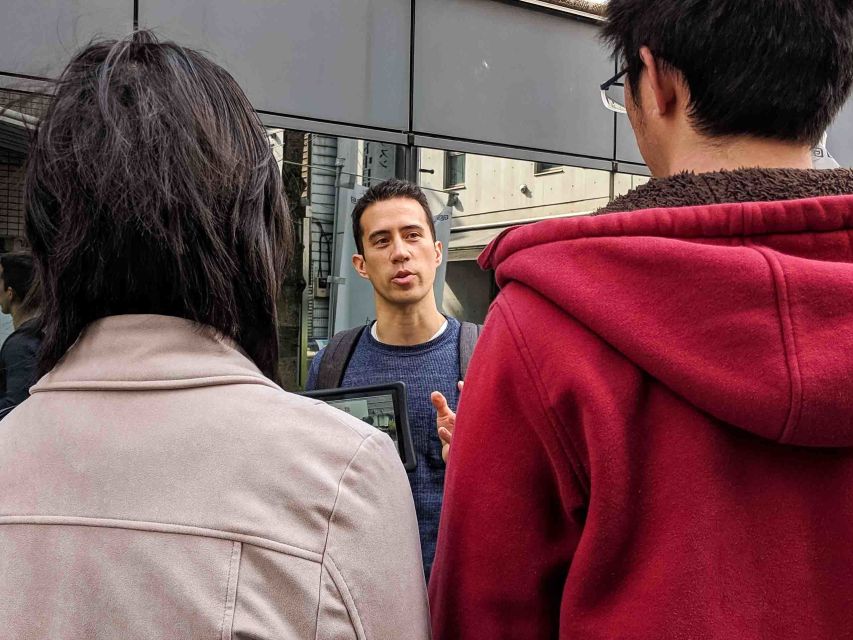
At the end, you get to eat—properly. The included meal is two small bowls of ramen and two gyoza (fried dumplings). For many people, this is the part that makes the extra cost feel easier to justify: you taste the quality that matches the kitchen access.
Also, the ramen contains chicken, pork, and fish. That is clearly stated, and it matters for food choices. If you avoid any of those, you need to plan ahead rather than assume you can swap ingredients.
People have been especially happy with the ramen quality—describing it as among the best they had in Japan. One reason that is believable: if you are in a top ramen shop kitchen, the bowl you assemble is still tied to how the restaurant runs at full speed.
If you love ramen but feel like you only ever taste it in one style, eating two bowls in one sitting is a practical way to notice differences in flavor and balance without needing a whole day of ramen hopping.
- Tokyo: Shinjuku Food Tour (13 Dishes at 4 Local Eateries)★ 5.0 · 6,603 reviews
- Tokyo Mt Fuji 5th St & Hakone Cruise Bus Tour w/Bullet Train★ 4.4 · 5,024 reviews
- Flagship 2-Hours Official Street Go-Kart Tour – Tokyo Bay Shop★ 5.0 · 4,974 reviews
- From Tokyo: Mount Fuji Full-Day Sightseeing Trip★ 4.5 · 4,970 reviews
- Tokyo: Hop-On Hop-Off Sightseeing Bus Ticket★ 3.9 · 4,207 reviews
Price and value: is $83 per person worth it?
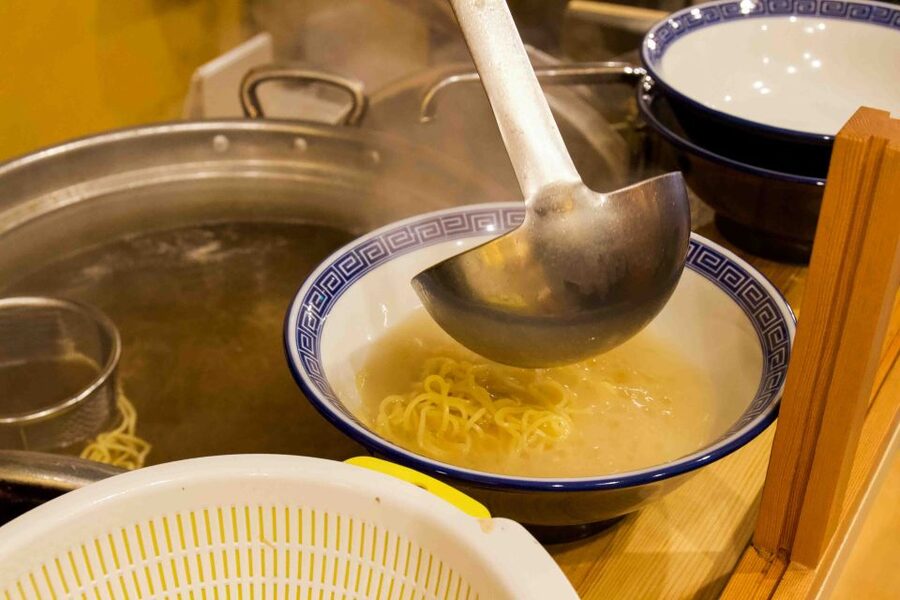
Let’s talk money plainly. $83 per person for 1 hour is not cheap. Some people have felt it is expensive for what it is, and I get that reaction. For the same budget, you could eat ramen on your own a few times in Tokyo.
So the value comes down to what you want most:
- If your top goal is a behind-the-scenes ramen kitchen view with hands-on bowl assembly, the price starts to make sense. You are paying for access, guidance, and a chef-led experience that most diners never see.
- If your top goal is just to eat exceptional ramen, you might find better value by spending less and eating elsewhere. You would still get great bowls, but you would miss the kitchen perspective.
Also, you are not getting a full from-scratch cooking class. The experience is shortened because the real labor (like broth) happens on a timeline you are not part of. That is not a scam—it is a design choice. You are buying insight and craft, not a multi-hour “cook everything” session.
My practical advice: only book this if the idea of seeing how ramen is assembled—plus learning what each ingredient does—actually excites you. If ramen is your hobby, not your snack, this feels like a strong splurge.
How the guide experience makes or breaks it
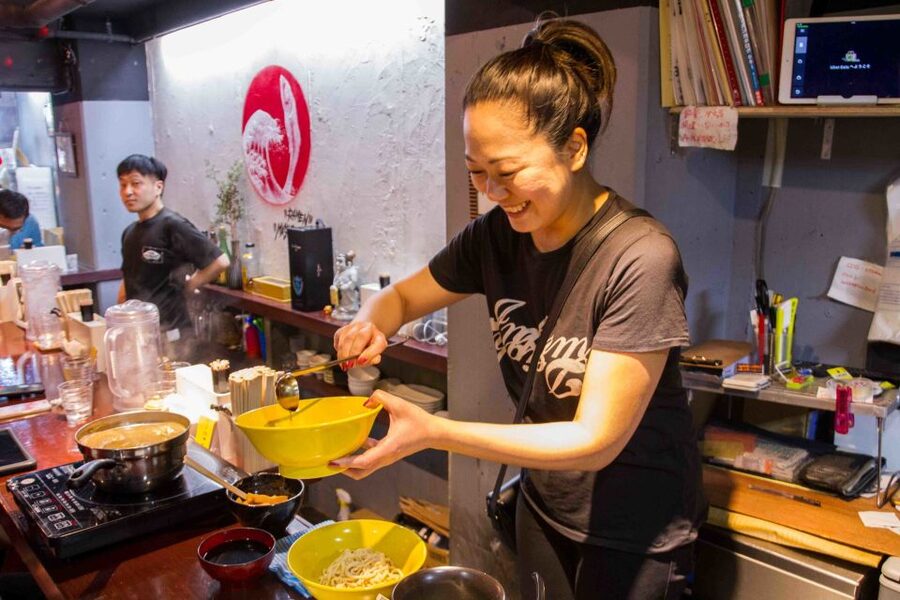
In a kitchen experience, the guide is not background. They help you understand what you are doing, keep it safe, and translate ramen logic into something you can use later.
One review specifically praised Frank for hosting and sharing a real love of ramen. The chef experience also stood out, including careful handling when children were present. That matters because it shows the kitchen team can manage different group needs while still keeping the experience respectful and safe.
You also get an English-speaking live guide, which helps a lot in a kitchen. Food tours can get repetitive when the explanation is thin. Here, the teaching part is built into the flow of preparation and assembly.
Who should book this ramen kitchen experience
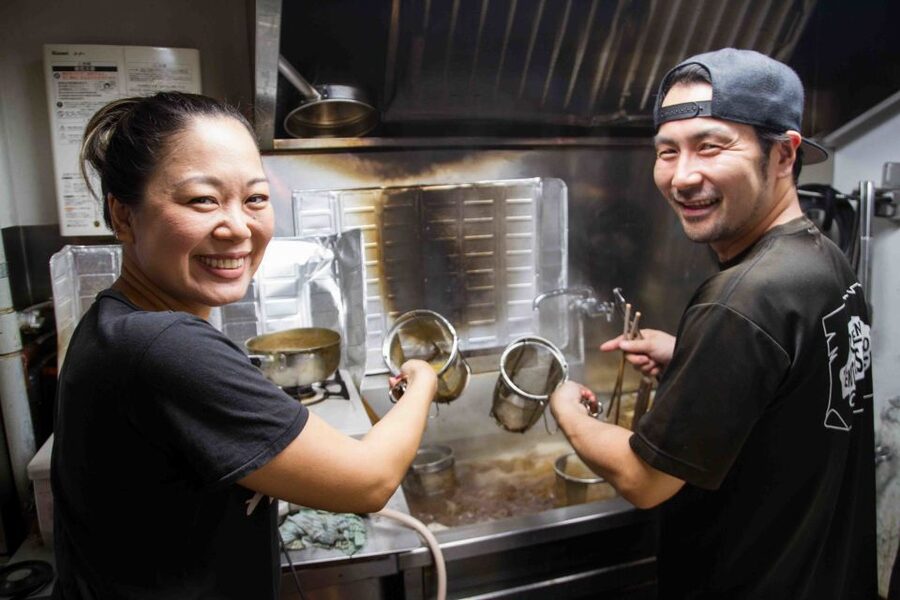
This is a great fit for:
- ramen fans who want more than a meal
- food lovers who like technique, workflow, and ingredient purpose
- travelers who enjoy learning while doing, even if it is not full cooking-from-scratch
It might be a less perfect fit for:
- people who want a long, hands-on cooking class and recipes to take home
- diners who are sensitive to the stated ingredients (chicken, pork, fish)
- anyone uncomfortable with hot kitchen environments and soup handling
One important note: because the kitchen involves hot water and soup, follow instructions and do not rush. Your comfort will match how carefully you listen and move.
Practical tips so your hour goes smoothly
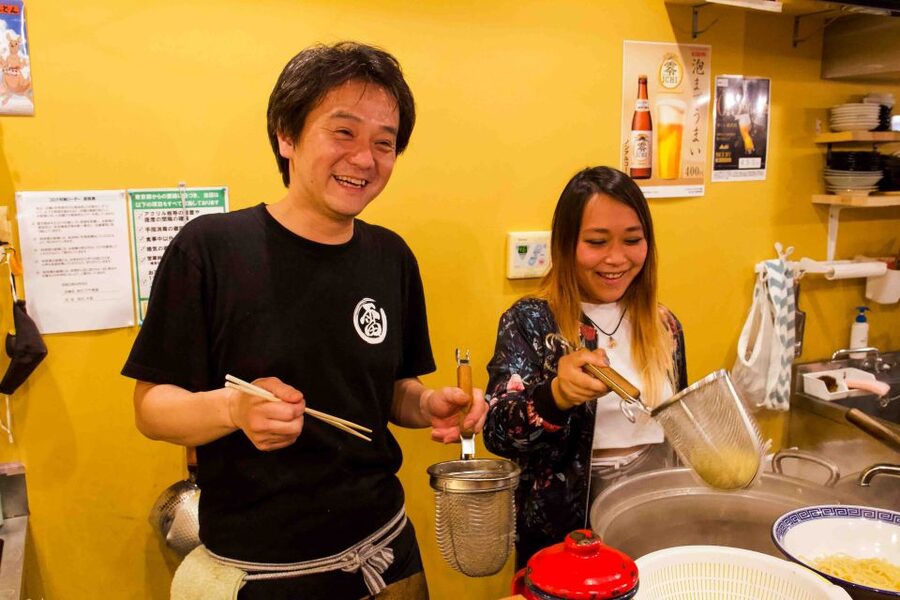
A kitchen experience runs on small choices. Here is how to set yourself up:
- Wear comfortable clothes. You might be in close quarters and moving slightly as you assemble your bowl.
- Be ready for hot water and soup. Keep your hands and attention where they belong and follow the guide’s safety cues.
- Expect a small group feel. With only up to 6 participants, it is easier to ask questions and get help.
- Come hungry, but not overly expecting a giant portion. You get two small bowls plus gyoza, which is substantial for many people, but it is not an all-you-can-eat situation.
If you are traveling with kids, the kitchen teams have handled young participants carefully before. Still, use common sense: this is a kitchen with heat, not a play space.
Should you book this Tokyo Ramen Kitchen Experience?
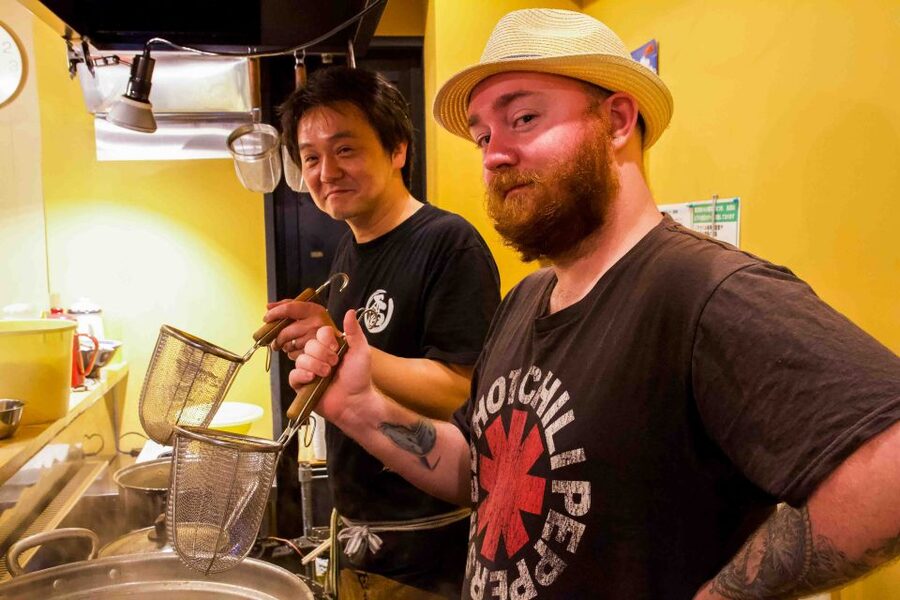
Book it if you are a ramen person who wants the why behind the bowl. The best part is the combination of exclusive kitchen access plus the chance to assemble ramen yourself, not just watch and eat. If you want to learn ramen origins, types, and preparation while tasting excellent results, this is a satisfying use of a single hour.
Skip it if $83 feels too steep for your style of travel, or if you specifically want a full scratch cooking class. In that case, you may prefer saving money for multiple ramen meals on your own and keeping the kitchen access for another trip or a cheaper option.
In short: treat this as a ramen craft experience with food at the end. If that sounds like your kind of Tokyo, it is an easy yes.
FAQ
Where is the meeting point?
Meet at Nezu Station (C 14), Exit 1, in front of the supermarket Akafudado, where your guide will be holding a Tokyo Ramen Tours sign.
How much does the experience cost?
The price is $83 per person.
How long does the experience last?
The duration is 1 hour.
What group size is it?
It is a small group, limited to 6 participants.
Is there an English-speaking guide?
Yes, it includes a live tour guide in English.
What food is included?
You get two small bowls of ramen and two gyoza (fried dumplings).
Is this a full cooking class from scratch?
No. It is not a full-on cooking class where you make everything from scratch. The process is shortened, and broth takes about 10 hours to make.
What ingredients are in the ramen?
The ramen contains chicken, pork, and fish.
What should I bring?
Bring comfortable clothes.
Is there cancellation and pay-later flexibility?
Yes. There is free cancellation up to 24 hours in advance for a full refund, and you can reserve now and pay later (pay nothing today).
More Tour Reviews in Tokyo
- Mt Fuji and Hakone 1-Day Bus Tour Return by Bullet Train
★ 5.0 · 26,383 reviews - 1-Day Tokyo Bus Tour
★ 5.0 · 14,250 reviews - Tokyo: teamLab Planets TOKYO Digital Art Museum Entry Ticket
★ 4.6 · 9,779 reviews - Mt Fuji & Hakone Cruise, Drum Show Bullet Train 1 Day from Tokyo
★ 4.0 · 7,413 reviews - Tokyo: Shinjuku Food Tour (13 Dishes at 4 Local Eateries)
★ 5.0 · 6,603 reviews





