
Reviewed · TOURS
Explore Japan Tour: 12-day Small Group
Small-group Japan beats the frantic train shuffle. I love how this trip keeps things practical, with max 8 travelers and guides Shawn and Becki handling the timing so you’re not stuck figuring out subway math all day.
Second, the mix of lodging and meals is a big quality-of-life win. You get 3/4-star hotels plus a traditional ryokan, and the package covers all breakfasts and seven dinners, which means fewer hunt-the-menu nights.
One thing to consider: the price is serious, and the booking is non-refundable and cannot be changed. If your dates aren’t rock-solid, this is the kind of trip you should think through carefully, since it also expects moderate physical fitness.
In This Review
- Key things to know before you go
- Small-group Japan with Shawn and Becki running the show
- Price and value: $8,648 buys logistics, not just sightseeing
- Tokyo start: Shibuya Crossing, Senso-ji, Tsukiji Outer Market, Ueno
- Mt. Fuji at Lake Kawaguchiko: ryokan, onsen, and Kaiseki dinner
- Inuyama Castle and the Nakasendo post towns of Magome and Tsumago
- Hiroshima peace day plus Miyajima’s floating torii at Itsukushima Shrine
- Kyoto highlights: Fushimi Inari, sake at Gekkeikan, Kiyomizu, Golden Temple, and Ryoanji
- Your Tokyo free day and the Narita airport viewpoint finish
- Who this Japan tour is best for
- Should you book this Explore Japan Tour: 12-day Small Group?
- FAQ
- How many travelers are in the small group?
- What kind of lodging does the tour include?
- Are meals included?
- Does the tour include transportation like the bullet train?
- Where do you go to see Mount Fuji?
- Is there a free day during the trip?
- Are temple and attraction admissions included?
- What does the tour include in Hiroshima and Miyajima?
- What happens if I cancel or need to change my booking?
Key things to know before you go
- Max 8 people means quieter pacing and more chances to ask questions
- Shawn and Becki guide the route and help connect sights to real local logistics
- Ryokan + mineral-rich onsen + Kaiseki turns one long travel day into a highlight
- Bullet train and local transport are part of the plan, so you ride like a pro
- Free time built in (like Shibuya and a full Tokyo day) keeps the trip from feeling like a checklist
Small-group Japan with Shawn and Becki running the show
This kind of Japan tour works because it reduces decision fatigue. With a group size of up to eight, you’re not fighting crowds or losing your place every time the group pauses for a photo. It also helps that the guiding team is Shawn and Becki, and you can feel the difference when someone knows the best ways to connect between neighborhoods and transport hubs.
The biggest win is how the day feels structured without being rigid. You still get breathing room, like free time in Shibuya to soak up the atmosphere, and you get time to wander at key shrines and markets. The guides are also steering you toward the places that make sense in a tight schedule, instead of trying to cram five major landmarks into one too-short window.
And yes, you get the benefit of local know-how: smoother transfers, better timing around big attractions, and an approach that keeps you moving with less stress. If you’ve planned Japan yourself before, you’ll recognize the relief.
Readers booked these Tokyo options in the same breath. Here is how each one scored:
- Mt Fuji and Hakone 1-Day Bus Tour Return by Bullet Train
★ 5.0 · 26,383 reviews - 1-Day Tokyo Bus Tour
★ 5.0 · 14,250 reviews - Tokyo: teamLab Planets TOKYO Digital Art Museum Entry Ticket
★ 4.6 · 9,779 reviews - Mt Fuji & Hakone Cruise, Drum Show Bullet Train 1 Day from Tokyo
★ 4.0 · 7,413 reviews
Price and value: $8,648 buys logistics, not just sightseeing
Let’s talk money in plain terms. At $8,648 per person, this isn’t a budget tour. You’re paying for the convenience package: coordinated lodging (including a ryokan), included breakfasts and most dinners, and admission coverage at many stops.
You’re also paying for the stress reduction. Japan’s train system is fantastic, but planning it day after day can eat your energy. This tour bundles a lot of those details for you, including bullet train travel and local transit like streetcars and ferries. If you value time and want fewer moving pieces, the price starts to look more reasonable.
Is it worth it? For me, the deciding factors are these: you want to see a wide range of places in a short trip, you’d rather not keep reorganizing your own plan, and you want lodging in the right regions so transit doesn’t dominate your day.
One note you should double-check: the promotional language mentions three weeks/20 days, but the provided day-by-day schedule runs 12 days. Confirm the exact dates and duration before you book, so there’s no mismatch with what you think you’re buying.
Tokyo start: Shibuya Crossing, Senso-ji, Tsukiji Outer Market, Ueno
Tokyo on this tour doesn’t waste time. You start with Shibuya Crossing, the iconic crosswalk where you can watch the city flow around you. There’s free time to explore the area at your own pace, and that’s smart. Shibuya is one of those places that’s easier to enjoy when you can step into side streets rather than only staring at the headline view.
Next comes Asakusa and Senso-ji, Tokyo’s oldest Buddhist temple, built in 645 AD. This visit is about more than architecture. You’ll be in a neighborhood where the streets feel layered with everyday life, and the 2-hour window gives you time to slow down without feeling rushed.
Then you hit Tsukiji’s Outer Market, where the focus is fresh seafood and busy vendor energy. The value here is that you’re visiting a market that many travelers only see from afar. The ticket is included, and you get a full hour to eat snacks and browse without worrying about whether the place is open or how to get there.
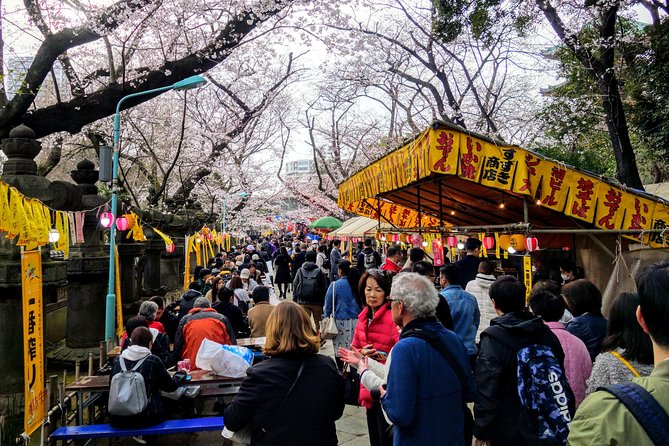
Finally, you spend time at Ueno Park and the surrounding alleys of Ameya Yokocho. The itinerary calls out cherry blossoms at Ueno, which is seasonal, but even outside peak bloom, Ueno is a great area for wandering. The shopping lanes near the park add texture beyond temples.
What to watch: Tokyo mornings and evenings can be intense, even when you’re not doing a ton of walking. If you’re sensitive to crowds, use your included breaks to reset.
Mt. Fuji at Lake Kawaguchiko: ryokan, onsen, and Kaiseki dinner
This is where the trip turns from sightseeing mode into “Japan experience” mode. You travel to Lake Kawaguchiko specifically for a Fuji viewing area, and you stay in a traditional Japanese ryokan for the night. Even if you’re not a “view person,” this is worth it because it changes your evening rhythm.
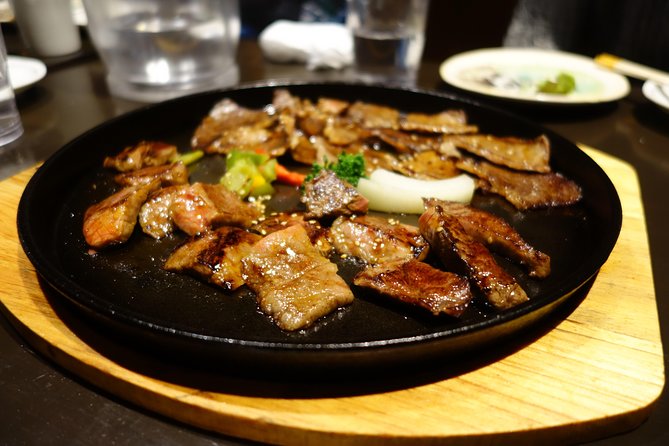
The itinerary includes an onsen soak in a mineral-rich hot spring, plus an authentic Kaiseki dinner. That combination matters because it’s not just food and a bath. Kaiseki is typically paced and portioned to feel ceremonial, and it pairs perfectly with the quiet recovery time after a travel day.
Practical tip: onsen etiquette can feel intimidating the first time. Luckily, your schedule includes the experience as part of the package, so you’re not stuck figuring out logistics alone. Still, if you’re shy about bathing customs, mentally prepare for it. You’ll get used to it fast.
Possible drawback: ryokan mornings and evenings can be slow by design. That’s great for many people, but if you prefer a nonstop schedule, treat this stop as a deliberate pause.
Inuyama Castle and the Nakasendo post towns of Magome and Tsumago
After the Fuji stop, the itinerary pivots into older Japan. You visit Inuyama Castle, a 480-year-old castle and one of only 12 original castles in Japan. It’s also designated a National Treasure, which is the kind of credential that usually means the site has real preservation value.
From there, you travel to the Kiso Valley and the preserved post towns of Magome-juku and Tsumago on the Nakasendo Trail. This is one of the most “walkable history” ideas on the schedule. You’re not just staring at a monument; you’re walking streets that were built to serve travelers centuries ago, during the Edo Period.
The day is long, with about 8 hours allocated, but the pace is shaped for wandering and absorbing details. The appeal is the contrast: after Tokyo and temple days, you get calmer streets, older architecture, and a sense of travel that feels human-scale.
What could be a challenge: this kind of historical area often involves uneven sidewalks and some steady walking. Your moderate fitness level guidance isn’t casual—it’s a heads-up to bring comfortable shoes.
- Tokyo: Shinjuku Food Tour (13 Dishes at 4 Local Eateries)★ 5.0 · 6,603 reviews
- Tokyo Mt Fuji 5th St & Hakone Cruise Bus Tour w/Bullet Train★ 4.4 · 5,024 reviews
- Flagship 2-Hours Official Street Go-Kart Tour – Tokyo Bay Shop★ 5.0 · 4,974 reviews
- From Tokyo: Mount Fuji Full-Day Sightseeing Trip★ 4.5 · 4,970 reviews
- Tokyo: Hop-On Hop-Off Sightseeing Bus Ticket★ 3.9 · 4,207 reviews
Hiroshima peace day plus Miyajima’s floating torii at Itsukushima Shrine
Hiroshima is handled with care in the itinerary. You visit the Hiroshima Peace Memorial Museum along with Peace Memorial Park. The route also includes a streetcar ride and the Atomic Bomb Dome, with time structured around the idea of learning and reflection, not just ticking boxes.
This stop is emotionally heavy, but it’s also one of the most meaningful parts of the whole trip. The museum helps you connect place to history in a direct way, and the included time makes it possible to absorb without rushing through.
Then the tour shifts tone with Miyajima. You take a ferry to see the world-famous floating torii gate at Itsukushima Shrine. After that signature view, you get time to stroll Miyajima’s streets and paths around the UNESCO World Heritage Site.
Practical tip: islands can add walking, and ferries take time even when schedules are smooth. The itinerary gives you a solid block of time, but build in patience and water.
Kyoto highlights: Fushimi Inari, sake at Gekkeikan, Kiyomizu, Golden Temple, and Ryoanji
Kyoto is stacked here, but not in a random way. The day flow aims to hit the biggest draw sights plus a couple of experiences that go beyond photos.
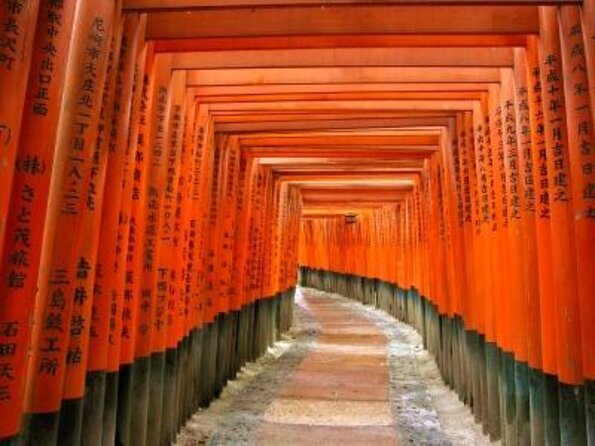
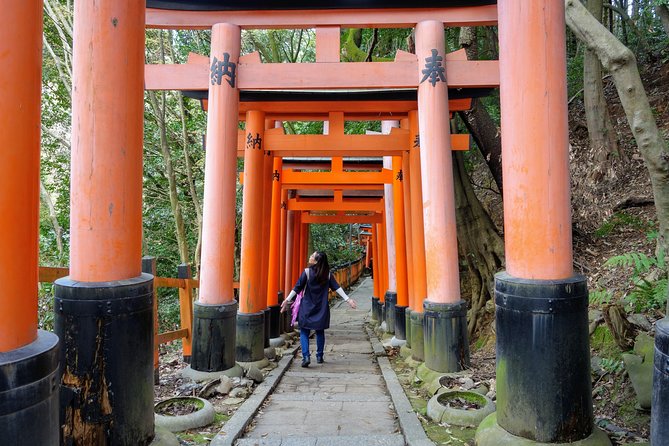
You start with Fushimi Inari Taisha, known for thousands of red torii gates. The itinerary gives you 4 hours, and that’s enough time to see both the entry areas and to push a bit along the paths if you feel like it.
Then you visit the Gekkeikan Okura Sake Museum, founded in 1637. This is the kind of stop that feels different from yet another temple photo. You learn about traditional sake-making techniques and taste several of the blends, with the experience tied to a real producer.
Next comes Kiyomizu-dera Temple and the Higashiyama District walk with old wooden houses and small shops. This is where Kyoto becomes cinematic. The included time lets you enjoy the street atmosphere, not only the main temple.
On another day, you visit Kinkaku-ji (Golden Pavilion) and Ryoanji, famous for its zen rock garden. These are compact stops in the schedule (about an hour each), which is actually a smart move. After earlier temple-heavy days, it helps to keep these visits shorter so you don’t burn out.
One drawback to flag: Kyoto crowds can be intense, and the itinerary includes several of the most popular sights. Even with planning, you’ll likely move through busy areas. The small group helps, since you’re less likely to get separated in the thick of it.
Your Tokyo free day and the Narita airport viewpoint finish
After days around Japan’s big highlights, you get a free day in Tokyo. This is valuable. It gives you space for last-minute shopping, catching up on anything you missed, and choosing your own pace. There’s also an optional excursion to the Tokyo National Museum, with admission included if you go.
That option matters because museums are one of the easiest ways to add depth to a trip without needing to “discover” anything new. If you’re tired of walking, the museum can be a reset day.
On the last day, you end with a flight-day moment: a stop at the Narita International Airport Terminal 1, 5F observation deck. It’s a calm way to close out the trip while still giving you a view into the travel rhythm.
What you might like most here is the balance. The itinerary doesn’t just drop you into an airport and call it done. You get a final “Japan” moment on the way out.
Who this Japan tour is best for
This tour fits best if you want a lot of Japan with less planning work. It’s especially good for first-time Japan visitors, since the route connects Tokyo, Fuji area, historic post towns, Hiroshima, and Kyoto without you needing to build the puzzle.
It also works well if you like comfort and structure. Included breakfasts, seven dinners, and a mix of hotel types mean you can focus on sights instead of meal searches and room moves.
You should think twice if you’re on a tight budget, want total control over every day, or have mobility concerns. The tour calls for moderate physical fitness, and several days involve walking through temple areas, markets, shrine paths, and historic streets.
Should you book this Explore Japan Tour: 12-day Small Group?
If your dates are fixed and you want less stress, I’d book it. The big reasons: small group size up to eight, guides Shawn and Becki who keep logistics smooth, and a best-of mix that includes Tokyo energy, a Fuji ryokan onsen night, Kyoto icons, and Hiroshima’s important sites.
If you’re unsure about travel timing or might need to change plans, don’t. This one is non-refundable and can’t be amended, so it’s only a good fit if your schedule is confident.
FAQ
How many travelers are in the small group?
The tour has a maximum of 8 travelers.
What kind of lodging does the tour include?
You’ll stay in 3/4-star hotels and in a traditional ryokan.
Are meals included?
Yes. All breakfasts are provided, and seven dinners are included.
Does the tour include transportation like the bullet train?
Yes. The overview specifically mentions riding the super-fast bullet train as part of the experience.
Where do you go to see Mount Fuji?
You visit Lake Kawaguchiko for views of Mount Fuji.
Is there a free day during the trip?
Yes. Day 11 is a free day in Tokyo, with an optional excursion to the Tokyo National Museum.
Are temple and attraction admissions included?
Many are. For example, Tsukiji Outer Market, Lake Kawaguchiko (including the ryokan/onsen/Kaiseki experience), Inuyama Castle, Hiroshima Peace Memorial Museum, Itsukushima Shrine, Gekkeikan Okura Sake Museum, Kiyomizu-dera, Kinkaku-ji, and Ryoanji are listed as admission included. Some stops are listed as free, like Shibuya Crossing and Senso-ji.
What does the tour include in Hiroshima and Miyajima?
In Hiroshima, you visit the Peace Memorial Museum and Peace Memorial Park and see the Atomic Bomb Dome, plus there’s a streetcar ride. In Miyajima, you take a ferry to Itsukushima Shrine to see the floating torii gate.
What happens if I cancel or need to change my booking?
This experience is non-refundable and cannot be changed for any reason.
More Tours in Tokyo
- Mt Fuji and Hakone 1-Day Bus Tour Return by Bullet Train
★ 5.0 · 26,383 reviews - 1-Day Tokyo Bus Tour
★ 5.0 · 14,250 reviews - Tokyo: Shinjuku Food Tour (13 Dishes at 4 Local Eateries)
★ 5.0 · 6,603 reviews - Tokyo Mt Fuji 5th St & Hakone Cruise Bus Tour w/Bullet Train
★ 4.4 · 5,024 reviews - Flagship 2-Hours Official Street Go-Kart Tour – Tokyo Bay Shop
★ 5.0 · 4,974 reviews
More Tour Reviews in Tokyo
- Mt Fuji and Hakone 1-Day Bus Tour Return by Bullet Train
★ 5.0 · 26,383 reviews - 1-Day Tokyo Bus Tour
★ 5.0 · 14,250 reviews - Tokyo: teamLab Planets TOKYO Digital Art Museum Entry Ticket
★ 4.6 · 9,779 reviews - Mt Fuji & Hakone Cruise, Drum Show Bullet Train 1 Day from Tokyo
★ 4.0 · 7,413 reviews - Tokyo: Shinjuku Food Tour (13 Dishes at 4 Local Eateries)
★ 5.0 · 6,603 reviews
Latest Tokyo reviews off our desk






Tours, compared.
 ★ 5.0Mt Fuji and Hakone 1-Day Bus Tour Return by Bullet TrainFrom $16326,383 reviews
 ★ 5.01-Day Tokyo Bus TourFrom $12914,250 reviews
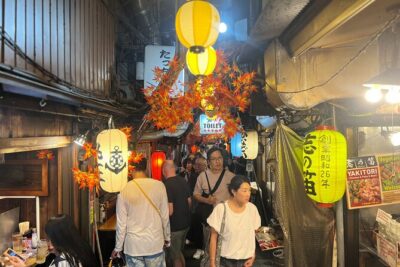 ★ 5.0Shinjuku Food Tour (13 Dishes at 4 Local Eateries)From $866,603 reviews
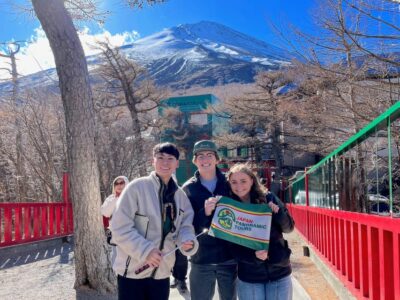 ★ 4.4Tokyo Mt Fuji 5th St & Hakone Cruise Bus Tour w/Bullet TrainFrom $1545,024 reviews
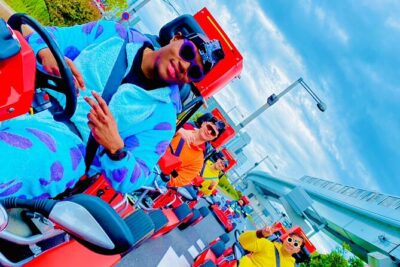 ★ 5.0Flagship 2-Hours Official Street Go-Kart Tour – Tokyo Bay ShopFrom $644,974 reviews
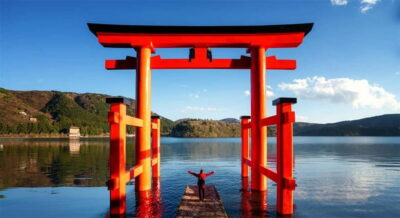 ★ 4.7Mt. Fuji Tour, Hakone Ropeway, Owakudani, Lake AshiFrom $544,002 reviews
 ★ 5.0Tokyo 6hr Private Tour with Government-Licensed GuideFrom $1553,902 reviews
 ★ 5.0Tokyo Bar Hopping Tour in Shinjuku (All-You-Can-Drink + Dinner)From $1063,587 reviews