
Reviewed · NIKKO DAY TRIPS
Explore the Culture and History of Nikko with this Private Tour
Nikko history feels close up. This private day trip strings UNESCO-level temples, imperial-era buildings, and big waterfall views into one easy plan, with pickup and mobile tickets to keep things smooth.
I like two things most. First, you get Tokugawa Ieyasu’s story straight at Nikko Toshogu Shrine, without racing to fit it in. Second, the scenery swings hard toward nature: Lake Chuzenji and the almost-100-meter Kegon Falls make the day feel like a proper reset, not just sightseeing.
One consideration: key sights have separate entrance fees, and lunch isn’t included, so your final spend is a bit more than the tour price.
In This Review
- Key points to know before you go
- Nikko in one long day: how the route actually feels
- Entering Nikko Tosho-gu: Tokugawa Ieyasu and what to focus on
- Tamozawa Imperial Villa Memorial Park: a calmer counterpoint to Toshogu
- Akechidaira Observation Area and Irohazaka: viewpoints without the detour
- Lake Chuzenji at 1,269 meters: volcanic origins you can feel
- Kegon Falls: the nearly-100-meter water moment
- Price and logistics: what your $877.92 really buys
- Food, breaks, and fitting the day around you
- Who this private Nikko tour is best for
- When to go: seasons, weather, and photo reality
- Should you book this Nikko private tour?
- FAQ
- How long is the Nikko private tour?
- What is the group size for this private tour?
- What does the price include?
- Are entrance fees included for Nikko Toshogu Shrine?
- Is the entrance fee for Kegon Falls included?
- Is lunch included?
- Is Lake Chuzenji admission free?
- Do I get pickup and a mobile ticket?
- When will I get confirmation after booking?
- What is the cancellation policy?
Key points to know before you go
- Toshogu’s details are the whole point: plan time for carvings and symbolism tied to Tokugawa Ieyasu.
- Akechidaira + Irohazaka views: you get a payoff viewpoint near the winding-road area with a short stop.
- Chuzenji gives you altitude and volcanic context: Japan’s highest natural lake at 1,269 meters, formed by a volcano eruption.
- Kegon Falls is the big water moment: famous for scale, with its own separate admission fee.
- Private logistics reduce stress: air-conditioned vehicle, bottled water, snacks, and Wi‑Fi on board.
- Your guide can shape the day: English-speaking drivers/guide support, with real-world flexibility in bad weather or crowds.
Nikko in one long day: how the route actually feels
A Nikko day works best when you stop thinking in “spots” and start thinking in “story.” This tour does that for you. You start with one of Japan’s most important political-religious monuments, then slide into a quieter imperial residence, and finally spend real time outdoors at high altitude and at the falls.
The timing is also practical. The full day runs about 8 to 10 hours, and it’s private, so you’re not stuck with a slow moving group or forced into rushed photo stops. You’ll ride in an air-conditioned vehicle with Wi‑Fi on board, plus snacks and bottled water, which matters when you’re outside for periods of time and you don’t want to pay for everything between stops.
And yes, weather can change the whole experience in Nikko—rain, mist, or gray skies can make the waterfalls feel more dramatic, while clouds can soften the view from the plateaus. A solid driver-guide helps you keep the day moving without acting like you’re doing homework.
More runs north to Nikko, ranked by reviews
- Nikko: Kegon Falls, Lake Chuzenji & Toshogu Temple
★ 4.6 · 1,577 reviews - Tokyo: Nikko Toshogu Shrine and Kegon Waterfall Tour
★ 4.5 · 1,266 reviews - From Tokyo: Nikko World Heritage Site Private Full-Day Trip
★ 4.9 · 243 reviews - Nikko: Edo Wonderland Edomura Cultural Theme Park Ticket
★ 4.3 · 205 reviews
Entering Nikko Tosho-gu: Tokugawa Ieyasu and what to focus on
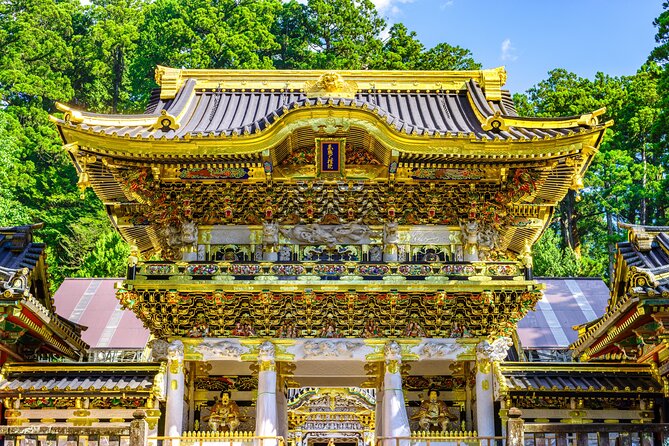
You’ll spend about 1 hour 30 minutes at Nikko Toshogu Shrine, and it’s not random that this is the anchor stop. Toshogu is a magnificent memorial tied to Tokugawa Ieyasu, the founder of the Tokugawa shogunate, which ruled Japan for more than 250 years. Ieyasu is enshrined here as the deity Tosho Daigon.
So what should you look for during that 90-minute window? The trick is to slow down just enough to notice the layers of meaning. Toshogu is known for intricate shrine architecture and strong symbolism tied to the Tokugawa legacy. If you only glance while walking, you’ll miss the “why.” If you take a handful of deliberate moments—pause, look up, and then read the setting in front of you—you’ll walk away with a sense of how politics, religion, and artistry were braided together.
Two practical notes:
- Entrance fee is not included. Budget ¥1,600 per person.
- Wear shoes you trust. The shrine grounds can be crowded, and you’ll be on your feet.
One of the nicest parts of a private format is that a good guide can point out what matters most in the time you have. In past outings, guides like Hitoshi have used their knowledge to tailor suggestions, and that kind of responsiveness is exactly what you want here—especially if you’re also interested in history beyond the main facts.
Tamozawa Imperial Villa Memorial Park: a calmer counterpoint to Toshogu
After the grandeur of Toshogu, you shift to a quieter kind of history at Nikko Tamozawa Imperial Villa Memorial Park. This stop is about 40 minutes, and it’s a smart balance: you’re not just seeing religious power, you’re seeing how elite residences reflected shifting eras.
Tamozawa Imperial Villa blends traditional Edo and early Meiji Period architecture. The villa has 106 rooms, and it was erected in Nikko in 1899, using parts of a residence that originally stood in Tokyo. Even if you don’t feel like a formal “architecture person,” you’ll likely appreciate the way the space gives you a different mood than shrines—more lived-in, more human-scale, and easier to explore without feeling like you’re being herded.
This is also a good place to reset your pacing. If you’ve spent the morning leaning forward with big attention on carved details, this stop lets you recalibrate before the viewpoints and lake.
Akechidaira Observation Area and Irohazaka: viewpoints without the detour
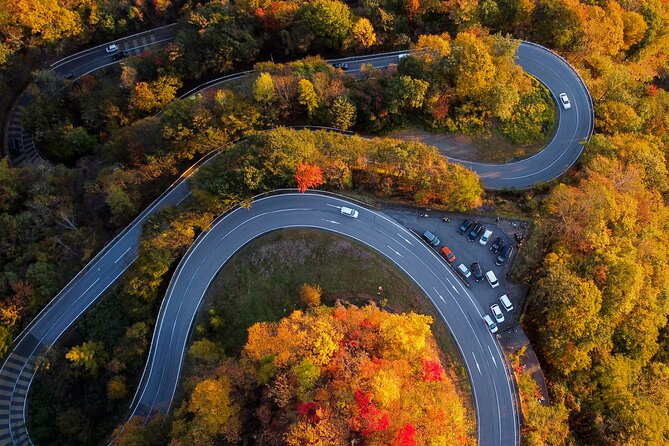
Next up is the Akechidaira Observation Area, around 30 minutes. The plateau sits near the top of the Irohazaka Winding Road. From the observation area and parking area, you can get nice views onto Irohazaka and the valley below.
This is one of those stops that sounds simple until you’re actually there. Nikko’s appeal isn’t only its monuments—it’s also how the roads climb and how the scenery stacks on top of itself. Akechidaira gives you that sense quickly, without you needing to plan your own route or deal with parking headaches.
If you’re visiting during colder months, keep your expectations realistic: the views can be stunning, but visibility depends on clouds and rain. Still, even when the sky is gray, the road shape and valley layers can look dramatic.
Lake Chuzenji at 1,269 meters: volcanic origins you can feel
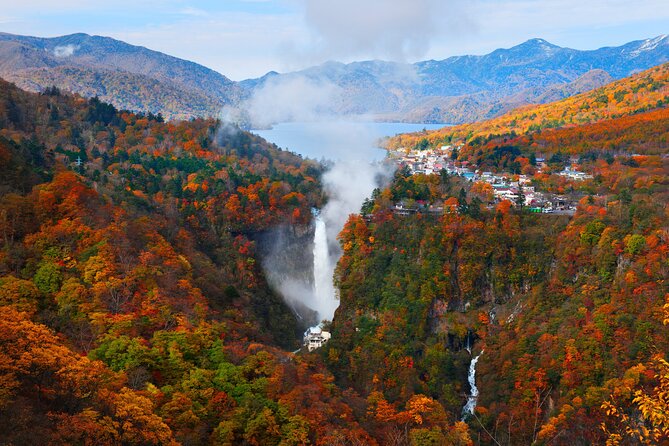
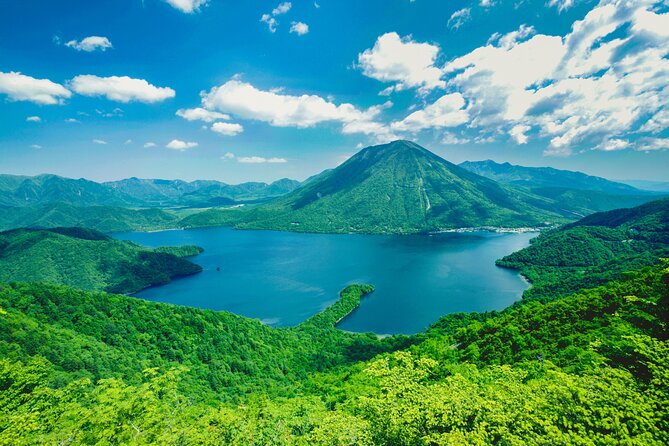
Then you head to Lake Chuzenji, with about 30 minutes on site. Chuzenji sits at an altitude of 1,269 meters and is described as Japan’s highest natural lake. The area’s story is pure geology drama: around 20,000 years ago, an eruption of Mt. Nantai formed the lake.
That detail matters because it changes how you read the water. When you know the lake is volcanic in origin, it stops being just a photo background and becomes part of the region’s larger history of worship and nature practice. People have long been drawn to places like this in Japan for their spiritual atmosphere and the idea that landscape has meaning.
There’s also a built-in bonus: the stop notes that admission is free. So you’re not paying extra to stand there and take in the height and the stillness.
If you want an extra strategy tip: bring a layer. Even when Tokyo feels mild, Nikko can feel cooler at altitude, and you’ll be at a lake long enough for it to matter.
Readers also shortlisted these Tokyo bookings:
- Private Tour to Mt. Fuji and Hakone (Fully Licenced Operator)★ 5.0 · 1,910 reviews
- Tokyo Customized Private Tour (Must See Places in 1 Day)★ 5.0 · 1,499 reviews
- Mount Fuji Full-Day Private Tour from Tokyo (Customizable)★ 4.9 · 1,470 reviews
- Private Custom Tour: Tokyo in a Day★ 5.0 · 1,432 reviews
- Tokyo 4hr Private Tour with Government-Licensed Guide★ 5.0 · 1,394 reviews
Kegon Falls: the nearly-100-meter water moment
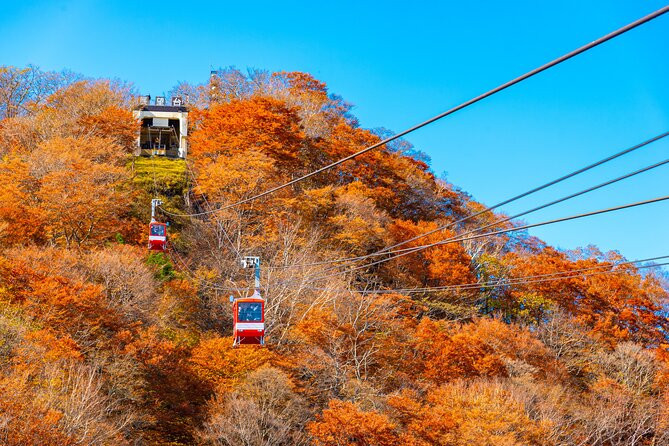
You’ll finish with Kegon Falls, also about 30 minutes. This waterfall is famous for a good reason: it’s almost 100 meters tall, and it’s ranked among Japan’s three most beautiful waterfalls alongside Nachi Waterfall in Wakayama.
Kegon Falls is where the day’s story hits its peak: you started with manmade power and sacred symbolism, then moved into imperial architecture, and now you get nature at full volume. In clear weather, you can get big-picture views and satisfying photos. In rain or mist, you may not see everything sharply, but the water can look more forceful and cinematic.
Practicalities:
- Entrance fee is not included. Budget ¥600 per person.
- Plan for walking and standing. You’ll want space around you for photos, so don’t expect to remain perfectly stationary the whole time.
If the weather is rough, your guide’s judgment matters. A good driver-guide can shift your timing slightly so you’re at the falls when conditions are most tolerable, and that’s where experience shows.
One example from the field: Roberto is noted for being fluent in English and for using historical context and vignettes to amplify the experience, even with rain and lots of crowds. That kind of narration turns “seeing a waterfall” into “understanding why this place matters.”
Price and logistics: what your $877.92 really buys
The price is $877.92 per group, up to 9 people. That means the value depends on your group size and how you travel.
For two or four people, it can feel pricey at first glance. But private transport from Tokyo to Nikko and back can be a pain to organize—timing, transit transfers, luggage, and not knowing where to get the best viewpoints without wasting time. Paying for privacy buys time and reduces stress.
Also, the tour includes practical comforts:
- Private transportation in an air-conditioned vehicle
- Wi‑Fi on board
- Snacks and bottled water
- Pickup offered
- Mobile ticket
Those items don’t sound glamorous until you’re on a long day with weather changes. Small comforts help you stay focused on the sights instead of logistics.
There’s another value angle: the route includes stops that you might not see on shorter or more limited Nikko packages—specifically the Kemangafuchi reference is part of the tour’s appeal and why people look for this kind of day plan. And even when you don’t time everything perfectly, having a structured itinerary helps you prioritize what matters most to you.
Food, breaks, and fitting the day around you
Lunch isn’t included, so you’ll have to plan on eating on your own. That’s normal for a day trip like this, and it gives you flexibility to choose a place that matches your tastes.
One thing I really like about the private-tour approach is that you’re not stuck with a “group lunch.” In one recorded experience, Roberto selected an excellent sushi restaurant for lunch. That’s the kind of local guidance that can save you time and help you avoid places that are only popular because they’re convenient.
If you’re choosing lunch yourself, keep these priorities:
- Find something quick but not rushed.
- Don’t gamble on long waits if you’re heading to a ticketed stop later.
- Consider local specialties. Nikko is mentioned for foods like yuba (tofu skin) and rainbow trout, which are very easy to justify when you’re already spending the day in a regional nature setting.
Who this private Nikko tour is best for
This tour fits best if you want a structured Nikko day without the hassle of coordinating transit and parking. It’s also a strong pick if you care about the mix of religious history (Toshogu), imperial-era architecture (Tamozawa), and nature scale (Chuzenji and Kegon Falls).
I’d especially recommend it if:
- You’re traveling with a small group and want control over pacing.
- You want English support and historical framing rather than a self-guided checklist.
- You prefer comfort for a long day (air-conditioned vehicle, snacks, water).
It’s also described as suitable for most travelers, and it’s private, so only your group participates.
When to go: seasons, weather, and photo reality
Nikko is famed for fall foliage, but you can have a great day in other seasons too. The scenery is spectacular year-round, and the waterfalls and lake tend to look dramatic regardless of the month.
Just be ready for weather variability. Rain can keep crowds moving but can also make views softer. That’s not a reason to cancel—it just means you should dress smart and trust your guide’s timing.
Should you book this Nikko private tour?
Book it if you want a single-day Nikko plan that covers the core sacred site, an imperial residence, and the two big nature hits—without you figuring out the logistics. The included comforts (Wi‑Fi, snacks, bottled water) and private transport help the day feel manageable, especially if you’re coming from Tokyo and don’t want to spend your energy on connections.
Skip it or reconsider if your budget is extremely tight or if you’d rather build your own itinerary with public transit. And remember that the two major paid sights—Toshogu Shrine (¥1,600) and Kegon Falls (¥600)—plus lunch, will add to the baseline tour cost.
If you do book, I’d pick this because the structure is doing real work for you: it turns Nikko from scattered highlights into a coherent day.
FAQ
How long is the Nikko private tour?
The tour runs about 8 to 10 hours.
What is the group size for this private tour?
It’s a private tour for up to 9 people per group.
What does the price include?
The price includes private transportation, an air-conditioned vehicle, Wi‑Fi on board, snacks, and bottled water.
Are entrance fees included for Nikko Toshogu Shrine?
No. The entrance fee for Nikko Toshogu Shrine is ¥1,600 per person.
Is the entrance fee for Kegon Falls included?
No. The entrance fee for Kegon Water Falls is ¥600 per person.
Is lunch included?
No. Lunch is not included.
Is Lake Chuzenji admission free?
The tour notes that Lake Chuzenji admission is free for this stop.
Do I get pickup and a mobile ticket?
Yes. Pickup is offered, and you receive mobile ticket support.
When will I get confirmation after booking?
You’ll receive confirmation within 48 hours of booking, subject to availability.
What is the cancellation policy?
You can cancel for a full refund up to 24 hours in advance. If you cancel less than 24 hours before the start time, the amount paid is not refunded.
More Tours in Tokyo
- Mt Fuji and Hakone 1-Day Bus Tour Return by Bullet Train
★ 5.0 · 26,383 reviews - 1-Day Tokyo Bus Tour
★ 5.0 · 14,250 reviews - Tokyo: Shinjuku Food Tour (13 Dishes at 4 Local Eateries)
★ 5.0 · 6,603 reviews - Tokyo Mt Fuji 5th St & Hakone Cruise Bus Tour w/Bullet Train
★ 4.4 · 5,024 reviews - Flagship 2-Hours Official Street Go-Kart Tour – Tokyo Bay Shop
★ 5.0 · 4,974 reviews
More Tour Reviews in Tokyo
- Mt Fuji and Hakone 1-Day Bus Tour Return by Bullet Train
★ 5.0 · 26,383 reviews - 1-Day Tokyo Bus Tour
★ 5.0 · 14,250 reviews - Tokyo: teamLab Planets TOKYO Digital Art Museum Entry Ticket
★ 4.6 · 9,779 reviews - Mt Fuji & Hakone Cruise, Drum Show Bullet Train 1 Day from Tokyo
★ 4.0 · 7,413 reviews - Tokyo: Shinjuku Food Tour (13 Dishes at 4 Local Eateries)
★ 5.0 · 6,603 reviews
North to Nikko: More Trips Rated
- Nikko: Kegon Falls, Lake Chuzenji & Toshogu Temple
★ 4.6 · 1,577 reviews - Tokyo: Nikko Toshogu Shrine and Kegon Waterfall Tour
★ 4.5 · 1,266 reviews - From Tokyo: Nikko World Heritage Site Private Full-Day Trip
★ 4.9 · 243 reviews - Nikko: Edo Wonderland Edomura Cultural Theme Park Ticket
★ 4.3 · 205 reviews - Tokyo: Nikko World Heritage Private Day Trip Hotel Pick-up
★ 4.8 · 145 reviews
Latest Tokyo reviews off our desk






Nikko Day Trips, compared.
 ★ 4.6Nikko: Kegon Falls, Lake Chuzenji & Toshogu TempleFrom $891,577 reviews
 ★ 4.5Nikko Toshogu Shrine and Kegon Waterfall TourFrom $841,266 reviews
 ★ 5.0Nikko Full-Day Private Tour with Government-Licensed GuideFrom $155259 reviews
 ★ 4.9From Tokyo: Nikko World Heritage Site Private Full-Day TripFrom $483243 reviews
 ★ 4.3Nikko: Edo Wonderland Edomura Cultural Theme Park TicketFrom $35205 reviews
 ★ 4.8Nikko World Heritage Private Day Trip Hotel Pick-upFrom $390145 reviews
 ★ 4.9Nikko – Beautiful Full-Day Personal and Private TourFrom $364119 reviews
Browse the lists this tour appears in