
Reviewed · TOURS
From Osaka: Kyoto & Nara Highlights Day Tour (7 attractions)
One day can feel like stepping through eras. This Osaka tour hits Kyoto and Nara icons back-to-back, with an English and Korean speaking guide to keep the sights meaningful rather than just scenic.
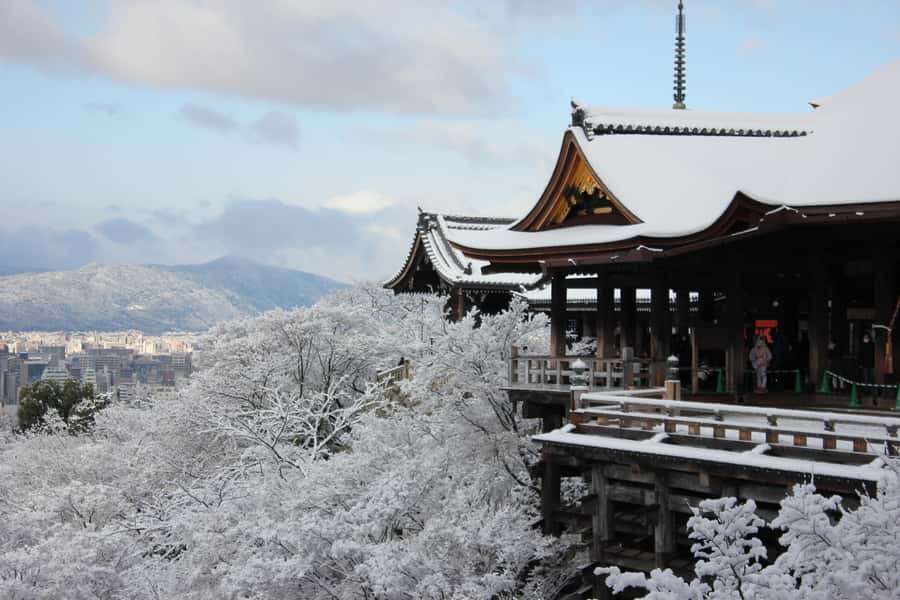
I especially love the moment you reach Kiyomizu-dera and see the Kyoto view from the temple’s wooden stage area. It’s one of those stops where the walking matters, but the payoff is the panorama and the temple drama.
The pace can be a bit of a squeeze on busy days. If crowds spike, you may feel like you’re rushing from landmark to landmark, and in some places you might not get as much inside-temple time as you hoped.
In This Review
- Key things that make this tour worth your time
- Entering Kyoto and Nara with a 8:00 AM plan
- Morning logistics: why the minivan day feels easier than DIY
- Nara Park deer to Todaiji’s Great Buddha
- A quick reality check on crowds
- Kasugataisha Shrine: the lantern-lit pause
- Byodoin Temple and Uji: the 10-yen coin moment
- Meal choice tip for picky eaters
- Fushimi Inari Taisha: torii tunnel walking that feels unreal
- Kiyomizu-dera: the UNESCO view from the wooden stage
- Price and value: what $53 covers, and what it doesn’t
- Group feel, guide support, and the photo extras
- Pacing reality: the one drawback to plan around
- Who should book this tour (and who might not)
- Should you book this Kyoto and Nara highlights day tour?
- FAQ
- What time does the tour start in Osaka?
- Where does the tour meet?
- What stops are included in the day tour?
- Is transportation included?
- Are meals included?
- Are admission fees included?
- What languages are the guides?
- Is the tour stroller-friendly?
- Is the tour wheelchair-accessible?
- Can I reserve now and pay later?
Key things that make this tour worth your time
- Fushimi Inari’s torii tunnel walk feels almost like a guided scene change, not just a photo stop.
- Nara Park deer time is a friendly, low-pressure start that sets the mood for the day.
- Kasugataisha’s lantern paths add a calmer, more spiritual rhythm before the bigger sights.
- Byodoin and the Phoenix Hall are tied to the 10-yen coin image, so you’ll recognize it right away.
- Uji Omotesando lunch on your own keeps the day flexible for matcha fans and snack hunters.
- English and Korean guides (like Jeon, Jo, Min, and Tae Hyun) are a big reason people rate this highly.
Entering Kyoto and Nara with a 8:00 AM plan
This is a full-day itinerary built around convenience: you start in Osaka and don’t have to figure out trains, transfers, or temple order. The day begins with pickup at Tsurutontan Soemoncho—be there before 07:50 AM for a smooth handoff, with the tour departing at 8:00 AM.
I like that the start time is early enough to reach the first sites before the day gets fully chaotic. And because it’s a minivan-style day tour with a guide onboard, you’re not stuck decoding directions while everyone else is moving.
Another thing I appreciate is how the tour is designed to reduce decision fatigue. You get a clear route that includes the big-name hits people come for, plus a few moments that feel slower and more atmospheric.
Readers booked these Tokyo options in the same breath. Here is how each one scored:
- Mt Fuji and Hakone 1-Day Bus Tour Return by Bullet Train
★ 5.0 · 26,383 reviews - 1-Day Tokyo Bus Tour
★ 5.0 · 14,250 reviews - Tokyo: teamLab Planets TOKYO Digital Art Museum Entry Ticket
★ 4.6 · 9,779 reviews - Mt Fuji & Hakone Cruise, Drum Show Bullet Train 1 Day from Tokyo
★ 4.0 · 7,413 reviews
Morning logistics: why the minivan day feels easier than DIY
This tour includes transportation and a guide who speaks English (and also Korean). In practice, that means you can spend your morning looking out the window and saving your energy for walking the sites.
Guides in this program are repeatedly praised for being friendly and attentive, and some have been specifically noted for helpful safety and patient pacing for slower walkers. One review highlighted Jo finding the meeting point easily and driving safely; another praised Tae Hyun for making everyone feel comfortable on the road. That matters if your legs are already tired from previous days in Osaka.
There’s also a real-world note worth taking seriously: the tour follows a Japan rule that vehicles can’t run more than 10 hours, so the guide may adjust the itinerary based on traffic and weather. The route is set up for a full day, but you should expect small timing changes.
Nara Park deer to Todaiji’s Great Buddha

You start in Nara Park, where the big draw is simple: hundreds of free-roaming deer. It’s a great early stop because it feels approachable. You’re not standing in a long ticket line or decoding signage yet—you’re just meeting the animals and getting into the Nara mood.
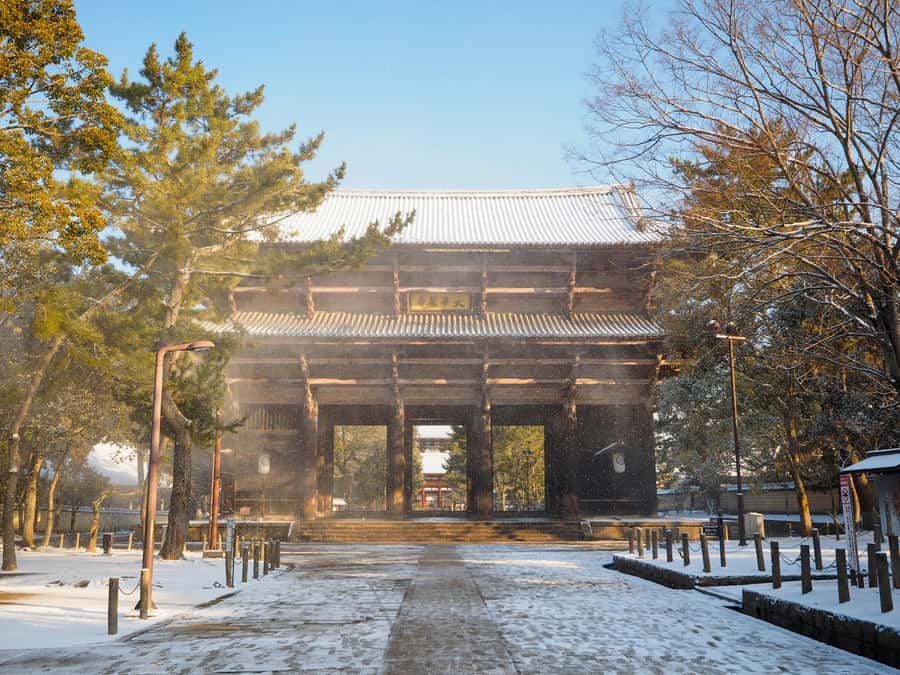
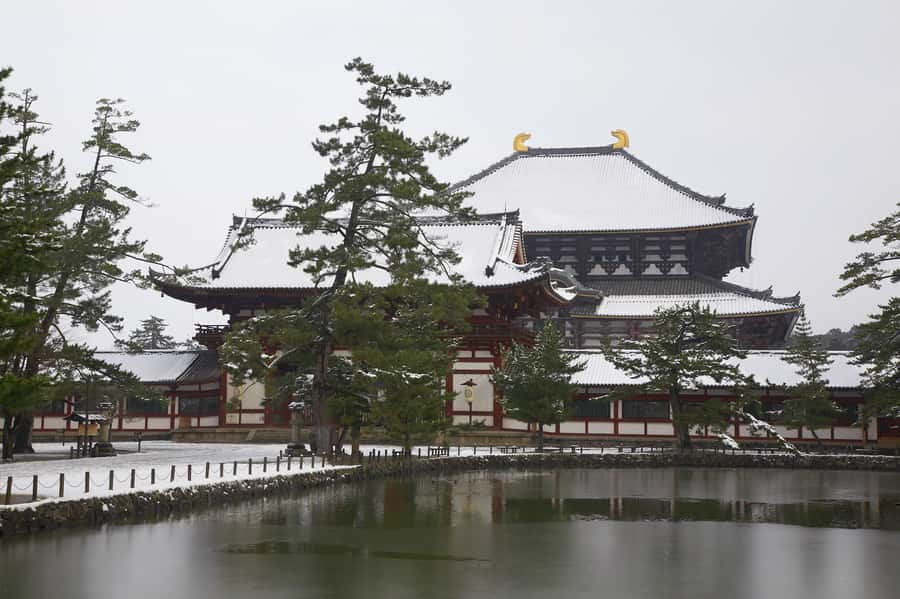
From there, you move to Todaiji Temple, home to the Great Buddha housed in a massive wooden hall. The scale is the point here. Even if you’ve seen photos, it still hits when you’re standing there and realizing how enormous the structure is built to hold that bronze statue.
What I think works well about the Nara opening is that it gives you variety fast. Deer first, then a grand historical religious site. It’s not one theme stretched all day.
A quick reality check on crowds
Nara and Kyoto both get busy, and some temple interiors can become hard to enjoy fully when lines are long. If you’re the kind of person who needs to linger quietly, plan to treat the most famous indoor areas as “see what you can, then breathe outside.”
Kasugataisha Shrine: the lantern-lit pause
After the bigger temple moment, you head to Kasugataisha Shrine, known for its stone and bronze lanterns. This stop changes the tone of the day. It’s still spiritual and cultural, but it feels more like walking through a mood than rushing through a checklist.
I like that Kasugataisha is not just another building. The lantern-lined pathways create a visual story you can follow as you walk. And because it’s a shrine setting, the pace naturally slows compared with the more photo-heavy zones.
This is also the kind of place where a good guide adds value. You’ll understand what you’re seeing while you’re seeing it, instead of leaving with only a pile of pictures.
- Tokyo: Shinjuku Food Tour (13 Dishes at 4 Local Eateries)★ 5.0 · 6,603 reviews
- Tokyo Mt Fuji 5th St & Hakone Cruise Bus Tour w/Bullet Train★ 4.4 · 5,024 reviews
- Flagship 2-Hours Official Street Go-Kart Tour – Tokyo Bay Shop★ 5.0 · 4,974 reviews
- From Tokyo: Mount Fuji Full-Day Sightseeing Trip★ 4.5 · 4,970 reviews
- Tokyo: Hop-On Hop-Off Sightseeing Bus Ticket★ 3.9 · 4,207 reviews
Byodoin Temple and Uji: the 10-yen coin moment
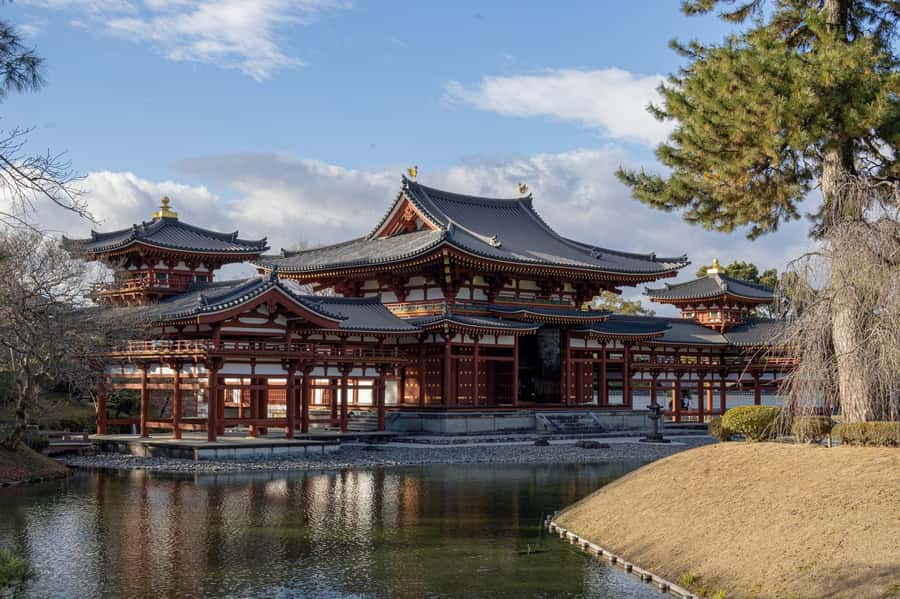
By midday, the tour heads to Byodoin Temple, and this is where recognition kicks in. The temple is famous for the Phoenix Hall, which matches the image used on the Japanese 10-yen coin. When you’ve carried a coin in your pocket for years, it’s satisfying to stand in the place that made it iconic.
The hall sits at the center of a pond scene, so you’ll be looking at reflections and classic Buddhist architecture. This stop offers a calmer break from constant movement, and it also gives you time to slow down and take in atmosphere rather than sprint toward the next gate.
Then the tour shifts to Uji Omotesando, a traditional street lined with tea houses. You can have lunch here at your own expense, and Uji is known for matcha. This is one of the best parts of the day if you want control over what you eat without losing time to extra planning.
One review even called out that the group got delicious udon in Uji, which is a good reminder that you don’t have to stick only to sweets.
Meal choice tip for picky eaters
Because meals are not included, you’ll want to pick a lunch spot that matches your comfort level. If you want a sit-down meal, look for places that look less crowded before you commit. If you want a quick matcha treat, you’ll find plenty along the street, but you might pay tourist-friendly pricing.
Fushimi Inari Taisha: torii tunnel walking that feels unreal
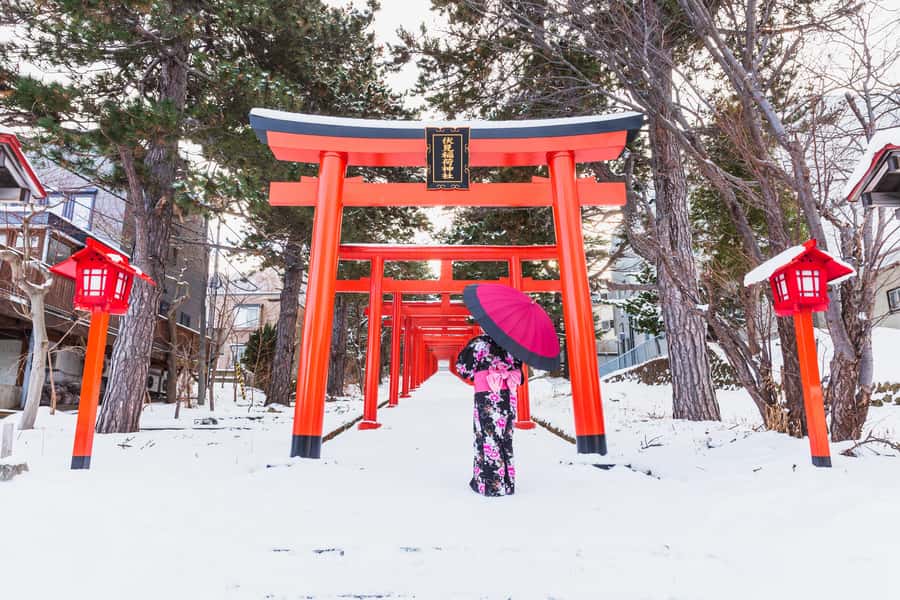
Next up is Fushimi Inari Taisha, famous for its thousands of vermillion torii gates winding up Mount Inari. If Kyoto has a signature “walk,” this is it. It’s not only about the gates—it’s about the way the path climbs and narrows, so the scenery changes as you go.
The guide makes a difference here. With the right context, you’re not just seeing red gates; you’re understanding why so many people come and how the shrine functions as a spiritual place. That clarity adds meaning to what could otherwise be a simple photo march.
The best strategy is to pace yourself. You don’t have to race to the top to enjoy the tunnel effect. Stop at a few points where the gates form strong lines, then keep moving while the atmosphere is still fresh.
Kiyomizu-dera: the UNESCO view from the wooden stage
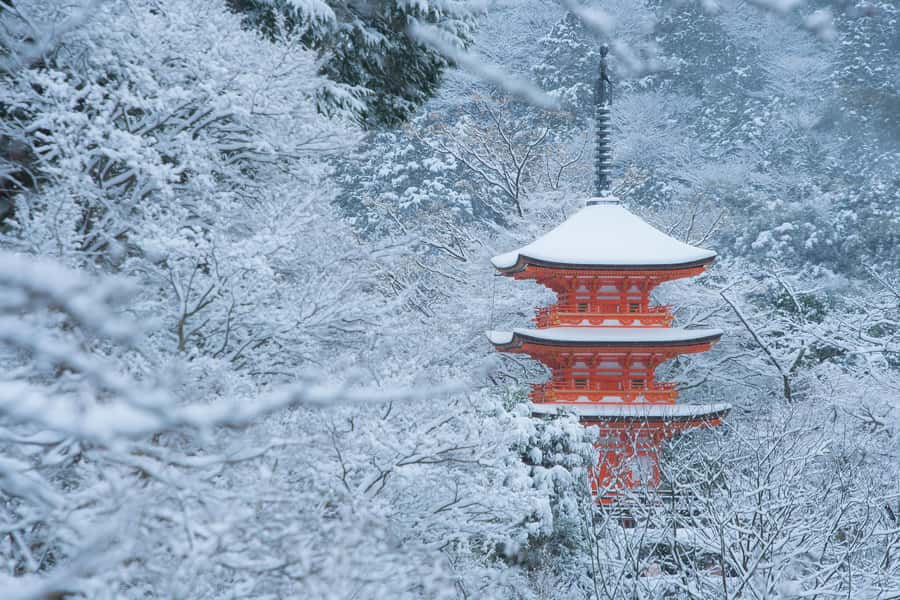
To end the day, you’ll visit Kiyomizu-dera, a UNESCO World Heritage site. The headline feature is the temple’s wooden stage area, which gives panoramic views over Kyoto. This is where late-day light can do wonders, so it helps that you’re finishing with the most iconic viewpoint stop.
Season matters here. If you’re going in spring, cherry blossoms can frame the temple grounds. In autumn, maples can turn the area into red-gold scenery. Even if you don’t get perfect weather, the structure and the view still deliver.
One real caution: it gets very popular. With crowd levels high, it’s possible to miss time inside certain areas because everyone is funneling through the same routes. If you want quiet, aim for a mindset of flexible sightseeing rather than rigid expectations.
Price and value: what $53 covers, and what it doesn’t
At $53 per person, this tour is priced like a value day—especially because it includes transportation plus an English & Korean guide. For most people, that combination is what makes the day feel affordable.
What’s not included is equally important. Meals are not included, and admission fees and activity charges are also not included. That means your final day cost depends on how many paid entrances you want to take and how you handle lunch.
Still, I think this is good value if you want someone else to manage the route. You’re paying for reduced planning stress, guided context, and a full day of major sights without hopping between stations.
Group feel, guide support, and the photo extras
Most of the strong feedback points to the guides. Names like Jeon, Jo, Min, and Tae Hyun come up with consistent praise: friendly attitude, clear explanations, and care for the group.
Another detail I found useful is that some groups describe the tour as feeling close to private because of the small-group setup. That helps with timing and makes it easier to ask questions without the guide shouting over a crowd.
Also, one guide sent photos at the end of the tour. Not every tour may do that, but it’s a nice bonus if it’s available when you go. Bring your phone for your own photos too, since you’ll still want your own angles.
Pacing reality: the one drawback to plan around
Here’s the honest downside to keep in mind: the day can feel like a marathon if you expect long stays and deep history at every single stop. One experience described not enough historical explanation and too much running around from place to place.
Even without that issue, peak seasons and school holidays can tighten your time. And since you’re covering seven attractions in one day, you’re going to spend a lot of your energy walking and transitioning.
My suggestion is simple: choose one stop as your “linger stop.” For many people, that’s Byodoin Temple with the pond reflections, Kasugataisha’s lantern pathways, or Kiyomizu-dera’s viewpoint area. Let the other sites be “see, enjoy, move.”
Who should book this tour (and who might not)
This tour is a great match if you:
- want Kyoto and Nara highlights in one day without transit planning
- like having a guide explain what you’re seeing
- enjoy iconic sights like torii tunnels, famous temples, and shrine lantern paths
- prefer structure with some room to explore on your own
You might want to think twice if you:
- hate crowds and need long quiet museum-style pacing
- require lots of indoor time at every temple (lines can limit that)
- get exhausted by packed schedules and lots of walking
If you’re traveling with a stroller, note that the tour is described as stroller-friendly, but you should still plan for uneven walking at temple grounds. It’s also noted as not wheelchair-accessible.
Should you book this Kyoto and Nara highlights day tour?
If you want the big hits with less stress, I’d book it. The combination of transportation, a multilingual guide, and a well-sequenced route (Nara Park → Todaiji → Kasugataisha → Byodoin → Uji → Fushimi Inari → Kiyomizu-dera) makes this one of the more efficient ways to do a first Kyoto-and-Nara day.
Just go in with realistic expectations. Seven attractions means some stops are best treated as focused visits rather than leisurely wander days. If you prepare for crowds and choose when you’ll slow down, you’ll get the best of the day: deer charm, shrine lantern calm, torii tunnel magic, and that Kiyomizu-dera Kyoto skyline moment.
FAQ
What time does the tour start in Osaka?
You should be in front of Tsurutontan Soemoncho before 07:50 AM, and the tour departs at 8:00 AM.
Where does the tour meet?
The start meeting point is in front of Tsurutontan Soemoncho, and the staff will be there to meet you.
What stops are included in the day tour?
The itinerary includes Nara Park (deer), Todaiji Temple, Kasugataisha Shrine, Byodoin Temple, Uji Omotesando, Fushimi Inari Taisha, and Kiyomizu-dera.
Is transportation included?
Yes. Transportation is included in the tour.
Are meals included?
No. Meals are not included.
Are admission fees included?
No. Admission fees and activity charges are not included.
What languages are the guides?
The guide is available in English and Korean.
Is the tour stroller-friendly?
Yes, it is stroller-friendly. You should inform the provider if you are bringing a baby stroller.
Is the tour wheelchair-accessible?
No, it is not wheelchair-accessible.
Can I reserve now and pay later?
Yes. It offers Reserve & Pay Later, so you can book without paying immediately. Cancellation is also listed as free up to 24 hours in advance for a full refund.
More Tours in Tokyo
- Mt Fuji and Hakone 1-Day Bus Tour Return by Bullet Train
★ 5.0 · 26,383 reviews - 1-Day Tokyo Bus Tour
★ 5.0 · 14,250 reviews - Tokyo: Shinjuku Food Tour (13 Dishes at 4 Local Eateries)
★ 5.0 · 6,603 reviews - Tokyo Mt Fuji 5th St & Hakone Cruise Bus Tour w/Bullet Train
★ 4.4 · 5,024 reviews - Flagship 2-Hours Official Street Go-Kart Tour – Tokyo Bay Shop
★ 5.0 · 4,974 reviews
More Tour Reviews in Tokyo
- Mt Fuji and Hakone 1-Day Bus Tour Return by Bullet Train
★ 5.0 · 26,383 reviews - 1-Day Tokyo Bus Tour
★ 5.0 · 14,250 reviews - Tokyo: teamLab Planets TOKYO Digital Art Museum Entry Ticket
★ 4.6 · 9,779 reviews - Mt Fuji & Hakone Cruise, Drum Show Bullet Train 1 Day from Tokyo
★ 4.0 · 7,413 reviews - Tokyo: Shinjuku Food Tour (13 Dishes at 4 Local Eateries)
★ 5.0 · 6,603 reviews
Latest Tokyo reviews off our desk



Tours, compared.
 ★ 5.0Mt Fuji and Hakone 1-Day Bus Tour Return by Bullet TrainFrom $16326,383 reviews
 ★ 5.01-Day Tokyo Bus TourFrom $12914,250 reviews
 ★ 5.0Shinjuku Food Tour (13 Dishes at 4 Local Eateries)From $866,603 reviews
 ★ 4.4Tokyo Mt Fuji 5th St & Hakone Cruise Bus Tour w/Bullet TrainFrom $1545,024 reviews
 ★ 5.0Flagship 2-Hours Official Street Go-Kart Tour – Tokyo Bay ShopFrom $644,974 reviews
 ★ 4.7Mt. Fuji Tour, Hakone Ropeway, Owakudani, Lake AshiFrom $544,002 reviews
 ★ 5.0Tokyo 6hr Private Tour with Government-Licensed GuideFrom $1553,902 reviews
 ★ 5.0Tokyo Bar Hopping Tour in Shinjuku (All-You-Can-Drink + Dinner)From $1063,587 reviews