
Nikko feels like it belongs in a postcard—then you walk into it. I especially like how this private tour turns a long day into something relaxed, with hotel pickup and a comfortable van handling the driving. I also like that the route mixes major spiritual sights with nature payoffs like Lake Chūzenji and Kegon Falls. One thing to keep in mind: it is a 10-hour outing with plenty of walking, so comfortable shoes matter more than anything.
The standout parts are the small details: the way the guide points out what to look for (like Toshogu’s famous carvings), and the rhythm of stops built around photos and short walks. In the vehicle you get Wi-Fi, and you also get help with photography during the day, which is handy when you want the shot but do not want to stress about angles. The main consideration is weather: the ropeway may close in bad conditions, so you should expect Plan B.
In This Review
- Key highlights at a glance
- Private Nikko day trip from Tokyo: what you gain versus DIY
- Your driver-guide setup: comfort, language options, and photo help
- Starting early matters: Shinkyo Bridge and the Nikko shrine approach
- Nikko Toshogu Shrine: the Yomeimon Gate details to watch for
- Kanmangafuchi Abyss and Jizo statues: a quiet break from crowds
- Lake Chūzenji: volcanic views and a long-enough viewing window
- Akechidaira Ropeway: panoramic payoff when weather cooperates
- Kegon Falls at 97 meters: the tea-and-coffee stop helps it land
- Edo Wonderland: samurai-era energy as a cultural contrast
- Budget and value: is $362 per group worth it?
- What to bring (and what to plan for) in Nikko winter and shoulder seasons
- Who this tour fits best (and who might want a different plan)
- Should you book the From Tokyo Nikko World Heritage Sight Full Day Private Tour?
- FAQ
- How long is the Nikko private tour from Tokyo?
- What is the group size for this private tour?
- Where does pickup happen?
- What languages does the guide speak?
- Is Wi‑Fi available during the tour?
- What are the main sights included?
- Are meals included?
- Is there a way to skip lines at the main sites?
- What should I bring for the day?
- Will the ropeway always run?
Key highlights at a glance
- Toshogu Shrine focus: Yomeimon Gate details and Tokugawa Ieyasu’s shrine setting in the forest
- Shinkyo Bridge photo moment: a classic wooden bridge over the Daiya River, timed for good viewing
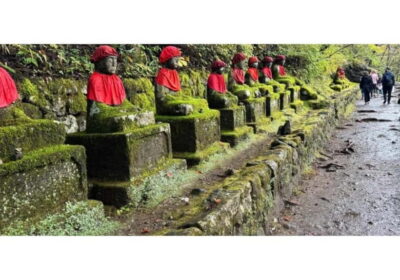
- Jizo statue stop at Kanmangafuchi: a calm river-side walk with 70+ stone statues
- Panoramic views from the Akechidaira Ropeway: Mount Nantai, Lake Chūzenji, and Kegon Falls from above
- Kegon Falls at 97 meters: plus tea and a coffee tasting stop in the area
- Edo Wonderland segment: performances and traditional craft-style activities as a cultural contrast
Private Nikko day trip from Tokyo: what you gain versus DIY
If you have only one day (or you just do not want to wrestle with trains and transfers), a private Nikko tour is the smart move. You get a full day’s worth of the UNESCO-area highlights without worrying about schedules, connections, or where to stand for the next bus.
The “private” part matters here. You move as a group of up to six, not as a crowd herded between entrances. That flexibility is what lets the day feel smooth even when the sites are busy. And in the real world, Nikko’s most popular stops can get packed—having a guide and a timed plan helps you spend energy on sights, not logistics.
The other practical win: the van ride is long enough to be tiring if you DIY it, so you want it comfortable. This tour includes luxury transport with air conditioning and Wi‑Fi, plus highway toll coverage. It is a good trade when you compare the value of your time.
More runs north to Nikko, ranked by reviews
- Nikko: Kegon Falls, Lake Chuzenji & Toshogu Temple
★ 4.6 · 1,577 reviews - Tokyo: Nikko Toshogu Shrine and Kegon Waterfall Tour
★ 4.5 · 1,266 reviews - From Tokyo: Nikko World Heritage Site Private Full-Day Trip
★ 4.9 · 243 reviews - Nikko: Edo Wonderland Edomura Cultural Theme Park Ticket
★ 4.3 · 205 reviews
Your driver-guide setup: comfort, language options, and photo help
This is not just a taxi to the mountains. You get a live guide and a driver, and recent experiences include guides such as Mirza and Imran who are praised for being friendly, adaptive, and clear about what to look for.
Language coverage is built in: Arabic, English, and Hindi. That matters more than people think, because shrine carvings and historical details are much more fun when you can actually connect the symbols to the story being told.
You also get built-in support for photos. The tour includes photography during key stops, plus you get time for walking and viewing. That reduces the usual stress of juggling a camera while trying to figure out where the best angles are.
Starting early matters: Shinkyo Bridge and the Nikko shrine approach
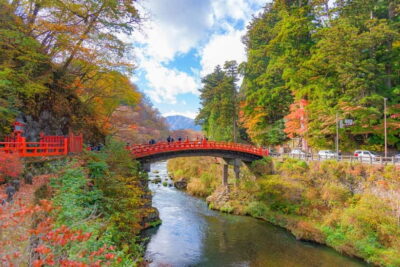
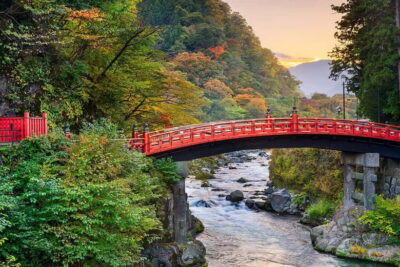
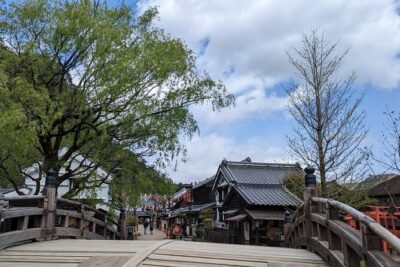
Most people remember Nikko for Toshogu, but I love the warm-up stop at Shinkyo Bridge. It is a wooden bridge crossing the Daiya River and one of Nikko’s most photographed scenes. Even if you think you will just take a quick picture, it is worth slowing down for a moment because the surroundings frame the bridge really well.
It is also historically meaningful as part of the shrine approach. The bridge works like a visual threshold: you go from the wider world into the sacred rhythm of the area. Seeing it first helps the rest of the day click.
Practically, you get a photo stop plus a guided tour and a short walk (about 30 minutes here). That is enough time to get the classic view without losing the momentum you need for Toshogu later.
Nikko Toshogu Shrine: the Yomeimon Gate details to watch for
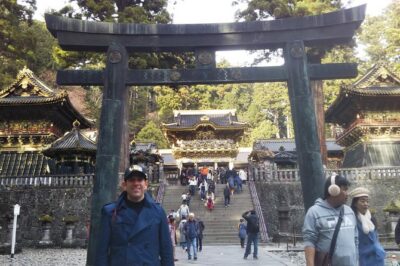
If you only visit one place in Nikko, make it Nikko Toshogu Shrine. This tour gives you a focused slot there, plus a short stop at the related Nikko Toshogu Art Museum, which sets the stage nicely for what you see next.
What I love about Toshogu is how much it rewards close attention. You are not looking at one big building; you are looking at layers of design—color, carving, symbolism, and layout. The famous Yomeimon Gate is often the star, and you’ll also hear about the shrine’s association with Tokugawa Ieyasu, the founder of the Tokugawa shogunate. There is also a well-known sleeping cat sculpture that draws plenty of attention.
This kind of stop is exactly where a good guide earns their keep. Without someone to point out what matters, it is easy to admire everything at once and remember nothing. With a guide, you can shift from just seeing objects to understanding why they are there.
Time-wise, the Toshogu segment includes visiting, sightseeing, walking, and a short class element (about 30 minutes). It is not a full-day shrine marathon, but it is designed to give you real takeaways instead of a rushed “photo and go.”
Kanmangafuchi Abyss and Jizo statues: a quiet break from crowds
After the dense visual energy of Toshogu, you get a calmer kind of wonder at Kanmangafuchi Abyss. The highlight here is the line of 70+ Jizo statues, typically associated with protecting travelers and children. You walk along a path by the river-side setting, and the effect is surprisingly peaceful even in daylight crowds.
This stop works well for two reasons. First, it gives your legs a different type of walking—less “step, step, hurry,” more “slow down, look, and let the scene settle.” Second, it adds cultural depth beyond architecture, because the statues connect to everyday beliefs and protective spirits, not just political history.
If you care about photography, this is also one of the best places for side angles and close compositions. The key is to keep your pace steady; the statues are close enough that you can see details, but it is still a walk, not a drive-by.
Readers also shortlisted these Tokyo bookings:
- Tokyo 6hr Private Tour with Government-Licensed Guide★ 5.0 · 3,902 reviews
- Private Tour to Mt. Fuji and Hakone (Fully Licenced Operator)★ 5.0 · 1,910 reviews
- Tokyo Customized Private Tour (Must See Places in 1 Day)★ 5.0 · 1,499 reviews
- Mount Fuji Full-Day Private Tour from Tokyo (Customizable)★ 4.9 · 1,470 reviews
- Tokyo: Private City Highlights Tour with Local Guide★ 4.8 · 1,433 reviews
Lake Chūzenji: volcanic views and a long-enough viewing window
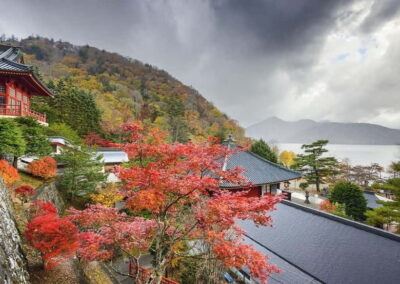
Next you head to Lake Chūzenji, a highland lake formed by volcanic activity at the foot of Mount Nantai. The water is known for clarity, and the setting is the kind of mountain-lake scene that makes you pause without trying.
This part of the day includes a photo stop, a guided segment, and about 1.5 hours of walking and time around the lake area. That extra time is important. A quick stop can feel like you only glanced at the view. With enough time, you can pick a viewpoint, take a breath, and even do light exploring if the weather is friendly.
In autumn, the foliage around the lake turns into a major attraction. In colder months, you may see a different mood entirely, including winter ice elements around the waterfalls area. This tour keeps the schedule built for those seasonal differences instead of forcing you into one fixed vibe.
Akechidaira Ropeway: panoramic payoff when weather cooperates
The Akechidaira Ropeway is where the day turns into a wide-open view. You ride up to an observation deck for panoramic scenes that include Mount Nantai, Lake Chūzenji, and Kegon Falls. Even if you think you already took mountain photos earlier in the day, this angle changes everything.
You also get free time here (about 45 minutes). That window matters because you can actually enjoy the view, not just stand for one minute and move along. It is one of those moments where you will feel glad you wore layers and brought sunscreen.
One reality check: the ropeway may close due to bad weather. The tour still has enough structure to keep your day meaningful, but it is worth dressing as if you might need a Plan B, especially in winter or windy seasons.
Kegon Falls at 97 meters: the tea-and-coffee stop helps it land
Then you get to Kegon Falls, one of Japan’s best-known waterfalls, plunging about 97 meters into a rocky gorge. The viewing platforms are where you see the full power, and the surrounding trails help you experience it from more than one angle if time allows.
This stop includes tea and a coffee tasting, plus free time (about 1 hour). I like this mix because waterfalls can be a one-note moment if your only plan is to look and leave. A warm drink pause gives you a break from standing outside, and it makes the stop feel more complete.
In winter, Kegon Falls can freeze, creating dramatic ice formations. In other seasons, the falls are still impressive, but the vibe changes. That seasonal variety is one reason Nikko remains popular year-round.
Edo Wonderland: samurai-era energy as a cultural contrast
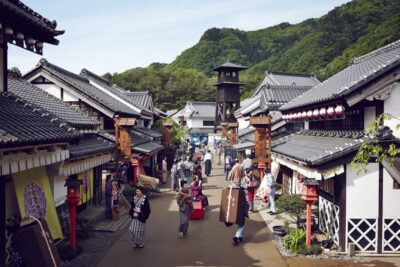
Not every Nikko day has to be only shrines and lakes. This tour also includes Edo Wonderland, where you get performances and traditional craft-style activities. It is a different lens on Japan—more entertainment and reenactment than sacred architecture—but it still adds a sense of story.
This portion is valuable if you want your day to feel varied. The shrine areas are intense and symbolic; Edo Wonderland brings movement, costumes, and a street-level feel for historical themes. It’s also a good pacing tool if you find yourself visually overloaded by carvings and forest architecture.
Budget and value: is $362 per group worth it?
The price is $362 per group up to six, which is a different way of thinking than typical per-person tours. For a solo traveler, it can feel high compared with public transport. For a small group, it becomes more reasonable because you are splitting the cost of private transport and guide time.
The value comes from the full-day structure: pickup and drop-off, luxury transport with Wi‑Fi, highway taxes, guided touring, and the included experiences across multiple major stops. You are paying to remove friction. If you try to DIY it, you will spend time coordinating and you may still end up feeling rushed once you hit the most popular sights.
A good way to sanity-check the cost: if your time in Tokyo is valuable and you want to see the big Nikko names without stress, this is priced in the range where convenience becomes the product—not just transportation. If you love doing things independently, DIY might be cheaper, but you give up the ease.
Also plan for what is not included. Meals and drinks are not included, and you may have extra fees for optional activities. Bring cash for any entry fees you might need on-site, since some on-the-ground tips point out this can be helpful.
What to bring (and what to plan for) in Nikko winter and shoulder seasons
This tour asks for practical prep: comfortable shoes, hat, camera, sunscreen, and water. That is not generic advice. Nikko’s walking is real, and weather can shift quickly, especially in winter.
A few “do this before you go” habits:
- Check weather conditions the morning of, especially if you are counting on ropeway views.
- Dress in layers, since forest areas, ropeways, and waterfall viewpoints can feel colder than you expect.
- If you get cold easily, plan for it on Kegon Falls viewpoints and around Lake Chūzenji.
Also note the day includes walking and some areas may not be easy for people with mobility impairments. One recent account mentions the guide adapting to a wheelchair and crutches situation, but the general guidance still is that not every site is equally accessible.
Who this tour fits best (and who might want a different plan)
This is a strong fit if you want a one-day Nikko highlight tour from Tokyo with minimal hassle. It is especially good for families, couples, or small groups who want private pacing and photo support.
It is also a good match if you care about context. The guided segments are what turn Toshogu and the shrine approach into something you can actually explain to friends later.
The tour is listed as not suitable for people over 95 years. And if you have mobility limitations, contact the operator ahead of time so you can ask what parts of the route are realistic for you on that specific day.
Should you book the From Tokyo Nikko World Heritage Sight Full Day Private Tour?
I would book this if you want Nikko’s best-known sites in one day with a private guide, comfort, and time to actually enjoy stops like Shinkyo Bridge, Toshogu, Lake Chūzenji, and Kegon Falls. The included ropeway and the break for Edo Wonderland also make the day feel varied, not repetitive.
I would think twice if you are traveling ultra-light, hate walking, or are hoping for a fully weather-proof plan. Ropeway closures can happen, and the day has real walking time even with a structured schedule.
If your top priority is a smooth day without transport stress, this tour is a solid choice.
FAQ
How long is the Nikko private tour from Tokyo?
The total experience is about 10 hours, including the tour start time.
What is the group size for this private tour?
It is a private group for up to 6 people.
Where does pickup happen?
Hotel pickup and drop-off are included, and pickup is available in Tokyo (and Nikko when booking) when you provide your hotel name and address.
What languages does the guide speak?
The live guide can speak Arabic, English, and Hindi.
Is Wi‑Fi available during the tour?
Yes. Wi‑Fi is included, including in the vehicle.
What are the main sights included?
Key stops include Nikko Toshogu Shrine, Shinkyo Bridge, Kanmangafuchi Abyss with Jizo statues, Lake Chūzenji, Kegon Falls, and an Akechidaira Ropeway ride, plus Edo Wonderland.
Are meals included?
No. Meals and snacks are typically not included, so you should budget for dining.
Is there a way to skip lines at the main sites?
Yes. You skip the line through a separate entrance.
What should I bring for the day?
Bring comfortable shoes, a hat, camera, sunscreen, and water.
Will the ropeway always run?
Not always. The ropeway may close due to bad weather conditions.
More Tours in Tokyo
- Mt Fuji and Hakone 1-Day Bus Tour Return by Bullet Train
★ 5.0 · 26,383 reviews - 1-Day Tokyo Bus Tour
★ 5.0 · 14,250 reviews - Tokyo: Shinjuku Food Tour (13 Dishes at 4 Local Eateries)
★ 5.0 · 6,603 reviews - Tokyo Mt Fuji 5th St & Hakone Cruise Bus Tour w/Bullet Train
★ 4.4 · 5,024 reviews - Flagship 2-Hours Official Street Go-Kart Tour – Tokyo Bay Shop
★ 5.0 · 4,974 reviews
More Tour Reviews in Tokyo
- Mt Fuji and Hakone 1-Day Bus Tour Return by Bullet Train
★ 5.0 · 26,383 reviews - 1-Day Tokyo Bus Tour
★ 5.0 · 14,250 reviews - Tokyo: teamLab Planets TOKYO Digital Art Museum Entry Ticket
★ 4.6 · 9,779 reviews - Mt Fuji & Hakone Cruise, Drum Show Bullet Train 1 Day from Tokyo
★ 4.0 · 7,413 reviews - Tokyo: Shinjuku Food Tour (13 Dishes at 4 Local Eateries)
★ 5.0 · 6,603 reviews
North to Nikko: More Trips Rated
- Nikko: Kegon Falls, Lake Chuzenji & Toshogu Temple
★ 4.6 · 1,577 reviews - Tokyo: Nikko Toshogu Shrine and Kegon Waterfall Tour
★ 4.5 · 1,266 reviews - From Tokyo: Nikko World Heritage Site Private Full-Day Trip
★ 4.9 · 243 reviews - Nikko: Edo Wonderland Edomura Cultural Theme Park Ticket
★ 4.3 · 205 reviews - Tokyo: Nikko World Heritage Private Day Trip Hotel Pick-up
★ 4.8 · 145 reviews
Latest Tokyo reviews off our desk

Nikko Day Trips, compared.
 ★ 4.6Nikko: Kegon Falls, Lake Chuzenji & Toshogu TempleFrom $891,577 reviews
 ★ 4.5Nikko Toshogu Shrine and Kegon Waterfall TourFrom $841,266 reviews
 ★ 5.0Nikko Full-Day Private Tour with Government-Licensed GuideFrom $155259 reviews
 ★ 4.9From Tokyo: Nikko World Heritage Site Private Full-Day TripFrom $483243 reviews
 ★ 4.3Nikko: Edo Wonderland Edomura Cultural Theme Park TicketFrom $35205 reviews
 ★ 4.8Nikko World Heritage Private Day Trip Hotel Pick-upFrom $390145 reviews
 ★ 4.9Nikko – Beautiful Full-Day Personal and Private TourFrom $364119 reviews
 ★ 5.0Chartered Private Tour – Tokyo to Nikko, Toshogu, Edo WonderlandFrom $1,286105 reviews
Browse the lists this tour appears in