
Reviewed · MOUNT FUJI TOURS
From Tokyo: Top 5 Scenic Spots of Mount Fuji Full-Day Tour
Fuji is a weather game. This full-day trip from Tokyo stacks five different Mount Fuji viewpoints into one organized route, so you spend less time figuring out trains and more time getting the shot. I love the round-trip bus transport and the camera-friendly stop order, but the big catch is that Fuji can hide behind clouds, and some stops can feel rushed on crowded days.
You meet at Tokyo Station (Marunouchi Front Square) around 8:00, then the group rolls out with an air-conditioned ride and a multilingual guide. Expect a max group size around 45, a mobile ticket, and a day plan that can shift if traffic or conditions run long—so pack patience (and layers).
In This Review
- Key highlights that actually matter
- What This 11-Hour Fuji Route Gets You From Tokyo
- Tokyo Station to Shinjuku: Getting Oriented Before Fuji Views
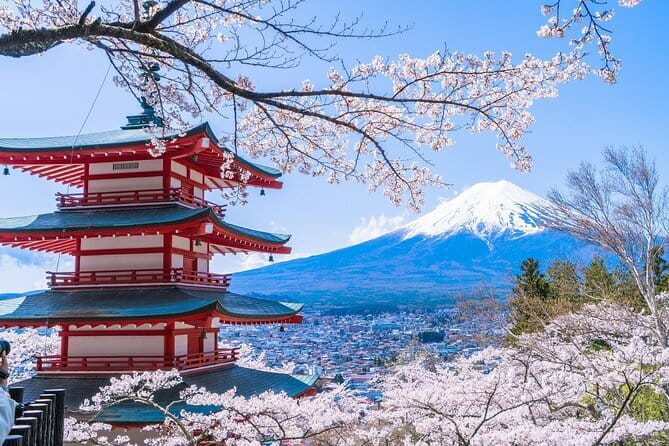
- Arakurayama Sengen Park: Pagoda-Style Fuji From a Hilltop Angle
- Nichikawa Clock Shop: A Short Stop With a Different Fuji Perspective
- Oshino Hakkai: Springs, Walks, and a Complimentary Grass Cake
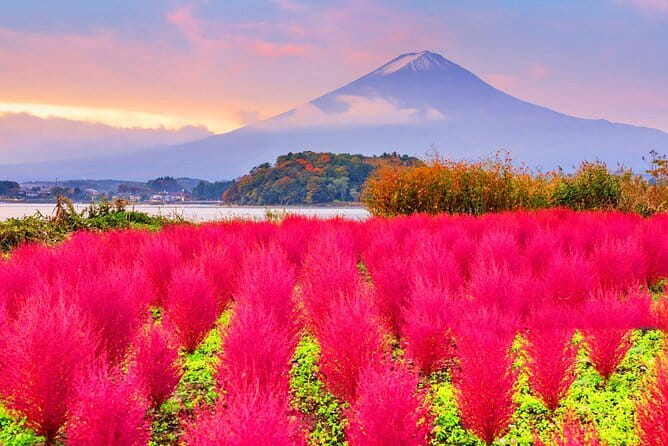
- Lake Kawaguchiko and Oshi Park: Seasonal Flowers and the Classic Lake Shot
- Lawson Fujikawaguchiko: The Quick Fuji-Backdrop Photo Stop
- Guides, Pace, and Group Size: When the Day Feels Smooth
- Weather Reality: Fuji Might Hide, but Your Day Still Has Scenes
- Price and Value at $56.14: Is It Worth It?
- Should You Book This Mt. Fuji Full-Day Tour?
- FAQ
- How long is the Mt. Fuji full-day tour from Tokyo?
- Where do I meet the tour?
- What’s included in the price?
- Is lunch included?
- Do I need tickets for Lake Kawaguchi?
- Can I count on seeing Mount Fuji?
- How big is the group?
- What if traffic makes the return late?
- Is there free cancellation?
Key highlights that actually matter
- Five Fuji viewpoints in one day, plus a quick Lawson photo stop at the foot of the mountain.
- Arakurayama Sengen Park + pagoda angle early on, with time to climb and frame.
- Oshino Hakkai springs with a complimentary grass cake and time to slow down.
- Short Nichikawa Clock Shop stop for a different, street-level Fuji perspective.
- Lake Kawaguchiko / Oshi Park seasonal flowers, with extra note about possible festival dates.
- No included lunch, so plan for your own food or optional purchases while keeping cash handy.
What This 11-Hour Fuji Route Gets You From Tokyo
At $56.14, this is the kind of day tour that only makes sense if you want convenience and you want multiple viewpoints without doing the legwork. You’re paying mainly for transportation (round-trip), a guide, and the logistics of moving a group through peak areas.
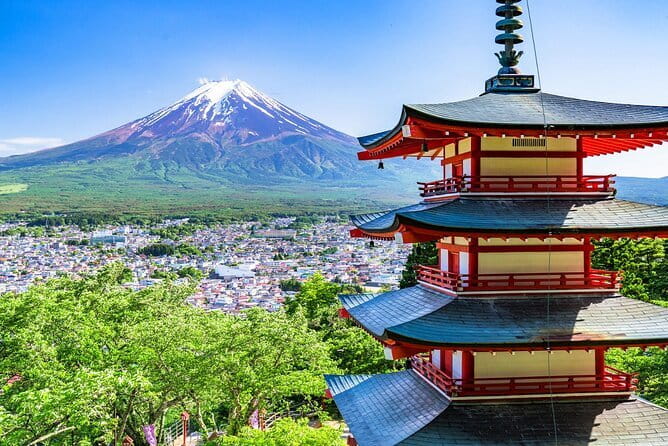
The route is built around variety: a hilltop temple view (with that iconic pagoda composition), a town-street angle, spring-fed ponds, a lakeside photo zone, and a classic roadside retail backdrop. That mix is useful because even when Fuji is partly blocked, you still get scenes with mountain presence and changing light.
The other thing that matters is pacing. It runs about 11 hours, and each stop has a set time window. If you like to linger, you’ll probably wish for more minutes. If you like structure and maximizing a single day, the schedule is your friend.
More Fuji day trips our readers rated highly
- Mt Fuji and Hakone 1-Day Bus Tour Return by Bullet Train
★ 5.0 · 26,383 reviews - Mt Fuji & Hakone Cruise, Drum Show Bullet Train 1 Day from Tokyo
★ 4.0 · 7,413 reviews - Tokyo Mt Fuji 5th St & Hakone Cruise Bus Tour w/Bullet Train
★ 4.4 · 5,024 reviews - From Tokyo: Mount Fuji Full-Day Sightseeing Trip
★ 4.5 · 4,970 reviews
Tokyo Station to Shinjuku: Getting Oriented Before Fuji Views
The day starts at Tokyo Station, meeting at Marunouchi Front Square at about 8:00. The guide holds a yellow Gogoday flag, and you’re expected to arrive about 15 minutes early so the bus doesn’t have to wait.
Around 8:40 there’s a stop for the Shinjuku love sculpture. It’s brief, but it’s a helpful warm-up: you get that first look at the day’s photo mood before heading out toward Yamanashi.
Why I like this kind of opener: you’re not arriving hungry, scattered, or out of sync. You’ll also avoid the common Tokyo-to-Fuji stress—your navigation is handled for you, and that’s a big value piece.
Arakurayama Sengen Park: Pagoda-Style Fuji From a Hilltop Angle
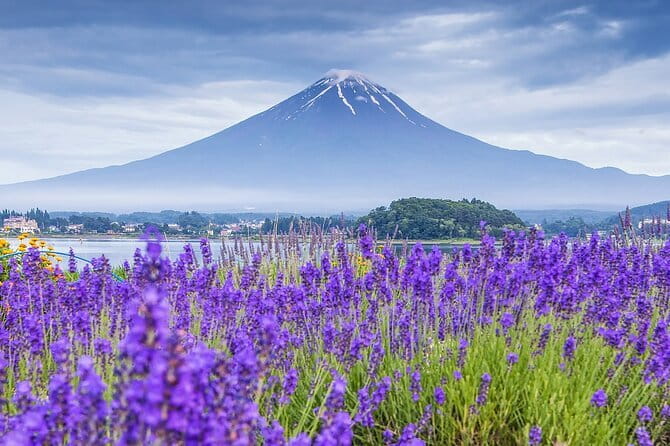
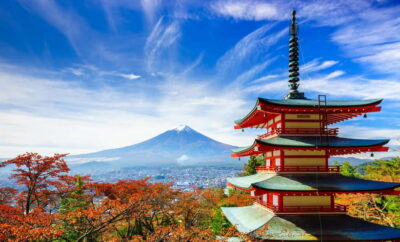
This is your first big viewpoint. Arakurayama Sengen Park is built for photographers because it gives you that classic layered composition: pagoda, hillside paths, and Mount Fuji in the background when visibility cooperates.
You’re there for about an hour total, which sounds generous until you factor in crowd flow. On busy days, people queue for the best photo angles, and the lines can eat into the climb-and-shoot rhythm.
Practical tips that help here:
- Wear shoes that handle steps and uneven ground.
- If Fuji is clear, prioritize the pagoda framing first, then use the extra time for side angles.
- Bring a lens hood or a simple way to block glare if the sun hits you while you’re climbing.
One more reality check: this stop is popular, so it can be busy. Plan to move with the flow rather than trying to freeze time in one spot.
Nichikawa Clock Shop: A Short Stop With a Different Fuji Perspective
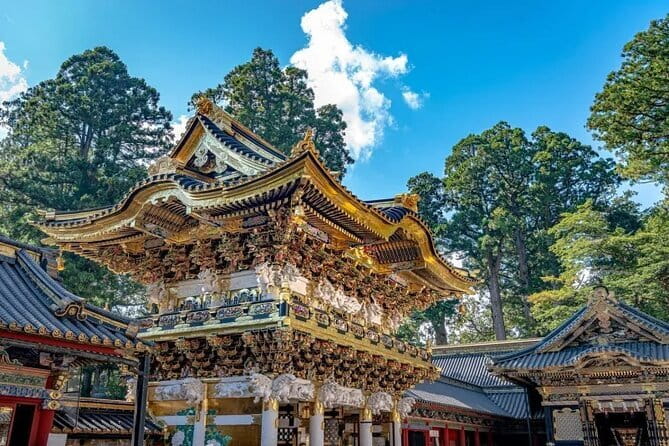
Nichikawa Clock Shop is the contrast stop. Instead of chasing the big postcard view, you’re looking for hidden angles—street scenes where Mount Fuji shows up as a background element rather than the full star of the show.
The time here is short (around 20 minutes). That’s enough for a few quick frames and a walk around, but it won’t be enough if you want to browse slowly or linger in crowds.
Why this stop can be worth it: it diversifies your photos. A day that’s only lakes and hills can look repetitive in your camera roll. A town-street angle makes the set feel more lived-in.
If clouds roll in, this is also the stop where you can still get interesting compositions even when Fuji isn’t fully visible all day.
Oshino Hakkai: Springs, Walks, and a Complimentary Grass Cake
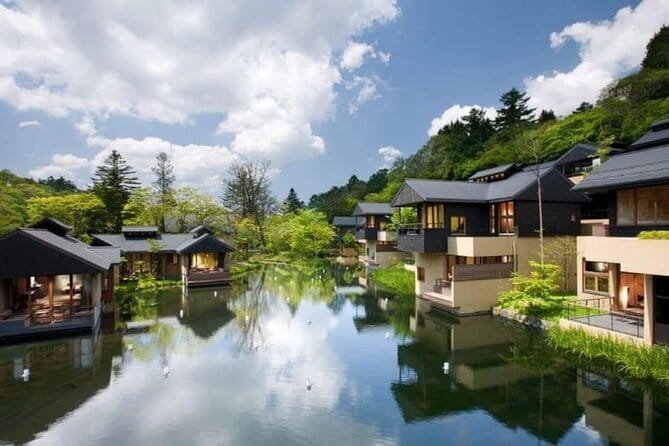
Oshino Hakkai is where the day shifts from “shoot and move” to “pause and soak it in,” at least for a while. You’ve got about 90 minutes here, which is a real chunk of time compared to the earlier stop.
The name is tied to eight springs formed by snowmelt, and that matters for the vibe: the area feels watery and calm. It’s also a strong photo stop because the pond surfaces and stone-lined paths can reflect the mountain when visibility is good.
You’ll also get a complimentary grass cake here (it’s included). It’s a small thing, but it’s one of those details that makes the stop feel intentional rather than purely scenic.
One drawback to keep in mind: popular pond areas attract crowds fast. If you’re sensitive to shoulder-to-shoulder walking, arrive ready to step aside and shift positions. You may also want to keep your camera ready; the views can change quickly when the weather moves.
Readers also shortlisted these Tokyo bookings:
- Mount Fuji Full-Day Private Tour from Tokyo (Customizable)★ 4.9 · 1,470 reviews
- From Tokyo: Mount Fuji Full Day Customizable Private Tour★ 4.9 · 912 reviews
- Tokyo Private Full-Day Tour by Car or Van★ 5.0 · 684 reviews
- From Tokyo: Must-Visit Mount Fuji Highlight Full-Day Tour★ 4.7 · 532 reviews
- Tokyo: Mount Fuji and Hakone Full Day Tour with Ramen Making★ 4.5 · 476 reviews
Lake Kawaguchiko and Oshi Park: Seasonal Flowers and the Classic Lake Shot
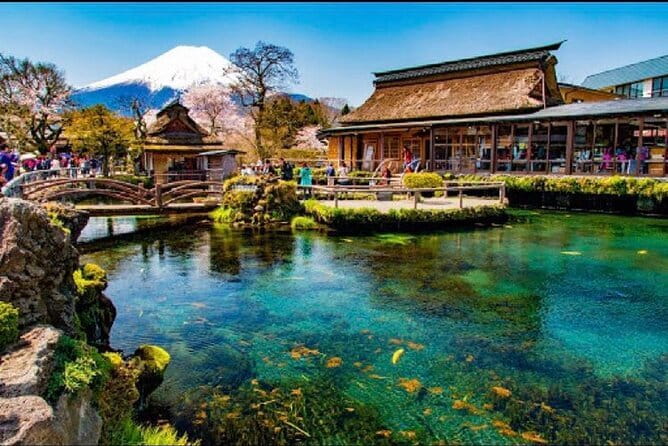
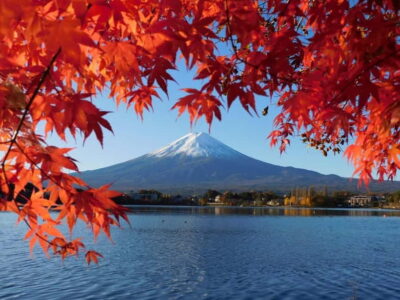
Lake Kawaguchiko is the big “postcard possibility” portion of the day. You’ll be there around 14:30, with about 50 minutes at Oshi Park. Tickets for this part aren’t included, and the seasonal timing matters.
Depending on the season, you may see different blooming themes (the tour notes flowers like lavender, broom grass, crabapple blossoms, and cosmos). In peak seasonal periods, crowds can be intense, and 50 minutes goes fast.
This is the stop where you want to be decisive:
- If Fuji is visible, don’t spend the first five minutes deciding where to stand.
- Take your main shot, then circle once for alternative framing.
- If Fuji is hidden, switch to shoreline compositions and focus on the atmosphere—there’s still a lot to capture even without a perfect summit view.
Also note the tour mentions a Lake Kawaguchi Cherry Blossom Festival ticket fee in some cases ($9 per person). If you’re traveling around festival time, double-check what’s included for your date.
Lawson Fujikawaguchiko: The Quick Fuji-Backdrop Photo Stop
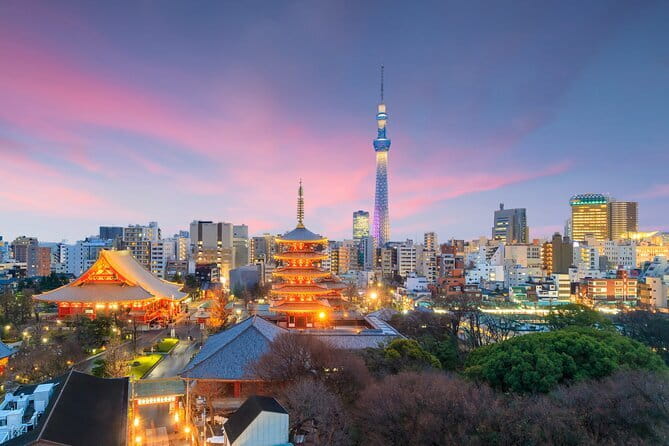
Yes, it’s a convenience store stop. And yes, it works for photos. Lawson at the foot of Mount Fuji is a known backdrop spot, and the tour uses it as a quick photogenic break.
You get about 20 minutes here. That’s just enough time to grab the classic framing and keep moving—no long wandering required.
What I like about adding this kind of stop is that it gives you a modern, everyday Japan feel. A day full of temples and nature can blur together; a street-level shot makes your set feel more like a real day out, not only a highlight reel.
Guides, Pace, and Group Size: When the Day Feels Smooth
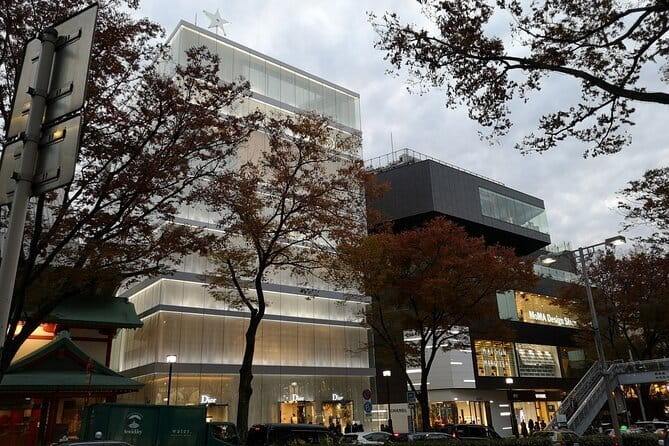
This is a group tour with a maximum size around 45. That’s big enough for energy and big-enough crowd moments, but small enough that you can still hear instructions and get help locating photo angles—especially with a guide who stays active.
One thing that comes through strongly is that guides can make or break the experience. Names that show up in people’s reports include David, Seki, Luna, Christy, Lyn, and James, and the most praised guides tend to do three things well:
- keep the group on track between locations,
- offer practical photo guidance,
- and explain what you’re seeing in a clear, friendly way.
Still, there are trade-offs. If the morning feels disorganized, or if the day hits major crowd peaks, you can feel rushed at stops. Some people also mention that the Lawson stop could be shortened to add time elsewhere. That’s a fair concern, especially if you’re hoping for a slow, calm Fuji walk instead of a fast photo sprint.
My advice: treat this as a structured “great hits” day. If you’re expecting a relaxed wander with unlimited time at each viewpoint, you might end up frustrated.
Weather Reality: Fuji Might Hide, but Your Day Still Has Scenes
The tour is honest about weather: visibility of Mount Fuji can’t be guaranteed. That’s not a small note. It’s the whole game.
On clearer days, you can get multiple chances at Fuji across the route. On cloudy days, you might see only partial views, or Fuji might vanish during certain segments. When that happens, your day still isn’t wasted because:
- Oshino Hakkai stays scenic even when the summit is muted,
- Oshi Park still offers seasonal colors,
- and Nichikawa can produce street compositions with or without a full, dramatic silhouette.
The best mindset is this: aim for variations, not one perfect miracle shot. I’d also set expectations that you might get peaks at multiple stops rather than a continuous clear view.
And pack for temperature shifts. Some reports mention cold conditions, which makes sense for a long bus day plus outdoor walking around parks and lakes.
Price and Value at $56.14: Is It Worth It?
Here’s the practical value math. Your base price ($56.14) includes air-conditioned transportation, pickup and drop-off at two designated points, and a multilingual guide plus driver. For a Tokyo-to-Fuji day, that bundle can be hard to beat if you don’t want to deal with transfers, schedules, and parking.
What’s not included is important:
- Food and drinks aren’t included.
- Lake Kawaguchi Cherry Blossom Festival ticket might cost extra ($9 per person) depending on your date.
- Oshi Park has an admission ticket note as not included.
Lunch is especially key. The tour notes that lunch isn’t provided, and you can bring your own food, buy something along the way, or choose a restaurant recommended by the guide at your discretion. Because cash is recommended, you’ll want some on hand for snacks, drinks, and convenience purchases.
So who is this best for?
- You want multiple Fuji viewpoints without DIY planning.
- You’re short on time in Tokyo and want one organized full day outside the city.
- You care about photo opportunities and like having a plan that moves.
If you’re the kind of traveler who wants to travel at your own pace and spend hours in one place, you might prefer a rental-car or train-based approach. But if you’re optimizing for effort saved, this tour is built for you.
Should You Book This Mt. Fuji Full-Day Tour?
Book it if you want a high-effort-feels-low-effort day. The structure—five stops, guide navigation, and round-trip transport—means you’re far more likely to get usable photos across a range of locations, not just one lucky viewpoint.
I’d skip or at least reconsider if any of these are true:
- You need the mountain perfectly visible for your trip to feel successful.
- You hate crowd scenes and are easily irritated by limited time windows.
- You’re expecting lunch to be handled and included for you.
If you’re flexible on weather and you’re honest with yourself about pacing, this is a strong way to see Mt. Fuji from multiple angles in one shot—without wrestling with the logistics of getting there and back.
FAQ
How long is the Mt. Fuji full-day tour from Tokyo?
It runs about 11 hours (approximately), from the early meeting time in Tokyo through the return later in the evening.
Where do I meet the tour?
You meet at Tokyo Station, Marunouchi Front Square. The guide holds a yellow flag with the Gogoday logo.
What’s included in the price?
Air-conditioned transportation, pickup and drop-off at 2 designated points, a multilingual tour guide, and the driver. Some attraction admissions are noted as free in the itinerary.
Is lunch included?
No. Food and drinks aren’t included. You can bring your own food, purchase something along the way, or visit a restaurant recommended by the guide at your own discretion.
Do I need tickets for Lake Kawaguchi?
The tour notes that a Cherry Blossom Festival ticket (where applicable) is $9 per person, and it also notes that a Lake Kawaguchi/Oshi Park admission ticket is not included.
Can I count on seeing Mount Fuji?
No. Visibility isn’t guaranteed due to unpredictable weather.
How big is the group?
The tour has a maximum of 45 travelers.
What if traffic makes the return late?
Weekend and holiday traffic may delay the return time past 9 p.m. The tour notes overtime fees are covered for the guide and driver, and you should avoid planning activities right after.
Is there free cancellation?
Yes. You can cancel up to 24 hours in advance for a full refund, as long as you cancel at least 24 hours before the experience start time.
More Tours in Tokyo
- Mt Fuji and Hakone 1-Day Bus Tour Return by Bullet Train
★ 5.0 · 26,383 reviews - 1-Day Tokyo Bus Tour
★ 5.0 · 14,250 reviews - Tokyo: Shinjuku Food Tour (13 Dishes at 4 Local Eateries)
★ 5.0 · 6,603 reviews - Tokyo Mt Fuji 5th St & Hakone Cruise Bus Tour w/Bullet Train
★ 4.4 · 5,024 reviews - Flagship 2-Hours Official Street Go-Kart Tour – Tokyo Bay Shop
★ 5.0 · 4,974 reviews
More Tour Reviews in Tokyo
- Mt Fuji and Hakone 1-Day Bus Tour Return by Bullet Train
★ 5.0 · 26,383 reviews - 1-Day Tokyo Bus Tour
★ 5.0 · 14,250 reviews - Tokyo: teamLab Planets TOKYO Digital Art Museum Entry Ticket
★ 4.6 · 9,779 reviews - Mt Fuji & Hakone Cruise, Drum Show Bullet Train 1 Day from Tokyo
★ 4.0 · 7,413 reviews - Tokyo: Shinjuku Food Tour (13 Dishes at 4 Local Eateries)
★ 5.0 · 6,603 reviews
More Mount Fuji Days We Have Reviewed
- Mt Fuji and Hakone 1-Day Bus Tour Return by Bullet Train
★ 5.0 · 26,383 reviews - Mt Fuji & Hakone Cruise, Drum Show Bullet Train 1 Day from Tokyo
★ 4.0 · 7,413 reviews - Tokyo Mt Fuji 5th St & Hakone Cruise Bus Tour w/Bullet Train
★ 4.4 · 5,024 reviews - From Tokyo: Mount Fuji Full-Day Sightseeing Trip
★ 4.5 · 4,970 reviews - Tokyo: Mt. Fuji Tour, Hakone Ropeway, Owakudani, Lake Ashi
★ 4.7 · 4,002 reviews
Latest Tokyo reviews off our desk

Mount Fuji Tours, compared.
 ★ 5.0Mt Fuji and Hakone 1-Day Bus Tour Return by Bullet TrainFrom $16326,383 reviews
 ★ 4.0Mt Fuji & Hakone Cruise, Drum Show Bullet Train 1 Day from TokyoFrom $1497,413 reviews
 ★ 4.4Tokyo Mt Fuji 5th St & Hakone Cruise Bus Tour w/Bullet TrainFrom $1545,024 reviews
 ★ 4.5From Tokyo: Mount Fuji Full-Day Sightseeing TripFrom $684,970 reviews
 ★ 4.7Mt. Fuji Tour, Hakone Ropeway, Owakudani, Lake AshiFrom $544,002 reviews
 ★ 4.4Mt.Fuji,Kawaguchiko Oishi Park,Arakurayama Sengen ParkFrom $542,682 reviews
 ★ 4.2Mt. Fuji 5th Station & Hakone Cruise 1-Day Bus TourFrom $1292,381 reviews
 ★ 4.7Mt Fuji Top 5 Spots Day Tour: Arakurayama Park,Oshino HakkaiFrom $532,066 reviews