
Reviewed · MOUNT FUJI TOURS
From Tokyo:private Mount Fuji tour with guide
Some days, Japan feels perfectly staged. This one is built for flexible Fuji viewing with a private car and a real guide. I like that you can control the pace at each stop instead of getting rushed through. I also love the mix of iconic sights and quieter moments, from Chureito Pagoda’s framed peak to Oshino Hakkai’s calm ponds. One catch: it’s a long day with a lot of stops, so if you’re seeking slow-and-drift time only, you may feel a bit packed in.
The tour runs about 10 hours from Tokyo with hotel pickup and drop-off, plus an English-speaking driver and water in an air-conditioned vehicle. In practice, that means you’re spending more time looking at Mount Fuji and less time figuring out buses, connections, and where to stand for the best shots. The main drawback to plan around is timing and traffic, plus certain attractions have tickets that are not included.
In This Review
- Key Highlights That Make This Day Trip Work
- Why a Private Fuji Day From Tokyo Feels Easier
- Getting Picked Up in Tokyo Without Headaches
- Oshino Hakkai: Fuji Snowmelt Ponds and Village Calm
- Mount Fuji View Time: Guided Focus Plus Free Browsing
- Lake Kawaguchiko and Oishi Park: The Mirror-Mountain Goal
- Kitaguchi-hongu Fuji Sengen Shrine: A Break From Photo Mode
- Chureito Pagoda: The Classic Framed Fuji Shot
- Gotemba Premium Outlets: A Sensible Time Block for Shopping
- Lake Ashi and Hakone: Fuji Views Meet Volcano Country
- Owakudani, Hakone Glass Museum, and Hakone Shrine
- Transportation, Timing, and What to Watch For
- Price: What $332 Buys (and What It Doesn’t)
- What to Bring and How to Dress for a Day Like This
- Who This Tour Suits Best
- Should You Book This Fuji and Hakone Private Tour?
- FAQ
- How long is the Mount Fuji tour from Tokyo?
- Is this a private group tour?
- What’s included in the price?
- Do I need to buy tickets for the Ropeway or boat?
- Can the tour go to the 5th station in summer?
- Where does pickup happen?
- What languages does the guide speak?
Key Highlights That Make This Day Trip Work
- Private chartered car: you set the tempo, and your guide helps you choose what to prioritize
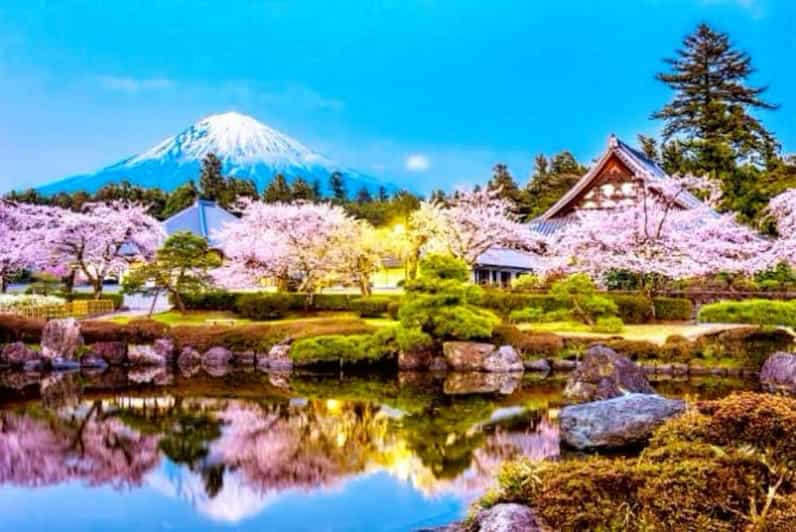
- Chureito Pagoda viewpoint: the classic Mount Fuji framing shot, with seasonal scenery nearby
- Oshino Hakkai ponds: snowmelt-fed water in a traditionally styled village setting
- Kitaguchi-hongu Fuji Sengen Shrine: a cedar forest pilgrimage stop for calmer, spiritual pacing
- Lake Kawaguchiko and Oishi Park: strong chances for mirror views and lakeside wandering
- Hakone add-ons in the same day: Lake Ashi photo stop, Hakone Ropeway, Owakudani Valley, and more
Why a Private Fuji Day From Tokyo Feels Easier
If you’re doing Mount Fuji from Tokyo, logistics can eat the best parts of the day. This experience solves that with a private group and a chartered car that brings you straight into the Fuji/Hakone zone without you bouncing between train transfers. Hotel pickup is included, so you start the day already pointed in the right direction.
The other big advantage is flexibility. The day is structured with guided portions and free time, but you’re not locked into a rigid “see everything, sprint everywhere” schedule. Your guide can help you slow down at the spots that hit you, and keep moving when you’re short on time. That matters because Mount Fuji views depend on clouds, season, and just plain luck.
One more practical detail: the vehicle includes WiFi when needed and comes with bottled water. It sounds small, but on a long day, it reduces friction—especially if you’re checking weather moments or mapping quick photo stops.
More Fuji day trips our readers rated highly
- From Tokyo: Full-Day Mount Fuji Tour in English or Spanish
★ 4.7 · 101 reviews - Tokyo: Mount Fuji & Hakone Private Car Day Tour Lowest Price
★ 5.0 · 31 reviews - Tokyo: Mt. Fuji Summer Trip 5th Station & Lake Kawaguchi
★ 3.8 · 28 reviews - Tokyo: Private Mt. Fuji Luxury Day Tour – Fully Customizable
★ 4.9 · 17 reviews
Getting Picked Up in Tokyo Without Headaches
Pickup is offered from your hotel or apartment in Tokyo’s 23 wards. That’s convenient if you’re staying central, and it avoids the stress of finding a station meeting point. The tour is also not advertised as an airport/port/station pickup, so double-check your exact location before booking if you’re coming in from elsewhere.
Timing is handled with a little built-in buffer. You wait 10 minutes in the hotel lobby, and the driver waits up to 60 minutes if you’re delayed. Still, traffic can cause the driver to be late by as much as 30 minutes in some cases. I’d plan your day like you’re traveling with a human timetable, not a robot one.
Also note the no-smoking rule in the vehicle. It’s not something most people worry about, but it’s useful to know if you’re sensitive to smoke policies.
Oshino Hakkai: Fuji Snowmelt Ponds and Village Calm
Oshino Hakkai is a stop I’d actively protect time for, because it gives you a different Mount Fuji vibe than the big lookouts. You’ll get a guided tour here, plus about 1 hour of free time for shopping and sightseeing.
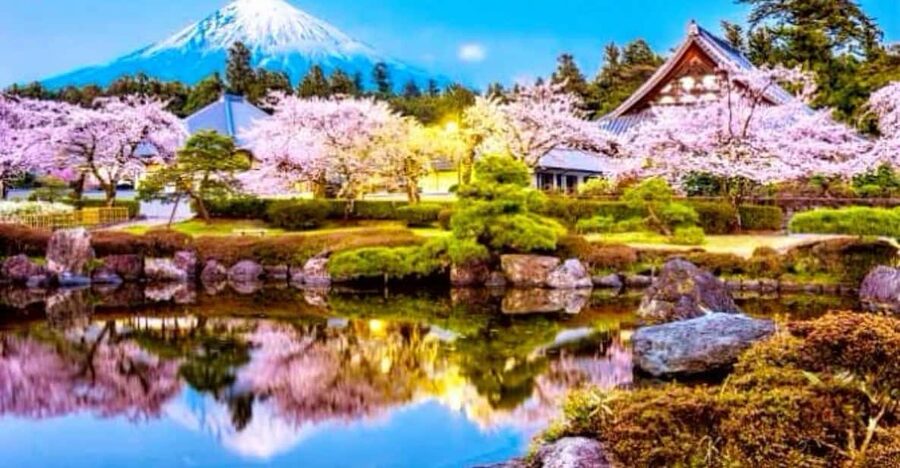
The main idea is that these are crystal-clear ponds fed by snowmelt from Mount Fuji. That “clean water, mirror views” concept is what makes Oshino feel almost unreal on a good day. Even if you’re not a pond person, you’ll likely enjoy the village atmosphere: traditional-looking buildings, gardens, and a slower rhythm than the main Fuji photo sites.
Practical tip: go early in the day if you want quieter photos. This itinerary places Oshino before deeper Fuji viewpoints, which usually helps you catch the area before it gets crowded.
Mount Fuji View Time: Guided Focus Plus Free Browsing
After Oshino, you’ll have another 1 hour block for Mount Fuji with a guided element and free time. The exact angle isn’t listed here, but the structure is clear: you’re meant to get orientation from your guide and then decide how long you need for photos, views, and simply standing still.
This is where private travel pays off. If you catch a better moment of visibility, you can linger. If clouds roll in, you can shift your attention to the next stop without feeling like you’ve “lost” the day.
Clothing note: bring comfortable layers. Even in spring or summer, the Fuji region can feel cooler than central Tokyo, especially when you’re near water.
Lake Kawaguchiko and Oishi Park: The Mirror-Mountain Goal
Lake Kawaguchiko is one of the famous Fuji Five Lakes, and this tour treats it like a key moment rather than a quick photo stop. You’ll spend about 1.5 hours here for guided touring, plus free time for sightseeing and shopping.
The big payoff is the possibility of Mount Fuji reflected in still water. That’s the whole dream with these lakes: calm surfaces, clean lines, and that classic “mountain in the mirror” look. Of course, the view depends on weather and wind, but you’ve built in enough time to catch at least a decent window.
Then you also stop at Oishi Park for about 1 hour. Oishi is typically the kind of place where you can walk a bit and choose your own photo spot. The advantage of having both Lake Kawaguchiko and Oishi Park in the same plan is simple: if one angle isn’t cooperating, you have another.
If you care about photos, wear shoes you can walk in comfortably. Park paths and lakeside edges can be uneven, and you don’t want sore feet stealing your attention from the scenery.
Readers also shortlisted these Fujiyoshida bookings:
- Fuji/Hakone Private Tour, English speaking guide, Photograph★ 4.8 · 11 reviews
- Private Mount Fuji sightseeing Day trip with English Guide★ 5.0 · 8 reviews
- From Tokyo:private Mount Fuji tour with guide★ 4.8 · 4 reviews
Kitaguchi-hongu Fuji Sengen Shrine: A Break From Photo Mode
Right after the lake time, you’ll visit Kitaguchi-hongu Fuji Sengen Shrine. This is a guided stop of about 1 hour, with additional free time.
What makes it meaningful is the setting. You’re in a forest of tall cedar trees, and the shrine is described as an ancient pilgrimage site associated with ascending Mount Fuji. Even if you’re not religious, the atmosphere helps you reset after the more visual parts of the day. It’s a calmer, more grounded way to spend time with Fuji as a cultural symbol, not just a backdrop.
This is also a good moment to slow down and refocus your senses. The cedar shade, the quiet paths, and the shrine architecture all reduce the “checklist” feeling that can happen on busy day trips.
Chureito Pagoda: The Classic Framed Fuji Shot
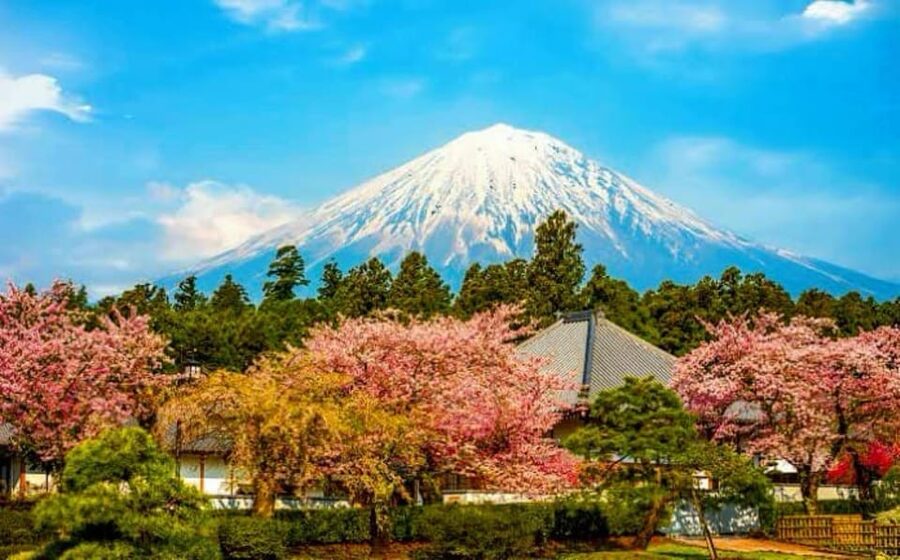
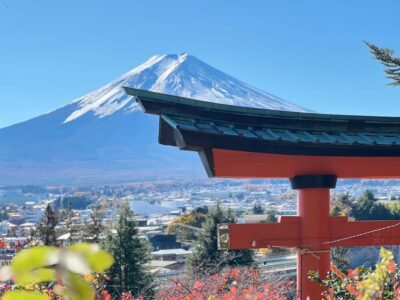
Chureito Pagoda is the headline stop for many people, and the itinerary gives it about 1 hour with a guided visit and free time.
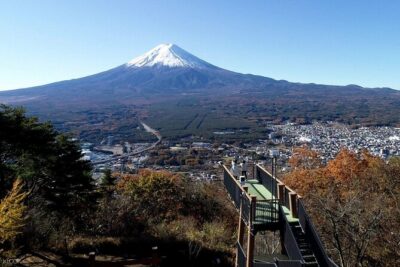
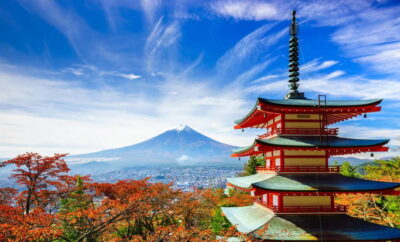
You’ll be looking at a five-story pagoda on a hillside, with Mount Fuji rising behind it. When the conditions are right, it’s one of those postcard views that actually looks like the postcards. The seasonal details matter too: depending on the time of year, you may see cherry blossoms or autumn leaves adding color in the scene.
For the best experience here, don’t just shoot one photo and move on. Walk a little (within whatever viewing areas are available), and let your guide point you toward the angles that tend to work. This is one of those stops where waiting ten more minutes can make the difference between a “nice shot” and a “wow” shot.
Gotemba Premium Outlets: A Sensible Time Block for Shopping
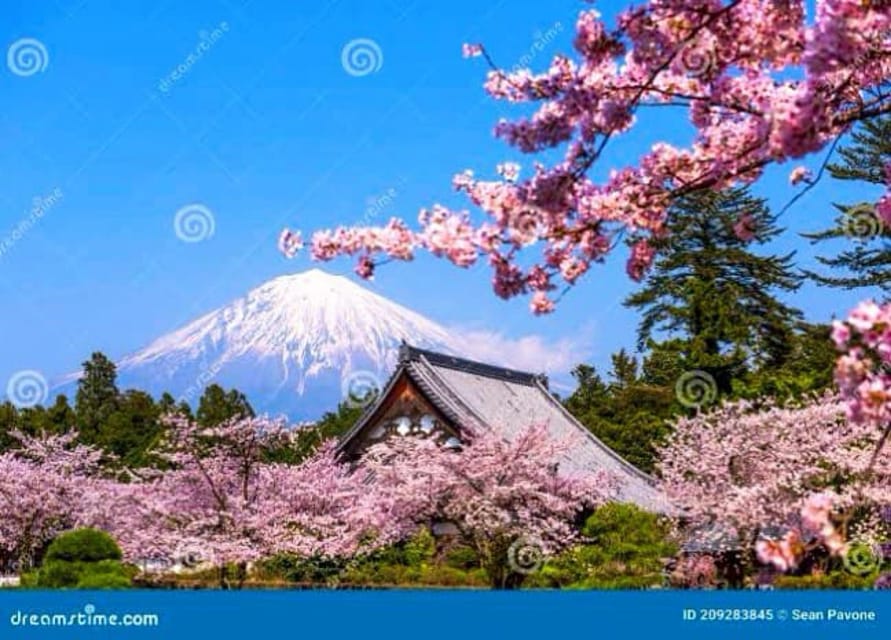
You also get time at Gotemba Premium Outlets (about 3 hours). This is not “just extra.” It’s a practical break built into a long schedule.
If you’re traveling with someone who wants shopping time, this lets them browse without you feeling like you’re sacrificing the Mount Fuji part of the day. If you’re not shopping, you can treat it as a lunch and rest window.
A couple of practical notes: cash is recommended, and you’ll want comfortable shoes because outlet areas can involve lots of walking.
Lake Ashi and Hakone: Fuji Views Meet Volcano Country
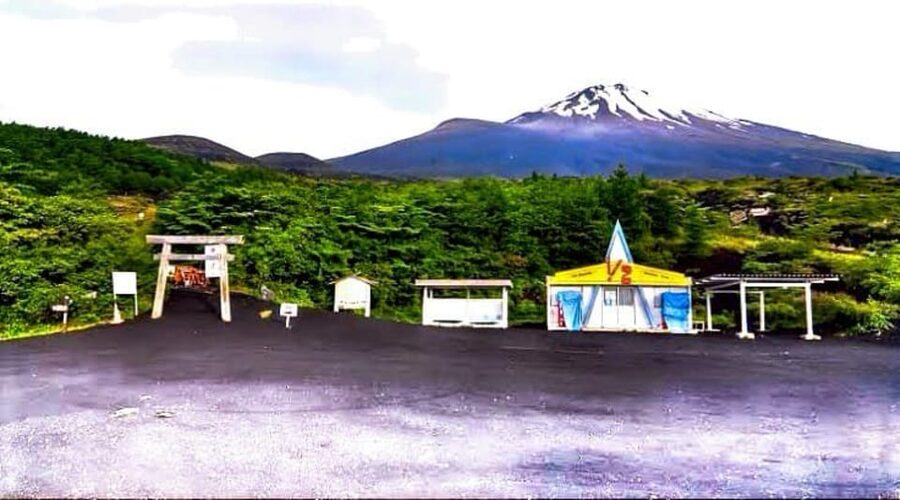
After the Fuji-lake shrine-pagoda sequence, the itinerary shifts toward Hakone. First there’s a Lake Ashi stop, including a photo stop and guided time, plus a hiking option.
Lake Ashi is famous for Mount Fuji reflections on the water in clear weather. Even if you don’t get perfect mirroring, the lake setting still gives you that “different Japan” feeling compared with Fuji lakes closer to Kawaguchiko.
Then the day adds the big Hakone physical sights:
- Hakone Ropeway: you ride a cable car with photo stops and a sight-focused schedule
- Owakudani Valley: photo stop and guided tour, plus steaming sulfur vents mentioned as part of the experience
One important note: ropeway tickets are not included. So if you know you want the Ropeway experience, plan to pay for it on the day. Also, the tour notes that not everything is included beyond the core guided parts and transfers.
Owakudani, Hakone Glass Museum, and Hakone Shrine
After the ropeway, you’ll spend guided time around Owakudani Valley. The emphasis here is on the volcanic landscape and the steaming sulfur vents. This part of the day is the contrast to the calm water-and-cedar atmosphere earlier.
Next is Hakone Venetian Glass Museum (Glass Forest), with photo stop, guided time, and sightseeing. The listing doesn’t describe the museum content in detail, but it does make it clear you get structured time inside the attraction area rather than a quick stop.
Finally, you’ll visit Hakone Shrine with guided touring and time for sightseeing and walking. Like the Fuji shrine earlier, this offers a cultural pause, but in a different setting. If you like walking and gentle exploration, this is one of the nicer ways to use the back half of the day besides only taking photos.
Transportation, Timing, and What to Watch For
This is a single-day mix of Fuji and Hakone. That’s great for variety, but it also means you’re packing in distance and decisions. The itinerary lists many stops, and while you have guided time plus free time, you should expect the day to feel full.
Here’s what can affect your schedule:
- Traffic delays: the driver can be late up to about 30 minutes due to highways
- 5th station access rules in summer: from July 1 to September 10, private vehicles cannot go to the 5th station
- If you do want the 5th station, you’d take a shuttle bus from Mount Fuji’s parking lot, listed at 1000 yen
Also, some optional upgrades or attractions are ticketed separately, like ropeways or motorboat tickets (both noted as not included). The tour also mentions entry ticket needs for certain areas like Mr Fuji 5th station and Saiko Iyashi no Nemba village, though those aren’t guaranteed to be part of your base experience.
The key is to decide early what you truly care about. If you’re a view person, prioritize pagoda and lakes. If you love volcanic scenery, prioritize Hakone Ropeway and Owakudani. Trying to maximize everything can make the day feel rushed.
Price: What $332 Buys (and What It Doesn’t)
At $332 per group up to 6, this is priced for private convenience rather than cheap public transport. For many people, the value comes from three things working together:
- Hotel pickup and drop-off from Tokyo’s 23 wards
- A private car with an English-speaking driver/guide and A/C
- Structured sightseeing stops with guided time and built-in free time
What’s not included matters because it can add small-to-medium costs depending on your choices. Tickets not included include:
- Mr Fuji 5th station entry ticket (if you’re going)
- Ropeway or motorboat tickets (if you choose those)
- Saiko Iyashi no nemba village entry ticket
So the real cost depends on how many ticketed experiences you actually want. If your priorities are Chureito Pagoda, Oshino Hakkai, Lake Kawaguchiko/Oishi Park, and the shrine moments, you’ll likely feel the pricing matches the convenience. If you want every Hakone/ropeway/more add-on, budget for those ticket extras too.
What to Bring and How to Dress for a Day Like This
The essentials are simple: camera, comfortable clothes, and cash. You’re on the move for much of the day, and you’ll benefit from footwear that can handle walking outdoors.
Because the tour is a mix of lakes, parks, shrines, and volcanic landscapes, consider layers. If it’s sunny, you’ll want light protection. If it’s cloudy, it can feel cooler, especially with wind off the water.
Also remember: no smoking in the vehicle.
Who This Tour Suits Best
This trip is a strong fit if you:
- Want a private day trip without wrestling with public transport
- Like having a guide to help you time stops and understand what you’re seeing
- Want a blend of Fuji icons plus Hakone variety in one day
- Travel as a couple, family, or small group up to six and can share the group cost
It’s less ideal if you:
- Prefer fewer stops and a long unhurried day in nature only
- Have very limited walking tolerance, since you’ll be moving between parks, shrines, and viewpoints
The listing also notes it’s not suitable for people over 95 years.
Should You Book This Fuji and Hakone Private Tour?
I’d book this if your goal is a high-quality Fuji day with low stress: hotel pickup, a driver who gets you where you need to be, and enough free time to breathe at the stops that matter to you. The Chureito Pagoda framing, the Oshino Hakkai ponds, and the lake-and-park viewpoint time are the kind of combination that’s hard to replicate on your own without planning headaches.
I’d think twice if you want a totally relaxed day with minimal driving and minimal paying-at-the-counter tickets. Also, be honest about summer timing: if 5th station is a must for you, plan around the summer restriction and shuttle process.
If you’re flexible, comfortable with a full day, and excited by both Fuji beauty and Hakone’s volcanic scenery, this is a solid value way to do it from Tokyo.
FAQ
How long is the Mount Fuji tour from Tokyo?
The duration is 10 hours.
Is this a private group tour?
Yes. It’s listed as a private group for up to 6 people.
What’s included in the price?
Included items are an English-speaking driver, an air-conditioned vehicle with WiFi when needed, hotel pickup and drop-off, and water.
Do I need to buy tickets for the Ropeway or boat?
Ropeway or motorboat tickets are not included, so you’ll need to pay separately if you want to ride.
Can the tour go to the 5th station in summer?
From July 1 to September 10, private vehicles cannot go to the 5th station. You would need to take a shuttle bus from the parking lot, priced at 1000 yen.
Where does pickup happen?
Pickup is available free from hotels and apartments in Tokyo’s 23 wards. Pickup is not available from airports, ports, or stations.
What languages does the guide speak?
The tour is listed with English, Japanese, Urdu, and Hindi.
More Tours in Fujiyoshida
- From Tokyo: Full-Day Mount Fuji Tour in English or Spanish
★ 4.7 · 101 reviews - Tokyo: Mount Fuji & Hakone Private Car Day Tour Lowest Price
★ 5.0 · 31 reviews - Tokyo: Private Mt. Fuji Luxury Day Tour – Fully Customizable
★ 4.9 · 17 reviews - Tokyo day trip -Mount Fuji Private Tour from Tokyo
★ 4.6 · 16 reviews - Mount Fuji Private Day Tour customized with English driver
★ 4.7 · 15 reviews
More Tour Reviews in Fujiyoshida
- From Tokyo: Full-Day Mount Fuji Tour in English or Spanish
★ 4.7 · 101 reviews - Tokyo: Mount Fuji & Hakone Private Car Day Tour Lowest Price
★ 5.0 · 31 reviews - Tokyo: Mt. Fuji Summer Trip 5th Station & Lake Kawaguchi
★ 3.8 · 28 reviews - Tokyo: Private Mt. Fuji Luxury Day Tour – Fully Customizable
★ 4.9 · 17 reviews - Tokyo day trip -Mount Fuji Private Tour from Tokyo
★ 4.6 · 16 reviews
More Mount Fuji Days We Have Reviewed
- From Tokyo: Full-Day Mount Fuji Tour in English or Spanish
★ 4.7 · 101 reviews - Tokyo: Mount Fuji & Hakone Private Car Day Tour Lowest Price
★ 5.0 · 31 reviews - Tokyo: Mt. Fuji Summer Trip 5th Station & Lake Kawaguchi
★ 3.8 · 28 reviews - Tokyo: Private Mt. Fuji Luxury Day Tour – Fully Customizable
★ 4.9 · 17 reviews - Tokyo day trip -Mount Fuji Private Tour from Tokyo
★ 4.6 · 16 reviews
Latest Fujiyoshida reviews off our desk
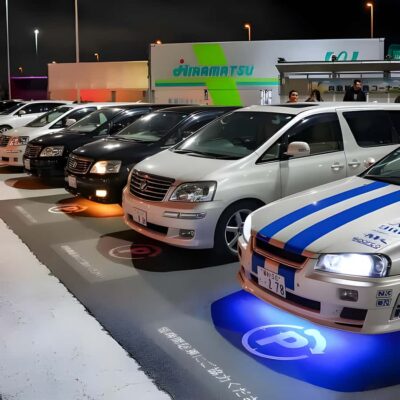
Mount Fuji Tours, compared.
 ★ 5.0Mt Fuji and Hakone 1-Day Bus Tour Return by Bullet TrainFrom $16326,383 reviews
 ★ 4.0Mt Fuji & Hakone Cruise, Drum Show Bullet Train 1 Day from TokyoFrom $1497,413 reviews
 ★ 4.4Tokyo Mt Fuji 5th St & Hakone Cruise Bus Tour w/Bullet TrainFrom $1545,024 reviews
 ★ 4.5From Tokyo: Mount Fuji Full-Day Sightseeing TripFrom $684,970 reviews
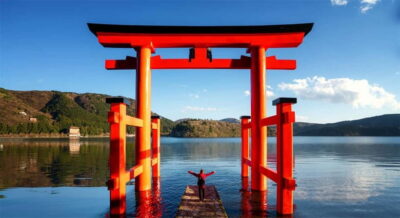 ★ 4.7Mt. Fuji Tour, Hakone Ropeway, Owakudani, Lake AshiFrom $544,002 reviews
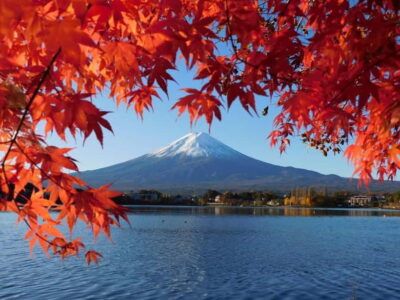 ★ 4.4Mt.Fuji,Kawaguchiko Oishi Park,Arakurayama Sengen ParkFrom $542,682 reviews
 ★ 4.2Mt. Fuji 5th Station & Hakone Cruise 1-Day Bus TourFrom $1292,381 reviews
 ★ 4.7Mt Fuji Top 5 Spots Day Tour: Arakurayama Park,Oshino HakkaiFrom $532,066 reviews