
Reviewed · MOUNT FUJI TOURS
Full-Day Tour to the Picturesque Spots of Mount Fuji
Mount Fuji day trips can be stress-free. This one strings together Lake Kawaguchiko views and the classic Chureito Pagoda photo, so you see the real postcard spots without planning buses and transfers.
I love the quiet stop at Oshino Hakkai, where you get to try the clear springs fed by Mount Fuji, and I love the slow, old-world feel of Saiko Iyashi-no-Sato Nenba, a recreated thatched-roof village. It’s the kind of day where the scenery is only half the story.
The main catch is simple: Mount Fuji visibility depends on the weather. If the day turns hazy or cloudy, your photos may be less dramatic than you hoped.
In This Review
- Key things that make this tour worth your money
- Tokyo departures and the ride that sets the tone
- Saiko Iyashi-no-Sato Nenba: Fuji framed by a Heian-era village
- Lake Kawaguchiko and Oishi Park: the kochia carpet view
- Oshino Hakkai UNESCO springs: cool water and a pause from the rush
- Arakurayama Sengen Park, 400 steps, and the Chureito Pagoda view
- Photo strategy that actually works when Fuji cooperates
- Price and logistics: what $49 buys you (and what it doesn’t)
- Who should book this Mount Fuji full-day tour
- Should you book it?
- FAQ
- Where does the tour start?
- How long is the day?
- What’s included in the price?
- Are meals included?
- Can I taste the water at Oshino Hakkai?
- What if the weather is cloudy?
- Is the itinerary adjusted during maple and cherry blossom seasons?
- Is the tour suitable for wheelchairs or mobility impairments?
Key things that make this tour worth your money
- Saiko Iyashi-no-Sato Nenba recreates a Heian-era countryside with thatched-roof homes and traditional craft atmosphere.
- Oishi Park + Lake Kawaguchiko gives you a calm lakeside walk with one of the most recognizable Fuji reflection viewpoints.
- Oshino Hakkai (UNESCO) offers a short, meaningful break around eight crystal-clear springs, including a chance to taste the water.
- Arakurayama Sengen Park is built for photos: 400 steps up to a view that frames the pagoda with Mount Fuji.
- Arakura Fuji Sengen Shrine (established in 705) adds a spiritual pause before you head back down.
Tokyo departures and the ride that sets the tone
This tour is built around a practical idea: start early enough from Tokyo to reach Mount Fuji-area sights while the light is still friendly. You typically depart around 8:00 AM from Tokyo Station or 8:30 AM from Shinjuku Station, then spend roughly 2 hours each way on transfers, depending on traffic.
That drive time matters. Mount Fuji-area road congestion can be real, especially on weekends and public holidays. The tour plan is flexible when weather or safety requires changes, and that flexibility is useful because cloud cover is part of the deal out here.
You’re riding in a comfortable, air-conditioned vehicle with a professional multilingual guide (English and Chinese), and round-trip transfers are included. That means you’re paying for a full package, not just a seat on a bus.
More Fuji day trips our readers rated highly
- Mt Fuji and Hakone 1-Day Bus Tour Return by Bullet Train
★ 5.0 · 26,383 reviews - Mt Fuji & Hakone Cruise, Drum Show Bullet Train 1 Day from Tokyo
★ 4.0 · 7,413 reviews - Tokyo Mt Fuji 5th St & Hakone Cruise Bus Tour w/Bullet Train
★ 4.4 · 5,024 reviews - From Tokyo: Mount Fuji Full-Day Sightseeing Trip
★ 4.5 · 4,970 reviews
Saiko Iyashi-no-Sato Nenba: Fuji framed by a Heian-era village
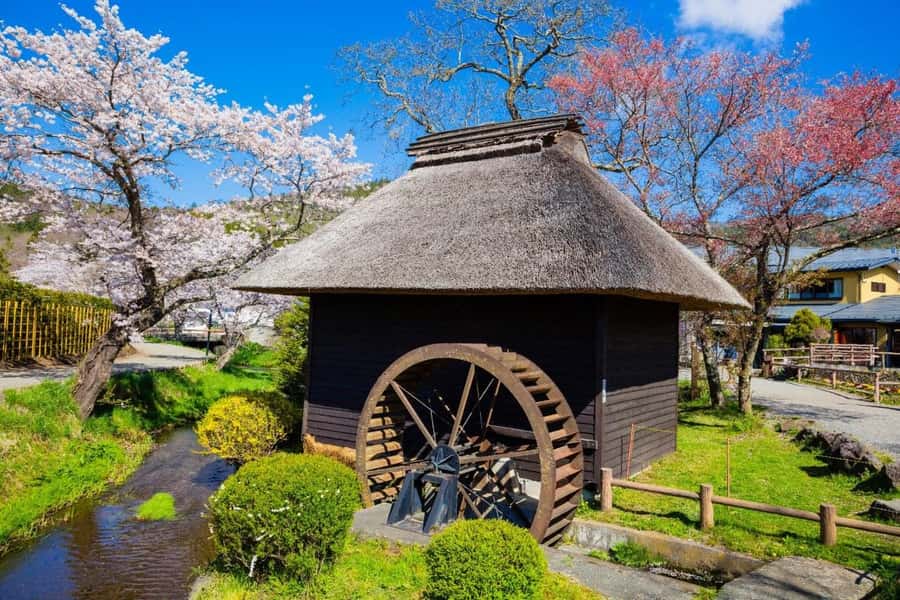
The first stop is Saiko Iyashi-no-Sato Nenba, a meticulously reconstructed Heian-era village built with thatched-roof houses. Instead of racing through a souvenir street, you get a gentle walk through a calmer, countryside-style setting that makes Mount Fuji feel like part of the scene, not just something you look at from far away.
On clear days, the layout creates a natural “frame” effect: the two traditional thatched-roof houses line up visually with Mount Fuji in the distance. Even if the sky isn’t perfectly clear, the village atmosphere does a good job of keeping the experience satisfying. You’ll also get a sense of traditional countryside life and craftsmanship, which makes the later viewpoints feel less like checkboxes.
Practical note: wear comfortable shoes. Paths can involve uneven areas, and you’ll be on your feet longer than you’d expect from a “short” stop.
Lake Kawaguchiko and Oishi Park: the kochia carpet view
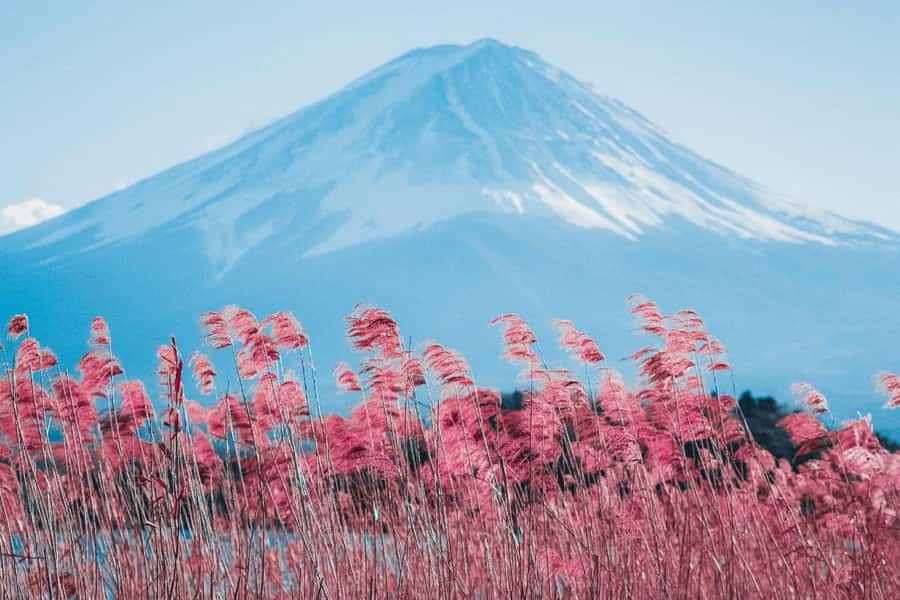
Next comes Lake Kawaguchiko and Oishi Park. The vibe here is simple and very Japanese: a slow stroll, neat plantings, lake air, and that famous Fuji view across the water.
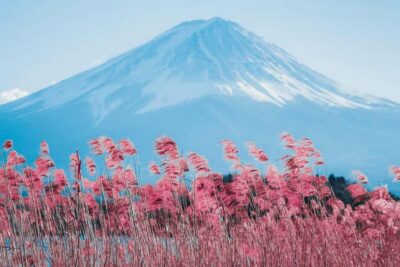
Oishi Park is known for its kochia bushes that can look like a soft carpet as they ripple in the breeze. When the light hits the lake surface, you get shimmering reflections, with Mount Fuji looming serenely across the water. Even without perfect reflection conditions, you still get a strong composition for photos because Fuji sits as a dramatic focal point in the background.
Timing matters for this stop. The schedule gives you about 40 minutes, so you’ll want to decide early where you want your main shots: lake-facing spots and the nearby pathways. If you wander too long searching for the perfect angle, you can run out of time for the full loop.
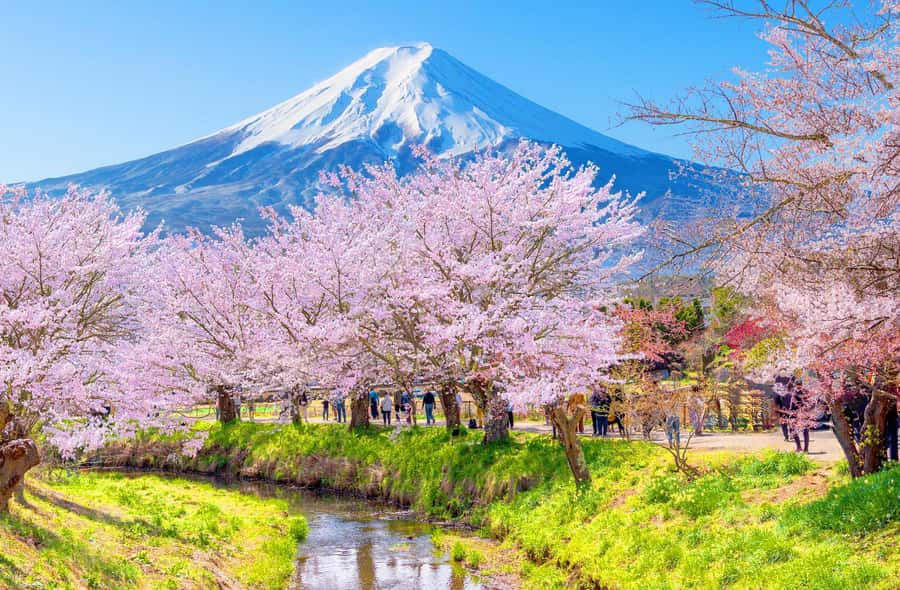
Season swap to know about: during maple season (autumn) and cherry blossom season (spring), this tour may go to Maple Corridor or cherry blossom groves instead of Oishi Park. It’s still centered on Fuji views, just with different seasonal scenery.
Oshino Hakkai UNESCO springs: cool water and a pause from the rush
Then you head to Oshino Hakkai, a UNESCO World Heritage area famous for its eight crystal-clear springs fed by Mount Fuji’s snowmelt. This is the stop that slows the day down in a good way.
The water here isn’t just a pretty picture. There’s a cultural and sensory element: you can taste the clear spring water. The legend attached to it says it can bring good health and long life, which gives the stop a human, story-driven feel rather than feeling like a purely scenic waypoint.
About an hour here is a sweet spot. You don’t need to rush, but you also don’t get stuck for too long in one spot where the rest of the day can feel rushed. If you like experiences with a bit of meaning, this is one of the most grounded parts of the itinerary.
What to watch: Oshino Hakkai can be crowded in peak seasons. If you want calmer photos, you’ll get better results by moving a little away from the most obvious viewing points and letting the group flow pass.
Arakurayama Sengen Park, 400 steps, and the Chureito Pagoda view
This is where the day turns into photo mission mode—minus the chaos.
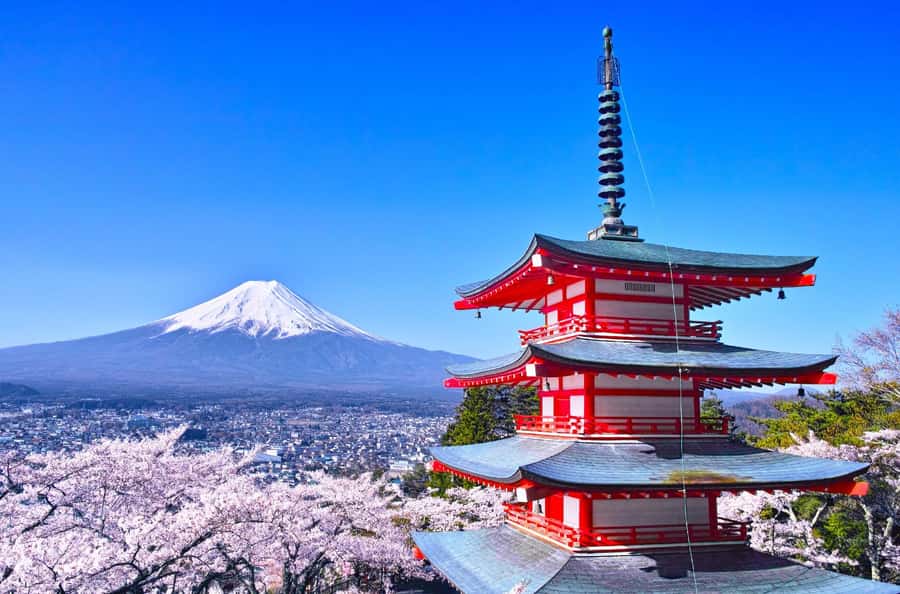
You’ll go to Arakurayama Sengen Park, which includes an uphill climb of about 400 steps to an observation area. As you go up, you’re walking through greenery with birdsong in the air—exactly the kind of short hike that feels like a break, even though it’s still work.
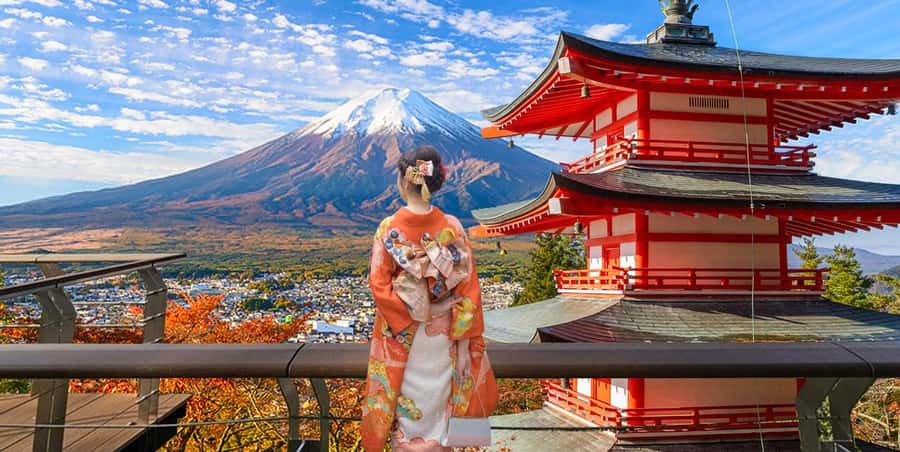
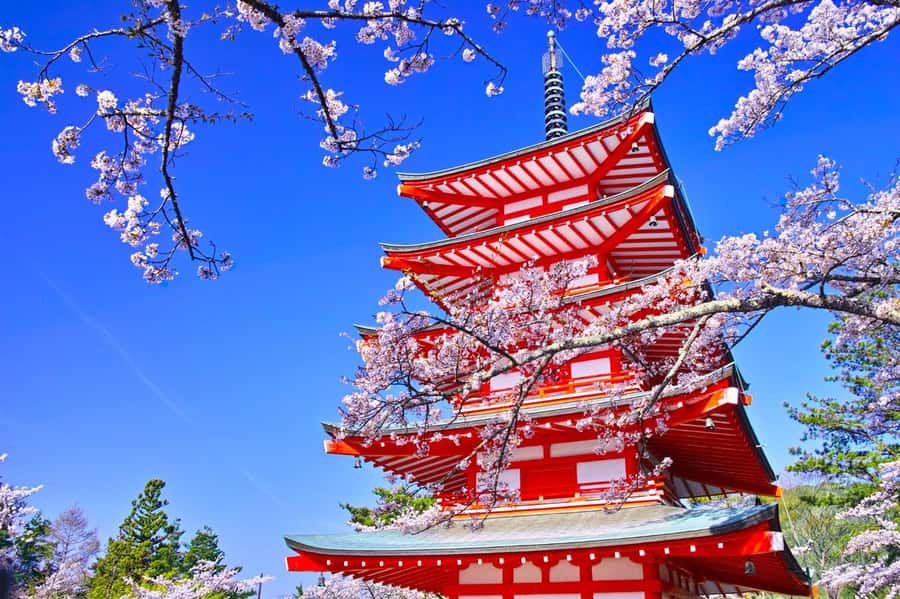
At the top, the payoff is the iconic view: the vermillion five-story pagoda (often known for the Chureito Pagoda look) framed against Mount Fuji. It’s one of those compositions that makes it hard not to take multiple photos, because the angle feels “designed” for postcards.
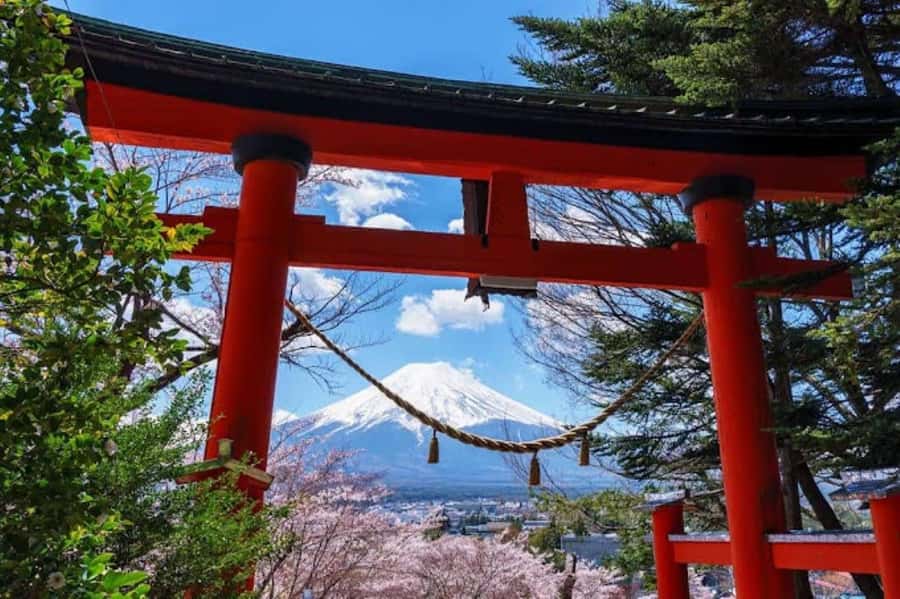
After the climb, there’s also the Arakura Fuji Sengen Shrine. The shrine dates back to 705 and is dedicated to the deity of Mount Fuji. Historically, it also played a role in rituals meant to calm Mount Fuji’s eruptions. Even if you’re not there for religious practice, this is a respectful, atmospheric way to connect the scenery to something older than the photo itself.
Important reality check: the tour isn’t for everyone physically. If you have mobility limitations, pregnancy, or you use a wheelchair, this won’t fit well. The steps and walking add up across the day.
Readers also shortlisted these Tokyo bookings:
- Mount Fuji Full-Day Private Tour from Tokyo (Customizable)★ 4.9 · 1,470 reviews
- From Tokyo: Mount Fuji Full Day Customizable Private Tour★ 4.9 · 912 reviews
- Tokyo Private Full-Day Tour by Car or Van★ 5.0 · 684 reviews
- From Tokyo: Must-Visit Mount Fuji Highlight Full-Day Tour★ 4.7 · 532 reviews
- Tokyo: Mount Fuji and Hakone Full Day Tour with Ramen Making★ 4.5 · 476 reviews
Photo strategy that actually works when Fuji cooperates
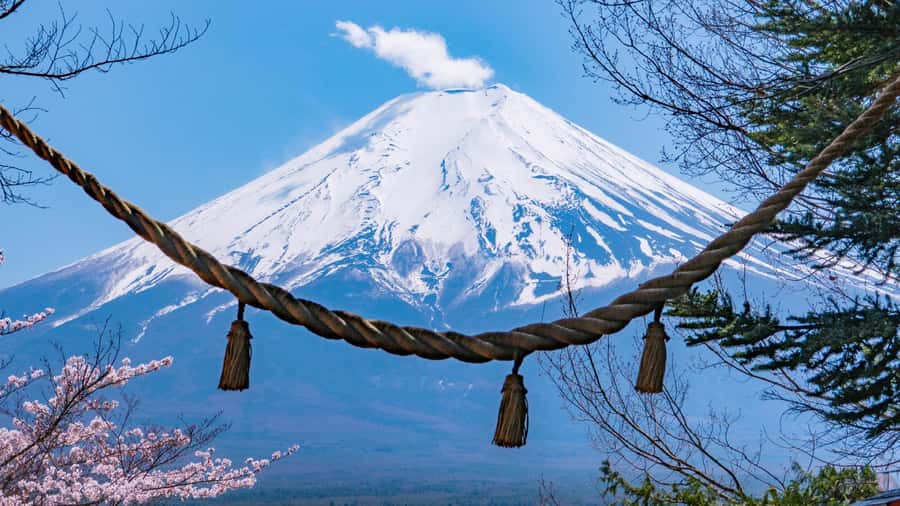
Mount Fuji photography is all about managing what you can control. The tour itself can’t force clouds away, and the information is clear: check forecasts before you go, because visibility varies with weather.
Here’s how I’d play it for better results:
- Dress in comfortable layers. Mountain-area conditions can shift fast, and you’ll be walking uphill.
- Use the most reliable viewpoints earlier in the day, especially the lake and park areas where you’re aiming at a clear background.
- Don’t wait for Mount Fuji to appear. If visibility is weak, focus on composition tricks: pagoda angle, village framing, water texture at Oshino Hakkai.
One more tip: keep your expectations flexible. On some days Fuji looks crisp and dramatic, and on others it turns into a softer silhouette. Either way, you’ll still have meaningful stops, because the village, springs, and shrine aren’t dependent on a perfectly sharp mountain skyline.
Price and logistics: what $49 buys you (and what it doesn’t)
At $49 per person, this is priced like a value-focused, full-day group tour. And the “value” part comes from what’s included.
Included:
- A professional multilingual guide (English and Chinese)
- Entry tickets to attractions
- Round-trip transfers from the meet-up area
- Comfortable A/C vehicle
- Taxes, parking, tolls, gas, and environmental fees
Not included:
- Meals and beverages
- Personal expenses
That means your real day-cost isn’t just the ticket price—you also need budget for lunch and drinks. Also, one practical note: food and drinks aren’t allowed inside the vehicle, so plan on eating during stop times.
Lunch is often the most variable part of any day trip. The tour doesn’t include meals, and depending on timing, you may be given time to find food on your own. In one case, the lunch area involved an amusement-park setting where admission to rides costs extra, so it’s smart to treat lunch time as a chance to eat first, not as an attraction you have to pay for. Bring some cash too. Local merchants may not accept credit cards.
Who should book this Mount Fuji full-day tour
This tour fits best if you want:
- Classic Mount Fuji viewpoints without the stress of independent logistics
- A mix of nature (Lake Kawaguchiko), culture (Nenba village, shrine), and a UNESCO water stop (Oshino Hakkai)
- Guided storytelling in English or Chinese
I’d especially recommend it if you’re short on time in Tokyo. The drive is long, but that’s precisely why a guided day trip can be worth it: you gain structure and transportation, plus you hit multiple “must-see” spots that would otherwise require careful planning.
Skip it if:
- You’re pregnant (it’s listed as not suitable)
- You have mobility impairments or need wheelchair access (it’s listed as not suitable)
- You don’t handle uphill walking well, since Arakurayama involves 400 steps
Also consider the season. Maple and cherry blossom swaps can be great, but crowds can rise fast. Keep evening plans flexible because traffic delays are common.
Should you book it?
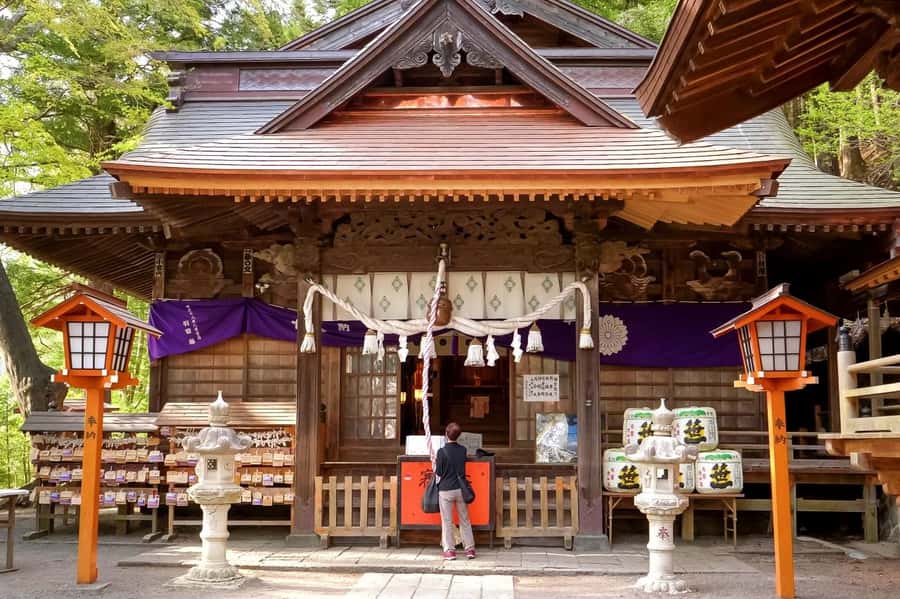
Yes, you should book this tour if your priority is classic Mount Fuji sights in one day with transportation handled, entry tickets taken care of, and a guide keeping the day moving in a sensible order. The big strengths are the cultural stops (Nenba village, Arakura shrine) and the “real content” of Oshino Hakkai’s springs, not just scenery.
Wait or reconsider if your whole trip depends on a sharp, crystal-clear Mount Fuji skyline. Weather can ruin photos. But if you can roll with the mountain being partly hidden, you’ll still get a full day with enough variety that it doesn’t feel like a single-view gamble.
FAQ
Where does the tour start?
It starts at a meet-up point that can vary depending on the option booked, with common departures from Tokyo Station (around 8:00 AM) and Shinjuku Station (around 8:30 AM).
How long is the day?
It’s a full-day tour. You’ll spend about 2 hours transferring each way (traffic can extend it) and the sightseeing stops total several hours across the day.
What’s included in the price?
You get a professional multilingual guide (English and Chinese), entry tickets, round-trip transfers, a comfortable A/C vehicle, and all taxes, parking, tolls, gas, and environmental fees.
Are meals included?
No. Meals and beverages are not included, so you’ll need to plan lunch and drinks on your own.
Can I taste the water at Oshino Hakkai?
Yes. The tour includes time at Oshino Hakkai, where you can try the spring water fed by Mount Fuji.
What if the weather is cloudy?
Mount Fuji visibility can be affected by weather, so you should check forecasts before you go and be ready for views that may be less clear on some days.
Is the itinerary adjusted during maple and cherry blossom seasons?
Yes. During maple and cherry blossom seasons, the tour may go to Maple Corridor or cherry blossom groves instead of Oishi Park.
Is the tour suitable for wheelchairs or mobility impairments?
No. It’s listed as not suitable for wheelchair users and people with mobility impairments, and it also isn’t suitable for pregnant women.
If you tell me your travel month and whether you care more about photos or cultural stops, I can suggest the best way to pace yourself for this specific Mount Fuji day trip.
More Tours in Tokyo
- Mt Fuji and Hakone 1-Day Bus Tour Return by Bullet Train
★ 5.0 · 26,383 reviews - 1-Day Tokyo Bus Tour
★ 5.0 · 14,250 reviews - Tokyo: Shinjuku Food Tour (13 Dishes at 4 Local Eateries)
★ 5.0 · 6,603 reviews - Tokyo Mt Fuji 5th St & Hakone Cruise Bus Tour w/Bullet Train
★ 4.4 · 5,024 reviews - Flagship 2-Hours Official Street Go-Kart Tour – Tokyo Bay Shop
★ 5.0 · 4,974 reviews
More Tour Reviews in Tokyo
- Mt Fuji and Hakone 1-Day Bus Tour Return by Bullet Train
★ 5.0 · 26,383 reviews - 1-Day Tokyo Bus Tour
★ 5.0 · 14,250 reviews - Tokyo: teamLab Planets TOKYO Digital Art Museum Entry Ticket
★ 4.6 · 9,779 reviews - Mt Fuji & Hakone Cruise, Drum Show Bullet Train 1 Day from Tokyo
★ 4.0 · 7,413 reviews - Tokyo: Shinjuku Food Tour (13 Dishes at 4 Local Eateries)
★ 5.0 · 6,603 reviews
More Mount Fuji Days We Have Reviewed
- Mt Fuji and Hakone 1-Day Bus Tour Return by Bullet Train
★ 5.0 · 26,383 reviews - Mt Fuji & Hakone Cruise, Drum Show Bullet Train 1 Day from Tokyo
★ 4.0 · 7,413 reviews - Tokyo Mt Fuji 5th St & Hakone Cruise Bus Tour w/Bullet Train
★ 4.4 · 5,024 reviews - From Tokyo: Mount Fuji Full-Day Sightseeing Trip
★ 4.5 · 4,970 reviews - Tokyo: Mt. Fuji Tour, Hakone Ropeway, Owakudani, Lake Ashi
★ 4.7 · 4,002 reviews
Latest Tokyo reviews off our desk

Mount Fuji Tours, compared.
 ★ 5.0Mt Fuji and Hakone 1-Day Bus Tour Return by Bullet TrainFrom $16326,383 reviews
 ★ 4.0Mt Fuji & Hakone Cruise, Drum Show Bullet Train 1 Day from TokyoFrom $1497,413 reviews
 ★ 4.4Tokyo Mt Fuji 5th St & Hakone Cruise Bus Tour w/Bullet TrainFrom $1545,024 reviews
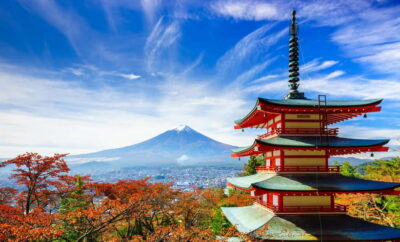 ★ 4.5From Tokyo: Mount Fuji Full-Day Sightseeing TripFrom $684,970 reviews
 ★ 4.7Mt. Fuji Tour, Hakone Ropeway, Owakudani, Lake AshiFrom $544,002 reviews
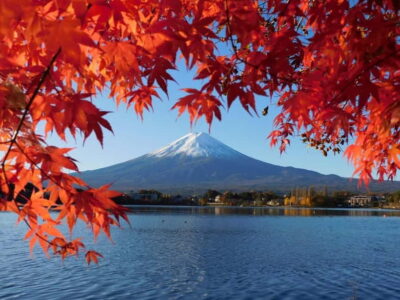 ★ 4.4Mt.Fuji,Kawaguchiko Oishi Park,Arakurayama Sengen ParkFrom $542,682 reviews
 ★ 4.2Mt. Fuji 5th Station & Hakone Cruise 1-Day Bus TourFrom $1292,381 reviews
 ★ 4.7Mt Fuji Top 5 Spots Day Tour: Arakurayama Park,Oshino HakkaiFrom $532,066 reviews