
Reviewed · TOKYO
Geisha Entertainment Experience in Tokyo
Geisha entertainment in a 400-year-old shrine setting.
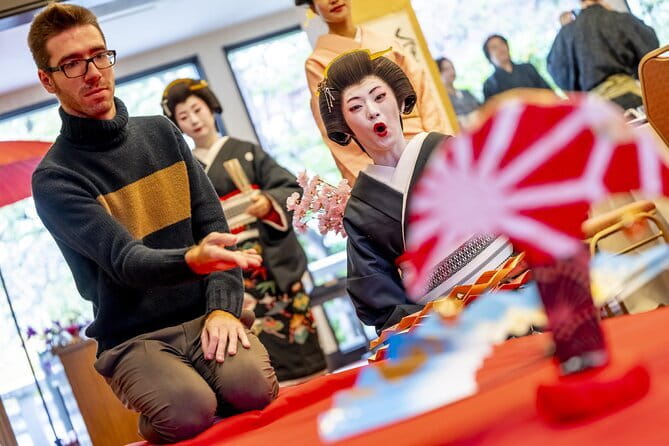
What makes this Tokyo stop feel special is the ozashiki-style vibe and the way the performance pairs dancing and shamisen with Edo-period culture in a calm, intimate room.
I love that you’re not just watching from the sidelines—you get a structured program and a seat in the middle of the experience, with hostesses who keep things friendly and easy to follow. I also like the option-based food setup: from Fukagawa meshi to matcha and sweets, you can pick the experience that matches your hunger level and schedule.
One drawback to plan for: the venue can be a bit tricky to find. So give yourself a little extra time and use your phone map before you commit to being on time.
In This Review
- Key Highlights
- A Traditional Room at Tomioka Hachimangu in Fukagawa
- Choosing MATSU, TAKE, or UME: What You’re Really Buying
- Inside Fukagawa Odori Gekijyo: Ozashiki Performance and Tea Moments
- Food That Makes the Show Feel Like an Edo-Style Break
- MATSU: Edo kaiseki with Fukagawa meshi
- TAKE: Fukagawa meshi set (rice with clams)
- UME: Japanese sweets and matcha
- Duration and Timing: Short, Focused, and Easy to Fit
- The Hire-Car Option After 12:00: Use It to Save Time
- Price and Value: Why $82.24 Can Make Sense Here
- Practical Tips to Get There Without Stress
- Who This Fits Best (and Who Might Skip It)
- Booking Reality: Once It’s Booked, It’s Final
- Should You Book This Geisha Entertainment Experience?
- FAQ
- How long does the geisha entertainment last?
- Where does the experience take place?
- What food is included with each course?
- What is Fukagawa meshi?
- Is a souvenir included?
- Which courses include the ozashiki geisha entertainment experience?
- Is there an option that includes a hire car?
- How do I get my tickets?
- Is an optional filming service available?
- What if I need to cancel?
Key Highlights
- Tomioka Hachimangu precinct location with a centuries-old Edo link to Fukagawa
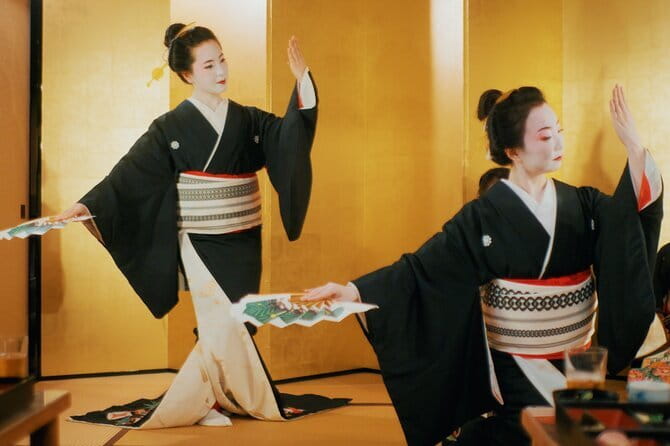
- Ozashiki geisha entertainment (included on MATSU and TAKE courses, not on UME)
- Shamisen and dance performance with translation offered during the show
- Choose your “food level”: kaiseki meal, Fukagawa meshi set, or Japanese sweets and matcha
- Short, focused duration (30 to 70 minutes depending on course)
- Hire-car option after 12:00 with an English-speaking driver for up to 5 hours
A Traditional Room at Tomioka Hachimangu in Fukagawa
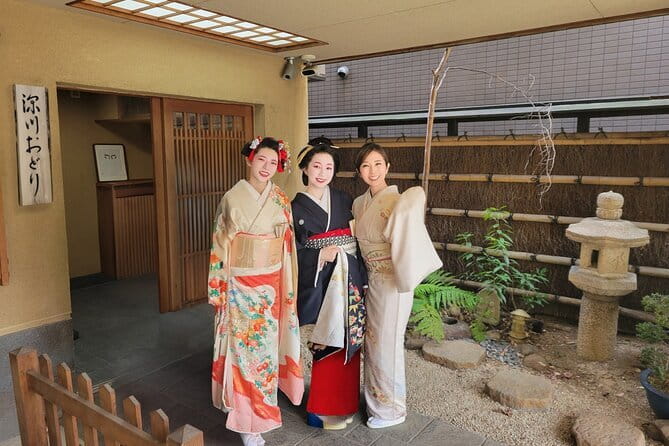
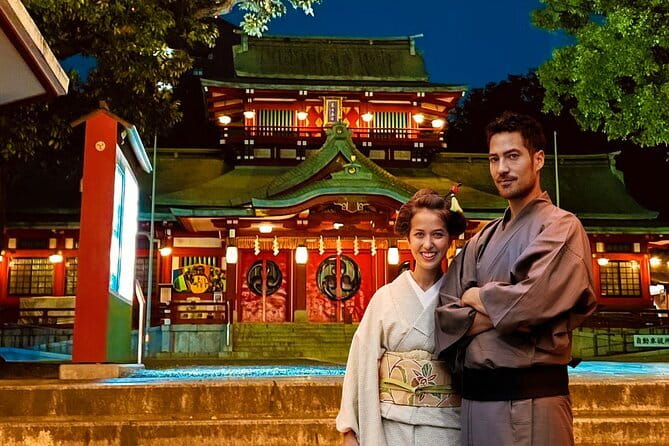
This geisha entertainment experience happens inside the precincts of Tomioka Hachimangu Shrine, a site tied to Fukagawa in the Edo period and said to be built about 400 years ago. Even before the performance starts, the setting gives you that old-meets-modern Tokyo feeling: respectful, quiet, and made for culture.
You’re also at Fukagawa Odori Gekijyo, where the show is built like a Japanese party in a controlled, graceful way. Think cozy atmosphere, clear pacing, and a room where you can actually appreciate details in the movements, not just watch from across a stage.
If you’re the type of traveler who likes your cultural experiences grounded in place—rather than a generic “show for tourists”—this location helps a lot. The shrine precincts do the heavy lifting, setting the tone before any music starts.
Readers booked these Tokyo options in the same breath. Here is how each one scored:
- Mt Fuji and Hakone 1-Day Bus Tour Return by Bullet Train
★ 5.0 · 26,383 reviews - 1-Day Tokyo Bus Tour
★ 5.0 · 14,250 reviews - Tokyo: teamLab Planets TOKYO Digital Art Museum Entry Ticket
★ 4.6 · 9,779 reviews - Mt Fuji & Hakone Cruise, Drum Show Bullet Train 1 Day from Tokyo
★ 4.0 · 7,413 reviews
Choosing MATSU, TAKE, or UME: What You’re Really Buying
There are three core courses plus a hire-car option. The right one depends on whether you want a full meal, a local specialty, or a lighter sweet-and-tea session—and how long you want to sit through the program.
MATSU is the longest option (about 70 minutes). You get the ozashiki geisha entertainment experience, plus Edo kaiseki cuisine featuring Fukagawa meshi, a drink, and a souvenir.
TAKE is shorter (about 45 minutes). You still get ozashiki geisha entertainment, and you’ll eat a Fukagawa meshi set (rice cooked with clams in a savory broth) along with a side dish and a souvenir.
UME is the shortest (about 30 minutes). Instead of ozashiki entertainment, you get Japanese sweets and matcha, plus a souvenir.
Finally, there’s a TAKE Course (Hire included) option. Your geisha experience starts at 12:00, and after that you get up to 5 hours to explore Tokyo on your own by hire car with an English-speaking driver.
My practical take: if you want the most “day-trip” feel, choose MATSU or TAKE and let the meal slow the pace down. If you’re trying to fit this into a busy Tokyo itinerary, UME is a clean, efficient option.
Inside Fukagawa Odori Gekijyo: Ozashiki Performance and Tea Moments
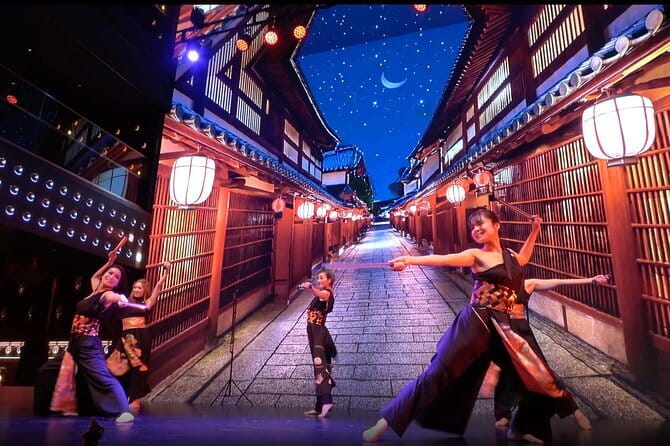
The heart of this experience is the ozashiki-style entertainment party. In real terms, that means you’re in a setting designed for up-close attention—dancing, shamisen music, and a host who guides the flow so you don’t feel lost.
The performance is built around traditional performing arts: geisha-style dance and shamisen accompaniment. What I appreciated is that the show is structured enough to feel informative without turning into a lecture that kills the mood.
From the experience’s cultural tone, you can also pick up explanations connected to geisha and tea traditions. Some sessions highlight how tea customs relate to geisha arts, and the overall pacing tends to stay calm and respectful rather than chaotic.
Language is a practical factor here. You can expect translation support during the entertainment, but it may vary by session. If you’re relying on English only, keep Google Translate ready on your phone. It’s not embarrassing—it’s just smart, especially if you’re the kind of person who wants to catch every word.
Food That Makes the Show Feel Like an Edo-Style Break
One reason this experience works better than many “just watch the performance” options is that the food is part of the rhythm. You’re not stuck waiting hungry, and you’re not eating something unrelated to the theme.
MATSU: Edo kaiseki with Fukagawa meshi
MATSU pairs the performance with traditional kaiseki cuisine, including Fukagawa meshi and a drink. Kaiseki-style meals are typically served in a set format, so you experience a sequence rather than one big plate at once.
If you like to slow down and treat dinner like a cultural ritual, MATSU is the best fit. It also helps if you’re traveling and want a “one-stop evening” without hunting for another restaurant afterward.
- Tokyo: Shinjuku Food Tour (13 Dishes at 4 Local Eateries)★ 5.0 · 6,603 reviews
- Tokyo Mt Fuji 5th St & Hakone Cruise Bus Tour w/Bullet Train★ 4.4 · 5,024 reviews
- Flagship 2-Hours Official Street Go-Kart Tour – Tokyo Bay Shop★ 5.0 · 4,974 reviews
- From Tokyo: Mount Fuji Full-Day Sightseeing Trip★ 4.5 · 4,970 reviews
- Tokyo: Hop-On Hop-Off Sightseeing Bus Ticket★ 3.9 · 4,207 reviews
TAKE: Fukagawa meshi set (rice with clams)
TAKE is all about the local specialty: Fukagawa meshi, rice cooked with clams in a savory broth. You also get a side dish plus the performance and a souvenir.
This is a great choice for food-forward travelers who want something memorable but don’t want to sit through a longer meal course. It’s also a nice way to experience a Fukagawa flavor tied to the Edo setting.
UME: Japanese sweets and matcha
UME swaps the meal for Japanese sweets and matcha. This keeps the experience shorter and lighter, which is handy if you’re planning to keep exploring after the show.
If you’re a matcha fan, UME is the most direct hit. And if you don’t want to worry about meal timing, it’s the cleanest option.
Duration and Timing: Short, Focused, and Easy to Fit
This isn’t a full evening commitment unless you choose MATSU. The performance duration depends on the course:
- MATSU: about 70 minutes
- TAKE: about 45 minutes
- UME: about 30 minutes
That’s a big deal in Tokyo. You can enjoy something highly traditional without losing half a day to transit or waiting. I like experiences that respect your schedule.
The only timing-heavy version is the TAKE Course with hire car, because your geisha experience starts at 12:00, and then you have up to 5 hours to explore on your own.
The Hire-Car Option After 12:00: Use It to Save Time
If you pick the hire-car version, you’re essentially combining culture + flexibility. After the show, you’ll have up to 5 hours to explore Tokyo independently, with an English-speaking driver.
This is especially useful when you want to visit places that are easier with a car than by hopping between trains. It can also be a smart move if you’re traveling with luggage or older family members who prefer fewer transfers.
One practical note: the experience part is only the start. The car time is where you’ll decide your route, so have a rough plan ready before you go. Even a simple list of neighborhoods or a couple of must-see stops helps the day feel smooth.
Price and Value: Why $82.24 Can Make Sense Here
At $82.24 per person, this isn’t the cheapest activity in Tokyo, and it’s not a “walk-in” impulse buy. But the value shows up in what’s included: admission, performance, food (depending on course), and a souvenir.
You’re also paying for the format. Ozashiki geisha entertainment isn’t just a stage show; it’s built around the experience of being present in a tradition-minded room. That’s why the cost can feel reasonable compared to standard performances that don’t include food or that feel more generic.
Booking cadence is another clue to demand. It’s often booked about 21 days in advance, which suggests you’ll want to lock it in if you have a tight schedule.
Also: this experience uses a mobile ticket, which is convenient in a city where you’ll already be juggling transit apps, maps, and reservations.
Practical Tips to Get There Without Stress
This is where I’d focus my prep energy.
First, build in time to find the venue. The experience can be difficult to locate even with the link, so give yourself buffer time and confirm your exact entrance point.
Second, plan your language strategy. Translation may be present during the dances, but don’t gamble on perfect understanding of every explanation. If you’re the type who cares about context, keep your phone ready with translation.
Third, pick your course based on how you like to travel:
- MATSU for a longer, full meal experience
- TAKE for the Fukagawa specialty with a medium time commitment
- UME if you want the shortest, sweet-and-tea cultural taste
Finally, remember the program is short. If you show up flustered, you’ll miss some of the calm, respectful atmosphere that makes this worth it.
Who This Fits Best (and Who Might Skip It)
This experience is a strong match for you if you want:
- Traditional arts in a more intimate setting
- A cultural stop you can understand quickly, without needing deep background
- Food that’s connected to the Edo/Fukagawa theme
It’s also good for families or mixed-age groups because it’s not a marathon. And the experience notes say most travelers can participate, which usually means a broad comfort range.
You might consider a different plan if:
- You hate short performances (this is 30–70 minutes depending on course)
- You’re very sensitive to food preferences and need customization (the data doesn’t list alternatives)
- You want an experience with lots of freedom during the show (this one is structured)
Booking Reality: Once It’s Booked, It’s Final
This is non-refundable and can’t be changed if you cancel or request an amendment. So treat it like a firm commitment, not something to keep as a temporary placeholder.
If you’re prone to last-minute schedule swings in Tokyo, decide early. The upside is that you can then plan the rest of your day with confidence.
Should You Book This Geisha Entertainment Experience?
Yes, I’d book it if you want a high-structure, culturally respectful night (or midday experience) that pairs performance with meaningful food choices. The combination of ozashiki entertainment, shamisen and dance, and an Edo/Fukagawa food angle makes it feel more “experience” than “spectacle.”
I’d especially lean toward MATSU if you want the fullest sit-down ritual. Pick TAKE if you want the local specialty without a longer meal. Choose UME if you’re tight on time and still want the matcha-and-sweets cultural taste.
The only reason to hesitate is logistics anxiety—because finding the venue matters—and because the experience is final once booked. If you can handle those two realities, this is one of the most enjoyable, tradition-focused ways to spend an hour in Tokyo.
FAQ
How long does the geisha entertainment last?
MATSU is about 70 minutes, TAKE is about 45 minutes, and UME is about 30 minutes.
Where does the experience take place?
The facility is located within the precincts of Tomioka Hachimangu Shrine, and the show is at Fukagawa Odori Gekijyo.
What food is included with each course?
MATSU includes Edo kaiseki cuisine with Fukagawa meshi and a drink. TAKE includes a Fukagawa meshi set with a side dish. UME includes Japanese sweets and matcha.
What is Fukagawa meshi?
It’s a local specialty: rice cooked with clams in a savory broth.
Is a souvenir included?
Yes. Each course includes a souvenir.
Which courses include the ozashiki geisha entertainment experience?
The ozashiki geisha entertainment experience is included in MATSU and TAKE courses, except for the UME course.
Is there an option that includes a hire car?
Yes. The TAKE Course with Hire included starts with the geisha experience at 12:00, followed by up to 5 hours exploring Tokyo in a hire car with an English-speaking driver.
How do I get my tickets?
You’ll receive a mobile ticket.
Is an optional filming service available?
Yes. Shooting of a period drama-style short movie by a professional cameraman is optional, but it is not included.
What if I need to cancel?
This experience is non-refundable and cannot be changed for any reason.
More Tour Reviews in Tokyo
- Mt Fuji and Hakone 1-Day Bus Tour Return by Bullet Train
★ 5.0 · 26,383 reviews - 1-Day Tokyo Bus Tour
★ 5.0 · 14,250 reviews - Tokyo: teamLab Planets TOKYO Digital Art Museum Entry Ticket
★ 4.6 · 9,779 reviews - Mt Fuji & Hakone Cruise, Drum Show Bullet Train 1 Day from Tokyo
★ 4.0 · 7,413 reviews - Tokyo: Shinjuku Food Tour (13 Dishes at 4 Local Eateries)
★ 5.0 · 6,603 reviews





