
Reviewed · TOURS
Highlights of Japan Tour: 10-day Small Group
Small-group Japan feels like travel with friends. This 10-day tour threads together Tokyo, Mount Fuji, and Kyoto-area icons with just enough structure to keep you moving smoothly.
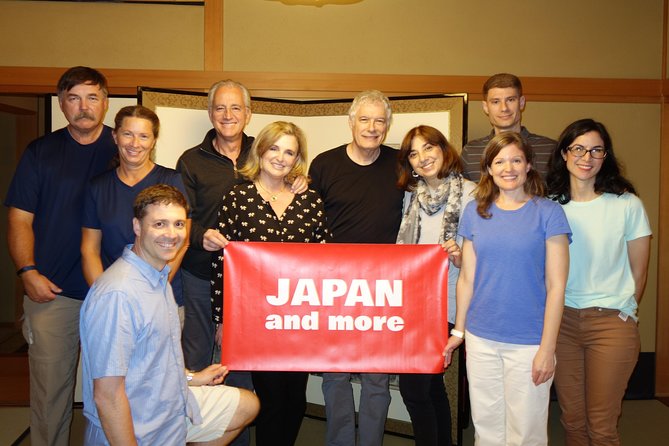
I like two things in particular: the Day 3 ryokan + onsen night, and the fact that the whole trip is built for a small headcount (up to 8) with hands-on guidance from Becki and Shawn. That combination helps first-time Japan visitors feel steady fast.
One drawback to consider: the itinerary is sight-focused, so you’ll be on the go most days and you’ll need moderate fitness for walking and temple stairs, plus comfort using public transit.
In This Review
- Key points before you go
- Why This Highlights Route Works (Especially If It’s Your First Japan Trip)
- Tokyo Day 1: Shibuya Crossing and Finding Your Footing on Day One
- Asakusa and Tsukiji: Senso-ji Temple and the Old Market Food Scene
- Mount Fuji Overnight: Ryokan, Mineral Onsen, and Kaiseki Dinner
- Matsumoto Castle and Nakamachi: A Real Castle Stop With Old Streets
- Zenko-ji and Kenrokuen: Temples in the Morning, Gardens in the Light
- Kiso Valley’s Tsumago: Slower Travel on Purpose
- Kyoto Day 7: Kiyomizu-dera and the Higashiyama Walk
- Kyoto Day 8: Kinkaku-ji and Ryoan-ji in Two Short, Focused Blocks
- Back in Tokyo: Tokyo National Museum and Its Massive Collection
- Day 10: Narita Airport and a Clean End to the Loop
- Price and What $7,048 Buys You in the Real World
- Who This Tour Fits Best (And Who Might Want to Skip It)
- A Quick Note on the Guide Experience (Becki and Shawn)
- Should You Book This 10-Day Small-Group Highlights of Japan Tour?
- FAQ
- How big is the group for this 10-day Japan tour?
- What meals are included?
- Is airfare included in the tour price?
- Are admission tickets included?
- Where does the tour start and end?
- Is the trip refundable if I cancel?
Key points before you go
- Up to 8 people means you actually get questions answered and time to enjoy stops.
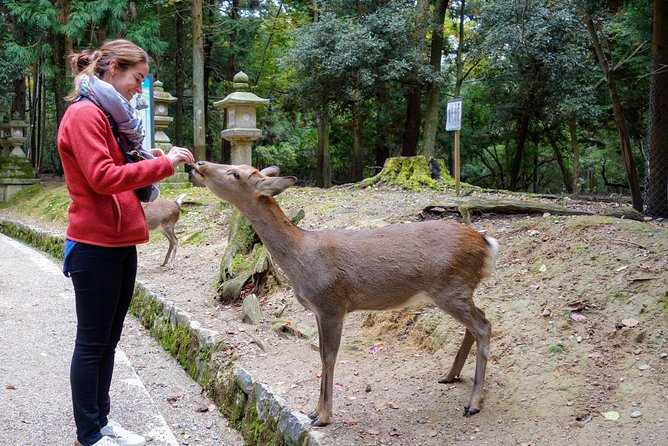
- Becki and Shawn guide the trip with strong pre-departure communication and a Zoom-style prep call.
- Mount Fuji overnight includes a traditional ryokan stay, mineral-rich onsen soak, and Kaiseki dinner.
- Tokyo temples + markets + museum time give you both the big sights and the culture around them.
- Kyoto done in two focused days: Kiyomizu-dera, then Kinkaku-ji and Ryoan-ji.
- Some admission and meals are included, so you won’t feel like you’re constantly calculating extra costs.
Why This Highlights Route Works (Especially If It’s Your First Japan Trip)
Japan can be wonderfully easy… once you know where to stand and what to do. This tour’s big value is that it turns the country into a set of guided “anchors” you can build on, instead of a stressful scavenger hunt.
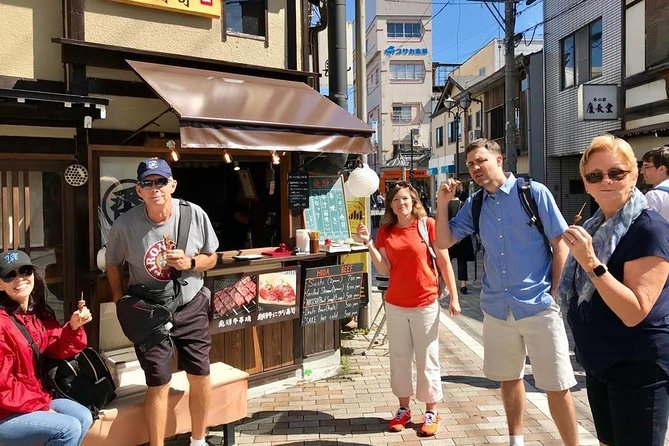
You get a classic best-of circuit—Tokyo, Mount Fuji, Matsumoto, Kanazawa, the Kiso Valley, Kyoto—while the pacing stays realistic for a small group. And since the itinerary is described as custom-fit to group preferences, you’re not stuck with one rigid plan for everyone.
The other practical win: lots of time is spent in the places that shape how Japan feels day to day—temple neighborhoods, older districts, garden grounds, and markets—not just quick photo stops.
Readers booked these Tokyo options in the same breath. Here is how each one scored:
- Mt Fuji and Hakone 1-Day Bus Tour Return by Bullet Train
★ 5.0 · 26,383 reviews - 1-Day Tokyo Bus Tour
★ 5.0 · 14,250 reviews - Tokyo: teamLab Planets TOKYO Digital Art Museum Entry Ticket
★ 4.6 · 9,779 reviews - Mt Fuji & Hakone Cruise, Drum Show Bullet Train 1 Day from Tokyo
★ 4.0 · 7,413 reviews
Tokyo Day 1: Shibuya Crossing and Finding Your Footing on Day One
You start with Shibuya Crossing and surrounding streets, with about an hour of freedom to look around. This is a smart opener because it throws you into modern Tokyo fast, but without drowning you in details on the first day.
I like this approach for you if you’re new: you get to orient yourself visually. After that, the rest of the trip can layer on the older side of Japan (temples, post towns, gardens) without feeling like you jumped into a culture shock whirlwind all at once.
If you prefer quieter moments, aim to spend your hour moving slowly, not sprinting between landmarks. Use the time to notice how people cross, how streets connect, and how shops and signs are laid out—small things that make you feel more confident when you’re navigating later.
Asakusa and Tsukiji: Senso-ji Temple and the Old Market Food Scene
Day 2 leans deep into old Tokyo. You’ll visit Senso-ji, Tokyo’s oldest Buddhist temple (built in 645 AD) with about 2 hours there. Then you head to the Old Tsukiji Market for roughly an hour.
What makes this day work is contrast. Asakusa shows you religious tradition in a high-energy neighborhood, while Tsukiji connects you to Japan through food culture—busy, sensory, and very practical for understanding why people care so much about ingredients and timing.
A small caution: temple areas and market streets can feel crowded. If that’s not your thing, treat it like a guided “experience window.” You’re there to see how it operates and what’s culturally normal, not to linger forever in every stall.
This is also a great day to use your guide for simple questions: how to order, what’s worth trying, and how to be respectful in temple spaces. When guidance is strong, you spend less time guessing and more time enjoying.
Mount Fuji Overnight: Ryokan, Mineral Onsen, and Kaiseki Dinner
Day 3 is the emotional centerpiece: travel to Lake Kawaguchiko to view Mount Fuji, then stay in a traditional ryokan. You’ll soak in a mineral-rich onsen and have an authentic Japanese Kaiseki dinner, with about 8 hours allocated to this whole block.
Even if you’ve seen Fuji photos before, seeing the mountain area in person changes your sense of scale. Lake Kawaguchiko is ideal for that “there it is” feeling, and the itinerary wraps it in a full Japanese overnight rhythm—sleeping in style, then resetting your body with an onsen soak.
For me, this is the tour’s best value moment. The reason isn’t only the setting. It’s that the ryokan and Kaiseki add meaning to the scenery. You’re not just looking at nature; you’re living the local hospitality style built around it.
One consideration: ryokan nights are communal by design. If you’re someone who needs lots of personal space or quiet downtime, you’ll still likely enjoy it, but expect a more traditional flow than a western hotel.
Matsumoto Castle and Nakamachi: A Real Castle Stop With Old Streets
Day 4 brings you to Matsumoto Castle, noted as one of only five original castles in Japan and a National Treasure. You’ll spend about 3 hours here, plus time in the Nakamachi District shopping streets.
This day is a good reminder that Japan has more than one kind of “history stop.” Matsumoto Castle gives you structure and architecture you can read with your eyes. Then Nakamachi District adds the human layer—shopping streets tied to the town’s historic pattern of life.
If you like places where you can slow down and browse, you’ll have a better time here than at purely museum-style attractions. And since your visit includes time in the historic streets, you’re not forced into one viewpoint and out the door.
The practical note: castles often mean stairs and uneven paths. Go in with comfy shoes, and you’ll enjoy it more.
- Tokyo: Shinjuku Food Tour (13 Dishes at 4 Local Eateries)★ 5.0 · 6,603 reviews
- Tokyo Mt Fuji 5th St & Hakone Cruise Bus Tour w/Bullet Train★ 4.4 · 5,024 reviews
- Flagship 2-Hours Official Street Go-Kart Tour – Tokyo Bay Shop★ 5.0 · 4,974 reviews
- From Tokyo: Mount Fuji Full-Day Sightseeing Trip★ 4.5 · 4,970 reviews
- Tokyo: Hop-On Hop-Off Sightseeing Bus Ticket★ 3.9 · 4,207 reviews
Zenko-ji and Kenrokuen: Temples in the Morning, Gardens in the Light
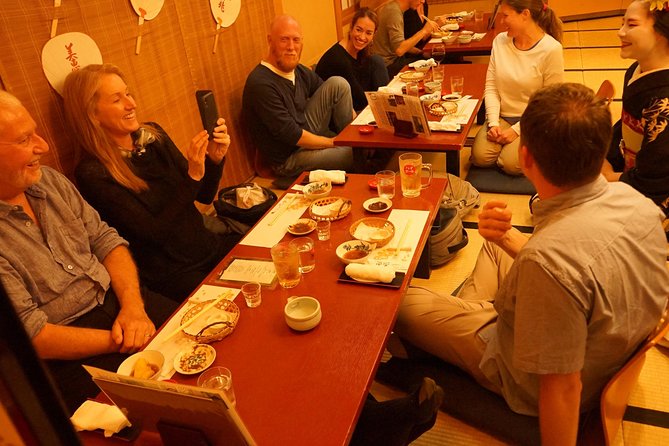
Day 5 begins at Zenko-ji, founded in the 7th century, with about a 1-hour stop that includes experiencing a Buddhist morning service. Then you travel to Kanazawa for a longer block (about 8 hours) tied to districts and gardens—Higashi Chaya, the Nagamachi Samurai area, an Onomichi Market stop, and Kenrokuen Garden.
The value here is pacing within a single day. A morning service gives you a cultural “baseline” for how religious practice feels, not just how it looks. Then Kanazawa’s garden and historic districts shift you toward landscape design and old-town geography.
Kenrokuen is included as one of three top landscape gardens in Japan, which matters because a garden visit isn’t the same as a random stroll. It’s designed views, paths, and seasonal thinking. The guided context helps you see why people care about details like arrangement and perspective.
A drawback consideration: your day is long, and it includes multiple areas. If you get tired in crowds, you’ll want breaks—use bathroom stops and sit-down moments when they appear. A small group can make that easier because timing can be adjusted, but it won’t change that it’s a full day.
Kiso Valley’s Tsumago: Slower Travel on Purpose
Day 6 focuses on the post town of Tsumago in the Kiso Valley, with about 2 hours in the preserved town on the Nakasendo Trail route that once connected Tokyo and Kyoto during the Edo period.
This is the “breather” day in the middle of a fast-moving itinerary. Post towns are about more than old buildings. They show how travel worked for everyday people and how lodging, trade, and routes created a steady rhythm for centuries.
What you’ll like here is the feeling of stepping into a narrower timeline. You can walk at your own pace within the planned window, snack if you find something that appeals, and take photos without the pressure of racing to the next major stop.
One practical tip: light layering helps. Older districts are outdoors a lot, and you may notice temperature swings compared with indoor temple spaces.
Kyoto Day 7: Kiyomizu-dera and the Higashiyama Walk
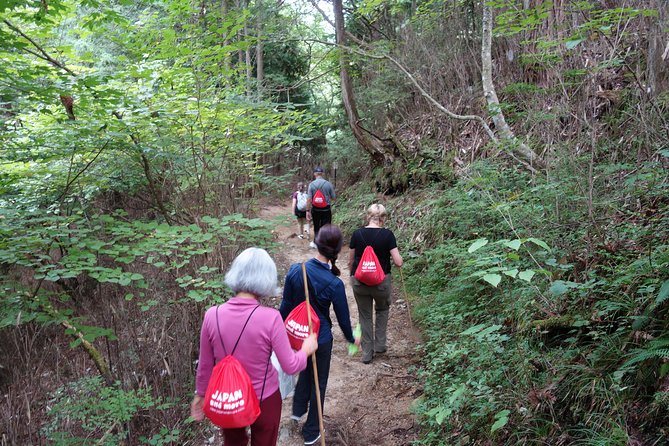
Day 7 heads to Kiyomizu Temple (Kiyomizu-dera), a World Heritage Site, with about 4 hours including a walk through the Higashiyama District with its old wooden houses and small shops.
Kiyomizu-dera is special because it pairs dramatic views with a built-in sense of ceremony. Then Higashiyama keeps you in the Kyoto mood—this is where the trip feels like Kyoto isn’t just one building, but a neighborhood.
I like that your time includes walking through shop streets rather than only standing at a single landmark. You’ll get a better feel for the local scale and how people move through the area.
If you’re shopping, go in with a simple strategy: decide what category you want (souvenirs, snacks, small crafts) and don’t get distracted by everything at once. Small shop streets can pull you in lots of directions.
Kyoto Day 8: Kinkaku-ji and Ryoan-ji in Two Short, Focused Blocks
Day 8 is split into two included temple visits: Kinkaku-ji, the Golden Temple (about 1 hour), and Ryoanji, the famous zen rock garden (about 1 hour).
Two one-hour blocks can sound short, but for these sites it often works better than long hovering. Kinkaku-ji benefits from seeing the gold pavilion clearly and then stepping back to understand the surrounding layout. Ryoanji is a slow-looking place; your short guided window helps you focus on what you’re actually seeing.
If you like calm moments, you might prefer Ryoanji. The rock garden is the kind of site where answers come from looking closely, not from reading a lot on a sign.
This is also where your guide becomes useful for “how to look.” Even simple direction—where to stand, what to notice—can change your whole experience in a place like this.
Back in Tokyo: Tokyo National Museum and Its Massive Collection
Day 9 returns you to Tokyo for the Tokyo National Museum, with about 2 hours included. It’s described as Japan’s oldest national museum with over 110,000 items and includes 87 Japanese National Treasures.
In a museum this size, 2 hours can’t mean seeing everything. What it can mean is seeing the right mix with a guide so you don’t wander aimlessly through halls of stuff.
The best museum strategy here is to treat it like a curated snapshot: pick a few areas and let your guide’s interpretation help connect artifacts to what you’ve already seen outside—temples, historic districts, and traditional arts.
If you’re the type who gets museum overload fast, don’t worry. Two hours is a very workable timeframe, especially since the rest of the itinerary is temple- and neighborhood-based.
Day 10: Narita Airport and a Clean End to the Loop
On departure day, you’ll check out of your hotel and head to Narita International Airport. The stop is listed as about 2 hours and ends back at the meeting point.
I like an itinerary that ends cleanly like this. It reduces the risk of spending your last morning panicking about timing, directions, and getting to the correct terminal. It’s also a gentle way to close a trip that has already done so much sightseeing.
Keep your last-day mindset simple: pack early, take any last-minute essentials, and don’t try to cram extra stops. Let the tour handle the final handoff.
Price and What $7,048 Buys You in the Real World
At $7,048 per person for about 10 days, you’re paying for two things: logistics and guidance. In Japan, that matters because small mistakes—wrong trains, missed entrance times, unclear cultural rules—can cost hours.
This tour includes breakfast for 9 days and dinner for 4 days. It also includes admission tickets on several key stops (Mount Fuji area, Matsumoto Castle, Zenko-ji, Kenrokuen day block, Kiyomizu-dera, Kinkaku-ji, Ryoanji, and the Tokyo National Museum). Other parts of the itinerary have free entries or free time blocks, like Shibuya Crossing and Senso-ji itself.
You’ll still want to budget for what’s not covered: airfare and travel insurance are not included. Also, with meals only partly included, you’ll likely choose some lunches and extra snacks on your own. That’s normal in Japan and, honestly, part of the fun—just know it’s not a fully all-inclusive deal.
Where the money feels most justified is the “small group + guided flow” piece. With up to 8 people, you don’t get stuck in a massive crowd shuffle. You get a plan that can adjust to your pace, and you get human help for cultural etiquette and practical questions.
Who This Tour Fits Best (And Who Might Want to Skip It)
This itinerary makes a lot of sense if:
- you’re seeing Tokyo, Mount Fuji, and Kyoto in one trip and don’t want to plan all the moving parts,
- you want cultural context, not just photos,
- you prefer small group travel over big coach tours,
- you’d like a guide’s help with food moments and temple etiquette.
It may be a less perfect fit if you:
- hate structured days and long days,
- need tons of free time beyond what’s already built in,
- want a totally independent, off-the-map style trip.
The tour also calls for moderate physical fitness. That doesn’t mean “hard hiking,” but it does mean walking, stairs, and museum/temple movement should feel doable for you.
A Quick Note on the Guide Experience (Becki and Shawn)
Several details stand out about how Becki and Shawn run the trip. They provide strong pre-departure communication and preparation, including a Zoom-style prep call. That kind of advance work can make the first 24 hours in a new country feel much less intimidating.
They also show a practical love for Japan—culture, customs, history, and the sites themselves. In past feedback from the same tour experience, guests also mention photography help, which you’ll appreciate if you want better composition beyond the standard selfie routine.
Should You Book This 10-Day Small-Group Highlights of Japan Tour?
If you want an efficient, meaningful first trip, this tour is easy to recommend. The itinerary covers big names—Shibuya, Senso-ji, Mount Fuji area, Matsumoto Castle, Kanazawa gardens, Kiso Valley, Kyoto temples, and Tokyo’s national museum—while the small group size helps it feel less like a checklist.
Book it if you like your Japan with guidance, and you want the best “wow moments” handled for you, especially that Mount Fuji ryokan-onsen-Kaiseki night. Skip it if you’re chasing maximum freedom above all else or if you’re determined to travel with zero structure.
If you’re on the fence, ask yourself a simple question: do you want help making Japan make sense? If yes, this is the kind of trip that can get you there fast.
FAQ
How big is the group for this 10-day Japan tour?
The maximum group size is 8 travelers, so it stays a small-group experience.
What meals are included?
Breakfast is included for 9 days, and dinner is included for 4 days.
Is airfare included in the tour price?
No. Airfare is not included.
Are admission tickets included?
Some admission tickets are included for specific stops. Other areas have free admission or free time.
Where does the tour start and end?
It starts in Tokyo, Japan and ends back at the meeting point.
Is the trip refundable if I cancel?
No. The experience is non-refundable and cannot be changed for any reason.
More Tours in Tokyo
- Mt Fuji and Hakone 1-Day Bus Tour Return by Bullet Train
★ 5.0 · 26,383 reviews - 1-Day Tokyo Bus Tour
★ 5.0 · 14,250 reviews - Tokyo: Shinjuku Food Tour (13 Dishes at 4 Local Eateries)
★ 5.0 · 6,603 reviews - Tokyo Mt Fuji 5th St & Hakone Cruise Bus Tour w/Bullet Train
★ 4.4 · 5,024 reviews - Flagship 2-Hours Official Street Go-Kart Tour – Tokyo Bay Shop
★ 5.0 · 4,974 reviews
More Tour Reviews in Tokyo
- Mt Fuji and Hakone 1-Day Bus Tour Return by Bullet Train
★ 5.0 · 26,383 reviews - 1-Day Tokyo Bus Tour
★ 5.0 · 14,250 reviews - Tokyo: teamLab Planets TOKYO Digital Art Museum Entry Ticket
★ 4.6 · 9,779 reviews - Mt Fuji & Hakone Cruise, Drum Show Bullet Train 1 Day from Tokyo
★ 4.0 · 7,413 reviews - Tokyo: Shinjuku Food Tour (13 Dishes at 4 Local Eateries)
★ 5.0 · 6,603 reviews
Latest Tokyo reviews off our desk






Tours, compared.
 ★ 5.0Mt Fuji and Hakone 1-Day Bus Tour Return by Bullet TrainFrom $16326,383 reviews
 ★ 5.01-Day Tokyo Bus TourFrom $12914,250 reviews
 ★ 5.0Shinjuku Food Tour (13 Dishes at 4 Local Eateries)From $866,603 reviews
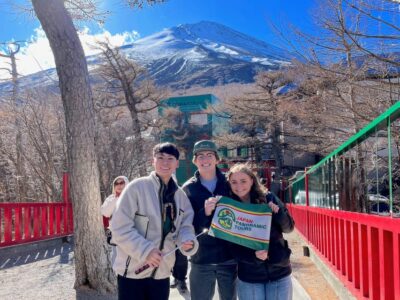 ★ 4.4Tokyo Mt Fuji 5th St & Hakone Cruise Bus Tour w/Bullet TrainFrom $1545,024 reviews
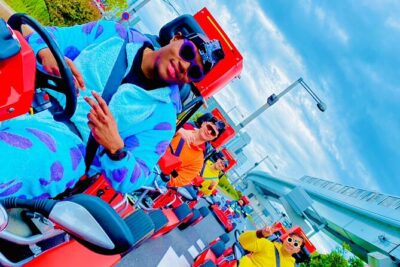 ★ 5.0Flagship 2-Hours Official Street Go-Kart Tour – Tokyo Bay ShopFrom $644,974 reviews
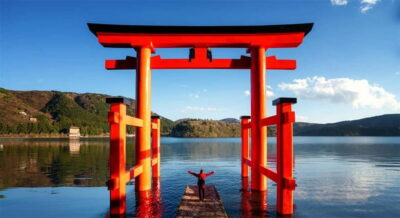 ★ 4.7Mt. Fuji Tour, Hakone Ropeway, Owakudani, Lake AshiFrom $544,002 reviews
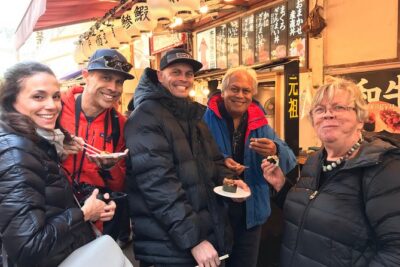 ★ 5.0Tokyo 6hr Private Tour with Government-Licensed GuideFrom $1553,902 reviews
 ★ 5.0Tokyo Bar Hopping Tour in Shinjuku (All-You-Can-Drink + Dinner)From $1063,587 reviews