Reviewed · TOKYO
Home made Ramen you made from scratch!!
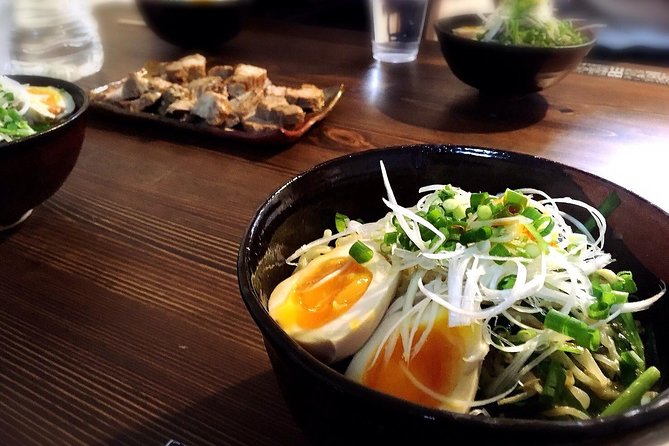
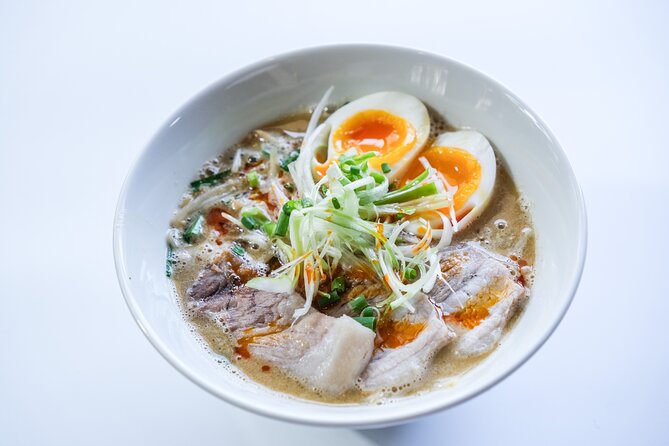
Ramen comes together in a real home kitchen. In this class, I like that you cook ramen from scratch with Hideki, who worked about 10 years in ramen restaurants, not just assemble toppings. I also like that you get practical guidance you can repeat later, including ramen-style techniques like dashi. One heads-up: the ramen includes chashu made with pork, and the class takes place in a compact home studio, not a big flashy cooking school.
The format is friendly and fast—about 3 hours, capped at 4 travelers, with lunch included as the ramen you made. It’s also convenient for planning since the studio is close to Shinagawa and reachable from areas like Ginza, Shibuya, Shinjuku, and Haneda.
In This Review
- Key highlights worth planning for
- Meet Hideki, a 10-Year Ramen Pro, in Shinagawa
- Dashi From Scratch: The Flavor Lesson Behind Great Ramen
- Nitamago and Chashu: Eggs and Pork Cooked Like the Restaurant
- Homemade Noodles and Gyoza Dumplings: Hands-On Tokyo Cooking
- Lunch You Make Yourself (Alcohol Extra)
- Timing and Getting There: How This 3-Hour Class Fits Tokyo
- Value for $115: Why This Feels Like More Than a Meal
- Who This Ramen Cooking Class Is Perfect For
- Should you book this ramen-from-scratch class?
- FAQ
- Where is the class meeting point?
- How long does the experience take?
- How much does it cost?
- How many people are in a group?
- What is included with the price?
- Are drinks included?
- Is the class easy to reach with public transportation?
- When will I receive confirmation after booking?
- Do I get a mobile ticket?
- What is the cancellation policy?
Key highlights worth planning for
- Small group (max 4) means more hands-on coaching and fewer waiting turns
- Dashi, nitamago, and chashu go beyond basics, so your ramen tastes like a real bowl
- Noodles and gyoza from scratch make this more than a one-dish tasting class
- Take-home instruction helps you recreate the steps after you’re back in your own kitchen
- Lunch is included, so you’re not just paying for cooking time
- Near major Tokyo areas and Haneda makes it easy to fit into a sightseeing day
Meet Hideki, a 10-Year Ramen Pro, in Shinagawa
This is a small-group ramen cooking class run by Hideki at the Hideki Ramen Cooking Studio in Minamishinagawa (Shinagawa City). The vibe is practical: you’re not watching from the sidelines. You’re working with ingredients and learning the why behind each step, the way a ramen cook would on a normal day.
Hideki’s background matters. He’s worked in ramen restaurants for about 10 years, and you can feel that in how the class is paced and how the steps get explained. In a kitchen, timing is everything—so having a host who understands the process helps you avoid the common home-cook problem of ending up with a bowl that looks right but tastes off.
You’ll meet at the studio address (6-chōme-15-3 Minamishinagawa, Shinagawa City, Tokyo 140-0004, Japan). Then the class runs and ends back at the same meeting point. Some communication is set up ahead of time, and if you’re running late, the host has experience helping people find their way in.
Group size is capped at 4 travelers. For you, that’s the difference between a rushed class and a calm one. You can ask questions while you’re mixing, heating, or timing—exactly when you need the answer.
Readers booked these Tokyo options in the same breath. Here is how each one scored:
- Mt Fuji and Hakone 1-Day Bus Tour Return by Bullet Train
★ 5.0 · 26,383 reviews - 1-Day Tokyo Bus Tour
★ 5.0 · 14,250 reviews - Tokyo: teamLab Planets TOKYO Digital Art Museum Entry Ticket
★ 4.6 · 9,779 reviews - Mt Fuji & Hakone Cruise, Drum Show Bullet Train 1 Day from Tokyo
★ 4.0 · 7,413 reviews
Dashi From Scratch: The Flavor Lesson Behind Great Ramen
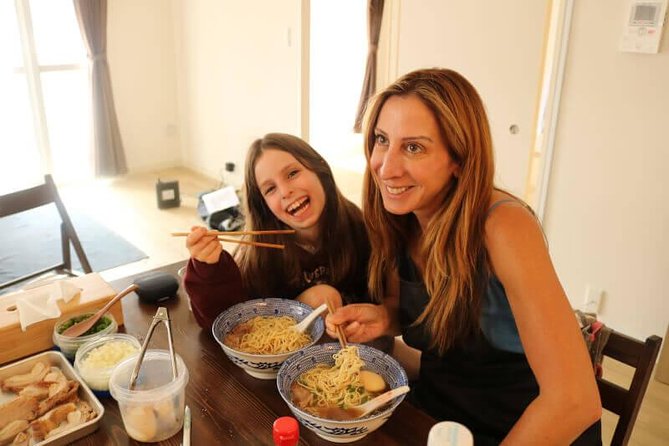
If you only remember one thing from ramen cooking, make it this: dashi is the engine of the bowl. In this class, you learn how to prepare dashi as soup stock from scratch, not from a shortcut.
That means you practice the foundation steps that ramen places build on. You learn how to get the stock to the right flavor balance for a ramen broth, and you pick up small tips on how to handle the process without overthinking it. The class also helps you understand something most visitors never get: ramen taste isn’t just about having ingredients—it’s about how the stock is made and treated.
This is where the hands-on part really pays off. Instead of learning ramen theory from a cookbook, you’re watching the stock develop while you’re making it. You come away with a better feel for how to replicate the results at home, which is the whole point of learning from a pro.
Nitamago and Chashu: Eggs and Pork Cooked Like the Restaurant
Once the broth base is underway, you shift into the classic ramen toppings that turn a simple dish into something restaurant-grade.
You learn nitamago, the ramen-style boiled egg. This is more than boiling an egg. The goal is flavor and texture—an egg that matches the rhythm of the ramen broth, not an egg that tastes like it belongs on a salad. In class, you get step-by-step guidance so you can nail timing and seasonings.
Then comes chashu, the pork component. The class includes cooking chashu (boiled pork), which is one of the reasons this experience feels so authentic. You’re not skipping the hard part. You’re learning the technique that most people usually buy ready-made.
Practical consideration: if you don’t eat pork, this class may not fit your diet, since chashu is part of what you’ll prepare.
One more smart detail: this isn’t a class where the host does everything and you hold a spoon for photos. The workflow is set up so you actively participate, and the pace speeds up as you move through the steps—so you’ll want to stay attentive and ready to work.
Homemade Noodles and Gyoza Dumplings: Hands-On Tokyo Cooking
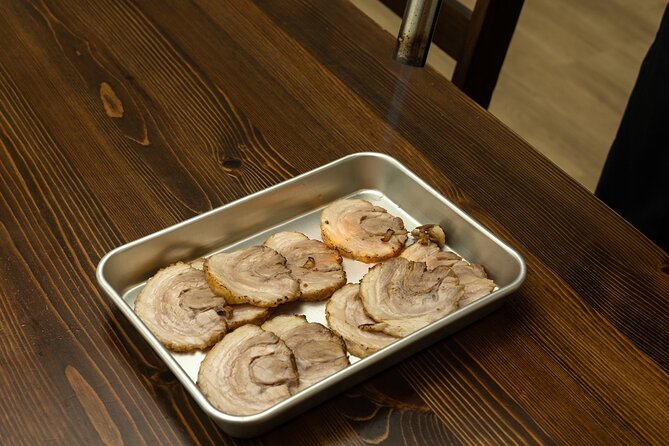
Here’s what makes this class feel special: you don’t just make broth and toppings. You learn to make noodles and gyoza dumplings too.
Making the noodles and soup from scratch is a major deal. Many ramen classes teach toppings only, or they focus on sauces. This one goes further and gives you the foundation of a bowl. When you learn the noodle-making steps, you start to understand how ramen texture changes with the process—something you can’t really grasp from eating alone.
Then you add gyoza. You’ll cook gyoza dumplings alongside the ramen. Dumplings are forgiving in the sense that you can adjust, but they also reward attention to technique. This part of the class helps you practice how to work with dumpling filling and cooking steps so you end up with gyoza you’d actually want to serve at home.
As you cook, you also learn the rhythm. The class typically moves from preparation to active cooking in a way that keeps you involved. You’ll feel the pace pick up as you get closer to plating.
And yes, you’ll eat what you make. That matters because you’re learning by taste, not by guesswork.
Lunch You Make Yourself (Alcohol Extra)
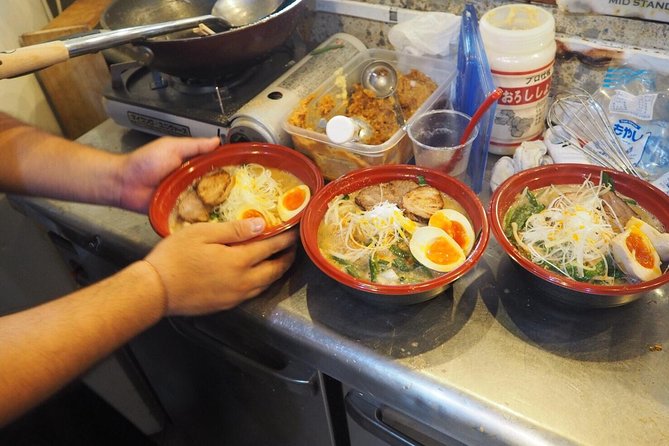
Lunch is included. The meal is the ramen you made from scratch, plus what comes from the class prep—so you’re not paying and then eating some separate set menu.
Alcohol and soft drinks are not included. If you want a drink with lunch, plan on paying extra for it. This keeps the class price focused on cooking, ingredients, and instruction.
The payoff is that your lunch isn’t just food; it’s proof of concept. You see how the dashi tastes once it’s brought together with your toppings, and you can compare your ramen to the ramen you already know. That feedback loop is what turns a cooking class into a real skill.
- Tokyo: Shinjuku Food Tour (13 Dishes at 4 Local Eateries)★ 5.0 · 6,603 reviews
- Tokyo Mt Fuji 5th St & Hakone Cruise Bus Tour w/Bullet Train★ 4.4 · 5,024 reviews
- Flagship 2-Hours Official Street Go-Kart Tour – Tokyo Bay Shop★ 5.0 · 4,974 reviews
- From Tokyo: Mount Fuji Full-Day Sightseeing Trip★ 4.5 · 4,970 reviews
- Tokyo: Hop-On Hop-Off Sightseeing Bus Ticket★ 3.9 · 4,207 reviews
Timing and Getting There: How This 3-Hour Class Fits Tokyo
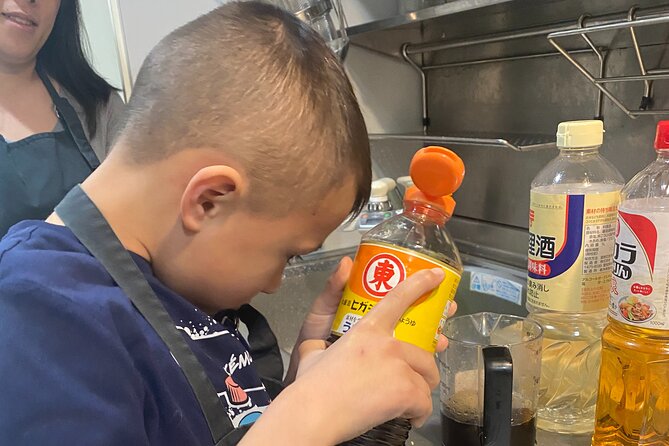
The class lasts about 3 hours. That’s a sweet spot: long enough to learn multiple components (dashi, nitamago, chashu, noodles, and gyoza), but not so long that it wrecks your day.
The studio is close to major Tokyo travel zones, including Shinagawa, and it’s described as convenient for access from places like Ginza, Shibuya, and Shinjuku. It also works if your trip includes time near Haneda international airport.
Logistically, you’re dealing with a home-studio meeting setup, not a giant commercial venue. Some people appreciate that because it feels personal. The trade-off is that you should budget a little time to get your bearings and arrive on schedule.
Tip I’d give you: if you’re planning this on the same day as a lot of transit, keep your pre-class plan light. Tokyo has a way of adding surprise delays. If you show up relaxed, you’ll enjoy the cooking more.
The class ends back at the meeting point, which makes your next plan easier. You’re not stuck wondering how to get out once you’re done eating.
Value for $115: Why This Feels Like More Than a Meal
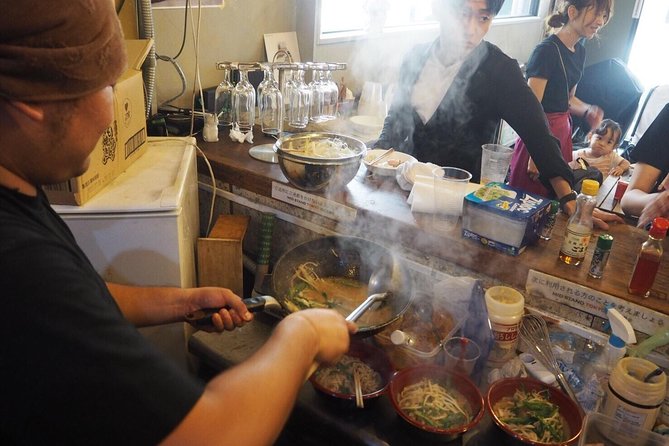
At $115 per person for about 3 hours, this isn’t a budget activity. But the value comes from what’s included and how much instruction you get.
First, lunch is included. You’re paying for ingredients plus the full meal you prepare, not just a snack.
Second, the class includes multiple ramen-building skills: dashi stock, nitamago, chashu, plus noodles and gyoza. A lot of food experiences give you one piece to watch or copy. Here you learn the system behind the bowl.
Third, the host’s experience matters. Hideki’s roughly 10 years in ramen restaurants translates into smoother pacing and clearer guidance. In a cooking class, that reduces frustration. You’re less likely to end up with confusing steps that don’t come together at home.
Finally, you get take-home support. Participants mention a recipe book or instruction booklet you can use after the class. That turns your experience into a practical souvenir—something you’ll use instead of a paperweight.
If you like the idea of learning a core Japanese comfort-food skill you can repeat, the price starts making sense fast. If you’re mainly chasing a casual meal and don’t care about technique, it might feel pricey.
Who This Ramen Cooking Class Is Perfect For
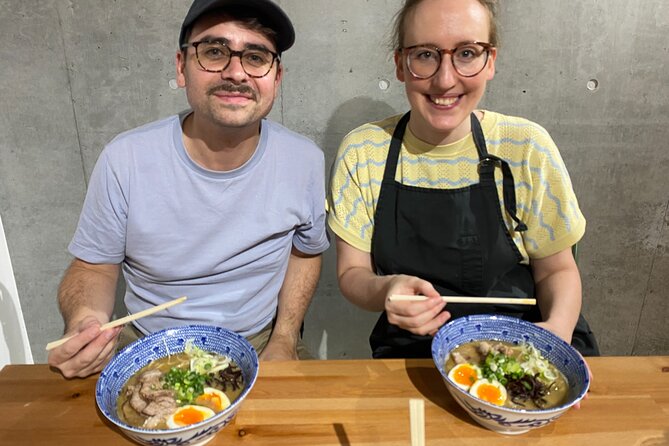
This class is especially good for:
- You if you want to cook real ramen from scratch, not just assemble a bowl
- You if you enjoy hands-on cooking and want step-by-step guidance
- You if you like small group experiences, where you can ask questions while you cook
- You if you want lunch included in a class setting, so you’re not adding another meal stop later
It may be less ideal if:
- You avoid pork, since chashu is part of what you cook
- You strongly prefer large, hotel-style activity spaces over compact home studios
- You have only an ultra-short schedule and need something that’s faster than 3 hours
Should you book this ramen-from-scratch class?
If you’re the type of traveler who likes learning the real technique behind what you eat, book it. The strongest reason is the combination: you make the dashi, learn the nitamago and chashu, and then you also tackle the noodles and gyoza. That’s a lot of learning for one session, and the lunch included part keeps it grounded.
If your goal is purely sightseeing, and ramen is just something you’ll grab on the street, you can skip. But if you want a Tokyo food memory you can rebuild at home, this is one of the more practical experiences in the ramen world.
FAQ
Where is the class meeting point?
The class meets at Hideki ramen cooking studio, 6-chōme-15-3 Minamishinagawa, Shinagawa City, Tokyo 140-0004, Japan.
How long does the experience take?
It lasts about 3 hours.
How much does it cost?
The price is $115.00 per person.
How many people are in a group?
The class has a maximum of 4 travelers.
What is included with the price?
Lunch is included. It’s the ramen you make from scratch.
Are drinks included?
Alcoholic beverages are not included, and alcohol and soft drinks cost extra.
Is the class easy to reach with public transportation?
Yes, it’s near public transportation.
When will I receive confirmation after booking?
You’ll receive confirmation within 48 hours of booking, subject to availability.
Do I get a mobile ticket?
Yes, the experience uses a mobile ticket.
What is the cancellation policy?
Free cancellation is available. You can cancel up to 24 hours in advance for a full refund. If you cancel less than 24 hours before the start time, the amount paid is not refunded.
More Tour Reviews in Tokyo
- Mt Fuji and Hakone 1-Day Bus Tour Return by Bullet Train
★ 5.0 · 26,383 reviews - 1-Day Tokyo Bus Tour
★ 5.0 · 14,250 reviews - Tokyo: teamLab Planets TOKYO Digital Art Museum Entry Ticket
★ 4.6 · 9,779 reviews - Mt Fuji & Hakone Cruise, Drum Show Bullet Train 1 Day from Tokyo
★ 4.0 · 7,413 reviews - Tokyo: Shinjuku Food Tour (13 Dishes at 4 Local Eateries)
★ 5.0 · 6,603 reviews