
Reviewed · MOUNT FUJI TOURS
In 2026, 2-Day Mt. Fuji Climbing Tour with Mountain guide
If you want Mt. Fuji without the stress, this 2-day climb is a solid pick. I like the hands-on guidance from Shin and his team, with a strong focus on getting everyone safely moving through the mountain’s tough rhythm. I also like that the tour handles the hard parts of logistics: you get door-to-area transfers from Shinjuku, plus included meals and a bath after you come down.
One possible drawback: English support isn’t guaranteed, because the mountain guide is Japanese and communication can be limited if you don’t speak Japanese. If that’s you, you’ll want to rely on simple tools like translation apps and clear expectations before you start.
That said, this is built for active people with moderate fitness. You don’t need mountaineering skills, but you do need a willingness to work for your view of the Kanto plains. On busy season dates, you may also run into crowds on the mountain route.
In This Review
- Key things I’d watch before you go
- Why This 2-Day Fuji Climb From Shinjuku Works
- Getting There: Tochomae Station at 6:30 and the Ride to Fuji
- Day One at Subaru Line 5th Station: Lunch, Rhythm, and Guide Help
- The Mountain Lodge Part: Dinner, Sleep, and Staying on Track
- Summit Views and the Safety Net of the Local Team
- Onsen Reset: Bath After Descent and the Taste of Relief
- Price and Value at $470: What You’re Really Paying For
- Language and Communication: How Much Japanese You Need
- Fitness Level, Gear, and Crowd Reality on Fuji
- The Bottom Line: Should You Book This Fuji Tour?
- FAQ
- What’s the duration of the Mt. Fuji 2-day climbing tour?
- Where do I meet, and what time does the tour start?
- Where does the tour end?
- Is a mobile ticket provided?
- What’s included for meals and recovery?
- Do I need mountaineering skills?
- Do guides speak English?
- Is gear rental available?
Key things I’d watch before you go
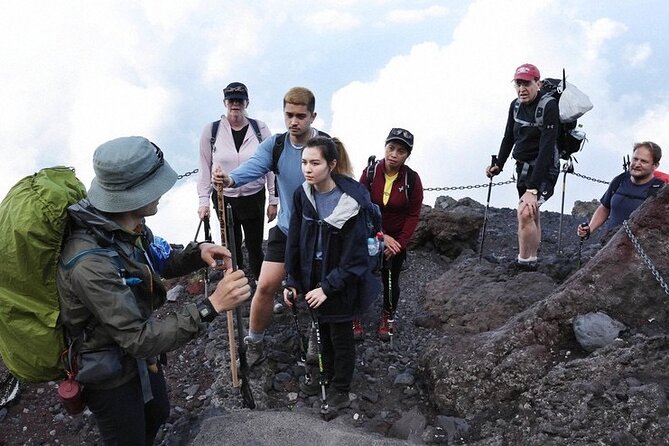
- Japanese-led safety focus: a mountain guide (Japanese) keeps you moving and helps with pacing
- Shinjuku-to-Fuji convenience: start early from Tochomae Station and use an air-conditioned vehicle
- Meals and mountain lodge time: dinner is provided at the mountain lodge, and lunch is included on Day 1
- Bath included after descent: you’ll get a rest-facility bath to reset tired legs
- Group size capped at 49: still a crowd, but it’s not a tiny private hike
- English may be limited: WhatsApp communication can help, but plan for some language gaps
Why This 2-Day Fuji Climb From Shinjuku Works
Mt. Fuji is one of those bucket-list goals that sounds easy until you try to plan it. Between getting to the trailhead, figuring out timing, arranging gear, and staying on schedule, the logistics can steal your energy. This tour is designed to give you a simpler deal: you show up, you climb, and you let the local team handle the flow.
The biggest value is that you’re not doing it alone. You’ll climb with a mountain guide (Japanese) plus a tour guide who stands by at the fifth station in Yoshida. That matters because Fuji is physical, and conditions can change fast. Even if the climb feels “moderately challenging,” you still need good pacing and someone watching the group.
I also like that this tour builds in recovery. You’re not just climbing and disappearing into the night. You get a proper evening meal at the mountain lodge, and after your descent you’ll have time for a bath at a rest facility. In plain terms: you climb, you eat, you reset, then you climb smarter the next day.
Finally, the tour is positioned for people who want the experience but don’t want to become experts in mountain travel. You don’t need mountaineering skills, and that lowers the barrier if you’re fit but not technical.
More Fuji day trips our readers rated highly
- Mt Fuji and Hakone 1-Day Bus Tour Return by Bullet Train
★ 5.0 · 26,383 reviews - Mt Fuji & Hakone Cruise, Drum Show Bullet Train 1 Day from Tokyo
★ 4.0 · 7,413 reviews - Tokyo Mt Fuji 5th St & Hakone Cruise Bus Tour w/Bullet Train
★ 4.4 · 5,024 reviews - From Tokyo: Mount Fuji Full-Day Sightseeing Trip
★ 4.5 · 4,970 reviews
Getting There: Tochomae Station at 6:30 and the Ride to Fuji
Your day begins early. The meeting point is Tochomae Station in Shinjuku, with a 6:30 am start time. From there, you’ll use an air-conditioned vehicle, which is a nice comfort before you’re dealing with cold air and the physical grind.
The route takes you to the Mt. Fuji Subaru Line 5th Station area. The tour then guides you from there, with time built into the schedule so you’re not just dumped on the mountain with a map and good luck.
A small but important detail: the tour uses a mobile ticket. That’s convenient if you’re already living on your phone while traveling. Just make sure your battery is healthy and your ticket is ready before you walk into the pickup area.
Also note the ending point: you finish back at Shinjuku Station. That’s helpful because you avoid the “now what” moment after your climb. Instead, you get a clear return plan to a transit hub.
Day One at Subaru Line 5th Station: Lunch, Rhythm, and Guide Help
The first major stop is the Mt. Fuji Subaru Line 5th Station. This is a key transition point on Fuji, where you move from the city-world pace into the mountain rhythm. You’ll spend about 1 hour 30 minutes at this stage with the tour team, and that includes guidance and time to settle in.
One included meal helps a lot here: lunch on Day 1 after arriving at the 5th Station. Eating at the right moment matters on Fuji. You don’t want to chase food later while you’re already worn out from the climb start. A planned lunch gives your body the fuel it needs before the more demanding work begins.
Because you’re going with a local guide rooted in the region, you’re also likely to get practical, on-the-ground direction for pacing. Fuji punishes sloppy pacing. Go too fast early and you’ll pay for it later. Go too slow and you risk falling behind the group flow. That’s exactly what a guide is for.
The moderate challenge level is encouraging, but don’t misread it. “Moderately challenging” still means real effort. Your job is to move steadily, take breaks when offered, and follow directions. That’s how you make it feel manageable instead of chaotic.
The Mountain Lodge Part: Dinner, Sleep, and Staying on Track
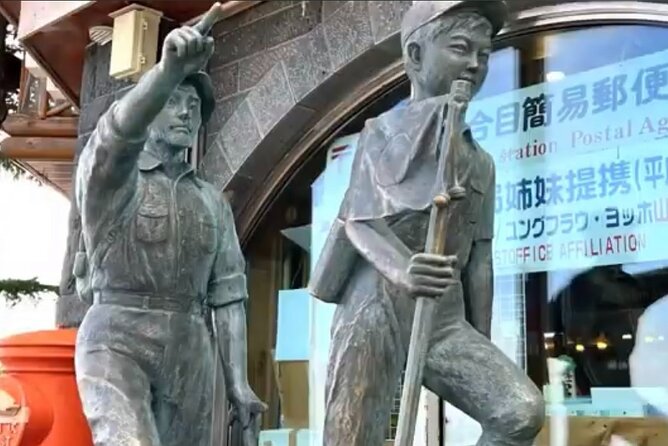
A big part of what makes this tour feel like a “real deal” is that it treats the mountain as two days, not one rushed attempt. You get dinner provided at the mountain lodge, which takes away the hassle of trying to find food on the mountain when you’re tired and cold.
Even if you’re not a “mountain person,” you’ll appreciate what the lodge time does for you. It creates a predictable rhythm: hike, eat, rest, then continue. That lowers stress, and stress is what makes the mountain feel harder than it has to be.
You can also expect the lodge stay to be practical rather than luxury. On Fuji, you’re not paying for high-end comfort. You’re paying for support, meals, and the structure that helps you keep going. If you’re mentally prepared for simple mountain conditions, the lodge stop becomes a strength point rather than a surprise.
From the reviews, one clear theme is that the lodge accommodations were good for being up on a volcano. That’s exactly the right kind of expectation to bring: basic, functional, and focused on helping you climb again after rest.
Summit Views and the Safety Net of the Local Team
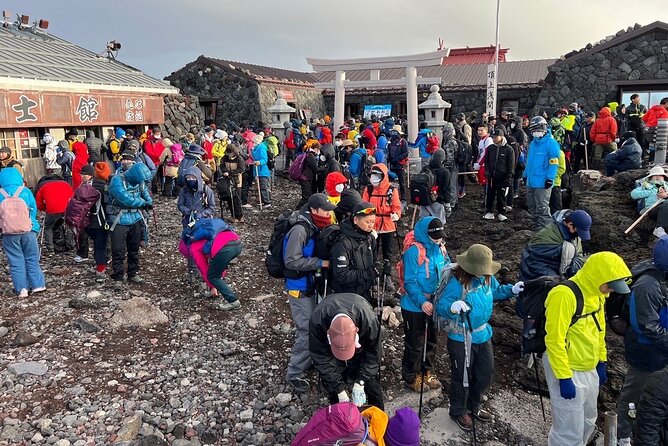
What makes Fuji so special is what you work for: the sense of standing on top of Japan’s icon. From the summit, you’ll admire views of the Kanto plains. That’s a long view with real scale, not a quick postcard corner.
But the summit itself is only half the story. The other half is how you get there. This tour leans heavily on the guide system. You’ll have a Japanese mountain guide who keeps you safe and helps the group follow the climb’s pace.
From the feedback, guides were praised for making sure everyone stayed on track and made it to the summit when conditions allowed. That’s the kind of support you want if you’re planning to climb as a “do the thing” moment, not as a solo mission.
Still, keep a realistic mindset. This is a mountain, and conditions can change. One account noted they were unable to go to the summit, and that’s a reminder: you’re buying guidance and structure, not guaranteed weather perfection.
If you want the cleanest chance at success, treat the guide’s instructions like they’re the whole plan. Don’t freestyle. Don’t ignore the pacing. If you get tired, speak up early.
Readers also shortlisted these Tokyo bookings:
- Tokyo 6hr Private Tour with Government-Licensed Guide★ 5.0 · 3,902 reviews
- Tokyo: Shinjuku Local Bar and Izakaya Guided Walking Tour★ 4.9 · 1,794 reviews
- Tokyo: Private City Highlights Tour with Local Guide★ 4.8 · 1,433 reviews
- Tokyo: Tsukiji Fish Market Guided Walking Tour★ 4.9 · 1,397 reviews
- Tokyo 4hr Private Tour with Government-Licensed Guide★ 5.0 · 1,394 reviews
Onsen Reset: Bath After Descent and the Taste of Relief
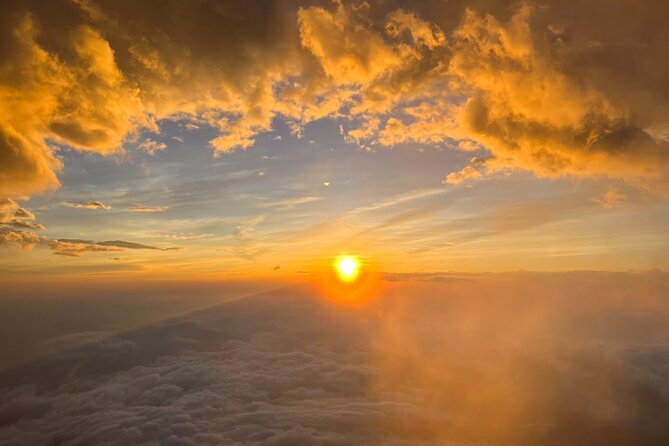
After you descend, you’re not left to wander around hungry and stiff. This tour includes bathing at a rest facility after your descent. That’s huge value because your body will feel it: sore legs, tight muscles, and that general “I climbed a mountain” fatigue.
The bath doesn’t just feel good. It helps you recover enough to enjoy the rest of your day back in Tokyo. It also makes the whole trip more than a fitness challenge. You get closure. You come down, you clean up, you reset.
You also have lunch included as part of the post-descent recovery rhythm. One overview line specifically calls out lunch and a bath after you descend, and that matches the idea of giving you a full reset meal after effort.
This is the kind of inclusion that you won’t fully appreciate until you’ve been out there. On Fuji, the hardest part isn’t only the climb up. It’s what happens when you come down: you’ll want comfort and food waiting, not a scramble.
Price and Value at $470: What You’re Really Paying For
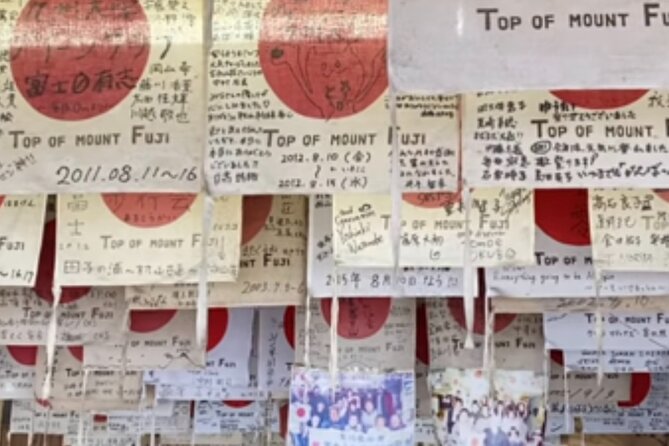
At $470 per person, this isn’t a “cheap hike.” But the price makes sense when you count what’s bundled.
You’re paying for:
- Guide support on the mountain (Japanese mountain guide)
- A tour guide standing by at the fifth station in Yoshida
- Transport via air-conditioned vehicle from the Shinjuku area
- Included meals: dinner at the mountain lodge and lunch on Day 1 (plus meal timing after descent)
- A bath at a rest facility after descent
- A mobile ticket and guided structure across two days
The practical way to judge value is simple: would you realistically pay separately for all of that, in a way that still feels organized and safe? If you tried to DIY it, you’d likely spend money on lodging logistics, transport, guidance, and food anyway. The biggest cost isn’t always cash—it’s energy spent planning.
Also consider timing. The tour is booked on average 55 days in advance, which suggests demand is real. If you leave it too late, you might end up settling for a different option with less guide support.
One more value point: group size max is 49 travelers. That’s large enough for a lively group, but it’s not an overwhelming stampede. A larger group can still feel crowded at busy times, yet the cap helps keep the tour manageable.
Language and Communication: How Much Japanese You Need
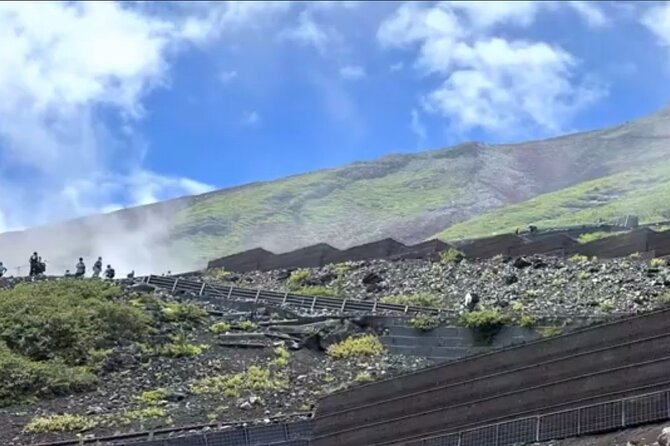
Here’s the truth: this tour includes a Japanese mountain guide. That’s not a problem if you speak Japanese, but it can be a challenge if you don’t.
Some feedback points to English being limited, and the practical workaround is teamwork and messaging. WhatsApp communication was praised as helpful, which is useful because it lets you confirm details, ask questions, and get clarity even when spoken language is tricky.
If you’re not confident in Japanese, do yourself a favor:
- Use a translation app before you climb
- Keep your questions short and clear
- Follow visual cues and guide instructions closely
- Assume you might need help from other group members at moments
The good news: the tour is structured, so you’re not guessing every step. You’re moving through set stages with guided support. Even when language is limited, the physical tasks are guided and the schedule is organized.
Fitness Level, Gear, and Crowd Reality on Fuji
The climb is described as moderately challenging, and that’s consistent with the reality of Fuji: steady effort for active people, not a technical rock climb. You don’t need mountaineering skills, which lowers the intimidation factor.
You do need a moderate physical fitness level. Think in terms of endurance and willingness to work for hours. If you’re the type who can handle long hikes with breaks, you’ll likely be comfortable with the structure.
Gear-wise, the tour notes that rental is available if needed for an extra charge. That’s a useful safety net if you don’t travel with hiking boots and cold-weather gear. Still, since rental costs aren’t listed as included, factor that into your total budget.
Crowds are another reality check. One review noted it can get crowded during holiday/climbing season. That means you should plan to move in a group flow, keep patience, and expect lines or congestion at popular points. It won’t ruin the experience, but it changes the vibe. Fuji is shared territory, especially at peak dates.
Also, pack for temperature swings. Fuji can feel cold early and tiring later. The tour doesn’t specify weather gear details, so use the usual logic: layers, gloves if you get cold, and anything that helps you keep moving without freezing.
The Bottom Line: Should You Book This Fuji Tour?
You should strongly consider booking if you want:
- A guided Mt. Fuji climb with safety-focused leadership
- Built-in structure across two days
- Meals and a bath after descent so you can actually recover
- Convenience from the Shinjuku area, with a clear start time and return
You might want to think twice if:
- You need lots of English support in real time
- You prefer total DIY freedom and don’t want to follow a group pace
- You’re not ready for basic mountain lodge conditions
One last practical note: the experience is non-refundable and cannot be changed. If your schedule is flexible or weather-dependent, build in confidence before paying.
If you’re an active traveler and you like the idea of letting Shin and the team handle the mountain logistics, this tour is a strong way to experience Fuji without turning your trip into a planning project.
FAQ
What’s the duration of the Mt. Fuji 2-day climbing tour?
The tour runs for 2 days (approximately).
Where do I meet, and what time does the tour start?
You meet at Tochomae Station in Nishishinjuku, Shinjuku City, Tokyo. The start time is 6:30 am.
Where does the tour end?
The tour ends at Shinjuku Station in Shinjuku City, Tokyo.
Is a mobile ticket provided?
Yes, the tour includes a mobile ticket.
What’s included for meals and recovery?
Included items list dinner at the mountain lodge, lunch on Day 1 after arriving at the 5th Station, and bathing at a rest facility after descent.
Do I need mountaineering skills?
No. The climb is described as moderately challenging and you don’t need mountaineering skills.
Do guides speak English?
The mountain guide is listed as Japanese. One review also notes this may not be ideal for English speakers, unless you have no other option.
Is gear rental available?
Yes. Rental is available if needed, but it has an extra charge.
More Tours in Tokyo
- Mt Fuji and Hakone 1-Day Bus Tour Return by Bullet Train
★ 5.0 · 26,383 reviews - 1-Day Tokyo Bus Tour
★ 5.0 · 14,250 reviews - Tokyo: Shinjuku Food Tour (13 Dishes at 4 Local Eateries)
★ 5.0 · 6,603 reviews - Tokyo Mt Fuji 5th St & Hakone Cruise Bus Tour w/Bullet Train
★ 4.4 · 5,024 reviews - Flagship 2-Hours Official Street Go-Kart Tour – Tokyo Bay Shop
★ 5.0 · 4,974 reviews
More Tour Reviews in Tokyo
- Mt Fuji and Hakone 1-Day Bus Tour Return by Bullet Train
★ 5.0 · 26,383 reviews - 1-Day Tokyo Bus Tour
★ 5.0 · 14,250 reviews - Tokyo: teamLab Planets TOKYO Digital Art Museum Entry Ticket
★ 4.6 · 9,779 reviews - Mt Fuji & Hakone Cruise, Drum Show Bullet Train 1 Day from Tokyo
★ 4.0 · 7,413 reviews - Tokyo: Shinjuku Food Tour (13 Dishes at 4 Local Eateries)
★ 5.0 · 6,603 reviews
More Mount Fuji Days We Have Reviewed
- Mt Fuji and Hakone 1-Day Bus Tour Return by Bullet Train
★ 5.0 · 26,383 reviews - Mt Fuji & Hakone Cruise, Drum Show Bullet Train 1 Day from Tokyo
★ 4.0 · 7,413 reviews - Tokyo Mt Fuji 5th St & Hakone Cruise Bus Tour w/Bullet Train
★ 4.4 · 5,024 reviews - From Tokyo: Mount Fuji Full-Day Sightseeing Trip
★ 4.5 · 4,970 reviews - Tokyo: Mt. Fuji Tour, Hakone Ropeway, Owakudani, Lake Ashi
★ 4.7 · 4,002 reviews
Latest Tokyo reviews off our desk






Mount Fuji Tours, compared.
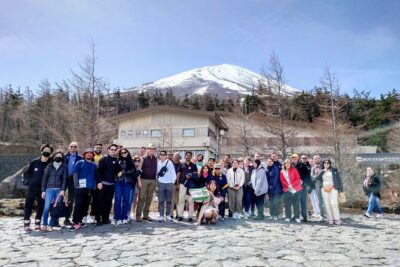 ★ 5.0Mt Fuji and Hakone 1-Day Bus Tour Return by Bullet TrainFrom $16326,383 reviews
 ★ 4.0Mt Fuji & Hakone Cruise, Drum Show Bullet Train 1 Day from TokyoFrom $1497,413 reviews
 ★ 4.4Tokyo Mt Fuji 5th St & Hakone Cruise Bus Tour w/Bullet TrainFrom $1545,024 reviews
 ★ 4.5From Tokyo: Mount Fuji Full-Day Sightseeing TripFrom $684,970 reviews
 ★ 4.7Mt. Fuji Tour, Hakone Ropeway, Owakudani, Lake AshiFrom $544,002 reviews
 ★ 4.4Mt.Fuji,Kawaguchiko Oishi Park,Arakurayama Sengen ParkFrom $542,682 reviews
 ★ 4.2Mt. Fuji 5th Station & Hakone Cruise 1-Day Bus TourFrom $1292,381 reviews
 ★ 4.7Mt Fuji Top 5 Spots Day Tour: Arakurayama Park,Oshino HakkaiFrom $532,066 reviews