
Reviewed · TOURS
Intro to Japan Tour: 8-day Small Group
Japan can feel like a blur of neon and noise. This tour slows it down. You’ll get the big-name moments—like Shibuya Crossing and Senso-ji—but also the kind of everyday Japan that sticks with you: a sumo day, historic post towns, and real food stops. I especially love the tight small-group size (max 8) and the way the schedule mixes headline sights with local texture. One heads-up: the pace is still active, and you’ll want moderate fitness to handle walking and long transit days.
What really makes this feel human is the guiding team: Becki and Shawn. They run things with clear organization, and the tour is designed to be adjusted to the group’s interests. Add the convenience of a mobile ticket, and you have fewer hassles to manage on the ground.
In This Review
- Key highlights that matter on this 8-day plan
- What kind of trip is this, really?
- Day 1 in Tokyo: Shibuya Crossing and an easy start
- Day 2: Asakusa temples, Tsukiji seafood, and Ryogoku sumo
- Senso-ji Temple in Asakusa (free, about 2 hours)
- Old Tsukiji Market Outer Market (free, about 1 hour)
- Ryogoku Kokugikan sumo viewing (included, about 2 hours)
- Day 3: Bullet train to Nagoya for Inuyama Castle
- Inuyama Castle (included, about 2 hours)
- Day 4: The Nakasendo Trail past town feel in Tsumago
- Nakasendo Tsumagojuku (free, about 2 hours)
- Day 5: Kiyomizu-dera and Higashiyama District in Kyoto area
- Kiyomizu-dera Temple (included, about 4 hours total with the district time)
- Day 6: Golden Temple, Fushimi Inari torii gates, and Dotonbori food
- Kinkakuji Temple (included, about 1 hour)
- Fushimi Inari-taisha Shrine (free, about 2 hours)
- Dotonbori District in Osaka (free, about 2 hours)
- Day 7: A free day in Tokyo with optional add-ons
- Day 8: Narita Airport Observation Deck to finish the trip
- Guides, pace, and the small things you’ll actually feel
- Value check: Is it worth $5,748 per person?
- Who should book this tour?
- Should you book this 8-day small group introduction to Japan?
- FAQ
- How many people are in the group?
- What cities and areas does the itinerary cover?
- Are any admissions included?
- Is there a mobile ticket?
- How physically demanding is this tour?
- Is this tour refundable?
Key highlights that matter on this 8-day plan
- Max 8 travelers, so the day doesn’t feel like a cattle chute
- Tokyo to Nagoya by bullet train, then onward to historic Kiso Valley and Kyoto/Osaka-area sights
- Two major temple days with included entries and time to wander the surrounding districts
- Sumo Tournament viewing included, which is harder to arrange on your own
- Osaka street-food time at Dotonbori, with takoyaki as a very practical option
- A guided Tokyo free day option, including Tokyo Station architecture and Akihabara if you want it
What kind of trip is this, really?
This is an intro-to-Japan tour built around variety. You’re not just chasing landmarks. You’re seeing how Japan changes block by block: a frantic crossing in Shibuya, candlelit temple streets in Asakusa, a controlled indoor sport day at Ryogoku, then countryside-style pacing in the Kiso Valley.
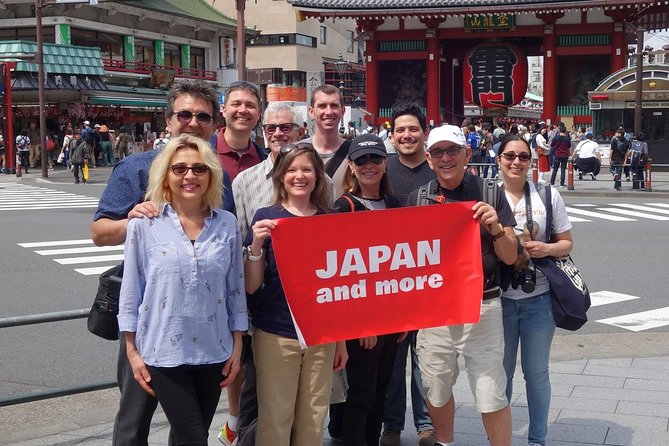
The small-group limit matters more than you might think. When you’re capped at 8 travelers, your guide can actually steer the day—speed up when a spot is easy, slow down when it’s not, and shift priorities when your group has stronger interests than the default plan. That flexibility is one of the reasons people leave feeling satisfied rather than rushed.
Price-wise, this isn’t a budget-only trip. At $5,748 per person, you’re paying for guided logistics across multiple cities and the time cost of making it run smoothly. The tour also includes a handful of admissions (more on those below), which helps justify part of the cost. Still, you should be clear on what you’re buying: time saved, stress reduced, and better access to places that are easier with a plan.
Readers booked these Tokyo options in the same breath. Here is how each one scored:
- Mt Fuji and Hakone 1-Day Bus Tour Return by Bullet Train
★ 5.0 · 26,383 reviews - 1-Day Tokyo Bus Tour
★ 5.0 · 14,250 reviews - Tokyo: teamLab Planets TOKYO Digital Art Museum Entry Ticket
★ 4.6 · 9,779 reviews - Mt Fuji & Hakone Cruise, Drum Show Bullet Train 1 Day from Tokyo
★ 4.0 · 7,413 reviews
Day 1 in Tokyo: Shibuya Crossing and an easy start
You kick off with Shibuya Crossing and surrounding time to get your bearings. You get a full hour, and there’s no admission cost listed, which means you can treat this as a quick reset: arrive, breathe in the city, and soak up the energy without a museum-ticket feeling.
Why this works early: Shibuya is a stress-test for first-timers—in a good way. You see dense streets, confusing crossings, and the kind of order that only becomes obvious once you’re standing in the middle. You’ll learn fast how you should walk, not how you should panic.
Practical note: this is the kind of area where you’ll want comfy shoes and a charged phone. Even if everything is organized, Tokyo crowds are still Tokyo crowds.
Day 2: Asakusa temples, Tsukiji seafood, and Ryogoku sumo
Day 2 is your culture-and-food mashup.
Senso-ji Temple in Asakusa (free, about 2 hours)
You’ll start at Senso-ji, described as Tokyo’s oldest Buddhist temple, built in 645 AD. That date detail isn’t just trivia. It gives context for why the area still feels like a living, long-running neighborhood tradition rather than a themed attraction.
You’ll have about 2 hours, enough to look around without feeling trapped in a single lane.
Tip: go slow here. The best photos often come from looking sideways—lanterns, incense smoke, and small shopfronts—rather than only aiming straight at the main gate.
Old Tsukiji Market Outer Market (free, about 1 hour)
Next is the Outer Market at Tsukiji. You’re there for lively historic energy and fresh seafood vendors. It’s not a sit-down meal tour; it’s more like a guided pass through a place where snacks and short purchases are normal.
Even if you don’t buy anything, you’ll learn what locals do when they want something quick but real.
- Tokyo: Shinjuku Food Tour (13 Dishes at 4 Local Eateries)★ 5.0 · 6,603 reviews
- Tokyo Mt Fuji 5th St & Hakone Cruise Bus Tour w/Bullet Train★ 4.4 · 5,024 reviews
- Flagship 2-Hours Official Street Go-Kart Tour – Tokyo Bay Shop★ 5.0 · 4,974 reviews
- From Tokyo: Mount Fuji Full-Day Sightseeing Trip★ 4.5 · 4,970 reviews
- Tokyo: Hop-On Hop-Off Sightseeing Bus Ticket★ 3.9 · 4,207 reviews
Ryogoku Kokugikan sumo viewing (included, about 2 hours)
Then the day turns sporty. You go to Ryogoku Kokugikan for the Tokyo Grand Sumo Tournament. This is listed as admission included and about 2 hours.
This is one of the smartest choices in the whole itinerary. Sumo is iconic, but it’s not always intuitive to plan. With a group schedule already set, you can focus on what matters: the atmosphere, the rules you’ll hear explained, and the intensity in a small arena setting.
Possible drawback: indoor events can still mean waiting around for seats and timing. If you hate waiting, bring patience.
Day 3: Bullet train to Nagoya for Inuyama Castle
Day 3 is about switching gears—fast.
Inuyama Castle (included, about 2 hours)
You ride the Japanese bullet train to Nagoya and then head to Inuyama Castle, noted as one of only 12 original castles in Japan and a designated National Treasure. Admission is included.
Why I like this stop on a first-timer tour: it gives you a different kind of Japan than temples and street markets. Castles are history you can walk around, and the fact that this one is among the original set makes it feel more meaningful than a reconstruction-only experience.
If you’re the type who loves photo angles: castles reward lingering.
Day 4: The Nakasendo Trail past town feel in Tsumago
This day gives you a slower rhythm.
Nakasendo Tsumagojuku (free, about 2 hours)
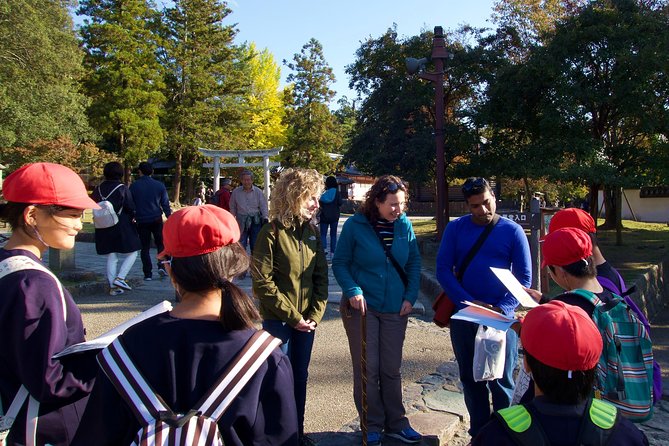
You visit Tsumago, a preserved post town in the Kiso Valley. It connects to the Nakasendo Trail, the Edo Period route between Tokyo and Kyoto.
You’re not in an open-air theme park here. A post town works best when you imagine the small daily logistics: where travelers stopped, ate, rested, and changed pace. Two hours is enough to get that feeling without turning it into a lecture.
Practical note: it’s outdoors and walking-based. If you tend to get tired fast in hilly or cobbled areas, you’ll want to take breaks when the group does.
Day 5: Kiyomizu-dera and Higashiyama District in Kyoto area
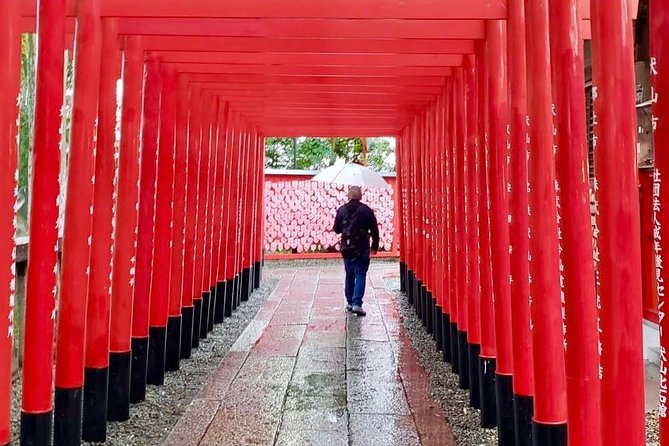
This is one of the most scenic days on paper.
Kiyomizu-dera Temple (included, about 4 hours total with the district time)
You visit Kiyomizu Temple (Kiyomizu-dera), labeled a World Heritage Site, and you’ll also walk the Higashiyama District with older wooden houses and small shops. Admission is listed as included, and the stop is about 4 hours total.
That time block is important. You’re not just checking a temple off. You’re walking through the surrounding neighborhood texture—exactly what you want in Kyoto-area stops.
Possible consideration: 4 hours in this area can be slower, crowded, and very photogenic in a way that encourages time loss. If you like shopping, good. If you hate crowds, plan for short pauses and use the group’s timing to avoid the worst bottlenecks.
Day 6: Golden Temple, Fushimi Inari torii gates, and Dotonbori food
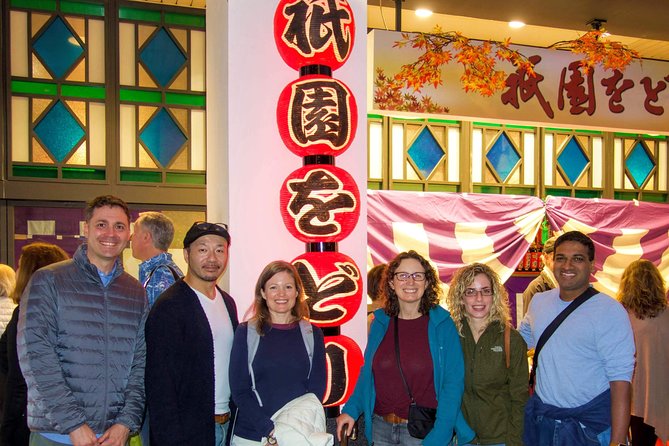
Day 6 stacks three very different experiences: a showpiece temple, a spiritual gate walk, and a street-life food zone.
Kinkakuji Temple (included, about 1 hour)
You visit Kinkaku-ji, the Golden Temple, a World Heritage Site. Admission is included, and it’s about 1 hour.
One hour can sound short until you’re there. The temple’s impact is visual and focused. This is a place where you’ll get better photos—and a calmer experience—if you don’t overstay.
Fushimi Inari-taisha Shrine (free, about 2 hours)
Then it’s Fushimi Inari-taisha and the famous walk among thousands of red torii gates. Admission is free, and the time is about 2 hours.
This is the stop that makes you feel the difference between “seeing” and “walking.” Torii gates change the way you move through space, and the path makes you slow down naturally. It’s also the day where your sense of direction matters. You’ll want to stay with the group if you’re not confident in navigating crowds.
Dotonbori District in Osaka (free, about 2 hours)
Finally, you shift to pop culture and food in Dotonbori. It’s listed as a great chance to see Japan’s pop culture and try takoyaki. About 2 hours, free admission.
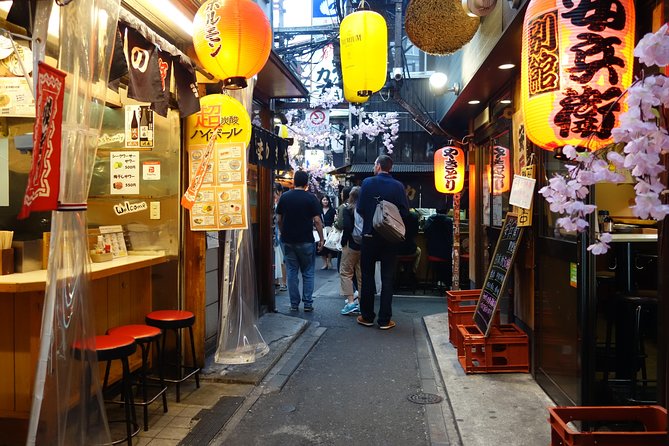
This is a great way to rebalance after temple walking. It gives you a different energy: neon signs, loud street scenes, quick snacks.
Practical advice: don’t plan on a single perfect meal. Use the time as a food sampler window.
Day 7: A free day in Tokyo with optional add-ons
Day 7 is structured as a free day with optional ideas.
You can explore other sights and do last-minute shopping. The tour also offers an optional excursion covering Tokyo Station architecture, Akihabara electronics time, and a boutique Sumie Art Gallery where you can learn the technique of sumie painting.
This is your flexibility day. If you love modern Japan, lean into Tokyo Station and Akihabara. If you want calmer culture, the sumie option gives you a more hands-on, personal skill angle.
One thing to watch: a free day is freedom, but it also means more decisions. If you prefer a firm plan, join at least one of the optional add-ons.
Day 8: Narita Airport Observation Deck to finish the trip
You end by heading to Narita International Airport Terminal 1, 5F Observation Deck. It’s listed as 2 hours with admission included, after hotel check-out.
That final stop is a surprisingly nice landing. Instead of making you rush straight from hotel to gate, it gives you a calm view moment to close the loop on the trip. It’s also a practical reminder that the Japan journey doesn’t have to end on a stressful note.
Guides, pace, and the small things you’ll actually feel
Across the experience, the biggest recurring strength is organization—days that run on time and transitions that don’t leave you guessing. The guiding team includes Becki and Shawn, and the focus is clearly on getting the group to the right places with minimal friction.
Because the tour is capped at 8 travelers, you’ll also notice faster help when something needs adjustment—meeting a bit of a timing mismatch, answering questions, or steering people through crowded areas without turning it into a crowd-herding exercise.
The tour also asks for moderate physical fitness. That means you should be comfortable with walking and standing for portions of the day, not that you need to be an athlete. If you know you struggle with long stairs or persistent standing, you may want to build in your own mini-rest routine.
Value check: Is it worth $5,748 per person?
This is the real question, because the price isn’t low.
Here’s what you’re getting for the money, based on the tour format and what’s included:
- Multi-city routing with a bullet train day and multiple major sights
- A small-group cap that improves the day-to-day experience
- Several included admissions, including sumo, Inuyama Castle, Kiyomizu-dera, Kinkaku-ji, and the Narita observation deck
- Mobile ticket convenience
- A plan designed to be custom-fit to the group’s preferences
What you’re not paying for explicitly in the info you were given: the fine-print costs behind transit and meals. So when you evaluate value, treat meals and personal spending as separate. If you’re the type who wants to manage everything independently, you could build a DIY trip. But if you want to spend your energy on the experience—not the planning—this package makes a lot of sense.
Who should book this tour?
This tour fits best if you:
- want a first-timer-friendly sampler of Japan that still feels grounded
- prefer a guided plan but with room for choices (especially on the Tokyo free day)
- like variety—temples, history, sport, street food, and modern neighborhoods
- don’t want to manage logistics between multiple places alone
You might not love it if you:
- hate any walking or prefer only one neighborhood per day
- want a slow, unstructured travel vibe every day
- are trying to stretch time extremely tightly with zero rest
Also, check your commitment level. This experience is non-refundable and cannot be changed, so don’t book unless your dates are firm.
Should you book this 8-day small group introduction to Japan?
If your goal is a strong overview of Japan with just enough structure to keep things smooth, I’d lean yes. The combo of Tokyo big scenes, Asakusa + Tsukiji, a real sumo day, an original castle stop, and the Kiso Valley post town gives you balance that many single-city tours can’t match.
Book it if you want less stress and better pacing, especially with a small group of 8 and guides like Becki and Shawn who seem built for making the days feel planned but still flexible.
Skip it if you already know you want a slow itinerary, or if you need fully refundable plans. For everyone else, this is a practical way to see Japan without spending your entire vacation doing logistics.
FAQ
How many people are in the group?
The tour has a maximum of 8 travelers, which helps keep the experience manageable and responsive.
What cities and areas does the itinerary cover?
The schedule is based in Tokyo and includes trips to Nagoya (for Inuyama Castle) and stops connected to the Kiso Valley, Kyoto area sights (like Kiyomizu-dera and Fushimi Inari), and Osaka (Dotonbori).
Are any admissions included?
Yes. The sumo tournament at Ryogoku Kokugikan is included, as are admission for Inuyama Castle, Kiyomizu-dera, Kinkaku-ji, and the Narita Terminal 1 5F Observation Deck. Other stops list admission as free or do not list an admission fee.
Is there a mobile ticket?
Yes. The experience includes a mobile ticket.
How physically demanding is this tour?
Travelers should have a moderate physical fitness level, since the plan includes walking time across multiple sights and neighborhood areas.
Is this tour refundable?
No. This experience is non-refundable and cannot be changed for any reason.
More Tours in Tokyo
- Mt Fuji and Hakone 1-Day Bus Tour Return by Bullet Train
★ 5.0 · 26,383 reviews - 1-Day Tokyo Bus Tour
★ 5.0 · 14,250 reviews - Tokyo: Shinjuku Food Tour (13 Dishes at 4 Local Eateries)
★ 5.0 · 6,603 reviews - Tokyo Mt Fuji 5th St & Hakone Cruise Bus Tour w/Bullet Train
★ 4.4 · 5,024 reviews - Flagship 2-Hours Official Street Go-Kart Tour – Tokyo Bay Shop
★ 5.0 · 4,974 reviews
More Tour Reviews in Tokyo
- Mt Fuji and Hakone 1-Day Bus Tour Return by Bullet Train
★ 5.0 · 26,383 reviews - 1-Day Tokyo Bus Tour
★ 5.0 · 14,250 reviews - Tokyo: teamLab Planets TOKYO Digital Art Museum Entry Ticket
★ 4.6 · 9,779 reviews - Mt Fuji & Hakone Cruise, Drum Show Bullet Train 1 Day from Tokyo
★ 4.0 · 7,413 reviews - Tokyo: Shinjuku Food Tour (13 Dishes at 4 Local Eateries)
★ 5.0 · 6,603 reviews
Latest Tokyo reviews off our desk






Tours, compared.
 ★ 5.0Mt Fuji and Hakone 1-Day Bus Tour Return by Bullet TrainFrom $16326,383 reviews
 ★ 5.01-Day Tokyo Bus TourFrom $12914,250 reviews
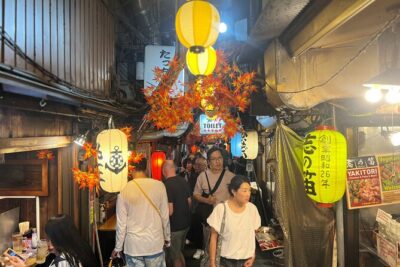 ★ 5.0Shinjuku Food Tour (13 Dishes at 4 Local Eateries)From $866,603 reviews
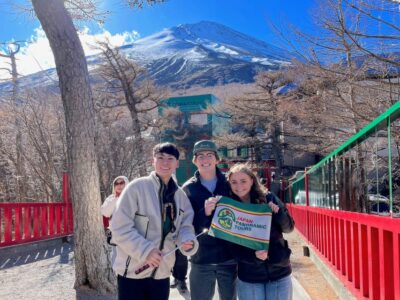 ★ 4.4Tokyo Mt Fuji 5th St & Hakone Cruise Bus Tour w/Bullet TrainFrom $1545,024 reviews
 ★ 5.0Flagship 2-Hours Official Street Go-Kart Tour – Tokyo Bay ShopFrom $644,974 reviews
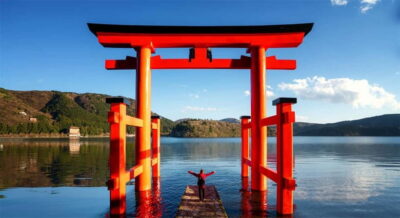 ★ 4.7Mt. Fuji Tour, Hakone Ropeway, Owakudani, Lake AshiFrom $544,002 reviews
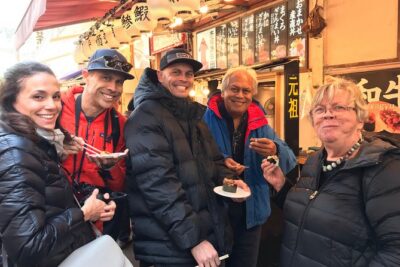 ★ 5.0Tokyo 6hr Private Tour with Government-Licensed GuideFrom $1553,902 reviews
 ★ 5.0Tokyo Bar Hopping Tour in Shinjuku (All-You-Can-Drink + Dinner)From $1063,587 reviews