Reviewed · TOKYO
Japan Classic 10 Day – One Life Adventures
Japan Classic 10 Day is a lot of Japan, packed into ten days. Starting in Tokyo and ending in Osaka, you hit the big icons and a few quieter corners without having to plan trains every day. I especially liked how the schedule balances famous sights with hands-on experiences like sushi rolling and kendo.
Two things I really enjoyed: the included food and activity moments that feel personal (not just sightseeing), and the way the day-to-day pacing keeps you moving so you actually cover Tokyo, Hakone, Takayama, Kyoto, and Osaka in one trip. One possible drawback: this is active and fast-paced, with lots of walking and early starts to beat crowds.
If you want a smooth introduction to Japan’s rhythm—train days, temple days, and food days—this tour style fits. And if you get a guide like Ashleigh (many groups rave about her energy and humor), you’ll likely feel the trip is easier, funnier, and more connected than you expected.
In This Review
- Key Things That Make This Tour Work
- Tokyo Kickoff: Senso-ji, Harajuku, Akihabara, and the Shibuya Reality Check
- Tsukiji Morning to Shinjuku Skyline: Food You Eat, Skills You Use
- Hakone Ropeway and Lake Ashi: Fuji Views Depend on the Weather
- Takayama and Hida Beef Country: Markets, Sake, and Slow Attention
- Kyoto’s Early Gates and Temple Lines: Fushimi Inari to Kiyomizu-dera
- Golden Pavilion, Zen Garden Quiet, and Kendo at Kyoto Budo Center
- Arashiyama to Osaka: Bamboo, Monkey Park, a Private Row Boat, and Dotonbori Nights
- Value, Included Food, and Why the Guide Can Make or Break It
- Price and Logistics: What $6,629 Buys You (and What It Doesn’t)
- Who Should Book This Tour (and Who Should Skip It)
- Should You Book Japan Classic 10 Day?
- FAQ
- How long is the Japan Classic 10 Day tour?
- Where does the tour start and end?
- What meals are included?
- Is tipping included in the price?
- How physically demanding is the tour?
- Is the tour refundable if I cancel?
Key Things That Make This Tour Work
- Hands-on culture: sushi making, sake tasting, and a kendo class add real substance.
- Tokyo to Osaka flow: you’re not backtracking, so the trip keeps momentum.
- Built-in food stops: yakitori and beer at Omoide Yokocho and Osaka nightlife plans keep it social.
- Early starts for big sights: Fushimi Inari is scheduled to help you avoid the worst crowd crush.
- Group size stays small: max 22 travelers means you spend less time waiting around.
- Guide matters here: strong leadership can turn a packed itinerary into a fun one.
Tokyo Kickoff: Senso-ji, Harajuku, Akihabara, and the Shibuya Reality Check
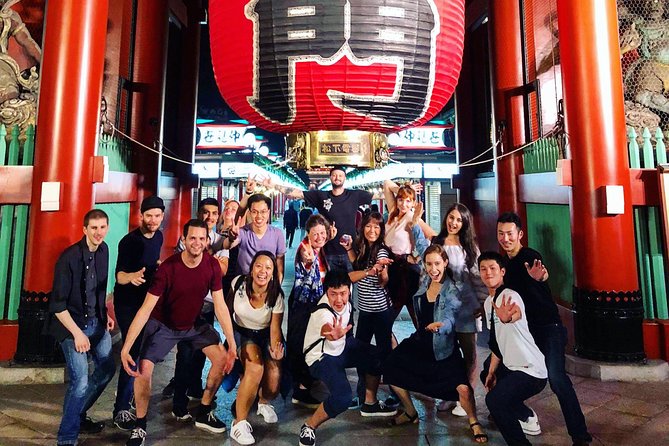
Your Japan trip starts in Tokyo, and the first day wastes zero time. You begin with Senso-ji Temple, one of the city’s most important landmarks, then you’ll head out with the group to eat Japanese cuisine and meet everyone. The best part of this start is that it immediately frames Tokyo as both traditional and modern—red temple lanterns on one hand, city energy on the other.
Day 2 is where the tour really shows its strengths: you get Tokyo’s personality in a single sweep. First comes an orientation class that focuses on practical Japanese customs and simple phrases. That’s more useful than it sounds. When you can handle a few basics—polite greetings, common phrases, how to ask for directions—you stop feeling like you’re constantly “guessing.” You also get better at navigating faster-moving situations like station crowds.
Then it’s Harajuku Station and the youth-pop energy of the neighborhood. Even if you’re not shopping, the area is a snapshot of Japan’s street culture at speed. From there you move to Meiji Jingu Shrine, which gives your brain a reset in the middle of all that city noise. The contrast is intentional, and it works.
Next: Akihabara, Tokyo’s electric electronics and anime corridor. This is the kind of place where you could get lost for hours on your own. Here, you get a guided run that helps you see the full vibe without spending half the day figuring out what to look for.
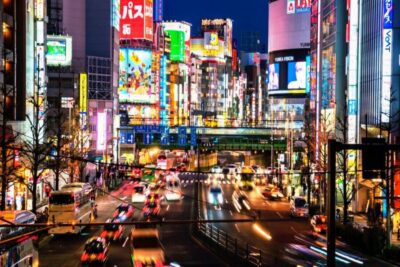
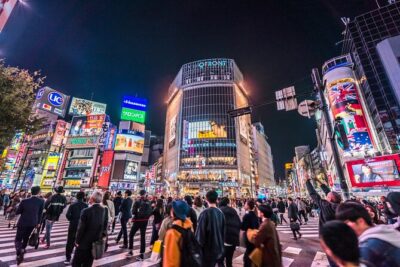
Finally, you close Day 2 with Shibuya Crossing—the world-famous intersection that’s hard to fully grasp until you’re standing right there. It’s touristy for a reason, and the tour gives you the right payoff: you experience it, then move on instead of lingering too long.
Potential drawback: Tokyo can feel like sensory overload. If you’re the type who needs quiet time daily, you’ll have to build it in yourself—bring earplugs, pace your shopping, and don’t try to photograph everything. The schedule moves, and you’ll enjoy it more if you let some moments be lived-in, not captured.
Readers booked these Tokyo options in the same breath. Here is how each one scored:
- Mt Fuji and Hakone 1-Day Bus Tour Return by Bullet Train
★ 5.0 · 26,383 reviews - 1-Day Tokyo Bus Tour
★ 5.0 · 14,250 reviews - Tokyo: teamLab Planets TOKYO Digital Art Museum Entry Ticket
★ 4.6 · 9,779 reviews - Mt Fuji & Hakone Cruise, Drum Show Bullet Train 1 Day from Tokyo
★ 4.0 · 7,413 reviews
Tsukiji Morning to Shinjuku Skyline: Food You Eat, Skills You Use
Day 3 starts with Tsukiji Fish Market—a big-name seafood destination that’s famous for a reason. Even beyond raw “see the market” sightseeing, it sets you up for Japan’s real superpower: food culture that’s both local and precise.
Then comes the part that makes the day memorable: a sushi making class. You don’t just watch; you learn and roll, and you’ll even fry teriyaki as part of the lesson. That’s a major value add because it turns the day from passive sightseeing into an actual skill you can talk about afterward. It also helps you understand what makes sushi special—rice texture, rolling technique, and the timing details that make it come out right.
After that, you get Tokyo Metropolitan Government Building Observation Decks to see Shinjuku’s skyline. Observation decks are often hit-or-miss, but here it functions as a “connective tissue” moment: you look down at a city you’ve been walking through all trip, and it starts to make sense how everything fits together.
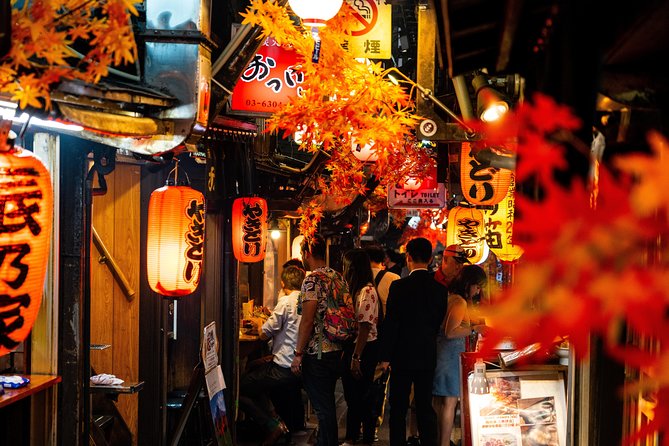
Then it’s Omoide Yokocho—yakitori and beer in the alley-style restaurant lane. The nickname people use for it can be read as funny internet shorthand, but on the ground the experience is simple: small bites, good energy, and a look at old-school Tokyo street eating.
You end the day with Shibuya Crossing. Doing Shibuya twice (once earlier in the itinerary, once later) can sound repetitive, but the timing difference gives you a different feel—more like a chapter review than a repeat stop.
Tip for you: eat slowly on the food stops and save energy for Shibuya. It’s easy to get “full” without getting truly satisfied if you rush.
Hakone Ropeway and Lake Ashi: Fuji Views Depend on the Weather
Day 4 shifts you out of Tokyo into Hakone, and the transit is part of the fun. You head via the Romance Car, then check into a mountain-area guesthouse. This is a classic Japan pattern: spend a day in nature so your Tokyo memory doesn’t blur into one long city day.
Next up is the Hakone Ropeway. Expect big views, cool air, and the kind of scenery that makes you forget you’re traveling. If the day is clear, the views are the highlight—especially later when you’re on the water.
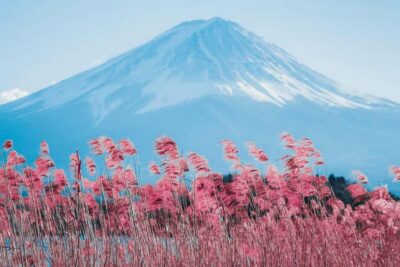
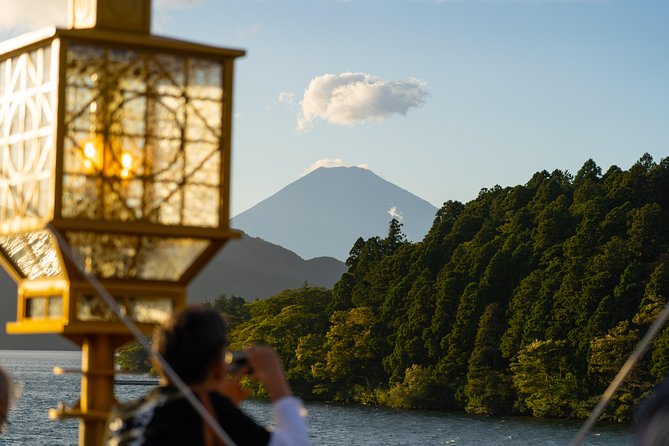
You then sail across Lake Ashinoko on a pirate ship style boat. On clear days, you can get a standout view of Mt. Fuji, but you should plan for “conditions vary.” In other words, don’t build your day around seeing Fuji. Build it around being on a lake in the mountains—that part you’ll feel regardless.
Dinner at the guesthouse is a typical nabe meal. That’s not just about eating; it’s about switching gears. You go from sightseeing to a slower, warmer evening where you can actually breathe.
One consideration: Hakone days are great, but they’re also packed. You’ll want a comfortable pair of walking shoes because the schedule includes multiple movement segments.
Takayama and Hida Beef Country: Markets, Sake, and Slow Attention
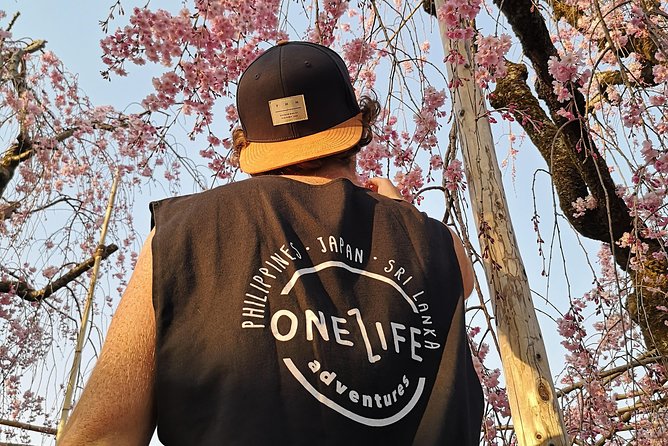
Day 5 is a train-heavy transition day that pays off with real regional atmosphere. You take the bullet train to Nagoya, then continue on a scenic route through mountains toward a UNESCO World Heritage-listed area (the itinerary cuts off before the exact label, but the point is clear: the route is staged for views).
Then you arrive in Takayama, a town known for its old-town feel. In the afternoon you visit the Harada Sake Brewery for sake tasting. This isn’t just a “drink and leave” stop. It’s the kind of cultural activity that helps you understand why regional Japan matters—sake is local craft, not just a product.
You also get the chance to treat yourself to Hida beef. Even if you skip it, the brewery stop plus regional food options give you a chance to taste beyond the Tokyo standard menu.
Day 6 starts with a morning walk through Takayama’s Miyagawa River morning market. It’s one of the best ways to experience local daily life without turning it into a museum. You’ll walk around the old town and riverbanks, which gives you a more “lived-in” sense of the region.
Then you head to Kyoto. The route is another transit bridge: Takayama → Nagoya → bullet train to Kyoto. It keeps the itinerary efficient, so you’re not losing half the day to slow connections.
Kyoto’s Early Gates and Temple Lines: Fushimi Inari to Kiyomizu-dera
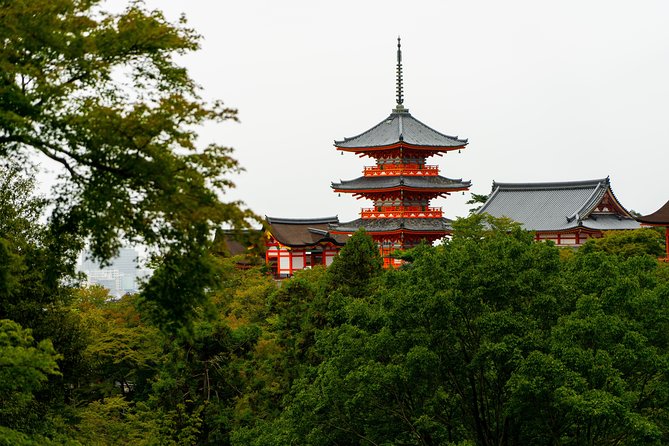
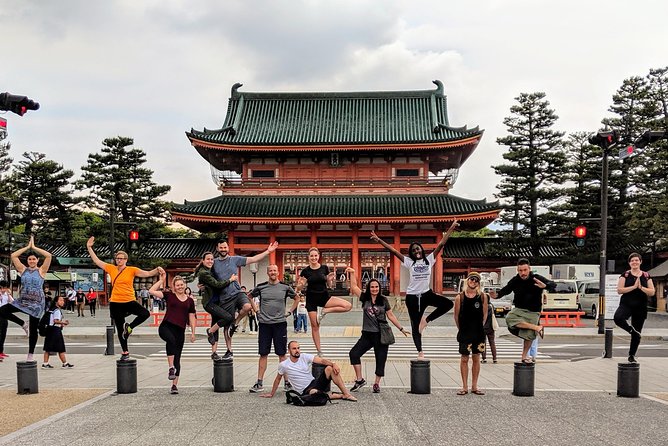
Kyoto is where the tour leans hard into classic spirituality and photo-ready architecture, but it does it in a way that tries to manage crowds. Day 7 begins early at Fushimi Inari-taisha, using subway to get there before the worst crush. You’ll walk through the mountain corridor of red torii gates, and the early timing is key—this is one of those places where being early changes everything about your experience.
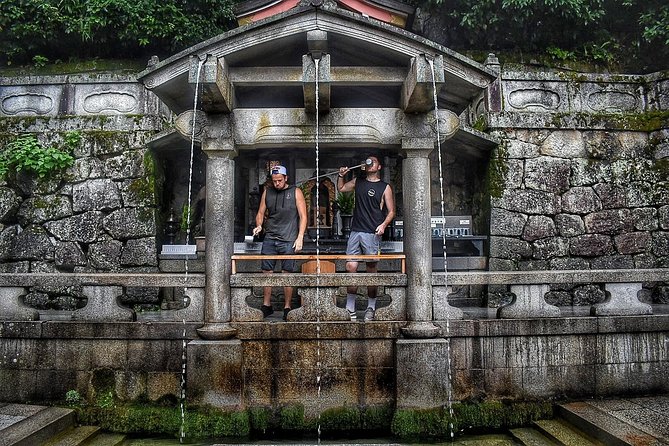
Next comes Kiyomizu-dera, one of Kyoto’s most famous temples. The tour positions it as a major sightseeing day, but it’s also a place where you’ll want to slow down. The temple sits high on the mountainside, so your “walk effort” turns into real viewpoints.
After Kiyomizu-dera, you return to the hostel for breakfast. That detail matters because it helps you stay functional. Fast-paced tours often forget meals. This one doesn’t.
Day 6 had Gion planned as well—Kyoto’s most famous atmosphere zone. Gion can be touristy, sure, but the itinerary uses it as an evening walk so you can experience it in softer light rather than forcing you to stand there all day.
Practical note: Kyoto tempts you to overpack your day with stops you add yourself. On this tour, stick with the plan and add only small extras around free time. Otherwise the walking adds up fast.
- Tokyo: Shinjuku Food Tour (13 Dishes at 4 Local Eateries)★ 5.0 · 6,603 reviews
- Tokyo Mt Fuji 5th St & Hakone Cruise Bus Tour w/Bullet Train★ 4.4 · 5,024 reviews
- Flagship 2-Hours Official Street Go-Kart Tour – Tokyo Bay Shop★ 5.0 · 4,974 reviews
- From Tokyo: Mount Fuji Full-Day Sightseeing Trip★ 4.5 · 4,970 reviews
- Tokyo: Hop-On Hop-Off Sightseeing Bus Ticket★ 3.9 · 4,207 reviews
Golden Pavilion, Zen Garden Quiet, and Kendo at Kyoto Budo Center
Day 8 is split between iconic beauty and quieter depth. First: Kinkakuji Temple, the Golden Pavilion. The building reflects in the surrounding lakes, and the contrast—gold texture against water—makes it one of Kyoto’s most striking visuals. This is a “yes, it really looks like that” kind of stop.
Then you go to Daitoku-ji, which shifts you away from the main crowds. Here you visit a zen garden, giving you a calmer tempo right in the middle of the sightseeing schedule. That contrast is a big reason this itinerary feels more balanced than just stacking temples back-to-back.
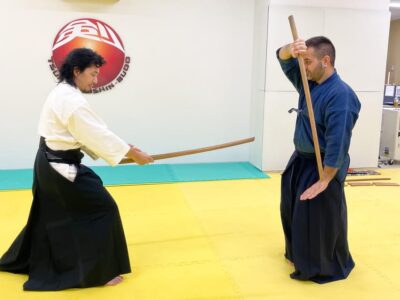
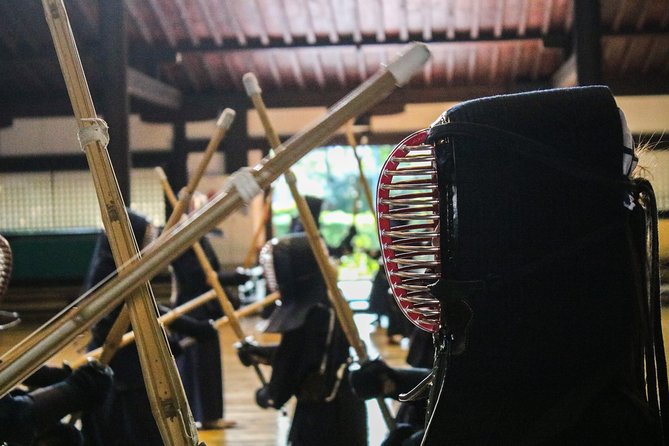
In the afternoon, the tour turns physical with Kyoto Budo Center and a kendo class. You’ll be taught by a Bushido instructor, described as a descendant of a Samurai warrior. Even if kendo isn’t your thing, the bigger value is respectful training in a traditional setting. This is the type of experience that makes your trip feel like more than photos.
The class runs long enough to count as a real activity, not a quick demo. That’s also why it pairs well with the earlier walking days—you get a different kind of effort and a stronger “I did this” memory.
Arashiyama to Osaka: Bamboo, Monkey Park, a Private Row Boat, and Dotonbori Nights
Day 9 is Kyoto nature in the morning, then a fast jump to Osaka energy at night. First comes Arashiyama with a plan designed to help you see the area efficiently. You start on Bamboo Forest Street with crowd avoidance in mind, then you head to Monkey Park Iwatayama. The climb is real, but it’s rewarded by views and the chance to see Japanese macaques in the area.
From there you move to a private row boat ride in the valleys. That’s one of the most distinctive inclusions on the schedule because it shifts from walking sightseeing to moving through scenery. If you’re tired by this point (and many people are), boat time is a helpful reset.
Then you train to Osaka, check in, and head for Dotonbori Tsuribori. This is where Osaka earns its nickname as a food-and-nightlife city. The itinerary keeps it energetic with lights, color, and a food tour vibe built around the district.
To finish the day, you do karaoke in the evening. It’s not a major cultural institution, but as a group activity it works. It’s a low-pressure way to end a trip day and hang out with your new travel crew.
Value, Included Food, and Why the Guide Can Make or Break It
Let’s talk value, because $6,629 for ten days isn’t pocket change, and you deserve a real answer.
This tour’s pricing makes more sense when you look at what’s included: three dinners, four breakfasts, and lunch included in the package. On top of that, several activities cover major costs—like the sushi making class, Hakone ropeway and Lake Ashi sailing, sake tasting, and the kendo class, plus other scheduled admissions across Tokyo, Hakone, and Kyoto.
The big value isn’t just entry tickets. It’s the “you participate” factor. Rolling sushi, tasting sake in a brewery setting, and learning kendo are time-and-effort commitments that add meaning. If you’ve ever paid for tours that feel like a bus window with extra steps, this one is built to avoid that.
Now add the human factor. The reviews you provided consistently praise the group leadership—especially Ashleigh, credited with energy, kindness, professionalism, and witty humor that helps keep morale up on a schedule this full. Even if you don’t get the same guide, the point is clear: the tour leans on guidance to keep the pace fun and the logistics clean.
Potential drawback on value: because the itinerary is dense, you’ll spend less time lingering. If you prefer long museum breaks or slow afternoons, you may feel you’re running. In that case, shorter or slower tours might match you better.
Price and Logistics: What $6,629 Buys You (and What It Doesn’t)
You pay $6,629 for a Tokyo-to-Osaka trip that’s about ten days. You get a mobile ticket, and the itinerary is built around being near public transportation, which matters because Japan rewards good station planning.
What’s not included is also important: international flights, travel insurance, pre and post tour accommodation, arrival and departure transfers, and tipping. Those add-ons can change your final budget, so price comparisons only work if you include those gaps.
Also, group travel means you’ll have a pace standard. The tour notes moderate physical fitness and a fast walking style, and that matches the itinerary. You’ll be walking through busy areas like Shibuya, temple zones, market districts, and Kyoto hills. If stairs and long walks make you miserable, plan accordingly.
Finally, the group size max is 22 travelers. That’s a sweet spot for busy cities—large enough to feel social, small enough to keep things moving.
Who Should Book This Tour (and Who Should Skip It)
This tour fits best if you want:
- A structured first Japan trip that covers Tokyo, Hakone, Takayama, Kyoto, and Osaka
- Food-forward experiences you can participate in (sushi and sake are the big ones)
- A social group vibe with nightly activities like Omoide Yokocho eating and Osaka karaoke
- Comfort with a busy schedule and lots of walking
You might think twice if:
- You want lots of downtime every day
- You hate early starts and prefer to explore slowly without crowd strategies
- You need a highly flexible plan with frequent option changes
If you’re a first-time solo traveler or new to group tours, this style can be especially helpful because the plan gives you momentum and keeps you from getting stuck in decision fatigue.
Should You Book Japan Classic 10 Day?
I’d recommend booking if you want a high-coverage Japan sampler with real activities attached to each stop. The included lessons—sushi making, sake tasting, and kendo—are the kind of add-ons that make a trip feel worth the time and cost. The Tokyo-to-Osaka routing also makes sense for ten days: you see a lot without pointless backtracking.
I’d hold off if you’re not comfortable with a fast-paced, walk-heavy itinerary. This isn’t a sit-down sightseeing tour. It’s a do-Japan tour, and it works best when you come ready for motion.
FAQ
How long is the Japan Classic 10 Day tour?
It runs for approximately 10 days, starting in Tokyo and ending in Osaka.
Where does the tour start and end?
The tour starts in Tokyo, Japan, and ends in Osaka, Japan (the tour ends at your Osaka accommodation).
What meals are included?
Lunch is included, along with breakfast on four days and dinner on three days.
Is tipping included in the price?
No. Tipping is not included.
How physically demanding is the tour?
The tour is listed as active and fast-paced with lots of walking, and it recommends a moderate physical fitness level.
Is the tour refundable if I cancel?
No. The experience is non-refundable and cannot be changed for any reason.
More Tour Reviews in Tokyo
- Mt Fuji and Hakone 1-Day Bus Tour Return by Bullet Train
★ 5.0 · 26,383 reviews - 1-Day Tokyo Bus Tour
★ 5.0 · 14,250 reviews - Tokyo: teamLab Planets TOKYO Digital Art Museum Entry Ticket
★ 4.6 · 9,779 reviews - Mt Fuji & Hakone Cruise, Drum Show Bullet Train 1 Day from Tokyo
★ 4.0 · 7,413 reviews - Tokyo: Shinjuku Food Tour (13 Dishes at 4 Local Eateries)
★ 5.0 · 6,603 reviews