
Reviewed · TOKYO
Japanese Traditional Entertainment Experience in Tokyo
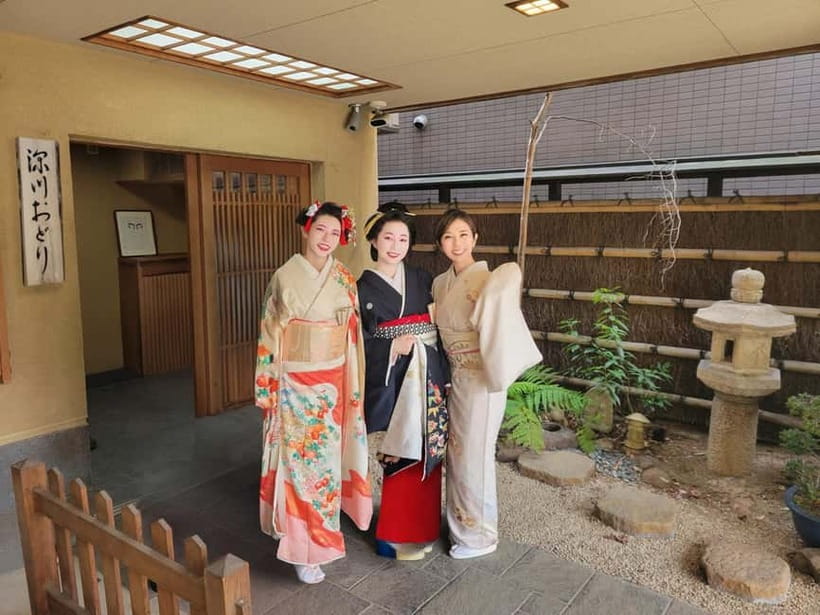
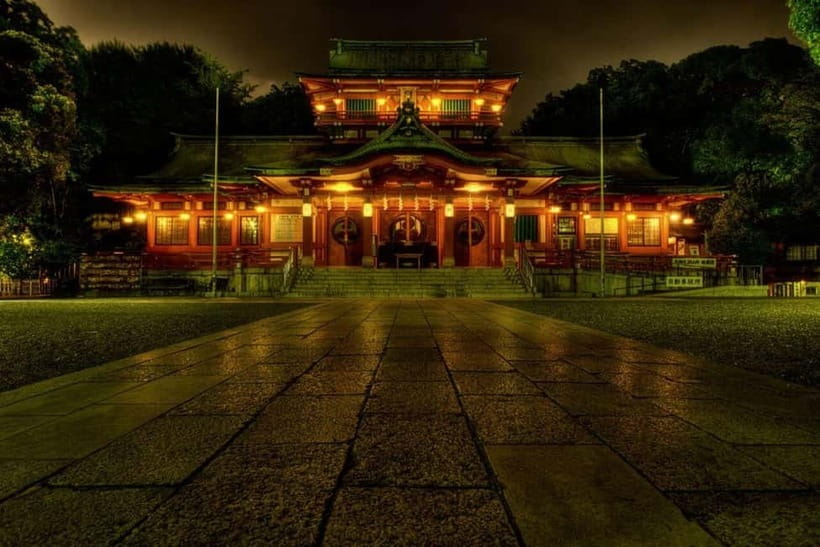
Tokyo in kimono hits different at night. This is a short Edo-style entertainment experience in Tokyo where you can walk the temple grounds as a townsman, then switch gears to a parlor geisha performance with traditional music and dance.
I like the built-in transformation (you arrive and end up in period costume), and I also like how the show format feels social and hands-on rather than just watching from a seat. One thing to consider: it’s only 30 minutes, so it’s best for people who want a concentrated taste, not a long cultural evening.
If you’re choosing between courses, decide based on how much food you want to be part of the experience. The UME option focuses on sweets and matcha, while TAKE and MATSU build in a meal setup tied to the performance. The meeting point is a specific address in Koto-ku, and transportation to get there isn’t included.
In This Review
- Key Things I’d Circle Before You Go
- Edo Night Entertainment: Why This Format Works in Tokyo
- Meeting Point at Fukagawa Odori Hachiman Zashiki (Koto-ku)
- Your Kimono Moment: Becoming an Edo Townsman
- Ozashiki Parlor Party: How the Geisha Show Is Set Up
- The Tea, Matcha, and Performing Arts Connection
- Courses and What You Actually Get: UME, TAKE, MATSU
- UME COURSE: Sweets and Matcha Focus
- TAKE COURSE: Geisha Entertainment + Fukagawa Meal Set
- MATSU COURSE: Kaiseki Cuisine With Drink
- Food Reality Check: Edo Kaiseki and Fukagawa Meshi
- Timing and the 30-Minute Advantage (and Limitation)
- Price and Value at $74 Per Person
- Optional Period Drama-Style Short Movie
- Who Should Book This Geisha and Ozashiki Night?
- So, Should You Book It?
- FAQ
- FAQ
- Where is the meeting point?
- How long is the experience?
- What is the price?
- What does the UME course include?
- What does the TAKE course include?
- What does the MATSU course include?
- Is transportation to the venue included?
- What languages are offered?
- Is cancellation free?
- Is the short movie included?
Key Things I’d Circle Before You Go
- Kimono transformation on arrival so you can play your role right away
- Temple-ground night walk that changes the feel from typical indoor shows
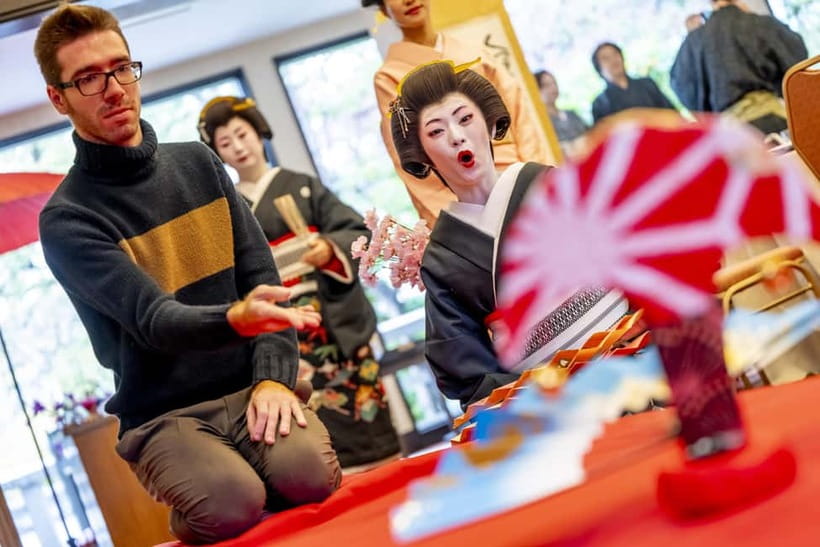
- Ozashiki parlor entertainment with geisha-led performances
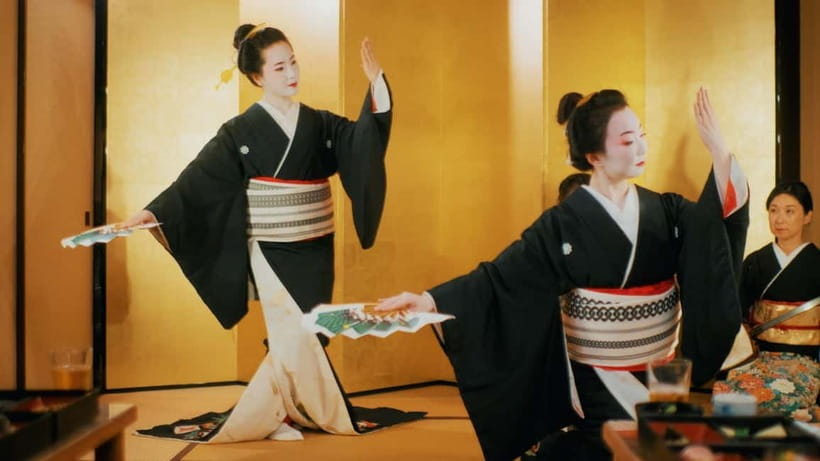
- Shamisen and dance programming as the core of the stage entertainment
- Three course choices that shift what you eat and what’s included
Edo Night Entertainment: Why This Format Works in Tokyo
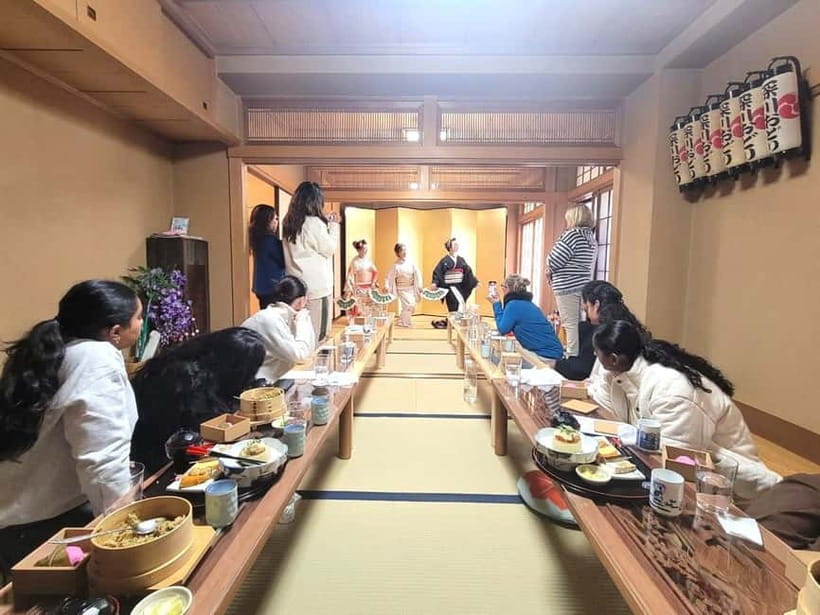
Tokyo has plenty of “cultural experiences,” but this one uses a simple recipe: you don’t just observe. You change clothes, you move through the setting, and you end up in a parlor where the performing arts become the center of the room.
That matters for value. At $74 per person for a 30-minute experience, you’re paying for a lot of “start-to-finish” energy—getting dressed, entering an Edo-themed atmosphere, and then watching the performance flow into the meal portion for some course levels. If you hate slow pacing, you’ll probably appreciate how quickly everything clicks into place.
It’s also not presented as a silent museum tour. The experience is framed as a Japanese party where strangers mix and have fun together. In practice, that social element can make the cultural parts easier to enjoy because you’re not stuck doing awkward small talk with no payoff.
The other reason this format works: it’s clearly built around traditional performance types you can actually recognize—dancing and shamisen show up as key features—so you’re not gambling on whether “traditional arts” will feel too abstract.
Readers booked these Tokyo options in the same breath. Here is how each one scored:
- Mt Fuji and Hakone 1-Day Bus Tour Return by Bullet Train
★ 5.0 · 26,383 reviews - 1-Day Tokyo Bus Tour
★ 5.0 · 14,250 reviews - Tokyo: teamLab Planets TOKYO Digital Art Museum Entry Ticket
★ 4.6 · 9,779 reviews - Mt Fuji & Hakone Cruise, Drum Show Bullet Train 1 Day from Tokyo
★ 4.0 · 7,413 reviews
Meeting Point at Fukagawa Odori Hachiman Zashiki (Koto-ku)
Plan to go straight to the meeting spot at Fukagawa Odori Hachiman Zashiki in Koto-ku. The English address is: Fukagawa Odori Hachiman Zashiki, 1-22-8 Tomioka, Koto-ku, Tokyo. The Japanese address listed is 東京都江東区富岡1-22-8 深川おどり八幡座敷.
Transportation isn’t included, so you’ll want to map your route ahead of time. Also, because it’s a nighttime experience, I recommend arriving a bit early so the costume change and orientation don’t feel rushed. Even a small delay can compress the already short timeline.
If you’re budgeting time, treat the meeting point as the start of the experience window, not just a “drop-off.” The host or greeter is Japanese and English, which helps a lot when you need clear guidance fast.
Your Kimono Moment: Becoming an Edo Townsman
One of the most fun parts is the transformation step. You’ll be guided into period-style attire and then you get to experience the grounds at night as an Edo townsman.
Why I think this is a big deal: it turns the setting into part of the entertainment. A temple area at night already feels like a stage set. When you add the costume, you’re not just walking through a location—you’re participating in the theme.
Also, the “walk-through attraction” setup is practical. You’re not limited to one viewpoint. Instead, you can move around the temple grounds during the evening portion, which helps the experience feel more alive and less like a rigid ticketed show.
What to keep in mind: because you’ll be in costume, you’ll want to think about comfort and movement. Keep bags manageable and plan on a short, light trek rather than a long sightseeing detour.
Ozashiki Parlor Party: How the Geisha Show Is Set Up
After the evening walk, you move into the parlor-style portion (the ozashiki experience). This is where the geisha-led entertainment comes in, and it’s designed to feel like a traditional room party rather than a distant performance.
The show focus includes dancing and shamisen. That pairing tends to work well for first-timers because dance gives you rhythm and expression you can read quickly, while shamisen gives you that distinctive sound that anchors the atmosphere.
The reviews point to a consistent theme: hosts feel hospitable and professional, and they explain what’s happening in the cultural context. One review specifically mentions hosts explaining aspects of the traditional tea ceremony, which suggests you won’t only be “watching,” you’ll be guided through meaning.
Another reviewer noted a sense of elegance and professionalism, which matters in this type of experience because you’re interacting closely with performers and hosts. In other words: the social element doesn’t mean it’s chaotic. It should feel organized and respectful.
The Tea, Matcha, and Performing Arts Connection
This experience ties together traditional food and traditional arts in a way that’s easy to follow. For the UME course, Japanese sweets and matcha are included, so the tea-style component isn’t an afterthought.
Even if tea ceremony details aren’t fully explained in the marketing description, one of the reviews highlights that hosts talked through aspects of a traditional tea ceremony. That’s valuable for you if you want a little cultural context rather than just a snack.
Why matcha and sweets work here: they create a calm pause inside a lively evening. You get something sweet and warm-tasting (matcha), then you return your attention to the dancing and shamisen performance. It’s a natural rhythm—active, then reflective, then active again.
If you’re choosing between courses, think about your own comfort level with food-as-experience. If you want the tea pairing but don’t want a heavy meal, UME can make sense.
- Tokyo: Shinjuku Food Tour (13 Dishes at 4 Local Eateries)★ 5.0 · 6,603 reviews
- Tokyo Mt Fuji 5th St & Hakone Cruise Bus Tour w/Bullet Train★ 4.4 · 5,024 reviews
- Flagship 2-Hours Official Street Go-Kart Tour – Tokyo Bay Shop★ 5.0 · 4,974 reviews
- From Tokyo: Mount Fuji Full-Day Sightseeing Trip★ 4.5 · 4,970 reviews
- Tokyo: Hop-On Hop-Off Sightseeing Bus Ticket★ 3.9 · 4,207 reviews
Courses and What You Actually Get: UME, TAKE, MATSU
This is where the experience lets you tailor the value. There are three courses, and they change what’s included.
UME COURSE: Sweets and Matcha Focus
With the UME course, you get:
- Admission fee
- Performance
- Souvenir
- Japanese sweets and matcha
This option is best if you want the performance and the social atmosphere, but you don’t need an extended meal setup. It’s also a solid choice if you’re eating elsewhere the rest of the night and just want a meaningful stop.
TAKE COURSE: Geisha Entertainment + Fukagawa Meal Set
With the TAKE course, you get everything in the overall included items for course changes, plus:
- Ozashiki Geisha entertainment experience
- Fukagawa Meal Set
So you’re not just watching—the meal becomes part of the experience structure. Fukagawa style is part of the included meal language here, so you’ll want to go in ready to eat what’s offered as part of the program.
MATSU COURSE: Kaiseki Cuisine With Drink
With the MATSU course, you get the full “more” package:
- Ozashiki Geisha entertainment experience
- Kaiseki cuisine with Fukagawa Meshi
- Drink
If you’re the type who loves food as much as performance, this is where the value can jump the most. Kaiseki cuisine is positioned as the signature experience here, and MATSU also includes a drink—so you’re more likely to leave satisfied without needing a backup dinner plan.
Food Reality Check: Edo Kaiseki and Fukagawa Meshi
The most important thing to know: the meals aren’t generic restaurant dinners. They’re tied to the experience and course selection.
MATSU includes kaiseki cuisine along with Fukagawa Meshi, and TAKE includes a Fukagawa Meal Set. A review also mentions delicious organic food and that you should be prepared for a full meal, which matches the way MATSU is described as a signature meal experience.
Practical advice: if you pick TAKE or MATSU, plan your schedule so you’re not also eating a big dinner before you go. This is one of those experiences where food is part of the show flow. You’ll likely feel it once you’re there.
Also, the reviews suggest the food isn’t just filling—it’s memorable enough to come up in people’s feedback. That’s a good sign for value at this price point.
Timing and the 30-Minute Advantage (and Limitation)
The duration is listed as 30 minutes, and starting times depend on availability. That compact length is a double-edged sword.
The advantage: you can fit it into a Tokyo itinerary without sacrificing a whole evening. It’s an efficient “taste” that can work even on days when you’re tired from sightseeing.
The limitation: you won’t get a long, slow cultural deep dive. You’re there for costume, walk, parlor entertainment, and the included course elements. If you want hours of history lectures or multi-course pacing, this isn’t that.
So think of it as a focused night program. Go when you have energy to watch, listen, and move between spaces. Arrive ready to enjoy the rhythm.
Price and Value at $74 Per Person
At $74, you’re paying for more than a performance ticket. Your included items depend on course, but across options you get admission, the performance, and a souvenir.
The value jump is clearest when comparing courses:
- UME gives you the atmosphere plus sweets and matcha without adding a full meal structure
- TAKE adds a meal set and includes the geisha entertainment component
- MATSU adds kaiseki with Fukagawa Meshi and includes a drink
If you want “food + performance,” MATSU tends to be the most complete package. If you want “performance + a light cultural snack,” UME is the lower-commitment pick. TAKE sits in between with a meal set that can feel more substantial without going all the way into full kaiseki.
What’s not included is also part of value math: transportation to the venue isn’t included. That can be minor or meaningful depending on where you’re staying.
Optional Period Drama-Style Short Movie
There’s an optional extra mentioned: the shooting of a period drama-style short movie by a professional cameraman. It’s optional, and it’s not included in the base price list you see here.
If you’re considering it, weigh your interest in a souvenir-style video versus the time/energy it might add. For many people, the core experience is already enough. For others, the movie option can be a fun extra memory, especially since you’re already in costume.
Who Should Book This Geisha and Ozashiki Night?
This experience is a strong fit if you:
- Want a geisha performance in a structured, traditional setting
- Like social formats where strangers can still enjoy themselves together
- Prefer a short evening activity that won’t wreck your dinner plans
- Choose a course based on how much food you want
It may be less ideal if you:
- Need a long experience with deep time for explanation
- Want a purely observational show only (this one mixes movement, interaction, and food depending on course)
- Are depending on included transportation (it’s not included)
Also, if you’re sensitive to cultural etiquette, go in with patience and attention. The reviews emphasize hospitable, professional hosts and elegant presentation, which usually means the room atmosphere is respectful and guided.
So, Should You Book It?
I’d book this if you want a compact Tokyo night that mixes costume, traditional performing arts, and course-based food. The pairing of ozashiki parlor entertainment with shamisen and dance makes it feel distinctly Japanese rather than generic “cultural show.”
Choose your course with your appetite in mind. If you want the full experience arc—especially the food—lean toward TAKE or MATSU. If you want a lighter stop that still gives you the atmosphere, UME is the practical pick.
FAQ
FAQ
Where is the meeting point?
The meeting point is Fukagawa Odori Hachiman Zashiki, 1-22-8 Tomioka, Koto-ku, Tokyo. The Japanese address is 東京都江東区富岡1-22-8 深川おどり八幡座敷.
How long is the experience?
The duration is 30 minutes, with starting times depending on availability.
What is the price?
The price is $74 per person.
What does the UME course include?
The UME course includes admission, performance, a souvenir, plus Japanese sweets and matcha.
What does the TAKE course include?
The TAKE course includes admission and the performance, a souvenir, an Ozashiki geisha entertainment experience, and a Fukagawa meal set.
What does the MATSU course include?
The MATSU course includes admission and the performance, a souvenir, an Ozashiki geisha entertainment experience, Kaiseki cuisine with Fukagawa Meshi, and a drink.
Is transportation to the venue included?
No. Transportation to the venue is not included.
What languages are offered?
The host or greeter provides Japanese and English.
Is cancellation free?
Yes. You can cancel up to 7 days in advance for a full refund.
Is the short movie included?
No. Shooting of a period drama-style short movie by a professional cameraman is optional and not included.
More Tour Reviews in Tokyo
- Mt Fuji and Hakone 1-Day Bus Tour Return by Bullet Train
★ 5.0 · 26,383 reviews - 1-Day Tokyo Bus Tour
★ 5.0 · 14,250 reviews - Tokyo: teamLab Planets TOKYO Digital Art Museum Entry Ticket
★ 4.6 · 9,779 reviews - Mt Fuji & Hakone Cruise, Drum Show Bullet Train 1 Day from Tokyo
★ 4.0 · 7,413 reviews - Tokyo: Shinjuku Food Tour (13 Dishes at 4 Local Eateries)
★ 5.0 · 6,603 reviews





