
Reviewed · SHIBUYA EXPERIENCES
Japanese Wine Omakase in Shibuya – Guided Tasting, Not Sake
Japanese wine tastes different in Shibuya. This guided Japanese wine omakase session near Meiji Jingu focuses on local grapes, rare pours, and small plates in an intimate group of up to 12. You get an expert-led, structured tasting instead of a casual bar crawl, with an option to stay afterward for bottle shopping.
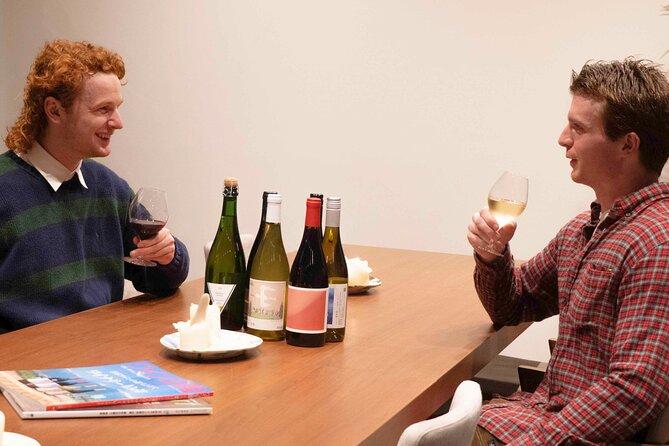
I love that the experience is built around 5 Japanese wines you can only taste in Japan, not a generic menu of familiar labels. I also like the pairing approach: each glass gets matched with refined small plates designed to make the flavors click.
One thing to consider: it’s a wine-forward tasting for adults (ages 20+) and seats are limited, so you’ll want to book in advance and be ready to reschedule if weather doesn’t cooperate.
In This Review
- Key Things I’d Plan Around
- Japanese Wine Omakase, Not Sake: What Makes This Session Special
- Inside the 75 Minutes: The Guided Tasting Flow
- What You’ll Learn: Native Grapes and How Japanese Terroir Shows Up
- The Food Pairings: Small Plates That Actually Serve the Wine
- After the Tasting: Optional Bar Time and a Curated Cellar
- Pricing and Value: Is $97.98 Worth It?
- Where You Go: Sangū Building in Shibuya (Near Meiji Jingu)
- Who This Fits Best (And Who Might Want Something Else)
- The Main Downsides to Keep in Mind
- Should You Book This Japanese Wine Omakase in Shibuya?
- FAQ
- Is this a wine tasting or a sake experience?
- How long does the guided tasting last?
- How many wines and food pairings are included?
- What’s the group size?
- Is the tour in English?
- Where is the meeting point?
- Can I take bottles home after the tasting?
- What if the weather is bad or I need to cancel?
Key Things I’d Plan Around
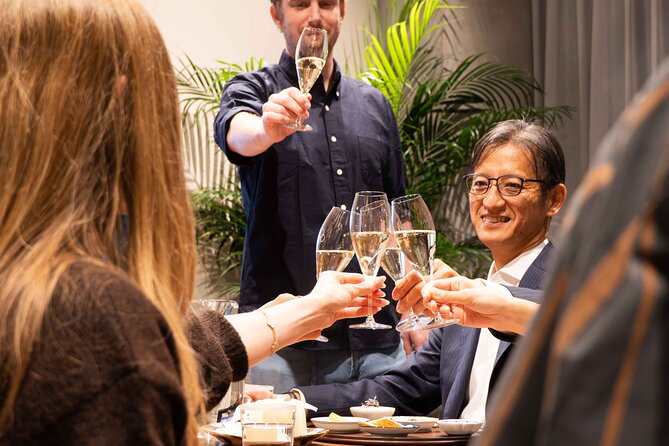
- 5 Japanese wines, paired with small plates for a true tasting flow
- English-guided explanations from a wine expert, not a sake lecture
- Max 12 guests, so questions and guidance actually happen
- Optional cellar time after for bottle selection and takeaway delivery
- Near Meiji Jingu in Shibuya, with an easier pace than the busiest tourist streets
Japanese Wine Omakase, Not Sake: What Makes This Session Special
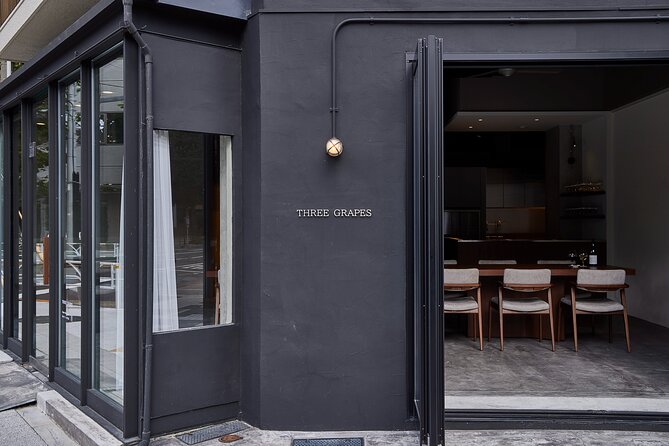
Tokyo has plenty of places to drink, but this one is different in a simple way: it’s centered on Japanese wine. The format is designed to help you understand what you’re tasting, including how Japanese grapes and local conditions shape flavor.
You’re also getting the benefit of location and mood. The tasting happens near Meiji Jingu, which means you can combine it with a shrine walk and keep the rest of your evening calmer. One review even highlighted that the area feels quieter than the big-name crush you might hit elsewhere in Japan, which matters if you want to actually concentrate on the wine instead of just surviving the crowd.
Finally, the “omakase” idea here is about sequence and curation during the tasting itself. Instead of wandering through wines on your own, you get a guided order of pours and pairings, which makes it easier to spot differences between styles.
More booked around Shibuya Crossing
- Official Street Go-Kart in Shibuya
★ 5.0 · 3,435 reviews - Tokyo: Street Kart Experience in Shibuya
★ 4.9 · 1,484 reviews - Shibuya Meltdown Nightlife Tour: All-You-Can-Drink Bar Hopping
★ 5.0 · 1,058 reviews - Shibuya Official Street Go-Kart in Shibuya Annex
★ 5.0 · 972 reviews
Inside the 75 Minutes: The Guided Tasting Flow
The core experience runs about 1 hour 30 minutes (often described as a 75-minute guided tasting). You’ll taste 5 Japanese wines, and each one is paired with refined small plates.
Here’s what that structure does for you:
- It prevents the common problem of “tasting a little of everything” with no clear learning path.
- It helps you compare wines meaningfully, because they’re served in a thoughtful progression.
- It keeps the food from becoming an afterthought. The plates are there to support what you’re drinking, not just to fill space.
This is also an English-guided experience. The host/wine expert explains what you’re tasting and the context behind it, including the stories behind native Japanese grapes. If you’re new to Japanese wine, that guidance can make the whole thing click fast.
A nice detail from the reviews: one host named Alex is specifically mentioned as friendly and highly knowledgeable, with guests praising the quality of explanations and the suggestions that come with the tasting. Even if your session isn’t with Alex, it signals the overall vibe: you’re not left guessing.
What You’ll Learn: Native Grapes and How Japanese Terroir Shows Up
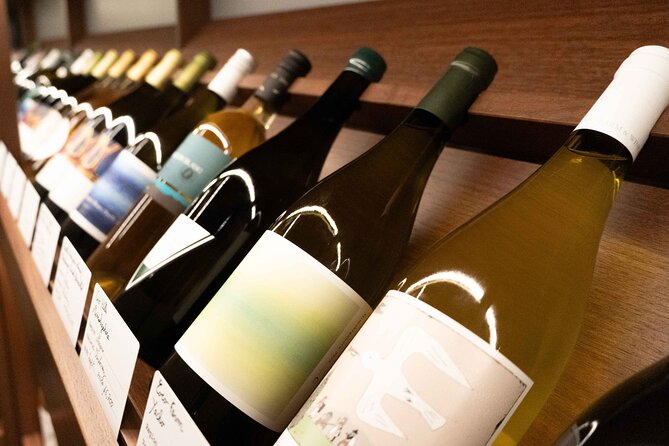
Japanese wine isn’t just a novelty; the point of the session is to show you how the local environment and grape choices affect flavor. You’ll hear about the native Japanese grapes being used and why they matter, plus how Japanese terroir can produce results that feel different from what you’re used to.
This kind of context is valuable because it changes how you taste. Instead of treating each pour like a mystery you hope you like, you start looking for cues:
- fruit character versus acidity balance
- texture and finish
- how food changes the wine (and vice versa)
You’ll also notice the educational tone isn’t stiff. Reviews describe the experience as friendly and easy to follow, even for people who didn’t know much about Japanese wine going in. That’s exactly what you want on a short, high-impact Tokyo activity: you leave with real understanding, not just a list of labels.
And there’s a practical takeaway: once you learn the style patterns that Japanese producers emphasize, you’ll have an easier time choosing bottles later in Tokyo (including during the optional cellar time).
The Food Pairings: Small Plates That Actually Serve the Wine
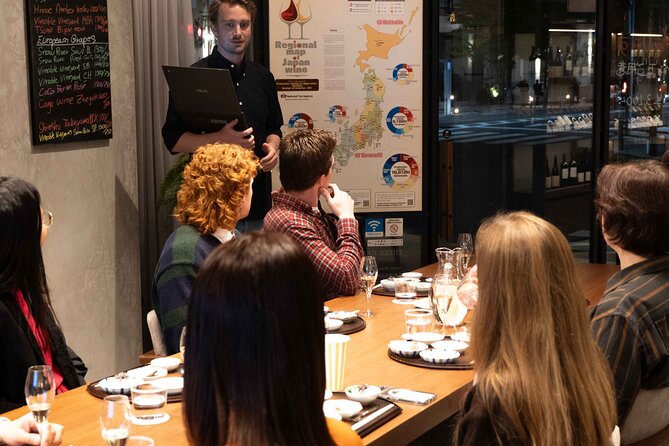
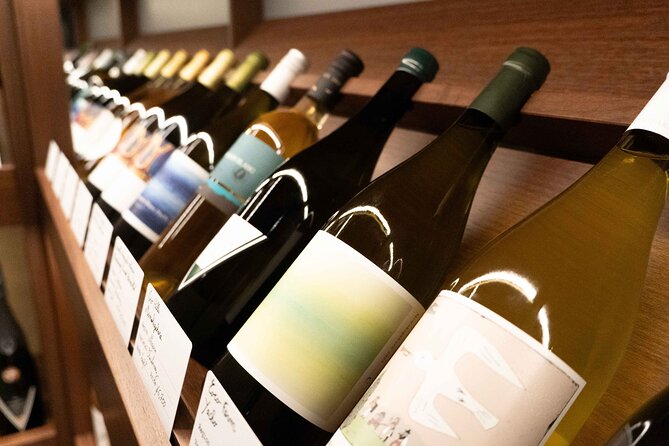
The small plates are part of the experience design, not decoration. Each tasting stop includes refined bites paired with the corresponding wine, so your palate gets a reset and a comparison each time.
Why this matters: wine often tastes better when you have contrast. A crisp white with the right bite can feel brighter, while a richer red or dessert-style pour can feel more seamless with a complementary flavor. The pairing setup helps you experience that effect rather than hoping it happens by accident.
In the reviews, people call the food and wine combo yummy and educational, which is a good summary of the goal. You’re not just collecting flavors; you’re learning how they work together. And because plates are small, the pacing stays comfortable for a 75-minute session.
One review specifically mentions that ice wine stood out. If your tasting includes ice wine, think of it like a bonus “wow” moment—something sweeter and more surprising than people expect. (Not every tasting is guaranteed to include the same set, but it’s a style worth noticing if you see it on your menu.)
After the Tasting: Optional Bar Time and a Curated Cellar
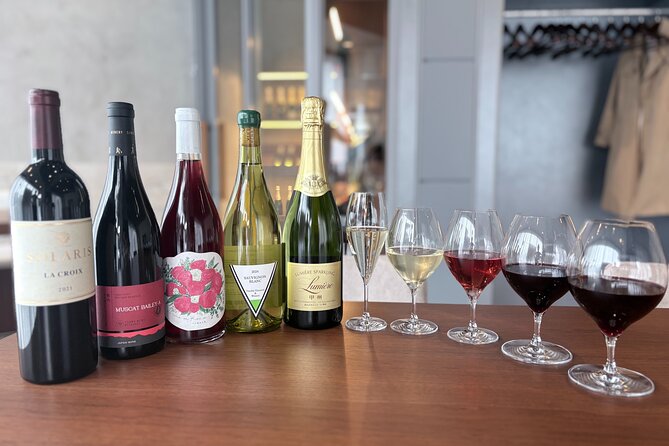
The experience doesn’t have to end when the 75 minutes are over. After the guided portion, you can stay for optional bar time. This is where the evening turns into something more flexible.
The key feature is a curated cellar of Japanese wine. You can choose bottles there, and the option to take them home is supported with hotel or airport delivery. That solves a real travel problem: you can enjoy the bottle experience without trying to pack a fragile souvenir through trains and airport security.
If you like the idea of a guided intro followed by freedom, this is a strong combo. The tasting teaches you what to look for. Then the cellar time lets you apply that knowledge immediately, rather than buying blind.
One more small atmosphere point pulled from reviews: people noticed the venue’s look, including window art. That might sound minor, but it contributes to why some visitors describe the place as a cute vibe that feels easy to relax in.
Readers also shortlisted these Tokyo bookings:
- Tokyo: Shinjuku Food Tour (13 Dishes at 4 Local Eateries)★ 5.0 · 6,603 reviews
- Tokyo Tsukiji Fish Market Food and Culture Walking Tour★ 5.0 · 3,184 reviews
- Tokyo: Shinjuku Food Tour (15 Dishes and 4 Eateries)★ 4.9 · 2,033 reviews
- Best of Shinjuku: Izakaya Food Tour (4 Stops, 14+ Tastings)★ 5.0 · 1,863 reviews
- Tokyo: Tsukiji Fish Market Food and Walking tour★ 5.0 · 1,724 reviews
Pricing and Value: Is $97.98 Worth It?
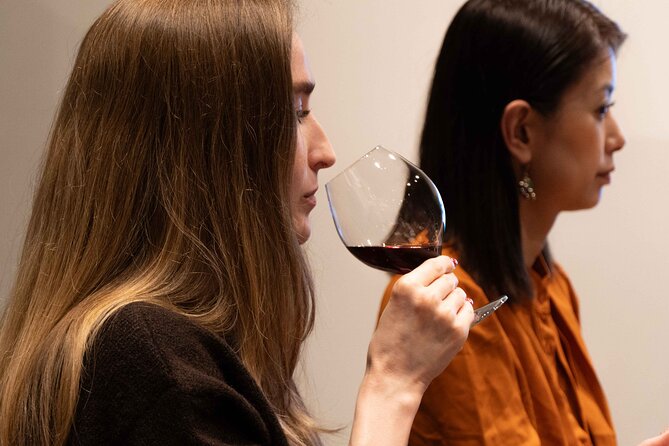
At $97.98 per person, the cost can look high if you’re comparing it to ordering one drink in a bar. But the math changes when you consider what’s included in the guided session:
- Five Japanese wines
- paired small plates
- expert-led English guidance
- a small group format (max 12), which usually means the host can keep the pace and explanations moving
In other words, you’re paying for a planned tasting experience, not just alcohol. If you’re the kind of traveler who wants more than one random pour, this pricing can be good value because you’re getting structure, education, and multiple tastes in one sitting.
There’s also a time-value angle. The session is short—about 1.5 hours—so it fits into a typical Tokyo day without turning into an all-evening commitment.
One practical note: this experience often gets booked ahead (on average, about 49 days in advance). That’s a hint that demand is real, especially for an intimate, English-guided wine tasting near a major landmark like Meiji Jingu. If you’re traveling soon, it’s smart to reserve early rather than assume walk-in availability.
Where You Go: Sangū Building in Shibuya (Near Meiji Jingu)
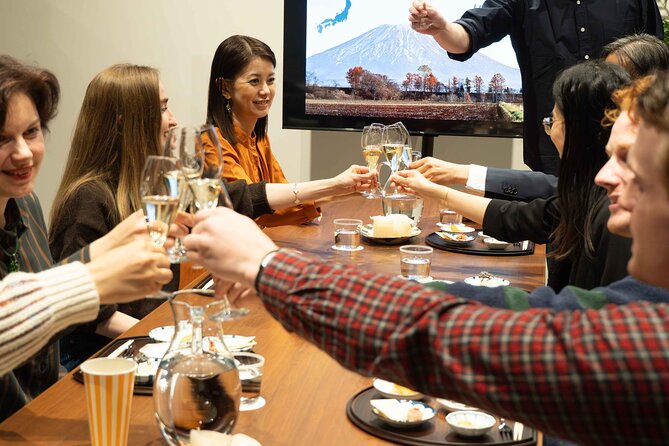
You meet at Sangū Building, 3-chōme-38-12 Yoyogi, Shibuya, Tokyo 151-0053, Japan. The activity ends back at the meeting point, which is helpful if you’re planning a shrine visit and then continuing dinner nearby.
Because it’s near public transportation, you can treat it as an easy part of a day rather than a destination that requires a long taxi ride. The proximity to Meiji Jingu is also a win: you get the option to pair the tasting with an atmospheric walk, then come inside for the quiet focus of the session.
My tip: if you’re combining it with Meiji Jingu, plan your schedule so you’re not rushing between the shrine area and the tasting. Wine tastes better when you’re not sprinting.
Who This Fits Best (And Who Might Want Something Else)
This is ideal if you:
- want a guided intro to Japanese wine and native grapes
- enjoy small-group settings where you can actually ask questions
- like the idea of pairing food with each pour
- want the option to buy bottles afterward with delivery
It’s also a great fit for people who normally don’t know much about Japanese wine but want to leave with real understanding. Several reviews describe that “I didn’t expect it to be this good” feeling, plus the satisfaction of learning why Japanese styles taste the way they do.
It might be less ideal if you only want sake, since this is specifically a wine tasting experience. And if you’re very sensitive to alcohol or you’re not planning to drink during the session, this is likely not the right match.
The Main Downsides to Keep in Mind
There are a few practical considerations that can affect your experience.
Limited seats. The group cap is 12, which is exactly why it feels intimate, but it also means you need to plan ahead.
Adult-only. The experience is open to ages 20+, so if you’re traveling with younger friends, you’ll need to split plans.
Weather and minimum participation. The activity requires good weather. If it gets canceled due to poor weather, you’ll be offered another date or a full refund. It also has a minimum number of travelers, and if that minimum isn’t met, you’ll be offered a different date/experience or a full refund.
None of that is unusual for a smaller guided experience, but it’s worth knowing so you don’t build an hour-and-a-half plan that depends on perfect scheduling.
Should You Book This Japanese Wine Omakase in Shibuya?
Book it if you want a straightforward Tokyo activity that gives you multiple Japanese wines, thoughtful food pairings, and clear explanations in English, all in a small group setting near Meiji Jingu. At $97.98, it’s easiest to justify when you actually want to learn and taste, not just have one drink.
Skip it (or consider another option) if you’re mainly chasing sake, if wine isn’t your thing, or if you’re traveling with someone who can’t do alcohol-focused experiences.
If you’re deciding last-minute, here’s the quick rule I’d use: if you’re curious about Japanese wine and you like guided, paced experiences, reserve your spot. This one is built to help you go from unsure to confident quickly.
FAQ
Is this a wine tasting or a sake experience?
This experience is a Japanese wine omakase-style tasting. It focuses on tasting 5 Japanese wines paired with small plates, rather than being sake-focused.
How long does the guided tasting last?
The tasting runs about 1 hour 30 minutes (about 75 minutes for the English-guided session).
How many wines and food pairings are included?
You’ll taste 5 Japanese wines, each paired with refined small plates during the guided session.
What’s the group size?
It’s limited to a maximum of 12 travelers, with an intimate setting.
Is the tour in English?
Yes. The tasting is English-guided.
Where is the meeting point?
The meeting point is Sangū Building, 3-chōme-38-12 Yoyogi, Shibuya, Tokyo 151-0053, Japan. The experience ends back at the meeting point.
Can I take bottles home after the tasting?
Yes. After the session, you can stay for optional bar time to choose bottles in a curated cellar, and you can have bottles delivered to your hotel or the airport.
What if the weather is bad or I need to cancel?
The experience requires good weather. If it’s canceled due to poor weather, you’ll be offered a different date or a full refund. You can cancel for a full refund up to 24 hours in advance; cancellation within 24 hours does not get refunded.
More Food & Drink in Tokyo
- Tokyo: Shinjuku Food Tour (13 Dishes at 4 Local Eateries)
★ 5.0 · 6,603 reviews - Tokyo Tsukiji Fish Market Food and Culture Walking Tour
★ 5.0 · 3,184 reviews - Tokyo: Shinjuku Food Tour (15 Dishes and 4 Eateries)
★ 4.9 · 2,033 reviews - Best of Shinjuku: Izakaya Food Tour (4 Stops, 14+ Tastings)
★ 5.0 · 1,863 reviews - Tokyo: Tsukiji Fish Market Food and Walking tour
★ 5.0 · 1,724 reviews
More Tour Reviews in Tokyo
- Mt Fuji and Hakone 1-Day Bus Tour Return by Bullet Train
★ 5.0 · 26,383 reviews - 1-Day Tokyo Bus Tour
★ 5.0 · 14,250 reviews - Tokyo: teamLab Planets TOKYO Digital Art Museum Entry Ticket
★ 4.6 · 9,779 reviews - Mt Fuji & Hakone Cruise, Drum Show Bullet Train 1 Day from Tokyo
★ 4.0 · 7,413 reviews - Tokyo: Shinjuku Food Tour (13 Dishes at 4 Local Eateries)
★ 5.0 · 6,603 reviews
More Around Shibuya Crossing
- Official Street Go-Kart in Shibuya
★ 5.0 · 3,435 reviews - Tokyo: Street Kart Experience in Shibuya
★ 4.9 · 1,484 reviews - Shibuya Meltdown Nightlife Tour: All-You-Can-Drink Bar Hopping
★ 5.0 · 1,058 reviews - Shibuya Official Street Go-Kart in Shibuya Annex
★ 5.0 · 972 reviews - Tokyo: Shibuya Food Tour (13 dishes and 4 Eateries)
★ 5.0 · 770 reviews
Latest Tokyo reviews off our desk


Shibuya Experiences, compared.
 ★ 5.0Official Street Go-Kart in ShibuyaFrom $763,435 reviews
 ★ 4.9Street Kart Experience in ShibuyaFrom $741,484 reviews
 ★ 5.0Shibuya Meltdown Nightlife Tour: All-You-Can-Drink Bar HoppingFrom $1061,058 reviews
 ★ 5.0Shibuya Official Street Go-Kart in Shibuya AnnexFrom $69972 reviews
 ★ 5.0Shibuya Food Tour (13 dishes and 4 Eateries)From $77770 reviews
 ★ 5.0Best of Shibuya Food TourFrom $217612 reviews
 ★ 4.8Shibuya Highlights Walking TourFrom $19601 reviews
 ★ 4.7Premium Go-Kart Tour with Tower & Shibuya CrossingFrom $116528 reviews
Browse the lists this tour appears in