
Reviewed · TSUKIJI MARKET FOOD TOURS
Tokyo: Tsukiji Fish Market Food and Walking tour
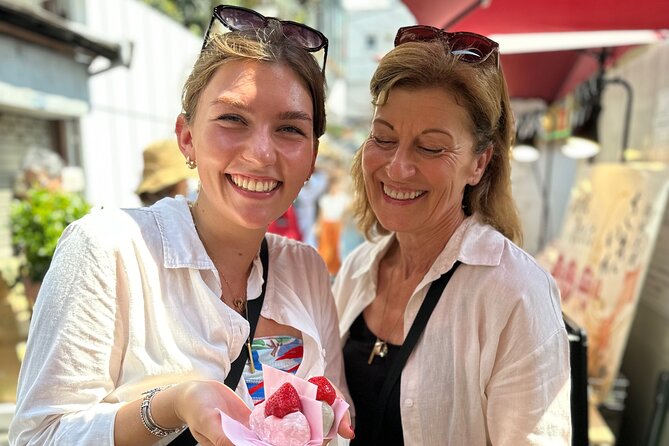
Tsukiji is chaos you can actually handle. This 2-hour walk turns the often-overwhelming market area into a guided food hunt, starting with a temple stop and then moving into the fish market and surrounding stalls. I love the pay-as-you-eat freedom (you pick what you want and pay for it), and I also love the small-group guidance that keeps you moving and makes smart choices feel easy. One drawback: it’s not a pure fish-only sprint—there’s a temple at the beginning, and since food isn’t included, you’ll need extra yen for what you choose to eat.
I think the real value here is practical. You get a local English-speaking guide who explains what you’re seeing and what’s in the ingredients behind sushi and common local foods, plus you’ll be pointed toward stalls that are worth the stop. Guides like Benjamin, Jim, Rie, Haydn, Minori, and Joe show up in the best reviews for a reason: they make the area manageable and help you avoid wasting time (or money) on the wrong counters.
Your pace stays flexible, based on what your group wants to try, and that matters in a place where lines and foot traffic change fast. Expect standing and walking, and plan to start with comfy shoes. If you want only the most intense fish-market viewing and nothing else, the first stop may feel like an extra layer.
In This Review
- Key things to know before you go
- Tsukiji Hongwanji Temple: a calm opener before the seafood crush
- Tsukiji Fish Market: turning chaos into clear choices
- Tsukiji Jogai Market: the street-food side you can actually enjoy
- Price and what you’re really paying for at $30
- Meeting point and timing: how to start without stress
- Food strategy in Tsukiji: how to taste widely without overspending
- Who should book this Tsukiji walking tour?
- Should you book?
- FAQ
- How long is the Tsukiji Fish Market Food and Walking tour?
- How much does the tour cost?
- What’s included in the tour price?
- Are foods and drinks included?
- Where do we meet for the tour?
- Does the tour include a temple stop?
- How many people are in a group?
- Is there flexibility in what we see and eat?
- Can I use my phone ticket?
- Is free cancellation available?
Key things to know before you go
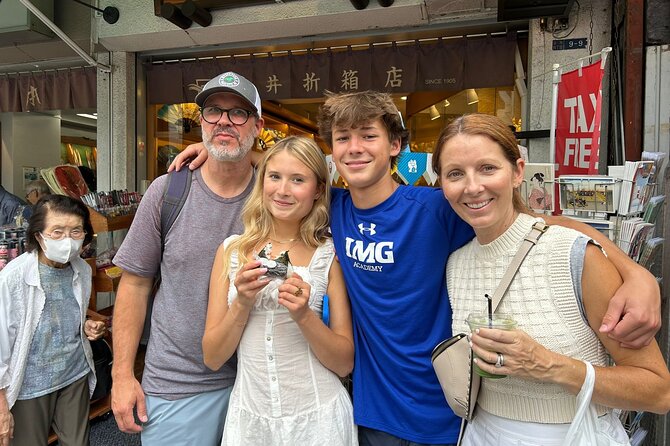
- No set menu, choose and pay: You order the specific dishes you want along the way.
- Short time, smart route: You cover a temple and two Tsukiji market areas in about 2 hours.
- History told while you eat: You learn what traditional sushi and local ingredients actually are.
- Small group size: Up to 10 travelers, so you can ask questions and move with the group.
- Guide helps with food value: Many guides are praised for steering you to good deals and avoiding weak choices.
Tsukiji Hongwanji Temple: a calm opener before the seafood crush
The tour starts at Tsukiji Hongwanji Temple, also known as 築地本願寺. You’ll spend about 30 minutes here with your guide, and it’s a good change of pace before the sensory overload of the market. Even if you’re mainly there for seafood, this stop helps you settle your brain before you’re dodging carts, reading labels, and deciding what to eat.
Why this works: the market can feel like sensory overload on your own. The temple stop gives you a “reset” moment, and your guide can start laying groundwork—how the Tsukiji area fits into local culture—before you head into the busiest food zone.
Possible consideration: one review noted surprise that the first stop was a temple rather than jumping straight into the market. If you’re the type who wants maximum market time, you might mentally prep for that early switch.
More market breakfasts our reviewers scored
- Tokyo Tsukiji Fish Market Food and Culture Walking Tour
★ 5.0 · 3,184 reviews - Tokyo: Tsukiji Fish Market Food and Walking tour
★ 5.0 · 1,724 reviews - Tokyo: Tsukiji Fish Market Guided Walking Tour
★ 4.9 · 1,397 reviews - Tokyo Sushi Making Class in Tsukiji with Professional Chef
★ 5.0 · 1,177 reviews
Tsukiji Fish Market: turning chaos into clear choices
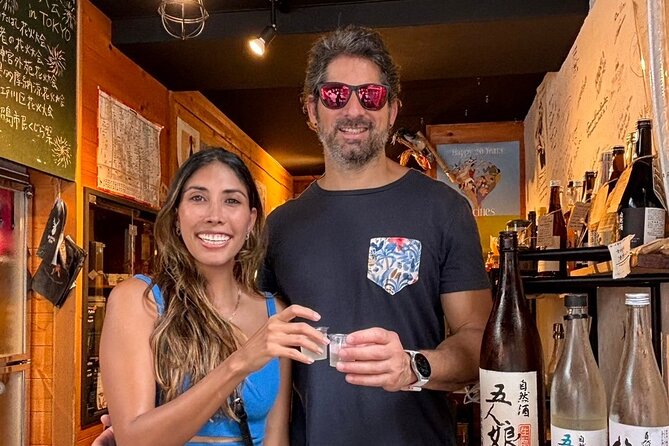
Next you’ll head into the Tsukiji Fish Market area for about an hour. This is the part most people come for: the famous tuna auction setting, the food working culture, and the tightly packed world of seafood. Your guide walks you through what’s going on and adds context so you’re not just watching activity—you’re understanding it.
What I like about this approach is that you don’t need to know Japanese food terms to get value. The guide explains traditional ingredients for sushi and other local dishes, so when you see items (or hear vendor chatter), you can connect the dots. That makes your food choices feel more intentional, not random.
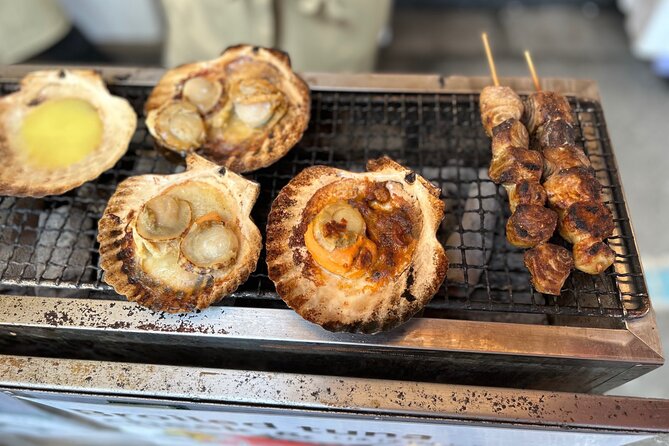
You’ll also get your hands on the main point: eating. The tour style here is flexible—no pre-set plate. Instead, you’ll sample a range of items that can include fresh seafood, fruit, Japanese omelets, and fried fish cakes, while you decide what you want to buy and eat at the stalls.
A practical note: the market is busy and you’ll likely spend time standing. If you’re coming with a group plan to eat everything, pace yourself. Your guide’s job is to keep you moving and make the stops feel efficient.
Tsukiji Jogai Market: the street-food side you can actually enjoy
After the fish market stop, you’ll walk through Tsukiji Jogai Market for about 30 minutes. This is where the vibe shifts into more street-food style browsing—lots of stalls, lots of smells, and more opportunities to try smaller bites. If the main market area feels like a “workplace,” the Jogai area feels more like a “food tasting route,” with plenty of casual snack options.
This segment is especially useful if you want to try a variety without committing to one giant meal. Many guides are praised for knowing which stalls are worth your time and how to build a tasting mix. You may run into recommendations for things people don’t always pick first on their own—like sea urchin or eel—because the guide can explain what makes them special and help you decide confidently.
Another reason this stop is valuable: Tsukiji can be hard to navigate alone. With a guide, you spend less time trying to figure out where to go next and more time actually eating. You’ll also hear cultural background tied to what you’re seeing, so you’re learning while you taste.
Price and what you’re really paying for at $30
The price is $30 per person for a 2-hour guided walking experience. What’s included is the part that would be hard to replicate cheaply on your own: a local Japanese English-speaking guide, entry/admission to Tsukiji Hongwanji Temple and both market areas, plus the history and cultural explanation that turns a quick visit into something you understand.
What’s not included is foods and drinks. That’s key. Even though the tour is designed around tasting, you’re still choosing and paying for what you eat at the stalls. In practice, that means your real cost is the tour fee plus your food budget.
Is it worth it? In my view, it is if:
- You want to eat your way through Tsukiji without wasting time guessing.
- You’d rather spend money on guidance and admissions than on wasted purchases.
- You don’t want to worry about getting turned around in a dense, busy area.
If you already know exactly which stalls you want and you plan to wander the outer streets slowly with a big food budget, you might be able to DIY it. But for most first-timers, paying for the route and explanations is the shortcut.
Meeting point and timing: how to start without stress
You’ll meet at Starbucks Coffee – Tsukiji Station. The address listed is Chuo City, Tsukiji, 2-chōme 128 大広ビル 1F. The tour ends back at the meeting point, so you don’t have to figure out transit logistics mid-walk.
This is a short tour, so timing matters. I’d treat it like an early appointment: arrive a little ahead, use the restroom before you start, and be ready for standing and walking. Also, bring the energy for micro-decisions. In a market, choosing food is part of the fun, but it moves fast.
One other thing to plan for: payment. Multiple reviews stress having yen for food purchases. Since foods and drinks aren’t included, don’t count on the tour price covering your meal.
Readers also shortlisted these Tokyo bookings:
- Tokyo Tsukiji Fish Market Food and Culture Walking Tour★ 5.0 · 3,184 reviews
- Tokyo: Imperial Palace and Shogun Historical Walking Tour★ 5.0 · 2,251 reviews
- Tokyo: Shinjuku Local Bar and Izakaya Guided Walking Tour★ 4.9 · 1,794 reviews
- Tokyo: Tsukiji Fish Market Food and Walking tour★ 5.0 · 1,724 reviews
- Tokyo: Asakusa Walking Tour with Sensoji Temple Visit★ 4.8 · 1,583 reviews
Food strategy in Tsukiji: how to taste widely without overspending
The biggest practical win of this tour style is that the menu is yours. There’s no set list—just guidance and options. Your guide helps you pick items that make sense together and are worth the money, and that’s huge in a place with so many stalls competing for attention.
Here’s how to use the guide to your advantage:
- Ask what to try first, then build from there. Guides often recommend a mix—seafood, something cooked or fried, and a sweet or fruit option.
- Use the guide’s price sense. Some guides are praised for pointing out what’s a good deal versus what’s overpriced.
- Let them steer you away from tourist traps. Reviews mention this directly, and it’s exactly the kind of time-saving you want in Tsukiji.
What you might actually eat can vary by day and by what your group chooses. But the tour description and the strongest reviews align on the same theme: fresh seafood plus familiar Japanese comfort foods like omelets and fried fish cake, with guides encouraging adventurous bites like sea urchin or eel when it fits your tastes.
If you’re risk-averse, you can still have a great time. The guide can help you find approachable options. If you love trying weird-and-wonderful seafood, you’ll likely get more traction than you would alone, because you can ask what each item is and why locals go for it.
Who should book this Tsukiji walking tour?
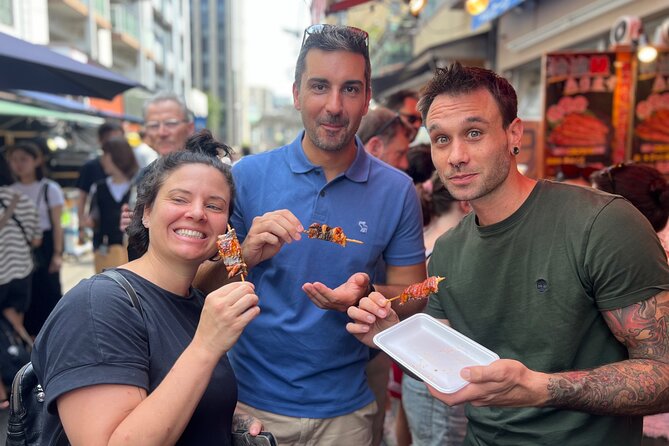
This is a strong fit if you:
- Want a guided route through both the fish market area and Tsukiji Jogai Market.
- Like food tours but don’t want a rigid set menu.
- Appreciate history and culture when it connects directly to what you’re eating.
- Prefer a small group environment (max 10 travelers) where it’s easier to ask questions.
It can also work well for families. One review highlighted that the guide kept both adults and children engaged, which is not always easy in a place that’s mostly noise and motion.
Consider skipping or adjusting expectations if:
- You want a single-focus fish market visit and don’t want the temple stop.
- You have a strict budget and don’t want to spend extra on food and drinks during the walk.
- You plan to eat very little and mostly just observe. The tour is built around tasting decisions, so it’s best when you’re ready to buy and try.
Should you book?
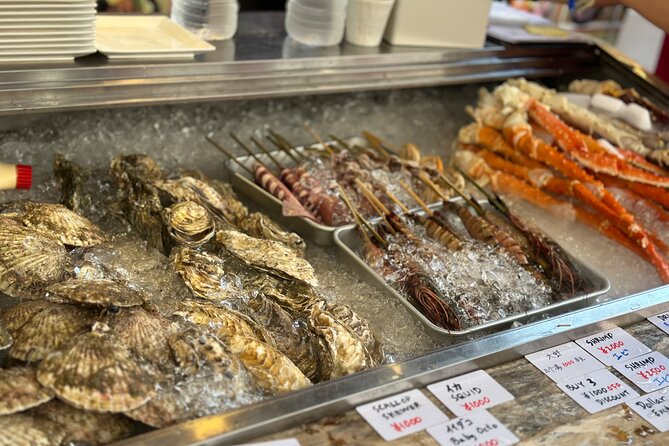
Book it if you want Tsukiji food without the stress of figuring everything out from scratch. The biggest reasons are the combination of guide-led navigation, included admissions, and a tasting approach where you control what you eat. Guides are repeatedly praised for making the market manageable, pointing out strong value, and helping you choose items you might skip on your own.
Skip it only if you’re fully confident wandering on your own and you’re not interested in learning what you’re seeing. In that case, you might enjoy Tsukiji more at your own pace. But if you’re arriving as a first-timer and want to get the most out of your limited time, a guided walk here is one of the easiest “time well spent” decisions you can make.
FAQ
How long is the Tsukiji Fish Market Food and Walking tour?
The tour lasts about 2 hours.
How much does the tour cost?
It’s $30.00 per person.
What’s included in the tour price?
A local Japanese English-speaking guide, learning about the history and culture of Tsukiji, entry/admission to Tsukiji Hongwanji Temple, Tsukiji Fish Market, and Tsukiji Jogai Market.
Are foods and drinks included?
No. Foods and drinks are not included, so you’ll pay for what you choose to eat along the way.
Where do we meet for the tour?
Meet at Starbucks Coffee – Tsukiji Station, Chuo City, Tsukiji, 2-chōme 128 大広ビル 1F.
Does the tour include a temple stop?
Yes. Stop 1 is Tsukiji Hongwanji Temple, with admission included.
How many people are in a group?
The tour has a maximum of 10 travelers.
Is there flexibility in what we see and eat?
Yes. The schedule and pace are flexible based on what the group wants to see and try.
Can I use my phone ticket?
Yes. This experience uses a mobile ticket.
Is free cancellation available?
Yes. You can cancel up to 24 hours in advance for a full refund.
More Tours in Tokyo
- Mt Fuji and Hakone 1-Day Bus Tour Return by Bullet Train
★ 5.0 · 26,383 reviews - 1-Day Tokyo Bus Tour
★ 5.0 · 14,250 reviews - Tokyo: Shinjuku Food Tour (13 Dishes at 4 Local Eateries)
★ 5.0 · 6,603 reviews - Tokyo Mt Fuji 5th St & Hakone Cruise Bus Tour w/Bullet Train
★ 4.4 · 5,024 reviews - Flagship 2-Hours Official Street Go-Kart Tour – Tokyo Bay Shop
★ 5.0 · 4,974 reviews
More Tour Reviews in Tokyo
- Mt Fuji and Hakone 1-Day Bus Tour Return by Bullet Train
★ 5.0 · 26,383 reviews - 1-Day Tokyo Bus Tour
★ 5.0 · 14,250 reviews - Tokyo: teamLab Planets TOKYO Digital Art Museum Entry Ticket
★ 4.6 · 9,779 reviews - Mt Fuji & Hakone Cruise, Drum Show Bullet Train 1 Day from Tokyo
★ 4.0 · 7,413 reviews - Tokyo: Shinjuku Food Tour (13 Dishes at 4 Local Eateries)
★ 5.0 · 6,603 reviews
More Tsukiji Market Breakfasts
- Tokyo Tsukiji Fish Market Food and Culture Walking Tour
★ 5.0 · 3,184 reviews - Tokyo: Tsukiji Fish Market Guided Walking Tour
★ 4.9 · 1,397 reviews - Tokyo Sushi Making Class in Tsukiji with Professional Chef
★ 5.0 · 1,177 reviews - Tsukiji Fish Market Guided Tour and Sushi Making with Pro Chef
★ 5.0 · 775 reviews - Tokyo: Tsukiji Fish Market Food and Culture Walking Tour
★ 4.7 · 757 reviews
Latest Tokyo reviews off our desk






Tsukiji Market Food Tours, compared.
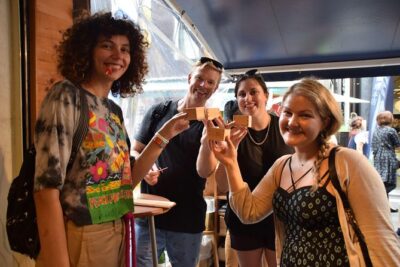 ★ 5.0Tokyo Tsukiji Fish Market Food and Culture Walking TourFrom $993,184 reviews
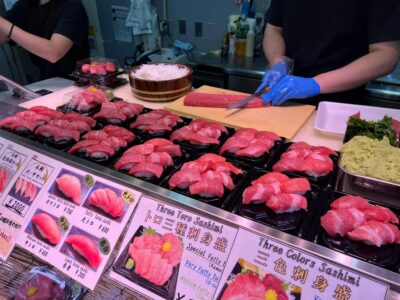 ★ 4.9Tsukiji Fish Market Guided Walking TourFrom $221,397 reviews
 ★ 5.0Tokyo Sushi Making Class in Tsukiji with Professional ChefFrom $491,177 reviews
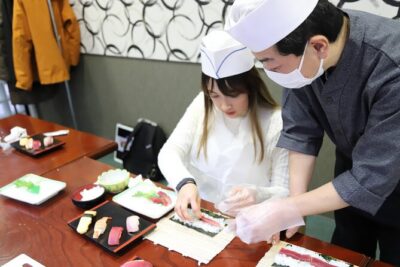 ★ 5.0Tsukiji Fish Market Guided Tour and Sushi Making with Pro ChefFrom $104775 reviews
★ 4.7Tsukiji Fish Market Food and Culture Walking TourFrom $96757 reviews
★ 5.0Tsukiji Fish Market Guided Tour and Sushi Making with Pro ChefFrom $104775 reviews
★ 4.7Tsukiji Fish Market Food and Culture Walking TourFrom $96757 reviews
 ★ 5.0Tsukiji Fish Market: Street Food & Culture Walking TourFrom $33669 reviews
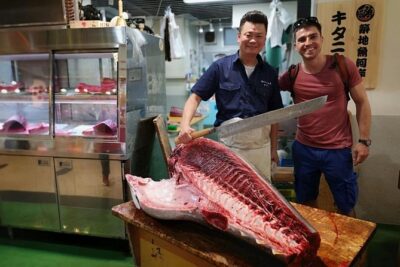 ★ 5.0Tsukiji Fish Market Small-Group Food Walking TourFrom $87621 reviews
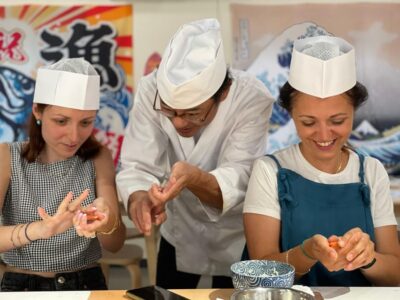 ★ 4.9Tsukiji Fish Market Sushi Making Class with Pro ChefFrom $63506 reviews
Browse the lists this tour appears in