
Reviewed · MOUNT FUJI TOURS
Japan’s Best Mount Fuji Tour
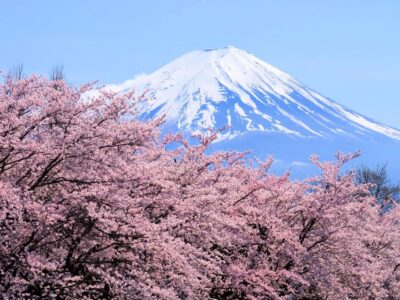
Cherry blossoms and Mount Fuji can share one great view. On this Japan Best Mount Fuji Tour, you’ll ride out from Shinjuku with a guide (Sam) who helps you make sense of each viewpoint as you go. I especially like the way the plan balances iconic scenery with a memorable cultural break at Saiko Iyashi no Sato Nenba, and I like that lunch is yours to choose in Fujiyoshida instead of being pre-set. One real consideration: on some days Mount Fuji may be hard to see if the clouds roll in, and crowds can make the best angles feel tight.
The logistics are mostly straightforward: you meet at Kogakuin University Shinjuku Campus, depart around 8:30, and aim to be back in the Shinjuku area by about 18:00. Do arrive 10 minutes early, because it’s a join-in tour and the schedule runs on time—if you’re late, you can miss the fun. Also keep shoes comfortable; this is not a sit-behind-the-window day.
In This Review
- Key highlights worth your attention
- Shinjuku to Kogakuin University: where your day starts
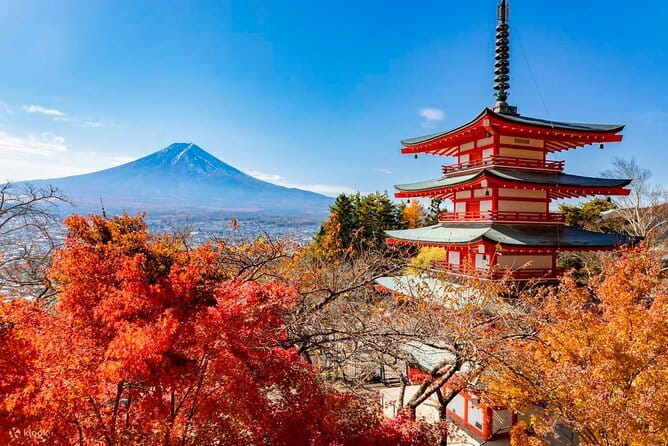
- The Arakurayama Sengen Park viewpoint: Mt. Fuji + a big climb vibe
- Fujiyoshida Honcho Street: lunch you choose, atmosphere you feel
- Mount Fuji stop: what 30 minutes is really for
- Oishi Park by Lake Kawaguchi: when spring weather cooperates
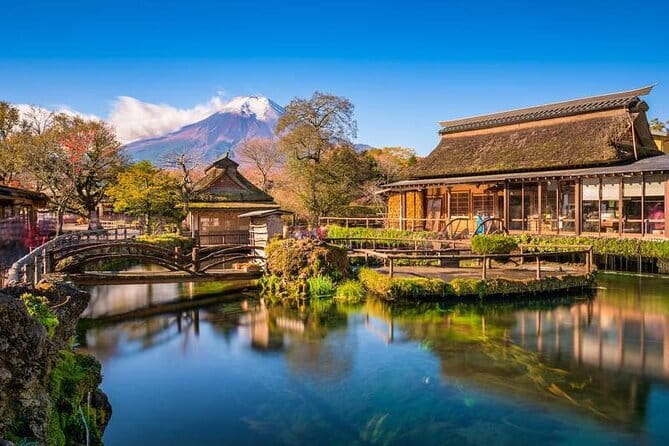
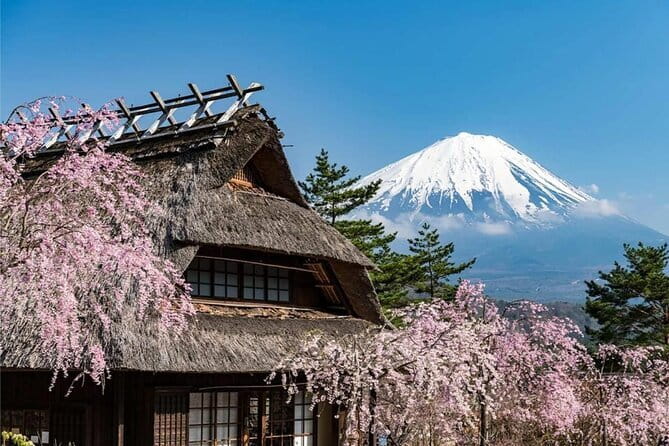
- Saiko Iyashi no Sato Nenba: Healing Village with included entry
- Princess Pagoda vibes: timing matters when crowds show up
- Riding the bus in Japan: small rules that affect your comfort
- Meet Sam, and enjoy how English guidance changes the day
- If Mt. Fuji is hidden, you still have a full day
- Returning to Shinjuku: plan for a later evening
- Is this Japan Best Mount Fuji Tour good value?
- Should you book it?
- FAQ
- How long is the Mount Fuji tour?
- Where do I meet the tour?
- Is hotel pickup included?
- What’s included in the price?
- Are meals included?
- Do I need cash?
- Is Oishi Park always included?
- How many people are in the group?
- Can I get a refund if my plans change?
Key highlights worth your attention
- A guide named Sam who speaks English clearly and explains what you’re looking at
- Small groups (max 8 per booking) with a join-in feel from other bookings
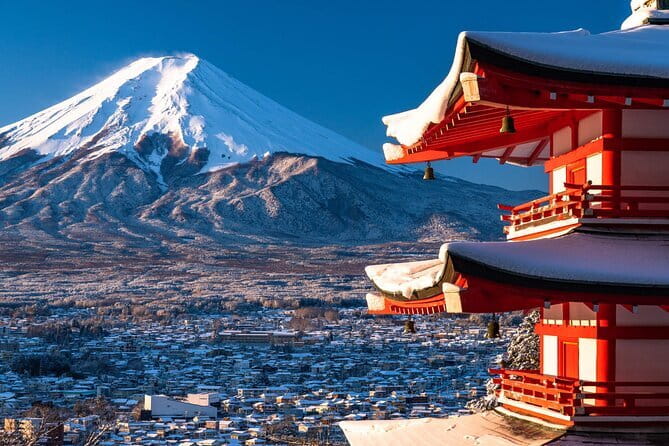
- Arakurayama Sengen Park for panoramic Mt. Fuji-and-city viewpoints
- Fujiyoshida Honcho Street time for your own lunch and casual strolling
- Saiko Iyashi no Sato Nenba Healing Village with included entry and an easy step back in time
- Oishi Park included only for April to June departures, so your exact day may vary
Shinjuku to Kogakuin University: where your day starts
Your day begins at Kogakuin University Shinjuku Campus (1-chōme-24-2 Nishishinjuku). The meeting call time is listed as 08:20, but the practical advice is simple: show up early. The tour notes that you should be at the designated location about 10 minutes before departure, and the vehicle leaves on time.
Getting there is part of the “how to make this day feel easy” strategy. Use the West Exit area of Shinjuku and follow the directions toward the Chuo-dori Underpass and the Tokyo Metropolitan Government Building. Once you’re above ground, it’s a short walk toward the Tokyo Metropolitan Government Building; you’ll find the university nearby. The tour also calls out Keio Plaza Hotel across the street as a landmark, which helps when you’re comparing street signs on a busy morning.
I like that this meeting point is near major transit. You’re not relying on a complicated hotel pickup, and you can plan your arrival by train. The trade-off is that it’s on you to be in the right spot at the right time—no late arrivals, no second attempts.
More Fuji day trips our readers rated highly
- Mt Fuji and Hakone 1-Day Bus Tour Return by Bullet Train
★ 5.0 · 26,383 reviews - Mt Fuji & Hakone Cruise, Drum Show Bullet Train 1 Day from Tokyo
★ 4.0 · 7,413 reviews - Tokyo Mt Fuji 5th St & Hakone Cruise Bus Tour w/Bullet Train
★ 4.4 · 5,024 reviews - From Tokyo: Mount Fuji Full-Day Sightseeing Trip
★ 4.5 · 4,970 reviews
The Arakurayama Sengen Park viewpoint: Mt. Fuji + a big climb vibe
After pickup at the university, your first real sight stop is Arakurayama Sengen Park. The schedule gives you about 1 hour there, and the point is clear: a panoramic look over the city with Mt. Fuji in the background.
This stop is also where the day can make or break your Mt. Fuji expectations. The park is known for high viewpoints, and you’ll likely do some walking on paths with steps. The tour recommends comfortable walking shoes and mentions some hiking-like effort. It’s not a full trek, but it’s enough to matter if you’re wearing uncomfortable footwear.
Arakurayama Sengen Park is also where that classic pagoda experience often comes into play—one of the tour’s write-ups mentions a Princess Pagoda and notes that crowds can affect how much you enjoy the final angle. Translation: go early in your hour window, and don’t wait until the last few minutes if you want photos without shoulder-to-shoulder pressure.
The good news is that this is a “destination stop,” not a quick drive-by. You get time to look, reposition, and soak in the view.
Fujiyoshida Honcho Street: lunch you choose, atmosphere you feel
Next up is Fujiyoshida, with time to stroll Honcho Street. You’ll get about 90 minutes for lunch, and the tour schedules another chunk of time after that for wandering.
This is one of my favorite parts of the itinerary because it’s flexible. Lunch is not included, so you can pick what fits your mood: something quick for energy, or a longer sit-down meal if you want a proper reset. If you’re traveling as a couple or group, this stop also tends to be easy to manage—everyone can agree on a general area and then branch out for lunch options.
A key practical note for this entire Mount Fuji region: the tour warns that many places only accept cash. Bring enough yen for lunch and snacks, especially if you want a storefront lunch along Honcho Street or you end up in a shop where card payments aren’t available.
Also, keep in mind that eating and drinking on the bus is restricted (the tour lists COVID-era rules). That means you’ll be relying on your scheduled lunch and on-the-ground snack breaks instead of casual bus munching.
Mount Fuji stop: what 30 minutes is really for
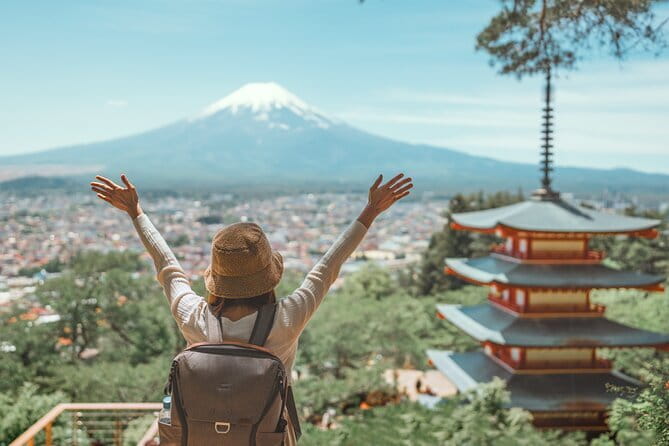
There’s a dedicated Mount Fuji stop with about 30 minutes. On paper, that sounds short. In practice, the value is that it’s a focused chance to look—when you don’t have that much time, you want a moment that’s meant for photographing and taking in the atmosphere.
Here’s the reality check: you’re in the middle of Japan’s weather system, and Mt. Fuji can hide behind cloud cover fast. One of the guide experiences specifically notes a day when Mt. Fuji was totally invisible, despite the guide and driver being helpful and polite. That doesn’t mean this tour is a waste; it means you should go in ready for a “Plan A and Plan B” mindset.
Plan B is still valuable. Even without a clear summit view, you’ll be in the right region, seeing how locals experience seasonal changes, and you’ll still hit several viewpoints around the lake area later in the day. Think of this stop as a checkpoint for conditions—if visibility is good, you savor it; if it isn’t, you don’t waste energy trying to force a photo that won’t happen.
Oishi Park by Lake Kawaguchi: when spring weather cooperates
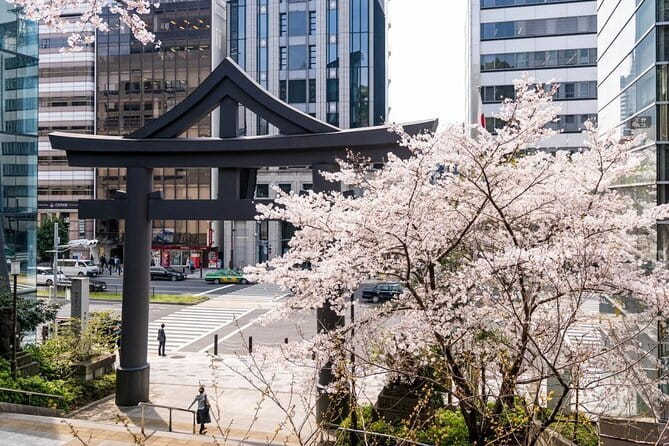
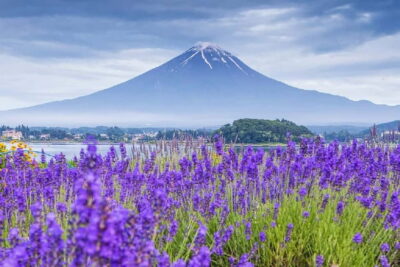
Oishi Park is included as a stopover only for April to June departures. On those dates, you get about 1 hour, and the goal is to see Lake Kawaguchi views with Mt. Fuji and seasonal flowers.
This stop matters because Lake Kawaguchi often offers a more “complete” visual field than a single elevated viewpoint. If Mt. Fuji shows up, this is the kind of place where it can look postcard-sharp. If it doesn’t show up, you still get a lakeside, flower-focused walk that feels like you came for spring, not just for a summit line.
The itinerary notes that Oishi Park is a seasonal addition, and that’s an important decision factor. Before you book, match your travel dates to the months listed. If you’re going outside April to June, you likely won’t get this exact stop.
- Tokyo: Shinjuku Food Tour (13 Dishes at 4 Local Eateries)★ 5.0 · 6,603 reviews
- Tokyo Mt Fuji 5th St & Hakone Cruise Bus Tour w/Bullet Train★ 4.4 · 5,024 reviews
- Flagship 2-Hours Official Street Go-Kart Tour – Tokyo Bay Shop★ 5.0 · 4,974 reviews
- From Tokyo: Mount Fuji Full-Day Sightseeing Trip★ 4.5 · 4,970 reviews
- Tokyo: Hop-On Hop-Off Sightseeing Bus Ticket★ 3.9 · 4,207 reviews
Saiko Iyashi no Sato Nenba: Healing Village with included entry
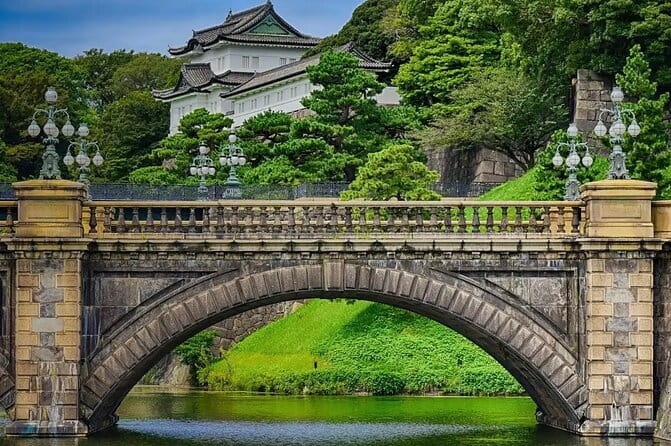
Another highlight is Saiko Iyashi no Sato Nenba, also called the Healing Village. You’ll spend about 1 hour here, and the tour includes the entrance fee.
This is where the day adds emotional texture. Instead of chasing only views, you get a curated step into a nostalgic Japanese setting—what it feels like matters more than what you can speed-run. The tour frames it as nostalgic scenery, and this is the kind of stop where you’ll notice details: the layout, the ambience, and how the place encourages slower wandering.
One review specifically praised the village tour experience. That’s a good sign for anyone who likes experiences that go beyond photos. It’s also a logical pairing with the Mt. Fuji region stops: you spend time looking outward at the mountain and the lake, then you spend time looking inward at everyday heritage.
This is also one of the more “walk-around” segments of the day, so you’ll feel glad you wore shoes that can handle uneven ground and a bit of strolling.
Princess Pagoda vibes: timing matters when crowds show up
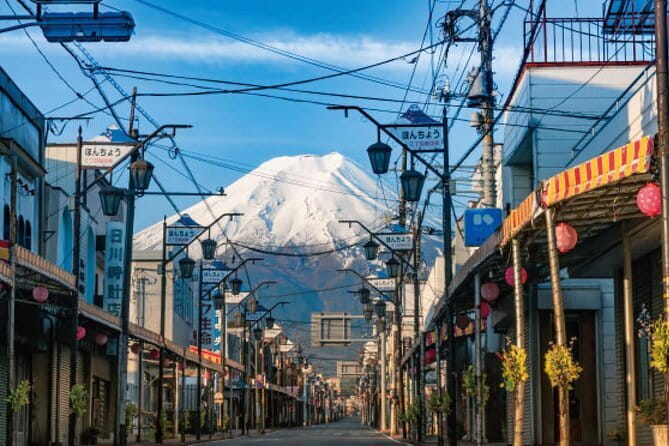
Arakurayama Sengen Park can be crowded, and the experience depends on when you arrive within your hour window. One review mentioned that the crowd prevented the best access to a final pagoda area.
So here’s the practical move: when you arrive, don’t treat the park like a line you’ll follow slowly at the end. Take the first good look, then walk toward whatever vantage point you came for. If you wait until late, you may find yourself blocked by foot traffic and you’ll spend time fighting for space instead of enjoying the view.
This tour keeps you on a schedule for a reason. It’s built to fit multiple locations into a 7–8 hour day, and the driver and guide have to keep everyone coordinated.
Riding the bus in Japan: small rules that affect your comfort
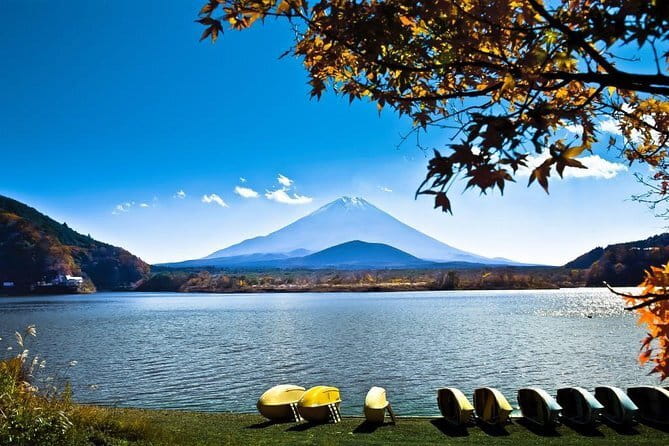
The transportation portion includes transportation plus parking and toll fees. That’s the kind of “quiet value” that adds up when you’re traveling without a private car. You’re also not responsible for figuring out every transfer.
But there’s a comfort factor you should know. The tour states that eating and drinking on the bus is prohibited, including snacks. Loud talking is also prohibited as a precaution. In real life, this helps the ride stay calm and keeps the group from feeling like a rolling food court.
The day can also shift. The tour notes that timing at intermediate facilities may be shortened or stops may be canceled due to transportation and road conditions. Another note says bus drivers’ working hour law changes can affect what’s possible if congestion is heavy. In other words: build the day around flexibility, not around a strict fantasy timetable.
Meet Sam, and enjoy how English guidance changes the day
One of the clearest themes from the best feedback is the guide. A review highlights a guide named Sam for having in-depth knowledge of Japanese culture and conversing in English in a natural way. Another praised the guide and the bus driver for being polite and helpful.
That matters because the itinerary includes multiple places where context can turn a quick photo session into a meaningful visit. You’ll get a better sense of what you’re looking at—especially helpful at parks and heritage-style sites where it’s easy to miss what’s important.
Also, good guidance helps the group move correctly. The schedule depends on timing, and when people show up late, it can ripple across the day. One positive review explicitly said the guide gives enough time at each spot and that being on time keeps everything running.
If Mt. Fuji is hidden, you still have a full day
The biggest emotional risk is weather. One review reported a day when Mt. Fuji was totally invisible. That’s not unusual in Japan spring, where visibility can change quickly.
So what do you do with that possibility? You accept that your satisfaction won’t be 100% tied to seeing a clear summit. Focus on the other parts that are still strong:
- Arakurayama’s wide viewpoint feel
- The spring walk atmosphere in the lake region
- The included Healing Village stop
- The Fujiyoshida street time where you can slow down and eat something good
If you arrive thinking, I might not see the iconic summit, you’ll be less disappointed and more likely to enjoy the day for what it really is: a full Mount Fuji area experience guided from Tokyo.
Returning to Shinjuku: plan for a later evening
The itinerary puts the return at about 18:00 arrival at Shinjuku Station, with the tour ending back at the meeting point area. The overall experience is scheduled as roughly 7 to 8 hours, which fits a full day outing.
There’s also a warning about delays. If the return trip is delayed and requires a taxi or overnight stay, the tour says there’s no compensation for extra expenses. That’s the sort of rule you should take seriously—if you have a flight or a dinner reservation right after the scheduled return, give yourself a buffer.
A smarter move is to treat the evening as free time. Keep your schedule loose for that final stretch. You’ll enjoy the day more if you aren’t watching the clock like a hawk.
Is this Japan Best Mount Fuji Tour good value?
At $77 per person, the value is mostly about what you’re not paying for separately: transportation from Shinjuku and included fees like Saiko Iyashi no Sato Nenba entrance plus certain admissions and included park stops. The tour also covers parking and tolls, which can add up fast if you’re using a private car.
What’s not included is also clear: meals are on you, and many areas accept cash only, so plan your spending accordingly.
The biggest value boost comes from the guide role. When someone like Sam provides clear English explanations and keeps the day organized, you get more out of each photo stop. A bad day with cloudy weather still feels like a day well-used instead of just wasted transit time.
Should you book it?
I’d book this tour if you want a well-planned Mount Fuji day from Tokyo with a guide who can talk through what you’re seeing, plus a cultural stop that isn’t just another viewpoint. It’s especially good if you’re traveling with moderate flexibility and you’re okay with the fact that Mt. Fuji visibility depends on conditions.
I’d think twice if you’re highly sensitive to schedule changes or if you need strict guarantees about sightlines. Also, take the punctuality requirement seriously. One negative experience described a situation where someone was stranded because the tour couldn’t continue as expected; the lesson is simple: be at the right meeting spot early, and double-check you’re facing the right exit and the right side of the street.
If you book, go in with a cash-ready wallet, comfortable shoes, and a mindset that the day is bigger than one summit photo.
FAQ
How long is the Mount Fuji tour?
The tour runs about 7 to 8 hours, with a full-day schedule that includes multiple stops around the Mt. Fuji area and a return to the Shinjuku area by around 18:00.
Where do I meet the tour?
You meet at Kogakuin University Shinjuku Campus (1-chōme-24-2 Nishishinjuku, Shinjuku City, Tokyo). The meeting time is listed as 08:20, and departure is around 8:30.
Is hotel pickup included?
No. The tour does not include hotel pickup and drop-off.
What’s included in the price?
The price includes transportation (from the meeting point), parking fees, toll fees, consumption tax, Saiko Iyashi no Sato Nenba entrance fee, and admission for certain stops as listed in the itinerary.
Are meals included?
No. Meals are not included, and lunch is scheduled with about 90 minutes in Fujiyoshida on your own.
Do I need cash?
Yes. The tour notes that many spots around Mount Fuji only accept cash, so carry enough yen.
Is Oishi Park always included?
No. Oishi Park is only included as a stopover for departures from April to June.
How many people are in the group?
The tour says the maximum is 8 people per individual booking. It’s a join-in tour, so you may share the vehicle with other bookings.
Can I get a refund if my plans change?
No. The experience is non-refundable and cannot be changed for any reason.
More Tours in Tokyo
- Mt Fuji and Hakone 1-Day Bus Tour Return by Bullet Train
★ 5.0 · 26,383 reviews - 1-Day Tokyo Bus Tour
★ 5.0 · 14,250 reviews - Tokyo: Shinjuku Food Tour (13 Dishes at 4 Local Eateries)
★ 5.0 · 6,603 reviews - Tokyo Mt Fuji 5th St & Hakone Cruise Bus Tour w/Bullet Train
★ 4.4 · 5,024 reviews - Flagship 2-Hours Official Street Go-Kart Tour – Tokyo Bay Shop
★ 5.0 · 4,974 reviews
More Tour Reviews in Tokyo
- Mt Fuji and Hakone 1-Day Bus Tour Return by Bullet Train
★ 5.0 · 26,383 reviews - 1-Day Tokyo Bus Tour
★ 5.0 · 14,250 reviews - Tokyo: teamLab Planets TOKYO Digital Art Museum Entry Ticket
★ 4.6 · 9,779 reviews - Mt Fuji & Hakone Cruise, Drum Show Bullet Train 1 Day from Tokyo
★ 4.0 · 7,413 reviews - Tokyo: Shinjuku Food Tour (13 Dishes at 4 Local Eateries)
★ 5.0 · 6,603 reviews
More Mount Fuji Days We Have Reviewed
- Mt Fuji and Hakone 1-Day Bus Tour Return by Bullet Train
★ 5.0 · 26,383 reviews - Mt Fuji & Hakone Cruise, Drum Show Bullet Train 1 Day from Tokyo
★ 4.0 · 7,413 reviews - Tokyo Mt Fuji 5th St & Hakone Cruise Bus Tour w/Bullet Train
★ 4.4 · 5,024 reviews - From Tokyo: Mount Fuji Full-Day Sightseeing Trip
★ 4.5 · 4,970 reviews - Tokyo: Mt. Fuji Tour, Hakone Ropeway, Owakudani, Lake Ashi
★ 4.7 · 4,002 reviews
Latest Tokyo reviews off our desk

Mount Fuji Tours, compared.
 ★ 5.0Mt Fuji and Hakone 1-Day Bus Tour Return by Bullet TrainFrom $16326,383 reviews
 ★ 4.0Mt Fuji & Hakone Cruise, Drum Show Bullet Train 1 Day from TokyoFrom $1497,413 reviews
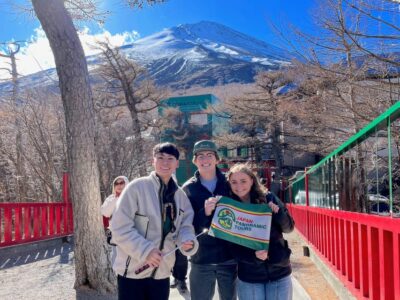 ★ 4.4Tokyo Mt Fuji 5th St & Hakone Cruise Bus Tour w/Bullet TrainFrom $1545,024 reviews
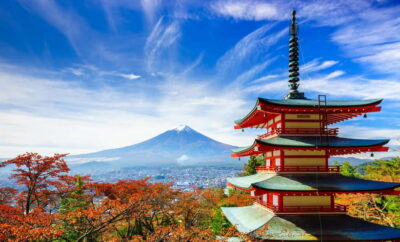 ★ 4.5From Tokyo: Mount Fuji Full-Day Sightseeing TripFrom $684,970 reviews
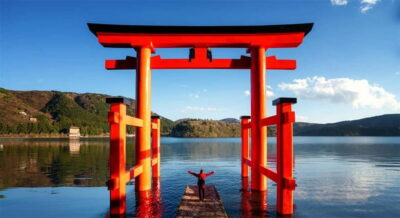 ★ 4.7Mt. Fuji Tour, Hakone Ropeway, Owakudani, Lake AshiFrom $544,002 reviews
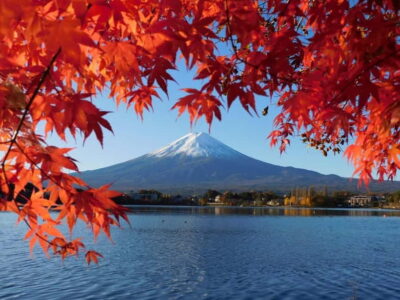 ★ 4.4Mt.Fuji,Kawaguchiko Oishi Park,Arakurayama Sengen ParkFrom $542,682 reviews
 ★ 4.2Mt. Fuji 5th Station & Hakone Cruise 1-Day Bus TourFrom $1292,381 reviews
 ★ 4.7Mt Fuji Top 5 Spots Day Tour: Arakurayama Park,Oshino HakkaiFrom $532,066 reviews