
Reviewed · TOKYO
Kickboxing & Body Training with EX-Pro Fighter
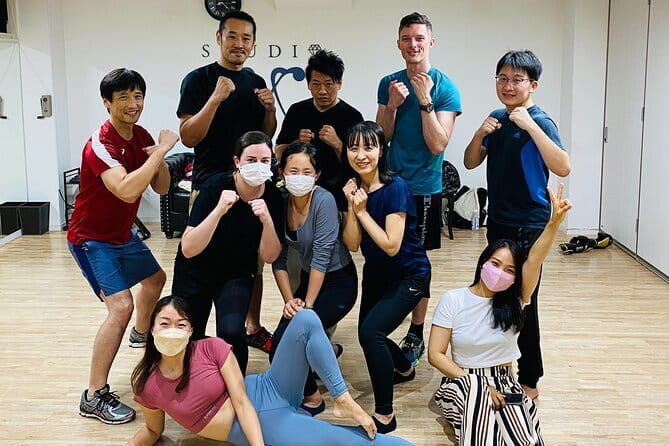
Kickboxing in Tokyo, but without the intimidating vibe. This 1-hour evening session with Kato Minoru is built around technique, safety, and real conditioning, and it stays small so you get attention.
I especially like how the class is easy to follow for beginners while still feeling like proper training. And I like that it’s taught by an ex-professional MMA fighter, so you’re learning combat skills with structure, not random exercise.
One thing to consider: it’s a workout, not a gentle stretch class, and bottled water isn’t included. If you’re sensitive to hard conditioning, pace yourself early and drink up after.
In This Review
- Key things to know before you train
- Entering the gym with Kato Sensei (and what that changes)
- Your 8:00 pm session in Tokyo: the 1-hour flow
- Stretching, foam work, and the basics that prevent bad form
- Mitt training: where technique meets conditioning
- Defense practice with protectors: learning the other half
- Safety notes and how to use them to enjoy the class more
- Equipment and gym: what’s covered, what you should plan for
- Price and value: is $39 for an hour actually fair?
- Where you meet (and why the exact address helps)
- Who should book this class, and who should skip it
- A few practical tips to get more out of your workout
- Should you book Kickboxing & Body Training with EX-Pro Fighter?
- FAQ
- How long is the kickboxing class?
- What time does it start in Tokyo?
- How many people are in the group?
- Where do I meet for the class?
- What’s included in the price?
- Is bottled water provided?
- Do beginners need experience?
- What’s the instructor background?
- What if the weather is bad?
Key things to know before you train
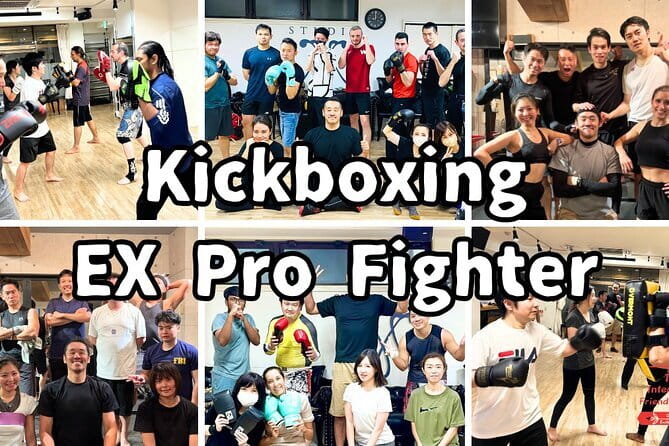
- Small-group setup (max 7): more chances to get feedback and correction.
- Kato Sensei’s combat background: coaching grounded in MMA and kickboxing fundamentals.
- Mitt training and combinations: you’ll practice accuracy and timing, not just moves.
- Defense practice with protectors: you’ll get exposure to real defensive habits while staying safer.
- Weekly program format: the session is designed to feel like ongoing progression.
- Equipment and gym included: you show up and train, not shop and scramble.
Entering the gym with Kato Sensei (and what that changes)
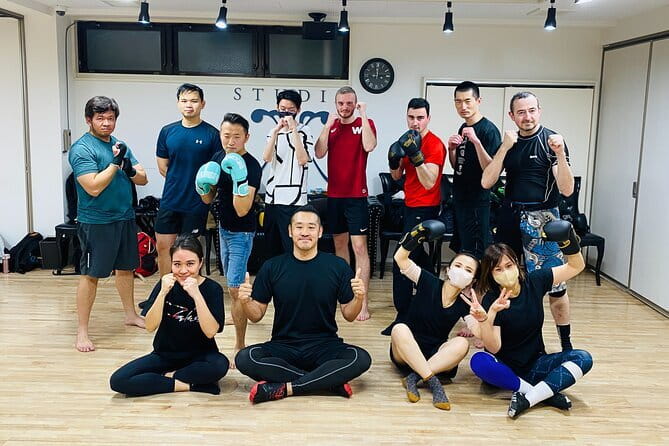
You’re not just joining a random fitness class. The trainer, Kato Minoru (often introduced as Kato Sensei), brings an ex-professional MMA fighter mindset to kickboxing and body training. That matters because the coaching tends to focus on form, safety, and repeatable mechanics—things you can actually use after the class.
This is also the kind of workout that usually feels more “sport” than “gym.” You get drills with a purpose: steps, punches, kicks, partner work, and defense. If you like the idea of learning skills you can keep building on, this format fits.
Readers booked these Tokyo options in the same breath. Here is how each one scored:
- Mt Fuji and Hakone 1-Day Bus Tour Return by Bullet Train
★ 5.0 · 26,383 reviews - 1-Day Tokyo Bus Tour
★ 5.0 · 14,250 reviews - Tokyo: teamLab Planets TOKYO Digital Art Museum Entry Ticket
★ 4.6 · 9,779 reviews - Mt Fuji & Hakone Cruise, Drum Show Bullet Train 1 Day from Tokyo
★ 4.0 · 7,413 reviews
Your 8:00 pm session in Tokyo: the 1-hour flow
The class starts at 8:00 pm and runs about 1 hour. A later start is a smart option in Tokyo because your daytime can stay sightseeing-friendly, then you handle the workout in the evening without turning your whole day into a fitness marathon.
From the session structure, you can expect a clear progression:
- Safety and precautions (so you know what’s expected)
- Stretching (a warm start before impact)
- Fist and foam making (yes, you’ll work the basics of how to hold and use your strikes)
- Basic steps (footwork and stance habits first)
- Basic punching and kicking (technique and clean reps)
- Kickboxing mitt training (timing and combination work with pads)
- Defense practicing with protectors (learning how to respond safely)
- Weekly program (how the class connects to ongoing training)
That order is valuable. Instead of jumping straight into heavy punching, you get the “how” before the “hard.” Even if you’re new, you’re less likely to end up winging it.
Stretching, foam work, and the basics that prevent bad form
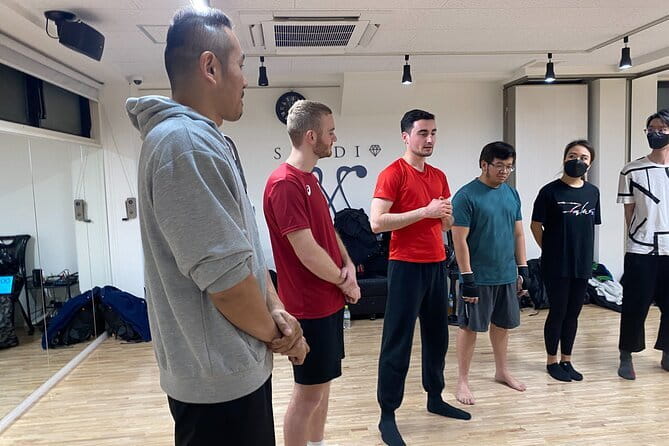
Early on, you’ll do stretching and then move into what they call fist and foam making. That might sound small, but it’s one of the best uses of the hour: it helps you understand how your hands and strikes should feel and function.
Then come the basic steps—footwork and positioning. If you’ve ever tried to copy kickboxing moves without footwork practice, you know what happens: your balance breaks during kicks or your punching stance feels off. Step training first keeps you from building bad habits.
Even for beginners, this “basics first” approach tends to feel less strict and more supportive. You’re still training hard, but you’re not being thrown into advanced combos without the foundation.
Mitt training: where technique meets conditioning
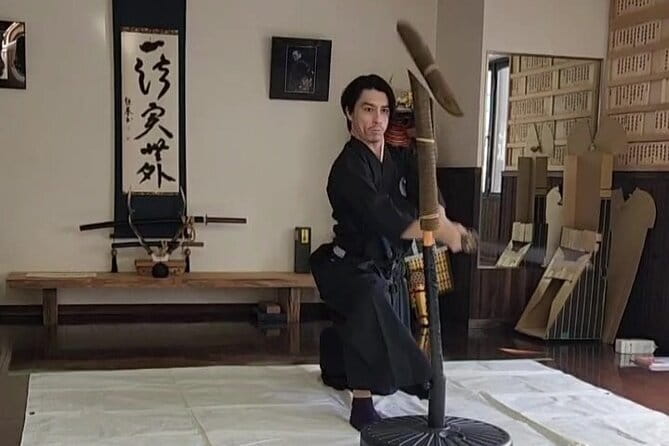
After punching and kicking basics, the class moves into kickboxing mitt training. This is where the session turns from learning to doing. You’ll practice combos and timing in a more realistic rhythm because pads give you feedback: where to strike, how hard, and how your body lines up.
Mitt work is also a strong value point for the price. Many classes charge you the same kind of money but spend most of the hour on cardio. Here, you get technique practice that should improve your accuracy and coordination, which makes the workout feel more rewarding.
From the way the session is described, the mitt part is structured, so you’re not just swinging randomly. That structure is one reason people describe the lesson as intense yet well-organized.
Defense practice with protectors: learning the other half
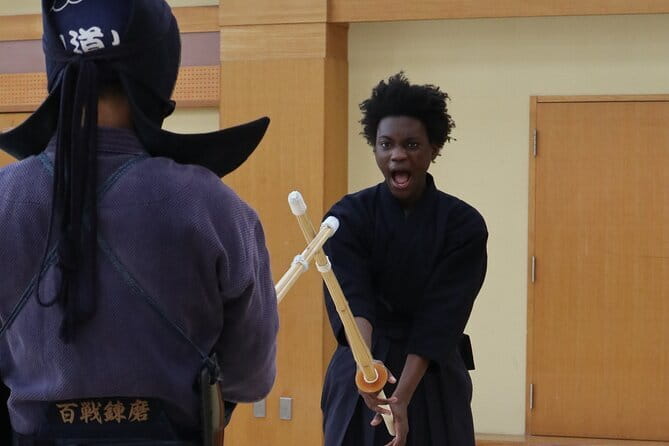
A lot of casual fitness classes skip defense. This one doesn’t. After mitt and attacking basics, you’ll do defense practicing with protectors.
What makes this valuable is that defense practice trains your reactions and positioning—skills that keep kickboxing from being only about offense. Even if you’re not training to fight competitively, learning defensive habits makes the whole sport feel more complete.
And because protectors are part of the plan, it’s more beginner-friendly than you might expect. It’s still exercise and still a challenge, but it’s designed to be safer while you learn.
- Tokyo: Shinjuku Food Tour (13 Dishes at 4 Local Eateries)★ 5.0 · 6,603 reviews
- Tokyo Mt Fuji 5th St & Hakone Cruise Bus Tour w/Bullet Train★ 4.4 · 5,024 reviews
- Flagship 2-Hours Official Street Go-Kart Tour – Tokyo Bay Shop★ 5.0 · 4,974 reviews
- From Tokyo: Mount Fuji Full-Day Sightseeing Trip★ 4.5 · 4,970 reviews
- Tokyo: Hop-On Hop-Off Sightseeing Bus Ticket★ 3.9 · 4,207 reviews
Safety notes and how to use them to enjoy the class more
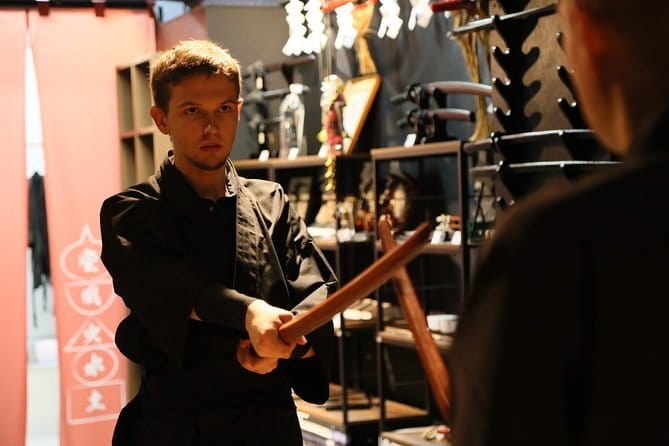
The session includes an explanation of safety and precautions before you start. That’s not a formality. In a kickboxing class, safety info can help you avoid the most common problems: mismatched intensity, incorrect impact angles, or rushing the basics.
My practical advice: listen closely at the start and be honest with your comfort level. If something feels too intense, tell the instructor during warm-up. In a small group (max 7 travelers), you can actually adjust without the whole class falling behind.
You’ll also get stretching early. That matters because the hour includes impact work, kicks, and pad training. Show up ready to move, and treat the stretch portion like part of the training, not an optional warmup.
Equipment and gym: what’s covered, what you should plan for
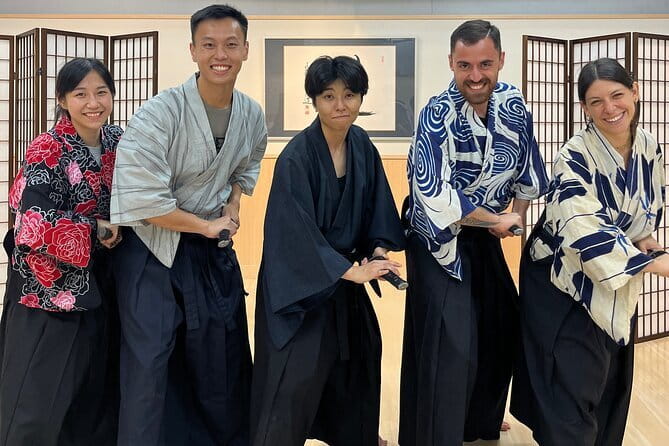
The good news is that kickboxing equipment and the gym are included. You won’t need to find gear at the last minute.
What’s not included: bottled water. Tokyo gyms can be easy to access, but planning ahead keeps you from having to track down a drink right after an intense workout. I’d bring a refillable bottle if you can, or at least plan to buy water nearby.
Because it’s a short session, pack light. Comfortable workout clothes and athletic shoes are the practical choice. Also, be ready to sweat—this class includes conditioning as part of the technique work.
Price and value: is $39 for an hour actually fair?
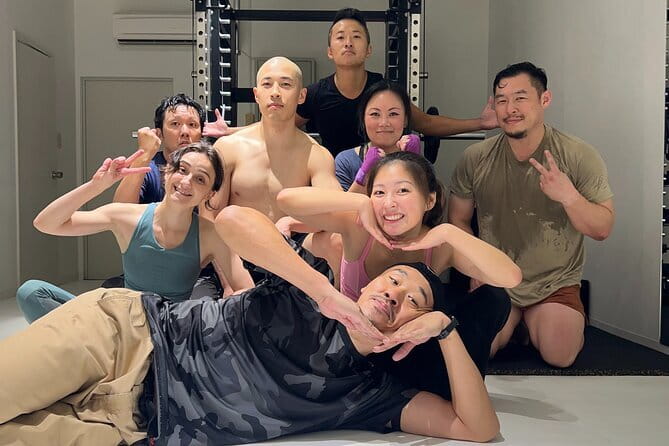
At $39 per person for about 1 hour, this is priced like an entry-to-mid fitness class. The value comes from what you get inside that time: structured coaching, pads (mitt training), partner-based technique work, and defense practice with protectors.
If you’ve ever paid for a “kickboxing-style workout” where the details are vague, this one’s different. You’re not only burning calories; you’re practicing the sport’s fundamentals in a tight session format. That’s why the class works as both fitness and skill-building.
Booking tends to happen about 38 days in advance on average, which usually means demand is steady. If you’re traveling during peak weeks, grabbing a spot early can save you from schedule stress.
Where you meet (and why the exact address helps)
You start at:
Japan, 170-0013 Tokyo, Toshima City, Higashiikebukuro, 2-chōme 4510
東池袋リリエンハイム
Start time: 8:00 pm
It ends back at the meeting point. That simplicity matters in Tokyo. You don’t need to plan a second commute after training. Also, it’s described as near public transportation, which is what you want for an evening class.
If you’re new to the area, give yourself a small buffer. In Tokyo, walking time can be a bit longer than it looks on a map once you account for station exits and streets.
Who should book this class, and who should skip it
This experience is best for you if you want:
- A beginner-friendly introduction to kickboxing technique without feeling lost
- A structured lesson with pads, combinations, and defense
- An evening workout that fits into a sightseeing-heavy schedule
- A small group setting where you can actually learn
You might want to skip or be cautious if:
- You want a recovery-focused workout only (this includes conditioning and intense drills)
- You get overwhelmed by physical sparring-style practice, even with protectors
- You rely on bottled water being provided (it isn’t)
It also sounds like a fun social option. People talk about meeting others and having a good time while training, and the small group helps that happen naturally.
A few practical tips to get more out of your workout
First, arrive on time. Not early-flexing, just on time, so the safety briefing and warm-up start when they should.
Second, treat the early steps as the main part of the class. Footwork, stance, and how you form your strikes are what keep your punching and kicking clean later during mitt rounds.
Third, go at your own pace on day one. Even when the class feels intense, you’ll get better results by starting controlled than by trying to match someone else’s power. You’ll likely feel the difference when combinations get practiced.
Finally, hydrate after. With no bottled water included, you’ll be glad you planned ahead.
Should you book Kickboxing & Body Training with EX-Pro Fighter?
Yes, I think you should book it if you want a real kickboxing workout that’s short, structured, and skill-focused. For the price, the combination of pad work, defensive practice with protectors, and coaching from Kato Minoru makes this feel like training, not just a generic sweat session.
I’d also book it if you’re a visitor who likes learning something tangible. One hour is enough to walk away with clearer basics—steps, punches, kicks, and how to think about defense.
Just do one reality check: this is still an active class. If you want calm and slow, look elsewhere. If you want technique plus conditioning in Tokyo, this hits a sweet spot.
FAQ
How long is the kickboxing class?
The session is about 1 hour.
What time does it start in Tokyo?
It starts at 8:00 pm.
How many people are in the group?
The class has a maximum of 7 travelers.
Where do I meet for the class?
You’ll meet at Japan, 170-0013 Tokyo, Toshima City, Higashiikebukuro, 2-chōme4510 東池袋リリエンハイム, and the session ends back at the meeting point.
What’s included in the price?
Kickboxing equipment and the gym are included.
Is bottled water provided?
No, bottled water isn’t included.
Do beginners need experience?
Most travelers can participate, and the training is described as easy to follow and not strict for beginners.
What’s the instructor background?
The class is led by Kato Sensei / Kato Minoru, described as an ex-professional MMA fighter and a Japanese professional kickboxer.
What if the weather is bad?
The experience requires good weather; if it’s canceled due to poor weather, you’ll be offered a different date or a full refund.
More Tour Reviews in Tokyo
- Mt Fuji and Hakone 1-Day Bus Tour Return by Bullet Train
★ 5.0 · 26,383 reviews - 1-Day Tokyo Bus Tour
★ 5.0 · 14,250 reviews - Tokyo: teamLab Planets TOKYO Digital Art Museum Entry Ticket
★ 4.6 · 9,779 reviews - Mt Fuji & Hakone Cruise, Drum Show Bullet Train 1 Day from Tokyo
★ 4.0 · 7,413 reviews - Tokyo: Shinjuku Food Tour (13 Dishes at 4 Local Eateries)
★ 5.0 · 6,603 reviews





