Reviewed · TOKYO
LGBTQ+ Tokyo Then and Now
Tokyo hides queer stories in plain sight. This small-group night walk pairs Tokyo’s LGBTQ past with the places you can still feel today. I especially like the guided insider route and the way it connects Japanese social norms to real queer spaces.
I also really like the practical payoff: you eat (veg options available) and have drinks included while you learn what to expect in Shinjuku. One thing to plan for: it’s a fair amount of standing and walking, and the vibe assumes you can respect quiet public behavior while you’re out.
In This Review
- Key things I’d bet on
- Tokyo’s Honne/Tatemae Meets Queer Space: The Big Idea
- Start At Kamiya Bar: How the 3 Hours Work
- Asakusa After Dark: A Second Lens on Tokyo LGBTQ Life
- Shinjuku Time: Understanding the City’s Queer Map
- Shinjuku 2-chome: The Neighborhood With a History and a System
- Food and Drinks on the Route: Where the Value Shows Up
- Guide Style in Practice: Questions, Context, and Insider Direction
- Price, Small Group Size, and the Solo Reality Check
- What to Plan For: Drinking Age, Comfort, and Etiquette
- Who This Tour Suits Best
- Should You Book This Tokyo LGBTQ Then and Now Tour?
- FAQ
- Where is the meeting point?
- How long is the tour?
- What’s included in the $95 per person price?
- Are there vegetarian options?
- What should I wear?
- What are the age requirements, and when can I drink?
- Is transportation included?
- Which areas does the tour cover?
- How big is the group, and is the tour in English?
- What if I book solo, or want to cancel?
Key things I’d bet on
- Shinjuku 2-chome spotlight: Japan’s best-known gay neighborhood, explained in context
- Past-to-present discussion: how attitudes and legal protections shaped queer life
- Asakusa at night: a second area so you’re not stuck in one pocket
- Food + drinks included: a light dinner with one drink, plus one more drink
- Small group size: limited to 6, which helps questions and a calmer pace
- English guide: led by a friendly native (or equivalent) speaker
Tokyo’s Honne/Tatemae Meets Queer Space: The Big Idea
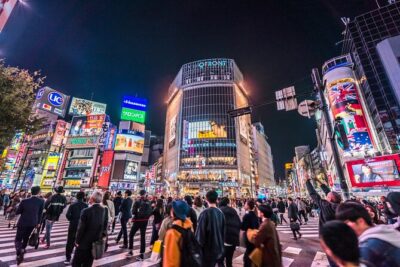
Tokyo can look straight on first glance. That’s not because queer people don’t exist—it’s because everyday culture often keeps its face public and its feelings private. The tour frames this with honne tatemae: the idea of presenting what’s socially acceptable on the outside, while the real life sits behind the scenes.
That lens matters. It helps you understand why LGBTQ Tokyo can feel like it’s in plain sight but still hard to find if you don’t know where to look. You’ll get a primer on Japanese gay society, and you’ll also talk about how Japan historically viewed the community—plus what that did to where people gathered and how they built subcultures.
Readers booked these Tokyo options in the same breath. Here is how each one scored:
- Mt Fuji and Hakone 1-Day Bus Tour Return by Bullet Train
★ 5.0 · 26,383 reviews - 1-Day Tokyo Bus Tour
★ 5.0 · 14,250 reviews - Tokyo: teamLab Planets TOKYO Digital Art Museum Entry Ticket
★ 4.6 · 9,779 reviews - Mt Fuji & Hakone Cruise, Drum Show Bullet Train 1 Day from Tokyo
★ 4.0 · 7,413 reviews
Start At Kamiya Bar: How the 3 Hours Work
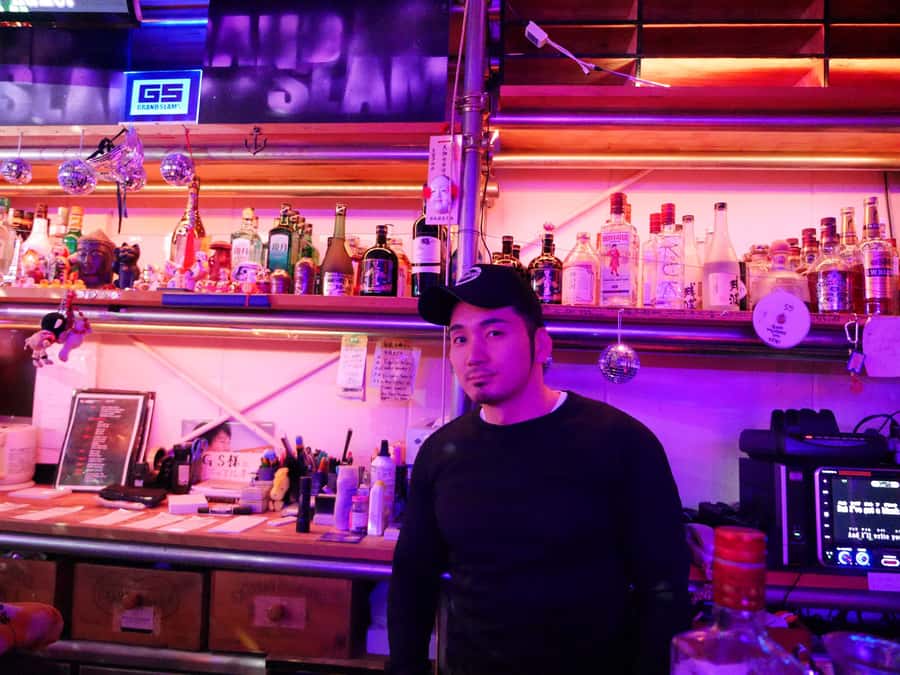
You’ll meet on the corner outside Kamiya Bar. From there, the timing is tight but not rushed, built around short walks and purposeful stops. The total time is about 3 hours, and the walking pieces are broken into chunks: around an hour in Asakusa, about 45 minutes in Shinjuku, then shorter neighborhood time and two drink/food stops.
Why this structure is smart: it lets you absorb context without spending the whole evening moving. You’ll likely sit for food and drinks at points, so you’re not constantly standing under neon lights for three full hours. Still, you should wear comfortable shoes—this is a night walk with a bit of hopping on foot.
Asakusa After Dark: A Second Lens on Tokyo LGBTQ Life
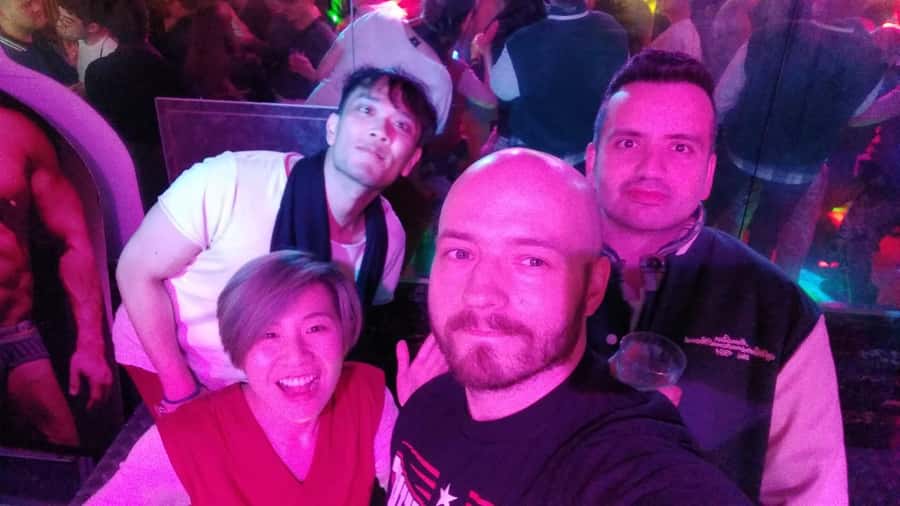
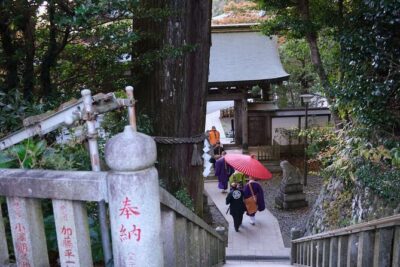
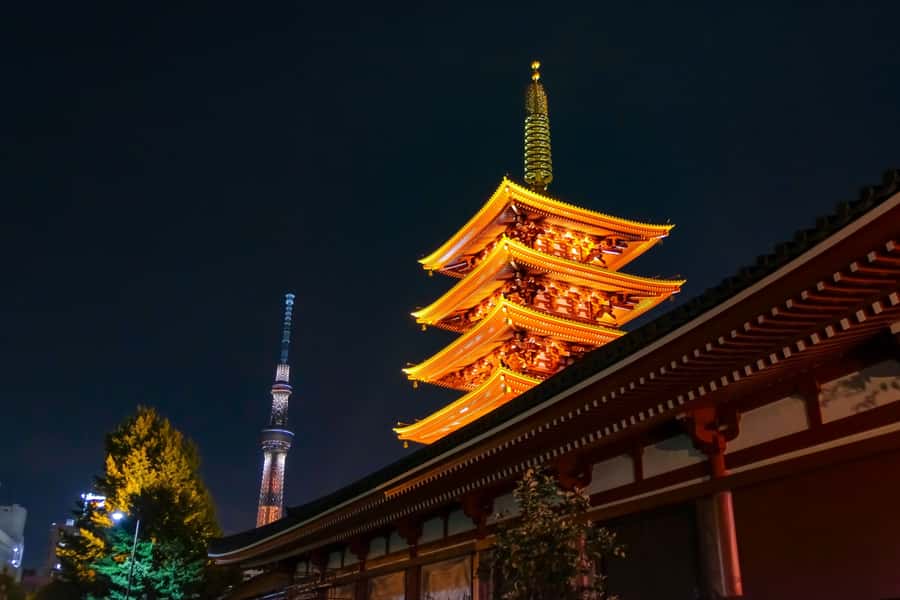
Asakusa is your warm-up stop, and it’s a useful choice. You’re not just marching straight toward the best-known nightlife zone—you’re being shown how Tokyo can hold multiple stories side by side. The guide brings you through sightseeing and a walk for about an hour, and you’ll also get discussion as you go.
What I like about starting here: it gives you contrast. You get to see Tokyo’s character outside the loudest party map, which makes the later neighborhood differences feel more meaningful. Asakusa also helps you practice reading the city. Instead of only spotting bars, you learn to notice human-scale spaces—streets, entrances, and the cues locals use in public.
A practical note: if you’re hoping for nonstop party energy immediately, this part may feel calmer. That’s not a problem; it’s a setup.
Shinjuku Time: Understanding the City’s Queer Map
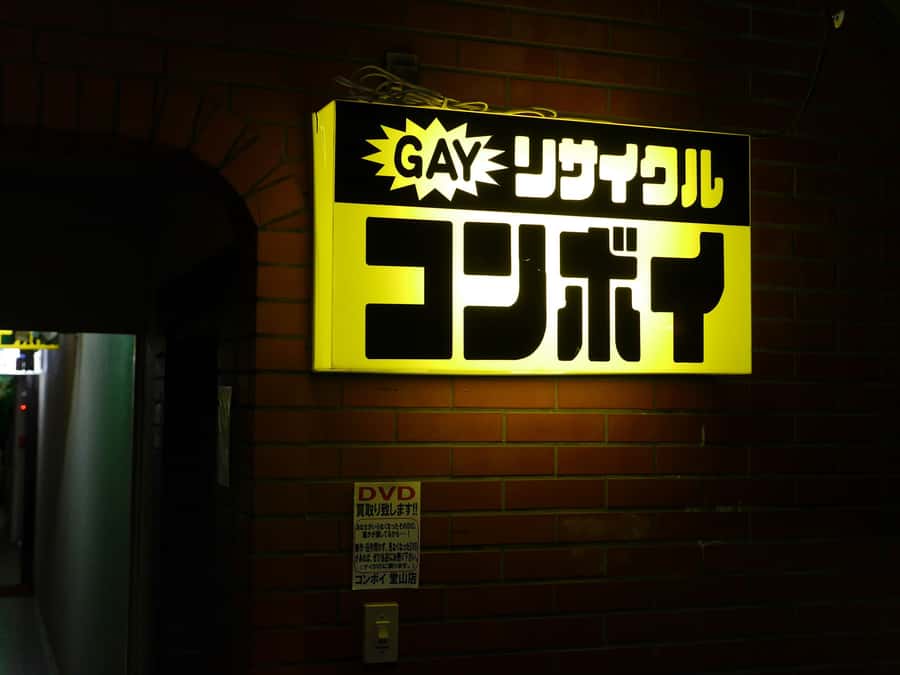
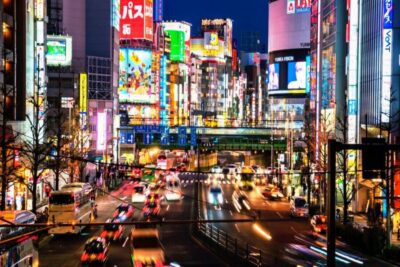
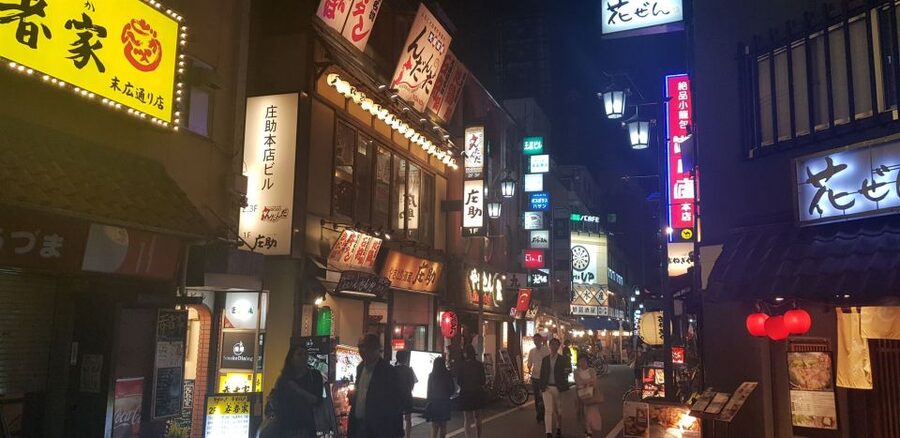
Then you move into Shinjuku, with about 45 minutes of guided sightseeing and walking. Shinjuku is where the tour really starts making its argument: this is where you see Tokyo’s LGBTQ scene as something organized enough to be described, navigated, and understood.
This is also where the guide can answer the questions you came in with. You’ll hear how queer people have maintained their own spaces and subcultures even when legal protections and anti-discrimination frameworks weren’t what many people would expect elsewhere. The tour doesn’t treat queerness as a single story; it frames it as shaped by everyday society, not just nightlife.
One consideration: Japan tends to be discreet about public affection. So if you’re the kind of person who expects casual PDA in a crowded setting, you’ll want to adjust. The tour doesn’t ask you to act like someone else—it just prepares you for how public behavior often works.
Shinjuku 2-chome: The Neighborhood With a History and a System
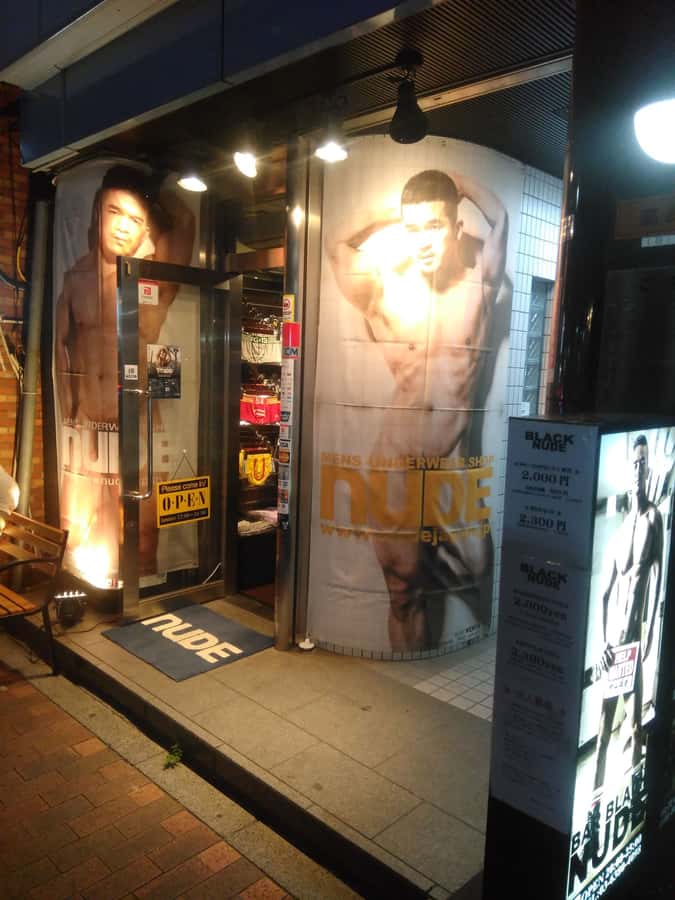
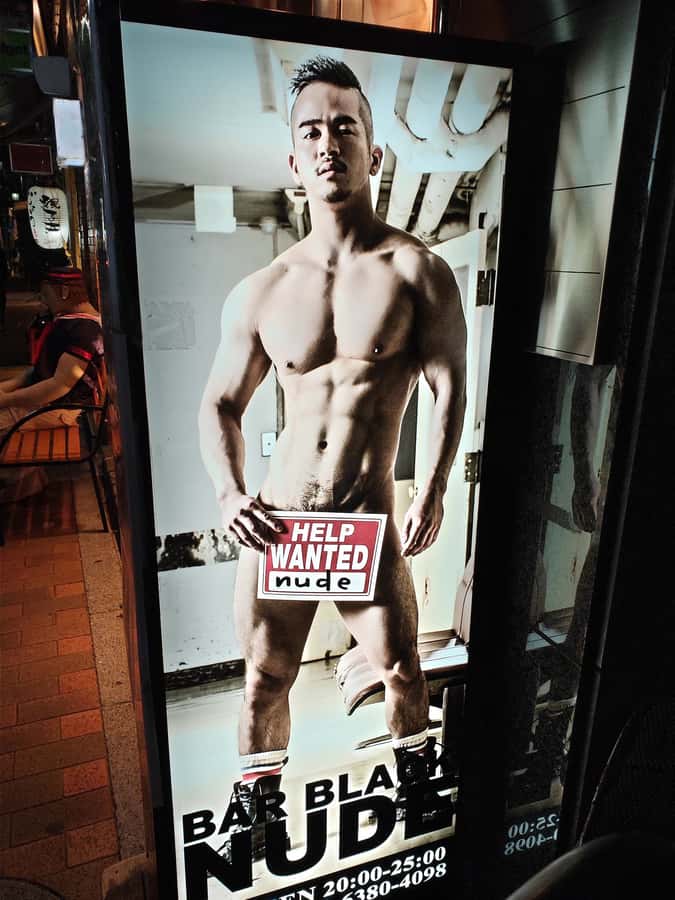
The tour’s signature stop is Shinjuku 2-chome, the city’s largest gay neighborhood. You’ll spend about 25 minutes in the area with guided context, sights, and discussion. This short window is deliberate. The goal isn’t to “finish” 2-chome; it’s to help you understand what you’re looking at once you’re there on your own later.
Here’s what you should expect from this part: the guide helps you connect the physical place to social structure. You’ll learn how Japanese culture interacts with the queer scene, and what makes 2-chome distinct from just any nightlife street. The tour also emphasizes insider knowledge—things you can’t easily infer from a map.
What I’d take away for your own planning: after this stop, you’ll be better at spotting the different types of venues and picking where you feel comfortable. You’ll also understand why some places feel open to foreigners while others are more members-only in spirit.
- Tokyo: Shinjuku Food Tour (13 Dishes at 4 Local Eateries)★ 5.0 · 6,603 reviews
- Tokyo Mt Fuji 5th St & Hakone Cruise Bus Tour w/Bullet Train★ 4.4 · 5,024 reviews
- Flagship 2-Hours Official Street Go-Kart Tour – Tokyo Bay Shop★ 5.0 · 4,974 reviews
- From Tokyo: Mount Fuji Full-Day Sightseeing Trip★ 4.5 · 4,970 reviews
- Tokyo: Hop-On Hop-Off Sightseeing Bus Ticket★ 3.9 · 4,207 reviews
Food and Drinks on the Route: Where the Value Shows Up
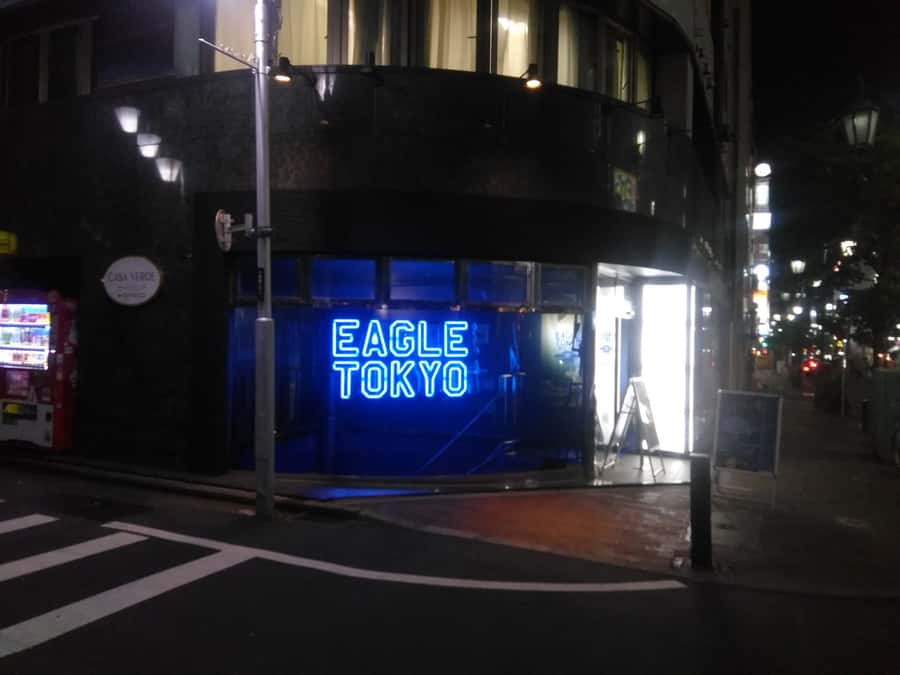
This tour is built around eating and drinking, and that’s where the price makes more sense than it first appears. It costs $95 per person for about 3 hours, and it includes a light dinner with one drink, plus one additional drink at the bar stop. For many Tokyo tours, you’d pay extra just for that kind of food-and-drink time.
You’ll also have a local restaurant stop on the way—about 30 minutes—where you can expect options like beer, cocktail, or spirits along with dinner. Veg options are available, which matters a lot for group tours, especially in Japan where menus can be very pork-and-fish heavy if you don’t plan ahead.
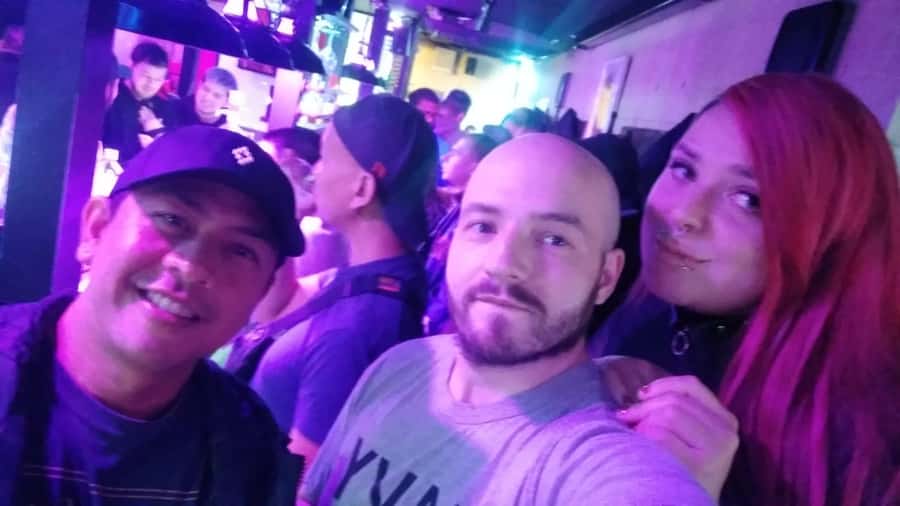
Then you’ll do a local bar stop for about 25 minutes, again centered on drinks such as beer, cocktail, or spirits. The practical point: this isn’t a lecture in the dark. You get a social setting where questions come naturally. And it’s easier to learn customs when you’re actually sitting down with a meal.
Guide Style in Practice: Questions, Context, and Insider Direction
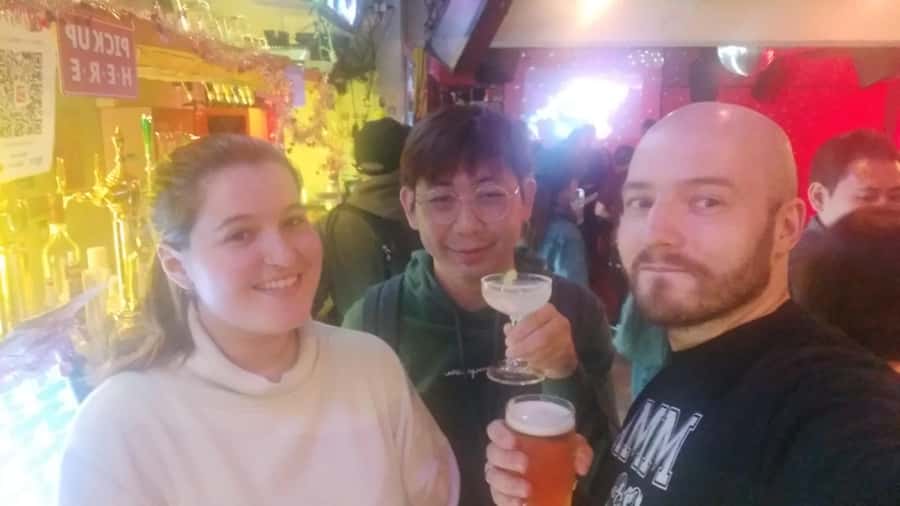
This tour runs with a live English-speaking guide. The description emphasizes a friendly native (or equivalent) speaker who knows what it means to be gay in Japan. In practice, the most praised part of this experience is how the guide blends queer culture with Japanese culture. That’s the difference between a tour that lists places and one that helps you interpret them.
You can also expect the guide to be tuned to the group. In small groups, the conversation can actually adjust—so if your interests lean historical, you’ll likely get more of that. If you want nightlife practicalities, the guide can steer the discussion toward what’s useful.
And because the group is limited to 6, it’s less about performing the same script for everyone. You’re more likely to get straight answers to real questions.
Price, Small Group Size, and the Solo Reality Check
At $95 for 3 hours, the value comes from three things working together: a guide, two neighborhoods, and included food and drinks. It’s not just “walk around and see signs.” You’re paying for explanation and context, plus you’re not eating on your own schedule.
The small group size is a major part of that value. With a max of 6 participants, it’s easier to hear the guide and ask questions without shouting. It also keeps the mood respectful and calm, which fits the setting and the subject.
If you’re going solo, here’s the real-world consideration: the tour notes that if the minimum of 2 guests isn’t met, you’ll be offered options such as attending an alternate date, paying a 3000 yen solo supplement, or receiving a full refund. That’s a fair approach for a small-group model, but it’s smart to be ready for that possibility.
What to Plan For: Drinking Age, Comfort, and Etiquette
Two age rules matter here. The minimum age to join the tour is 18. The legal drinking age in Japan is 20. The tour includes drinks, so if you’re 18 or 19, you’ll want to check what can be served to you during included drink moments.
Comfort-wise, wear shoes you can walk in for a night. Most of the time includes walking and standing, but there are seated breaks for food and when you have that drink.
Etiquette-wise, plan to be respectful in public. Japanese culture often keeps affection private in public spaces, so the tour’s focus is on learning the map and the social rules—not on expecting a free-for-all romance scene in the streets.
Who This Tour Suits Best
This is a great fit if you’re:
- New to Tokyo and want your bearings fast
- Interested in LGBTQ life beyond a nightlife-only view
- Looking for both history and practical understanding of where to go next
- Visiting as a couple or with friends who want a thoughtful, social evening
It’s also a good match if you’re open to being guided through Japanese social context—honne tatemae, public norms, and how queer communities adapt.
If you want a purely party-focused crawl with no cultural context, this may feel more thoughtful than you expect. And if you’re traveling with kids, note that it’s not suitable for children under 18.
Should You Book This Tokyo LGBTQ Then and Now Tour?
I’d book it if your goal is to understand Tokyo’s queer map and the reasons behind it. The combination of Shinjuku 2-chome context, a stop in Asakusa, and included food/drinks makes it easier to spend an evening that’s both fun and actually useful later. The small-group cap and English guidance help you ask questions without awkwardness.
I’d think twice if you dislike walking or standing at night, or if you’re very strict about drink eligibility given Japan’s drinking age rules. Also, if you only want one neighborhood, the split stops might feel like less time in your top pick—but for most first-time visitors, the contrast is part of the win.
If you want an LGBTQ Tokyo evening that helps you decode what you see and where to go next, this one is a strong bet.
FAQ
Where is the meeting point?
You meet on the corner outside Kamiya Bar.
How long is the tour?
The tour is 3 hours.
What’s included in the $95 per person price?
You get a light dinner with one drink, plus one additional drink at the bar stop.
Are there vegetarian options?
Yes, veg options are available for the local meal.
What should I wear?
Wear comfortable shoes since there’s walking and standing, with some seated time for food and drinks.
What are the age requirements, and when can I drink?
The minimum age to join is 18, and the legal drinking age in Japan is 20.
Is transportation included?
No. You’ll need 270 yen for the one subway ride the tour takes.
Which areas does the tour cover?
You’ll visit Asakusa, Shinjuku, and Shinjuku 2-chome, with a local restaurant stop and a local bar stop.
How big is the group, and is the tour in English?
The group is limited to 6 participants, and the tour guide speaks English.
What if I book solo, or want to cancel?
If the minimum of 2 guests isn’t met for a solo booking, you’ll be offered an alternate date, a 3000 yen solo supplement, or a full refund. Cancellation is free up to 24 hours in advance for a full refund.
More Tour Reviews in Tokyo
- Mt Fuji and Hakone 1-Day Bus Tour Return by Bullet Train
★ 5.0 · 26,383 reviews - 1-Day Tokyo Bus Tour
★ 5.0 · 14,250 reviews - Tokyo: teamLab Planets TOKYO Digital Art Museum Entry Ticket
★ 4.6 · 9,779 reviews - Mt Fuji & Hakone Cruise, Drum Show Bullet Train 1 Day from Tokyo
★ 4.0 · 7,413 reviews - Tokyo: Shinjuku Food Tour (13 Dishes at 4 Local Eateries)
★ 5.0 · 6,603 reviews